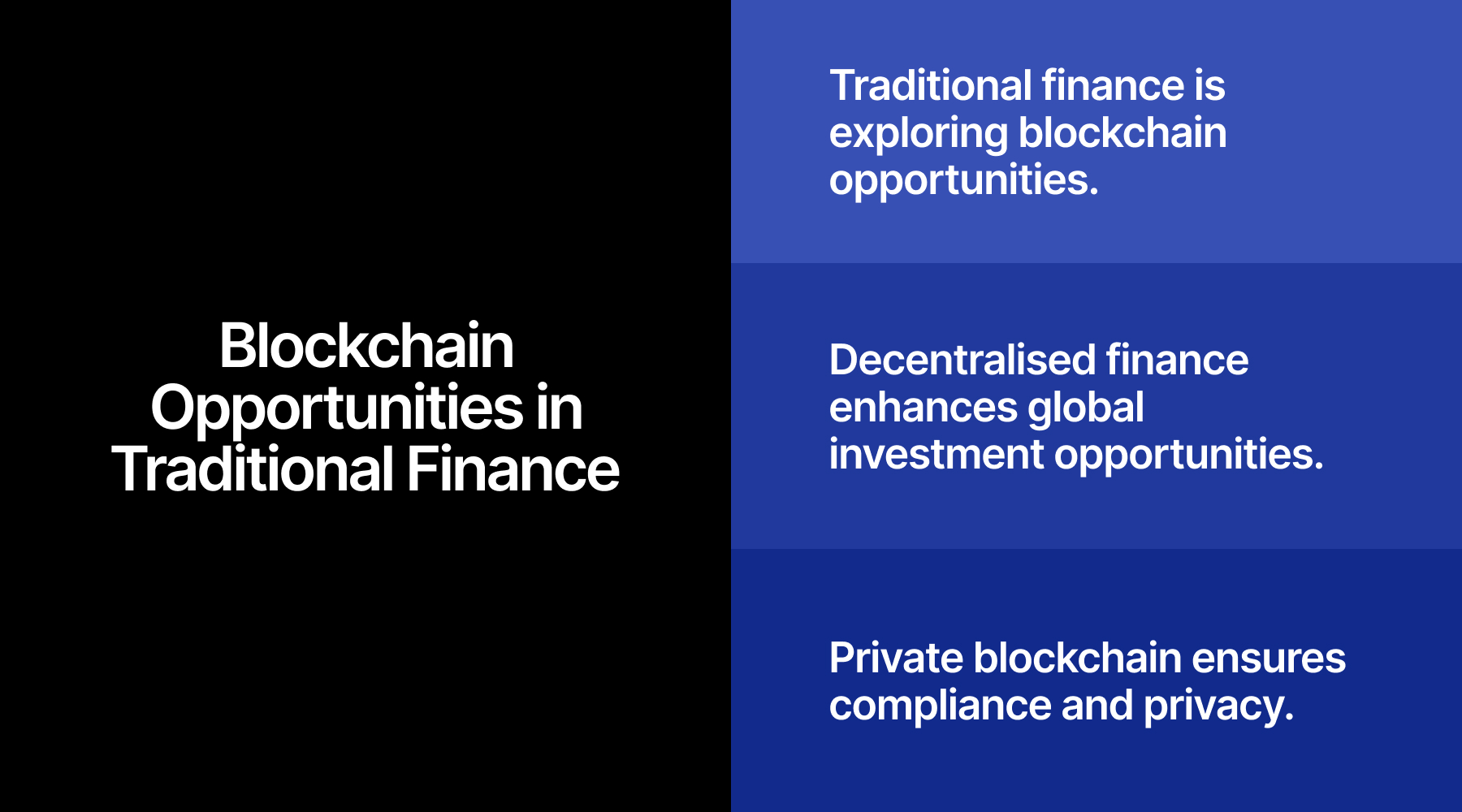
Crypto and DeFi challenge traditional banking, but collaboration is emerging.
Vixichain bridges traditional finance and DeFi with a compliant, private blockchain.
In physics, Newton’s Laws of Motion dictate the outcome of
two moving objects colliding. Different factors such as mass and speed make
calculating the impact of, say, a linebacker tackling a wide receiver in the
open field relatively predictable.
In society, however, when two competing ideologies clash,
the results are less predictable. Factors like resources and social capital can
help experts make historically rooted predictions, providing analyses for what
to expect during unstable times, but in a far less scientific manner.
While economics is a social science, only one financial
model has dominated the global economy for centuries, remaining largely
unchallenged, until recently.
Of course, this didn’t happen
immediately. It took over a decade of events and technological developments for
the decentralized model that spun out of Bitcoin’s launch to gain its place.
But political, religious, or social conflicts tend to result
in one side asserting dominance over the other, with little or no room for
compromise.
While traditional finance (TradFi) and crypto are
diametrically opposed in theory, the former has grown increasingly drawn to the
latter’s maturation, expansion, and technological achievements.
Decentralized finance (DeFi),
for instance, represents one area that is particularly appealing to
institutions as it includes tokenized real-world assets and other
blockchain-based applications with high-potential revenue opportunities.
Likewise, the crypto industry,
originally established to reject TradFi’s centralized system, has increasingly
opened up to the idea that institutional participation is beneficial for
expansion.
In addition to these examples, the competing financial
models are moving together while remaining rivals in other ways; similar to the
relationship between China and the US, where economic competition coexists
alongside cooperation on trade and scientific research.
Competing Models Move Closer Together
Just like we
don’t know what the future holds for China-U.S. relations, the same can be
said for the relationship between crypto and TradFi. However, pundits and
insiders believe that the future of finance will inevitably merge both
financial models.
There’s good reason to believe this is likely since
crypto’s market capitalization is racing toward $4 trillion, while TradFi, which still
serves as the gateway to the rest of the globe’s wealth, pursues its
decentralized rival.
Yet, despite growing interest in digital assets and DeFi
by retail and institutional investors, traditional financial systems will
remain the backbone of global finance.
As DeFi and blockchain-based assets take on a larger role in
the economy, TradFi’s desire to engage with its decentralized counterpart will
keep rising. Despite this, tangible institutional crypto involvement lags
behind its desire to participate.
Compliant Blockchain Enables DeFi Integration
Understanding the mutually beneficial relationship of
TradFi-DeFi integration, Vixichain is an example of a company working to expand
traditional institutions’ limited role in blockchain ecosystems.
DeFi aims to replace every aspect of the traditional banking sector. Loans and Mortgages are no exception, no need to wait for weeks until banks verify the processes. Using #DeFi, you’d be able to take out a loan or mortgage in seconds.#DeFi… pic.twitter.com/u9ci3Sm0PI
Vixichain’s Layer-1 blockchain helps
TradFi institutions overcome their reluctance to engage with unregulated public
blockchains and gain exposure to expansive investing opportunities through DeFi
protocols, in a compliant manner.
It accomplishes this by onboarding financial
institutions to serve as network validators, where they receive fees for
validating end-user transactions on Vixichain’s blockchain.
Vixichain Bridges DeFi and TradFi Models
End-users connect to Vixichain’s crypto wallet, which allows
them to store, send, and accept crypto, and then select their preferred
institution to validate the transaction based on pre-set rates.
Vixichain
grants safe access to the world of DeFi through a non-fungible stable token
(NUSD) backed by securely stored fiat. By using NFT technology to create a
stablecoin, NUSD acts as a completely traceable bridge to DeFi, while
maintaining institutional-level privacy and compliance.
While these two models were once on a collision course, they
now seem destined for co-existence. As finance evolves, its future remains
unclear, but bridging the gaps between the two rival models with innovative
solutions will enable an efficient hybrid model to naturally take shape.
In physics, Newton’s Laws of Motion dictate the outcome of
two moving objects colliding. Different factors such as mass and speed make
calculating the impact of, say, a linebacker tackling a wide receiver in the
open field relatively predictable.
In society, however, when two competing ideologies clash,
the results are less predictable. Factors like resources and social capital can
help experts make historically rooted predictions, providing analyses for what
to expect during unstable times, but in a far less scientific manner.
While economics is a social science, only one financial
model has dominated the global economy for centuries, remaining largely
unchallenged, until recently.
Of course, this didn’t happen
immediately. It took over a decade of events and technological developments for
the decentralized model that spun out of Bitcoin’s launch to gain its place.
But political, religious, or social conflicts tend to result
in one side asserting dominance over the other, with little or no room for
compromise.
While traditional finance (TradFi) and crypto are
diametrically opposed in theory, the former has grown increasingly drawn to the
latter’s maturation, expansion, and technological achievements.
Decentralized finance (DeFi),
for instance, represents one area that is particularly appealing to
institutions as it includes tokenized real-world assets and other
blockchain-based applications with high-potential revenue opportunities.
Likewise, the crypto industry,
originally established to reject TradFi’s centralized system, has increasingly
opened up to the idea that institutional participation is beneficial for
expansion.
In addition to these examples, the competing financial
models are moving together while remaining rivals in other ways; similar to the
relationship between China and the US, where economic competition coexists
alongside cooperation on trade and scientific research.
Competing Models Move Closer Together
Just like we
don’t know what the future holds for China-U.S. relations, the same can be
said for the relationship between crypto and TradFi. However, pundits and
insiders believe that the future of finance will inevitably merge both
financial models.
There’s good reason to believe this is likely since
crypto’s market capitalization is racing toward $4 trillion, while TradFi, which still
serves as the gateway to the rest of the globe’s wealth, pursues its
decentralized rival.
Yet, despite growing interest in digital assets and DeFi
by retail and institutional investors, traditional financial systems will
remain the backbone of global finance.
As DeFi and blockchain-based assets take on a larger role in
the economy, TradFi’s desire to engage with its decentralized counterpart will
keep rising. Despite this, tangible institutional crypto involvement lags
behind its desire to participate.
Compliant Blockchain Enables DeFi Integration
Understanding the mutually beneficial relationship of
TradFi-DeFi integration, Vixichain is an example of a company working to expand
traditional institutions’ limited role in blockchain ecosystems.
DeFi aims to replace every aspect of the traditional banking sector. Loans and Mortgages are no exception, no need to wait for weeks until banks verify the processes. Using #DeFi, you’d be able to take out a loan or mortgage in seconds.#DeFi… pic.twitter.com/u9ci3Sm0PI
Vixichain’s Layer-1 blockchain helps
TradFi institutions overcome their reluctance to engage with unregulated public
blockchains and gain exposure to expansive investing opportunities through DeFi
protocols, in a compliant manner.
It accomplishes this by onboarding financial
institutions to serve as network validators, where they receive fees for
validating end-user transactions on Vixichain’s blockchain.
Vixichain Bridges DeFi and TradFi Models
End-users connect to Vixichain’s crypto wallet, which allows
them to store, send, and accept crypto, and then select their preferred
institution to validate the transaction based on pre-set rates.
Vixichain
grants safe access to the world of DeFi through a non-fungible stable token
(NUSD) backed by securely stored fiat. By using NFT technology to create a
stablecoin, NUSD acts as a completely traceable bridge to DeFi, while
maintaining institutional-level privacy and compliance.
While these two models were once on a collision course, they
now seem destined for co-existence. As finance evolves, its future remains
unclear, but bridging the gaps between the two rival models with innovative
solutions will enable an efficient hybrid model to naturally take shape.
Binance Launches Retail AI Assistant, Repackages Existing Trading Tools
Featured Videos
AvaTrade to Acquire Most of FXCM; NAGA Raises $8M
AvaTrade to Acquire Most of FXCM; NAGA Raises $8M
AvaTrade to Acquire Most of FXCM; NAGA Raises $8M
AvaTrade to Acquire Most of FXCM; NAGA Raises $8M
Today’s financial news recap covers AvaTrade agrees to acquire most of FXCM, NAGA secures eight million dollars in new financing, and Wise seeks a tax settlement in the UK.
Finance Magnates Daily Recap brings you the latest news from forex and CFD brokers, fintech, payments, cryptocurrency, digital assets, trading platforms, financial regulation and global markets.
Get the key company news, executive moves, deals, regulatory updates and market developments of the day, in just a few minutes. New episodes published every weekday.
Read more: https://www.financemagnates.com
#FinanceMagnates #ForexNews #FintechNews
Today’s financial news recap covers AvaTrade agrees to acquire most of FXCM, NAGA secures eight million dollars in new financing, and Wise seeks a tax settlement in the UK.
Finance Magnates Daily Recap brings you the latest news from forex and CFD brokers, fintech, payments, cryptocurrency, digital assets, trading platforms, financial regulation and global markets.
Get the key company news, executive moves, deals, regulatory updates and market developments of the day, in just a few minutes. New episodes published every weekday.
Read more: https://www.financemagnates.com
#FinanceMagnates #ForexNews #FintechNews
Today’s financial news recap covers AvaTrade agrees to acquire most of FXCM, NAGA secures eight million dollars in new financing, and Wise seeks a tax settlement in the UK.
Finance Magnates Daily Recap brings you the latest news from forex and CFD brokers, fintech, payments, cryptocurrency, digital assets, trading platforms, financial regulation and global markets.
Get the key company news, executive moves, deals, regulatory updates and market developments of the day, in just a few minutes. New episodes published every weekday.
Read more: https://www.financemagnates.com
#FinanceMagnates #ForexNews #FintechNews
Today’s financial news recap covers AvaTrade agrees to acquire most of FXCM, NAGA secures eight million dollars in new financing, and Wise seeks a tax settlement in the UK.
Finance Magnates Daily Recap brings you the latest news from forex and CFD brokers, fintech, payments, cryptocurrency, digital assets, trading platforms, financial regulation and global markets.
Get the key company news, executive moves, deals, regulatory updates and market developments of the day, in just a few minutes. New episodes published every weekday.
Read more: https://www.financemagnates.com
#FinanceMagnates #ForexNews #FintechNews
XTB Adds Overnight US Stock Trading; Nasdaq Ventures Invests in One Trading
XTB Adds Overnight US Stock Trading; Nasdaq Ventures Invests in One Trading
XTB Adds Overnight US Stock Trading; Nasdaq Ventures Invests in One Trading
XTB Adds Overnight US Stock Trading; Nasdaq Ventures Invests in One Trading
XTB Adds Overnight US Stock Trading; Nasdaq Ventures Invests in One Trading
XTB Adds Overnight US Stock Trading; Nasdaq Ventures Invests in One Trading
Today’s financial news recap covers XTB expands overnight US stock trading, Fortrade reports higher revenue, Nasdaq backs One Trading, and Vest Labs raises 13 million dollars.
Finance Magnates Daily Recap brings you the latest news from forex and CFD brokers, fintech, payments, cryptocurrency, digital assets, trading platforms, financial regulation and global markets.
Get the key company news, executive moves, deals, regulatory updates and market developments of the day, in just a few minutes. New episodes published every weekday.
Read more: https://www.financemagnates.com
#FinanceMagnates #ForexNews #FintechNews
Today’s financial news recap covers XTB expands overnight US stock trading, Fortrade reports higher revenue, Nasdaq backs One Trading, and Vest Labs raises 13 million dollars.
Finance Magnates Daily Recap brings you the latest news from forex and CFD brokers, fintech, payments, cryptocurrency, digital assets, trading platforms, financial regulation and global markets.
Get the key company news, executive moves, deals, regulatory updates and market developments of the day, in just a few minutes. New episodes published every weekday.
Read more: https://www.financemagnates.com
#FinanceMagnates #ForexNews #FintechNews
Today’s financial news recap covers XTB expands overnight US stock trading, Fortrade reports higher revenue, Nasdaq backs One Trading, and Vest Labs raises 13 million dollars.
Finance Magnates Daily Recap brings you the latest news from forex and CFD brokers, fintech, payments, cryptocurrency, digital assets, trading platforms, financial regulation and global markets.
Get the key company news, executive moves, deals, regulatory updates and market developments of the day, in just a few minutes. New episodes published every weekday.
Read more: https://www.financemagnates.com
#FinanceMagnates #ForexNews #FintechNews
Today’s financial news recap covers XTB expands overnight US stock trading, Fortrade reports higher revenue, Nasdaq backs One Trading, and Vest Labs raises 13 million dollars.
Finance Magnates Daily Recap brings you the latest news from forex and CFD brokers, fintech, payments, cryptocurrency, digital assets, trading platforms, financial regulation and global markets.
Get the key company news, executive moves, deals, regulatory updates and market developments of the day, in just a few minutes. New episodes published every weekday.
Read more: https://www.financemagnates.com
#FinanceMagnates #ForexNews #FintechNews
Today’s financial news recap covers XTB expands overnight US stock trading, Fortrade reports higher revenue, Nasdaq backs One Trading, and Vest Labs raises 13 million dollars.
Finance Magnates Daily Recap brings you the latest news from forex and CFD brokers, fintech, payments, cryptocurrency, digital assets, trading platforms, financial regulation and global markets.
Get the key company news, executive moves, deals, regulatory updates and market developments of the day, in just a few minutes. New episodes published every weekday.
Read more: https://www.financemagnates.com
#FinanceMagnates #ForexNews #FintechNews
Today’s financial news recap covers XTB expands overnight US stock trading, Fortrade reports higher revenue, Nasdaq backs One Trading, and Vest Labs raises 13 million dollars.
Finance Magnates Daily Recap brings you the latest news from forex and CFD brokers, fintech, payments, cryptocurrency, digital assets, trading platforms, financial regulation and global markets.
Get the key company news, executive moves, deals, regulatory updates and market developments of the day, in just a few minutes. New episodes published every weekday.
Read more: https://www.financemagnates.com
#FinanceMagnates #ForexNews #FintechNews
CMC Founder Downplays Volatility Hit; Devexperts Names CEO
CMC Founder Downplays Volatility Hit; Devexperts Names CEO
CMC Founder Downplays Volatility Hit; Devexperts Names CEO
CMC Founder Downplays Volatility Hit; Devexperts Names CEO
CMC Founder Downplays Volatility Hit; Devexperts Names CEO
CMC Founder Downplays Volatility Hit; Devexperts Names CEO
Today’s financial news recap covers low volatility pressures brokers, Devexperts names a new CEO, Saxo cuts onboarding time, and OKX reaches a 25 billion dollar valuation.
Finance Magnates Daily Recap brings you the latest news from forex and CFD brokers, fintech, payments, cryptocurrency, digital assets, trading platforms, financial regulation and global markets.
Get the key company news, executive moves, deals, regulatory updates and market developments of the day, in just a few minutes. New episodes published every weekday.
Read more: https://www.financemagnates.com
#FinanceMagnates #ForexNews #FintechNews
Today’s financial news recap covers low volatility pressures brokers, Devexperts names a new CEO, Saxo cuts onboarding time, and OKX reaches a 25 billion dollar valuation.
Finance Magnates Daily Recap brings you the latest news from forex and CFD brokers, fintech, payments, cryptocurrency, digital assets, trading platforms, financial regulation and global markets.
Get the key company news, executive moves, deals, regulatory updates and market developments of the day, in just a few minutes. New episodes published every weekday.
Read more: https://www.financemagnates.com
#FinanceMagnates #ForexNews #FintechNews
Today’s financial news recap covers low volatility pressures brokers, Devexperts names a new CEO, Saxo cuts onboarding time, and OKX reaches a 25 billion dollar valuation.
Finance Magnates Daily Recap brings you the latest news from forex and CFD brokers, fintech, payments, cryptocurrency, digital assets, trading platforms, financial regulation and global markets.
Get the key company news, executive moves, deals, regulatory updates and market developments of the day, in just a few minutes. New episodes published every weekday.
Read more: https://www.financemagnates.com
#FinanceMagnates #ForexNews #FintechNews
Today’s financial news recap covers low volatility pressures brokers, Devexperts names a new CEO, Saxo cuts onboarding time, and OKX reaches a 25 billion dollar valuation.
Finance Magnates Daily Recap brings you the latest news from forex and CFD brokers, fintech, payments, cryptocurrency, digital assets, trading platforms, financial regulation and global markets.
Get the key company news, executive moves, deals, regulatory updates and market developments of the day, in just a few minutes. New episodes published every weekday.
Read more: https://www.financemagnates.com
#FinanceMagnates #ForexNews #FintechNews
Today’s financial news recap covers low volatility pressures brokers, Devexperts names a new CEO, Saxo cuts onboarding time, and OKX reaches a 25 billion dollar valuation.
Finance Magnates Daily Recap brings you the latest news from forex and CFD brokers, fintech, payments, cryptocurrency, digital assets, trading platforms, financial regulation and global markets.
Get the key company news, executive moves, deals, regulatory updates and market developments of the day, in just a few minutes. New episodes published every weekday.
Read more: https://www.financemagnates.com
#FinanceMagnates #ForexNews #FintechNews
Today’s financial news recap covers low volatility pressures brokers, Devexperts names a new CEO, Saxo cuts onboarding time, and OKX reaches a 25 billion dollar valuation.
Finance Magnates Daily Recap brings you the latest news from forex and CFD brokers, fintech, payments, cryptocurrency, digital assets, trading platforms, financial regulation and global markets.
Get the key company news, executive moves, deals, regulatory updates and market developments of the day, in just a few minutes. New episodes published every weekday.
Read more: https://www.financemagnates.com
#FinanceMagnates #ForexNews #FintechNews
Today’s financial news recap covers Trade Nation buys FXCM's UK client book, Trading 212 reports higher revenue, the CFTC's move to allow perpetual index futures.
Finance Magnates Daily Recap brings you the latest news from forex and CFD brokers, fintech, payments, cryptocurrency, digital assets, trading platforms, financial regulation and global markets.
Get the key company news, executive moves, deals, regulatory updates and market developments of the day, in just a few minutes. New episodes published every weekday.
Read more: https://www.financemagnates.com
#FinanceMagnates #ForexNews #FintechNews
Today’s financial news recap covers Trade Nation buys FXCM's UK client book, Trading 212 reports higher revenue, the CFTC's move to allow perpetual index futures.
Finance Magnates Daily Recap brings you the latest news from forex and CFD brokers, fintech, payments, cryptocurrency, digital assets, trading platforms, financial regulation and global markets.
Get the key company news, executive moves, deals, regulatory updates and market developments of the day, in just a few minutes. New episodes published every weekday.
Read more: https://www.financemagnates.com
#FinanceMagnates #ForexNews #FintechNews
Today’s financial news recap covers Trade Nation buys FXCM's UK client book, Trading 212 reports higher revenue, the CFTC's move to allow perpetual index futures.
Finance Magnates Daily Recap brings you the latest news from forex and CFD brokers, fintech, payments, cryptocurrency, digital assets, trading platforms, financial regulation and global markets.
Get the key company news, executive moves, deals, regulatory updates and market developments of the day, in just a few minutes. New episodes published every weekday.
Read more: https://www.financemagnates.com
#FinanceMagnates #ForexNews #FintechNews
Today’s financial news recap covers Trade Nation buys FXCM's UK client book, Trading 212 reports higher revenue, the CFTC's move to allow perpetual index futures.
Finance Magnates Daily Recap brings you the latest news from forex and CFD brokers, fintech, payments, cryptocurrency, digital assets, trading platforms, financial regulation and global markets.
Get the key company news, executive moves, deals, regulatory updates and market developments of the day, in just a few minutes. New episodes published every weekday.
Read more: https://www.financemagnates.com
#FinanceMagnates #ForexNews #FintechNews
Today’s financial news recap covers Trade Nation buys FXCM's UK client book, Trading 212 reports higher revenue, the CFTC's move to allow perpetual index futures.
Finance Magnates Daily Recap brings you the latest news from forex and CFD brokers, fintech, payments, cryptocurrency, digital assets, trading platforms, financial regulation and global markets.
Get the key company news, executive moves, deals, regulatory updates and market developments of the day, in just a few minutes. New episodes published every weekday.
Read more: https://www.financemagnates.com
#FinanceMagnates #ForexNews #FintechNews
Today’s financial news recap covers Trade Nation buys FXCM's UK client book, Trading 212 reports higher revenue, the CFTC's move to allow perpetual index futures.
Finance Magnates Daily Recap brings you the latest news from forex and CFD brokers, fintech, payments, cryptocurrency, digital assets, trading platforms, financial regulation and global markets.
Get the key company news, executive moves, deals, regulatory updates and market developments of the day, in just a few minutes. New episodes published every weekday.
Read more: https://www.financemagnates.com
#FinanceMagnates #ForexNews #FintechNews
Your career isn’t a linear path.
Your career isn’t a linear path.
Your career isn’t a linear path.
Your career isn’t a linear path.
Your career isn’t a linear path.
Your career isn’t a linear path.
Roles change. Career goals change. Sometimes you want a completely new challenge.
But the skills and knowledge you build along the way can stay with you and give you something to build on.
For Jeff Patterson, that continued growth is key to long-term career development.
You bring the skills. FM Academy helps you build the knowledge.
#FMAcademy #FinanceMagnates #FinanceCareers #ProfessionalDevelopment #Fintech
Roles change. Career goals change. Sometimes you want a completely new challenge.
But the skills and knowledge you build along the way can stay with you and give you something to build on.
For Jeff Patterson, that continued growth is key to long-term career development.
You bring the skills. FM Academy helps you build the knowledge.
#FMAcademy #FinanceMagnates #FinanceCareers #ProfessionalDevelopment #Fintech
Roles change. Career goals change. Sometimes you want a completely new challenge.
But the skills and knowledge you build along the way can stay with you and give you something to build on.
For Jeff Patterson, that continued growth is key to long-term career development.
You bring the skills. FM Academy helps you build the knowledge.
#FMAcademy #FinanceMagnates #FinanceCareers #ProfessionalDevelopment #Fintech
Roles change. Career goals change. Sometimes you want a completely new challenge.
But the skills and knowledge you build along the way can stay with you and give you something to build on.
For Jeff Patterson, that continued growth is key to long-term career development.
You bring the skills. FM Academy helps you build the knowledge.
#FMAcademy #FinanceMagnates #FinanceCareers #ProfessionalDevelopment #Fintech
Roles change. Career goals change. Sometimes you want a completely new challenge.
But the skills and knowledge you build along the way can stay with you and give you something to build on.
For Jeff Patterson, that continued growth is key to long-term career development.
You bring the skills. FM Academy helps you build the knowledge.
#FMAcademy #FinanceMagnates #FinanceCareers #ProfessionalDevelopment #Fintech
Roles change. Career goals change. Sometimes you want a completely new challenge.
But the skills and knowledge you build along the way can stay with you and give you something to build on.
For Jeff Patterson, that continued growth is key to long-term career development.
You bring the skills. FM Academy helps you build the knowledge.
#FMAcademy #FinanceMagnates #FinanceCareers #ProfessionalDevelopment #Fintech