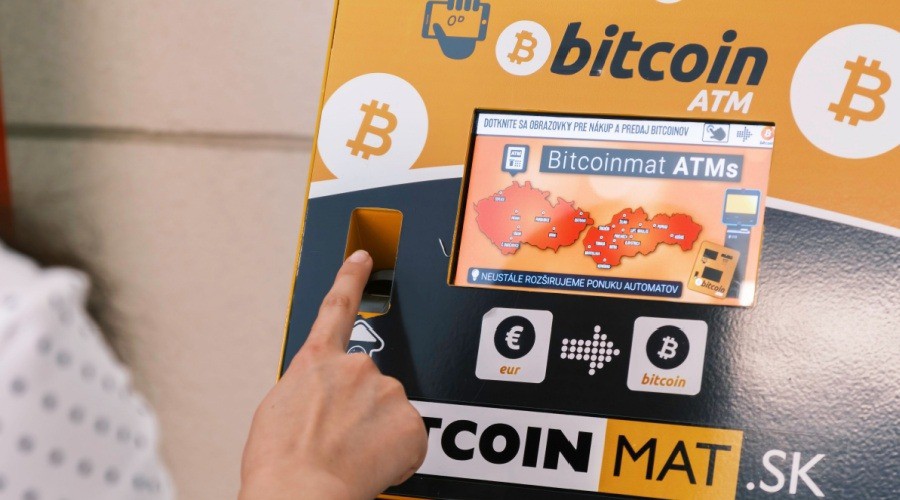
Bitcoin ATMs have appeared in major Nairobi malls just
days after Kenya’s new crypto law took effect, prompting regulators to warn
that no operator has been cleared to run digital-asset services in the country.
Digital assets meet tradfi in London at the fmls25
Local media outlet Capital News reported that the machines, branded “Bankless Bitcoin
Bitcoin
While some may still be wondering what is Bitcoin, who created Bitcoin, or how does Bitcoin work, one thing is certain: Bitcoin has changed the world.No one can remain indifferent to this revolutionary, decentralized, digital asset nor to its blockchain technology.In fact, we’ve gone a long way ever since a Florida resident Laszlo Hanyecz made BTC’s first official commercial transaction with a real company by trading 10,000 Bitcoins for 2 pizzas at his local Papa John’s.One could now argue that
Read this Term,” have been spotted
beside traditional bank ATMs in some of the country’s popular malls such as Two
Rivers, in Westlands and along Ngong Road, giving shoppers access to
cash-to-crypto services even as the country’s licensing regime remains
incomplete.
Public Notice on the Virtual Assets Service Providers Act 2025 pic.twitter.com/suDoXIVWhN
— Central Bank of Kenya (@CBKKenya) November 18, 2025
Kenya began enforcing the Virtual Assets Service Providers Act on November 4, setting out a formal structure for licensing
exchanges, custodial wallet providers and other crypto platforms.
Under the law, the Central Bank of Kenya will regulate
payment and custody activities, while the Capital Markets Authority will
supervise trading and investment services.
Regulators Say the Market Is Not Yet Licensed
However, the National Treasury has not yet issued the
detailed regulations needed to activate the licensing process. In a joint
notice on Tuesday, the CBK and CMA said no VASP has been approved, adding that
any company claiming authorization is doing so illegally.
The regulators said licensing will begin only after
the Treasury publishes the operational rules. Kenya's Virtual Assets Service
Providers Act took effect on November 4, creating a licensing pathway for
exchanges, wallet custodians and other digital-asset players.
Bitcoin ATMs pop up in Nairobi malls as Kenya’s new crypto law takes effect https://t.co/72WwZJHoBl pic.twitter.com/5v4Vg9QIBF
— Capital FM Kenya (@CapitalFMKenya) November 18, 2025
Under the law, the Central Bank of Kenya will
supervise payment and custody functions while the Capital Markets Authority
will oversee trading and investment activities.
Yet the framework remains incomplete. The National
Treasury has not issued the detailed regulations required to initiate
licensing. In a joint notice, the CBK and CMA stated that no crypto provider
has been authorized to operate, warning that firms claiming approval are doing
so illegally.
Bitcoin Climbs from Informal Settlements to High-End Malls
The sudden mall installations mark a shift from
Bitcoin’s earlier presence in Kenya’s informal economy. In Kibera, Africa’s
largest informal settlement, residents have used BTC for years as a workaround
for documentation hurdles that block access to traditional banking.
Keep reading: Kenya's Legislators Pass Crypto Bill to Boost Investments and Oversight
Today, about 200 people in Soweto West, a village
within Kibera, reportedly use Bitcoin. Some boda boda riders and small
merchants accept payments
Payments
One of the bases of mediums of exchange in the modern world, a payment constitutes the transfer of a legal currency or equivalent from one party in exchange for goods or services to another entity. The payments industry has become a fixture of modern commerce, though the players involved and means of exchange have dramatically shifted over time.In particular, a party making a payment is referred to as a payer, with the payee reflecting the individual or entity receiving the payment. Most commonl
Read this Term through the Lightning Network, viewing it as faster
and cheaper than mobile money.
Supporters see the spread of Bitcoin, from the
backstreets of Kibera to malls like Two Rivers, Westlands and branches along
Ngong Road, as evidence of a technology that offers open access to financial
tools. But Bitcoin’s volatility and the sector’s unregulated history continue
to raise alarms.
Until the Treasury issues the final regulations, the
country sits in a holding pattern. Bitcoin ATMs stand beside traditional
banking machines in upscale retail centers while unlicensed crypto payments
move through Kibera’s informal economy.
Bitcoin ATMs have appeared in major Nairobi malls just
days after Kenya’s new crypto law took effect, prompting regulators to warn
that no operator has been cleared to run digital-asset services in the country.
Digital assets meet tradfi in London at the fmls25
Local media outlet Capital News reported that the machines, branded “Bankless Bitcoin
Bitcoin
While some may still be wondering what is Bitcoin, who created Bitcoin, or how does Bitcoin work, one thing is certain: Bitcoin has changed the world.No one can remain indifferent to this revolutionary, decentralized, digital asset nor to its blockchain technology.In fact, we’ve gone a long way ever since a Florida resident Laszlo Hanyecz made BTC’s first official commercial transaction with a real company by trading 10,000 Bitcoins for 2 pizzas at his local Papa John’s.One could now argue that
Read this Term,” have been spotted
beside traditional bank ATMs in some of the country’s popular malls such as Two
Rivers, in Westlands and along Ngong Road, giving shoppers access to
cash-to-crypto services even as the country’s licensing regime remains
incomplete.
Public Notice on the Virtual Assets Service Providers Act 2025 pic.twitter.com/suDoXIVWhN
— Central Bank of Kenya (@CBKKenya) November 18, 2025
Kenya began enforcing the Virtual Assets Service Providers Act on November 4, setting out a formal structure for licensing
exchanges, custodial wallet providers and other crypto platforms.
Under the law, the Central Bank of Kenya will regulate
payment and custody activities, while the Capital Markets Authority will
supervise trading and investment services.
Regulators Say the Market Is Not Yet Licensed
However, the National Treasury has not yet issued the
detailed regulations needed to activate the licensing process. In a joint
notice on Tuesday, the CBK and CMA said no VASP has been approved, adding that
any company claiming authorization is doing so illegally.
The regulators said licensing will begin only after
the Treasury publishes the operational rules. Kenya's Virtual Assets Service
Providers Act took effect on November 4, creating a licensing pathway for
exchanges, wallet custodians and other digital-asset players.
Bitcoin ATMs pop up in Nairobi malls as Kenya’s new crypto law takes effect https://t.co/72WwZJHoBl pic.twitter.com/5v4Vg9QIBF
— Capital FM Kenya (@CapitalFMKenya) November 18, 2025
Under the law, the Central Bank of Kenya will
supervise payment and custody functions while the Capital Markets Authority
will oversee trading and investment activities.
Yet the framework remains incomplete. The National
Treasury has not issued the detailed regulations required to initiate
licensing. In a joint notice, the CBK and CMA stated that no crypto provider
has been authorized to operate, warning that firms claiming approval are doing
so illegally.
Bitcoin Climbs from Informal Settlements to High-End Malls
The sudden mall installations mark a shift from
Bitcoin’s earlier presence in Kenya’s informal economy. In Kibera, Africa’s
largest informal settlement, residents have used BTC for years as a workaround
for documentation hurdles that block access to traditional banking.
Keep reading: Kenya's Legislators Pass Crypto Bill to Boost Investments and Oversight
Today, about 200 people in Soweto West, a village
within Kibera, reportedly use Bitcoin. Some boda boda riders and small
merchants accept payments
Payments
One of the bases of mediums of exchange in the modern world, a payment constitutes the transfer of a legal currency or equivalent from one party in exchange for goods or services to another entity. The payments industry has become a fixture of modern commerce, though the players involved and means of exchange have dramatically shifted over time.In particular, a party making a payment is referred to as a payer, with the payee reflecting the individual or entity receiving the payment. Most commonl
Read this Term through the Lightning Network, viewing it as faster
and cheaper than mobile money.
Supporters see the spread of Bitcoin, from the
backstreets of Kibera to malls like Two Rivers, Westlands and branches along
Ngong Road, as evidence of a technology that offers open access to financial
tools. But Bitcoin’s volatility and the sector’s unregulated history continue
to raise alarms.
Until the Treasury issues the final regulations, the
country sits in a holding pattern. Bitcoin ATMs stand beside traditional
banking machines in upscale retail centers while unlicensed crypto payments
move through Kibera’s informal economy.