The SEC has formally charged Josh Garza (Homero Joshua Garza) with fraud stemming from his operation of GAW Miners.
Bloomberg
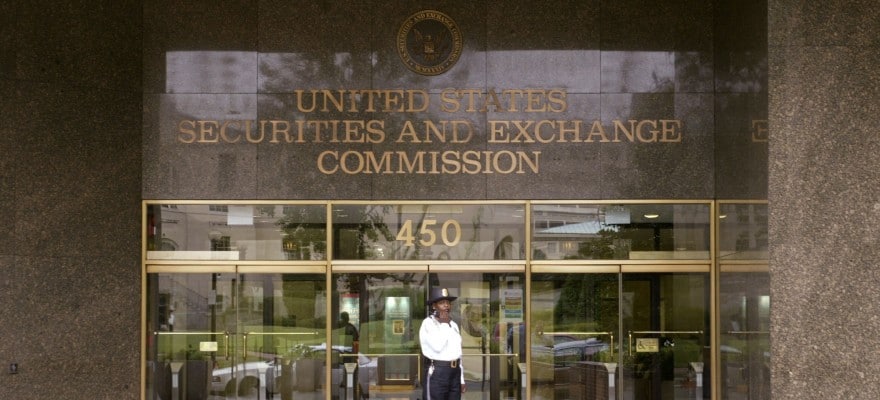
The US Securities and Exchange Commission (SEC) has formally charged Josh Garza (Homero Joshua Garza) with fraud stemming from his operation of GAW Miners.
“Garza and his companies cloaked their scheme in technological sophistication and jargon, but the fraud was simple at its core: they sold what they did not own, misrepresented what they were selling, and robbed one investor to pay another,” said Paul G. Levenson, Director of the SEC’s Boston Regional Office.
Quoting the SEC’s complaint:
From August 2014 to December 2014, Garza and his companies sold $20 million worth of purported shares in a digital mining contract they called a Hashlet.
More than 10,000 investors purchased Hashlets, which were touted as always profitable and never obsolete.
Although Hashlets were depicted in GAW Miners’ marketing materials as a physical product or piece of mining hardware, the promised contract purportedly entitled the investor to control a share of computing power that GAW Miners claimed to own and operate.
Investors were misled to believe they would share in returns earned by the Bitcoin mining activities when in reality GAW Miners directed little or no computing power toward any mining activity.
Because Garza and his companies sold far more computing power than they owned, they owed investors a daily return that was larger than any actual return they were making on their limited mining operations.
Therefore, investors were simply paid back gradually over time under the mantra of “returns” out of funds that Garza and his companies collected from other investors.
Most Hashlet investors never recovered the full amount of their investments, and few made a profit.
The SEC is seeking "permanent injunctive relief as well as the disgorgement of ill-gotten gains plus prejudgment interest and penalties," without specifying amounts.
Not Like Other Crypto Scams
Previously unheard of in the crypto industry, GAW ("Geniuses at Work") burst on to the crypto scene in the summer of 2014 by unveiling its low-priced "hashlet" miners. The offerings generated some complaints of scam-like behavior at the time, but not audibly more than other mining offerings.
I plan to fork Paycoin back into my possession. Back to POW...I am the HashKing, this is my house!
— Garza (@gawceo) November 26, 2015
(images have been saved just in case)
According a civil lawsuit filed in Hartford Superior Court in July, two U.S. residents claimed that GAW failed to deliver mining hardware they purchased and stole PayCoins from them. They also claimed damages for PayCoin's reduced market value. GAW did not show up in court, and the pair were awarded a $205,000 pre-judgment remedy.
The SEC began investigating GAW in August and sued Josh Garza's brother, Carlos Garza, who was reportedly not cooperating with the investigation. Around the same time, a court awarded default judgement against GAW over unpaid electricity bills for a Mississippi warehouse, used to house GAW's supposedly massive mining operation.
A Crafty Fraud
Garza, who was around 30 when running the schemes, managed to pull off one of the craftiest series of frauds in cryptocurrency history.
Initially, the noise surrounding GAW's operations would have classified them as "controversial", which wouldn't have been too bad for the mining industry at the time. Garza and team made appearances at Bitcoin conferences and openly addressed the media, giving some impression of running a legitimate operation, albeit a controversial one.
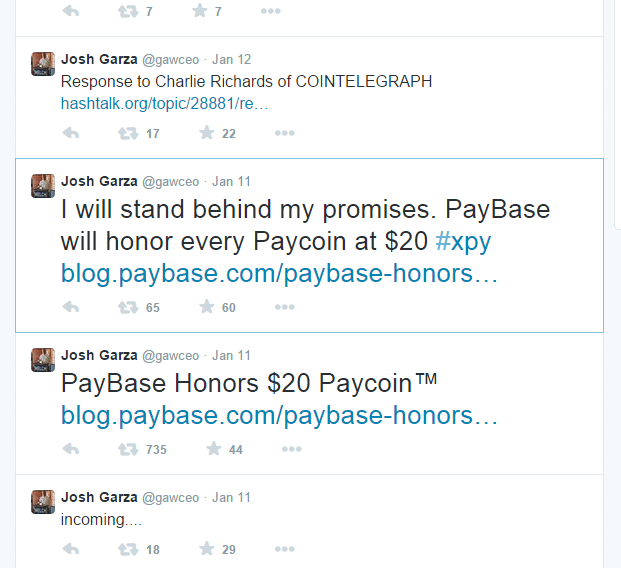
Lavish praise of GAW and PayCoin was prevalent on the GAW-run forum, HashTalk. The commentary even made its way over into other media channels as well. But as pointed out by vigilant Bitcoiners at the time, the commentary, whose authors cannot be verified, was produced by paid shills- or often Garza himself.
As of this time last year, GAW was still humming along and most commentators were uneasy calling out the operation as an outright scam.
Wall Street Journal even ran an upbeat story on the pending launch of PayBase and PayCoin, highlighting the virtues of the programs without even questioning them. Indeed, WSJ ran a follow-up piece a few days later that highlighted the controversy, motivated partly by a slew of angry comments posted in response to the initial article.
During GAW's operation, Garza made claims that really stretched one's imagination. But Garza invested heavily in painting a picture of legitimacy, so the net image that resulted was one of controversy. Overall, the saga was a painful one for the crypto industry, which will now hopefully emerge stronger.
The US Securities and Exchange Commission (SEC) has formally charged Josh Garza (Homero Joshua Garza) with fraud stemming from his operation of GAW Miners.
“Garza and his companies cloaked their scheme in technological sophistication and jargon, but the fraud was simple at its core: they sold what they did not own, misrepresented what they were selling, and robbed one investor to pay another,” said Paul G. Levenson, Director of the SEC’s Boston Regional Office.
Quoting the SEC’s complaint:
From August 2014 to December 2014, Garza and his companies sold $20 million worth of purported shares in a digital mining contract they called a Hashlet.
More than 10,000 investors purchased Hashlets, which were touted as always profitable and never obsolete.
Although Hashlets were depicted in GAW Miners’ marketing materials as a physical product or piece of mining hardware, the promised contract purportedly entitled the investor to control a share of computing power that GAW Miners claimed to own and operate.
Investors were misled to believe they would share in returns earned by the Bitcoin mining activities when in reality GAW Miners directed little or no computing power toward any mining activity.
Because Garza and his companies sold far more computing power than they owned, they owed investors a daily return that was larger than any actual return they were making on their limited mining operations.
Therefore, investors were simply paid back gradually over time under the mantra of “returns” out of funds that Garza and his companies collected from other investors.
Most Hashlet investors never recovered the full amount of their investments, and few made a profit.
The SEC is seeking "permanent injunctive relief as well as the disgorgement of ill-gotten gains plus prejudgment interest and penalties," without specifying amounts.
Not Like Other Crypto Scams
Previously unheard of in the crypto industry, GAW ("Geniuses at Work") burst on to the crypto scene in the summer of 2014 by unveiling its low-priced "hashlet" miners. The offerings generated some complaints of scam-like behavior at the time, but not audibly more than other mining offerings.
I plan to fork Paycoin back into my possession. Back to POW...I am the HashKing, this is my house!
— Garza (@gawceo) November 26, 2015
(images have been saved just in case)
According a civil lawsuit filed in Hartford Superior Court in July, two U.S. residents claimed that GAW failed to deliver mining hardware they purchased and stole PayCoins from them. They also claimed damages for PayCoin's reduced market value. GAW did not show up in court, and the pair were awarded a $205,000 pre-judgment remedy.
The SEC began investigating GAW in August and sued Josh Garza's brother, Carlos Garza, who was reportedly not cooperating with the investigation. Around the same time, a court awarded default judgement against GAW over unpaid electricity bills for a Mississippi warehouse, used to house GAW's supposedly massive mining operation.
A Crafty Fraud
Garza, who was around 30 when running the schemes, managed to pull off one of the craftiest series of frauds in cryptocurrency history.
Initially, the noise surrounding GAW's operations would have classified them as "controversial", which wouldn't have been too bad for the mining industry at the time. Garza and team made appearances at Bitcoin conferences and openly addressed the media, giving some impression of running a legitimate operation, albeit a controversial one.
Lavish praise of GAW and PayCoin was prevalent on the GAW-run forum, HashTalk. The commentary even made its way over into other media channels as well. But as pointed out by vigilant Bitcoiners at the time, the commentary, whose authors cannot be verified, was produced by paid shills- or often Garza himself.
As of this time last year, GAW was still humming along and most commentators were uneasy calling out the operation as an outright scam.
Wall Street Journal even ran an upbeat story on the pending launch of PayBase and PayCoin, highlighting the virtues of the programs without even questioning them. Indeed, WSJ ran a follow-up piece a few days later that highlighted the controversy, motivated partly by a slew of angry comments posted in response to the initial article.
During GAW's operation, Garza made claims that really stretched one's imagination. But Garza invested heavily in painting a picture of legitimacy, so the net image that resulted was one of controversy. Overall, the saga was a painful one for the crypto industry, which will now hopefully emerge stronger.
In this conversation, we sit down with Drew Niv, CSO at ATFX Connect and one of the most influential figures in modern FX.
We speak about market structure, the institutional view on liquidity, and the sharp rise of prop trading, a sector Drew has been commenting on in recent months. Drew explains why he once dismissed prop trading, why his view changed, and what he now thinks the model means for brokers, clients and risk managers.
We explore subscription-fee dependency, the high reneging rate, and the long-term challenge: how brokers can build a more stable and honest version of the model. Drew also talks about the traffic advantage standalone prop firms have built and why brokers may still win in the long run if they take the right approach.
In this conversation, we sit down with Drew Niv, CSO at ATFX Connect and one of the most influential figures in modern FX.
We speak about market structure, the institutional view on liquidity, and the sharp rise of prop trading, a sector Drew has been commenting on in recent months. Drew explains why he once dismissed prop trading, why his view changed, and what he now thinks the model means for brokers, clients and risk managers.
We explore subscription-fee dependency, the high reneging rate, and the long-term challenge: how brokers can build a more stable and honest version of the model. Drew also talks about the traffic advantage standalone prop firms have built and why brokers may still win in the long run if they take the right approach.
In this conversation, we sit down with Drew Niv, CSO at ATFX Connect and one of the most influential figures in modern FX.
We speak about market structure, the institutional view on liquidity, and the sharp rise of prop trading, a sector Drew has been commenting on in recent months. Drew explains why he once dismissed prop trading, why his view changed, and what he now thinks the model means for brokers, clients and risk managers.
We explore subscription-fee dependency, the high reneging rate, and the long-term challenge: how brokers can build a more stable and honest version of the model. Drew also talks about the traffic advantage standalone prop firms have built and why brokers may still win in the long run if they take the right approach.
In this conversation, we sit down with Drew Niv, CSO at ATFX Connect and one of the most influential figures in modern FX.
We speak about market structure, the institutional view on liquidity, and the sharp rise of prop trading, a sector Drew has been commenting on in recent months. Drew explains why he once dismissed prop trading, why his view changed, and what he now thinks the model means for brokers, clients and risk managers.
We explore subscription-fee dependency, the high reneging rate, and the long-term challenge: how brokers can build a more stable and honest version of the model. Drew also talks about the traffic advantage standalone prop firms have built and why brokers may still win in the long run if they take the right approach.
Executive Interview | Remonda Z. Kirketerp Møller| CEO & Founder Muinmos | FMLS:25
In this interview, Remonda Z. Kirketerp Møller, founder of Muinmos, breaks down the state of AI in regtech and what responsible adoption really looks like for brokers. We talk about rising fragmentation, the pressures around compliance accuracy, and why most firms are still in the early stages of AI maturity.
Ramanda also shares insights on regulator sandboxes, shifting expectations around accountability, and the current reality of MiCA licensing and passporting in Europe.
A concise look at where compliance, onboarding, and AI-driven processes are heading next.
In this interview, Remonda Z. Kirketerp Møller, founder of Muinmos, breaks down the state of AI in regtech and what responsible adoption really looks like for brokers. We talk about rising fragmentation, the pressures around compliance accuracy, and why most firms are still in the early stages of AI maturity.
Ramanda also shares insights on regulator sandboxes, shifting expectations around accountability, and the current reality of MiCA licensing and passporting in Europe.
A concise look at where compliance, onboarding, and AI-driven processes are heading next.
In this interview, Remonda Z. Kirketerp Møller, founder of Muinmos, breaks down the state of AI in regtech and what responsible adoption really looks like for brokers. We talk about rising fragmentation, the pressures around compliance accuracy, and why most firms are still in the early stages of AI maturity.
Ramanda also shares insights on regulator sandboxes, shifting expectations around accountability, and the current reality of MiCA licensing and passporting in Europe.
A concise look at where compliance, onboarding, and AI-driven processes are heading next.
In this interview, Remonda Z. Kirketerp Møller, founder of Muinmos, breaks down the state of AI in regtech and what responsible adoption really looks like for brokers. We talk about rising fragmentation, the pressures around compliance accuracy, and why most firms are still in the early stages of AI maturity.
Ramanda also shares insights on regulator sandboxes, shifting expectations around accountability, and the current reality of MiCA licensing and passporting in Europe.
A concise look at where compliance, onboarding, and AI-driven processes are heading next.
In this interview, Remonda Z. Kirketerp Møller, founder of Muinmos, breaks down the state of AI in regtech and what responsible adoption really looks like for brokers. We talk about rising fragmentation, the pressures around compliance accuracy, and why most firms are still in the early stages of AI maturity.
Ramanda also shares insights on regulator sandboxes, shifting expectations around accountability, and the current reality of MiCA licensing and passporting in Europe.
A concise look at where compliance, onboarding, and AI-driven processes are heading next.
In this interview, Remonda Z. Kirketerp Møller, founder of Muinmos, breaks down the state of AI in regtech and what responsible adoption really looks like for brokers. We talk about rising fragmentation, the pressures around compliance accuracy, and why most firms are still in the early stages of AI maturity.
Ramanda also shares insights on regulator sandboxes, shifting expectations around accountability, and the current reality of MiCA licensing and passporting in Europe.
A concise look at where compliance, onboarding, and AI-driven processes are heading next.
In this conversation, we speak with Aydin Bonabi, CEO and co-founder of Surveill, a firm focused on fraud detection and AI-driven compliance tools for financial institutions.
We start with Aydin’s view of the Summit and the challenges brokers face as fraud tactics grow more complex. He explains how firms can stay ahead through real-time signals, data patterns, and early-stage detection.
We also talk about AI training and why compliance teams often struggle to keep models accurate, fair, and aligned with regulatory expectations. Aydin breaks down what “good” AI training looks like inside a financial environment, including the importance of clean data, domain expertise, and human oversight.
He closes with a clear message: fraud is scaling, and so must the tools that stop it.
In this conversation, we speak with Aydin Bonabi, CEO and co-founder of Surveill, a firm focused on fraud detection and AI-driven compliance tools for financial institutions.
We start with Aydin’s view of the Summit and the challenges brokers face as fraud tactics grow more complex. He explains how firms can stay ahead through real-time signals, data patterns, and early-stage detection.
We also talk about AI training and why compliance teams often struggle to keep models accurate, fair, and aligned with regulatory expectations. Aydin breaks down what “good” AI training looks like inside a financial environment, including the importance of clean data, domain expertise, and human oversight.
He closes with a clear message: fraud is scaling, and so must the tools that stop it.
In this conversation, we speak with Aydin Bonabi, CEO and co-founder of Surveill, a firm focused on fraud detection and AI-driven compliance tools for financial institutions.
We start with Aydin’s view of the Summit and the challenges brokers face as fraud tactics grow more complex. He explains how firms can stay ahead through real-time signals, data patterns, and early-stage detection.
We also talk about AI training and why compliance teams often struggle to keep models accurate, fair, and aligned with regulatory expectations. Aydin breaks down what “good” AI training looks like inside a financial environment, including the importance of clean data, domain expertise, and human oversight.
He closes with a clear message: fraud is scaling, and so must the tools that stop it.
In this conversation, we speak with Aydin Bonabi, CEO and co-founder of Surveill, a firm focused on fraud detection and AI-driven compliance tools for financial institutions.
We start with Aydin’s view of the Summit and the challenges brokers face as fraud tactics grow more complex. He explains how firms can stay ahead through real-time signals, data patterns, and early-stage detection.
We also talk about AI training and why compliance teams often struggle to keep models accurate, fair, and aligned with regulatory expectations. Aydin breaks down what “good” AI training looks like inside a financial environment, including the importance of clean data, domain expertise, and human oversight.
He closes with a clear message: fraud is scaling, and so must the tools that stop it.
In this conversation, we speak with Aydin Bonabi, CEO and co-founder of Surveill, a firm focused on fraud detection and AI-driven compliance tools for financial institutions.
We start with Aydin’s view of the Summit and the challenges brokers face as fraud tactics grow more complex. He explains how firms can stay ahead through real-time signals, data patterns, and early-stage detection.
We also talk about AI training and why compliance teams often struggle to keep models accurate, fair, and aligned with regulatory expectations. Aydin breaks down what “good” AI training looks like inside a financial environment, including the importance of clean data, domain expertise, and human oversight.
He closes with a clear message: fraud is scaling, and so must the tools that stop it.
In this conversation, we speak with Aydin Bonabi, CEO and co-founder of Surveill, a firm focused on fraud detection and AI-driven compliance tools for financial institutions.
We start with Aydin’s view of the Summit and the challenges brokers face as fraud tactics grow more complex. He explains how firms can stay ahead through real-time signals, data patterns, and early-stage detection.
We also talk about AI training and why compliance teams often struggle to keep models accurate, fair, and aligned with regulatory expectations. Aydin breaks down what “good” AI training looks like inside a financial environment, including the importance of clean data, domain expertise, and human oversight.
He closes with a clear message: fraud is scaling, and so must the tools that stop it.
Exness expands its presence in Africa: Inside our interview with Paul Margarites in Cape Town
Finance Magnates met with Paul Margarites, Exness regional commercial director for Sub-Saharan Africa, during a visit to the firm’s office opening in Cape Town. In this talk, led by Andrea Badiola Mateos, Co-CEO at Finance Magnates, Paul shares views on the South African trading space, local user behavior, mobile trends, regulation, team growth, and how Exness plans to grow in more markets across the region. @Exness
Read the article at: https://www.financemagnates.com/thought-leadership/exness-expands-its-presence-in-africa-inside-our-interview-with-paul-margarites/
#exness #financemagnates #exnesstrading #CFDtrading #tradeonline #africanews #capetown
Finance Magnates met with Paul Margarites, Exness regional commercial director for Sub-Saharan Africa, during a visit to the firm’s office opening in Cape Town. In this talk, led by Andrea Badiola Mateos, Co-CEO at Finance Magnates, Paul shares views on the South African trading space, local user behavior, mobile trends, regulation, team growth, and how Exness plans to grow in more markets across the region. @Exness
Read the article at: https://www.financemagnates.com/thought-leadership/exness-expands-its-presence-in-africa-inside-our-interview-with-paul-margarites/
#exness #financemagnates #exnesstrading #CFDtrading #tradeonline #africanews #capetown
Finance Magnates met with Paul Margarites, Exness regional commercial director for Sub-Saharan Africa, during a visit to the firm’s office opening in Cape Town. In this talk, led by Andrea Badiola Mateos, Co-CEO at Finance Magnates, Paul shares views on the South African trading space, local user behavior, mobile trends, regulation, team growth, and how Exness plans to grow in more markets across the region. @Exness
Read the article at: https://www.financemagnates.com/thought-leadership/exness-expands-its-presence-in-africa-inside-our-interview-with-paul-margarites/
#exness #financemagnates #exnesstrading #CFDtrading #tradeonline #africanews #capetown
Finance Magnates met with Paul Margarites, Exness regional commercial director for Sub-Saharan Africa, during a visit to the firm’s office opening in Cape Town. In this talk, led by Andrea Badiola Mateos, Co-CEO at Finance Magnates, Paul shares views on the South African trading space, local user behavior, mobile trends, regulation, team growth, and how Exness plans to grow in more markets across the region. @Exness
Read the article at: https://www.financemagnates.com/thought-leadership/exness-expands-its-presence-in-africa-inside-our-interview-with-paul-margarites/
#exness #financemagnates #exnesstrading #CFDtrading #tradeonline #africanews #capetown
Finance Magnates met with Paul Margarites, Exness regional commercial director for Sub-Saharan Africa, during a visit to the firm’s office opening in Cape Town. In this talk, led by Andrea Badiola Mateos, Co-CEO at Finance Magnates, Paul shares views on the South African trading space, local user behavior, mobile trends, regulation, team growth, and how Exness plans to grow in more markets across the region. @Exness
Read the article at: https://www.financemagnates.com/thought-leadership/exness-expands-its-presence-in-africa-inside-our-interview-with-paul-margarites/
#exness #financemagnates #exnesstrading #CFDtrading #tradeonline #africanews #capetown
Finance Magnates met with Paul Margarites, Exness regional commercial director for Sub-Saharan Africa, during a visit to the firm’s office opening in Cape Town. In this talk, led by Andrea Badiola Mateos, Co-CEO at Finance Magnates, Paul shares views on the South African trading space, local user behavior, mobile trends, regulation, team growth, and how Exness plans to grow in more markets across the region. @Exness
Read the article at: https://www.financemagnates.com/thought-leadership/exness-expands-its-presence-in-africa-inside-our-interview-with-paul-margarites/
#exness #financemagnates #exnesstrading #CFDtrading #tradeonline #africanews #capetown
Executive Interview | Jas Shah | FMLS:25
Interview with Jas Shah
Builder | Adviser | Fintech Writer | Product Strategist
In this episode, Jonathan Fine sat down with Jas Shah, one of the most thoughtful voices in global fintech. Known for his work across advisory, product, stablecoins, and his widely read writing, Jas brings a rare combination of industry insight and plain-spoken clarity.
We talk about his first impression of the Summit, the projects that keep him busy today, and how they connect to the stablecoin panel he joined. Jas shares his view on the link between fintech, wealthtech and retail brokers, especially as firms like Revolut, eToro and Trading212 blur long-standing lines in the market.
We also explore what stablecoin adoption might look like for retail investment platforms, including a few product and UX angles that are not obvious at first glance.
To close, Jas explains how he thinks about writing, and how he approaches “shipping” pieces that spark debate across the industry.
Interview with Jas Shah
Builder | Adviser | Fintech Writer | Product Strategist
In this episode, Jonathan Fine sat down with Jas Shah, one of the most thoughtful voices in global fintech. Known for his work across advisory, product, stablecoins, and his widely read writing, Jas brings a rare combination of industry insight and plain-spoken clarity.
We talk about his first impression of the Summit, the projects that keep him busy today, and how they connect to the stablecoin panel he joined. Jas shares his view on the link between fintech, wealthtech and retail brokers, especially as firms like Revolut, eToro and Trading212 blur long-standing lines in the market.
We also explore what stablecoin adoption might look like for retail investment platforms, including a few product and UX angles that are not obvious at first glance.
To close, Jas explains how he thinks about writing, and how he approaches “shipping” pieces that spark debate across the industry.
Interview with Jas Shah
Builder | Adviser | Fintech Writer | Product Strategist
In this episode, Jonathan Fine sat down with Jas Shah, one of the most thoughtful voices in global fintech. Known for his work across advisory, product, stablecoins, and his widely read writing, Jas brings a rare combination of industry insight and plain-spoken clarity.
We talk about his first impression of the Summit, the projects that keep him busy today, and how they connect to the stablecoin panel he joined. Jas shares his view on the link between fintech, wealthtech and retail brokers, especially as firms like Revolut, eToro and Trading212 blur long-standing lines in the market.
We also explore what stablecoin adoption might look like for retail investment platforms, including a few product and UX angles that are not obvious at first glance.
To close, Jas explains how he thinks about writing, and how he approaches “shipping” pieces that spark debate across the industry.
Interview with Jas Shah
Builder | Adviser | Fintech Writer | Product Strategist
In this episode, Jonathan Fine sat down with Jas Shah, one of the most thoughtful voices in global fintech. Known for his work across advisory, product, stablecoins, and his widely read writing, Jas brings a rare combination of industry insight and plain-spoken clarity.
We talk about his first impression of the Summit, the projects that keep him busy today, and how they connect to the stablecoin panel he joined. Jas shares his view on the link between fintech, wealthtech and retail brokers, especially as firms like Revolut, eToro and Trading212 blur long-standing lines in the market.
We also explore what stablecoin adoption might look like for retail investment platforms, including a few product and UX angles that are not obvious at first glance.
To close, Jas explains how he thinks about writing, and how he approaches “shipping” pieces that spark debate across the industry.
Interview with Jas Shah
Builder | Adviser | Fintech Writer | Product Strategist
In this episode, Jonathan Fine sat down with Jas Shah, one of the most thoughtful voices in global fintech. Known for his work across advisory, product, stablecoins, and his widely read writing, Jas brings a rare combination of industry insight and plain-spoken clarity.
We talk about his first impression of the Summit, the projects that keep him busy today, and how they connect to the stablecoin panel he joined. Jas shares his view on the link between fintech, wealthtech and retail brokers, especially as firms like Revolut, eToro and Trading212 blur long-standing lines in the market.
We also explore what stablecoin adoption might look like for retail investment platforms, including a few product and UX angles that are not obvious at first glance.
To close, Jas explains how he thinks about writing, and how he approaches “shipping” pieces that spark debate across the industry.
Interview with Jas Shah
Builder | Adviser | Fintech Writer | Product Strategist
In this episode, Jonathan Fine sat down with Jas Shah, one of the most thoughtful voices in global fintech. Known for his work across advisory, product, stablecoins, and his widely read writing, Jas brings a rare combination of industry insight and plain-spoken clarity.
We talk about his first impression of the Summit, the projects that keep him busy today, and how they connect to the stablecoin panel he joined. Jas shares his view on the link between fintech, wealthtech and retail brokers, especially as firms like Revolut, eToro and Trading212 blur long-standing lines in the market.
We also explore what stablecoin adoption might look like for retail investment platforms, including a few product and UX angles that are not obvious at first glance.
To close, Jas explains how he thinks about writing, and how he approaches “shipping” pieces that spark debate across the industry.