Nvidia and AMD lost billions when the US blocked AI chip sales to China.
Washington says yes… if Uncle Sam gets 15% of the take.
Never before has a US company paid revenue directly for export licenses.
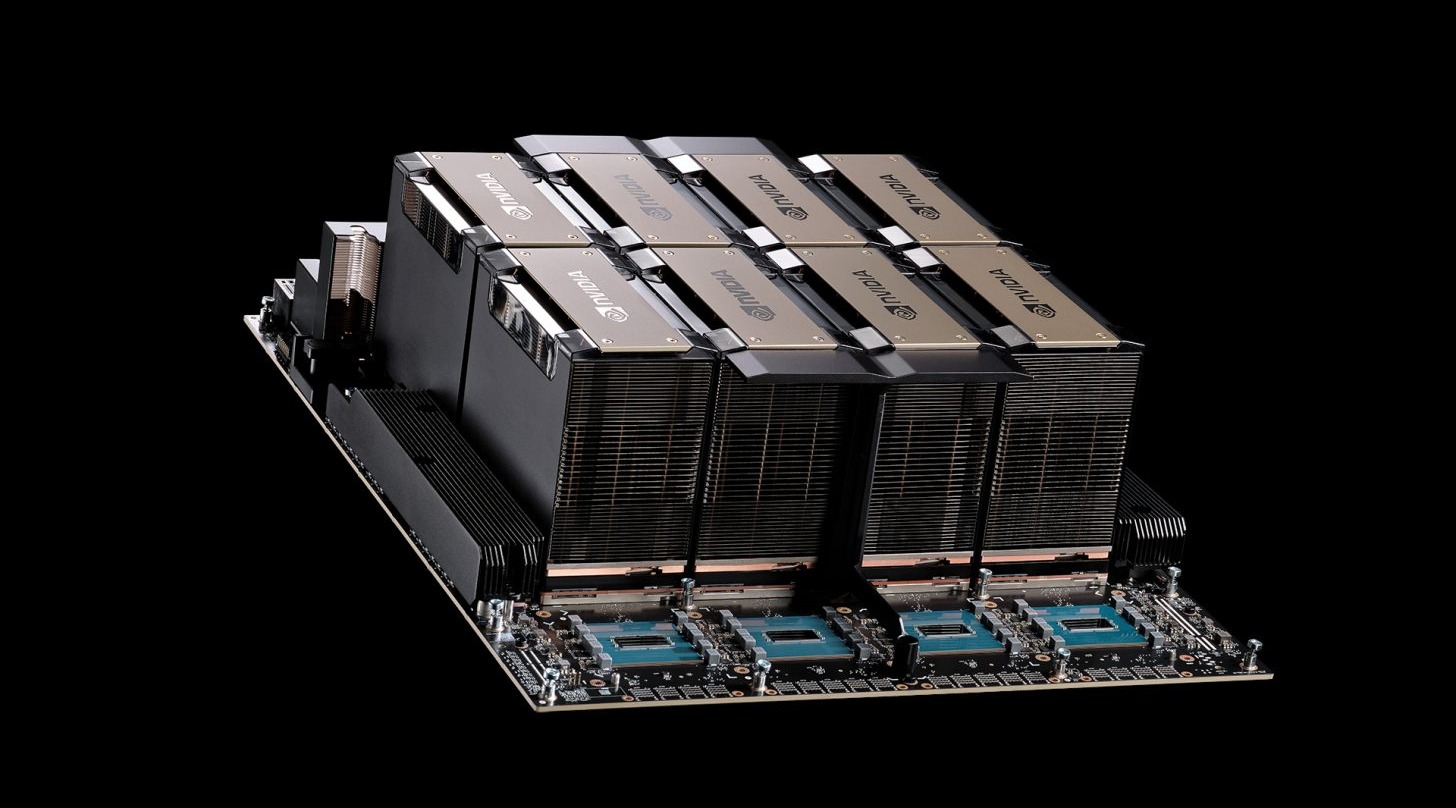
Nvidia and AMD will pay for the privilege of selling AI chips to China (Nvidia).
After months of lost sales, the US gives Nvidia and AMD the green light to
sell AI chips to China… in exchange for a healthy cut of the revenue.
From “You’re Banned” to “We’ll Take a Cut”
For months, Nvidia and AMD watched one of the world’s biggest artificial intelligence (AI) markets slip through their fingers. The US government’s ban on selling certain
high-performance chips to China didn’t just sting — it torched billions in
potential revenue. Nvidia’s H20 and AMD’s MI308, chips designed specifically to
thread the needle of Biden-era export rules, were dead in the water after an
April prohibition from the Trump administration.
But in Washington, nothing is permanent except political convenience —
and perhaps tariffs.
The 15% Cover Charge
Last week, the Bureau of Industry and Security began issuing the
long-awaited export licenses. The catch? Nvidia and AMD must hand
over 15% of their China chip revenues directly to the US government. For
Nvidia, that’s 15% of H20 sales. For AMD, 15% of MI308 sales. Both companies
have confirmed the arrangement in broad strokes, though AMD has kept its public
comments to a minimum.
Yes, you read that right, 15% of the revenue.
A US official described the deal as “unprecedented” — no American
company has ever been asked to part with a slice of its revenues in exchange
for an export license. A 15% levy doesn’t exactly erase any national security
risks, raising the awkward question: if the chips were such a threat in April,
why is selling them now okay as long as Washington gets paid?
Deborah Elms of the Hinrich Foundation (LinkedIn).
“You either have a national security problem or you don’t,” Deborah
Elms of the Hinrich Foundation told the BBC. “If you have a 15% payment, it
doesn’t somehow eliminate the national security issue.”
How We Got Here
The H20 was born out of compromise. When the Biden administration
slapped strict AI chip export controls on China in 2023, Nvidia engineered a
version that sat just under the limits, allowing it to keep a foot in the
market. Trump’s April ban on the chip closed that loophole — until CEO
Jensen Huang personally lobbied the president.
Within days of their White House meeting, licenses began flowing.
Officially, the reversal comes as part of broader US-China trade talks, which
have included Beijing loosening rare earth export controls and Washington
easing restrictions on chip design software firms. Both
sides appear to be having a breather, with no clear outcome at this point. Unofficially,
it fits a pattern: Trump’s administration has a habit of striking deals where
companies pay, build, or invest their way back into favor. The Art of the Deal,
anyone?
For now, there’s no sign Beijing will block the imports outright —
especially given its own need for cutting-edge AI hardware — but the political
and security baggage isn’t going away.
A Price Worth Paying?
From Nvidia’s perspective, 15% is steep but survivable, especially when
the alternative is zero China sales. The company’s statement to the BBC was
pragmatic: “We follow rules the US government sets for our participation in
worldwide markets […] America cannot repeat 5G and lose telecommunication
leadership.” Translation: it’s better to pay the toll, but the US needs to be
careful.
For AMD, the deal could mean a valuable foothold in a market where it
trails Nvidia badly in AI hardware. But the precedent is startling — not just
for chipmakers, but for any US tech firm caught in the geopolitical crossfire.
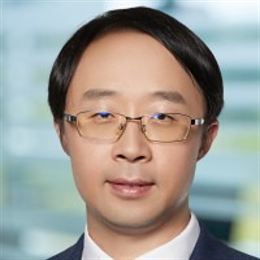
Charlie Dai, VP, Principal Analyst at Forrester Research (LinkedIn).
Charlie Dai of tech and business research firm, Forrester, summed it
up: “The arrangement underscores the high cost of market access amid escalating
tech trade tensions, creating substantial financial pressure and strategic
uncertainty for tech vendors.”
The Bigger Game
The 15% deal is a microcosm of the current US-China relationship: an
uneasy mix of rivalry, mutual dependence, and transactional fixes. As of now,
both sides are still negotiating over tariffs and tech access, with a 90-day
truce in place but no long-term agreement in sight.
Liza Tobin, foreign policy expert, (LinkedIn).
If this experiment works, Washington may have found itself a new policy
lever: turning export controls into revenue streams. But as former National
Security Council China expert Liza Tobin quipped, “What’s next — letting Lockheed
Martin sell F-35s to China for a 15 per cent commission?”
For Nvidia and AMD, the calculation is simple. They’ve been let back
into one of the most lucrative markets on the planet. The price is high, the
politics are messy, but the alternative was watching competitors fill the gap.
In the end, sometimes you pay the toll and keep driving.
For more stories from the tech and finance worlds, follow our dedicated
Trending section.
After months of lost sales, the US gives Nvidia and AMD the green light to
sell AI chips to China… in exchange for a healthy cut of the revenue.
From “You’re Banned” to “We’ll Take a Cut”
For months, Nvidia and AMD watched one of the world’s biggest artificial intelligence (AI) markets slip through their fingers. The US government’s ban on selling certain
high-performance chips to China didn’t just sting — it torched billions in
potential revenue. Nvidia’s H20 and AMD’s MI308, chips designed specifically to
thread the needle of Biden-era export rules, were dead in the water after an
April prohibition from the Trump administration.
But in Washington, nothing is permanent except political convenience —
and perhaps tariffs.
The 15% Cover Charge
Last week, the Bureau of Industry and Security began issuing the
long-awaited export licenses. The catch? Nvidia and AMD must hand
over 15% of their China chip revenues directly to the US government. For
Nvidia, that’s 15% of H20 sales. For AMD, 15% of MI308 sales. Both companies
have confirmed the arrangement in broad strokes, though AMD has kept its public
comments to a minimum.
Yes, you read that right, 15% of the revenue.
A US official described the deal as “unprecedented” — no American
company has ever been asked to part with a slice of its revenues in exchange
for an export license. A 15% levy doesn’t exactly erase any national security
risks, raising the awkward question: if the chips were such a threat in April,
why is selling them now okay as long as Washington gets paid?
Deborah Elms of the Hinrich Foundation (LinkedIn).
“You either have a national security problem or you don’t,” Deborah
Elms of the Hinrich Foundation told the BBC. “If you have a 15% payment, it
doesn’t somehow eliminate the national security issue.”
How We Got Here
The H20 was born out of compromise. When the Biden administration
slapped strict AI chip export controls on China in 2023, Nvidia engineered a
version that sat just under the limits, allowing it to keep a foot in the
market. Trump’s April ban on the chip closed that loophole — until CEO
Jensen Huang personally lobbied the president.
Within days of their White House meeting, licenses began flowing.
Officially, the reversal comes as part of broader US-China trade talks, which
have included Beijing loosening rare earth export controls and Washington
easing restrictions on chip design software firms. Both
sides appear to be having a breather, with no clear outcome at this point. Unofficially,
it fits a pattern: Trump’s administration has a habit of striking deals where
companies pay, build, or invest their way back into favor. The Art of the Deal,
anyone?
For now, there’s no sign Beijing will block the imports outright —
especially given its own need for cutting-edge AI hardware — but the political
and security baggage isn’t going away.
A Price Worth Paying?
From Nvidia’s perspective, 15% is steep but survivable, especially when
the alternative is zero China sales. The company’s statement to the BBC was
pragmatic: “We follow rules the US government sets for our participation in
worldwide markets […] America cannot repeat 5G and lose telecommunication
leadership.” Translation: it’s better to pay the toll, but the US needs to be
careful.
For AMD, the deal could mean a valuable foothold in a market where it
trails Nvidia badly in AI hardware. But the precedent is startling — not just
for chipmakers, but for any US tech firm caught in the geopolitical crossfire.
Charlie Dai, VP, Principal Analyst at Forrester Research (LinkedIn).
Charlie Dai of tech and business research firm, Forrester, summed it
up: “The arrangement underscores the high cost of market access amid escalating
tech trade tensions, creating substantial financial pressure and strategic
uncertainty for tech vendors.”
The Bigger Game
The 15% deal is a microcosm of the current US-China relationship: an
uneasy mix of rivalry, mutual dependence, and transactional fixes. As of now,
both sides are still negotiating over tariffs and tech access, with a 90-day
truce in place but no long-term agreement in sight.
Liza Tobin, foreign policy expert, (LinkedIn).
If this experiment works, Washington may have found itself a new policy
lever: turning export controls into revenue streams. But as former National
Security Council China expert Liza Tobin quipped, “What’s next — letting Lockheed
Martin sell F-35s to China for a 15 per cent commission?”
For Nvidia and AMD, the calculation is simple. They’ve been let back
into one of the most lucrative markets on the planet. The price is high, the
politics are messy, but the alternative was watching competitors fill the gap.
In the end, sometimes you pay the toll and keep driving.
For more stories from the tech and finance worlds, follow our dedicated
Trending section.
Louis Parks has lived and worked in and around the Middle East for much of his professional career. He writes about the meeting of the tech and finance worlds.
In this video, we review @HolaPrimeMarketsOfficial, a multi-asset forex and CFDs broker offering different account types, trading platforms, and flexible trading conditions.
We cover the broker’s overall offering, including account options, trading environment, platforms like MT4 and MT5, and additional services such as managed accounts and fast withdrawals.
Watch the full video to see if Hola Prime Markets fits your trading needs.
📣 Stay up to date with the latest in finance and trading. Follow Finance Magnates for industry news, insights, and global event coverage.
Connect with us:
🔗 LinkedIn: /financemagnates
👍 Facebook: /financemagnates
📸 Instagram: https://www.instagram.com/financemagnates
🐦 X: https://x.com/financemagnates
🎥 TikTok: https://www.tiktok.com/tag/financemagnates
▶️ YouTube: /@financemagnates_official
#HolaPrime #ForexBroker #CFDTrading #FinanceMagnates #Trading #Forex #BrokerReview
In this video, we review @HolaPrimeMarketsOfficial, a multi-asset forex and CFDs broker offering different account types, trading platforms, and flexible trading conditions.
We cover the broker’s overall offering, including account options, trading environment, platforms like MT4 and MT5, and additional services such as managed accounts and fast withdrawals.
Watch the full video to see if Hola Prime Markets fits your trading needs.
📣 Stay up to date with the latest in finance and trading. Follow Finance Magnates for industry news, insights, and global event coverage.
Connect with us:
🔗 LinkedIn: /financemagnates
👍 Facebook: /financemagnates
📸 Instagram: https://www.instagram.com/financemagnates
🐦 X: https://x.com/financemagnates
🎥 TikTok: https://www.tiktok.com/tag/financemagnates
▶️ YouTube: /@financemagnates_official
#HolaPrime #ForexBroker #CFDTrading #FinanceMagnates #Trading #Forex #BrokerReview
Hola Prime Review: What You Need to Know | Full Breakdown by Finance Magnates
Hola Prime Review: What You Need to Know | Full Breakdown by Finance Magnates
In this video, we review @HolaPrime_Global, a proprietary trading firm offering evaluation programs and performance-based payouts in simulated market environments.
We cover how the challenge model works, including account types, profit splits (up to 95%), trading rules, and what it takes to reach a funded account. You’ll also learn about available platforms like MT4, MT5, cTrader, and more, along with insights into payouts, support, and trading conditions.
Watch the full video to see if Hola Prime fits your trading style.
📣 Stay up to date with the latest in finance and trading. Follow Finance Magnates for industry news, insights, and global event coverage.
Connect with us:
🔗 LinkedIn: /financemagnates
👍 Facebook: /financemagnates
📸 Instagram: https://www.instagram.com/financemagnates
🐦 X: https://x.com/financemagnates
🎥 TikTok: https://www.tiktok.com/tag/financemagnates
▶️ YouTube: /@financemagnates_official
#HolaPrime #PropFirm #Trading #FinanceMagnates #Forex #FuturesTrading #TradingReview #PropFirmReview
In this video, we review @HolaPrime_Global, a proprietary trading firm offering evaluation programs and performance-based payouts in simulated market environments.
We cover how the challenge model works, including account types, profit splits (up to 95%), trading rules, and what it takes to reach a funded account. You’ll also learn about available platforms like MT4, MT5, cTrader, and more, along with insights into payouts, support, and trading conditions.
Watch the full video to see if Hola Prime fits your trading style.
📣 Stay up to date with the latest in finance and trading. Follow Finance Magnates for industry news, insights, and global event coverage.
Connect with us:
🔗 LinkedIn: /financemagnates
👍 Facebook: /financemagnates
📸 Instagram: https://www.instagram.com/financemagnates
🐦 X: https://x.com/financemagnates
🎥 TikTok: https://www.tiktok.com/tag/financemagnates
▶️ YouTube: /@financemagnates_official
#HolaPrime #PropFirm #Trading #FinanceMagnates #Forex #FuturesTrading #TradingReview #PropFirmReview
Axi Winner Spotlight 🏆 | Global Most Innovative Broker 2025 #Innovation #Trading #Fintech #Broker
Axi Winner Spotlight 🏆 | Global Most Innovative Broker 2025 #Innovation #Trading #Fintech #Broker
Axi takes the spotlight at the Finance Magnates Awards, winning Global Most Innovative Broker 2025.
Olivia Xenofontos and Ivanna Openko share how the team will feel: proud, motivated, and ready to keep delivering.
They also describe the night as well-organized, focused, and enjoyable for all.
👉 Be part of FM Awards 2026.
Axi takes the spotlight at the Finance Magnates Awards, winning Global Most Innovative Broker 2025.
Olivia Xenofontos and Ivanna Openko share how the team will feel: proud, motivated, and ready to keep delivering.
They also describe the night as well-organized, focused, and enjoyable for all.
👉 Be part of FM Awards 2026.
Recognition that matters.
Built on transparency.
Driven by the industry.
The Finance Magnates Awards 2026.
Nominations are now open.
🔗 https://awards.financemagnates.com/?utm_source=SM&utm_medium=social&utm_campaign=recognition-matters
Recognition that matters.
Built on transparency.
Driven by the industry.
The Finance Magnates Awards 2026.
Nominations are now open.
🔗 https://awards.financemagnates.com/?utm_source=SM&utm_medium=social&utm_campaign=recognition-matters
Tickmill Winner Spotlight | Broker of the Year 2025 (LATAM) 🏆 | Finance Magnates Awards #Trading
Tickmill Winner Spotlight | Broker of the Year 2025 (LATAM) 🏆 | Finance Magnates Awards #Trading
What helped Tickmill stand out this year?
In this Winner Spotlight, Johnny Khalil, Executive Director at Tickmill Europe, shares how listening closely to clients and delivering strong trading conditions made the difference.
A big thank you to the community whose support continues to drive progress every day.
👉 Think your brand has what it takes? Nominate for the 2026 Finance Magnates Awards: https://awards.financemagnates.com/#nominate
What helped Tickmill stand out this year?
In this Winner Spotlight, Johnny Khalil, Executive Director at Tickmill Europe, shares how listening closely to clients and delivering strong trading conditions made the difference.
A big thank you to the community whose support continues to drive progress every day.
👉 Think your brand has what it takes? Nominate for the 2026 Finance Magnates Awards: https://awards.financemagnates.com/#nominate