>
FIX Protocol Undergoes Rebranding To Reflect Its Recent Expansion Of Resources
FIX Protocol Undergoes Rebranding To Reflect Its Recent Expansion Of Resources
Monday,19/08/2013|12:41GMTby
Andrew Saks McLeod
As the need for bringing buy and sell-side firms together in the quest for standardization of trade messaging, FIX Protocol Ltd has today announced a name change to FIX Trading Community and a new website.
During the course of this year, FIX Protocol Ltd has evolved somewhat quickly, especially bearing in mind that its existence dates back to 1992.
Today, in keeping with the organization’s expansion into different areas of issuing standards for messaging and trade processing, FIX Protocol Ltd has undergone a rebranding exercise and launched a new website which is aimed at creating an online meeting place for the entirety of buy and sell-side firms.
Under the new name of FIX Trading Community, a new website has also been implemented in order to create a platform where the global FIX community can meet and exchange knowledge.
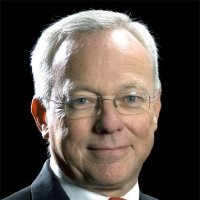
Chris Pickles, Co-Chair of the Global Education and Marketing Committee, FIX Trading Community and Head of Industry Initiatives, Global Banking and Financial Markets, BT
More recent evolution came in the form of the organization’s expansion into post-trade support in January this year, subsequent to which a series of executives from FIX Protocol Ltd became involved in governmental advisory capacities in the lead up to the implementation of the Dodd-Frank Act, forming part of the Senate advisory panels, and generating industry guidelines on how to standardize the post-trade area, resulting in companies such as Fidessa launching its post-trade confirmation hub whilst working alongside FIX Protocol in the developmental stages.
Community Cohesion
Bearing the developments that have taken place within the organization as well as involvement in advisory capacities in mind, a requirement became apparent for not only consultancy and steerage to institutional firms using FIX Protocol’s industry standards, but also for institutional firms to have a point of reference as regards procedure, which is non-profit, and has a structure by which buy and sell-side firms can standardize their offerings.
On that basis, the FIX Trading Community shows that the need for online communities is not just for the retail market. To exemplify this, the organization has expanded its focus to more effectively support market participants faced with the emerging business and regulatory issues impacting multi-asset trading across the globe.
According to the organization itself, whilst the continuous enhancement and promotion of the FIX Protocol remains central to the organization’s goals, it has explored other ways in which standardized practices can effectively support evolving business needs.
Obsolete Moniker Gives Way To Modernity
These more recent developments have led the members of this organization to consider that the name FIX Protocol Ltd. no longer truly reflects the many ways in which the organization supports the financial sector, nor the countless opportunities that actively participating in its vibrant member community offers to firms globally.
Chris Pickles, Co-Chair of the Global Education and Marketing Committee, FIX Trading Community and Head of Industry Initiatives, Global Banking and Financial Markets at BT issued a statement on behalf of FIX Trading Community today: “We feel it is important to communicate to the industry that FIX Trading Community does not just look at the technical aspects of messaging standards, and that the organization is fundamentally focused on addressing the wider business challenges affecting its member firms and the industry as a whole through the use of standards.”
“FIX Trading Community is independent and neutral, and driven by industry participants. We are very proud to have some of the best FIX technical experts around the world actively contributing to the organisation alongside senior business leaders. Together these industry representatives are shaping the future of financial trading” concluded Mr. Pickles.
Bill Hebert, Co-Chair of the Global Education and Marketing Committee, FIX Trading Community, Managing Director, Alpha Omega Financial Systems added: “I am proud to have been involved with the organization for many years, and I have witnessed the FIX Protocol revolutionize the trading environment.”
“I have also seen the many benefits that the organization’s extensive efforts around standards and best practices have delivered, such as producing recommended risk controls to help achieve increased market stability”
“The organization is achieving demonstrable change in facilitating a more cost-effective, efficient and transparent global trading environment. Through this rebranding we hope we can further communicate the wealth of opportunities that being part of FIX Trading Community presents” stated Mr. Herbert.
In addition to the name change, FIX Trading Community has launched a new website designed to enhance its user’s on-line experience significantly. Reflecting the overall rebranding of the organisation, the new website will bring together senior business and technical professionals from across the buy side and sell side, from vendors, trading venues and regulators, and will offer a unique forum where the real issues impacting the industry can be debated.
The new website, according to the organization, has been designed to support the on-line FIX community, encouraging even more collaboration and interaction between FIX Trading Community’s member firms by offering content-sharing features to its members in the form of blog posts, white papers, articles, press releases and the ability to bookmark content and comments from other websites.
Mr. Kaye deduced that: “FIX Trading Community really does bring together the global trading community with over 275 members, spanning 6 different continents and multiple industry sectors. The new website will offer our members significant potential to interact, and advance their knowledge and experience, with this growing community.”
During the course of this year, FIX Protocol Ltd has evolved somewhat quickly, especially bearing in mind that its existence dates back to 1992.
Today, in keeping with the organization’s expansion into different areas of issuing standards for messaging and trade processing, FIX Protocol Ltd has undergone a rebranding exercise and launched a new website which is aimed at creating an online meeting place for the entirety of buy and sell-side firms.
Under the new name of FIX Trading Community, a new website has also been implemented in order to create a platform where the global FIX community can meet and exchange knowledge.
Chris Pickles, Co-Chair of the Global Education and Marketing Committee, FIX Trading Community and Head of Industry Initiatives, Global Banking and Financial Markets, BT
More recent evolution came in the form of the organization’s expansion into post-trade support in January this year, subsequent to which a series of executives from FIX Protocol Ltd became involved in governmental advisory capacities in the lead up to the implementation of the Dodd-Frank Act, forming part of the Senate advisory panels, and generating industry guidelines on how to standardize the post-trade area, resulting in companies such as Fidessa launching its post-trade confirmation hub whilst working alongside FIX Protocol in the developmental stages.
Community Cohesion
Bearing the developments that have taken place within the organization as well as involvement in advisory capacities in mind, a requirement became apparent for not only consultancy and steerage to institutional firms using FIX Protocol’s industry standards, but also for institutional firms to have a point of reference as regards procedure, which is non-profit, and has a structure by which buy and sell-side firms can standardize their offerings.
On that basis, the FIX Trading Community shows that the need for online communities is not just for the retail market. To exemplify this, the organization has expanded its focus to more effectively support market participants faced with the emerging business and regulatory issues impacting multi-asset trading across the globe.
According to the organization itself, whilst the continuous enhancement and promotion of the FIX Protocol remains central to the organization’s goals, it has explored other ways in which standardized practices can effectively support evolving business needs.
Obsolete Moniker Gives Way To Modernity
These more recent developments have led the members of this organization to consider that the name FIX Protocol Ltd. no longer truly reflects the many ways in which the organization supports the financial sector, nor the countless opportunities that actively participating in its vibrant member community offers to firms globally.
Chris Pickles, Co-Chair of the Global Education and Marketing Committee, FIX Trading Community and Head of Industry Initiatives, Global Banking and Financial Markets at BT issued a statement on behalf of FIX Trading Community today: “We feel it is important to communicate to the industry that FIX Trading Community does not just look at the technical aspects of messaging standards, and that the organization is fundamentally focused on addressing the wider business challenges affecting its member firms and the industry as a whole through the use of standards.”
“FIX Trading Community is independent and neutral, and driven by industry participants. We are very proud to have some of the best FIX technical experts around the world actively contributing to the organisation alongside senior business leaders. Together these industry representatives are shaping the future of financial trading” concluded Mr. Pickles.
Bill Hebert, Co-Chair of the Global Education and Marketing Committee, FIX Trading Community, Managing Director, Alpha Omega Financial Systems added: “I am proud to have been involved with the organization for many years, and I have witnessed the FIX Protocol revolutionize the trading environment.”
“I have also seen the many benefits that the organization’s extensive efforts around standards and best practices have delivered, such as producing recommended risk controls to help achieve increased market stability”
“The organization is achieving demonstrable change in facilitating a more cost-effective, efficient and transparent global trading environment. Through this rebranding we hope we can further communicate the wealth of opportunities that being part of FIX Trading Community presents” stated Mr. Herbert.
In addition to the name change, FIX Trading Community has launched a new website designed to enhance its user’s on-line experience significantly. Reflecting the overall rebranding of the organisation, the new website will bring together senior business and technical professionals from across the buy side and sell side, from vendors, trading venues and regulators, and will offer a unique forum where the real issues impacting the industry can be debated.
The new website, according to the organization, has been designed to support the on-line FIX community, encouraging even more collaboration and interaction between FIX Trading Community’s member firms by offering content-sharing features to its members in the form of blog posts, white papers, articles, press releases and the ability to bookmark content and comments from other websites.
Mr. Kaye deduced that: “FIX Trading Community really does bring together the global trading community with over 275 members, spanning 6 different continents and multiple industry sectors. The new website will offer our members significant potential to interact, and advance their knowledge and experience, with this growing community.”
GTC Prime Adds Centroid Bridge as Multi-Asset Liquidity Distribution Channel
Featured Videos
AvaTrade to Acquire Most of FXCM; NAGA Raises $8M
AvaTrade to Acquire Most of FXCM; NAGA Raises $8M
AvaTrade to Acquire Most of FXCM; NAGA Raises $8M
AvaTrade to Acquire Most of FXCM; NAGA Raises $8M
Today’s financial news recap covers AvaTrade agrees to acquire most of FXCM, NAGA secures eight million dollars in new financing, and Wise seeks a tax settlement in the UK.
Finance Magnates Daily Recap brings you the latest news from forex and CFD brokers, fintech, payments, cryptocurrency, digital assets, trading platforms, financial regulation and global markets.
Get the key company news, executive moves, deals, regulatory updates and market developments of the day, in just a few minutes. New episodes published every weekday.
Read more: https://www.financemagnates.com
#FinanceMagnates #ForexNews #FintechNews
Today’s financial news recap covers AvaTrade agrees to acquire most of FXCM, NAGA secures eight million dollars in new financing, and Wise seeks a tax settlement in the UK.
Finance Magnates Daily Recap brings you the latest news from forex and CFD brokers, fintech, payments, cryptocurrency, digital assets, trading platforms, financial regulation and global markets.
Get the key company news, executive moves, deals, regulatory updates and market developments of the day, in just a few minutes. New episodes published every weekday.
Read more: https://www.financemagnates.com
#FinanceMagnates #ForexNews #FintechNews
Today’s financial news recap covers AvaTrade agrees to acquire most of FXCM, NAGA secures eight million dollars in new financing, and Wise seeks a tax settlement in the UK.
Finance Magnates Daily Recap brings you the latest news from forex and CFD brokers, fintech, payments, cryptocurrency, digital assets, trading platforms, financial regulation and global markets.
Get the key company news, executive moves, deals, regulatory updates and market developments of the day, in just a few minutes. New episodes published every weekday.
Read more: https://www.financemagnates.com
#FinanceMagnates #ForexNews #FintechNews
Today’s financial news recap covers AvaTrade agrees to acquire most of FXCM, NAGA secures eight million dollars in new financing, and Wise seeks a tax settlement in the UK.
Finance Magnates Daily Recap brings you the latest news from forex and CFD brokers, fintech, payments, cryptocurrency, digital assets, trading platforms, financial regulation and global markets.
Get the key company news, executive moves, deals, regulatory updates and market developments of the day, in just a few minutes. New episodes published every weekday.
Read more: https://www.financemagnates.com
#FinanceMagnates #ForexNews #FintechNews
XTB Adds Overnight US Stock Trading; Nasdaq Ventures Invests in One Trading
XTB Adds Overnight US Stock Trading; Nasdaq Ventures Invests in One Trading
XTB Adds Overnight US Stock Trading; Nasdaq Ventures Invests in One Trading
XTB Adds Overnight US Stock Trading; Nasdaq Ventures Invests in One Trading
XTB Adds Overnight US Stock Trading; Nasdaq Ventures Invests in One Trading
XTB Adds Overnight US Stock Trading; Nasdaq Ventures Invests in One Trading
Today’s financial news recap covers XTB expands overnight US stock trading, Fortrade reports higher revenue, Nasdaq backs One Trading, and Vest Labs raises 13 million dollars.
Finance Magnates Daily Recap brings you the latest news from forex and CFD brokers, fintech, payments, cryptocurrency, digital assets, trading platforms, financial regulation and global markets.
Get the key company news, executive moves, deals, regulatory updates and market developments of the day, in just a few minutes. New episodes published every weekday.
Read more: https://www.financemagnates.com
#FinanceMagnates #ForexNews #FintechNews
Today’s financial news recap covers XTB expands overnight US stock trading, Fortrade reports higher revenue, Nasdaq backs One Trading, and Vest Labs raises 13 million dollars.
Finance Magnates Daily Recap brings you the latest news from forex and CFD brokers, fintech, payments, cryptocurrency, digital assets, trading platforms, financial regulation and global markets.
Get the key company news, executive moves, deals, regulatory updates and market developments of the day, in just a few minutes. New episodes published every weekday.
Read more: https://www.financemagnates.com
#FinanceMagnates #ForexNews #FintechNews
Today’s financial news recap covers XTB expands overnight US stock trading, Fortrade reports higher revenue, Nasdaq backs One Trading, and Vest Labs raises 13 million dollars.
Finance Magnates Daily Recap brings you the latest news from forex and CFD brokers, fintech, payments, cryptocurrency, digital assets, trading platforms, financial regulation and global markets.
Get the key company news, executive moves, deals, regulatory updates and market developments of the day, in just a few minutes. New episodes published every weekday.
Read more: https://www.financemagnates.com
#FinanceMagnates #ForexNews #FintechNews
Today’s financial news recap covers XTB expands overnight US stock trading, Fortrade reports higher revenue, Nasdaq backs One Trading, and Vest Labs raises 13 million dollars.
Finance Magnates Daily Recap brings you the latest news from forex and CFD brokers, fintech, payments, cryptocurrency, digital assets, trading platforms, financial regulation and global markets.
Get the key company news, executive moves, deals, regulatory updates and market developments of the day, in just a few minutes. New episodes published every weekday.
Read more: https://www.financemagnates.com
#FinanceMagnates #ForexNews #FintechNews
Today’s financial news recap covers XTB expands overnight US stock trading, Fortrade reports higher revenue, Nasdaq backs One Trading, and Vest Labs raises 13 million dollars.
Finance Magnates Daily Recap brings you the latest news from forex and CFD brokers, fintech, payments, cryptocurrency, digital assets, trading platforms, financial regulation and global markets.
Get the key company news, executive moves, deals, regulatory updates and market developments of the day, in just a few minutes. New episodes published every weekday.
Read more: https://www.financemagnates.com
#FinanceMagnates #ForexNews #FintechNews
Today’s financial news recap covers XTB expands overnight US stock trading, Fortrade reports higher revenue, Nasdaq backs One Trading, and Vest Labs raises 13 million dollars.
Finance Magnates Daily Recap brings you the latest news from forex and CFD brokers, fintech, payments, cryptocurrency, digital assets, trading platforms, financial regulation and global markets.
Get the key company news, executive moves, deals, regulatory updates and market developments of the day, in just a few minutes. New episodes published every weekday.
Read more: https://www.financemagnates.com
#FinanceMagnates #ForexNews #FintechNews
CMC Founder Downplays Volatility Hit; Devexperts Names CEO
CMC Founder Downplays Volatility Hit; Devexperts Names CEO
CMC Founder Downplays Volatility Hit; Devexperts Names CEO
CMC Founder Downplays Volatility Hit; Devexperts Names CEO
CMC Founder Downplays Volatility Hit; Devexperts Names CEO
CMC Founder Downplays Volatility Hit; Devexperts Names CEO
Today’s financial news recap covers low volatility pressures brokers, Devexperts names a new CEO, Saxo cuts onboarding time, and OKX reaches a 25 billion dollar valuation.
Finance Magnates Daily Recap brings you the latest news from forex and CFD brokers, fintech, payments, cryptocurrency, digital assets, trading platforms, financial regulation and global markets.
Get the key company news, executive moves, deals, regulatory updates and market developments of the day, in just a few minutes. New episodes published every weekday.
Read more: https://www.financemagnates.com
#FinanceMagnates #ForexNews #FintechNews
Today’s financial news recap covers low volatility pressures brokers, Devexperts names a new CEO, Saxo cuts onboarding time, and OKX reaches a 25 billion dollar valuation.
Finance Magnates Daily Recap brings you the latest news from forex and CFD brokers, fintech, payments, cryptocurrency, digital assets, trading platforms, financial regulation and global markets.
Get the key company news, executive moves, deals, regulatory updates and market developments of the day, in just a few minutes. New episodes published every weekday.
Read more: https://www.financemagnates.com
#FinanceMagnates #ForexNews #FintechNews
Today’s financial news recap covers low volatility pressures brokers, Devexperts names a new CEO, Saxo cuts onboarding time, and OKX reaches a 25 billion dollar valuation.
Finance Magnates Daily Recap brings you the latest news from forex and CFD brokers, fintech, payments, cryptocurrency, digital assets, trading platforms, financial regulation and global markets.
Get the key company news, executive moves, deals, regulatory updates and market developments of the day, in just a few minutes. New episodes published every weekday.
Read more: https://www.financemagnates.com
#FinanceMagnates #ForexNews #FintechNews
Today’s financial news recap covers low volatility pressures brokers, Devexperts names a new CEO, Saxo cuts onboarding time, and OKX reaches a 25 billion dollar valuation.
Finance Magnates Daily Recap brings you the latest news from forex and CFD brokers, fintech, payments, cryptocurrency, digital assets, trading platforms, financial regulation and global markets.
Get the key company news, executive moves, deals, regulatory updates and market developments of the day, in just a few minutes. New episodes published every weekday.
Read more: https://www.financemagnates.com
#FinanceMagnates #ForexNews #FintechNews
Today’s financial news recap covers low volatility pressures brokers, Devexperts names a new CEO, Saxo cuts onboarding time, and OKX reaches a 25 billion dollar valuation.
Finance Magnates Daily Recap brings you the latest news from forex and CFD brokers, fintech, payments, cryptocurrency, digital assets, trading platforms, financial regulation and global markets.
Get the key company news, executive moves, deals, regulatory updates and market developments of the day, in just a few minutes. New episodes published every weekday.
Read more: https://www.financemagnates.com
#FinanceMagnates #ForexNews #FintechNews
Today’s financial news recap covers low volatility pressures brokers, Devexperts names a new CEO, Saxo cuts onboarding time, and OKX reaches a 25 billion dollar valuation.
Finance Magnates Daily Recap brings you the latest news from forex and CFD brokers, fintech, payments, cryptocurrency, digital assets, trading platforms, financial regulation and global markets.
Get the key company news, executive moves, deals, regulatory updates and market developments of the day, in just a few minutes. New episodes published every weekday.
Read more: https://www.financemagnates.com
#FinanceMagnates #ForexNews #FintechNews
Today’s financial news recap covers Trade Nation buys FXCM's UK client book, Trading 212 reports higher revenue, the CFTC's move to allow perpetual index futures.
Finance Magnates Daily Recap brings you the latest news from forex and CFD brokers, fintech, payments, cryptocurrency, digital assets, trading platforms, financial regulation and global markets.
Get the key company news, executive moves, deals, regulatory updates and market developments of the day, in just a few minutes. New episodes published every weekday.
Read more: https://www.financemagnates.com
#FinanceMagnates #ForexNews #FintechNews
Today’s financial news recap covers Trade Nation buys FXCM's UK client book, Trading 212 reports higher revenue, the CFTC's move to allow perpetual index futures.
Finance Magnates Daily Recap brings you the latest news from forex and CFD brokers, fintech, payments, cryptocurrency, digital assets, trading platforms, financial regulation and global markets.
Get the key company news, executive moves, deals, regulatory updates and market developments of the day, in just a few minutes. New episodes published every weekday.
Read more: https://www.financemagnates.com
#FinanceMagnates #ForexNews #FintechNews
Today’s financial news recap covers Trade Nation buys FXCM's UK client book, Trading 212 reports higher revenue, the CFTC's move to allow perpetual index futures.
Finance Magnates Daily Recap brings you the latest news from forex and CFD brokers, fintech, payments, cryptocurrency, digital assets, trading platforms, financial regulation and global markets.
Get the key company news, executive moves, deals, regulatory updates and market developments of the day, in just a few minutes. New episodes published every weekday.
Read more: https://www.financemagnates.com
#FinanceMagnates #ForexNews #FintechNews
Today’s financial news recap covers Trade Nation buys FXCM's UK client book, Trading 212 reports higher revenue, the CFTC's move to allow perpetual index futures.
Finance Magnates Daily Recap brings you the latest news from forex and CFD brokers, fintech, payments, cryptocurrency, digital assets, trading platforms, financial regulation and global markets.
Get the key company news, executive moves, deals, regulatory updates and market developments of the day, in just a few minutes. New episodes published every weekday.
Read more: https://www.financemagnates.com
#FinanceMagnates #ForexNews #FintechNews
Today’s financial news recap covers Trade Nation buys FXCM's UK client book, Trading 212 reports higher revenue, the CFTC's move to allow perpetual index futures.
Finance Magnates Daily Recap brings you the latest news from forex and CFD brokers, fintech, payments, cryptocurrency, digital assets, trading platforms, financial regulation and global markets.
Get the key company news, executive moves, deals, regulatory updates and market developments of the day, in just a few minutes. New episodes published every weekday.
Read more: https://www.financemagnates.com
#FinanceMagnates #ForexNews #FintechNews
Today’s financial news recap covers Trade Nation buys FXCM's UK client book, Trading 212 reports higher revenue, the CFTC's move to allow perpetual index futures.
Finance Magnates Daily Recap brings you the latest news from forex and CFD brokers, fintech, payments, cryptocurrency, digital assets, trading platforms, financial regulation and global markets.
Get the key company news, executive moves, deals, regulatory updates and market developments of the day, in just a few minutes. New episodes published every weekday.
Read more: https://www.financemagnates.com
#FinanceMagnates #ForexNews #FintechNews
Your career isn’t a linear path.
Your career isn’t a linear path.
Your career isn’t a linear path.
Your career isn’t a linear path.
Your career isn’t a linear path.
Your career isn’t a linear path.
Roles change. Career goals change. Sometimes you want a completely new challenge.
But the skills and knowledge you build along the way can stay with you and give you something to build on.
For Jeff Patterson, that continued growth is key to long-term career development.
You bring the skills. FM Academy helps you build the knowledge.
#FMAcademy #FinanceMagnates #FinanceCareers #ProfessionalDevelopment #Fintech
Roles change. Career goals change. Sometimes you want a completely new challenge.
But the skills and knowledge you build along the way can stay with you and give you something to build on.
For Jeff Patterson, that continued growth is key to long-term career development.
You bring the skills. FM Academy helps you build the knowledge.
#FMAcademy #FinanceMagnates #FinanceCareers #ProfessionalDevelopment #Fintech
Roles change. Career goals change. Sometimes you want a completely new challenge.
But the skills and knowledge you build along the way can stay with you and give you something to build on.
For Jeff Patterson, that continued growth is key to long-term career development.
You bring the skills. FM Academy helps you build the knowledge.
#FMAcademy #FinanceMagnates #FinanceCareers #ProfessionalDevelopment #Fintech
Roles change. Career goals change. Sometimes you want a completely new challenge.
But the skills and knowledge you build along the way can stay with you and give you something to build on.
For Jeff Patterson, that continued growth is key to long-term career development.
You bring the skills. FM Academy helps you build the knowledge.
#FMAcademy #FinanceMagnates #FinanceCareers #ProfessionalDevelopment #Fintech
Roles change. Career goals change. Sometimes you want a completely new challenge.
But the skills and knowledge you build along the way can stay with you and give you something to build on.
For Jeff Patterson, that continued growth is key to long-term career development.
You bring the skills. FM Academy helps you build the knowledge.
#FMAcademy #FinanceMagnates #FinanceCareers #ProfessionalDevelopment #Fintech
Roles change. Career goals change. Sometimes you want a completely new challenge.
But the skills and knowledge you build along the way can stay with you and give you something to build on.
For Jeff Patterson, that continued growth is key to long-term career development.
You bring the skills. FM Academy helps you build the knowledge.
#FMAcademy #FinanceMagnates #FinanceCareers #ProfessionalDevelopment #Fintech