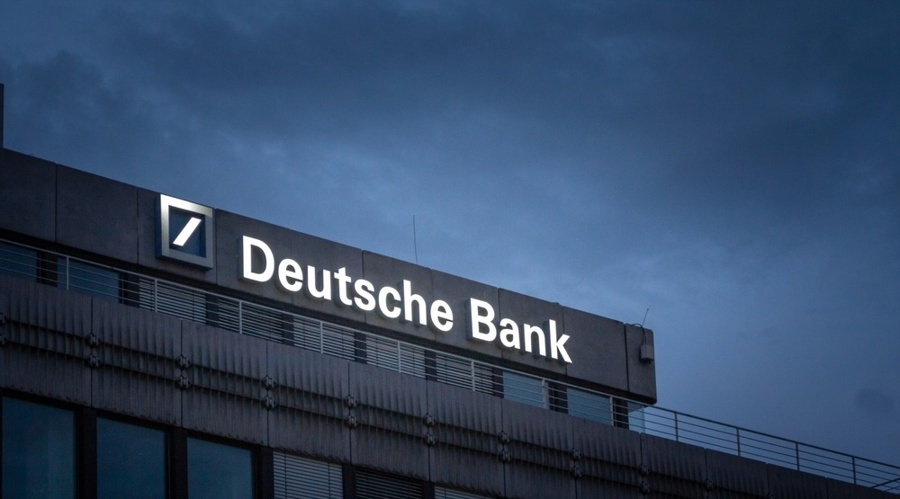
Whistleblowers Behind Deutsche Bank Leak of 15 Million Files Could Qualify for US Reward

Tuesday, 17/11/2026 | 08:07 GMT by Damian Chmiel
  • The pair also gave the cache to US prosecutors and FinCEN, which pays out only on penalties above $1 million.
  • Reports by about 50 outlets cite years of missed laundering warnings, which the lender says were reviewed at the time.
Deutsche Bank

Two whistleblowers who leaked more than 15 million internal Deutsche Bank files also handed them to US authorities, a step that could make them eligible for a reward. About 50 news organizations began publishing stories from the cache today (Tuesday).

The files, including nine million emails, went to the US Department of Justice (DOJ) and the Financial Crimes Enforcement Network (FinCEN), according to Le Monde, one of the outlets behind the "Inside Deutsche Bank" project.

South Africa's Financial Mail said HM Revenue and Customs in the UK also received them.

A US reward would follow only from a successful case, since FinCEN pays only when a tip produces penalties above $1 million.

In October, Bank of America accepted a $1.2 billion FinCEN penalty for failing to report more than $5 billion in suspicious transactions.

London's trading industry is coming home!

Missed Warnings From Epstein to North Korea

Reporting from the consortium describes repeated gaps in the anti-money laundering checks at Deutsche Bank, which operates directly in about 55 countries and reaches more than 140 through correspondent banks.

The bank's US financial crimes unit filed 21 suspicious activity reports on Jeffrey Epstein and his companies, according to Himal Southasian.

They covered about 3,000 transactions worth $581.9 million between October 2013 and May 2019, more than twice the $250 million cited by US Senator Ron Wyden in August.

The bank told the consortium the matters date back "many years, in some cases decades," and were reviewed with regulators at the time.

Several episodes in the files have already cost it money. German prosecutors fined the bank EUR 13.5 million (about $16 million at the time) in 2020 over its role as correspondent bank to Danske Bank's Estonian branch, and EUR 7.01 million in 2022 over payments linked to Rifaat al-Assad.

Both sums are small next to the $628.5 million UK and New York regulators imposed in 2017 over Russian mirror trades, or the $23.8 million Hong Kong fine in 2025 over overcharged fees.

Germany's Federal Financial Supervisory Authority (BaFin), one of the supervisors covered by FM Intelligence's fines and warnings tracker, added a EUR 23.05 million fine in March 2025, mostly over currency derivatives sold in Spain.

Across all cases, the bank has paid more than EUR 20 billion in fines and settlements since 2000, according to the consortium's tally.

The files also cover transfers linked to Malaysian financier Jho Low that the bank kept processing in 2015, and about $675 million moved through a Singapore client network tied to the Gupta family.

Transactions linked to North Korea went undetected even where payment data named the country, the reporting said.

A Reward That Depends on a US Case

FinCEN's program rests on the Anti-Money Laundering Act of 2020, expanded in 2022, and covers breaches of the Bank Secrecy Act and US sanctions laws. Under the statute, awards run from 10% to 30% of the penalties collected.

The agency has not paid any yet. It published a proposed rule on April 1 and says it will begin processing awards once the rule is final.

The Commodity Futures Trading Commission (CFTC) runs a similar scheme and paid nearly $200 million to a single whistleblower in 2021. The journalists did not pay the Deutsche Bank whistleblowers, who set no conditions on the reporting, Le Monde said.

The bank disputes parts of the reporting. The files include an email in which Christian Sewing, then a board member and now chief executive, complained that know-your-customer rules were hurting revenue, according to the reporting.
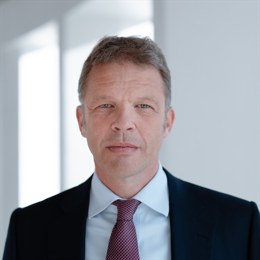
Christian Sewing, Chief Executive Officer, Deutsche Bank
Christian Sewing, Chief Executive Officer, Deutsche Bank, Source: Bankenverband

The bank said it "strongly rejects" what it called "false insinuations" about the chief executive's attitude to controls.

Deutsche Bank said it is a different bank under Sewing and invested EUR 7 billion in its controls between 2019 and 2025. It said it has cut the risk in its correspondent banking business.

It declined to comment on individual clients, citing confidentiality rules. FinanceMagnates.com could not independently verify the leaked documents.

German police searched the bank's Frankfurt headquarters in January in a separate money laundering probe into transactions from 2013 to 2018.

Two whistleblowers who leaked more than 15 million internal Deutsche Bank files also handed them to US authorities, a step that could make them eligible for a reward. About 50 news organizations began publishing stories from the cache today (Tuesday).

The files, including nine million emails, went to the US Department of Justice (DOJ) and the Financial Crimes Enforcement Network (FinCEN), according to Le Monde, one of the outlets behind the "Inside Deutsche Bank" project.

South Africa's Financial Mail said HM Revenue and Customs in the UK also received them.

A US reward would follow only from a successful case, since FinCEN pays only when a tip produces penalties above $1 million.

In October, Bank of America accepted a $1.2 billion FinCEN penalty for failing to report more than $5 billion in suspicious transactions.

London's trading industry is coming home!

Missed Warnings From Epstein to North Korea

Reporting from the consortium describes repeated gaps in the anti-money laundering checks at Deutsche Bank, which operates directly in about 55 countries and reaches more than 140 through correspondent banks.

The bank's US financial crimes unit filed 21 suspicious activity reports on Jeffrey Epstein and his companies, according to Himal Southasian.

They covered about 3,000 transactions worth $581.9 million between October 2013 and May 2019, more than twice the $250 million cited by US Senator Ron Wyden in August.

The bank told the consortium the matters date back "many years, in some cases decades," and were reviewed with regulators at the time.

Several episodes in the files have already cost it money. German prosecutors fined the bank EUR 13.5 million (about $16 million at the time) in 2020 over its role as correspondent bank to Danske Bank's Estonian branch, and EUR 7.01 million in 2022 over payments linked to Rifaat al-Assad.

Both sums are small next to the $628.5 million UK and New York regulators imposed in 2017 over Russian mirror trades, or the $23.8 million Hong Kong fine in 2025 over overcharged fees.

Germany's Federal Financial Supervisory Authority (BaFin), one of the supervisors covered by FM Intelligence's fines and warnings tracker, added a EUR 23.05 million fine in March 2025, mostly over currency derivatives sold in Spain.

Across all cases, the bank has paid more than EUR 20 billion in fines and settlements since 2000, according to the consortium's tally.

The files also cover transfers linked to Malaysian financier Jho Low that the bank kept processing in 2015, and about $675 million moved through a Singapore client network tied to the Gupta family.

Transactions linked to North Korea went undetected even where payment data named the country, the reporting said.

A Reward That Depends on a US Case

FinCEN's program rests on the Anti-Money Laundering Act of 2020, expanded in 2022, and covers breaches of the Bank Secrecy Act and US sanctions laws. Under the statute, awards run from 10% to 30% of the penalties collected.

The agency has not paid any yet. It published a proposed rule on April 1 and says it will begin processing awards once the rule is final.

The Commodity Futures Trading Commission (CFTC) runs a similar scheme and paid nearly $200 million to a single whistleblower in 2021. The journalists did not pay the Deutsche Bank whistleblowers, who set no conditions on the reporting, Le Monde said.

The bank disputes parts of the reporting. The files include an email in which Christian Sewing, then a board member and now chief executive, complained that know-your-customer rules were hurting revenue, according to the reporting.

Christian Sewing, Chief Executive Officer, Deutsche Bank
Christian Sewing, Chief Executive Officer, Deutsche Bank, Source: Bankenverband

The bank said it "strongly rejects" what it called "false insinuations" about the chief executive's attitude to controls.

Deutsche Bank said it is a different bank under Sewing and invested EUR 7 billion in its controls between 2019 and 2025. It said it has cut the risk in its correspondent banking business.

It declined to comment on individual clients, citing confidentiality rules. FinanceMagnates.com could not independently verify the leaked documents.

German police searched the bank's Frankfurt headquarters in January in a separate money laundering probe into transactions from 2013 to 2018.

About the Author: Damian Chmiel
Damian Chmiel
  • 4191 Articles
  • 120 Followers
About the Author: Damian Chmiel
Damian Chmiel is a Senior Analyst & Editor at Finance Magnates with more than 15 years of experience in the CFD and online trading industry. Active as both a trader and journalist since 2010, he focuses on broker coverage, fintech innovation, and regulatory developments across Europe, the Middle East, and Asia. His work includes interviews with C-level leaders at major brokerages and fintech platforms, as well as co-authoring Finance Magnates’ quarterly industry benchmarking reports. Damian’s reporting is data-driven, market-aware, and grounded in direct industry engagement. His analysis and commentary have also been cited by external media outlets, including Investing.com, Binance, The Asset, Stockhead, and Dispatch. Education: MA in Finance and Accounting, Cracow University of Economics
  • 4191 Articles
  • 120 Followers

More from the Author

Institutional FX

!"#$%&'()*+,-./0123456789:;<=>?@ABCDEFGHIJKLMNOPQRSTUVWXYZ[\]^_`abcdefghijklmnopqrstuvwxyz{|} !"#$%&'()*+,-./0123456789:;<=>?@ABCDEFGHIJKLMNOPQRSTUVWXYZ[\]^_`abcdefghijklmnopqrstuvwxyz{|}