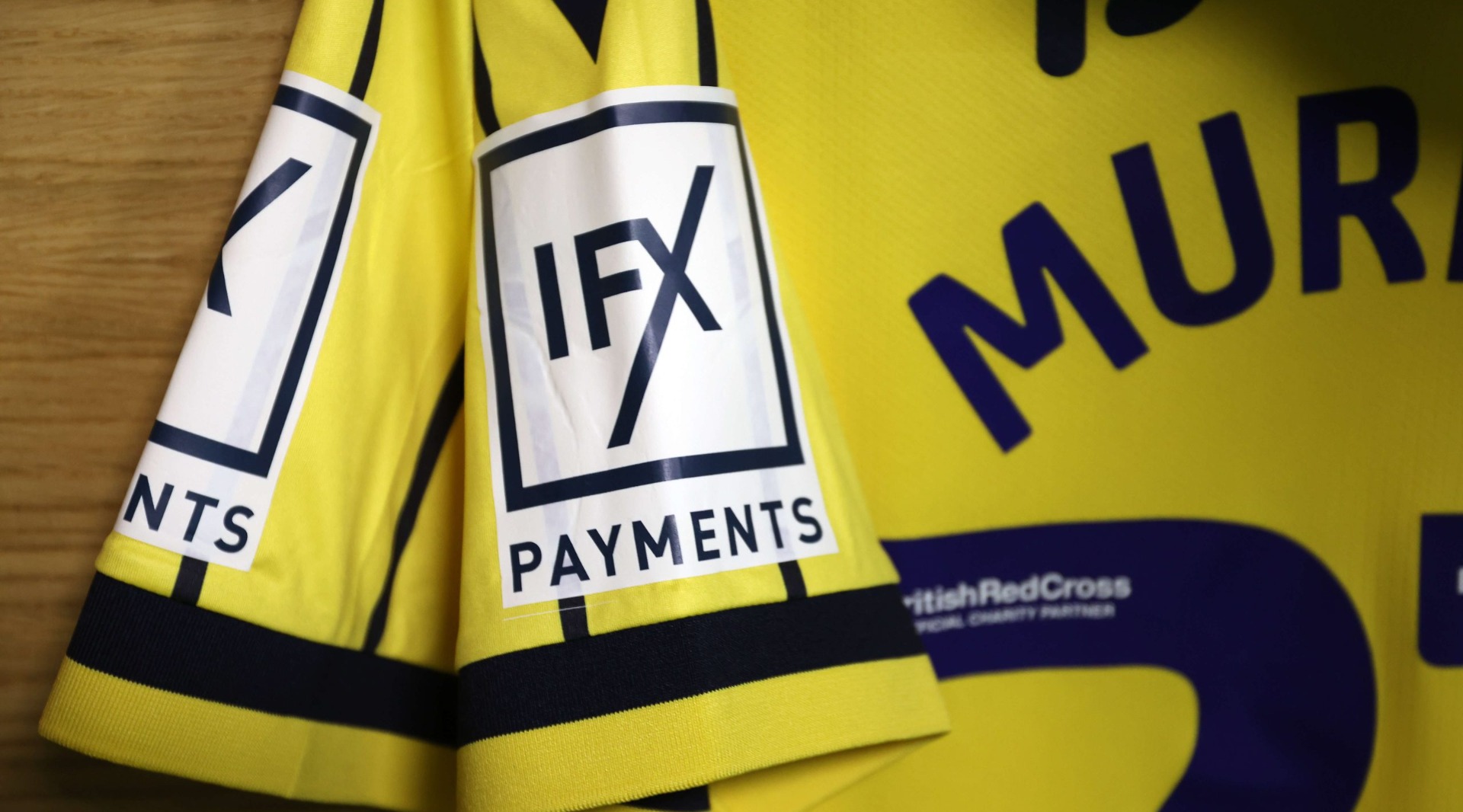
The company is considering withdrawing its takeover offer for the troubled FX broker after the target firm entered administration last week.
The original deal involved escape clauses, and IFX is now consulting regulators about invoking them.
Source: IFX Payments
IFX
Payments said today (Monday) it's considering pulling out of its takeover bid
for foreign exchange (FX) broker Argentex Group, just days after the struggling
British currency firm appointed administrators due to funding problems.
IFX Payments May Walk Away
From Argentex Deal After Administration
The
payments company issued a statement saying Argentex entering administration is
“of material significance” to the acquisition deal. IFX Payments is now
talking with regulatory panels about invoking insolvency conditions that would
let it walk away from the purchase.
Back in April,
IFX
had built escape clauses into its takeover documents. The company
specifically said it wouldn't go through with buying Argentex if the target
firm faced winding-up procedures or other insolvency processes. Those
conditions now appear relevant given Argentex's current troubles.
The
potential collapse of this deal caps a dramatic few months for Argentex. The
company was originally valued at around £120 million when it went public in
2019, but a series of missteps left it fighting for survival.
From Boom to Bust in Three
Months
Argentex's
problems started earlier this year when
the U.S. dollar crashed to three-year lows. The London-listed firm had been
offering “zero-zero” margin arrangements to some clients, essentially
letting them trade foreign exchange without putting up collateral.
When the
dollar plummeted, partly due
to new U.S. tariffs and comments from President Trump, Argentex got hit
with margin calls from its banking partners. But since many clients hadn't
posted collateral, the company couldn't cover these demands, creating a severe
cash crunch.
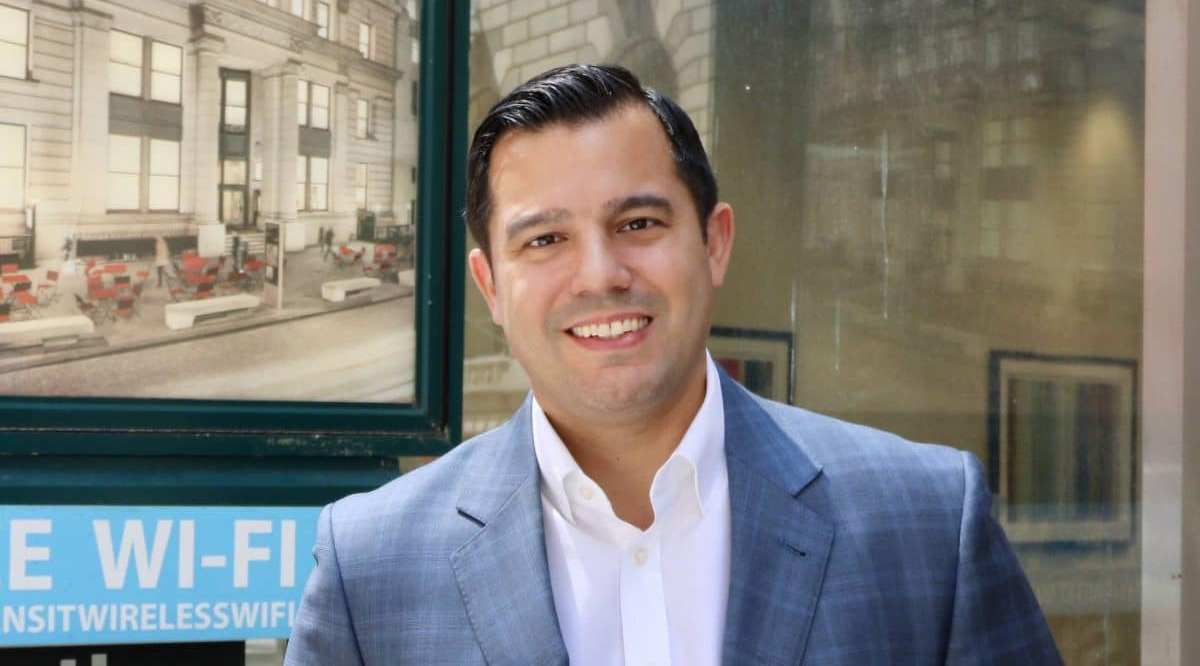
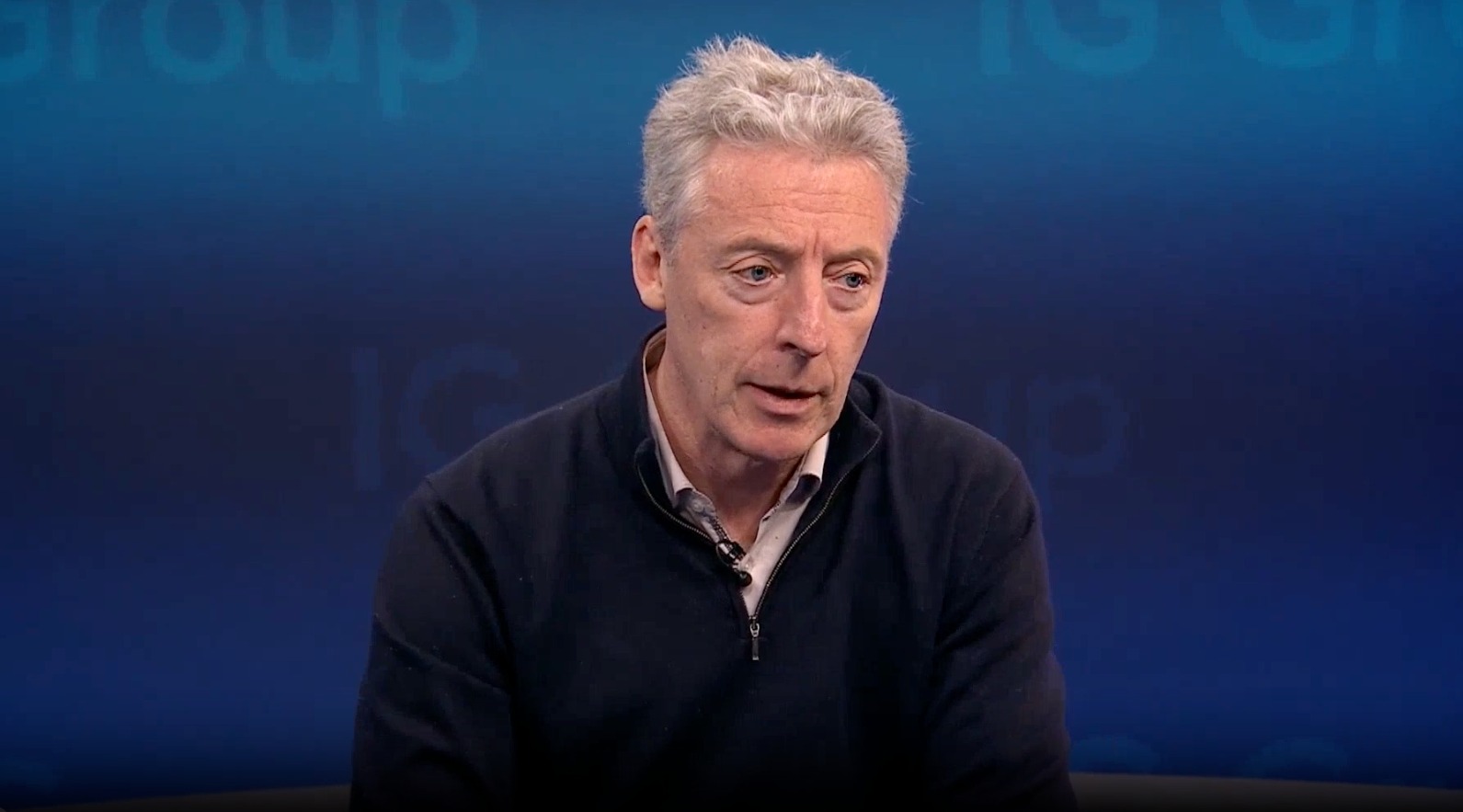
Will Marwick, CEO at IFX Payments, Source: LinkedIn
“We
are very pleased to announce the proposed acquisition of Argentex, which will
enhance our regulated capabilities, diversify our product portfolio,
particularly in FX risk management and institutional offering, and further
expand our geographical reach and network,” IFX CEO Will Marwick said at
the time.
Argentex
CEO Jim Ormonde resigned immediately when the rescue deal was announced. The
company's board unanimously backed the takeover, saying shareholders would get
2.49 pence per share, better than nothing if the firm went under completely.
Deal Now in Doubt
But
Argentex's financial situation apparently kept getting worse. The company
announced on Friday it was bringing in administrators to handle its affairs,
typically a precursor to either a company restructuring or liquidation.
IFX now
says this administration appointment gives it grounds to invoke the insolvency
conditions written into the original deal documents. The payments firm is
consulting with the UK Takeover Panel about officially triggering these escape
clauses.
If IFX does
walk away, Argentex's roughly 1,000 shareholders could be left with little to
nothing. The company had processed over $200 billion in FX transactions across
140+ currencies during its better days and maintained offices in Amsterdam,
Australia, and Dubai.
The saga
highlights growing regulatory scrutiny of risk management practices in the
wholesale trading sector. The Financial Conduct Authority has been pushing
firms to improve
their liquidity planning after several market disruptions.
IFX
Payments said today (Monday) it's considering pulling out of its takeover bid
for foreign exchange (FX) broker Argentex Group, just days after the struggling
British currency firm appointed administrators due to funding problems.
IFX Payments May Walk Away
From Argentex Deal After Administration
The
payments company issued a statement saying Argentex entering administration is
“of material significance” to the acquisition deal. IFX Payments is now
talking with regulatory panels about invoking insolvency conditions that would
let it walk away from the purchase.
Back in April,
IFX
had built escape clauses into its takeover documents. The company
specifically said it wouldn't go through with buying Argentex if the target
firm faced winding-up procedures or other insolvency processes. Those
conditions now appear relevant given Argentex's current troubles.
The
potential collapse of this deal caps a dramatic few months for Argentex. The
company was originally valued at around £120 million when it went public in
2019, but a series of missteps left it fighting for survival.
From Boom to Bust in Three
Months
Argentex's
problems started earlier this year when
the U.S. dollar crashed to three-year lows. The London-listed firm had been
offering “zero-zero” margin arrangements to some clients, essentially
letting them trade foreign exchange without putting up collateral.
When the
dollar plummeted, partly due
to new U.S. tariffs and comments from President Trump, Argentex got hit
with margin calls from its banking partners. But since many clients hadn't
posted collateral, the company couldn't cover these demands, creating a severe
cash crunch.
Will Marwick, CEO at IFX Payments, Source: LinkedIn
“We
are very pleased to announce the proposed acquisition of Argentex, which will
enhance our regulated capabilities, diversify our product portfolio,
particularly in FX risk management and institutional offering, and further
expand our geographical reach and network,” IFX CEO Will Marwick said at
the time.
Argentex
CEO Jim Ormonde resigned immediately when the rescue deal was announced. The
company's board unanimously backed the takeover, saying shareholders would get
2.49 pence per share, better than nothing if the firm went under completely.
Deal Now in Doubt
But
Argentex's financial situation apparently kept getting worse. The company
announced on Friday it was bringing in administrators to handle its affairs,
typically a precursor to either a company restructuring or liquidation.
IFX now
says this administration appointment gives it grounds to invoke the insolvency
conditions written into the original deal documents. The payments firm is
consulting with the UK Takeover Panel about officially triggering these escape
clauses.
If IFX does
walk away, Argentex's roughly 1,000 shareholders could be left with little to
nothing. The company had processed over $200 billion in FX transactions across
140+ currencies during its better days and maintained offices in Amsterdam,
Australia, and Dubai.
The saga
highlights growing regulatory scrutiny of risk management practices in the
wholesale trading sector. The Financial Conduct Authority has been pushing
firms to improve
their liquidity planning after several market disruptions.
Damian Chmiel is a Senior Analyst & Editor at Finance Magnates with more than 15 years of experience in the CFD and online trading industry. Active as both a trader and journalist since 2010, he focuses on broker coverage, fintech innovation, and regulatory developments across Europe, the Middle East, and Asia.
His work includes interviews with C-level leaders at major brokerages and fintech platforms, as well as co-authoring Finance Magnates’ quarterly industry benchmarking reports. Damian’s reporting is data-driven, market-aware, and grounded in direct industry engagement. His analysis and commentary have also been cited by external media outlets, including Investing.com, Binance, The Asset, Stockhead, and Dispatch.
Education:
MA in Finance and Accounting, Cracow University of Economics
MetaTrader 5 Brokers Gain Direct Access to Vantage Liquidity via MetaQuotes’ Ultency
FP Markets Winner Spotlight 🏆 | Global Broker of the Year 2025 #Trading #Broker #Innovation #Shorts
FP Markets Winner Spotlight 🏆 | Global Broker of the Year 2025 #Trading #Broker #Innovation #Shorts
FP Markets takes the spotlight as Global Broker of the Year 2025 at the Finance Magnates Awards.
Martin Stoilov, Head of Client Experience, shares that trust, innovation, and people played a key role in the company’s success, supported by a strong foundation of integrity and client-centricity.
Following this milestone, FP Markets continues to focus on growth, technology investment, and its core values of transparency and excellence.
👉 Be part of FM Awards 2026: https://awards.financemagnates.com/#nominate
FP Markets takes the spotlight as Global Broker of the Year 2025 at the Finance Magnates Awards.
Martin Stoilov, Head of Client Experience, shares that trust, innovation, and people played a key role in the company’s success, supported by a strong foundation of integrity and client-centricity.
Following this milestone, FP Markets continues to focus on growth, technology investment, and its core values of transparency and excellence.
👉 Be part of FM Awards 2026: https://awards.financemagnates.com/#nominate
In this video, we review @HolaPrimeMarketsOfficial, a multi-asset forex and CFDs broker offering different account types, trading platforms, and flexible trading conditions.
We cover the broker’s overall offering, including account options, trading environment, platforms like MT4 and MT5, and additional services such as managed accounts and fast withdrawals.
Watch the full video to see if Hola Prime Markets fits your trading needs.
📣 Stay up to date with the latest in finance and trading. Follow Finance Magnates for industry news, insights, and global event coverage.
Connect with us:
🔗 LinkedIn: /financemagnates
👍 Facebook: /financemagnates
📸 Instagram: https://www.instagram.com/financemagnates
🐦 X: https://x.com/financemagnates
🎥 TikTok: https://www.tiktok.com/tag/financemagnates
▶️ YouTube: /@financemagnates_official
#HolaPrime #ForexBroker #CFDTrading #FinanceMagnates #Trading #Forex #BrokerReview
In this video, we review @HolaPrimeMarketsOfficial, a multi-asset forex and CFDs broker offering different account types, trading platforms, and flexible trading conditions.
We cover the broker’s overall offering, including account options, trading environment, platforms like MT4 and MT5, and additional services such as managed accounts and fast withdrawals.
Watch the full video to see if Hola Prime Markets fits your trading needs.
📣 Stay up to date with the latest in finance and trading. Follow Finance Magnates for industry news, insights, and global event coverage.
Connect with us:
🔗 LinkedIn: /financemagnates
👍 Facebook: /financemagnates
📸 Instagram: https://www.instagram.com/financemagnates
🐦 X: https://x.com/financemagnates
🎥 TikTok: https://www.tiktok.com/tag/financemagnates
▶️ YouTube: /@financemagnates_official
#HolaPrime #ForexBroker #CFDTrading #FinanceMagnates #Trading #Forex #BrokerReview
Hola Prime Review: What You Need to Know | Full Breakdown by Finance Magnates
Hola Prime Review: What You Need to Know | Full Breakdown by Finance Magnates
In this video, we review @HolaPrime_Global, a proprietary trading firm offering evaluation programs and performance-based payouts in simulated market environments.
We cover how the challenge model works, including account types, profit splits (up to 95%), trading rules, and what it takes to reach a funded account. You’ll also learn about available platforms like MT4, MT5, cTrader, and more, along with insights into payouts, support, and trading conditions.
Watch the full video to see if Hola Prime fits your trading style.
📣 Stay up to date with the latest in finance and trading. Follow Finance Magnates for industry news, insights, and global event coverage.
Connect with us:
🔗 LinkedIn: /financemagnates
👍 Facebook: /financemagnates
📸 Instagram: https://www.instagram.com/financemagnates
🐦 X: https://x.com/financemagnates
🎥 TikTok: https://www.tiktok.com/tag/financemagnates
▶️ YouTube: /@financemagnates_official
#HolaPrime #PropFirm #Trading #FinanceMagnates #Forex #FuturesTrading #TradingReview #PropFirmReview
In this video, we review @HolaPrime_Global, a proprietary trading firm offering evaluation programs and performance-based payouts in simulated market environments.
We cover how the challenge model works, including account types, profit splits (up to 95%), trading rules, and what it takes to reach a funded account. You’ll also learn about available platforms like MT4, MT5, cTrader, and more, along with insights into payouts, support, and trading conditions.
Watch the full video to see if Hola Prime fits your trading style.
📣 Stay up to date with the latest in finance and trading. Follow Finance Magnates for industry news, insights, and global event coverage.
Connect with us:
🔗 LinkedIn: /financemagnates
👍 Facebook: /financemagnates
📸 Instagram: https://www.instagram.com/financemagnates
🐦 X: https://x.com/financemagnates
🎥 TikTok: https://www.tiktok.com/tag/financemagnates
▶️ YouTube: /@financemagnates_official
#HolaPrime #PropFirm #Trading #FinanceMagnates #Forex #FuturesTrading #TradingReview #PropFirmReview
Axi Winner Spotlight 🏆 | Global Most Innovative Broker 2025 #Innovation #Trading #Fintech #Broker
Axi Winner Spotlight 🏆 | Global Most Innovative Broker 2025 #Innovation #Trading #Fintech #Broker
Axi takes the spotlight at the Finance Magnates Awards, winning Global Most Innovative Broker 2025.
Olivia Xenofontos and Ivanna Openko share how the team will feel: proud, motivated, and ready to keep delivering.
They also describe the night as well-organized, focused, and enjoyable for all.
👉 Be part of FM Awards 2026.
Axi takes the spotlight at the Finance Magnates Awards, winning Global Most Innovative Broker 2025.
Olivia Xenofontos and Ivanna Openko share how the team will feel: proud, motivated, and ready to keep delivering.
They also describe the night as well-organized, focused, and enjoyable for all.
👉 Be part of FM Awards 2026.
Recognition that matters.
Built on transparency.
Driven by the industry.
The Finance Magnates Awards 2026.
Nominations are now open.
🔗 https://awards.financemagnates.com/?utm_source=SM&utm_medium=social&utm_campaign=recognition-matters
Recognition that matters.
Built on transparency.
Driven by the industry.
The Finance Magnates Awards 2026.
Nominations are now open.
🔗 https://awards.financemagnates.com/?utm_source=SM&utm_medium=social&utm_campaign=recognition-matters