FXPA highlights risks of uneven oversight in global currency markets.
It calls for regulatory parity to ensure fair competition and protect FX integrity.
The Foreign
Exchange Professionals Association (FXPA) has released a white paper urging
policymakers to address regulatory disparities between regulated and
unregulated foreign exchange (FX) derivatives trading venues. The industry
group warns that the current landscape may pose risks to market integrity and
customer protection.
FXPA Calls for Regulatory
Parity in FX Derivatives Trading Venues
In
its report, the FXPA emphasizes the growing presence of unregulated FX
derivatives trading platforms competing directly with their regulated
counterparts. These unregulated venues often operate with minimal oversight,
potentially offering benefits such as higher leverage and lower fees, but at
the cost of reduced customer safeguards.
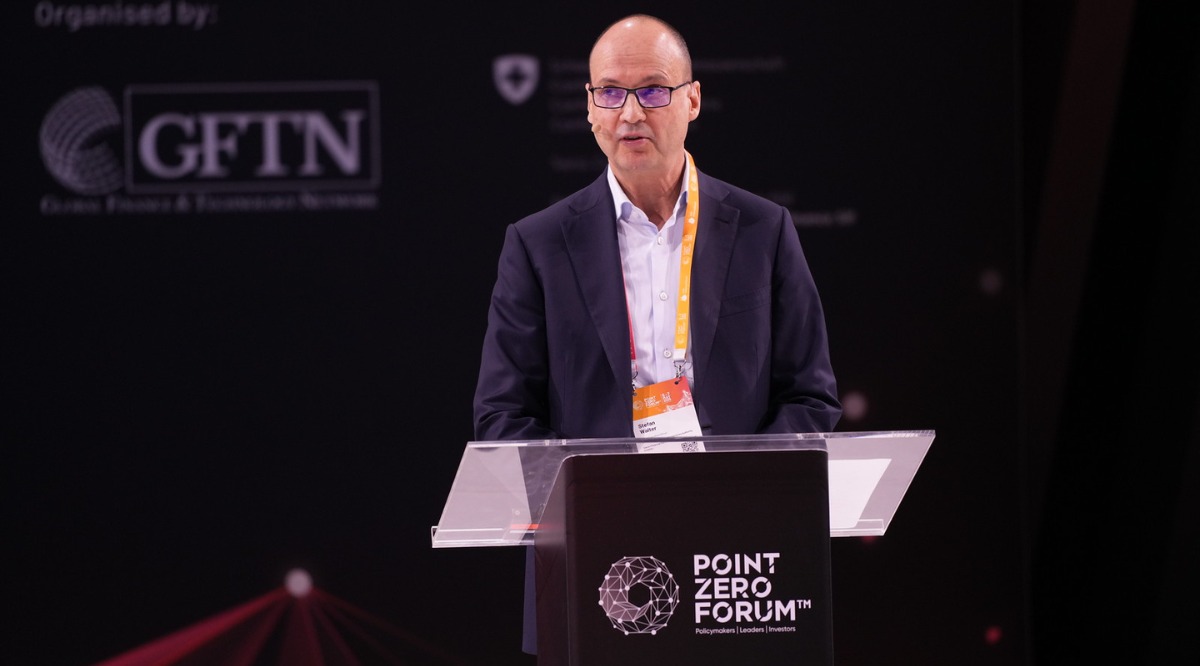
Joseph Hoffman, the Chairman of FXPA
“The
longer regulatory gaps between regulated FX derivatives trading venues and
unregulated FX derivatives trading venues can be exploited, the more other FX
trading venues will seek to replicate their success,” the FXPA stated in
its white paper.
The
association highlights several key differences between regulated and
unregulated platforms. Regulated venues face higher operational costs due to
compliance requirements, including market surveillance, reporting, and investor
protection measures. They also adhere to strict rules on transparency,
conflicts of interest, and impartial access.
“The
presence of unregulated FX derivatives trading venues also introduces the
possibility of regulatory arbitrage for FX markets. These dynamics raise
concerns about fairness and market integrity around the operation of
unregulated FX derivatives trading venues,” the paper further states.
FXPA suggests
that unregulated venues may benefit from cost savings associated with
non-compliance, allowing them to offer more attractive terms to customers. This
dynamic could potentially impact market liquidity and price discovery.
The Association
calls on global regulatory bodies to evaluate the effects of unregulated FX
derivatives trading venues providing services that are typically subject to
oversight. The group recommends considering these platforms as comparable to
their regulated counterparts, regardless of how they present themselves to the
market.
“Policymakers
should take into account how the operational structures of unregulated FX
derivatives trading venues impact systemic risk management, market development,
and global competitiveness,” the white paper advises.
The
association also suggests that regulators could support regulated entities by
reducing regulatory cost burdens through normalizing standards across
jurisdictions and allowing greater equivalence for entities operating in
multiple markets.
Surge in Forex OTC Derivatives
The OTC
derivatives market saw significant expansion in 2023, with total outstanding
contracts reaching $667 trillion, an 8% increase from the previous year.
Interest rate derivatives, which grew to $530 trillion, and foreign exchange
derivatives, which rose to $118 trillion, were the main drivers of this growth.
The Bank
for International Settlements (BIS) reported a distinctive pattern in market
activity throughout the year. Notional amounts surged by 15% in the first six
months, followed by a 6% contraction in the latter half. This fluctuation
aligns with a recurring seasonal trend observed in recent years.
Despite the
overall growth in notional value, the gross market value of OTC derivatives
fell by 13% in 2023. This decline was primarily due to changes in interest rate
derivatives, which peaked in late 2022 amid rapid interest rate hikes. As
rate increases moderated in 2023, the market value of these derivatives
subsequently decreased.
The Foreign
Exchange Professionals Association (FXPA) has released a white paper urging
policymakers to address regulatory disparities between regulated and
unregulated foreign exchange (FX) derivatives trading venues. The industry
group warns that the current landscape may pose risks to market integrity and
customer protection.
FXPA Calls for Regulatory
Parity in FX Derivatives Trading Venues
In
its report, the FXPA emphasizes the growing presence of unregulated FX
derivatives trading platforms competing directly with their regulated
counterparts. These unregulated venues often operate with minimal oversight,
potentially offering benefits such as higher leverage and lower fees, but at
the cost of reduced customer safeguards.
Joseph Hoffman, the Chairman of FXPA
“The
longer regulatory gaps between regulated FX derivatives trading venues and
unregulated FX derivatives trading venues can be exploited, the more other FX
trading venues will seek to replicate their success,” the FXPA stated in
its white paper.
The
association highlights several key differences between regulated and
unregulated platforms. Regulated venues face higher operational costs due to
compliance requirements, including market surveillance, reporting, and investor
protection measures. They also adhere to strict rules on transparency,
conflicts of interest, and impartial access.
“The
presence of unregulated FX derivatives trading venues also introduces the
possibility of regulatory arbitrage for FX markets. These dynamics raise
concerns about fairness and market integrity around the operation of
unregulated FX derivatives trading venues,” the paper further states.
FXPA suggests
that unregulated venues may benefit from cost savings associated with
non-compliance, allowing them to offer more attractive terms to customers. This
dynamic could potentially impact market liquidity and price discovery.
The Association
calls on global regulatory bodies to evaluate the effects of unregulated FX
derivatives trading venues providing services that are typically subject to
oversight. The group recommends considering these platforms as comparable to
their regulated counterparts, regardless of how they present themselves to the
market.
“Policymakers
should take into account how the operational structures of unregulated FX
derivatives trading venues impact systemic risk management, market development,
and global competitiveness,” the white paper advises.
The
association also suggests that regulators could support regulated entities by
reducing regulatory cost burdens through normalizing standards across
jurisdictions and allowing greater equivalence for entities operating in
multiple markets.
Surge in Forex OTC Derivatives
The OTC
derivatives market saw significant expansion in 2023, with total outstanding
contracts reaching $667 trillion, an 8% increase from the previous year.
Interest rate derivatives, which grew to $530 trillion, and foreign exchange
derivatives, which rose to $118 trillion, were the main drivers of this growth.
The Bank
for International Settlements (BIS) reported a distinctive pattern in market
activity throughout the year. Notional amounts surged by 15% in the first six
months, followed by a 6% contraction in the latter half. This fluctuation
aligns with a recurring seasonal trend observed in recent years.
Despite the
overall growth in notional value, the gross market value of OTC derivatives
fell by 13% in 2023. This decline was primarily due to changes in interest rate
derivatives, which peaked in late 2022 amid rapid interest rate hikes. As
rate increases moderated in 2023, the market value of these derivatives
subsequently decreased.
Damian Chmiel is a Senior Analyst & Editor at Finance Magnates with more than 15 years of experience in the CFD and online trading industry. Active as both a trader and journalist since 2010, he focuses on broker coverage, fintech innovation, and regulatory developments across Europe, the Middle East, and Asia.
His work includes interviews with C-level leaders at major brokerages and fintech platforms, as well as co-authoring Finance Magnates’ quarterly industry benchmarking reports. Damian’s reporting is data-driven, market-aware, and grounded in direct industry engagement. His analysis and commentary have also been cited by external media outlets, including Investing.com, Binance, The Asset, Stockhead, and Dispatch.
Education:
MA in Finance and Accounting, Cracow University of Economics
MetaTrader 5 Brokers Gain Direct Access to Vantage Liquidity via MetaQuotes’ Ultency
FP Markets Winner Spotlight 🏆 | Global Broker of the Year 2025 #Trading #Broker #Innovation #Shorts
FP Markets Winner Spotlight 🏆 | Global Broker of the Year 2025 #Trading #Broker #Innovation #Shorts
FP Markets takes the spotlight as Global Broker of the Year 2025 at the Finance Magnates Awards.
Martin Stoilov, Head of Client Experience, shares that trust, innovation, and people played a key role in the company’s success, supported by a strong foundation of integrity and client-centricity.
Following this milestone, FP Markets continues to focus on growth, technology investment, and its core values of transparency and excellence.
👉 Be part of FM Awards 2026: https://awards.financemagnates.com/#nominate
FP Markets takes the spotlight as Global Broker of the Year 2025 at the Finance Magnates Awards.
Martin Stoilov, Head of Client Experience, shares that trust, innovation, and people played a key role in the company’s success, supported by a strong foundation of integrity and client-centricity.
Following this milestone, FP Markets continues to focus on growth, technology investment, and its core values of transparency and excellence.
👉 Be part of FM Awards 2026: https://awards.financemagnates.com/#nominate
In this video, we review @HolaPrimeMarketsOfficial, a multi-asset forex and CFDs broker offering different account types, trading platforms, and flexible trading conditions.
We cover the broker’s overall offering, including account options, trading environment, platforms like MT4 and MT5, and additional services such as managed accounts and fast withdrawals.
Watch the full video to see if Hola Prime Markets fits your trading needs.
📣 Stay up to date with the latest in finance and trading. Follow Finance Magnates for industry news, insights, and global event coverage.
Connect with us:
🔗 LinkedIn: /financemagnates
👍 Facebook: /financemagnates
📸 Instagram: https://www.instagram.com/financemagnates
🐦 X: https://x.com/financemagnates
🎥 TikTok: https://www.tiktok.com/tag/financemagnates
▶️ YouTube: /@financemagnates_official
#HolaPrime #ForexBroker #CFDTrading #FinanceMagnates #Trading #Forex #BrokerReview
In this video, we review @HolaPrimeMarketsOfficial, a multi-asset forex and CFDs broker offering different account types, trading platforms, and flexible trading conditions.
We cover the broker’s overall offering, including account options, trading environment, platforms like MT4 and MT5, and additional services such as managed accounts and fast withdrawals.
Watch the full video to see if Hola Prime Markets fits your trading needs.
📣 Stay up to date with the latest in finance and trading. Follow Finance Magnates for industry news, insights, and global event coverage.
Connect with us:
🔗 LinkedIn: /financemagnates
👍 Facebook: /financemagnates
📸 Instagram: https://www.instagram.com/financemagnates
🐦 X: https://x.com/financemagnates
🎥 TikTok: https://www.tiktok.com/tag/financemagnates
▶️ YouTube: /@financemagnates_official
#HolaPrime #ForexBroker #CFDTrading #FinanceMagnates #Trading #Forex #BrokerReview
Hola Prime Review: What You Need to Know | Full Breakdown by Finance Magnates
Hola Prime Review: What You Need to Know | Full Breakdown by Finance Magnates
In this video, we review @HolaPrime_Global, a proprietary trading firm offering evaluation programs and performance-based payouts in simulated market environments.
We cover how the challenge model works, including account types, profit splits (up to 95%), trading rules, and what it takes to reach a funded account. You’ll also learn about available platforms like MT4, MT5, cTrader, and more, along with insights into payouts, support, and trading conditions.
Watch the full video to see if Hola Prime fits your trading style.
📣 Stay up to date with the latest in finance and trading. Follow Finance Magnates for industry news, insights, and global event coverage.
Connect with us:
🔗 LinkedIn: /financemagnates
👍 Facebook: /financemagnates
📸 Instagram: https://www.instagram.com/financemagnates
🐦 X: https://x.com/financemagnates
🎥 TikTok: https://www.tiktok.com/tag/financemagnates
▶️ YouTube: /@financemagnates_official
#HolaPrime #PropFirm #Trading #FinanceMagnates #Forex #FuturesTrading #TradingReview #PropFirmReview
In this video, we review @HolaPrime_Global, a proprietary trading firm offering evaluation programs and performance-based payouts in simulated market environments.
We cover how the challenge model works, including account types, profit splits (up to 95%), trading rules, and what it takes to reach a funded account. You’ll also learn about available platforms like MT4, MT5, cTrader, and more, along with insights into payouts, support, and trading conditions.
Watch the full video to see if Hola Prime fits your trading style.
📣 Stay up to date with the latest in finance and trading. Follow Finance Magnates for industry news, insights, and global event coverage.
Connect with us:
🔗 LinkedIn: /financemagnates
👍 Facebook: /financemagnates
📸 Instagram: https://www.instagram.com/financemagnates
🐦 X: https://x.com/financemagnates
🎥 TikTok: https://www.tiktok.com/tag/financemagnates
▶️ YouTube: /@financemagnates_official
#HolaPrime #PropFirm #Trading #FinanceMagnates #Forex #FuturesTrading #TradingReview #PropFirmReview
Axi Winner Spotlight 🏆 | Global Most Innovative Broker 2025 #Innovation #Trading #Fintech #Broker
Axi Winner Spotlight 🏆 | Global Most Innovative Broker 2025 #Innovation #Trading #Fintech #Broker
Axi takes the spotlight at the Finance Magnates Awards, winning Global Most Innovative Broker 2025.
Olivia Xenofontos and Ivanna Openko share how the team will feel: proud, motivated, and ready to keep delivering.
They also describe the night as well-organized, focused, and enjoyable for all.
👉 Be part of FM Awards 2026.
Axi takes the spotlight at the Finance Magnates Awards, winning Global Most Innovative Broker 2025.
Olivia Xenofontos and Ivanna Openko share how the team will feel: proud, motivated, and ready to keep delivering.
They also describe the night as well-organized, focused, and enjoyable for all.
👉 Be part of FM Awards 2026.
Recognition that matters.
Built on transparency.
Driven by the industry.
The Finance Magnates Awards 2026.
Nominations are now open.
🔗 https://awards.financemagnates.com/?utm_source=SM&utm_medium=social&utm_campaign=recognition-matters
Recognition that matters.
Built on transparency.
Driven by the industry.
The Finance Magnates Awards 2026.
Nominations are now open.
🔗 https://awards.financemagnates.com/?utm_source=SM&utm_medium=social&utm_campaign=recognition-matters