Exclusive: Ex St. Louis Fed President Weighs in on the SNB's Actual Mistake
Thursday,22/01/2015|12:39GMTby
Kenny Mariasin
Analysts far and wide are calling foul over the surprise announcement by the Swiss National Bank. To find out if the raised pitchforks are warranted, I turned to former chief executive and president of the Federal Reserve Bank of St. Louis, William Poole.
“Shock puts question over Swiss credibility” headlines a Financial Times piece. “Swiss Shock Tarnishes Central Banks” condemns the Wall Street Journal. "This is a huge hit to their credibility," Deutsche Bank rebukes. Analysts far and wide are calling foul over the surprise announcement by the Swiss National Bank.
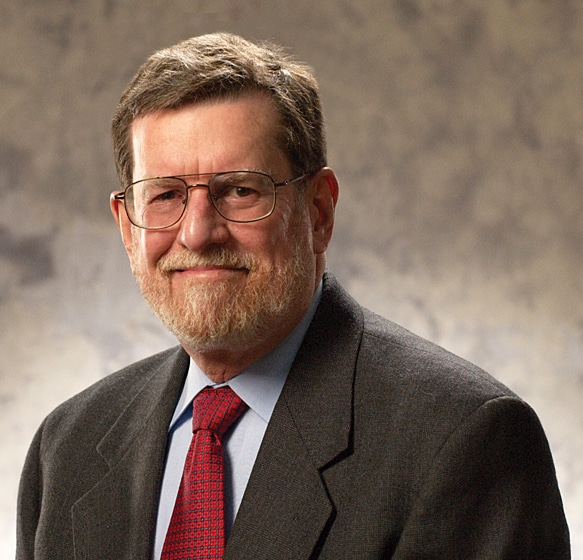
William Poole, photo courtesy of the Cato Institute
The WSJ article goes on to explain that the move is “particularly troubling because central-bank surprises such as these are few and far between...” Reuters draws attention to Deputy Jean-Pierre Danthine reiterating the SNB’s steadfast support for the peg in a televised interview less than three days before it was abandoned. “In a case like this,” responded President Thomas Jordan, “the communication cannot be changed before the decision is made public.”
To find out if the raised pitchforks are warranted, I turned to former chief executive and president of the Federal Reserve Bank of St. Louis, William Poole. As many of you might be aware, the St. Louis Fed is widely regarded as the most public-minded and informative regional Fed, so if anyone is authorized to weigh in on the SNB’s alleged oversight, it’s him.
Mr. Poole asserts that the Swiss bank's mistake wasn’t ending the peg suddenly, rather, it was starting the peg at all:
What is your overall opinion on the way that the SNB handled itself?
“There is a long history of attempts to peg the exchange rate ending in tears. Soros cleaned up against the UK in the early 1990s, for example.”
That crisis, known as Black Wednesday (sound familiar?), occurred when Britain was forced to withdraw the pound from the fixed European Exchange Rate Mechanism (ERM) after it was unable to keep the pound above its agreed floor. Largely, they couldn’t prop the currency up because George Soros short sold the sterling faster than the Bank of England could buy. This “broke the Bank of England” and threw the country into recession.
How could the SNB have avoided this Volatility while still aligning the public to their stance in a more gradual manner?
"I would have preferred that they had thought through the issue at the outset, and not have started the peg.”
He reiterates that it’s “not possible to avoid the problem, once on the pegging course. It always ends this way... Gradualism,” in his opinion, is also “not possible.”
With respect to them toeing the line right up until the last minute, what is your opinion on Jean-Pierre Danthine reiterating support for the peg roughly 60 hours before they dropped it?
“Once a government/central bank starts down this road it has no choice other than a surprise withdrawal. Consider the way the U.S. went off the gold standard August 15, 1971. A prior announcement or even suspicion creates massive capital flows.”
Indeed, readers familiar with the Nixon Shocks will know just how unsuccessful a resumption of dollar-to-gold convertibility was after Nixon’s not-so-temporary suspension.
In terms of the market overreacting, shouldn't the SNB have predicted this might happen?
Mr. Poole sticks by his anti-peg guns. In his view, it's "not clear" that the market is overreacting, but what he does know is that exits are “always messy.”
How did you push for public engagement during your presidency at the St. Louis Fed?
“I continued a tradition that was well-established when I arrived at the St. Louis Fed. The tradition goes back at least to President Darryl Francis.”
Darryl Francis was president and chief executive officer of the St. Louis Fed between 1966 and 1976. It was Mr. Francis that expanded the research department’s work and made sure it was readily available to the public.
What suggestions would you have for regulators going forward?
“As for Regulation, the market ought to welcome much higher bank capital requirements in exchange for much less detailed oversight. Unfortunately, I have not heard any prominent bank leaders take this position. Bank ‘leaders’ are not leading on regulatory issues.”
William Poole was the eleventh chief executive of the St. Louis Fed. In 2007, he served as a voting member of the Federal Open Market Committee, bringing his District's perspective to policy discussions in Washington. Poole stepped down from the Fed on March 31, 2008. He is currently senior fellow at the Cato Institute, senior advisor to Merk Investments and, as of fall 2008, distinguished scholar in residence at the University of Delaware.
“Shock puts question over Swiss credibility” headlines a Financial Times piece. “Swiss Shock Tarnishes Central Banks” condemns the Wall Street Journal. "This is a huge hit to their credibility," Deutsche Bank rebukes. Analysts far and wide are calling foul over the surprise announcement by the Swiss National Bank.
William Poole, photo courtesy of the Cato Institute
The WSJ article goes on to explain that the move is “particularly troubling because central-bank surprises such as these are few and far between...” Reuters draws attention to Deputy Jean-Pierre Danthine reiterating the SNB’s steadfast support for the peg in a televised interview less than three days before it was abandoned. “In a case like this,” responded President Thomas Jordan, “the communication cannot be changed before the decision is made public.”
To find out if the raised pitchforks are warranted, I turned to former chief executive and president of the Federal Reserve Bank of St. Louis, William Poole. As many of you might be aware, the St. Louis Fed is widely regarded as the most public-minded and informative regional Fed, so if anyone is authorized to weigh in on the SNB’s alleged oversight, it’s him.
Mr. Poole asserts that the Swiss bank's mistake wasn’t ending the peg suddenly, rather, it was starting the peg at all:
What is your overall opinion on the way that the SNB handled itself?
“There is a long history of attempts to peg the exchange rate ending in tears. Soros cleaned up against the UK in the early 1990s, for example.”
That crisis, known as Black Wednesday (sound familiar?), occurred when Britain was forced to withdraw the pound from the fixed European Exchange Rate Mechanism (ERM) after it was unable to keep the pound above its agreed floor. Largely, they couldn’t prop the currency up because George Soros short sold the sterling faster than the Bank of England could buy. This “broke the Bank of England” and threw the country into recession.
How could the SNB have avoided this Volatility while still aligning the public to their stance in a more gradual manner?
"I would have preferred that they had thought through the issue at the outset, and not have started the peg.”
He reiterates that it’s “not possible to avoid the problem, once on the pegging course. It always ends this way... Gradualism,” in his opinion, is also “not possible.”
With respect to them toeing the line right up until the last minute, what is your opinion on Jean-Pierre Danthine reiterating support for the peg roughly 60 hours before they dropped it?
“Once a government/central bank starts down this road it has no choice other than a surprise withdrawal. Consider the way the U.S. went off the gold standard August 15, 1971. A prior announcement or even suspicion creates massive capital flows.”
Indeed, readers familiar with the Nixon Shocks will know just how unsuccessful a resumption of dollar-to-gold convertibility was after Nixon’s not-so-temporary suspension.
In terms of the market overreacting, shouldn't the SNB have predicted this might happen?
Mr. Poole sticks by his anti-peg guns. In his view, it's "not clear" that the market is overreacting, but what he does know is that exits are “always messy.”
How did you push for public engagement during your presidency at the St. Louis Fed?
“I continued a tradition that was well-established when I arrived at the St. Louis Fed. The tradition goes back at least to President Darryl Francis.”
Darryl Francis was president and chief executive officer of the St. Louis Fed between 1966 and 1976. It was Mr. Francis that expanded the research department’s work and made sure it was readily available to the public.
What suggestions would you have for regulators going forward?
“As for Regulation, the market ought to welcome much higher bank capital requirements in exchange for much less detailed oversight. Unfortunately, I have not heard any prominent bank leaders take this position. Bank ‘leaders’ are not leading on regulatory issues.”
William Poole was the eleventh chief executive of the St. Louis Fed. In 2007, he served as a voting member of the Federal Open Market Committee, bringing his District's perspective to policy discussions in Washington. Poole stepped down from the Fed on March 31, 2008. He is currently senior fellow at the Cato Institute, senior advisor to Merk Investments and, as of fall 2008, distinguished scholar in residence at the University of Delaware.
SIX Pushes for Pan-European Clearing Crown as Post-Trade Results Face Rate Headwinds
CMC Markets’ Artur Delijergijevs on Metals Demand, Volatility, & Stable Execution
CMC Markets’ Artur Delijergijevs on Metals Demand, Volatility, & Stable Execution
In this exclusive Executive Interview, Finance Magnates speaks with Artur Delijergijevs, Head of Systematic Market Making at CMC Markets, about the current state of metals demand and market volatility.
Delijergijevs offers a desk-level view on:
- Metals Demand: Why metals are seeing the strongest demand from both retail and institutional clients right now.
- The Safe-Haven Debate: Questioning whether gold still fits the classic safe-haven definition given large daily price movements.
- Volatile Market Prep: How a market-making desk prepares its systems and pricing for stressed market conditions and high-impact economic events.
- Hybrid Execution: Why the best execution model combines electronic speed with human relationship support, especially during volatility.
- AI in Workflow: Where CMC Markets is integrating machine learning for risk management and pricing, and the limitations of AI during stressed markets.
- Dubai's Role: The strategic importance of Dubai’s location for covering global trading sessions across Asia, Europe, and the US.
Watch to understand how CMC Markets maintains stable pricing and reliable execution quality in high-volatility environments.
#CMCmarkets #forex #metals #gold #trading #volatility #MarketMaking #iFXDubai #FinanceMagnates #Finance #Fintech #Execution #AlgorithmicTrading #RiskManagement
In this exclusive Executive Interview, Finance Magnates speaks with Artur Delijergijevs, Head of Systematic Market Making at CMC Markets, about the current state of metals demand and market volatility.
Delijergijevs offers a desk-level view on:
- Metals Demand: Why metals are seeing the strongest demand from both retail and institutional clients right now.
- The Safe-Haven Debate: Questioning whether gold still fits the classic safe-haven definition given large daily price movements.
- Volatile Market Prep: How a market-making desk prepares its systems and pricing for stressed market conditions and high-impact economic events.
- Hybrid Execution: Why the best execution model combines electronic speed with human relationship support, especially during volatility.
- AI in Workflow: Where CMC Markets is integrating machine learning for risk management and pricing, and the limitations of AI during stressed markets.
- Dubai's Role: The strategic importance of Dubai’s location for covering global trading sessions across Asia, Europe, and the US.
Watch to understand how CMC Markets maintains stable pricing and reliable execution quality in high-volatility environments.
#CMCmarkets #forex #metals #gold #trading #volatility #MarketMaking #iFXDubai #FinanceMagnates #Finance #Fintech #Execution #AlgorithmicTrading #RiskManagement
Finance Magnates Awards 2026 – Nominations Now Open
Finance Magnates Awards 2026 – Nominations Now Open
The Finance Magnates Awards 2026 nominations are now open. 🏆
From fintech innovators to leading brokers, this is where the finance industry celebrates its biggest achievements.
Winners will be announced at the Cyprus Gala Dinner on November 6, 2026.
Nominate your brand now.
https://awards.financemagnates.com/?utm_source=linkedin&utm_medium=video&utm_campaign=nominations-open
#FMAwards #FinanceMagnates #FintechAwards #Fintech #FinanceIndustry
The Finance Magnates Awards 2026 nominations are now open. 🏆
From fintech innovators to leading brokers, this is where the finance industry celebrates its biggest achievements.
Winners will be announced at the Cyprus Gala Dinner on November 6, 2026.
Nominate your brand now.
https://awards.financemagnates.com/?utm_source=linkedin&utm_medium=video&utm_campaign=nominations-open
#FMAwards #FinanceMagnates #FintechAwards #Fintech #FinanceIndustry
Finance Magnates Awards 2026 | Nominations Now Open 🏆#Fintech #FMAwards #TradingIndustry
Finance Magnates Awards 2026 | Nominations Now Open 🏆#Fintech #FMAwards #TradingIndustry
Lights on. Cameras ready. 🎬
Finance Magnates Awards 2026 nominations are now open. 🏆
#FMAwards #FinanceMagnates #FintechAwards #Fintech
Lights on. Cameras ready. 🎬
Finance Magnates Awards 2026 nominations are now open. 🏆
#FMAwards #FinanceMagnates #FintechAwards #Fintech
Exness sees trust as the key theme for growth in MENA Trading Growth for 2026
Exness sees trust as the key theme for growth in MENA Trading Growth for 2026
Mohammad Amer, Regional Commercial Director at Exness, sits down to discuss the booming MENA financial trading market. Find out why Dubai is key to the company's growth strategy, how a mobile-first generation is changing expectations, and why trust will be the defining theme for traders in 2026.
In this interview, you'll learn:
* Why Dubai and the MENA region are critical growth markets for fintech and online trading.
* How Exness is addressing the demands of mobile-first, younger traders through engineering, platform stability, and transparent conditions.
* The essential role local talent plays in providing a culturally relevant and compliant user experience.
* Mohammad Amer's outlook on the future of the online trading industry and why stronger controls and systems are necessary.
* Why "trust" isn't just a brand value, but has commercial value—and why he predicts 2026 will be the "Year of Trust."
Key Takeaways:
➡️ The MENA region is rapidly shaping global financial markets.
➡️ New traders expect stability, precise execution, and transparency.
➡️ Local expertise is key to regulatory compliance and user experience.
➡️ Future success belongs to firms capable of meeting rising standards across regulation and platform consistency.
Read the full article at: https://www.financemagnates.com/thought-leadership/exness-sees-trust-as-the-key-theme-for-growth-in-mena-trading-growth-for-2026/
#Exness #MENA #Trading #FinTech #Dubai #OnlineTrading #FinanceMagnates #MohammadAmer #Trust #MobileTrading
Mohammad Amer, Regional Commercial Director at Exness, sits down to discuss the booming MENA financial trading market. Find out why Dubai is key to the company's growth strategy, how a mobile-first generation is changing expectations, and why trust will be the defining theme for traders in 2026.
In this interview, you'll learn:
* Why Dubai and the MENA region are critical growth markets for fintech and online trading.
* How Exness is addressing the demands of mobile-first, younger traders through engineering, platform stability, and transparent conditions.
* The essential role local talent plays in providing a culturally relevant and compliant user experience.
* Mohammad Amer's outlook on the future of the online trading industry and why stronger controls and systems are necessary.
* Why "trust" isn't just a brand value, but has commercial value—and why he predicts 2026 will be the "Year of Trust."
Key Takeaways:
➡️ The MENA region is rapidly shaping global financial markets.
➡️ New traders expect stability, precise execution, and transparency.
➡️ Local expertise is key to regulatory compliance and user experience.
➡️ Future success belongs to firms capable of meeting rising standards across regulation and platform consistency.
Read the full article at: https://www.financemagnates.com/thought-leadership/exness-sees-trust-as-the-key-theme-for-growth-in-mena-trading-growth-for-2026/
#Exness #MENA #Trading #FinTech #Dubai #OnlineTrading #FinanceMagnates #MohammadAmer #Trust #MobileTrading
Paytiko CEO Razi Salih on Why Payment Orchestration is a MUST-HAVE for Brokers in 2026
Paytiko CEO Razi Salih on Why Payment Orchestration is a MUST-HAVE for Brokers in 2026
At iFX Expo Dubai, Finance Magnates spoke with Razi Salih, CEO at Paytiko, about the evolution of the payments ecosystem and why payment orchestration has shifted from an option to a necessity for brokers, prop firms, and exchanges.
Mr. Salih explains how global expansion, the need for deep localisation, and the sheer number of new payment methods, from instant banking to stablecoins, are driving this critical infrastructure shift.
#PaymentOrchestration #Fintech #Brokerage #TradingPayments #RaziSalih #Paytiko #iFXExpoDubai #Stablecoins #AIinFintech
At iFX Expo Dubai, Finance Magnates spoke with Razi Salih, CEO at Paytiko, about the evolution of the payments ecosystem and why payment orchestration has shifted from an option to a necessity for brokers, prop firms, and exchanges.
Mr. Salih explains how global expansion, the need for deep localisation, and the sheer number of new payment methods, from instant banking to stablecoins, are driving this critical infrastructure shift.
#PaymentOrchestration #Fintech #Brokerage #TradingPayments #RaziSalih #Paytiko #iFXExpoDubai #Stablecoins #AIinFintech