Top executive management of the companies share insight into the deal and into the future of B2B offerings
Ron Hoffman, CEO of Playtech’s Financial Division TradeTech
The surprise deal between Playtech and CFH Group is sure to be one of the main topics of discussion at the Finance Magnates London Summit in 2016, which is to start later today at The Brewery on Chiswell Street in Central London. The decision by Playtech to purchase CFH Group for $120 million surprised the industry and is sure to cause a stir in the business-to-business segment of the market.
The deal comprises an initial payment of $43.4 million (€39.8 million), 70% of CFH's fully diluted share capital, representing a multiple of approximately 7x the current EBITDA run rate; and an additional consideration for the remaining 30% of CFH which will be subject to a put and call option which can be exercised in 2019 at a multiple of 6.0x CFH's adjusted EBITDA for the year ending 31 December 2018, capped at $120 million less the initial consideration ($76.6 million) for the 30%.
CFH's management will remain with the business following completion and will retain the remaining 30% of CFH which is subject to the aforementioned put and call option. Completion of the acquisition, which is subject to the satisfaction of certain conditions, is expected to take place on 30 November 2016. The acquisition is immediately earnings accretive for Playtech.

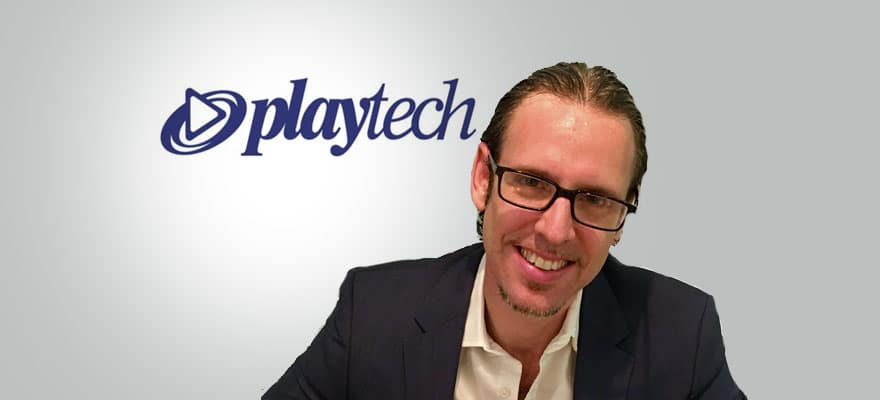
Ron Hoffman, CFO of Playtech and CEO of Playtech's Financial Division
Finance Magnates spoke exclusively with the CEO of Playtech's financial division Ron Hoffman and the CEO and founder of CFH Group Christian Frahm about the hottest acquisition of the season.
Up until now Playtech has been focused on B2C, why did you guys decide to venture into B2B?
Ron Hoffman: We always saw significant growth potential through expansion into B2B. We are a division of Playtech, which is the world’s leading B2B provider to the gaming industry, meaning we come from a B2B mindset. We have always believed there is a big opportunity to establish ourselves in the same way as Playtech within the financial trading arena where we can leverage our technological superiority and core competencies. We believe CFH is already well positioned as a reputable B2B provider and the best entry point into the growing B2B arena.
Christian Frahm: CFH is the best entry point into B2B given its technology and most importantly its access to hundreds of online CFD brokers generating over 1 trillion in volume. When combined with the technology, product and markets expertise there is a real and significant opportunity to provide an extended offering that includes both technology and trading and we see real and significant revenue synergies.
Christian Frahm, CEO and founder of CFH Group
What are the plans for CFH going forward? Any changes its clients should expect?
C.F. and R.H.: We see significant value to CFH customers from this transaction. First, given PT's scale and financial strength, CFH will be able to provide its customers with improved trading terms through more attractive margins and other means, as well as access to a deeper pool of liquidity through the addition of intra group liquidity arrangements, enabling more competitive prices and faster execution. Secondly, CFH will be able to offer a wider range of CFD instruments on its clearing system, with Playtech’s Financials division currently offering over 2,000 instruments. Lastly, CFH will benefit from Playtech’s leading technological superiority to further develop its offering, and will further benefit from being able to offer proprietary retail trading platform and CRM technology to CFH customers.
Could you elaborate further on the deal's financials?
R.H. and C.F: The deal structure is very much aligned to creating value for both the management sellers and Playtech. Playtech will pay a consideration of up to $120 million, with an initial consideration of approximately $43 million for 70%, representing a multiple of less than 7.5 times the current EBITDA run rate. The remaining 30% is expected to be acquired at six times CFH’s 2018 EBITDA, with a overall cap of $120 million. This reflects an attractive and accretive transaction for Playtech and a significant upside for seller as the business enjoys future growth. A win win deal!
How will CFH be integrated with the existing business of Safecap and overall Playtech financial unit strategy?
R.H. and C.F: We will have a clear separation between B2C and B2B. With that being said, as I indicated before, there are significant opportunities in offering our unique retail trading platform and CRM systems to B2B customers, as well as expanding CFH product offering with further instruments and a deeper liquidity pool, which will mean better commercial terms for their customers.
Does Playtech have any other acquisition plans?
R.H.: Playtech has always been an acquisitive company and we are constantly evaluating M&A opportunities and believe there are significant opportunities going forward, definitely after this transaction which we believe is a platform for further ones to come. We are truly excited about the future.
Was approval from the FCA difficult to receive in light of the AvaTrade/Plus500 deals? What has made the FCA change its views?
R.H. and C.F: No. We have worked closely with the FCA and are delighted to receive its endorsement. These were very different transactions and totally different circumstances. Remember that the historic contemplated deals were highly opportunistic and on the back of significant regulatory issues identified with the target, while we were new entrants to the industry at the time. CFH has a completely different history with its regulator and this will continue going forward. We have come a long way in the last year.
Are you looking to create a game changer in the online trading market?
R.H. and C.F: Yes. We believe this industry is in its infancy and there are a lot of growth opportunities out there. We aim to become a significant player in the space in the same way we managed to do in the gaming industry throughout the years. We have the core competencies, the technological superiority, the resources and the drive.
Are you concerned with the ongoing negative media attention regarding the trading market, especially CFDs in Western Europe and binary options in general?
R.H. and C.F: We are constantly monitoring the regulatory developments in the space. We embrace regulatory processes and environments. As indicated in the past, we believe tighter regulations will benefit the industry over time and the responsible and compliant brokers will enjoy higher market share, better quality of earnings, and higher profitability. We are not a player in the binary options space and believe it is significantly challenged from a regulatory perspective and do not see ourselves going that direction.
How do you foresee the multi-asset trading industry developing over the next three years?
R.H. and C.F: We believe we will see continued organic growth in the space altogether as seen in the last few years. We also believe the current market is quite fragmented and we believe we will start seeing further consolidation in the space, both on the back of regulatory developments, where the smaller players will have more challenges to operate, and on the back of consolidation opportunities. And lastly, we believe we will see further technological developments that will further benefit brokers in the space and enable them to grow their business more effectively and responsibly, as well as providing regulators better visibility and the ability to better monitor their activity and operations.
The surprise deal between Playtech and CFH Group is sure to be one of the main topics of discussion at the Finance Magnates London Summit in 2016, which is to start later today at The Brewery on Chiswell Street in Central London. The decision by Playtech to purchase CFH Group for $120 million surprised the industry and is sure to cause a stir in the business-to-business segment of the market.
The deal comprises an initial payment of $43.4 million (€39.8 million), 70% of CFH's fully diluted share capital, representing a multiple of approximately 7x the current EBITDA run rate; and an additional consideration for the remaining 30% of CFH which will be subject to a put and call option which can be exercised in 2019 at a multiple of 6.0x CFH's adjusted EBITDA for the year ending 31 December 2018, capped at $120 million less the initial consideration ($76.6 million) for the 30%.
CFH's management will remain with the business following completion and will retain the remaining 30% of CFH which is subject to the aforementioned put and call option. Completion of the acquisition, which is subject to the satisfaction of certain conditions, is expected to take place on 30 November 2016. The acquisition is immediately earnings accretive for Playtech.
Ron Hoffman, CFO of Playtech and CEO of Playtech's Financial Division
Finance Magnates spoke exclusively with the CEO of Playtech's financial division Ron Hoffman and the CEO and founder of CFH Group Christian Frahm about the hottest acquisition of the season.
Up until now Playtech has been focused on B2C, why did you guys decide to venture into B2B?
Ron Hoffman: We always saw significant growth potential through expansion into B2B. We are a division of Playtech, which is the world’s leading B2B provider to the gaming industry, meaning we come from a B2B mindset. We have always believed there is a big opportunity to establish ourselves in the same way as Playtech within the financial trading arena where we can leverage our technological superiority and core competencies. We believe CFH is already well positioned as a reputable B2B provider and the best entry point into the growing B2B arena.
Christian Frahm: CFH is the best entry point into B2B given its technology and most importantly its access to hundreds of online CFD brokers generating over 1 trillion in volume. When combined with the technology, product and markets expertise there is a real and significant opportunity to provide an extended offering that includes both technology and trading and we see real and significant revenue synergies.
Christian Frahm, CEO and founder of CFH Group
What are the plans for CFH going forward? Any changes its clients should expect?
C.F. and R.H.: We see significant value to CFH customers from this transaction. First, given PT's scale and financial strength, CFH will be able to provide its customers with improved trading terms through more attractive margins and other means, as well as access to a deeper pool of liquidity through the addition of intra group liquidity arrangements, enabling more competitive prices and faster execution. Secondly, CFH will be able to offer a wider range of CFD instruments on its clearing system, with Playtech’s Financials division currently offering over 2,000 instruments. Lastly, CFH will benefit from Playtech’s leading technological superiority to further develop its offering, and will further benefit from being able to offer proprietary retail trading platform and CRM technology to CFH customers.
Could you elaborate further on the deal's financials?
R.H. and C.F: The deal structure is very much aligned to creating value for both the management sellers and Playtech. Playtech will pay a consideration of up to $120 million, with an initial consideration of approximately $43 million for 70%, representing a multiple of less than 7.5 times the current EBITDA run rate. The remaining 30% is expected to be acquired at six times CFH’s 2018 EBITDA, with a overall cap of $120 million. This reflects an attractive and accretive transaction for Playtech and a significant upside for seller as the business enjoys future growth. A win win deal!
How will CFH be integrated with the existing business of Safecap and overall Playtech financial unit strategy?
R.H. and C.F: We will have a clear separation between B2C and B2B. With that being said, as I indicated before, there are significant opportunities in offering our unique retail trading platform and CRM systems to B2B customers, as well as expanding CFH product offering with further instruments and a deeper liquidity pool, which will mean better commercial terms for their customers.
Does Playtech have any other acquisition plans?
R.H.: Playtech has always been an acquisitive company and we are constantly evaluating M&A opportunities and believe there are significant opportunities going forward, definitely after this transaction which we believe is a platform for further ones to come. We are truly excited about the future.
Was approval from the FCA difficult to receive in light of the AvaTrade/Plus500 deals? What has made the FCA change its views?
R.H. and C.F: No. We have worked closely with the FCA and are delighted to receive its endorsement. These were very different transactions and totally different circumstances. Remember that the historic contemplated deals were highly opportunistic and on the back of significant regulatory issues identified with the target, while we were new entrants to the industry at the time. CFH has a completely different history with its regulator and this will continue going forward. We have come a long way in the last year.
Are you looking to create a game changer in the online trading market?
R.H. and C.F: Yes. We believe this industry is in its infancy and there are a lot of growth opportunities out there. We aim to become a significant player in the space in the same way we managed to do in the gaming industry throughout the years. We have the core competencies, the technological superiority, the resources and the drive.
Are you concerned with the ongoing negative media attention regarding the trading market, especially CFDs in Western Europe and binary options in general?
R.H. and C.F: We are constantly monitoring the regulatory developments in the space. We embrace regulatory processes and environments. As indicated in the past, we believe tighter regulations will benefit the industry over time and the responsible and compliant brokers will enjoy higher market share, better quality of earnings, and higher profitability. We are not a player in the binary options space and believe it is significantly challenged from a regulatory perspective and do not see ourselves going that direction.
How do you foresee the multi-asset trading industry developing over the next three years?
R.H. and C.F: We believe we will see continued organic growth in the space altogether as seen in the last few years. We also believe the current market is quite fragmented and we believe we will start seeing further consolidation in the space, both on the back of regulatory developments, where the smaller players will have more challenges to operate, and on the back of consolidation opportunities. And lastly, we believe we will see further technological developments that will further benefit brokers in the space and enable them to grow their business more effectively and responsibly, as well as providing regulators better visibility and the ability to better monitor their activity and operations.
GCEX Secures MiCA Licence in Denmark as EU Crypto Regulation Takes Shape
Featured Videos
Executive Interview | Charlotte Bullock | Chief Product Officer, Bank of London | FMLS:25
In this interview, we sat down with Charlotte Bullock, Head of Product at The Bank of London, previously at SAP and now shaping product at one of the sector’s most ambitious new banking players.
Charlotte reflects on the Summit so far and talks about the culture inside fintech banks today. We look at the pressures that come with scaling, and how firms can hold onto the nimble approach that made them stand out early on.
We also cover the state of payments ahead of her appearance on the payments roundtable: the blockages financial firms face, the areas that still need fixing, and what a realistic solution looks like in 2026.
In this interview, we sat down with Charlotte Bullock, Head of Product at The Bank of London, previously at SAP and now shaping product at one of the sector’s most ambitious new banking players.
Charlotte reflects on the Summit so far and talks about the culture inside fintech banks today. We look at the pressures that come with scaling, and how firms can hold onto the nimble approach that made them stand out early on.
We also cover the state of payments ahead of her appearance on the payments roundtable: the blockages financial firms face, the areas that still need fixing, and what a realistic solution looks like in 2026.
In this interview, we sat down with Charlotte Bullock, Head of Product at The Bank of London, previously at SAP and now shaping product at one of the sector’s most ambitious new banking players.
Charlotte reflects on the Summit so far and talks about the culture inside fintech banks today. We look at the pressures that come with scaling, and how firms can hold onto the nimble approach that made them stand out early on.
We also cover the state of payments ahead of her appearance on the payments roundtable: the blockages financial firms face, the areas that still need fixing, and what a realistic solution looks like in 2026.
In this interview, we sat down with Charlotte Bullock, Head of Product at The Bank of London, previously at SAP and now shaping product at one of the sector’s most ambitious new banking players.
Charlotte reflects on the Summit so far and talks about the culture inside fintech banks today. We look at the pressures that come with scaling, and how firms can hold onto the nimble approach that made them stand out early on.
We also cover the state of payments ahead of her appearance on the payments roundtable: the blockages financial firms face, the areas that still need fixing, and what a realistic solution looks like in 2026.
In this conversation, we sit down with Drew Niv, CSO at ATFX Connect and one of the most influential figures in modern FX.
We speak about market structure, the institutional view on liquidity, and the sharp rise of prop trading, a sector Drew has been commenting on in recent months. Drew explains why he once dismissed prop trading, why his view changed, and what he now thinks the model means for brokers, clients and risk managers.
We explore subscription-fee dependency, the high reneging rate, and the long-term challenge: how brokers can build a more stable and honest version of the model. Drew also talks about the traffic advantage standalone prop firms have built and why brokers may still win in the long run if they take the right approach.
In this conversation, we sit down with Drew Niv, CSO at ATFX Connect and one of the most influential figures in modern FX.
We speak about market structure, the institutional view on liquidity, and the sharp rise of prop trading, a sector Drew has been commenting on in recent months. Drew explains why he once dismissed prop trading, why his view changed, and what he now thinks the model means for brokers, clients and risk managers.
We explore subscription-fee dependency, the high reneging rate, and the long-term challenge: how brokers can build a more stable and honest version of the model. Drew also talks about the traffic advantage standalone prop firms have built and why brokers may still win in the long run if they take the right approach.
In this conversation, we sit down with Drew Niv, CSO at ATFX Connect and one of the most influential figures in modern FX.
We speak about market structure, the institutional view on liquidity, and the sharp rise of prop trading, a sector Drew has been commenting on in recent months. Drew explains why he once dismissed prop trading, why his view changed, and what he now thinks the model means for brokers, clients and risk managers.
We explore subscription-fee dependency, the high reneging rate, and the long-term challenge: how brokers can build a more stable and honest version of the model. Drew also talks about the traffic advantage standalone prop firms have built and why brokers may still win in the long run if they take the right approach.
In this conversation, we sit down with Drew Niv, CSO at ATFX Connect and one of the most influential figures in modern FX.
We speak about market structure, the institutional view on liquidity, and the sharp rise of prop trading, a sector Drew has been commenting on in recent months. Drew explains why he once dismissed prop trading, why his view changed, and what he now thinks the model means for brokers, clients and risk managers.
We explore subscription-fee dependency, the high reneging rate, and the long-term challenge: how brokers can build a more stable and honest version of the model. Drew also talks about the traffic advantage standalone prop firms have built and why brokers may still win in the long run if they take the right approach.
In this conversation, we sit down with Drew Niv, CSO at ATFX Connect and one of the most influential figures in modern FX.
We speak about market structure, the institutional view on liquidity, and the sharp rise of prop trading, a sector Drew has been commenting on in recent months. Drew explains why he once dismissed prop trading, why his view changed, and what he now thinks the model means for brokers, clients and risk managers.
We explore subscription-fee dependency, the high reneging rate, and the long-term challenge: how brokers can build a more stable and honest version of the model. Drew also talks about the traffic advantage standalone prop firms have built and why brokers may still win in the long run if they take the right approach.
In this conversation, we sit down with Drew Niv, CSO at ATFX Connect and one of the most influential figures in modern FX.
We speak about market structure, the institutional view on liquidity, and the sharp rise of prop trading, a sector Drew has been commenting on in recent months. Drew explains why he once dismissed prop trading, why his view changed, and what he now thinks the model means for brokers, clients and risk managers.
We explore subscription-fee dependency, the high reneging rate, and the long-term challenge: how brokers can build a more stable and honest version of the model. Drew also talks about the traffic advantage standalone prop firms have built and why brokers may still win in the long run if they take the right approach.
Executive Interview | Remonda Z. Kirketerp Møller| CEO & Founder Muinmos | FMLS:25
In this interview, Remonda Z. Kirketerp Møller, founder of Muinmos, breaks down the state of AI in regtech and what responsible adoption really looks like for brokers. We talk about rising fragmentation, the pressures around compliance accuracy, and why most firms are still in the early stages of AI maturity.
Ramanda also shares insights on regulator sandboxes, shifting expectations around accountability, and the current reality of MiCA licensing and passporting in Europe.
A concise look at where compliance, onboarding, and AI-driven processes are heading next.
In this interview, Remonda Z. Kirketerp Møller, founder of Muinmos, breaks down the state of AI in regtech and what responsible adoption really looks like for brokers. We talk about rising fragmentation, the pressures around compliance accuracy, and why most firms are still in the early stages of AI maturity.
Ramanda also shares insights on regulator sandboxes, shifting expectations around accountability, and the current reality of MiCA licensing and passporting in Europe.
A concise look at where compliance, onboarding, and AI-driven processes are heading next.
In this interview, Remonda Z. Kirketerp Møller, founder of Muinmos, breaks down the state of AI in regtech and what responsible adoption really looks like for brokers. We talk about rising fragmentation, the pressures around compliance accuracy, and why most firms are still in the early stages of AI maturity.
Ramanda also shares insights on regulator sandboxes, shifting expectations around accountability, and the current reality of MiCA licensing and passporting in Europe.
A concise look at where compliance, onboarding, and AI-driven processes are heading next.
In this interview, Remonda Z. Kirketerp Møller, founder of Muinmos, breaks down the state of AI in regtech and what responsible adoption really looks like for brokers. We talk about rising fragmentation, the pressures around compliance accuracy, and why most firms are still in the early stages of AI maturity.
Ramanda also shares insights on regulator sandboxes, shifting expectations around accountability, and the current reality of MiCA licensing and passporting in Europe.
A concise look at where compliance, onboarding, and AI-driven processes are heading next.
In this interview, Remonda Z. Kirketerp Møller, founder of Muinmos, breaks down the state of AI in regtech and what responsible adoption really looks like for brokers. We talk about rising fragmentation, the pressures around compliance accuracy, and why most firms are still in the early stages of AI maturity.
Ramanda also shares insights on regulator sandboxes, shifting expectations around accountability, and the current reality of MiCA licensing and passporting in Europe.
A concise look at where compliance, onboarding, and AI-driven processes are heading next.
In this interview, Remonda Z. Kirketerp Møller, founder of Muinmos, breaks down the state of AI in regtech and what responsible adoption really looks like for brokers. We talk about rising fragmentation, the pressures around compliance accuracy, and why most firms are still in the early stages of AI maturity.
Ramanda also shares insights on regulator sandboxes, shifting expectations around accountability, and the current reality of MiCA licensing and passporting in Europe.
A concise look at where compliance, onboarding, and AI-driven processes are heading next.
In this conversation, we speak with Aydin Bonabi, CEO and co-founder of Surveill, a firm focused on fraud detection and AI-driven compliance tools for financial institutions.
We start with Aydin’s view of the Summit and the challenges brokers face as fraud tactics grow more complex. He explains how firms can stay ahead through real-time signals, data patterns, and early-stage detection.
We also talk about AI training and why compliance teams often struggle to keep models accurate, fair, and aligned with regulatory expectations. Aydin breaks down what “good” AI training looks like inside a financial environment, including the importance of clean data, domain expertise, and human oversight.
He closes with a clear message: fraud is scaling, and so must the tools that stop it.
In this conversation, we speak with Aydin Bonabi, CEO and co-founder of Surveill, a firm focused on fraud detection and AI-driven compliance tools for financial institutions.
We start with Aydin’s view of the Summit and the challenges brokers face as fraud tactics grow more complex. He explains how firms can stay ahead through real-time signals, data patterns, and early-stage detection.
We also talk about AI training and why compliance teams often struggle to keep models accurate, fair, and aligned with regulatory expectations. Aydin breaks down what “good” AI training looks like inside a financial environment, including the importance of clean data, domain expertise, and human oversight.
He closes with a clear message: fraud is scaling, and so must the tools that stop it.
In this conversation, we speak with Aydin Bonabi, CEO and co-founder of Surveill, a firm focused on fraud detection and AI-driven compliance tools for financial institutions.
We start with Aydin’s view of the Summit and the challenges brokers face as fraud tactics grow more complex. He explains how firms can stay ahead through real-time signals, data patterns, and early-stage detection.
We also talk about AI training and why compliance teams often struggle to keep models accurate, fair, and aligned with regulatory expectations. Aydin breaks down what “good” AI training looks like inside a financial environment, including the importance of clean data, domain expertise, and human oversight.
He closes with a clear message: fraud is scaling, and so must the tools that stop it.
In this conversation, we speak with Aydin Bonabi, CEO and co-founder of Surveill, a firm focused on fraud detection and AI-driven compliance tools for financial institutions.
We start with Aydin’s view of the Summit and the challenges brokers face as fraud tactics grow more complex. He explains how firms can stay ahead through real-time signals, data patterns, and early-stage detection.
We also talk about AI training and why compliance teams often struggle to keep models accurate, fair, and aligned with regulatory expectations. Aydin breaks down what “good” AI training looks like inside a financial environment, including the importance of clean data, domain expertise, and human oversight.
He closes with a clear message: fraud is scaling, and so must the tools that stop it.
In this conversation, we speak with Aydin Bonabi, CEO and co-founder of Surveill, a firm focused on fraud detection and AI-driven compliance tools for financial institutions.
We start with Aydin’s view of the Summit and the challenges brokers face as fraud tactics grow more complex. He explains how firms can stay ahead through real-time signals, data patterns, and early-stage detection.
We also talk about AI training and why compliance teams often struggle to keep models accurate, fair, and aligned with regulatory expectations. Aydin breaks down what “good” AI training looks like inside a financial environment, including the importance of clean data, domain expertise, and human oversight.
He closes with a clear message: fraud is scaling, and so must the tools that stop it.
In this conversation, we speak with Aydin Bonabi, CEO and co-founder of Surveill, a firm focused on fraud detection and AI-driven compliance tools for financial institutions.
We start with Aydin’s view of the Summit and the challenges brokers face as fraud tactics grow more complex. He explains how firms can stay ahead through real-time signals, data patterns, and early-stage detection.
We also talk about AI training and why compliance teams often struggle to keep models accurate, fair, and aligned with regulatory expectations. Aydin breaks down what “good” AI training looks like inside a financial environment, including the importance of clean data, domain expertise, and human oversight.
He closes with a clear message: fraud is scaling, and so must the tools that stop it.
Exness expands its presence in Africa: Inside our interview with Paul Margarites in Cape Town
Finance Magnates met with Paul Margarites, Exness regional commercial director for Sub-Saharan Africa, during a visit to the firm’s office opening in Cape Town. In this talk, led by Andrea Badiola Mateos, Co-CEO at Finance Magnates, Paul shares views on the South African trading space, local user behavior, mobile trends, regulation, team growth, and how Exness plans to grow in more markets across the region. @Exness
Read the article at: https://www.financemagnates.com/thought-leadership/exness-expands-its-presence-in-africa-inside-our-interview-with-paul-margarites/
#exness #financemagnates #exnesstrading #CFDtrading #tradeonline #africanews #capetown
Finance Magnates met with Paul Margarites, Exness regional commercial director for Sub-Saharan Africa, during a visit to the firm’s office opening in Cape Town. In this talk, led by Andrea Badiola Mateos, Co-CEO at Finance Magnates, Paul shares views on the South African trading space, local user behavior, mobile trends, regulation, team growth, and how Exness plans to grow in more markets across the region. @Exness
Read the article at: https://www.financemagnates.com/thought-leadership/exness-expands-its-presence-in-africa-inside-our-interview-with-paul-margarites/
#exness #financemagnates #exnesstrading #CFDtrading #tradeonline #africanews #capetown
Finance Magnates met with Paul Margarites, Exness regional commercial director for Sub-Saharan Africa, during a visit to the firm’s office opening in Cape Town. In this talk, led by Andrea Badiola Mateos, Co-CEO at Finance Magnates, Paul shares views on the South African trading space, local user behavior, mobile trends, regulation, team growth, and how Exness plans to grow in more markets across the region. @Exness
Read the article at: https://www.financemagnates.com/thought-leadership/exness-expands-its-presence-in-africa-inside-our-interview-with-paul-margarites/
#exness #financemagnates #exnesstrading #CFDtrading #tradeonline #africanews #capetown
Finance Magnates met with Paul Margarites, Exness regional commercial director for Sub-Saharan Africa, during a visit to the firm’s office opening in Cape Town. In this talk, led by Andrea Badiola Mateos, Co-CEO at Finance Magnates, Paul shares views on the South African trading space, local user behavior, mobile trends, regulation, team growth, and how Exness plans to grow in more markets across the region. @Exness
Read the article at: https://www.financemagnates.com/thought-leadership/exness-expands-its-presence-in-africa-inside-our-interview-with-paul-margarites/
#exness #financemagnates #exnesstrading #CFDtrading #tradeonline #africanews #capetown
Finance Magnates met with Paul Margarites, Exness regional commercial director for Sub-Saharan Africa, during a visit to the firm’s office opening in Cape Town. In this talk, led by Andrea Badiola Mateos, Co-CEO at Finance Magnates, Paul shares views on the South African trading space, local user behavior, mobile trends, regulation, team growth, and how Exness plans to grow in more markets across the region. @Exness
Read the article at: https://www.financemagnates.com/thought-leadership/exness-expands-its-presence-in-africa-inside-our-interview-with-paul-margarites/
#exness #financemagnates #exnesstrading #CFDtrading #tradeonline #africanews #capetown
Finance Magnates met with Paul Margarites, Exness regional commercial director for Sub-Saharan Africa, during a visit to the firm’s office opening in Cape Town. In this talk, led by Andrea Badiola Mateos, Co-CEO at Finance Magnates, Paul shares views on the South African trading space, local user behavior, mobile trends, regulation, team growth, and how Exness plans to grow in more markets across the region. @Exness
Read the article at: https://www.financemagnates.com/thought-leadership/exness-expands-its-presence-in-africa-inside-our-interview-with-paul-margarites/
#exness #financemagnates #exnesstrading #CFDtrading #tradeonline #africanews #capetown