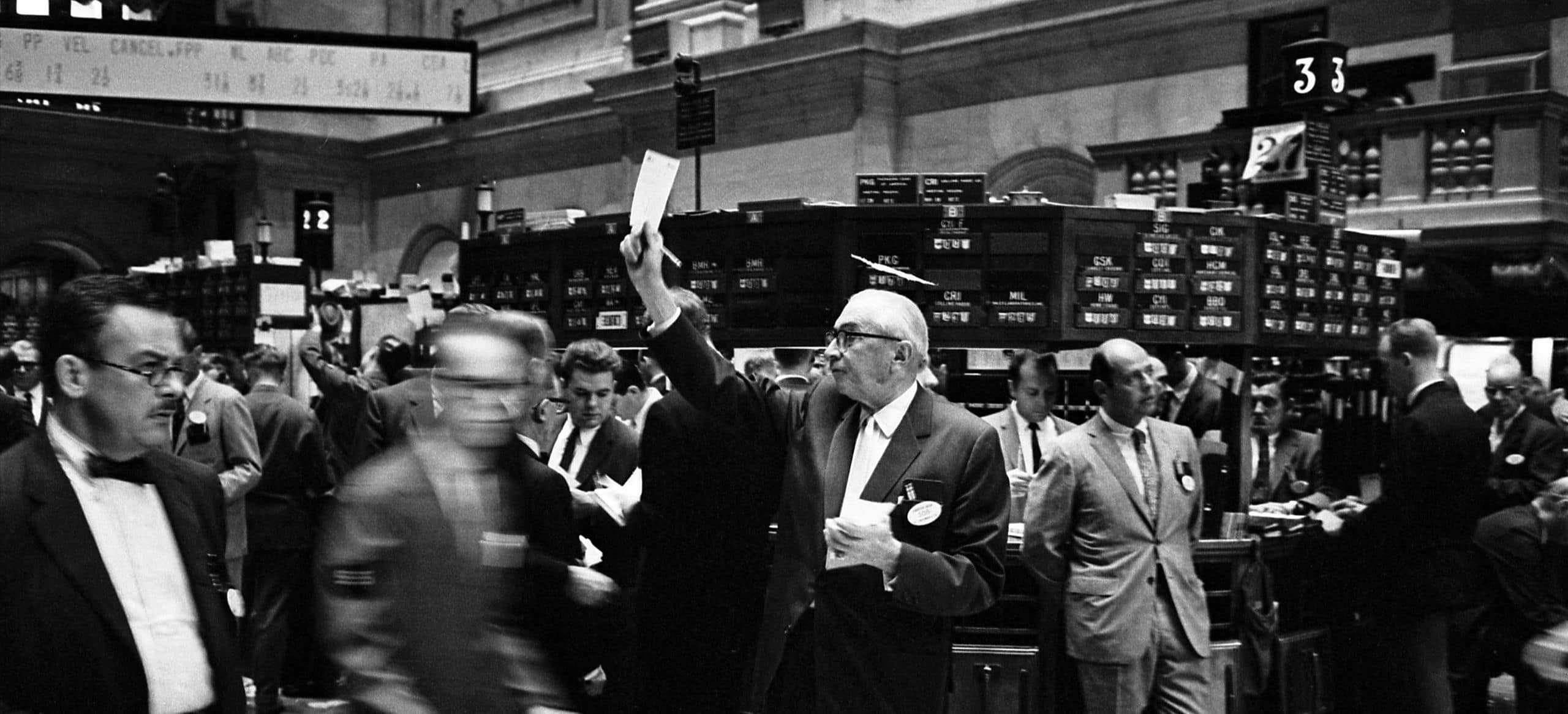
CFTC requirements are of particular concern to HFT traders who employ sophisticated algorithms that are heavily guarded trade secrets.
This article was written by Steve Snyder, a partner in King & Spalding’s Intellectual Property group and a member of the firm’s Data, Privacy, and Security working group. He leverages his technical and legal expertise to advise clients on cybersecurity, privacy, trade secrets, and technology. Steve provides guidance across many sectors including financial, medical devices, retail, internet, and mobile telecommunications. He regularly publishes articles and participates on panels involving emerging issues.
The Notice is over 500 pages and contains over 150 enumerated requests for comments. These figures demonstrate the breadth and significance of the proposed rules. The proposed rules apply to a newly defined class called “AT Persons,” which include various types of entities that “engage in Algorithmic Trading on or subject to the rules of a DCM, or persons registered or required to be registered as floor traders as defined. . . .” See Notice Section IV(D)(6). The Notice sets forth an estimate of the number of entities subject to Regulation AT. They include an estimated 420 firms that are actively sending in algorithmic orders to DCMs. See Notice Section V(A). Another estimated 100 firms would be implicated due to allowing Direct Electronic Access (“DEA”) for Algorithmic Trading as defined. See Notice Section V(A); see also Regulation AT § 1.3 Definitions ¶(x)(3). Finally, approximately 57 clearing member futures commission merchants and 15 DCMs would be implicated as well. See Notice Section V(A).
New Controls
At a high level, Regulation AT provides a set of controls to mitigate risks from the use of automated trading as well as a framework for oversight to insure appropriate measures are being taken by the regulated entities. It includes a codification of terms, a set of risk controls, compliance reporting requirements, and provisions for testing, monitoring and supervision. See Notice Section I(C)(1). The Notice discusses over 20 specific provisions in depth, including the proposed changes and the rationale behind them. Some particularly notable provisions relate to new entities subject to regulation, the requirement to join a registered futures association (“RFA”) and requirements regarding the storage and accessibility of source code.

Another significant provision requires all “AT Persons” to become registered with an RFA. An RFA is a registered association of persons that serve a self-regulatory role while subject to CFTC oversight. See Notice Section IV(G). It is noted that many entities will already be members of RFAs and thereby unaffected by this provision. Some entities such as floor traders may not have previously been members of RFAs and therefore would now be required to become members. RFAs provide various mechanisms of governance including binding compliance requirements. The Notice discusses one specific RFA, the National Futures Association (“NFA”), which has promulgated Compliance Rule 2-9 and Interpretive Notice 9046 which require NFA members to “adopt and enforce written procedures to examine the security, capacity, and credit and risk-management controls provided by the firm's automated order-routing systems.” See Notice Section II(D)(1).
Going Further
While RFA requirements such as the NFA provisions cited in the Notice may be compatible and in some cases duplicative of the new proposed rule provisions, RFA requirements can go further. For example, the NFA recently adopted cybersecurity requirements in an interpretive notice not cited in the Regulation AT Notice. These provisions go beyond the requirements of Regulation AT, which are directed primarily at preventing errors or malfunctions in technology from disrupting the systems. The NFA cybersecurity guidance includes identifying threats and vulnerabilities and implementing a formal information systems security program. Seehere. Therefore, any AT Person required to join an RFA may be subject to a broader set of requirements than those specified in the Notice, including cybersecurity provisions.
Additionally, proposed § 170.19 requires RFAs to “establish and maintain a program for the prevention of fraud and manipulation.” While this section provides latitude for RFAs it suggests that all AT Persons may be ultimately be subject to some form of cybersecurity provisions indirectly through the adoption of Regulation AT. On one hand, it may require them to join an RFA and the RFA may have cybersecurity provisions in place already. Or alternatively, they may join an RFA that does not currently have cybersecurity provisions but will implement them pursuant to § 170.19. Therefore, for any AT Person, Regulation AT could be viewed as including some form of cybersecurity requirement to prevent "fraudulent and manipulative acts.”
With respect to Regulation AT risk controls and oversight provisions, one to focus attention on is the requirement that each AT person must: “Maintain[] a source code repository to manage source code access, persistence, copies of all code used in the production environment, and changes to such code. Such source code repository must include an audit trail of material changes to source code that would allow the AT Person to determine, for each such material change: who made it; when they made it; and the coding purpose of the change. Each AT Person shall keep such source code repository, and make it available for inspection, in accordance with § 1.31.” See proposed § 1.81(a)(1)(vi). The cited provisions, 17 C.F.R. § 1.31 requires that “records shall be open to inspection by any representative of the Commission, or the United States Department of Justice.”
HFT Implications
These proposed source code requirements may be of particular concern to traders engaged in high-frequency trading (“HFT”), which often employ highly sophisticated algorithms that are heavily guarded trade secrets. The requirements to maintain the source code in human readable form with an audit trail detailing all of the changes, and to further make all of that information readily available for inspection could raise concerns for a firm trying to protect its trade secrets from both insider and external threats. The countervailing consideration by the CFTC is that HFT is one of the primary concerns from a market disruption standpoint, as illustrated by the citation in the Notice to the Knight Capital trading malfunction which cause a market disturbance in 2012 (and cost Knight $460 Million. See Notice Section II(C)(1).
Impacted and potentially impacted entities have 90 days from the notice to submit comments (until February 22, 2016). Section VII of the Notice lists all 164 questions contained throughout but also notes that parties are welcome to submit general comments as well. All entities should consider submitting comments as to provisions that may have a significant impact. Some of the provisions relating to cybersecurity and trade secrets may be of particular concern to many entities, but each entity should take the time to examine the Notice with the guidance of trusted advisors and determine whether to submit comments on particularly sensitive aspects.
This article was written by Steve Snyder, a partner in King & Spalding’s Intellectual Property group and a member of the firm’s Data, Privacy, and Security working group. He leverages his technical and legal expertise to advise clients on cybersecurity, privacy, trade secrets, and technology. Steve provides guidance across many sectors including financial, medical devices, retail, internet, and mobile telecommunications. He regularly publishes articles and participates on panels involving emerging issues.
The Notice is over 500 pages and contains over 150 enumerated requests for comments. These figures demonstrate the breadth and significance of the proposed rules. The proposed rules apply to a newly defined class called “AT Persons,” which include various types of entities that “engage in Algorithmic Trading on or subject to the rules of a DCM, or persons registered or required to be registered as floor traders as defined. . . .” See Notice Section IV(D)(6). The Notice sets forth an estimate of the number of entities subject to Regulation AT. They include an estimated 420 firms that are actively sending in algorithmic orders to DCMs. See Notice Section V(A). Another estimated 100 firms would be implicated due to allowing Direct Electronic Access (“DEA”) for Algorithmic Trading as defined. See Notice Section V(A); see also Regulation AT § 1.3 Definitions ¶(x)(3). Finally, approximately 57 clearing member futures commission merchants and 15 DCMs would be implicated as well. See Notice Section V(A).
New Controls
At a high level, Regulation AT provides a set of controls to mitigate risks from the use of automated trading as well as a framework for oversight to insure appropriate measures are being taken by the regulated entities. It includes a codification of terms, a set of risk controls, compliance reporting requirements, and provisions for testing, monitoring and supervision. See Notice Section I(C)(1). The Notice discusses over 20 specific provisions in depth, including the proposed changes and the rationale behind them. Some particularly notable provisions relate to new entities subject to regulation, the requirement to join a registered futures association (“RFA”) and requirements regarding the storage and accessibility of source code.
Another significant provision requires all “AT Persons” to become registered with an RFA. An RFA is a registered association of persons that serve a self-regulatory role while subject to CFTC oversight. See Notice Section IV(G). It is noted that many entities will already be members of RFAs and thereby unaffected by this provision. Some entities such as floor traders may not have previously been members of RFAs and therefore would now be required to become members. RFAs provide various mechanisms of governance including binding compliance requirements. The Notice discusses one specific RFA, the National Futures Association (“NFA”), which has promulgated Compliance Rule 2-9 and Interpretive Notice 9046 which require NFA members to “adopt and enforce written procedures to examine the security, capacity, and credit and risk-management controls provided by the firm's automated order-routing systems.” See Notice Section II(D)(1).
Going Further
While RFA requirements such as the NFA provisions cited in the Notice may be compatible and in some cases duplicative of the new proposed rule provisions, RFA requirements can go further. For example, the NFA recently adopted cybersecurity requirements in an interpretive notice not cited in the Regulation AT Notice. These provisions go beyond the requirements of Regulation AT, which are directed primarily at preventing errors or malfunctions in technology from disrupting the systems. The NFA cybersecurity guidance includes identifying threats and vulnerabilities and implementing a formal information systems security program. Seehere. Therefore, any AT Person required to join an RFA may be subject to a broader set of requirements than those specified in the Notice, including cybersecurity provisions.
Additionally, proposed § 170.19 requires RFAs to “establish and maintain a program for the prevention of fraud and manipulation.” While this section provides latitude for RFAs it suggests that all AT Persons may be ultimately be subject to some form of cybersecurity provisions indirectly through the adoption of Regulation AT. On one hand, it may require them to join an RFA and the RFA may have cybersecurity provisions in place already. Or alternatively, they may join an RFA that does not currently have cybersecurity provisions but will implement them pursuant to § 170.19. Therefore, for any AT Person, Regulation AT could be viewed as including some form of cybersecurity requirement to prevent "fraudulent and manipulative acts.”
With respect to Regulation AT risk controls and oversight provisions, one to focus attention on is the requirement that each AT person must: “Maintain[] a source code repository to manage source code access, persistence, copies of all code used in the production environment, and changes to such code. Such source code repository must include an audit trail of material changes to source code that would allow the AT Person to determine, for each such material change: who made it; when they made it; and the coding purpose of the change. Each AT Person shall keep such source code repository, and make it available for inspection, in accordance with § 1.31.” See proposed § 1.81(a)(1)(vi). The cited provisions, 17 C.F.R. § 1.31 requires that “records shall be open to inspection by any representative of the Commission, or the United States Department of Justice.”
HFT Implications
These proposed source code requirements may be of particular concern to traders engaged in high-frequency trading (“HFT”), which often employ highly sophisticated algorithms that are heavily guarded trade secrets. The requirements to maintain the source code in human readable form with an audit trail detailing all of the changes, and to further make all of that information readily available for inspection could raise concerns for a firm trying to protect its trade secrets from both insider and external threats. The countervailing consideration by the CFTC is that HFT is one of the primary concerns from a market disruption standpoint, as illustrated by the citation in the Notice to the Knight Capital trading malfunction which cause a market disturbance in 2012 (and cost Knight $460 Million. See Notice Section II(C)(1).
Impacted and potentially impacted entities have 90 days from the notice to submit comments (until February 22, 2016). Section VII of the Notice lists all 164 questions contained throughout but also notes that parties are welcome to submit general comments as well. All entities should consider submitting comments as to provisions that may have a significant impact. Some of the provisions relating to cybersecurity and trade secrets may be of particular concern to many entities, but each entity should take the time to examine the Notice with the guidance of trusted advisors and determine whether to submit comments on particularly sensitive aspects.
Cyprus Diaspora Forum and REALTYon Launch Strategic Collaboration to Connect Global Investors with Cyprus Real Estate Opportunities
Featured Videos
CMC Markets’ Artur Delijergijevs on Metals Demand, Volatility, & Stable Execution
In this exclusive Executive Interview, Finance Magnates speaks with Artur Delijergijevs, Head of Systematic Market Making at CMC Markets, about the current state of metals demand and market volatility.
Delijergijevs offers a desk-level view on:
- Metals Demand: Why metals are seeing the strongest demand from both retail and institutional clients right now.
- The Safe-Haven Debate: Questioning whether gold still fits the classic safe-haven definition given large daily price movements.
- Volatile Market Prep: How a market-making desk prepares its systems and pricing for stressed market conditions and high-impact economic events.
- Hybrid Execution: Why the best execution model combines electronic speed with human relationship support, especially during volatility.
- AI in Workflow: Where CMC Markets is integrating machine learning for risk management and pricing, and the limitations of AI during stressed markets.
- Dubai's Role: The strategic importance of Dubai’s location for covering global trading sessions across Asia, Europe, and the US.
Watch to understand how CMC Markets maintains stable pricing and reliable execution quality in high-volatility environments.
#CMCmarkets #forex #metals #gold #trading #volatility #MarketMaking #iFXDubai #FinanceMagnates #Finance #Fintech #Execution #AlgorithmicTrading #RiskManagement
In this exclusive Executive Interview, Finance Magnates speaks with Artur Delijergijevs, Head of Systematic Market Making at CMC Markets, about the current state of metals demand and market volatility.
Delijergijevs offers a desk-level view on:
- Metals Demand: Why metals are seeing the strongest demand from both retail and institutional clients right now.
- The Safe-Haven Debate: Questioning whether gold still fits the classic safe-haven definition given large daily price movements.
- Volatile Market Prep: How a market-making desk prepares its systems and pricing for stressed market conditions and high-impact economic events.
- Hybrid Execution: Why the best execution model combines electronic speed with human relationship support, especially during volatility.
- AI in Workflow: Where CMC Markets is integrating machine learning for risk management and pricing, and the limitations of AI during stressed markets.
- Dubai's Role: The strategic importance of Dubai’s location for covering global trading sessions across Asia, Europe, and the US.
Watch to understand how CMC Markets maintains stable pricing and reliable execution quality in high-volatility environments.
#CMCmarkets #forex #metals #gold #trading #volatility #MarketMaking #iFXDubai #FinanceMagnates #Finance #Fintech #Execution #AlgorithmicTrading #RiskManagement
In this exclusive Executive Interview, Finance Magnates speaks with Artur Delijergijevs, Head of Systematic Market Making at CMC Markets, about the current state of metals demand and market volatility.
Delijergijevs offers a desk-level view on:
- Metals Demand: Why metals are seeing the strongest demand from both retail and institutional clients right now.
- The Safe-Haven Debate: Questioning whether gold still fits the classic safe-haven definition given large daily price movements.
- Volatile Market Prep: How a market-making desk prepares its systems and pricing for stressed market conditions and high-impact economic events.
- Hybrid Execution: Why the best execution model combines electronic speed with human relationship support, especially during volatility.
- AI in Workflow: Where CMC Markets is integrating machine learning for risk management and pricing, and the limitations of AI during stressed markets.
- Dubai's Role: The strategic importance of Dubai’s location for covering global trading sessions across Asia, Europe, and the US.
Watch to understand how CMC Markets maintains stable pricing and reliable execution quality in high-volatility environments.
#CMCmarkets #forex #metals #gold #trading #volatility #MarketMaking #iFXDubai #FinanceMagnates #Finance #Fintech #Execution #AlgorithmicTrading #RiskManagement
In this exclusive Executive Interview, Finance Magnates speaks with Artur Delijergijevs, Head of Systematic Market Making at CMC Markets, about the current state of metals demand and market volatility.
Delijergijevs offers a desk-level view on:
- Metals Demand: Why metals are seeing the strongest demand from both retail and institutional clients right now.
- The Safe-Haven Debate: Questioning whether gold still fits the classic safe-haven definition given large daily price movements.
- Volatile Market Prep: How a market-making desk prepares its systems and pricing for stressed market conditions and high-impact economic events.
- Hybrid Execution: Why the best execution model combines electronic speed with human relationship support, especially during volatility.
- AI in Workflow: Where CMC Markets is integrating machine learning for risk management and pricing, and the limitations of AI during stressed markets.
- Dubai's Role: The strategic importance of Dubai’s location for covering global trading sessions across Asia, Europe, and the US.
Watch to understand how CMC Markets maintains stable pricing and reliable execution quality in high-volatility environments.
#CMCmarkets #forex #metals #gold #trading #volatility #MarketMaking #iFXDubai #FinanceMagnates #Finance #Fintech #Execution #AlgorithmicTrading #RiskManagement
Finance Magnates Awards 2026 – Nominations Now Open
The Finance Magnates Awards 2026 nominations are now open. 🏆
From fintech innovators to leading brokers, this is where the finance industry celebrates its biggest achievements.
Winners will be announced at the Cyprus Gala Dinner on November 6, 2026.
Nominate your brand now.
https://awards.financemagnates.com/?utm_source=linkedin&utm_medium=video&utm_campaign=nominations-open
#FMAwards #FinanceMagnates #FintechAwards #Fintech #FinanceIndustry
The Finance Magnates Awards 2026 nominations are now open. 🏆
From fintech innovators to leading brokers, this is where the finance industry celebrates its biggest achievements.
Winners will be announced at the Cyprus Gala Dinner on November 6, 2026.
Nominate your brand now.
https://awards.financemagnates.com/?utm_source=linkedin&utm_medium=video&utm_campaign=nominations-open
#FMAwards #FinanceMagnates #FintechAwards #Fintech #FinanceIndustry
The Finance Magnates Awards 2026 nominations are now open. 🏆
From fintech innovators to leading brokers, this is where the finance industry celebrates its biggest achievements.
Winners will be announced at the Cyprus Gala Dinner on November 6, 2026.
Nominate your brand now.
https://awards.financemagnates.com/?utm_source=linkedin&utm_medium=video&utm_campaign=nominations-open
#FMAwards #FinanceMagnates #FintechAwards #Fintech #FinanceIndustry
The Finance Magnates Awards 2026 nominations are now open. 🏆
From fintech innovators to leading brokers, this is where the finance industry celebrates its biggest achievements.
Winners will be announced at the Cyprus Gala Dinner on November 6, 2026.
Nominate your brand now.
https://awards.financemagnates.com/?utm_source=linkedin&utm_medium=video&utm_campaign=nominations-open
#FMAwards #FinanceMagnates #FintechAwards #Fintech #FinanceIndustry
The Finance Magnates Awards 2026 nominations are now open. 🏆
From fintech innovators to leading brokers, this is where the finance industry celebrates its biggest achievements.
Winners will be announced at the Cyprus Gala Dinner on November 6, 2026.
Nominate your brand now.
https://awards.financemagnates.com/?utm_source=linkedin&utm_medium=video&utm_campaign=nominations-open
#FMAwards #FinanceMagnates #FintechAwards #Fintech #FinanceIndustry
The Finance Magnates Awards 2026 nominations are now open. 🏆
From fintech innovators to leading brokers, this is where the finance industry celebrates its biggest achievements.
Winners will be announced at the Cyprus Gala Dinner on November 6, 2026.
Nominate your brand now.
https://awards.financemagnates.com/?utm_source=linkedin&utm_medium=video&utm_campaign=nominations-open
#FMAwards #FinanceMagnates #FintechAwards #Fintech #FinanceIndustry
Finance Magnates Awards 2026 | Nominations Now Open 🏆#Fintech #FMAwards #TradingIndustry
Lights on. Cameras ready. 🎬
Finance Magnates Awards 2026 nominations are now open. 🏆
#FMAwards #FinanceMagnates #FintechAwards #Fintech
Lights on. Cameras ready. 🎬
Finance Magnates Awards 2026 nominations are now open. 🏆
#FMAwards #FinanceMagnates #FintechAwards #Fintech
Lights on. Cameras ready. 🎬
Finance Magnates Awards 2026 nominations are now open. 🏆
#FMAwards #FinanceMagnates #FintechAwards #Fintech
Lights on. Cameras ready. 🎬
Finance Magnates Awards 2026 nominations are now open. 🏆
#FMAwards #FinanceMagnates #FintechAwards #Fintech
Lights on. Cameras ready. 🎬
Finance Magnates Awards 2026 nominations are now open. 🏆
#FMAwards #FinanceMagnates #FintechAwards #Fintech
Lights on. Cameras ready. 🎬
Finance Magnates Awards 2026 nominations are now open. 🏆
#FMAwards #FinanceMagnates #FintechAwards #Fintech
Exness sees trust as the key theme for growth in MENA Trading Growth for 2026
Mohammad Amer, Regional Commercial Director at Exness, sits down to discuss the booming MENA financial trading market. Find out why Dubai is key to the company's growth strategy, how a mobile-first generation is changing expectations, and why trust will be the defining theme for traders in 2026.
In this interview, you'll learn:
* Why Dubai and the MENA region are critical growth markets for fintech and online trading.
* How Exness is addressing the demands of mobile-first, younger traders through engineering, platform stability, and transparent conditions.
* The essential role local talent plays in providing a culturally relevant and compliant user experience.
* Mohammad Amer's outlook on the future of the online trading industry and why stronger controls and systems are necessary.
* Why "trust" isn't just a brand value, but has commercial value—and why he predicts 2026 will be the "Year of Trust."
Key Takeaways:
➡️ The MENA region is rapidly shaping global financial markets.
➡️ New traders expect stability, precise execution, and transparency.
➡️ Local expertise is key to regulatory compliance and user experience.
➡️ Future success belongs to firms capable of meeting rising standards across regulation and platform consistency.
Read the full article at: https://www.financemagnates.com/thought-leadership/exness-sees-trust-as-the-key-theme-for-growth-in-mena-trading-growth-for-2026/
#Exness #MENA #Trading #FinTech #Dubai #OnlineTrading #FinanceMagnates #MohammadAmer #Trust #MobileTrading
Mohammad Amer, Regional Commercial Director at Exness, sits down to discuss the booming MENA financial trading market. Find out why Dubai is key to the company's growth strategy, how a mobile-first generation is changing expectations, and why trust will be the defining theme for traders in 2026.
In this interview, you'll learn:
* Why Dubai and the MENA region are critical growth markets for fintech and online trading.
* How Exness is addressing the demands of mobile-first, younger traders through engineering, platform stability, and transparent conditions.
* The essential role local talent plays in providing a culturally relevant and compliant user experience.
* Mohammad Amer's outlook on the future of the online trading industry and why stronger controls and systems are necessary.
* Why "trust" isn't just a brand value, but has commercial value—and why he predicts 2026 will be the "Year of Trust."
Key Takeaways:
➡️ The MENA region is rapidly shaping global financial markets.
➡️ New traders expect stability, precise execution, and transparency.
➡️ Local expertise is key to regulatory compliance and user experience.
➡️ Future success belongs to firms capable of meeting rising standards across regulation and platform consistency.
Read the full article at: https://www.financemagnates.com/thought-leadership/exness-sees-trust-as-the-key-theme-for-growth-in-mena-trading-growth-for-2026/
#Exness #MENA #Trading #FinTech #Dubai #OnlineTrading #FinanceMagnates #MohammadAmer #Trust #MobileTrading
Mohammad Amer, Regional Commercial Director at Exness, sits down to discuss the booming MENA financial trading market. Find out why Dubai is key to the company's growth strategy, how a mobile-first generation is changing expectations, and why trust will be the defining theme for traders in 2026.
In this interview, you'll learn:
* Why Dubai and the MENA region are critical growth markets for fintech and online trading.
* How Exness is addressing the demands of mobile-first, younger traders through engineering, platform stability, and transparent conditions.
* The essential role local talent plays in providing a culturally relevant and compliant user experience.
* Mohammad Amer's outlook on the future of the online trading industry and why stronger controls and systems are necessary.
* Why "trust" isn't just a brand value, but has commercial value—and why he predicts 2026 will be the "Year of Trust."
Key Takeaways:
➡️ The MENA region is rapidly shaping global financial markets.
➡️ New traders expect stability, precise execution, and transparency.
➡️ Local expertise is key to regulatory compliance and user experience.
➡️ Future success belongs to firms capable of meeting rising standards across regulation and platform consistency.
Read the full article at: https://www.financemagnates.com/thought-leadership/exness-sees-trust-as-the-key-theme-for-growth-in-mena-trading-growth-for-2026/
#Exness #MENA #Trading #FinTech #Dubai #OnlineTrading #FinanceMagnates #MohammadAmer #Trust #MobileTrading
Mohammad Amer, Regional Commercial Director at Exness, sits down to discuss the booming MENA financial trading market. Find out why Dubai is key to the company's growth strategy, how a mobile-first generation is changing expectations, and why trust will be the defining theme for traders in 2026.
In this interview, you'll learn:
* Why Dubai and the MENA region are critical growth markets for fintech and online trading.
* How Exness is addressing the demands of mobile-first, younger traders through engineering, platform stability, and transparent conditions.
* The essential role local talent plays in providing a culturally relevant and compliant user experience.
* Mohammad Amer's outlook on the future of the online trading industry and why stronger controls and systems are necessary.
* Why "trust" isn't just a brand value, but has commercial value—and why he predicts 2026 will be the "Year of Trust."
Key Takeaways:
➡️ The MENA region is rapidly shaping global financial markets.
➡️ New traders expect stability, precise execution, and transparency.
➡️ Local expertise is key to regulatory compliance and user experience.
➡️ Future success belongs to firms capable of meeting rising standards across regulation and platform consistency.
Read the full article at: https://www.financemagnates.com/thought-leadership/exness-sees-trust-as-the-key-theme-for-growth-in-mena-trading-growth-for-2026/
#Exness #MENA #Trading #FinTech #Dubai #OnlineTrading #FinanceMagnates #MohammadAmer #Trust #MobileTrading
Mohammad Amer, Regional Commercial Director at Exness, sits down to discuss the booming MENA financial trading market. Find out why Dubai is key to the company's growth strategy, how a mobile-first generation is changing expectations, and why trust will be the defining theme for traders in 2026.
In this interview, you'll learn:
* Why Dubai and the MENA region are critical growth markets for fintech and online trading.
* How Exness is addressing the demands of mobile-first, younger traders through engineering, platform stability, and transparent conditions.
* The essential role local talent plays in providing a culturally relevant and compliant user experience.
* Mohammad Amer's outlook on the future of the online trading industry and why stronger controls and systems are necessary.
* Why "trust" isn't just a brand value, but has commercial value—and why he predicts 2026 will be the "Year of Trust."
Key Takeaways:
➡️ The MENA region is rapidly shaping global financial markets.
➡️ New traders expect stability, precise execution, and transparency.
➡️ Local expertise is key to regulatory compliance and user experience.
➡️ Future success belongs to firms capable of meeting rising standards across regulation and platform consistency.
Read the full article at: https://www.financemagnates.com/thought-leadership/exness-sees-trust-as-the-key-theme-for-growth-in-mena-trading-growth-for-2026/
#Exness #MENA #Trading #FinTech #Dubai #OnlineTrading #FinanceMagnates #MohammadAmer #Trust #MobileTrading
Mohammad Amer, Regional Commercial Director at Exness, sits down to discuss the booming MENA financial trading market. Find out why Dubai is key to the company's growth strategy, how a mobile-first generation is changing expectations, and why trust will be the defining theme for traders in 2026.
In this interview, you'll learn:
* Why Dubai and the MENA region are critical growth markets for fintech and online trading.
* How Exness is addressing the demands of mobile-first, younger traders through engineering, platform stability, and transparent conditions.
* The essential role local talent plays in providing a culturally relevant and compliant user experience.
* Mohammad Amer's outlook on the future of the online trading industry and why stronger controls and systems are necessary.
* Why "trust" isn't just a brand value, but has commercial value—and why he predicts 2026 will be the "Year of Trust."
Key Takeaways:
➡️ The MENA region is rapidly shaping global financial markets.
➡️ New traders expect stability, precise execution, and transparency.
➡️ Local expertise is key to regulatory compliance and user experience.
➡️ Future success belongs to firms capable of meeting rising standards across regulation and platform consistency.
Read the full article at: https://www.financemagnates.com/thought-leadership/exness-sees-trust-as-the-key-theme-for-growth-in-mena-trading-growth-for-2026/
#Exness #MENA #Trading #FinTech #Dubai #OnlineTrading #FinanceMagnates #MohammadAmer #Trust #MobileTrading
Paytiko CEO Razi Salih on Why Payment Orchestration is a MUST-HAVE for Brokers in 2026
At iFX Expo Dubai, Finance Magnates spoke with Razi Salih, CEO at Paytiko, about the evolution of the payments ecosystem and why payment orchestration has shifted from an option to a necessity for brokers, prop firms, and exchanges.
Mr. Salih explains how global expansion, the need for deep localisation, and the sheer number of new payment methods, from instant banking to stablecoins, are driving this critical infrastructure shift.
#PaymentOrchestration #Fintech #Brokerage #TradingPayments #RaziSalih #Paytiko #iFXExpoDubai #Stablecoins #AIinFintech
At iFX Expo Dubai, Finance Magnates spoke with Razi Salih, CEO at Paytiko, about the evolution of the payments ecosystem and why payment orchestration has shifted from an option to a necessity for brokers, prop firms, and exchanges.
Mr. Salih explains how global expansion, the need for deep localisation, and the sheer number of new payment methods, from instant banking to stablecoins, are driving this critical infrastructure shift.
#PaymentOrchestration #Fintech #Brokerage #TradingPayments #RaziSalih #Paytiko #iFXExpoDubai #Stablecoins #AIinFintech
At iFX Expo Dubai, Finance Magnates spoke with Razi Salih, CEO at Paytiko, about the evolution of the payments ecosystem and why payment orchestration has shifted from an option to a necessity for brokers, prop firms, and exchanges.
Mr. Salih explains how global expansion, the need for deep localisation, and the sheer number of new payment methods, from instant banking to stablecoins, are driving this critical infrastructure shift.
#PaymentOrchestration #Fintech #Brokerage #TradingPayments #RaziSalih #Paytiko #iFXExpoDubai #Stablecoins #AIinFintech
At iFX Expo Dubai, Finance Magnates spoke with Razi Salih, CEO at Paytiko, about the evolution of the payments ecosystem and why payment orchestration has shifted from an option to a necessity for brokers, prop firms, and exchanges.
Mr. Salih explains how global expansion, the need for deep localisation, and the sheer number of new payment methods, from instant banking to stablecoins, are driving this critical infrastructure shift.
#PaymentOrchestration #Fintech #Brokerage #TradingPayments #RaziSalih #Paytiko #iFXExpoDubai #Stablecoins #AIinFintech
At iFX Expo Dubai, Finance Magnates spoke with Razi Salih, CEO at Paytiko, about the evolution of the payments ecosystem and why payment orchestration has shifted from an option to a necessity for brokers, prop firms, and exchanges.
Mr. Salih explains how global expansion, the need for deep localisation, and the sheer number of new payment methods, from instant banking to stablecoins, are driving this critical infrastructure shift.
#PaymentOrchestration #Fintech #Brokerage #TradingPayments #RaziSalih #Paytiko #iFXExpoDubai #Stablecoins #AIinFintech
At iFX Expo Dubai, Finance Magnates spoke with Razi Salih, CEO at Paytiko, about the evolution of the payments ecosystem and why payment orchestration has shifted from an option to a necessity for brokers, prop firms, and exchanges.
Mr. Salih explains how global expansion, the need for deep localisation, and the sheer number of new payment methods, from instant banking to stablecoins, are driving this critical infrastructure shift.
#PaymentOrchestration #Fintech #Brokerage #TradingPayments #RaziSalih #Paytiko #iFXExpoDubai #Stablecoins #AIinFintech