EU Referendum: Bank of England Will Inject Billions into Financial System
Wednesday,09/03/2016|12:26GMTby
Vassil Nikolov
The bank is able to provide cash to major banks during the referendum to ensure that money continues to circulate through the system.
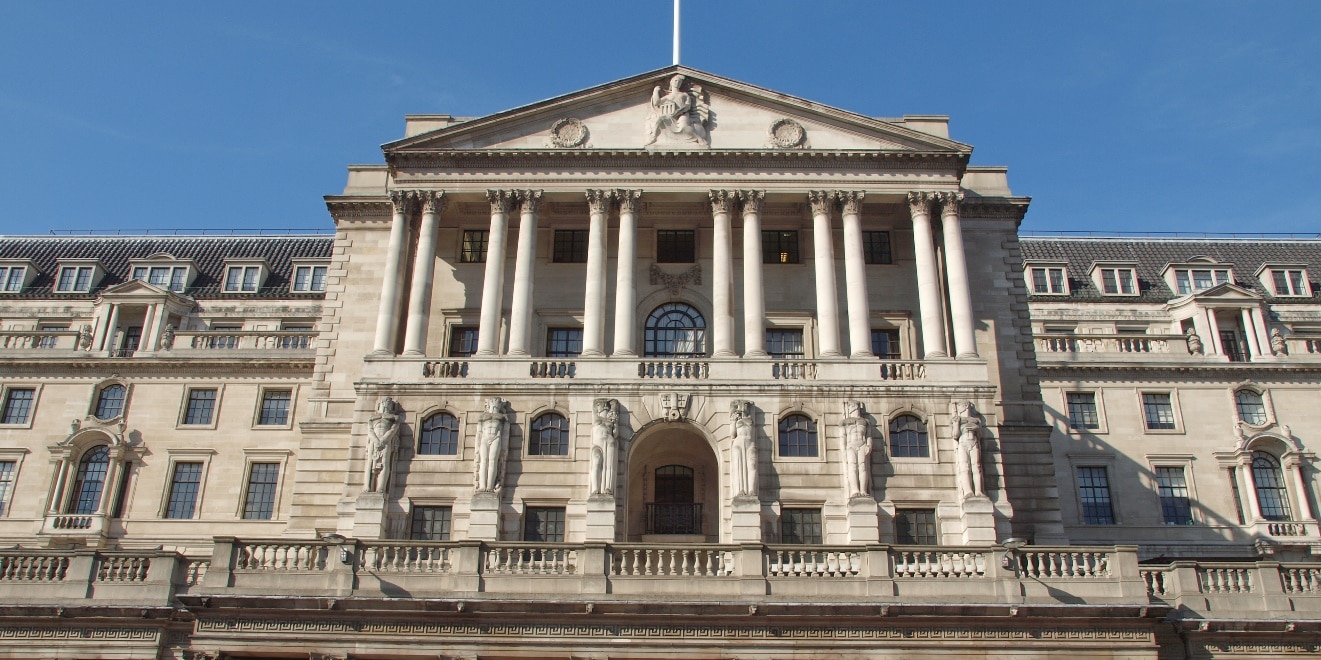
The Bank of England is ready to inject billions into the financial system if there is confusion following a vote to leave the European Union in June.
Bank’s Governor Mark Carney will be questioned by MPs on the potential impact of a Brexit on the money markets on Tuesday. The bank is able to provide cash to the major banks during the time of the referendum to be sure that money continues to circulate through the system.
The same type of emergency action was taken during the 2008 financial crisis and the Scottish independence referendum in 2014, though in this case they were not implemented.
The executive director of Stronger In, Will Straw, views the Bank’s prepared actions as heightening the risk that Britain will vote to leave EU.
According to Straw, Britain is safe and powerful in EU, while outside of it Britain will be on an uncertain path.
Major banks expressed worry on the possible consequences of leaving the EU.
Barclays wrote last week that the referendum on EU membership triggers political uncertainties and increases the chances of an unruly and doubtful exit from the EU, with related ramifications for investment and confidence.
According to the annual report from the Royal Bank of Scotland, the referendum raises economic and operational skepticism, noting that it may even cause political uncertainties concerning Scottish independence.
Presented below are the major points from the BoE Governor Mark Carney’s letter on EU membership. The letter outlines the impact of EU membership on the Bank of England’s capacity to fulfill its objectives:
EU membership strengthens the effectiveness of the UK economy to the extent that it raises economic and financial flexibility. This will make the economy more resilient to shocks, and also increase the growth rate without producing inflationary pressure or causing risks to financial strength.
High economic and financial openness make the UK economy more vulnerable to economic shocks form abroad.
EU Rules and Regulations define several policy instruments of the Bank of England, especially concerned with financial strength.
According to the report, EU membership has probably raised the dynamism of the UK economy and thus its capacity to grow without producing risks to the bank’s key objectives of monetary and financial solidity.
However, on the other hand, higher openness to the EU had likely heightened the external challenges to the UK's monetary and financial strength, as was experienced during the euro crisis.
The Bank of England is ready to inject billions into the financial system if there is confusion following a vote to leave the European Union in June.
Bank’s Governor Mark Carney will be questioned by MPs on the potential impact of a Brexit on the money markets on Tuesday. The bank is able to provide cash to the major banks during the time of the referendum to be sure that money continues to circulate through the system.
The same type of emergency action was taken during the 2008 financial crisis and the Scottish independence referendum in 2014, though in this case they were not implemented.
The executive director of Stronger In, Will Straw, views the Bank’s prepared actions as heightening the risk that Britain will vote to leave EU.
According to Straw, Britain is safe and powerful in EU, while outside of it Britain will be on an uncertain path.
Major banks expressed worry on the possible consequences of leaving the EU.
Barclays wrote last week that the referendum on EU membership triggers political uncertainties and increases the chances of an unruly and doubtful exit from the EU, with related ramifications for investment and confidence.
According to the annual report from the Royal Bank of Scotland, the referendum raises economic and operational skepticism, noting that it may even cause political uncertainties concerning Scottish independence.
Presented below are the major points from the BoE Governor Mark Carney’s letter on EU membership. The letter outlines the impact of EU membership on the Bank of England’s capacity to fulfill its objectives:
EU membership strengthens the effectiveness of the UK economy to the extent that it raises economic and financial flexibility. This will make the economy more resilient to shocks, and also increase the growth rate without producing inflationary pressure or causing risks to financial strength.
High economic and financial openness make the UK economy more vulnerable to economic shocks form abroad.
EU Rules and Regulations define several policy instruments of the Bank of England, especially concerned with financial strength.
According to the report, EU membership has probably raised the dynamism of the UK economy and thus its capacity to grow without producing risks to the bank’s key objectives of monetary and financial solidity.
However, on the other hand, higher openness to the EU had likely heightened the external challenges to the UK's monetary and financial strength, as was experienced during the euro crisis.
Cyprus Diaspora Forum and REALTYon Launch Strategic Collaboration to Connect Global Investors with Cyprus Real Estate Opportunities
CMC Markets’ Artur Delijergijevs on Metals Demand, Volatility, & Stable Execution
CMC Markets’ Artur Delijergijevs on Metals Demand, Volatility, & Stable Execution
In this exclusive Executive Interview, Finance Magnates speaks with Artur Delijergijevs, Head of Systematic Market Making at CMC Markets, about the current state of metals demand and market volatility.
Delijergijevs offers a desk-level view on:
- Metals Demand: Why metals are seeing the strongest demand from both retail and institutional clients right now.
- The Safe-Haven Debate: Questioning whether gold still fits the classic safe-haven definition given large daily price movements.
- Volatile Market Prep: How a market-making desk prepares its systems and pricing for stressed market conditions and high-impact economic events.
- Hybrid Execution: Why the best execution model combines electronic speed with human relationship support, especially during volatility.
- AI in Workflow: Where CMC Markets is integrating machine learning for risk management and pricing, and the limitations of AI during stressed markets.
- Dubai's Role: The strategic importance of Dubai’s location for covering global trading sessions across Asia, Europe, and the US.
Watch to understand how CMC Markets maintains stable pricing and reliable execution quality in high-volatility environments.
#CMCmarkets #forex #metals #gold #trading #volatility #MarketMaking #iFXDubai #FinanceMagnates #Finance #Fintech #Execution #AlgorithmicTrading #RiskManagement
In this exclusive Executive Interview, Finance Magnates speaks with Artur Delijergijevs, Head of Systematic Market Making at CMC Markets, about the current state of metals demand and market volatility.
Delijergijevs offers a desk-level view on:
- Metals Demand: Why metals are seeing the strongest demand from both retail and institutional clients right now.
- The Safe-Haven Debate: Questioning whether gold still fits the classic safe-haven definition given large daily price movements.
- Volatile Market Prep: How a market-making desk prepares its systems and pricing for stressed market conditions and high-impact economic events.
- Hybrid Execution: Why the best execution model combines electronic speed with human relationship support, especially during volatility.
- AI in Workflow: Where CMC Markets is integrating machine learning for risk management and pricing, and the limitations of AI during stressed markets.
- Dubai's Role: The strategic importance of Dubai’s location for covering global trading sessions across Asia, Europe, and the US.
Watch to understand how CMC Markets maintains stable pricing and reliable execution quality in high-volatility environments.
#CMCmarkets #forex #metals #gold #trading #volatility #MarketMaking #iFXDubai #FinanceMagnates #Finance #Fintech #Execution #AlgorithmicTrading #RiskManagement
Finance Magnates Awards 2026 – Nominations Now Open
Finance Magnates Awards 2026 – Nominations Now Open
The Finance Magnates Awards 2026 nominations are now open. 🏆
From fintech innovators to leading brokers, this is where the finance industry celebrates its biggest achievements.
Winners will be announced at the Cyprus Gala Dinner on November 6, 2026.
Nominate your brand now.
https://awards.financemagnates.com/?utm_source=linkedin&utm_medium=video&utm_campaign=nominations-open
#FMAwards #FinanceMagnates #FintechAwards #Fintech #FinanceIndustry
The Finance Magnates Awards 2026 nominations are now open. 🏆
From fintech innovators to leading brokers, this is where the finance industry celebrates its biggest achievements.
Winners will be announced at the Cyprus Gala Dinner on November 6, 2026.
Nominate your brand now.
https://awards.financemagnates.com/?utm_source=linkedin&utm_medium=video&utm_campaign=nominations-open
#FMAwards #FinanceMagnates #FintechAwards #Fintech #FinanceIndustry
Finance Magnates Awards 2026 | Nominations Now Open 🏆#Fintech #FMAwards #TradingIndustry
Finance Magnates Awards 2026 | Nominations Now Open 🏆#Fintech #FMAwards #TradingIndustry
Lights on. Cameras ready. 🎬
Finance Magnates Awards 2026 nominations are now open. 🏆
#FMAwards #FinanceMagnates #FintechAwards #Fintech
Lights on. Cameras ready. 🎬
Finance Magnates Awards 2026 nominations are now open. 🏆
#FMAwards #FinanceMagnates #FintechAwards #Fintech
Exness sees trust as the key theme for growth in MENA Trading Growth for 2026
Exness sees trust as the key theme for growth in MENA Trading Growth for 2026
Mohammad Amer, Regional Commercial Director at Exness, sits down to discuss the booming MENA financial trading market. Find out why Dubai is key to the company's growth strategy, how a mobile-first generation is changing expectations, and why trust will be the defining theme for traders in 2026.
In this interview, you'll learn:
* Why Dubai and the MENA region are critical growth markets for fintech and online trading.
* How Exness is addressing the demands of mobile-first, younger traders through engineering, platform stability, and transparent conditions.
* The essential role local talent plays in providing a culturally relevant and compliant user experience.
* Mohammad Amer's outlook on the future of the online trading industry and why stronger controls and systems are necessary.
* Why "trust" isn't just a brand value, but has commercial value—and why he predicts 2026 will be the "Year of Trust."
Key Takeaways:
➡️ The MENA region is rapidly shaping global financial markets.
➡️ New traders expect stability, precise execution, and transparency.
➡️ Local expertise is key to regulatory compliance and user experience.
➡️ Future success belongs to firms capable of meeting rising standards across regulation and platform consistency.
Read the full article at: https://www.financemagnates.com/thought-leadership/exness-sees-trust-as-the-key-theme-for-growth-in-mena-trading-growth-for-2026/
#Exness #MENA #Trading #FinTech #Dubai #OnlineTrading #FinanceMagnates #MohammadAmer #Trust #MobileTrading
Mohammad Amer, Regional Commercial Director at Exness, sits down to discuss the booming MENA financial trading market. Find out why Dubai is key to the company's growth strategy, how a mobile-first generation is changing expectations, and why trust will be the defining theme for traders in 2026.
In this interview, you'll learn:
* Why Dubai and the MENA region are critical growth markets for fintech and online trading.
* How Exness is addressing the demands of mobile-first, younger traders through engineering, platform stability, and transparent conditions.
* The essential role local talent plays in providing a culturally relevant and compliant user experience.
* Mohammad Amer's outlook on the future of the online trading industry and why stronger controls and systems are necessary.
* Why "trust" isn't just a brand value, but has commercial value—and why he predicts 2026 will be the "Year of Trust."
Key Takeaways:
➡️ The MENA region is rapidly shaping global financial markets.
➡️ New traders expect stability, precise execution, and transparency.
➡️ Local expertise is key to regulatory compliance and user experience.
➡️ Future success belongs to firms capable of meeting rising standards across regulation and platform consistency.
Read the full article at: https://www.financemagnates.com/thought-leadership/exness-sees-trust-as-the-key-theme-for-growth-in-mena-trading-growth-for-2026/
#Exness #MENA #Trading #FinTech #Dubai #OnlineTrading #FinanceMagnates #MohammadAmer #Trust #MobileTrading
Paytiko CEO Razi Salih on Why Payment Orchestration is a MUST-HAVE for Brokers in 2026
Paytiko CEO Razi Salih on Why Payment Orchestration is a MUST-HAVE for Brokers in 2026
At iFX Expo Dubai, Finance Magnates spoke with Razi Salih, CEO at Paytiko, about the evolution of the payments ecosystem and why payment orchestration has shifted from an option to a necessity for brokers, prop firms, and exchanges.
Mr. Salih explains how global expansion, the need for deep localisation, and the sheer number of new payment methods, from instant banking to stablecoins, are driving this critical infrastructure shift.
#PaymentOrchestration #Fintech #Brokerage #TradingPayments #RaziSalih #Paytiko #iFXExpoDubai #Stablecoins #AIinFintech
At iFX Expo Dubai, Finance Magnates spoke with Razi Salih, CEO at Paytiko, about the evolution of the payments ecosystem and why payment orchestration has shifted from an option to a necessity for brokers, prop firms, and exchanges.
Mr. Salih explains how global expansion, the need for deep localisation, and the sheer number of new payment methods, from instant banking to stablecoins, are driving this critical infrastructure shift.
#PaymentOrchestration #Fintech #Brokerage #TradingPayments #RaziSalih #Paytiko #iFXExpoDubai #Stablecoins #AIinFintech