New York drags Coinbase and Gemini to court over prediction markets.
Trading 212’s UK revenue surged 72%, as Plus500 lifted its outlook after an 18% revenue jump.
New York Attorney General Letitia James filed a lawsuit against Coinbase and Gemini
Third-party bridge providers being priced out by metaquotes?
MetaQuotes is quietly reshaping a crucial part of the trading technology stack. It stepped directly into the liquidity bridge space in 2025 when it launched Ultency, moving into a part of the trading tech stack that had long been dominated by third-party providers since the early MT4 era.
This bridge infrastructure is what links brokers’ internal platforms with external liquidity pools, and for years MetaQuotes left that role to others. That hands-off approach has clearly changed. The company has reportedly poured millions into building a global server network to support Ultency.
Several brokers released their earnings this week. Hantec Markets recorded its strongest first quarter on record in 2026, driven by a sharp increase in trading volumes. The performance builds on the momentum the company established in 2025, supported by continued growth across its trading activity and product offerings.
The firm reported $1.206 trillion in trading volume for Q1 2026, up from $437.7 billion in the same period last year, marking a 176% year-on-year increase. This also exceeded its previous quarterly high of $1.013 trillion in Q4 2025, representing a further rise of about 19%.
Plus500 raises outlook as Q1 revenue climbs 18%
At the same time, Plus500 reported $242.1 million in revenue for the first quarter, marking an 18% increase compared to the same period last year. The company also said it now expects its full-year 2026 revenue and EBITDA to exceed current market forecasts.
The London-listed broker attributed the strong performance to higher client activity, a growing share of higher-value customers, and continued expansion in its US futures and prediction markets business, which helped drive a 24% increase in revenue compared to the previous quarter.
Trading 212 UK growth continues
More numbers this week came from Trading212 UK, which strengthened its position in the UK retail trading market in 2025, reporting a 72% jump in revenue to £277.6 million. Pre-tax profit rose to £123.1 million from £52.9 million a year earlier, while net profit reached £92.2 million.
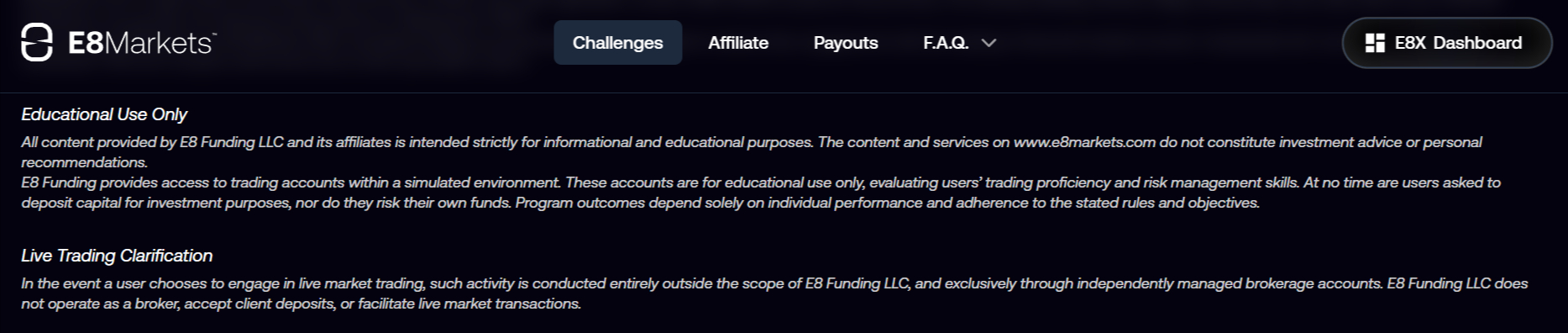
The company also launched a loyalty program named after one of its top-earning users, Tom Gibbs. While losses among FX and CFD traders are widely documented, E8 did not provide data on loss rates within prop firms trading in simulated markets, where industry figures also suggest unfavorable outcomes.
The broker noted that adoption covers its full range of crypto products, including perpetual contracts, CFDs, and spot trading through its “Buy Crypto” feature, which allows users to buy, sell, and hold digital assets. The move reflects a broader trend of CFD brokers expanding into spot crypto services.
According to the market’s self-regulatory body, 90.6% of the total volume came from clients of a single firm, Alfa-Forex. Russia has three licensed forex dealers, with the other two accounting for less than 10% of total turnover.
While regulators and industry participants are actively discussing AI-related risks, there remains a gap between these discussions and the development of systems to manage them in practice. This disconnect leaves firms exposed from a compliance and operational standpoint.
New York targets Coinbase and Gemini over prediction markets
In the Wild West of the prediction markets, New York Attorney General Letitia James has filed a lawsuit against Coinbase and Gemini, alleging that their prediction market platforms operate as illegal gambling services. The case, filed in Manhattan, seeks to stop both exchanges from offering these products in New York unless they obtain state gaming licenses.
.@Gemini and @coinbase's so-called prediction markets are just illegal gambling operations that expose young people to addictive platforms.
Gambling by another name is still gambling. I'm suing to stop these platforms from breaking the law.https://t.co/DosDKe2un1
The lawsuit argues that prediction markets should be treated as unregulated wagering rather than financial instruments. James said the platforms amount to “gambling by another name” and are not exempt from state gambling laws and constitutional requirements.
The figure provides the first concrete indication of how much the industry is investing in political influence as it confronts growing legislative and regulatory scrutiny. It underscores the extent to which prediction market operators are ramping up formal engagement with policymakers in response to that pressure.
Polymarket targets $15B valuation in pre-ruling fundraise
The talks come as investor interest in prediction market platforms continues to grow. The extra capital would build on a $600 million investment already committed by Intercontinental Exchange (ICE), the parent of the New York Stock Exchange. ICE has previously outlined plans to take a strategic stake of up to $2 billion in the platform.
Bloomberg reported that Kalshi plans to launch crypto perpetual futures in the coming weeks, citing a source familiar with the matter. Shortly after the report, Polymarket announced a similar offering, turning what could have been a low-profile rollout into a clear race for market share in one of the most actively traded crypto derivatives.
From insider risks to Bitcoin strategy debates
As US regulators continue to debate who has jurisdiction over prediction markets, current and potential users are being urged to consider the risks they face when placing bets on these platforms. The Wall Street Journal reported that, in late March, White House staff were warned via email not to use non-public information obtained through their work to bet on event outcomes.
Responding to the report, Trump administration spokesman Davis Ingle told the BBC that any suggestion officials were involved in such activity without evidence was “baseless and irresponsible reporting.”
Executive moves of the week: Scope Markets, BMLL, and Trading
Technologies
In the executive moves of the week, former Scope MarketsRegional Head Kubra Caglar joined Tattvam Markets as Head of Commercial in the
United Arab Emirates. She took up the role in April 2026 after nearly nine
years with Scope Markets, where she held a senior regional position.
BMLL Technologies appointed nine new employees across partnerships, sales, revenue operations, finance, and engineering. The hires
are part of the London-based market data firm’s ongoing commercial and
technical expansion following its acquisition by Nordic Capital in October last
year.
Third-party bridge providers being priced out by metaquotes?
MetaQuotes is quietly reshaping a crucial part of the trading technology stack. It stepped directly into the liquidity bridge space in 2025 when it launched Ultency, moving into a part of the trading tech stack that had long been dominated by third-party providers since the early MT4 era.
This bridge infrastructure is what links brokers’ internal platforms with external liquidity pools, and for years MetaQuotes left that role to others. That hands-off approach has clearly changed. The company has reportedly poured millions into building a global server network to support Ultency.
Several brokers released their earnings this week. Hantec Markets recorded its strongest first quarter on record in 2026, driven by a sharp increase in trading volumes. The performance builds on the momentum the company established in 2025, supported by continued growth across its trading activity and product offerings.
The firm reported $1.206 trillion in trading volume for Q1 2026, up from $437.7 billion in the same period last year, marking a 176% year-on-year increase. This also exceeded its previous quarterly high of $1.013 trillion in Q4 2025, representing a further rise of about 19%.
Plus500 raises outlook as Q1 revenue climbs 18%
At the same time, Plus500 reported $242.1 million in revenue for the first quarter, marking an 18% increase compared to the same period last year. The company also said it now expects its full-year 2026 revenue and EBITDA to exceed current market forecasts.
The London-listed broker attributed the strong performance to higher client activity, a growing share of higher-value customers, and continued expansion in its US futures and prediction markets business, which helped drive a 24% increase in revenue compared to the previous quarter.
Trading 212 UK growth continues
More numbers this week came from Trading212 UK, which strengthened its position in the UK retail trading market in 2025, reporting a 72% jump in revenue to £277.6 million. Pre-tax profit rose to £123.1 million from £52.9 million a year earlier, while net profit reached £92.2 million.
The company also launched a loyalty program named after one of its top-earning users, Tom Gibbs. While losses among FX and CFD traders are widely documented, E8 did not provide data on loss rates within prop firms trading in simulated markets, where industry figures also suggest unfavorable outcomes.
The broker noted that adoption covers its full range of crypto products, including perpetual contracts, CFDs, and spot trading through its “Buy Crypto” feature, which allows users to buy, sell, and hold digital assets. The move reflects a broader trend of CFD brokers expanding into spot crypto services.
According to the market’s self-regulatory body, 90.6% of the total volume came from clients of a single firm, Alfa-Forex. Russia has three licensed forex dealers, with the other two accounting for less than 10% of total turnover.
While regulators and industry participants are actively discussing AI-related risks, there remains a gap between these discussions and the development of systems to manage them in practice. This disconnect leaves firms exposed from a compliance and operational standpoint.
New York targets Coinbase and Gemini over prediction markets
In the Wild West of the prediction markets, New York Attorney General Letitia James has filed a lawsuit against Coinbase and Gemini, alleging that their prediction market platforms operate as illegal gambling services. The case, filed in Manhattan, seeks to stop both exchanges from offering these products in New York unless they obtain state gaming licenses.
.@Gemini and @coinbase's so-called prediction markets are just illegal gambling operations that expose young people to addictive platforms.
Gambling by another name is still gambling. I'm suing to stop these platforms from breaking the law.https://t.co/DosDKe2un1
The lawsuit argues that prediction markets should be treated as unregulated wagering rather than financial instruments. James said the platforms amount to “gambling by another name” and are not exempt from state gambling laws and constitutional requirements.
The figure provides the first concrete indication of how much the industry is investing in political influence as it confronts growing legislative and regulatory scrutiny. It underscores the extent to which prediction market operators are ramping up formal engagement with policymakers in response to that pressure.
Polymarket targets $15B valuation in pre-ruling fundraise
The talks come as investor interest in prediction market platforms continues to grow. The extra capital would build on a $600 million investment already committed by Intercontinental Exchange (ICE), the parent of the New York Stock Exchange. ICE has previously outlined plans to take a strategic stake of up to $2 billion in the platform.
Bloomberg reported that Kalshi plans to launch crypto perpetual futures in the coming weeks, citing a source familiar with the matter. Shortly after the report, Polymarket announced a similar offering, turning what could have been a low-profile rollout into a clear race for market share in one of the most actively traded crypto derivatives.
From insider risks to Bitcoin strategy debates
As US regulators continue to debate who has jurisdiction over prediction markets, current and potential users are being urged to consider the risks they face when placing bets on these platforms. The Wall Street Journal reported that, in late March, White House staff were warned via email not to use non-public information obtained through their work to bet on event outcomes.
Responding to the report, Trump administration spokesman Davis Ingle told the BBC that any suggestion officials were involved in such activity without evidence was “baseless and irresponsible reporting.”
Executive moves of the week: Scope Markets, BMLL, and Trading
Technologies
In the executive moves of the week, former Scope MarketsRegional Head Kubra Caglar joined Tattvam Markets as Head of Commercial in the
United Arab Emirates. She took up the role in April 2026 after nearly nine
years with Scope Markets, where she held a senior regional position.
BMLL Technologies appointed nine new employees across partnerships, sales, revenue operations, finance, and engineering. The hires
are part of the London-based market data firm’s ongoing commercial and
technical expansion following its acquisition by Nordic Capital in October last
year.
Jared Kirui is an Editor at Finance Magnates with more than five years of experience in financial journalism. He covers online trading, fintech, payments, and crypto industries with a focus on companies, regulation and compliance, executive moves, trading technology, and market analysis.
His work has been featured in other media outlets, including Benzinga, ZyCrypto, The Distributed, and The Daily Hodl.
Education:
Bachelor of Commerce degree (Finance option), University of Nairobi
Moomoo Joins the Agentic Investing Club, a Month Behind eToro
Featured Videos
FM Daily Brief - 24 April 2026
FM Daily Brief - 24 April 2026
FM Daily Brief - 24 April 2026
FM Daily Brief - 24 April 2026
It's Friday, the twenty-fourth of April 2026. You're listening to the Finance Magnates Daily Brief. Today's lead: Finance Magnates can exclusively report on ACCM's all-time Q1 volume record. Also ahead: the FCA's first coordinated crypto raids in the UK, and a major US day trading rule change. Listen to the full episode...
It's Friday, the twenty-fourth of April 2026. You're listening to the Finance Magnates Daily Brief. Today's lead: Finance Magnates can exclusively report on ACCM's all-time Q1 volume record. Also ahead: the FCA's first coordinated crypto raids in the UK, and a major US day trading rule change. Listen to the full episode...
It's Friday, the twenty-fourth of April 2026. You're listening to the Finance Magnates Daily Brief. Today's lead: Finance Magnates can exclusively report on ACCM's all-time Q1 volume record. Also ahead: the FCA's first coordinated crypto raids in the UK, and a major US day trading rule change. Listen to the full episode...
It's Friday, the twenty-fourth of April 2026. You're listening to the Finance Magnates Daily Brief. Today's lead: Finance Magnates can exclusively report on ACCM's all-time Q1 volume record. Also ahead: the FCA's first coordinated crypto raids in the UK, and a major US day trading rule change. Listen to the full episode...
It's Wednesday, the twenty-third of April 2026. You're listening to the Finance Magnates Daily Brief. Broker results first today: NAGA posts its first profitable quarter, and Hantec's Q1 volume hits one-point-two trillion. Also ahead: prop firm payout data and a three-hundred-million-dollar exchange deal.
Sponsored by FM Academy
It's Wednesday, the twenty-third of April 2026. You're listening to the Finance Magnates Daily Brief. Broker results first today: NAGA posts its first profitable quarter, and Hantec's Q1 volume hits one-point-two trillion. Also ahead: prop firm payout data and a three-hundred-million-dollar exchange deal.
Sponsored by FM Academy
It's Wednesday, the twenty-third of April 2026. You're listening to the Finance Magnates Daily Brief. Broker results first today: NAGA posts its first profitable quarter, and Hantec's Q1 volume hits one-point-two trillion. Also ahead: prop firm payout data and a three-hundred-million-dollar exchange deal.
Sponsored by FM Academy
It's Wednesday, the twenty-third of April 2026. You're listening to the Finance Magnates Daily Brief. Broker results first today: NAGA posts its first profitable quarter, and Hantec's Q1 volume hits one-point-two trillion. Also ahead: prop firm payout data and a three-hundred-million-dollar exchange deal.
Sponsored by FM Academy
It's Wednesday, the twenty-third of April 2026. You're listening to the Finance Magnates Daily Brief. Broker results first today: NAGA posts its first profitable quarter, and Hantec's Q1 volume hits one-point-two trillion. Also ahead: prop firm payout data and a three-hundred-million-dollar exchange deal.
Sponsored by FM Academy
It's Wednesday, the twenty-third of April 2026. You're listening to the Finance Magnates Daily Brief. Broker results first today: NAGA posts its first profitable quarter, and Hantec's Q1 volume hits one-point-two trillion. Also ahead: prop firm payout data and a three-hundred-million-dollar exchange deal.
Sponsored by FM Academy
FM Daily Brief: 21 April 2026
FM Daily Brief: 21 April 2026
FM Daily Brief: 21 April 2026
FM Daily Brief: 21 April 2026
FM Daily Brief: 21 April 2026
FM Daily Brief: 21 April 2026
It's Tuesday, the twenty-first of April, twenty twenty-six. You're listening to the Finance Magnates Daily Brief. Today's lead: the Bank for International Settlements has put dollar stablecoins on the regulatory hot seat. Also ahead: first quarter earnings from Capital.com and Plus500, Revolut pushes its IPO to twenty twenty-eight, and a look at where Singapore hedge funds are really moving.
It's Tuesday, the twenty-first of April, twenty twenty-six. You're listening to the Finance Magnates Daily Brief. Today's lead: the Bank for International Settlements has put dollar stablecoins on the regulatory hot seat. Also ahead: first quarter earnings from Capital.com and Plus500, Revolut pushes its IPO to twenty twenty-eight, and a look at where Singapore hedge funds are really moving.
It's Tuesday, the twenty-first of April, twenty twenty-six. You're listening to the Finance Magnates Daily Brief. Today's lead: the Bank for International Settlements has put dollar stablecoins on the regulatory hot seat. Also ahead: first quarter earnings from Capital.com and Plus500, Revolut pushes its IPO to twenty twenty-eight, and a look at where Singapore hedge funds are really moving.
It's Tuesday, the twenty-first of April, twenty twenty-six. You're listening to the Finance Magnates Daily Brief. Today's lead: the Bank for International Settlements has put dollar stablecoins on the regulatory hot seat. Also ahead: first quarter earnings from Capital.com and Plus500, Revolut pushes its IPO to twenty twenty-eight, and a look at where Singapore hedge funds are really moving.
It's Tuesday, the twenty-first of April, twenty twenty-six. You're listening to the Finance Magnates Daily Brief. Today's lead: the Bank for International Settlements has put dollar stablecoins on the regulatory hot seat. Also ahead: first quarter earnings from Capital.com and Plus500, Revolut pushes its IPO to twenty twenty-eight, and a look at where Singapore hedge funds are really moving.
It's Tuesday, the twenty-first of April, twenty twenty-six. You're listening to the Finance Magnates Daily Brief. Today's lead: the Bank for International Settlements has put dollar stablecoins on the regulatory hot seat. Also ahead: first quarter earnings from Capital.com and Plus500, Revolut pushes its IPO to twenty twenty-eight, and a look at where Singapore hedge funds are really moving.
In this video, we review @FundedNext a proprietary trading firm offering evaluation challenges for CFD and futures traders using simulated accounts.
We cover how the model works, including challenge types, profit targets, loss limits, and performance-based rewards. You’ll also learn about payout structures, supported platforms, and key features such as the firm’s 24-hour payout policy and flexible challenge formats.
Watch the full video to see if FundedNext fits your trading approach.
#FundedNext #PropFirm #PropTrading #FinanceMagnates #Trading #CFDTrading #FuturesTrading #TradingReview
In this video, we review @FundedNext a proprietary trading firm offering evaluation challenges for CFD and futures traders using simulated accounts.
We cover how the model works, including challenge types, profit targets, loss limits, and performance-based rewards. You’ll also learn about payout structures, supported platforms, and key features such as the firm’s 24-hour payout policy and flexible challenge formats.
Watch the full video to see if FundedNext fits your trading approach.
#FundedNext #PropFirm #PropTrading #FinanceMagnates #Trading #CFDTrading #FuturesTrading #TradingReview
In this video, we review @FundedNext a proprietary trading firm offering evaluation challenges for CFD and futures traders using simulated accounts.
We cover how the model works, including challenge types, profit targets, loss limits, and performance-based rewards. You’ll also learn about payout structures, supported platforms, and key features such as the firm’s 24-hour payout policy and flexible challenge formats.
Watch the full video to see if FundedNext fits your trading approach.
#FundedNext #PropFirm #PropTrading #FinanceMagnates #Trading #CFDTrading #FuturesTrading #TradingReview
In this video, we review @FundedNext a proprietary trading firm offering evaluation challenges for CFD and futures traders using simulated accounts.
We cover how the model works, including challenge types, profit targets, loss limits, and performance-based rewards. You’ll also learn about payout structures, supported platforms, and key features such as the firm’s 24-hour payout policy and flexible challenge formats.
Watch the full video to see if FundedNext fits your trading approach.
#FundedNext #PropFirm #PropTrading #FinanceMagnates #Trading #CFDTrading #FuturesTrading #TradingReview
In this video, we review @FundedNext a proprietary trading firm offering evaluation challenges for CFD and futures traders using simulated accounts.
We cover how the model works, including challenge types, profit targets, loss limits, and performance-based rewards. You’ll also learn about payout structures, supported platforms, and key features such as the firm’s 24-hour payout policy and flexible challenge formats.
Watch the full video to see if FundedNext fits your trading approach.
#FundedNext #PropFirm #PropTrading #FinanceMagnates #Trading #CFDTrading #FuturesTrading #TradingReview
In this video, we review @FundedNext a proprietary trading firm offering evaluation challenges for CFD and futures traders using simulated accounts.
We cover how the model works, including challenge types, profit targets, loss limits, and performance-based rewards. You’ll also learn about payout structures, supported platforms, and key features such as the firm’s 24-hour payout policy and flexible challenge formats.
Watch the full video to see if FundedNext fits your trading approach.
#FundedNext #PropFirm #PropTrading #FinanceMagnates #Trading #CFDTrading #FuturesTrading #TradingReview
TradingPro Winner Spotlight 🏆 | Global Best Overall Broker 2025
TradingPro Winner Spotlight 🏆 | Global Best Overall Broker 2025
TradingPro Winner Spotlight 🏆 | Global Best Overall Broker 2025
TradingPro Winner Spotlight 🏆 | Global Best Overall Broker 2025
TradingPro Winner Spotlight 🏆 | Global Best Overall Broker 2025
TradingPro Winner Spotlight 🏆 | Global Best Overall Broker 2025
TradingPro takes the spotlight as Global Best Overall Broker 2025 at the Finance Magnates Awards.
Yusna Yusman, Head of Global Marketing, describes the night as inspiring, elegant, and full of energy.
She also shares a message of appreciation to the clients and community whose support made this achievement possible.
👉 Be part of FM Awards 2026.
#FinanceMagnatesAwards #TradingPro #Trading #Fintech #Broker #WinnerSpotlight #Shorts
TradingPro takes the spotlight as Global Best Overall Broker 2025 at the Finance Magnates Awards.
Yusna Yusman, Head of Global Marketing, describes the night as inspiring, elegant, and full of energy.
She also shares a message of appreciation to the clients and community whose support made this achievement possible.
👉 Be part of FM Awards 2026.
#FinanceMagnatesAwards #TradingPro #Trading #Fintech #Broker #WinnerSpotlight #Shorts
TradingPro takes the spotlight as Global Best Overall Broker 2025 at the Finance Magnates Awards.
Yusna Yusman, Head of Global Marketing, describes the night as inspiring, elegant, and full of energy.
She also shares a message of appreciation to the clients and community whose support made this achievement possible.
👉 Be part of FM Awards 2026.
#FinanceMagnatesAwards #TradingPro #Trading #Fintech #Broker #WinnerSpotlight #Shorts
TradingPro takes the spotlight as Global Best Overall Broker 2025 at the Finance Magnates Awards.
Yusna Yusman, Head of Global Marketing, describes the night as inspiring, elegant, and full of energy.
She also shares a message of appreciation to the clients and community whose support made this achievement possible.
👉 Be part of FM Awards 2026.
#FinanceMagnatesAwards #TradingPro #Trading #Fintech #Broker #WinnerSpotlight #Shorts
TradingPro takes the spotlight as Global Best Overall Broker 2025 at the Finance Magnates Awards.
Yusna Yusman, Head of Global Marketing, describes the night as inspiring, elegant, and full of energy.
She also shares a message of appreciation to the clients and community whose support made this achievement possible.
👉 Be part of FM Awards 2026.
#FinanceMagnatesAwards #TradingPro #Trading #Fintech #Broker #WinnerSpotlight #Shorts
TradingPro takes the spotlight as Global Best Overall Broker 2025 at the Finance Magnates Awards.
Yusna Yusman, Head of Global Marketing, describes the night as inspiring, elegant, and full of energy.
She also shares a message of appreciation to the clients and community whose support made this achievement possible.
👉 Be part of FM Awards 2026.
#FinanceMagnatesAwards #TradingPro #Trading #Fintech #Broker #WinnerSpotlight #Shorts