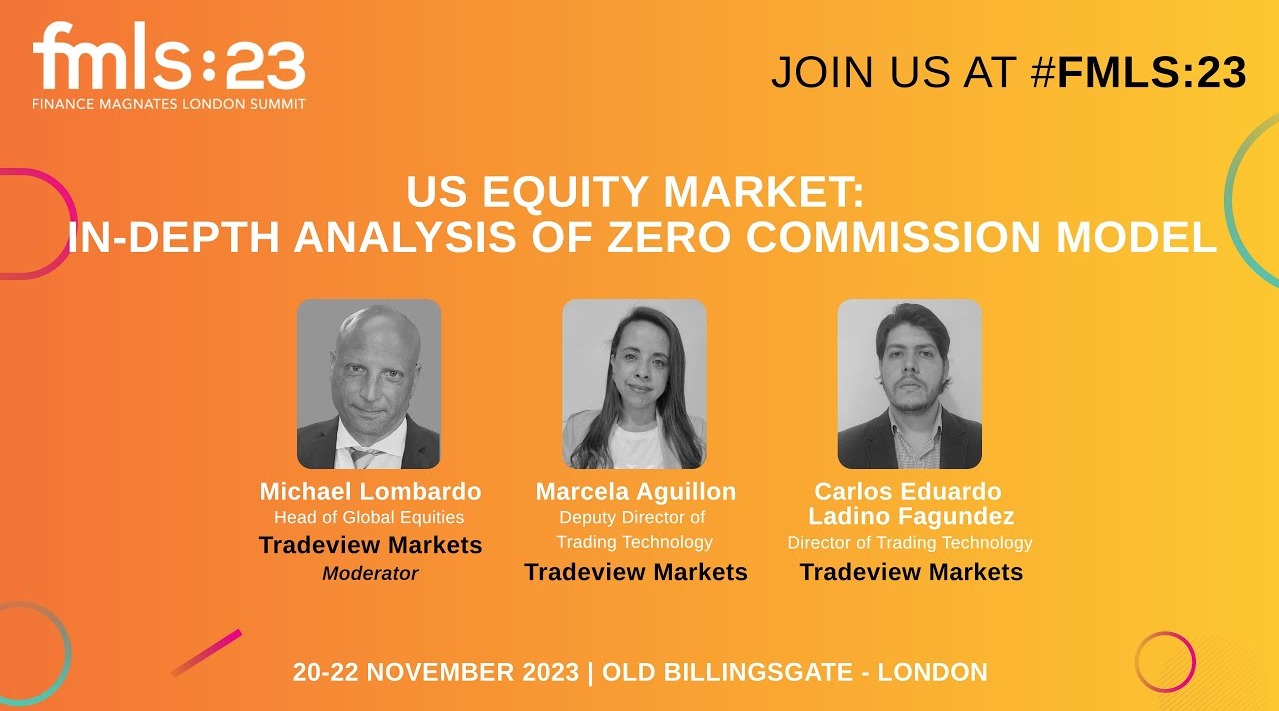
Watch the "US Equity Market: In-depth Analysis of Zero Commission Model" panel from FMLS:23.
It discusses how US brokers offer zero-commission trading through payment for order flow.
Have you
ever wondered how some brokerage firms are able to charge no fees when
executing trades in the US equity market? The recent Finance Magnates London
Summit 2023 (FMLS:23) panel dove into the inner workings of zero-commission
trading in US equities, a model popularized by companies like Robinhood.
Moderated
by Michael Lombardo, the Head of Global Equities at Tradeview Markets, the
discussion featured Marcela Aguillon, the Deputy Director of Trading
Technology, and Carlos Eduardo Ladino Fagundez, the Director of Trading Technology,
both from Tradeview.
How Is Zero-Commission
Trading Possible?
The
panelists first established that US equities, unlike FX, cannot be traded on a
B-book model where brokers take the other side of client trades. Doing so would
violate securities regulations. However, brokers like Robinhood utilize "payment
for order flow" (PFOF) arrangements, selling client order flow to
wholesalers like Virtu and Citadel Securities rather than sending it directly to
exchanges.
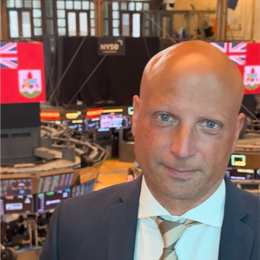
Michael Lombardo, the Head of Global Equities at Tradeview Markets
Wholesalers
rely on sophisticated algorithms to find hidden liquidity in off-exchange "dark
pools", allowing them to buy at the midpoint of the National Best Bid and
Offer spread and sell to Robinhood clients at the offer price. This captures
the spread as profit while still providing price improvement versus the lit
market. These fractions of pennies add up across billions of shares daily,
funding the zero commissions.
"The
National Best Bid and Offer (NBBO) in US equities is like the inside market.
It's essentially the highest price someone is willing to pay to buy a stock and
the lowest price someone is willing to sell it at, quite similar to Forex,"
commented Lombardo.
The Role of Market Data
and Technology Integration
Marcela Aguillon, the Deputy Director of Trading Technology at Tradeview Markets
Marcela
Aguillon emphasized the critical role of market data in trading, detailing
their focus on latency reduction and the integration of C++ for real-time
system development.
"We
chose this language because it allows for control over the hardware and memory
of the servers," Aguillon commented. "These features are crucial for
developing real-time systems or applications. In our market data tool, we have
significantly reduced latency for stocks."
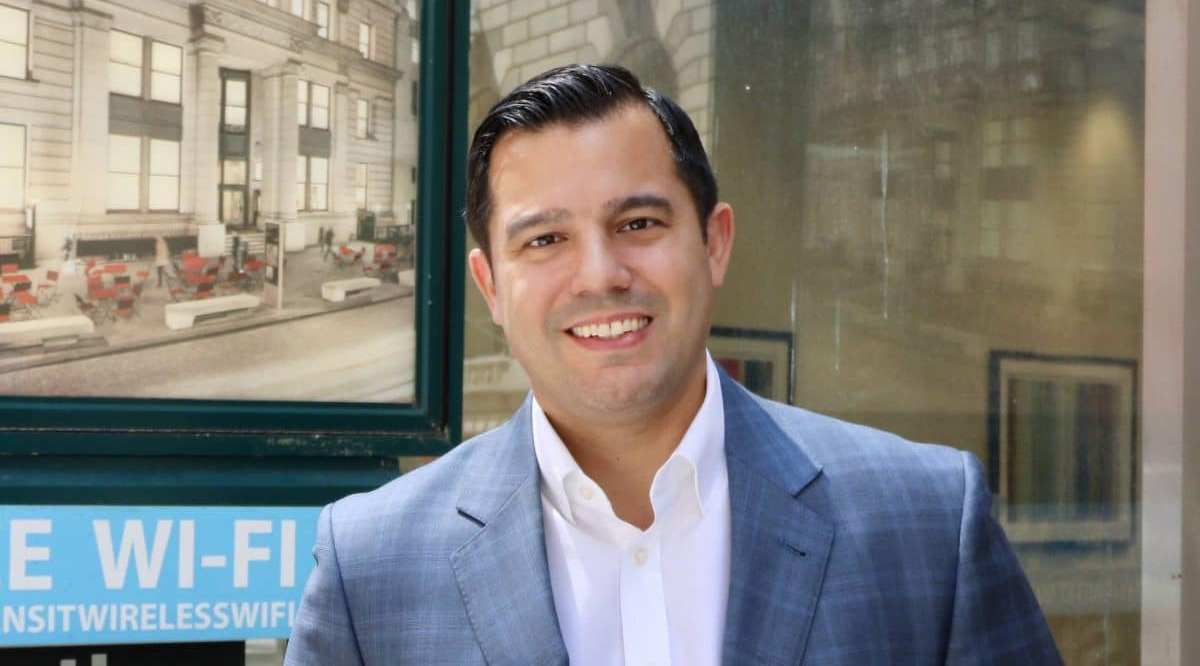
Carlos Eduardo Ladino Fagundez, Director of Trading Technology at Tradeview Markets
Carlos
Eduardo Ladino Fagundez highlighted the importance of providing real market
data to customers without markups or retransmissions, ensuring minimal latency.
"Our focus is on providing authentic market data without any markups or
retransmission."
Weighing the Pros and Cons
From a
retail trader perspective, PFOF delivers zero commissions but is likely not the
best execution since orders aren't filled at the midpoint. "Are you really
getting the best execution? Unfortunately, the answer is no," Lombardo
explained. Wholesalers counter that by aggregating order flow, spreads are
actually tighter.
On the
other hand, PFOF brings more hidden liquidity into the market, which can narrow
spreads. Also, proponents argue it benefits the overall market by keeping
spreads tighter.
From the perspective
of legislation, regulators have sought more oversight given conflicts of
interest. The UK banned PFOF in 2012 and the EU will follow in 2026. The US is
adding regulations like order auction rules and execution score disclosures
rather than an outright ban.
"For
retail traders, it's important to ask your broker if they pay rebates for
adding liquidity, as it indicates a more sophisticated understanding of the
market. For brokers, exploring technologies like Vulcan for better order
routing and management is advisable," Lombardo concluded.
What's Next?
The
panelists discussed proprietary technologies like Tradeview's Vulcan bridge
which aggregates liquidity across exchanges and dark pools. If fractional penny
pricing emerges from pending US proposals, more price improvement could be
achieved. With market structure continually evolving, brokers and traders alike
must understand models like PFOF and order routing dynamics in the quest for
best execution.
Participate in Our Fraud Survey: Your Opinion Matters!
We invite you to participate in our joint survey conducted by FXStreet and Finance Magnates Group, which explores prevalent online financial fraud types, platforms used for fraudulent activities, effectiveness of countermeasures, and challenges faced by companies in tackling such fraud. Your valuable insights will help inform future strategies and resource allocation in combating financial fraud.
Have you
ever wondered how some brokerage firms are able to charge no fees when
executing trades in the US equity market? The recent Finance Magnates London
Summit 2023 (FMLS:23) panel dove into the inner workings of zero-commission
trading in US equities, a model popularized by companies like Robinhood.
Moderated
by Michael Lombardo, the Head of Global Equities at Tradeview Markets, the
discussion featured Marcela Aguillon, the Deputy Director of Trading
Technology, and Carlos Eduardo Ladino Fagundez, the Director of Trading Technology,
both from Tradeview.
How Is Zero-Commission
Trading Possible?
The
panelists first established that US equities, unlike FX, cannot be traded on a
B-book model where brokers take the other side of client trades. Doing so would
violate securities regulations. However, brokers like Robinhood utilize "payment
for order flow" (PFOF) arrangements, selling client order flow to
wholesalers like Virtu and Citadel Securities rather than sending it directly to
exchanges.
Michael Lombardo, the Head of Global Equities at Tradeview Markets
Wholesalers
rely on sophisticated algorithms to find hidden liquidity in off-exchange "dark
pools", allowing them to buy at the midpoint of the National Best Bid and
Offer spread and sell to Robinhood clients at the offer price. This captures
the spread as profit while still providing price improvement versus the lit
market. These fractions of pennies add up across billions of shares daily,
funding the zero commissions.
"The
National Best Bid and Offer (NBBO) in US equities is like the inside market.
It's essentially the highest price someone is willing to pay to buy a stock and
the lowest price someone is willing to sell it at, quite similar to Forex,"
commented Lombardo.
The Role of Market Data
and Technology Integration
Marcela Aguillon, the Deputy Director of Trading Technology at Tradeview Markets
Marcela
Aguillon emphasized the critical role of market data in trading, detailing
their focus on latency reduction and the integration of C++ for real-time
system development.
"We
chose this language because it allows for control over the hardware and memory
of the servers," Aguillon commented. "These features are crucial for
developing real-time systems or applications. In our market data tool, we have
significantly reduced latency for stocks."
Carlos Eduardo Ladino Fagundez, Director of Trading Technology at Tradeview Markets
Carlos
Eduardo Ladino Fagundez highlighted the importance of providing real market
data to customers without markups or retransmissions, ensuring minimal latency.
"Our focus is on providing authentic market data without any markups or
retransmission."
Weighing the Pros and Cons
From a
retail trader perspective, PFOF delivers zero commissions but is likely not the
best execution since orders aren't filled at the midpoint. "Are you really
getting the best execution? Unfortunately, the answer is no," Lombardo
explained. Wholesalers counter that by aggregating order flow, spreads are
actually tighter.
On the
other hand, PFOF brings more hidden liquidity into the market, which can narrow
spreads. Also, proponents argue it benefits the overall market by keeping
spreads tighter.
From the perspective
of legislation, regulators have sought more oversight given conflicts of
interest. The UK banned PFOF in 2012 and the EU will follow in 2026. The US is
adding regulations like order auction rules and execution score disclosures
rather than an outright ban.
"For
retail traders, it's important to ask your broker if they pay rebates for
adding liquidity, as it indicates a more sophisticated understanding of the
market. For brokers, exploring technologies like Vulcan for better order
routing and management is advisable," Lombardo concluded.
What's Next?
The
panelists discussed proprietary technologies like Tradeview's Vulcan bridge
which aggregates liquidity across exchanges and dark pools. If fractional penny
pricing emerges from pending US proposals, more price improvement could be
achieved. With market structure continually evolving, brokers and traders alike
must understand models like PFOF and order routing dynamics in the quest for
best execution.
Participate in Our Fraud Survey: Your Opinion Matters!
We invite you to participate in our joint survey conducted by FXStreet and Finance Magnates Group, which explores prevalent online financial fraud types, platforms used for fraudulent activities, effectiveness of countermeasures, and challenges faced by companies in tackling such fraud. Your valuable insights will help inform future strategies and resource allocation in combating financial fraud.
Damian Chmiel is a Senior Analyst & Editor at Finance Magnates with more than 15 years of experience in the CFD and online trading industry. Active as both a trader and journalist since 2010, he focuses on broker coverage, fintech innovation, and regulatory developments across Europe, the Middle East, and Asia.
His work includes interviews with C-level leaders at major brokerages and fintech platforms, as well as co-authoring Finance Magnates’ quarterly industry benchmarking reports. Damian’s reporting is data-driven, market-aware, and grounded in direct industry engagement. His analysis and commentary have also been cited by external media outlets, including Investing.com, Binance, The Asset, Stockhead, and Dispatch.
Education:
MA in Finance and Accounting, Cracow University of Economics
ESMA’s Common Supervisory Action Follows Enforcement: Should CFD Brokers Be Worried?
FP Markets Winner Spotlight 🏆 | Global Broker of the Year 2025 #Trading #Broker #Innovation #Shorts
FP Markets Winner Spotlight 🏆 | Global Broker of the Year 2025 #Trading #Broker #Innovation #Shorts
FP Markets takes the spotlight as Global Broker of the Year 2025 at the Finance Magnates Awards.
Martin Stoilov, Head of Client Experience, shares that trust, innovation, and people played a key role in the company’s success, supported by a strong foundation of integrity and client-centricity.
Following this milestone, FP Markets continues to focus on growth, technology investment, and its core values of transparency and excellence.
👉 Be part of FM Awards 2026: https://awards.financemagnates.com/#nominate
FP Markets takes the spotlight as Global Broker of the Year 2025 at the Finance Magnates Awards.
Martin Stoilov, Head of Client Experience, shares that trust, innovation, and people played a key role in the company’s success, supported by a strong foundation of integrity and client-centricity.
Following this milestone, FP Markets continues to focus on growth, technology investment, and its core values of transparency and excellence.
👉 Be part of FM Awards 2026: https://awards.financemagnates.com/#nominate
In this video, we review @HolaPrimeMarketsOfficial, a multi-asset forex and CFDs broker offering different account types, trading platforms, and flexible trading conditions.
We cover the broker’s overall offering, including account options, trading environment, platforms like MT4 and MT5, and additional services such as managed accounts and fast withdrawals.
Watch the full video to see if Hola Prime Markets fits your trading needs.
📣 Stay up to date with the latest in finance and trading. Follow Finance Magnates for industry news, insights, and global event coverage.
Connect with us:
🔗 LinkedIn: /financemagnates
👍 Facebook: /financemagnates
📸 Instagram: https://www.instagram.com/financemagnates
🐦 X: https://x.com/financemagnates
🎥 TikTok: https://www.tiktok.com/tag/financemagnates
▶️ YouTube: /@financemagnates_official
#HolaPrime #ForexBroker #CFDTrading #FinanceMagnates #Trading #Forex #BrokerReview
In this video, we review @HolaPrimeMarketsOfficial, a multi-asset forex and CFDs broker offering different account types, trading platforms, and flexible trading conditions.
We cover the broker’s overall offering, including account options, trading environment, platforms like MT4 and MT5, and additional services such as managed accounts and fast withdrawals.
Watch the full video to see if Hola Prime Markets fits your trading needs.
📣 Stay up to date with the latest in finance and trading. Follow Finance Magnates for industry news, insights, and global event coverage.
Connect with us:
🔗 LinkedIn: /financemagnates
👍 Facebook: /financemagnates
📸 Instagram: https://www.instagram.com/financemagnates
🐦 X: https://x.com/financemagnates
🎥 TikTok: https://www.tiktok.com/tag/financemagnates
▶️ YouTube: /@financemagnates_official
#HolaPrime #ForexBroker #CFDTrading #FinanceMagnates #Trading #Forex #BrokerReview
Hola Prime Review: What You Need to Know | Full Breakdown by Finance Magnates
Hola Prime Review: What You Need to Know | Full Breakdown by Finance Magnates
In this video, we review @HolaPrime_Global, a proprietary trading firm offering evaluation programs and performance-based payouts in simulated market environments.
We cover how the challenge model works, including account types, profit splits (up to 95%), trading rules, and what it takes to reach a funded account. You’ll also learn about available platforms like MT4, MT5, cTrader, and more, along with insights into payouts, support, and trading conditions.
Watch the full video to see if Hola Prime fits your trading style.
📣 Stay up to date with the latest in finance and trading. Follow Finance Magnates for industry news, insights, and global event coverage.
Connect with us:
🔗 LinkedIn: /financemagnates
👍 Facebook: /financemagnates
📸 Instagram: https://www.instagram.com/financemagnates
🐦 X: https://x.com/financemagnates
🎥 TikTok: https://www.tiktok.com/tag/financemagnates
▶️ YouTube: /@financemagnates_official
#HolaPrime #PropFirm #Trading #FinanceMagnates #Forex #FuturesTrading #TradingReview #PropFirmReview
In this video, we review @HolaPrime_Global, a proprietary trading firm offering evaluation programs and performance-based payouts in simulated market environments.
We cover how the challenge model works, including account types, profit splits (up to 95%), trading rules, and what it takes to reach a funded account. You’ll also learn about available platforms like MT4, MT5, cTrader, and more, along with insights into payouts, support, and trading conditions.
Watch the full video to see if Hola Prime fits your trading style.
📣 Stay up to date with the latest in finance and trading. Follow Finance Magnates for industry news, insights, and global event coverage.
Connect with us:
🔗 LinkedIn: /financemagnates
👍 Facebook: /financemagnates
📸 Instagram: https://www.instagram.com/financemagnates
🐦 X: https://x.com/financemagnates
🎥 TikTok: https://www.tiktok.com/tag/financemagnates
▶️ YouTube: /@financemagnates_official
#HolaPrime #PropFirm #Trading #FinanceMagnates #Forex #FuturesTrading #TradingReview #PropFirmReview
Axi Winner Spotlight 🏆 | Global Most Innovative Broker 2025 #Innovation #Trading #Fintech #Broker
Axi Winner Spotlight 🏆 | Global Most Innovative Broker 2025 #Innovation #Trading #Fintech #Broker
Axi takes the spotlight at the Finance Magnates Awards, winning Global Most Innovative Broker 2025.
Olivia Xenofontos and Ivanna Openko share how the team will feel: proud, motivated, and ready to keep delivering.
They also describe the night as well-organized, focused, and enjoyable for all.
👉 Be part of FM Awards 2026.
Axi takes the spotlight at the Finance Magnates Awards, winning Global Most Innovative Broker 2025.
Olivia Xenofontos and Ivanna Openko share how the team will feel: proud, motivated, and ready to keep delivering.
They also describe the night as well-organized, focused, and enjoyable for all.
👉 Be part of FM Awards 2026.
Recognition that matters.
Built on transparency.
Driven by the industry.
The Finance Magnates Awards 2026.
Nominations are now open.
🔗 https://awards.financemagnates.com/?utm_source=SM&utm_medium=social&utm_campaign=recognition-matters
Recognition that matters.
Built on transparency.
Driven by the industry.
The Finance Magnates Awards 2026.
Nominations are now open.
🔗 https://awards.financemagnates.com/?utm_source=SM&utm_medium=social&utm_campaign=recognition-matters