The prop firm founder claims he could have chosen bankruptcy or even run away.
Sway Funded promised an “immediate” payout of traders' funds that have been overdue for several months.
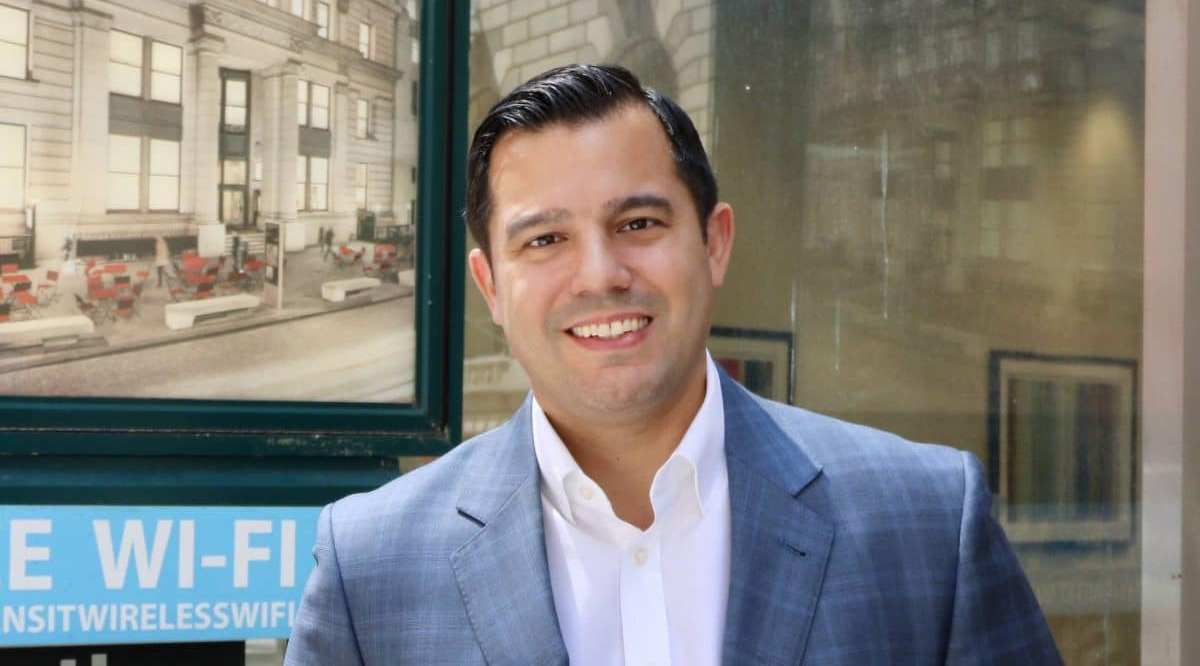
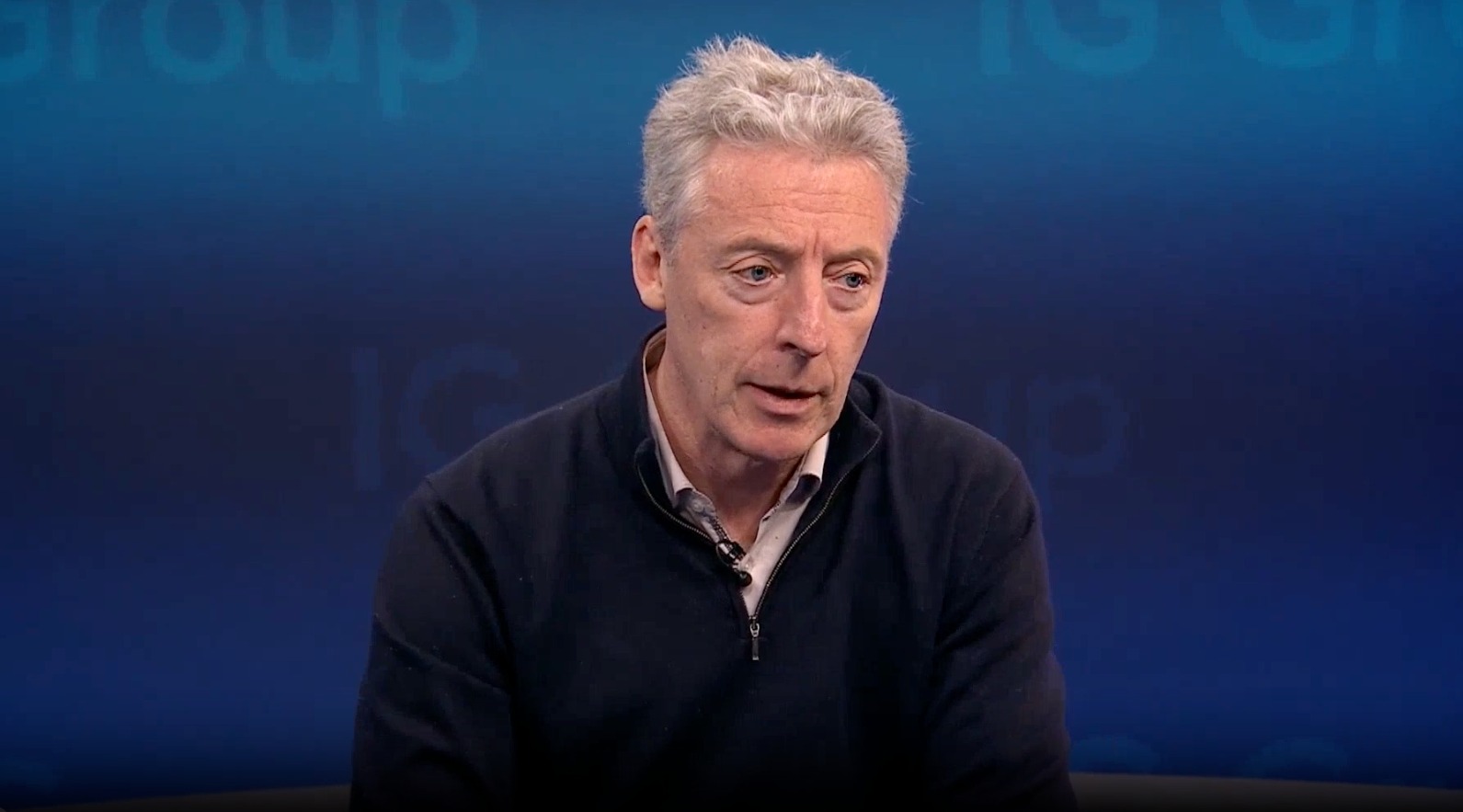
Blake Carter, the CEO of MyFlashFunding. Source: YouTube/Prop Connect
The retail
proprietary trading and trader-funded firms (TFFs) market has seen another
consolidation. Last week, MyFlashFunding, which had been struggling with
platform issues, announced its acquisition by competitor Sway Funded.
MyFlashFunding Acquired by
Another Prop Firm
The
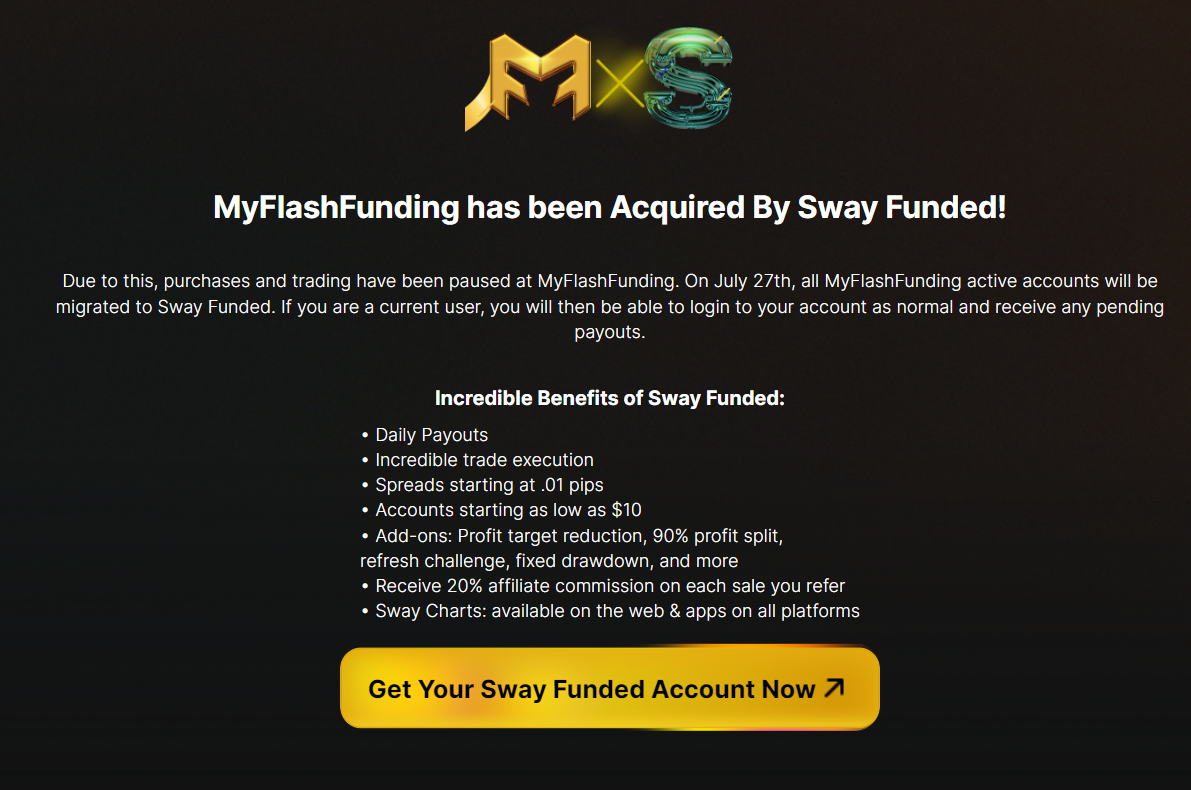
acquisition news emerged at the beginning of last week. Social media posts from
both companies indicate that all MyFlashFunding clients will be transferred to
Sway Funded, with the new owner responsible for the “immediate”
payout of funds that have been pending for weeks.
MyFlashFunding website
MyFlashFunding
clients were asked to close all their positions by last Wednesday, July 24.
However, the prop firm's brand isn't disappearing entirely, nor are its social
media channels. It will no longer function as a trading service provider but as
an “educational hub”.
“We
understand the importance of a smooth transition. MyFlashFunding traders will
be seamlessly migrated to the Sway Funded platform, ensuring they can continue
their trading journey without disruption,” stated the announcement
regarding the acquisition decision.
The move
has sparked considerable controversy among clients, with social media
commentators suggesting that the MyFlashFunding founder is allegedly evading
responsibility.
MyFlashFunding CEO
Comments: “I could've filed bankruptcy”
Blake
Carter, Founder and CEO of MyFlashFunding, has a different perspective on the
matter.
As he
admits, “I could've ran, I could've went ghost, I could've filed
bankruptcy,” choosing an easier path, unfortunately often observed in the
prop firm industry in recent months.
Instead, he
opted for a scenario where traders could receive their due funds, which had
become impossible to pay out due to platform issues encountered by
MyFlashFunding.
“Whatever
you want to say about the acquisition or how you feel does not concern
me,” Carter commented.
If Sway
Funded indeed pays out the overdue funds, which have been suspended since
April–May, Carter's decision will defend itself.
The Origins of the Problem
MyFlashFunding's
troubles, like those of many other prop firms this year, began in February
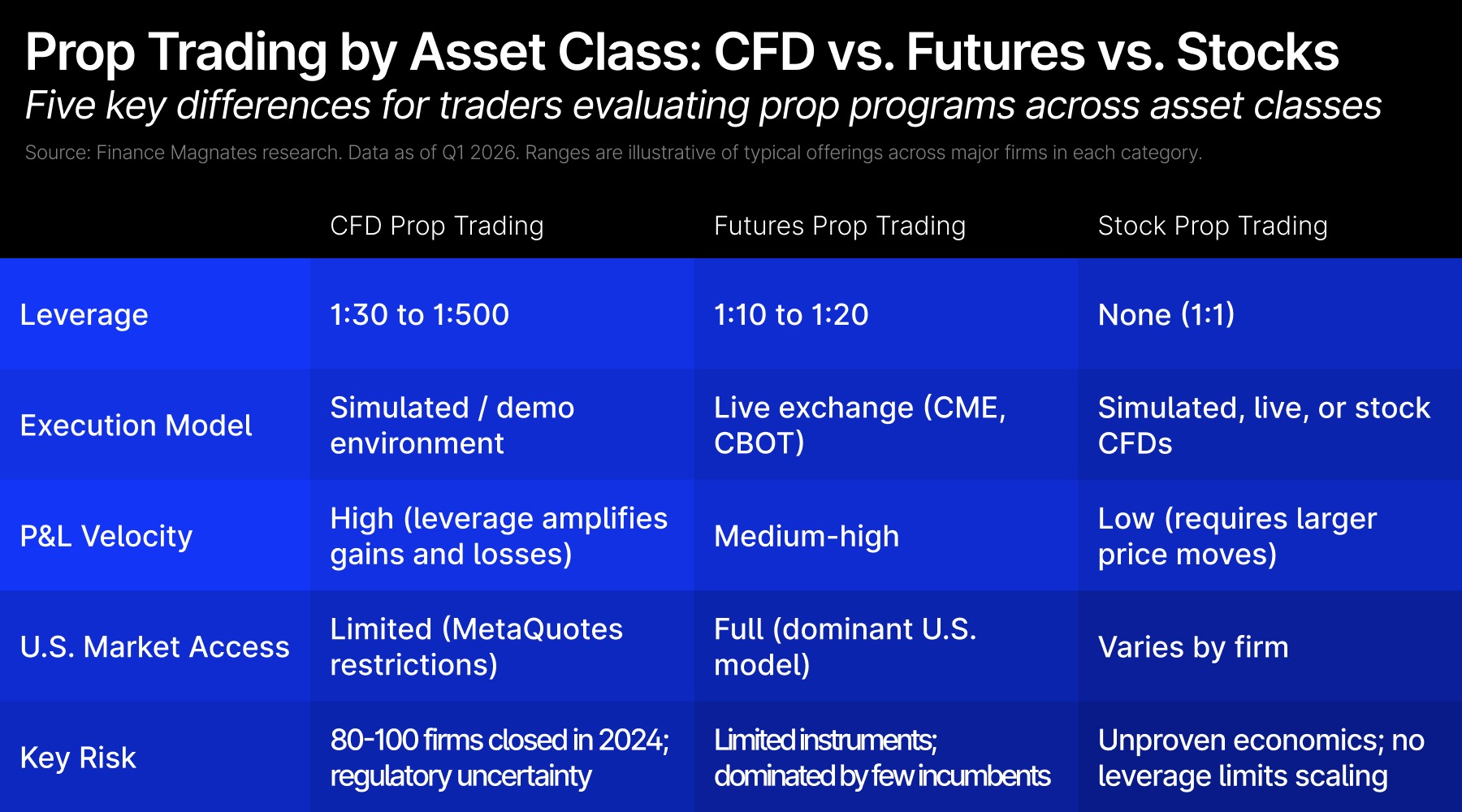
2024. The catalyst was a decision by MetaQuotes, the creator of the popular trading
platform MetaTrader, to suspend licenses for firms and brokers associated with
prop trading services in the United States.
MyFlashFunding
attempted to resolve the issue by migrating to the competing Match-Trader
platform and partnering with a broker licensed by the Australian
ASIC.
However,
clients complained that the spreads offered by FinesseFX were too wide compared
to the previous offering. Moreover, in subsequent months, an increasing number
of voices emerged suggesting alleged blocking or delaying of fund withdrawals.
Carter
addressed the issue, suggesting that only isolated cases occurred, affecting a
very narrow group of clients, resulting from technical problems.
Ultimately,
however, the problem proved to be larger than suggested, and the platform
issues that began in February eventually forced the company to decide to sell
and transfer clients to another entity.
The retail
proprietary trading and trader-funded firms (TFFs) market has seen another
consolidation. Last week, MyFlashFunding, which had been struggling with
platform issues, announced its acquisition by competitor Sway Funded.
MyFlashFunding Acquired by
Another Prop Firm
The
acquisition news emerged at the beginning of last week. Social media posts from
both companies indicate that all MyFlashFunding clients will be transferred to
Sway Funded, with the new owner responsible for the “immediate”
payout of funds that have been pending for weeks.
MyFlashFunding website
MyFlashFunding
clients were asked to close all their positions by last Wednesday, July 24.
However, the prop firm's brand isn't disappearing entirely, nor are its social
media channels. It will no longer function as a trading service provider but as
an “educational hub”.
“We
understand the importance of a smooth transition. MyFlashFunding traders will
be seamlessly migrated to the Sway Funded platform, ensuring they can continue
their trading journey without disruption,” stated the announcement
regarding the acquisition decision.
The move
has sparked considerable controversy among clients, with social media
commentators suggesting that the MyFlashFunding founder is allegedly evading
responsibility.
MyFlashFunding CEO
Comments: “I could've filed bankruptcy”
Blake
Carter, Founder and CEO of MyFlashFunding, has a different perspective on the
matter.
As he
admits, “I could've ran, I could've went ghost, I could've filed
bankruptcy,” choosing an easier path, unfortunately often observed in the
prop firm industry in recent months.
Instead, he
opted for a scenario where traders could receive their due funds, which had
become impossible to pay out due to platform issues encountered by
MyFlashFunding.
“Whatever
you want to say about the acquisition or how you feel does not concern
me,” Carter commented.
If Sway
Funded indeed pays out the overdue funds, which have been suspended since
April–May, Carter's decision will defend itself.
The Origins of the Problem
MyFlashFunding's
troubles, like those of many other prop firms this year, began in February
2024. The catalyst was a decision by MetaQuotes, the creator of the popular trading
platform MetaTrader, to suspend licenses for firms and brokers associated with
prop trading services in the United States.
MyFlashFunding
attempted to resolve the issue by migrating to the competing Match-Trader
platform and partnering with a broker licensed by the Australian
ASIC.
However,
clients complained that the spreads offered by FinesseFX were too wide compared
to the previous offering. Moreover, in subsequent months, an increasing number
of voices emerged suggesting alleged blocking or delaying of fund withdrawals.
Carter
addressed the issue, suggesting that only isolated cases occurred, affecting a
very narrow group of clients, resulting from technical problems.
Ultimately,
however, the problem proved to be larger than suggested, and the platform
issues that began in February eventually forced the company to decide to sell
and transfer clients to another entity.
Damian Chmiel is a Senior Analyst & Editor at Finance Magnates with more than 15 years of experience in the CFD and online trading industry. Active as both a trader and journalist since 2010, he focuses on broker coverage, fintech innovation, and regulatory developments across Europe, the Middle East, and Asia.
His work includes interviews with C-level leaders at major brokerages and fintech platforms, as well as co-authoring Finance Magnates’ quarterly industry benchmarking reports. Damian’s reporting is data-driven, market-aware, and grounded in direct industry engagement. His analysis and commentary have also been cited by external media outlets, including Investing.com, Binance, The Asset, Stockhead, and Dispatch.
Education:
MA in Finance and Accounting, Cracow University of Economics
Retail Traders Can Now Access Prediction Markets Through Binance Wallet
FP Markets Winner Spotlight 🏆 | Global Broker of the Year 2025 #Trading #Broker #Innovation #Shorts
FP Markets Winner Spotlight 🏆 | Global Broker of the Year 2025 #Trading #Broker #Innovation #Shorts
FP Markets takes the spotlight as Global Broker of the Year 2025 at the Finance Magnates Awards.
Martin Stoilov, Head of Client Experience, shares that trust, innovation, and people played a key role in the company’s success, supported by a strong foundation of integrity and client-centricity.
Following this milestone, FP Markets continues to focus on growth, technology investment, and its core values of transparency and excellence.
👉 Be part of FM Awards 2026: https://awards.financemagnates.com/#nominate
FP Markets takes the spotlight as Global Broker of the Year 2025 at the Finance Magnates Awards.
Martin Stoilov, Head of Client Experience, shares that trust, innovation, and people played a key role in the company’s success, supported by a strong foundation of integrity and client-centricity.
Following this milestone, FP Markets continues to focus on growth, technology investment, and its core values of transparency and excellence.
👉 Be part of FM Awards 2026: https://awards.financemagnates.com/#nominate
In this video, we review @HolaPrimeMarketsOfficial, a multi-asset forex and CFDs broker offering different account types, trading platforms, and flexible trading conditions.
We cover the broker’s overall offering, including account options, trading environment, platforms like MT4 and MT5, and additional services such as managed accounts and fast withdrawals.
Watch the full video to see if Hola Prime Markets fits your trading needs.
📣 Stay up to date with the latest in finance and trading. Follow Finance Magnates for industry news, insights, and global event coverage.
Connect with us:
🔗 LinkedIn: /financemagnates
👍 Facebook: /financemagnates
📸 Instagram: https://www.instagram.com/financemagnates
🐦 X: https://x.com/financemagnates
🎥 TikTok: https://www.tiktok.com/tag/financemagnates
▶️ YouTube: /@financemagnates_official
#HolaPrime #ForexBroker #CFDTrading #FinanceMagnates #Trading #Forex #BrokerReview
In this video, we review @HolaPrimeMarketsOfficial, a multi-asset forex and CFDs broker offering different account types, trading platforms, and flexible trading conditions.
We cover the broker’s overall offering, including account options, trading environment, platforms like MT4 and MT5, and additional services such as managed accounts and fast withdrawals.
Watch the full video to see if Hola Prime Markets fits your trading needs.
📣 Stay up to date with the latest in finance and trading. Follow Finance Magnates for industry news, insights, and global event coverage.
Connect with us:
🔗 LinkedIn: /financemagnates
👍 Facebook: /financemagnates
📸 Instagram: https://www.instagram.com/financemagnates
🐦 X: https://x.com/financemagnates
🎥 TikTok: https://www.tiktok.com/tag/financemagnates
▶️ YouTube: /@financemagnates_official
#HolaPrime #ForexBroker #CFDTrading #FinanceMagnates #Trading #Forex #BrokerReview
Hola Prime Review: What You Need to Know | Full Breakdown by Finance Magnates
Hola Prime Review: What You Need to Know | Full Breakdown by Finance Magnates
In this video, we review @HolaPrime_Global, a proprietary trading firm offering evaluation programs and performance-based payouts in simulated market environments.
We cover how the challenge model works, including account types, profit splits (up to 95%), trading rules, and what it takes to reach a funded account. You’ll also learn about available platforms like MT4, MT5, cTrader, and more, along with insights into payouts, support, and trading conditions.
Watch the full video to see if Hola Prime fits your trading style.
📣 Stay up to date with the latest in finance and trading. Follow Finance Magnates for industry news, insights, and global event coverage.
Connect with us:
🔗 LinkedIn: /financemagnates
👍 Facebook: /financemagnates
📸 Instagram: https://www.instagram.com/financemagnates
🐦 X: https://x.com/financemagnates
🎥 TikTok: https://www.tiktok.com/tag/financemagnates
▶️ YouTube: /@financemagnates_official
#HolaPrime #PropFirm #Trading #FinanceMagnates #Forex #FuturesTrading #TradingReview #PropFirmReview
In this video, we review @HolaPrime_Global, a proprietary trading firm offering evaluation programs and performance-based payouts in simulated market environments.
We cover how the challenge model works, including account types, profit splits (up to 95%), trading rules, and what it takes to reach a funded account. You’ll also learn about available platforms like MT4, MT5, cTrader, and more, along with insights into payouts, support, and trading conditions.
Watch the full video to see if Hola Prime fits your trading style.
📣 Stay up to date with the latest in finance and trading. Follow Finance Magnates for industry news, insights, and global event coverage.
Connect with us:
🔗 LinkedIn: /financemagnates
👍 Facebook: /financemagnates
📸 Instagram: https://www.instagram.com/financemagnates
🐦 X: https://x.com/financemagnates
🎥 TikTok: https://www.tiktok.com/tag/financemagnates
▶️ YouTube: /@financemagnates_official
#HolaPrime #PropFirm #Trading #FinanceMagnates #Forex #FuturesTrading #TradingReview #PropFirmReview
Axi Winner Spotlight 🏆 | Global Most Innovative Broker 2025 #Innovation #Trading #Fintech #Broker
Axi Winner Spotlight 🏆 | Global Most Innovative Broker 2025 #Innovation #Trading #Fintech #Broker
Axi takes the spotlight at the Finance Magnates Awards, winning Global Most Innovative Broker 2025.
Olivia Xenofontos and Ivanna Openko share how the team will feel: proud, motivated, and ready to keep delivering.
They also describe the night as well-organized, focused, and enjoyable for all.
👉 Be part of FM Awards 2026.
Axi takes the spotlight at the Finance Magnates Awards, winning Global Most Innovative Broker 2025.
Olivia Xenofontos and Ivanna Openko share how the team will feel: proud, motivated, and ready to keep delivering.
They also describe the night as well-organized, focused, and enjoyable for all.
👉 Be part of FM Awards 2026.
Recognition that matters.
Built on transparency.
Driven by the industry.
The Finance Magnates Awards 2026.
Nominations are now open.
🔗 https://awards.financemagnates.com/?utm_source=SM&utm_medium=social&utm_campaign=recognition-matters
Recognition that matters.
Built on transparency.
Driven by the industry.
The Finance Magnates Awards 2026.
Nominations are now open.
🔗 https://awards.financemagnates.com/?utm_source=SM&utm_medium=social&utm_campaign=recognition-matters