Saxo Bank launched standalone margin lending accounts for Singapore clients this week, letting traders separate borrowed-money positions from their regular portfolios for the first time.
Saxo Rolls Out Separate Margin Accounts in Singapore
The Danish broker introduced three changes to its two-year-old margin product: dedicated accounts for leveraged trades, better collateral rates on medium-risk stocks and ETFs, and a shift from full to partial liquidations when positions go underwater.

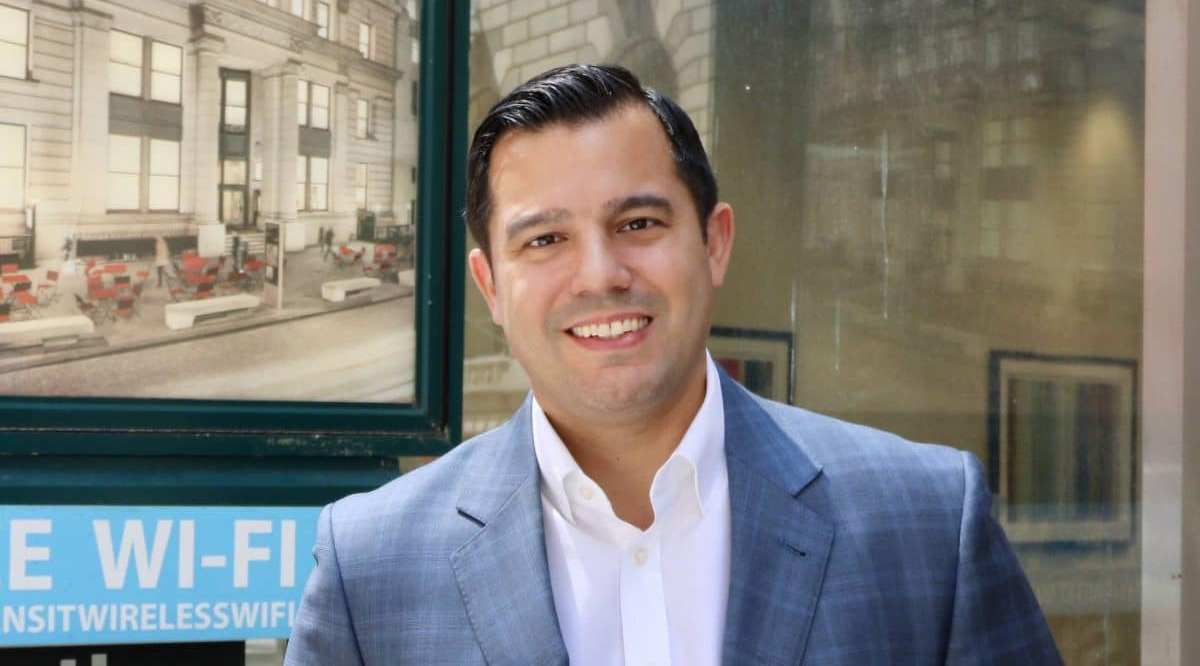
The moves follow client requests for more control over borrowed funds, according to Mahesh Sethuraman, Saxo's Singapore CEO.
- Saxo Bank Japan Broadens European Stock Offering, Including UBS and Ferrari
- Why Retail Traders Trust the Wall Street More Than Their Own Stock Markets: Saxo Survey
- Saxo Australia Will Rebrand to Totality Next Month
"We are constantly listening to our clients and evolving our platform," Sethuraman said. The changes "will provide greater flexibility, transparency, and strategic control, whether clients are looking to amplify their buying power or optimize dividend income."
This is another product update following Saxo’s introduction of fractional share trading in June. The service covers more than 1,000 instruments across multiple asset classes, allowing clients to buy partial units of high-priced stocks with limited capital.
Singapore Push After Hong Kong Exit
The product rollout comes 15 months after Saxo shut its Hong Kong and Shanghai offices, citing "geopolitical changes" that made the former British colony less attractive. The firm posted a $4.3 million loss from Hong Kong operations in 2023 before pulling out in September last year.
The margin lending accounts work by creating a separate "Margin Lending" section within each client profile. Traders can borrow against their existing holdings to buy stocks, ETFs, bonds and stock options. The segregation means leveraged bets won't mix with unleveraged positions in account statements.
Saxo revamped its collateral structure to offer different leverage ratios based on asset risk levels. Securities rated between risk levels 2 and 5 now qualify for improved borrowing capacity, though the firm didn't specify exact percentages in its announcement.
The partial stop-out mechanism marks a bigger operational shift. Previously, Saxo would liquidate an entire margin account if collateral values dropped below minimum requirements. Now the platform sells only enough positions to restore compliance, leaving remaining holdings intact.
How Does It Work?
Margin lending lets investors borrow money secured by their portfolio to increase position sizes. A client with $5,000 cash could borrow $15,000 to buy $20,000 worth of dividend-paying stock, according to Saxo's calculations. Using a 3.02% interest rate and 5.5% dividend yield, the leveraged position would generate $647 in net income versus $275 without borrowing - a 12.94% effective yield .
The math assumes SORA rates stay near 2.02%, which Saxo used as a benchmark in late June. The firm adds a 1% markup for VIP-tier clients, though retail borrowers likely pay more. Rising rates or falling stock prices can quickly erase the dividend advantage and trigger forced selling.
According to a report published in early December, Saxo Bank reached 1.5 million clients, and its 2024 profits grew by nearly 300 percent to DKK 1.005 million.