Benchmark Rates and FX Probe Grab Attention at FCA Public Talk
Thursday,17/07/2014|19:30GMTby
Adil Siddiqui
The FCA held its first annual meeting since the 2012 regulatory overhaul. Its chairman has vowed protecting the British consumer and promoting free competition, while promising new FX probe findings in 2015
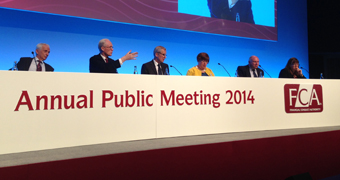
The UK financial watchdog's first annual public meeting since taking over from the former FSA, was a session of knowledge sharing, updates and Q&A. FCA executives gave an overview on key issues impacting the market, from the longstanding Libor rates investigations which evolved to the FX probes and the gold fixing crisis.
The firm’s chairman, John Griffith-Jones and CEO Martin Wheatly, provided insight into the regulator's approach in meeting its three key objectives: Securing an appropriate degree of protection for consumers, protecting and enhancing the integrity of the UK financial system and promoting effective competition in the interests of consumers.
Mr. Wheatly discussed the watchdog's main field of involvement in the financial markets, the benchmark setting, saying during his speech: “From a wholesale perspective, we have carried out considerable work on benchmarking rates.”
Libor benchmark rates were classified as a regulated activity following on from the Wheatley Review, issued in September 2012.
The FCA has been working with global organisation, IOSCO, to ensure benchmarks are consistent with principles that have been administered. The new measures laid out include: Stopping certain currencies and tenors, introducing a code of conduct for submitters, approving individuals to carry out new controlled functions of the submitters and the administrator, and transferring administration to a new independent body – ICE Benchmark Administration Ltd (IBA), which took place on the 1st of February, 2014.
Financial institutions have been recently whipped by the FCA on similar grounds, in September 2013, ICAP was fined £14m, and in October 2013, the regulator hit Rabobank with a £105m penalty in relation to misconduct for LIBOR failings.
After the meeting, an FCA official commented about the FX fixing investigations, as reported by Reuters. The regulator is continuing its investigation and expects to report its findings in 2015. Earlier this month, the FCA launched a review of competition in the wholesale market, looking at the dynamics of the FX probes.
Online Monitoring
The FCA has been actively monitoring the workings of unregulated FX firms. The regulator has issued a number of warnings on its website, informing users about firms that claim to hold Regulation of known brands when they are actually a counterfeit site.
Its latest warning against an FX firm, BPEFX, was issued on the 4th of July on its website, "This is what we call a 'clone firm', and fraudsters usually use this tactic when contacting people out of the blue, so you should be especially wary if you have been cold called. They may use the name of the genuine firm, the 'firm reference number' (FRN) we have given the authorised firm or other details."
Since changing its approach, the organisation has been focused on creating a culture that focuses on treating customers fairly. Mr Griffith-Jones, the FCA's Chairman, commented in the Annual Report: “We are a ‘conduct’ regulator, this is what is new about the FCA. This focus rectifies any imbalance of the past and ensures we ask ourselves what would be in the consumer’s best interest.”
New Regulations
European regulators have been heavy-handed as they implement the OTC derivatives reforms, post G20 meeting in 2009. In Europe, regulated firms were faced with new reporting rules that came into force on the 1st of July.
Firms will see a large increase in the accounting data they need to report on to the regulator. The new rules fall under the Capital Requirements Directive and Capital Requirements Regulation, both new rulings are associated with the regulatory reporting frameworks known as Common Reporting (COREP).
A London-based compliance executive, commenting anonymously, spoke about his experience of the new reporting measures, saying: "COREP isn’t as tricky as EMIR but it is a function firms could certainly do without.” Under COREP, firms will be required to report data in a new format, XBRL.
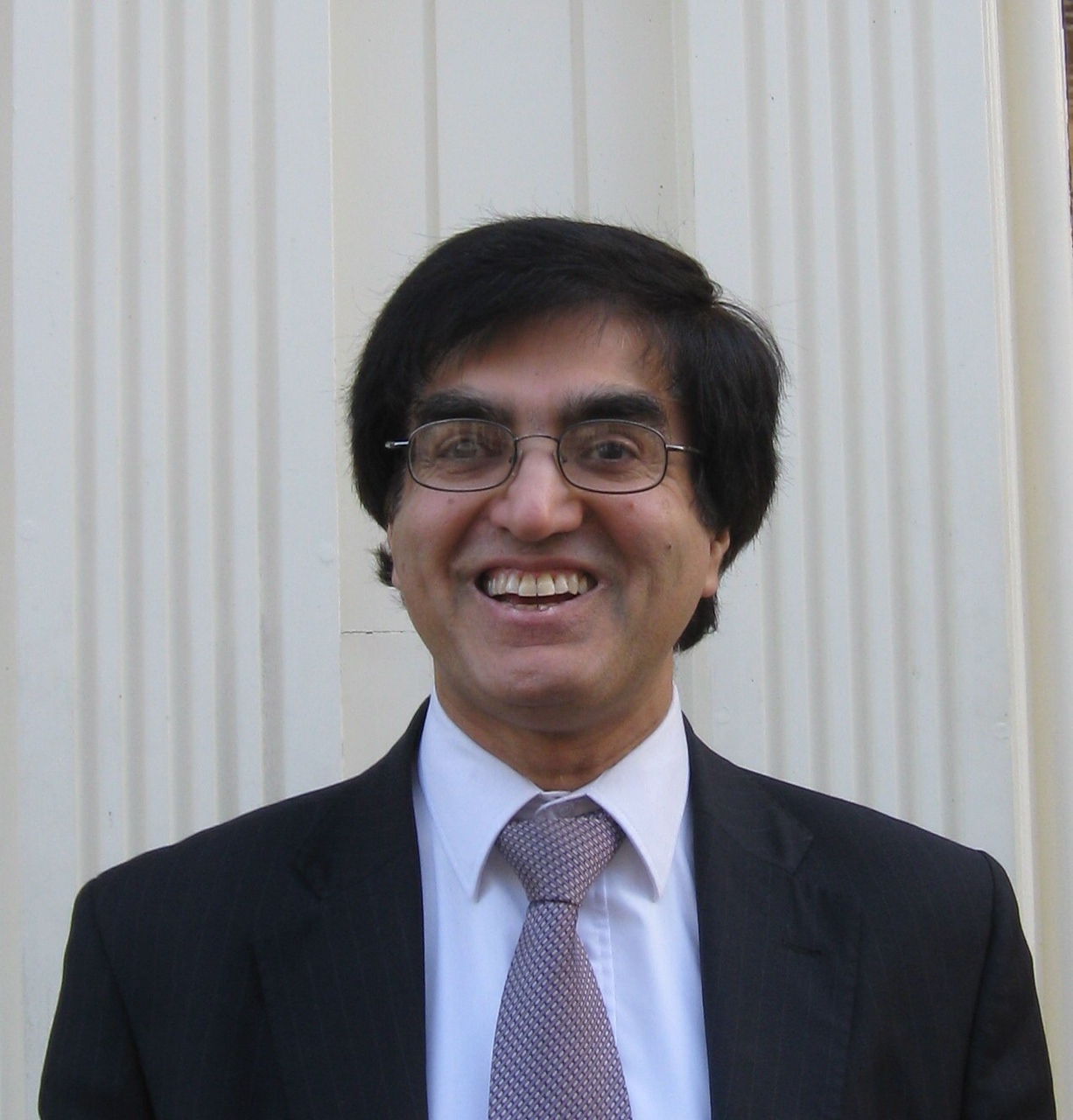
“The European regulatory environment is moving towards more governance and transparency, a good thing for the marketplace, when we thought we were out of the 2008 recession, it seems the rates and fixing issues are coming to haunt us,” explained Mazhar Manzoor, pictured, a UK-based compliance professional, in a comment to Forex Magnates.
The annual meeting saw FCA officials face tough questions from audience members in light of the scandals impacting the market.
The UK financial watchdog's first annual public meeting since taking over from the former FSA, was a session of knowledge sharing, updates and Q&A. FCA executives gave an overview on key issues impacting the market, from the longstanding Libor rates investigations which evolved to the FX probes and the gold fixing crisis.
The firm’s chairman, John Griffith-Jones and CEO Martin Wheatly, provided insight into the regulator's approach in meeting its three key objectives: Securing an appropriate degree of protection for consumers, protecting and enhancing the integrity of the UK financial system and promoting effective competition in the interests of consumers.
Mr. Wheatly discussed the watchdog's main field of involvement in the financial markets, the benchmark setting, saying during his speech: “From a wholesale perspective, we have carried out considerable work on benchmarking rates.”
Libor benchmark rates were classified as a regulated activity following on from the Wheatley Review, issued in September 2012.
The FCA has been working with global organisation, IOSCO, to ensure benchmarks are consistent with principles that have been administered. The new measures laid out include: Stopping certain currencies and tenors, introducing a code of conduct for submitters, approving individuals to carry out new controlled functions of the submitters and the administrator, and transferring administration to a new independent body – ICE Benchmark Administration Ltd (IBA), which took place on the 1st of February, 2014.
Financial institutions have been recently whipped by the FCA on similar grounds, in September 2013, ICAP was fined £14m, and in October 2013, the regulator hit Rabobank with a £105m penalty in relation to misconduct for LIBOR failings.
After the meeting, an FCA official commented about the FX fixing investigations, as reported by Reuters. The regulator is continuing its investigation and expects to report its findings in 2015. Earlier this month, the FCA launched a review of competition in the wholesale market, looking at the dynamics of the FX probes.
Online Monitoring
The FCA has been actively monitoring the workings of unregulated FX firms. The regulator has issued a number of warnings on its website, informing users about firms that claim to hold Regulation of known brands when they are actually a counterfeit site.
Its latest warning against an FX firm, BPEFX, was issued on the 4th of July on its website, "This is what we call a 'clone firm', and fraudsters usually use this tactic when contacting people out of the blue, so you should be especially wary if you have been cold called. They may use the name of the genuine firm, the 'firm reference number' (FRN) we have given the authorised firm or other details."
Since changing its approach, the organisation has been focused on creating a culture that focuses on treating customers fairly. Mr Griffith-Jones, the FCA's Chairman, commented in the Annual Report: “We are a ‘conduct’ regulator, this is what is new about the FCA. This focus rectifies any imbalance of the past and ensures we ask ourselves what would be in the consumer’s best interest.”
New Regulations
European regulators have been heavy-handed as they implement the OTC derivatives reforms, post G20 meeting in 2009. In Europe, regulated firms were faced with new reporting rules that came into force on the 1st of July.
Firms will see a large increase in the accounting data they need to report on to the regulator. The new rules fall under the Capital Requirements Directive and Capital Requirements Regulation, both new rulings are associated with the regulatory reporting frameworks known as Common Reporting (COREP).
A London-based compliance executive, commenting anonymously, spoke about his experience of the new reporting measures, saying: "COREP isn’t as tricky as EMIR but it is a function firms could certainly do without.” Under COREP, firms will be required to report data in a new format, XBRL.
“The European regulatory environment is moving towards more governance and transparency, a good thing for the marketplace, when we thought we were out of the 2008 recession, it seems the rates and fixing issues are coming to haunt us,” explained Mazhar Manzoor, pictured, a UK-based compliance professional, in a comment to Forex Magnates.
The annual meeting saw FCA officials face tough questions from audience members in light of the scandals impacting the market.
Scope Prime Rolls Out 24/7 Gold CFD to All Institutional Clients
CMC Markets’ Artur Delijergijevs on Metals Demand, Volatility, & Stable Execution
CMC Markets’ Artur Delijergijevs on Metals Demand, Volatility, & Stable Execution
In this exclusive Executive Interview, Finance Magnates speaks with Artur Delijergijevs, Head of Systematic Market Making at CMC Markets, about the current state of metals demand and market volatility.
Delijergijevs offers a desk-level view on:
- Metals Demand: Why metals are seeing the strongest demand from both retail and institutional clients right now.
- The Safe-Haven Debate: Questioning whether gold still fits the classic safe-haven definition given large daily price movements.
- Volatile Market Prep: How a market-making desk prepares its systems and pricing for stressed market conditions and high-impact economic events.
- Hybrid Execution: Why the best execution model combines electronic speed with human relationship support, especially during volatility.
- AI in Workflow: Where CMC Markets is integrating machine learning for risk management and pricing, and the limitations of AI during stressed markets.
- Dubai's Role: The strategic importance of Dubai’s location for covering global trading sessions across Asia, Europe, and the US.
Watch to understand how CMC Markets maintains stable pricing and reliable execution quality in high-volatility environments.
#CMCmarkets #forex #metals #gold #trading #volatility #MarketMaking #iFXDubai #FinanceMagnates #Finance #Fintech #Execution #AlgorithmicTrading #RiskManagement
In this exclusive Executive Interview, Finance Magnates speaks with Artur Delijergijevs, Head of Systematic Market Making at CMC Markets, about the current state of metals demand and market volatility.
Delijergijevs offers a desk-level view on:
- Metals Demand: Why metals are seeing the strongest demand from both retail and institutional clients right now.
- The Safe-Haven Debate: Questioning whether gold still fits the classic safe-haven definition given large daily price movements.
- Volatile Market Prep: How a market-making desk prepares its systems and pricing for stressed market conditions and high-impact economic events.
- Hybrid Execution: Why the best execution model combines electronic speed with human relationship support, especially during volatility.
- AI in Workflow: Where CMC Markets is integrating machine learning for risk management and pricing, and the limitations of AI during stressed markets.
- Dubai's Role: The strategic importance of Dubai’s location for covering global trading sessions across Asia, Europe, and the US.
Watch to understand how CMC Markets maintains stable pricing and reliable execution quality in high-volatility environments.
#CMCmarkets #forex #metals #gold #trading #volatility #MarketMaking #iFXDubai #FinanceMagnates #Finance #Fintech #Execution #AlgorithmicTrading #RiskManagement
Finance Magnates Awards 2026 – Nominations Now Open
Finance Magnates Awards 2026 – Nominations Now Open
The Finance Magnates Awards 2026 nominations are now open. 🏆
From fintech innovators to leading brokers, this is where the finance industry celebrates its biggest achievements.
Winners will be announced at the Cyprus Gala Dinner on November 6, 2026.
Nominate your brand now.
https://awards.financemagnates.com/?utm_source=linkedin&utm_medium=video&utm_campaign=nominations-open
#FMAwards #FinanceMagnates #FintechAwards #Fintech #FinanceIndustry
The Finance Magnates Awards 2026 nominations are now open. 🏆
From fintech innovators to leading brokers, this is where the finance industry celebrates its biggest achievements.
Winners will be announced at the Cyprus Gala Dinner on November 6, 2026.
Nominate your brand now.
https://awards.financemagnates.com/?utm_source=linkedin&utm_medium=video&utm_campaign=nominations-open
#FMAwards #FinanceMagnates #FintechAwards #Fintech #FinanceIndustry
Finance Magnates Awards 2026 | Nominations Now Open 🏆#Fintech #FMAwards #TradingIndustry
Finance Magnates Awards 2026 | Nominations Now Open 🏆#Fintech #FMAwards #TradingIndustry
Lights on. Cameras ready. 🎬
Finance Magnates Awards 2026 nominations are now open. 🏆
#FMAwards #FinanceMagnates #FintechAwards #Fintech
Lights on. Cameras ready. 🎬
Finance Magnates Awards 2026 nominations are now open. 🏆
#FMAwards #FinanceMagnates #FintechAwards #Fintech
Exness sees trust as the key theme for growth in MENA Trading Growth for 2026
Exness sees trust as the key theme for growth in MENA Trading Growth for 2026
Mohammad Amer, Regional Commercial Director at Exness, sits down to discuss the booming MENA financial trading market. Find out why Dubai is key to the company's growth strategy, how a mobile-first generation is changing expectations, and why trust will be the defining theme for traders in 2026.
In this interview, you'll learn:
* Why Dubai and the MENA region are critical growth markets for fintech and online trading.
* How Exness is addressing the demands of mobile-first, younger traders through engineering, platform stability, and transparent conditions.
* The essential role local talent plays in providing a culturally relevant and compliant user experience.
* Mohammad Amer's outlook on the future of the online trading industry and why stronger controls and systems are necessary.
* Why "trust" isn't just a brand value, but has commercial value—and why he predicts 2026 will be the "Year of Trust."
Key Takeaways:
➡️ The MENA region is rapidly shaping global financial markets.
➡️ New traders expect stability, precise execution, and transparency.
➡️ Local expertise is key to regulatory compliance and user experience.
➡️ Future success belongs to firms capable of meeting rising standards across regulation and platform consistency.
Read the full article at: https://www.financemagnates.com/thought-leadership/exness-sees-trust-as-the-key-theme-for-growth-in-mena-trading-growth-for-2026/
#Exness #MENA #Trading #FinTech #Dubai #OnlineTrading #FinanceMagnates #MohammadAmer #Trust #MobileTrading
Mohammad Amer, Regional Commercial Director at Exness, sits down to discuss the booming MENA financial trading market. Find out why Dubai is key to the company's growth strategy, how a mobile-first generation is changing expectations, and why trust will be the defining theme for traders in 2026.
In this interview, you'll learn:
* Why Dubai and the MENA region are critical growth markets for fintech and online trading.
* How Exness is addressing the demands of mobile-first, younger traders through engineering, platform stability, and transparent conditions.
* The essential role local talent plays in providing a culturally relevant and compliant user experience.
* Mohammad Amer's outlook on the future of the online trading industry and why stronger controls and systems are necessary.
* Why "trust" isn't just a brand value, but has commercial value—and why he predicts 2026 will be the "Year of Trust."
Key Takeaways:
➡️ The MENA region is rapidly shaping global financial markets.
➡️ New traders expect stability, precise execution, and transparency.
➡️ Local expertise is key to regulatory compliance and user experience.
➡️ Future success belongs to firms capable of meeting rising standards across regulation and platform consistency.
Read the full article at: https://www.financemagnates.com/thought-leadership/exness-sees-trust-as-the-key-theme-for-growth-in-mena-trading-growth-for-2026/
#Exness #MENA #Trading #FinTech #Dubai #OnlineTrading #FinanceMagnates #MohammadAmer #Trust #MobileTrading
Paytiko CEO Razi Salih on Why Payment Orchestration is a MUST-HAVE for Brokers in 2026
Paytiko CEO Razi Salih on Why Payment Orchestration is a MUST-HAVE for Brokers in 2026
At iFX Expo Dubai, Finance Magnates spoke with Razi Salih, CEO at Paytiko, about the evolution of the payments ecosystem and why payment orchestration has shifted from an option to a necessity for brokers, prop firms, and exchanges.
Mr. Salih explains how global expansion, the need for deep localisation, and the sheer number of new payment methods, from instant banking to stablecoins, are driving this critical infrastructure shift.
#PaymentOrchestration #Fintech #Brokerage #TradingPayments #RaziSalih #Paytiko #iFXExpoDubai #Stablecoins #AIinFintech
At iFX Expo Dubai, Finance Magnates spoke with Razi Salih, CEO at Paytiko, about the evolution of the payments ecosystem and why payment orchestration has shifted from an option to a necessity for brokers, prop firms, and exchanges.
Mr. Salih explains how global expansion, the need for deep localisation, and the sheer number of new payment methods, from instant banking to stablecoins, are driving this critical infrastructure shift.
#PaymentOrchestration #Fintech #Brokerage #TradingPayments #RaziSalih #Paytiko #iFXExpoDubai #Stablecoins #AIinFintech