ASIC Warns on Crypto Platform Faking Macquarie Ties After 20 Takedowns Fail

Thursday, 19/11/2026 | 06:56 GMT by Damian Chmiel
  • The bank says QUFC Exchange used AI-generated videos of its executives to sell a partnership that does not exist.
  • It has been on the regulator’s alert list since September 2 and holds no Australian financial services license.
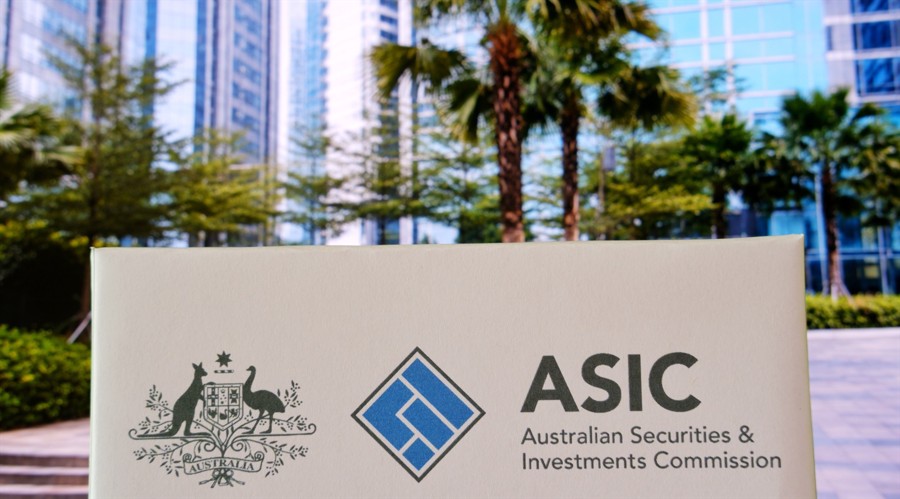
The logo of ASIC (Shutterstock)

The Australian Securities and Investments Commission (ASIC) today (Thursday) warned consumers against QUFC Exchange, a crypto trading platform it suspects falsely claimed a Macquarie partnership. QUFC Pty Ltd holds no Australian financial services license, the regulator said.

The warning follows 11 weeks of takedowns. ASIC added QUFC to its Moneysmart Investor Alert List on September 2, according to the International Organization of Securities Commissions (IOSCO) alert database.

Since then, ASIC has removed more than 20 websites linked to the platform, and new ones keep appearing, the regulator said.

That puts one platform's sites against a takedown program running at record volume. ASIC removed 7,051 fake investment platforms in the 2026 financial year, up 151% from a year earlier, yet QUFC kept replacing the pages that came down.

London's trading industry is coming home!

A Partnership the Bank Says Does Not Exist

According to ASIC, QUFC's promotional material puts the Macquarie brand next to its own and describes an official global authorization partnership. It also claims the platform complies with Australian law and can offer legal digital asset services worldwide.

Macquarie told the regulator it has no affiliation or commercial relationship with QUFC. Its own scam alert, posted in September, said the platform used the names, images and AI-generated videos of senior Macquarie executives in advertisements and documents.

"Macquarie is not affiliated with QUFC Exchange in any way," the bank said in the alert, adding that it would never use social media to ask customers to invest in a new crypto platform.

Bank executives have been used this way before. In April, New Zealand's Financial Markets Authority (FMA) said deepfakes had impersonated the chief executives of Kiwibank and Westpac in New Zealand to promote investment platforms.

ASIC said consumers could wrongly assume the platform is lawful and backed by an established Australian institution, and lose money as a result. QUFC promotes itself internationally through social media and several websites, it added.

The regulator has also published a notice on QUFC in its public warning notices register. In August, it issued a similar warning against Yepbit, a crypto and futures platform that falsely blamed ASIC for frozen withdrawals.

Borrowed Names Behind One in Five Alerts

Posing as a licensed firm is a common setup in ASIC's alert data. Since late 2023, about 20% of new Moneysmart alert listings have involved someone impersonating a licensee, an authorized representative or a registered company.

ASIC gave that figure in June, when it began publishing licensees' website addresses so consumers can check whether a site really belongs to a regulated firm.

Macquarie's alert page shows how often its own name is borrowed. Besides QUFC, it lists Macquarie-branded term deposit offers in August and fake fixed rate bonds in November, some carrying the Macquarie brand.

That makes three investment scams using the bank's name since August, by the bank's own list.

AI Raises the Stakes

Sarah Court, Chair at Australian Securities and Investments Commission (ASIC)

When ASIC released its annual takedown figures in August, ASIC Chairwoman Sarah Court pointed to the tools QUFC is accused of using. "AI is making investment scams more convincing and harder to detect," she said.

The regulator removed 11,964 phishing and investment-scam websites in calendar 2025, up 90% from 6,270 in 2024, FM Intelligence's analysis of ASIC figures shows. Crypto investment scams accounted for 3,106 of its FY26 removals, up almost 30% year over year.

Regulators elsewhere report the same pattern. Corporate and brand impersonation made up 85.1% of impersonation-related warnings from France's Autorité des marchés financiers (AMF) between 2010 and 2026.

Entries mentioning clone firms account for 258 of the 6,733 regulator actions logged in FM Intelligence's fines and warnings tracker as of November 13.

QUFC could not be reached for comment. The website address ASIC listed for the platform did not resolve today.

The Australian Securities and Investments Commission (ASIC) today (Thursday) warned consumers against QUFC Exchange, a crypto trading platform it suspects falsely claimed a Macquarie partnership. QUFC Pty Ltd holds no Australian financial services license, the regulator said.

The warning follows 11 weeks of takedowns. ASIC added QUFC to its Moneysmart Investor Alert List on September 2, according to the International Organization of Securities Commissions (IOSCO) alert database.

Since then, ASIC has removed more than 20 websites linked to the platform, and new ones keep appearing, the regulator said.

That puts one platform's sites against a takedown program running at record volume. ASIC removed 7,051 fake investment platforms in the 2026 financial year, up 151% from a year earlier, yet QUFC kept replacing the pages that came down.

London's trading industry is coming home!

A Partnership the Bank Says Does Not Exist

According to ASIC, QUFC's promotional material puts the Macquarie brand next to its own and describes an official global authorization partnership. It also claims the platform complies with Australian law and can offer legal digital asset services worldwide.

Macquarie told the regulator it has no affiliation or commercial relationship with QUFC. Its own scam alert, posted in September, said the platform used the names, images and AI-generated videos of senior Macquarie executives in advertisements and documents.

"Macquarie is not affiliated with QUFC Exchange in any way," the bank said in the alert, adding that it would never use social media to ask customers to invest in a new crypto platform.

Bank executives have been used this way before. In April, New Zealand's Financial Markets Authority (FMA) said deepfakes had impersonated the chief executives of Kiwibank and Westpac in New Zealand to promote investment platforms.

ASIC said consumers could wrongly assume the platform is lawful and backed by an established Australian institution, and lose money as a result. QUFC promotes itself internationally through social media and several websites, it added.

The regulator has also published a notice on QUFC in its public warning notices register. In August, it issued a similar warning against Yepbit, a crypto and futures platform that falsely blamed ASIC for frozen withdrawals.

Borrowed Names Behind One in Five Alerts

Posing as a licensed firm is a common setup in ASIC's alert data. Since late 2023, about 20% of new Moneysmart alert listings have involved someone impersonating a licensee, an authorized representative or a registered company.

ASIC gave that figure in June, when it began publishing licensees' website addresses so consumers can check whether a site really belongs to a regulated firm.

Macquarie's alert page shows how often its own name is borrowed. Besides QUFC, it lists Macquarie-branded term deposit offers in August and fake fixed rate bonds in November, some carrying the Macquarie brand.

That makes three investment scams using the bank's name since August, by the bank's own list.

AI Raises the Stakes

Sarah Court, Chair at Australian Securities and Investments Commission (ASIC)

When ASIC released its annual takedown figures in August, ASIC Chairwoman Sarah Court pointed to the tools QUFC is accused of using. "AI is making investment scams more convincing and harder to detect," she said.

The regulator removed 11,964 phishing and investment-scam websites in calendar 2025, up 90% from 6,270 in 2024, FM Intelligence's analysis of ASIC figures shows. Crypto investment scams accounted for 3,106 of its FY26 removals, up almost 30% year over year.

Regulators elsewhere report the same pattern. Corporate and brand impersonation made up 85.1% of impersonation-related warnings from France's Autorité des marchés financiers (AMF) between 2010 and 2026.

Entries mentioning clone firms account for 258 of the 6,733 regulator actions logged in FM Intelligence's fines and warnings tracker as of November 13.

QUFC could not be reached for comment. The website address ASIC listed for the platform did not resolve today.

About the Author: Damian Chmiel
Damian Chmiel
  • 4208 Articles
  • 120 Followers
About the Author: Damian Chmiel
Damian Chmiel is a Senior Analyst & Editor at Finance Magnates with more than 15 years of experience in the CFD and online trading industry. Active as both a trader and journalist since 2010, he focuses on broker coverage, fintech innovation, and regulatory developments across Europe, the Middle East, and Asia. His work includes interviews with C-level leaders at major brokerages and fintech platforms, as well as co-authoring Finance Magnates’ quarterly industry benchmarking reports. Damian’s reporting is data-driven, market-aware, and grounded in direct industry engagement. His analysis and commentary have also been cited by external media outlets, including Investing.com, Binance, The Asset, Stockhead, and Dispatch. Education: MA in Finance and Accounting, Cracow University of Economics
  • 4208 Articles
  • 120 Followers

More from the Author

Retail FX

!"#$%&'()*+,-./0123456789:;<=>?@ABCDEFGHIJKLMNOPQRSTUVWXYZ[\]^_`abcdefghijklmnopqrstuvwxyz{|} !"#$%&'()*+,-./0123456789:;<=>?@ABCDEFGHIJKLMNOPQRSTUVWXYZ[\]^_`abcdefghijklmnopqrstuvwxyz{|}