Paul Golden explores how AI-linked capital spending is distorting macro trends – and why power, water, and hype may prove limiting factors.
High-profile US credit defaults have prompted the BoE to examine systemic risks in private credit.
UK pension funds commit £50 billion to private assets over five years, seeking higher returns despite uneven growth.
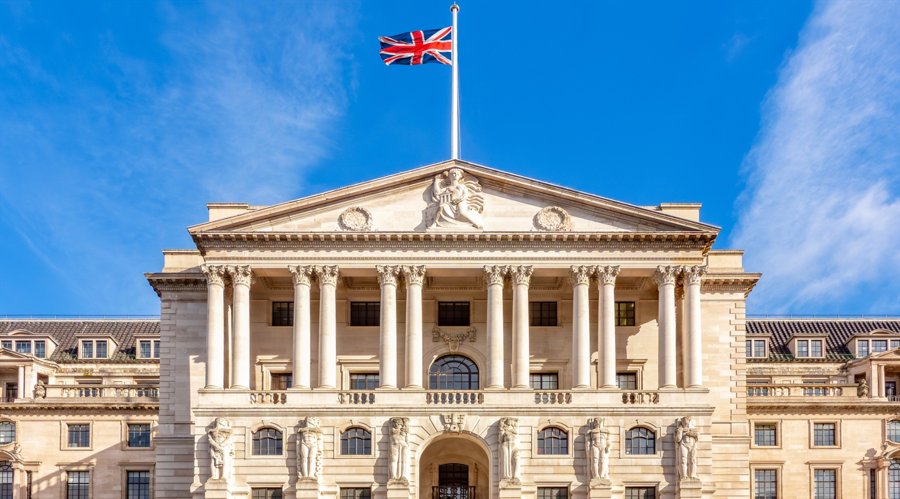
Bank of England in London
Are
AI stocks still an intelligent investment?
At
its October meeting, the Bank of England’s financial policy committee noted
that measures of risk premia across many asset classes had tightened since
June.
It
concluded that equity market valuations appear stretched on a number of
measures “particularly for technology companies focused on artificial intelligence”
and that when combined with increasing concentration within market indices, this
“leaves equity markets particularly exposed should expectations around the
impact of AI become less optimistic.”
The
committee is also not alone in expressing concern around concentration of US
equities, with the five largest companies on the S&P 500 now accounting for
almost 30% of market share – the highest level since the mid-1980s.
Parallels
have been drawn with market conditions prior to the dotcom crash at the end of
the last century, particularly the sharp rise in tech stock valuations and
speculative trading as well as the extensive use of circular financing – of
which vendor financing was a key feature in the late 1990s.
As
with most tech sector stocks, AI company valuations are based on expectations
of future adoption. Many investors remain confident that when it comes to
artificial intelligence, Amara’s law (that the effect of a technology is
overestimated in the short run and underestimated in the longer term) will come
to pass.
Here we see that breadth has collapsed since the last earnings season in the summer, but the market magically moved higher due to increasing concentration.
And the same thing happened at the last top in February as well.
There
are significant potential obstacles to these valuations being realised though. Competition
could increase and constraints on resources such as power and water could hold
back infrastructure development, while new models for delivering services could
render some of the anticipated infrastructure requirements obsolete.
However,
there will still be winners and it should be noted that some of the biggest
names in this space have heavyweight backers. There is also a sense among
market veterans that investment is much more focused on companies with a solid
businesses model than it was at the height of the dotcom boom.
With
a September report from JP Morgan noting that AI-related capital expenditure was
a more significant factor than consumer spending in US GDP growth that month, maybe
investors should just strap and enjoy the ride.
24-hour
party people
In
an increasingly interconnected world, enabling round-the-clock stock trading
has long seemed like a logical progression.
Rachel Reeves, the UK's Chancellor of the Exchequer, Source: Wikipedia
National
securities exchanges including NYSE, Nasdaq and CBOE intend to follow suit and in
March, DTCC subsidiary National Securities Clearing Corporation announced that
it would increase clearing hours to support extended trading with
implementation targeted for the second quarter of 2026.
These
organisations are looking to tap into demand for longer trading hours from
investors in regions where traditional US market hours are not convenient as
well as from institutional investors who are not able to tap into the alternative
trading systems and retail brokerages that already offer round-the-clock
trading.
However,
there is recognition from industry groups of the need to allow market
participants to opt in or out of offering this extended window to their
clients, so that firms can invest in offering extended trading hours in a
manner commensurate with their business needs.
Then
there is the matter of volatility. In a low trading volume environment there is
greater scope for exaggerated price swings – which can create opportunities to
pick up stocks below true market value but also make it difficult to assess that
value.
There
is also the human factor. Trading is already stressful and if markets never
close, the risk of burnout will be that much higher. As my mother used to say,
you can’t put a price on your health.
BREAKING: The governor of the Bank of England, Andrew Bailey, has said that recent events in US private credit markets have worrying echoes of the sub-prime mortgage crisis in 2008
Over
recent months we have observed various instances of discord between the UK’s
most senior banker and the government’s chief finance minister, perhaps most
notably over the merits of a digital pound.
The
latest example relates to the equally contentious topic of private credit,
where high profile credit defaults in the US automotive sector have highlighted
concerns around high leverage, weak underwriting standards, opacity and complex
structures.
Andrew
Bailey, governor of the Bank of England, told a recent House of Lords committee
that the failure of First Brands and Tricolor could be indicative of a wider
malaise in the private credit market. He suggested that investors consider
whether these incidents are telling us something more fundamental about the
private credit sector.
Are 2008 Vibes Making a Comeback?
Something big might be brewing again… The Bank of England just issued a serious warning after the collapse of First Brands and Tricolor, saying these events could pose systemic risks to global markets.
The
Bank of England has said it will conduct a simulation to explore the
connections between the private credit market and other parts of the financial
system.
Meanwhile,
Rachel Reeves remains committed to making it easier for retail investors to get
access to long-term asset funds and by extension to asset classes such as
private credit.
The
UK chancellor has secured a commitment from 17 UK workplace pension providers
to invest £50 billion – a minimum of 10% of defined contribution default funds –
to private investments over the next five years, which includes private credit.
This aim of this initiative is to increase investment in private assets for
higher potential returns, with the hope of benefiting the UK economy and
pension holders.
Research
suggests growth in private investments will outpace that of public assets over
the coming years. However, that growth is likely to be uneven and some funds
feel that the market is unattractive at a time when interest rates are
relatively high.
Reeves
would love a rate cut ahead of next month’s budget – but that is yet another
area where government and central bank are not on the same page.
Are
AI stocks still an intelligent investment?
At
its October meeting, the Bank of England’s financial policy committee noted
that measures of risk premia across many asset classes had tightened since
June.
It
concluded that equity market valuations appear stretched on a number of
measures “particularly for technology companies focused on artificial intelligence”
and that when combined with increasing concentration within market indices, this
“leaves equity markets particularly exposed should expectations around the
impact of AI become less optimistic.”
The
committee is also not alone in expressing concern around concentration of US
equities, with the five largest companies on the S&P 500 now accounting for
almost 30% of market share – the highest level since the mid-1980s.
Parallels
have been drawn with market conditions prior to the dotcom crash at the end of
the last century, particularly the sharp rise in tech stock valuations and
speculative trading as well as the extensive use of circular financing – of
which vendor financing was a key feature in the late 1990s.
As
with most tech sector stocks, AI company valuations are based on expectations
of future adoption. Many investors remain confident that when it comes to
artificial intelligence, Amara’s law (that the effect of a technology is
overestimated in the short run and underestimated in the longer term) will come
to pass.
Here we see that breadth has collapsed since the last earnings season in the summer, but the market magically moved higher due to increasing concentration.
And the same thing happened at the last top in February as well.
There
are significant potential obstacles to these valuations being realised though. Competition
could increase and constraints on resources such as power and water could hold
back infrastructure development, while new models for delivering services could
render some of the anticipated infrastructure requirements obsolete.
However,
there will still be winners and it should be noted that some of the biggest
names in this space have heavyweight backers. There is also a sense among
market veterans that investment is much more focused on companies with a solid
businesses model than it was at the height of the dotcom boom.
With
a September report from JP Morgan noting that AI-related capital expenditure was
a more significant factor than consumer spending in US GDP growth that month, maybe
investors should just strap and enjoy the ride.
24-hour
party people
In
an increasingly interconnected world, enabling round-the-clock stock trading
has long seemed like a logical progression.
Rachel Reeves, the UK's Chancellor of the Exchequer, Source: Wikipedia
National
securities exchanges including NYSE, Nasdaq and CBOE intend to follow suit and in
March, DTCC subsidiary National Securities Clearing Corporation announced that
it would increase clearing hours to support extended trading with
implementation targeted for the second quarter of 2026.
These
organisations are looking to tap into demand for longer trading hours from
investors in regions where traditional US market hours are not convenient as
well as from institutional investors who are not able to tap into the alternative
trading systems and retail brokerages that already offer round-the-clock
trading.
However,
there is recognition from industry groups of the need to allow market
participants to opt in or out of offering this extended window to their
clients, so that firms can invest in offering extended trading hours in a
manner commensurate with their business needs.
Then
there is the matter of volatility. In a low trading volume environment there is
greater scope for exaggerated price swings – which can create opportunities to
pick up stocks below true market value but also make it difficult to assess that
value.
There
is also the human factor. Trading is already stressful and if markets never
close, the risk of burnout will be that much higher. As my mother used to say,
you can’t put a price on your health.
BREAKING: The governor of the Bank of England, Andrew Bailey, has said that recent events in US private credit markets have worrying echoes of the sub-prime mortgage crisis in 2008
Over
recent months we have observed various instances of discord between the UK’s
most senior banker and the government’s chief finance minister, perhaps most
notably over the merits of a digital pound.
The
latest example relates to the equally contentious topic of private credit,
where high profile credit defaults in the US automotive sector have highlighted
concerns around high leverage, weak underwriting standards, opacity and complex
structures.
Andrew
Bailey, governor of the Bank of England, told a recent House of Lords committee
that the failure of First Brands and Tricolor could be indicative of a wider
malaise in the private credit market. He suggested that investors consider
whether these incidents are telling us something more fundamental about the
private credit sector.
Are 2008 Vibes Making a Comeback?
Something big might be brewing again… The Bank of England just issued a serious warning after the collapse of First Brands and Tricolor, saying these events could pose systemic risks to global markets.
The
Bank of England has said it will conduct a simulation to explore the
connections between the private credit market and other parts of the financial
system.
Meanwhile,
Rachel Reeves remains committed to making it easier for retail investors to get
access to long-term asset funds and by extension to asset classes such as
private credit.
The
UK chancellor has secured a commitment from 17 UK workplace pension providers
to invest £50 billion – a minimum of 10% of defined contribution default funds –
to private investments over the next five years, which includes private credit.
This aim of this initiative is to increase investment in private assets for
higher potential returns, with the hope of benefiting the UK economy and
pension holders.
Research
suggests growth in private investments will outpace that of public assets over
the coming years. However, that growth is likely to be uneven and some funds
feel that the market is unattractive at a time when interest rates are
relatively high.
Reeves
would love a rate cut ahead of next month’s budget – but that is yet another
area where government and central bank are not on the same page.
Paul Golden is an experienced freelance financial journalist with a strong institutional background. Over the past two decades, he has written for globally recognised financial publications, covering topics such as market structure, regulation, trading behaviour, and economic policy.
42% of Swiss Financial Firms Have No Digital Fraud Policy, FINMA Finds
Featured Videos
FP Markets Winner Spotlight 🏆 | Global Broker of the Year 2025 #Trading #Broker #Innovation #Shorts
FP Markets Winner Spotlight 🏆 | Global Broker of the Year 2025 #Trading #Broker #Innovation #Shorts
FP Markets Winner Spotlight 🏆 | Global Broker of the Year 2025 #Trading #Broker #Innovation #Shorts
FP Markets Winner Spotlight 🏆 | Global Broker of the Year 2025 #Trading #Broker #Innovation #Shorts
FP Markets takes the spotlight as Global Broker of the Year 2025 at the Finance Magnates Awards.
Martin Stoilov, Head of Client Experience, shares that trust, innovation, and people played a key role in the company’s success, supported by a strong foundation of integrity and client-centricity.
Following this milestone, FP Markets continues to focus on growth, technology investment, and its core values of transparency and excellence.
👉 Be part of FM Awards 2026: https://awards.financemagnates.com/#nominate
FP Markets takes the spotlight as Global Broker of the Year 2025 at the Finance Magnates Awards.
Martin Stoilov, Head of Client Experience, shares that trust, innovation, and people played a key role in the company’s success, supported by a strong foundation of integrity and client-centricity.
Following this milestone, FP Markets continues to focus on growth, technology investment, and its core values of transparency and excellence.
👉 Be part of FM Awards 2026: https://awards.financemagnates.com/#nominate
FP Markets takes the spotlight as Global Broker of the Year 2025 at the Finance Magnates Awards.
Martin Stoilov, Head of Client Experience, shares that trust, innovation, and people played a key role in the company’s success, supported by a strong foundation of integrity and client-centricity.
Following this milestone, FP Markets continues to focus on growth, technology investment, and its core values of transparency and excellence.
👉 Be part of FM Awards 2026: https://awards.financemagnates.com/#nominate
FP Markets takes the spotlight as Global Broker of the Year 2025 at the Finance Magnates Awards.
Martin Stoilov, Head of Client Experience, shares that trust, innovation, and people played a key role in the company’s success, supported by a strong foundation of integrity and client-centricity.
Following this milestone, FP Markets continues to focus on growth, technology investment, and its core values of transparency and excellence.
👉 Be part of FM Awards 2026: https://awards.financemagnates.com/#nominate
In this video, we review @HolaPrimeMarketsOfficial, a multi-asset forex and CFDs broker offering different account types, trading platforms, and flexible trading conditions.
We cover the broker’s overall offering, including account options, trading environment, platforms like MT4 and MT5, and additional services such as managed accounts and fast withdrawals.
Watch the full video to see if Hola Prime Markets fits your trading needs.
📣 Stay up to date with the latest in finance and trading. Follow Finance Magnates for industry news, insights, and global event coverage.
Connect with us:
🔗 LinkedIn: /financemagnates
👍 Facebook: /financemagnates
📸 Instagram: https://www.instagram.com/financemagnates
🐦 X: https://x.com/financemagnates
🎥 TikTok: https://www.tiktok.com/tag/financemagnates
▶️ YouTube: /@financemagnates_official
#HolaPrime #ForexBroker #CFDTrading #FinanceMagnates #Trading #Forex #BrokerReview
In this video, we review @HolaPrimeMarketsOfficial, a multi-asset forex and CFDs broker offering different account types, trading platforms, and flexible trading conditions.
We cover the broker’s overall offering, including account options, trading environment, platforms like MT4 and MT5, and additional services such as managed accounts and fast withdrawals.
Watch the full video to see if Hola Prime Markets fits your trading needs.
📣 Stay up to date with the latest in finance and trading. Follow Finance Magnates for industry news, insights, and global event coverage.
Connect with us:
🔗 LinkedIn: /financemagnates
👍 Facebook: /financemagnates
📸 Instagram: https://www.instagram.com/financemagnates
🐦 X: https://x.com/financemagnates
🎥 TikTok: https://www.tiktok.com/tag/financemagnates
▶️ YouTube: /@financemagnates_official
#HolaPrime #ForexBroker #CFDTrading #FinanceMagnates #Trading #Forex #BrokerReview
In this video, we review @HolaPrimeMarketsOfficial, a multi-asset forex and CFDs broker offering different account types, trading platforms, and flexible trading conditions.
We cover the broker’s overall offering, including account options, trading environment, platforms like MT4 and MT5, and additional services such as managed accounts and fast withdrawals.
Watch the full video to see if Hola Prime Markets fits your trading needs.
📣 Stay up to date with the latest in finance and trading. Follow Finance Magnates for industry news, insights, and global event coverage.
Connect with us:
🔗 LinkedIn: /financemagnates
👍 Facebook: /financemagnates
📸 Instagram: https://www.instagram.com/financemagnates
🐦 X: https://x.com/financemagnates
🎥 TikTok: https://www.tiktok.com/tag/financemagnates
▶️ YouTube: /@financemagnates_official
#HolaPrime #ForexBroker #CFDTrading #FinanceMagnates #Trading #Forex #BrokerReview
In this video, we review @HolaPrimeMarketsOfficial, a multi-asset forex and CFDs broker offering different account types, trading platforms, and flexible trading conditions.
We cover the broker’s overall offering, including account options, trading environment, platforms like MT4 and MT5, and additional services such as managed accounts and fast withdrawals.
Watch the full video to see if Hola Prime Markets fits your trading needs.
📣 Stay up to date with the latest in finance and trading. Follow Finance Magnates for industry news, insights, and global event coverage.
Connect with us:
🔗 LinkedIn: /financemagnates
👍 Facebook: /financemagnates
📸 Instagram: https://www.instagram.com/financemagnates
🐦 X: https://x.com/financemagnates
🎥 TikTok: https://www.tiktok.com/tag/financemagnates
▶️ YouTube: /@financemagnates_official
#HolaPrime #ForexBroker #CFDTrading #FinanceMagnates #Trading #Forex #BrokerReview
In this video, we review @HolaPrimeMarketsOfficial, a multi-asset forex and CFDs broker offering different account types, trading platforms, and flexible trading conditions.
We cover the broker’s overall offering, including account options, trading environment, platforms like MT4 and MT5, and additional services such as managed accounts and fast withdrawals.
Watch the full video to see if Hola Prime Markets fits your trading needs.
📣 Stay up to date with the latest in finance and trading. Follow Finance Magnates for industry news, insights, and global event coverage.
Connect with us:
🔗 LinkedIn: /financemagnates
👍 Facebook: /financemagnates
📸 Instagram: https://www.instagram.com/financemagnates
🐦 X: https://x.com/financemagnates
🎥 TikTok: https://www.tiktok.com/tag/financemagnates
▶️ YouTube: /@financemagnates_official
#HolaPrime #ForexBroker #CFDTrading #FinanceMagnates #Trading #Forex #BrokerReview
In this video, we review @HolaPrimeMarketsOfficial, a multi-asset forex and CFDs broker offering different account types, trading platforms, and flexible trading conditions.
We cover the broker’s overall offering, including account options, trading environment, platforms like MT4 and MT5, and additional services such as managed accounts and fast withdrawals.
Watch the full video to see if Hola Prime Markets fits your trading needs.
📣 Stay up to date with the latest in finance and trading. Follow Finance Magnates for industry news, insights, and global event coverage.
Connect with us:
🔗 LinkedIn: /financemagnates
👍 Facebook: /financemagnates
📸 Instagram: https://www.instagram.com/financemagnates
🐦 X: https://x.com/financemagnates
🎥 TikTok: https://www.tiktok.com/tag/financemagnates
▶️ YouTube: /@financemagnates_official
#HolaPrime #ForexBroker #CFDTrading #FinanceMagnates #Trading #Forex #BrokerReview
Hola Prime Review: What You Need to Know | Full Breakdown by Finance Magnates
Hola Prime Review: What You Need to Know | Full Breakdown by Finance Magnates
Hola Prime Review: What You Need to Know | Full Breakdown by Finance Magnates
Hola Prime Review: What You Need to Know | Full Breakdown by Finance Magnates
Hola Prime Review: What You Need to Know | Full Breakdown by Finance Magnates
Hola Prime Review: What You Need to Know | Full Breakdown by Finance Magnates
In this video, we review @HolaPrime_Global, a proprietary trading firm offering evaluation programs and performance-based payouts in simulated market environments.
We cover how the challenge model works, including account types, profit splits (up to 95%), trading rules, and what it takes to reach a funded account. You’ll also learn about available platforms like MT4, MT5, cTrader, and more, along with insights into payouts, support, and trading conditions.
Watch the full video to see if Hola Prime fits your trading style.
📣 Stay up to date with the latest in finance and trading. Follow Finance Magnates for industry news, insights, and global event coverage.
Connect with us:
🔗 LinkedIn: /financemagnates
👍 Facebook: /financemagnates
📸 Instagram: https://www.instagram.com/financemagnates
🐦 X: https://x.com/financemagnates
🎥 TikTok: https://www.tiktok.com/tag/financemagnates
▶️ YouTube: /@financemagnates_official
#HolaPrime #PropFirm #Trading #FinanceMagnates #Forex #FuturesTrading #TradingReview #PropFirmReview
In this video, we review @HolaPrime_Global, a proprietary trading firm offering evaluation programs and performance-based payouts in simulated market environments.
We cover how the challenge model works, including account types, profit splits (up to 95%), trading rules, and what it takes to reach a funded account. You’ll also learn about available platforms like MT4, MT5, cTrader, and more, along with insights into payouts, support, and trading conditions.
Watch the full video to see if Hola Prime fits your trading style.
📣 Stay up to date with the latest in finance and trading. Follow Finance Magnates for industry news, insights, and global event coverage.
Connect with us:
🔗 LinkedIn: /financemagnates
👍 Facebook: /financemagnates
📸 Instagram: https://www.instagram.com/financemagnates
🐦 X: https://x.com/financemagnates
🎥 TikTok: https://www.tiktok.com/tag/financemagnates
▶️ YouTube: /@financemagnates_official
#HolaPrime #PropFirm #Trading #FinanceMagnates #Forex #FuturesTrading #TradingReview #PropFirmReview
In this video, we review @HolaPrime_Global, a proprietary trading firm offering evaluation programs and performance-based payouts in simulated market environments.
We cover how the challenge model works, including account types, profit splits (up to 95%), trading rules, and what it takes to reach a funded account. You’ll also learn about available platforms like MT4, MT5, cTrader, and more, along with insights into payouts, support, and trading conditions.
Watch the full video to see if Hola Prime fits your trading style.
📣 Stay up to date with the latest in finance and trading. Follow Finance Magnates for industry news, insights, and global event coverage.
Connect with us:
🔗 LinkedIn: /financemagnates
👍 Facebook: /financemagnates
📸 Instagram: https://www.instagram.com/financemagnates
🐦 X: https://x.com/financemagnates
🎥 TikTok: https://www.tiktok.com/tag/financemagnates
▶️ YouTube: /@financemagnates_official
#HolaPrime #PropFirm #Trading #FinanceMagnates #Forex #FuturesTrading #TradingReview #PropFirmReview
In this video, we review @HolaPrime_Global, a proprietary trading firm offering evaluation programs and performance-based payouts in simulated market environments.
We cover how the challenge model works, including account types, profit splits (up to 95%), trading rules, and what it takes to reach a funded account. You’ll also learn about available platforms like MT4, MT5, cTrader, and more, along with insights into payouts, support, and trading conditions.
Watch the full video to see if Hola Prime fits your trading style.
📣 Stay up to date with the latest in finance and trading. Follow Finance Magnates for industry news, insights, and global event coverage.
Connect with us:
🔗 LinkedIn: /financemagnates
👍 Facebook: /financemagnates
📸 Instagram: https://www.instagram.com/financemagnates
🐦 X: https://x.com/financemagnates
🎥 TikTok: https://www.tiktok.com/tag/financemagnates
▶️ YouTube: /@financemagnates_official
#HolaPrime #PropFirm #Trading #FinanceMagnates #Forex #FuturesTrading #TradingReview #PropFirmReview
In this video, we review @HolaPrime_Global, a proprietary trading firm offering evaluation programs and performance-based payouts in simulated market environments.
We cover how the challenge model works, including account types, profit splits (up to 95%), trading rules, and what it takes to reach a funded account. You’ll also learn about available platforms like MT4, MT5, cTrader, and more, along with insights into payouts, support, and trading conditions.
Watch the full video to see if Hola Prime fits your trading style.
📣 Stay up to date with the latest in finance and trading. Follow Finance Magnates for industry news, insights, and global event coverage.
Connect with us:
🔗 LinkedIn: /financemagnates
👍 Facebook: /financemagnates
📸 Instagram: https://www.instagram.com/financemagnates
🐦 X: https://x.com/financemagnates
🎥 TikTok: https://www.tiktok.com/tag/financemagnates
▶️ YouTube: /@financemagnates_official
#HolaPrime #PropFirm #Trading #FinanceMagnates #Forex #FuturesTrading #TradingReview #PropFirmReview
In this video, we review @HolaPrime_Global, a proprietary trading firm offering evaluation programs and performance-based payouts in simulated market environments.
We cover how the challenge model works, including account types, profit splits (up to 95%), trading rules, and what it takes to reach a funded account. You’ll also learn about available platforms like MT4, MT5, cTrader, and more, along with insights into payouts, support, and trading conditions.
Watch the full video to see if Hola Prime fits your trading style.
📣 Stay up to date with the latest in finance and trading. Follow Finance Magnates for industry news, insights, and global event coverage.
Connect with us:
🔗 LinkedIn: /financemagnates
👍 Facebook: /financemagnates
📸 Instagram: https://www.instagram.com/financemagnates
🐦 X: https://x.com/financemagnates
🎥 TikTok: https://www.tiktok.com/tag/financemagnates
▶️ YouTube: /@financemagnates_official
#HolaPrime #PropFirm #Trading #FinanceMagnates #Forex #FuturesTrading #TradingReview #PropFirmReview
Axi Winner Spotlight 🏆 | Global Most Innovative Broker 2025 #Innovation #Trading #Fintech #Broker
Axi Winner Spotlight 🏆 | Global Most Innovative Broker 2025 #Innovation #Trading #Fintech #Broker
Axi Winner Spotlight 🏆 | Global Most Innovative Broker 2025 #Innovation #Trading #Fintech #Broker
Axi Winner Spotlight 🏆 | Global Most Innovative Broker 2025 #Innovation #Trading #Fintech #Broker
Axi Winner Spotlight 🏆 | Global Most Innovative Broker 2025 #Innovation #Trading #Fintech #Broker
Axi Winner Spotlight 🏆 | Global Most Innovative Broker 2025 #Innovation #Trading #Fintech #Broker
Axi takes the spotlight at the Finance Magnates Awards, winning Global Most Innovative Broker 2025.
Olivia Xenofontos and Ivanna Openko share how the team will feel: proud, motivated, and ready to keep delivering.
They also describe the night as well-organized, focused, and enjoyable for all.
👉 Be part of FM Awards 2026.
Axi takes the spotlight at the Finance Magnates Awards, winning Global Most Innovative Broker 2025.
Olivia Xenofontos and Ivanna Openko share how the team will feel: proud, motivated, and ready to keep delivering.
They also describe the night as well-organized, focused, and enjoyable for all.
👉 Be part of FM Awards 2026.
Axi takes the spotlight at the Finance Magnates Awards, winning Global Most Innovative Broker 2025.
Olivia Xenofontos and Ivanna Openko share how the team will feel: proud, motivated, and ready to keep delivering.
They also describe the night as well-organized, focused, and enjoyable for all.
👉 Be part of FM Awards 2026.
Axi takes the spotlight at the Finance Magnates Awards, winning Global Most Innovative Broker 2025.
Olivia Xenofontos and Ivanna Openko share how the team will feel: proud, motivated, and ready to keep delivering.
They also describe the night as well-organized, focused, and enjoyable for all.
👉 Be part of FM Awards 2026.
Axi takes the spotlight at the Finance Magnates Awards, winning Global Most Innovative Broker 2025.
Olivia Xenofontos and Ivanna Openko share how the team will feel: proud, motivated, and ready to keep delivering.
They also describe the night as well-organized, focused, and enjoyable for all.
👉 Be part of FM Awards 2026.
Axi takes the spotlight at the Finance Magnates Awards, winning Global Most Innovative Broker 2025.
Olivia Xenofontos and Ivanna Openko share how the team will feel: proud, motivated, and ready to keep delivering.
They also describe the night as well-organized, focused, and enjoyable for all.
👉 Be part of FM Awards 2026.
Recognition that matters.
Built on transparency.
Driven by the industry.
The Finance Magnates Awards 2026.
Nominations are now open.
🔗 https://awards.financemagnates.com/?utm_source=SM&utm_medium=social&utm_campaign=recognition-matters
Recognition that matters.
Built on transparency.
Driven by the industry.
The Finance Magnates Awards 2026.
Nominations are now open.
🔗 https://awards.financemagnates.com/?utm_source=SM&utm_medium=social&utm_campaign=recognition-matters
Recognition that matters.
Built on transparency.
Driven by the industry.
The Finance Magnates Awards 2026.
Nominations are now open.
🔗 https://awards.financemagnates.com/?utm_source=SM&utm_medium=social&utm_campaign=recognition-matters
Recognition that matters.
Built on transparency.
Driven by the industry.
The Finance Magnates Awards 2026.
Nominations are now open.
🔗 https://awards.financemagnates.com/?utm_source=SM&utm_medium=social&utm_campaign=recognition-matters
Recognition that matters.
Built on transparency.
Driven by the industry.
The Finance Magnates Awards 2026.
Nominations are now open.
🔗 https://awards.financemagnates.com/?utm_source=SM&utm_medium=social&utm_campaign=recognition-matters
Recognition that matters.
Built on transparency.
Driven by the industry.
The Finance Magnates Awards 2026.
Nominations are now open.
🔗 https://awards.financemagnates.com/?utm_source=SM&utm_medium=social&utm_campaign=recognition-matters