Similar to competitors, the broker introduced interest on uninvested funds this year.
However, the terms initially stated that passive and inactive clients might not receive interest payments.
Retail
trading firms and CFD brokers have recently begun offering their clients
interest on uninvested funds. London-based Trading 212 introduced a similar
offer in May, encouraging clients to engage in passive investing.
As it
turned out, the terms included a clause stating that the company reserved the
right to suspend interest payments for inactive clients. In the latest update
to the Invest terms, this unfavorable term has been removed.
Passive Investing in
Trading 212 Only for Active Clients
Record-high
interest rates have led many savers and investors to avoid risk, preferring to
keep their money in bank accounts and earning several percentage points in
interest.
To meet
this demand and retain clients, retail trading firms began offering interest on
uninvested cash. Among them was XTB, which in November 2023 offered up to 5% on
idle client deposits. BidX and Webull later joined with similar offers.
Trading 212
introduced a similar solution in May, along with a multi-currency payment card,
likely aiming to diversify revenue streams and keep clients on board. The new
product offered up to 5.2% interest on uninvested money deposited in trading
accounts.
However,
the offer had a catch. Trading 212's “Invest
Terms” reserved the right to suspend interest payments with immediate
effect. The company cited the need to ensure it operated within its regulatory
permissions.
“15.3.
To ensure that we act within the scope of our regulatory permissions, in order
to be eligible to receive Interest on Cash in accordance with this Clause 15.,
you must actively engage in trading activities through your Account or Stocks
ISA Account with us. For Accounts that are not actively trading, we reserve the
right, at our sole discretion, to suspend any interest payment to you with
immediate effect and we will notify you.”
The change
takes effect on October 4, 2024, so within the next month.
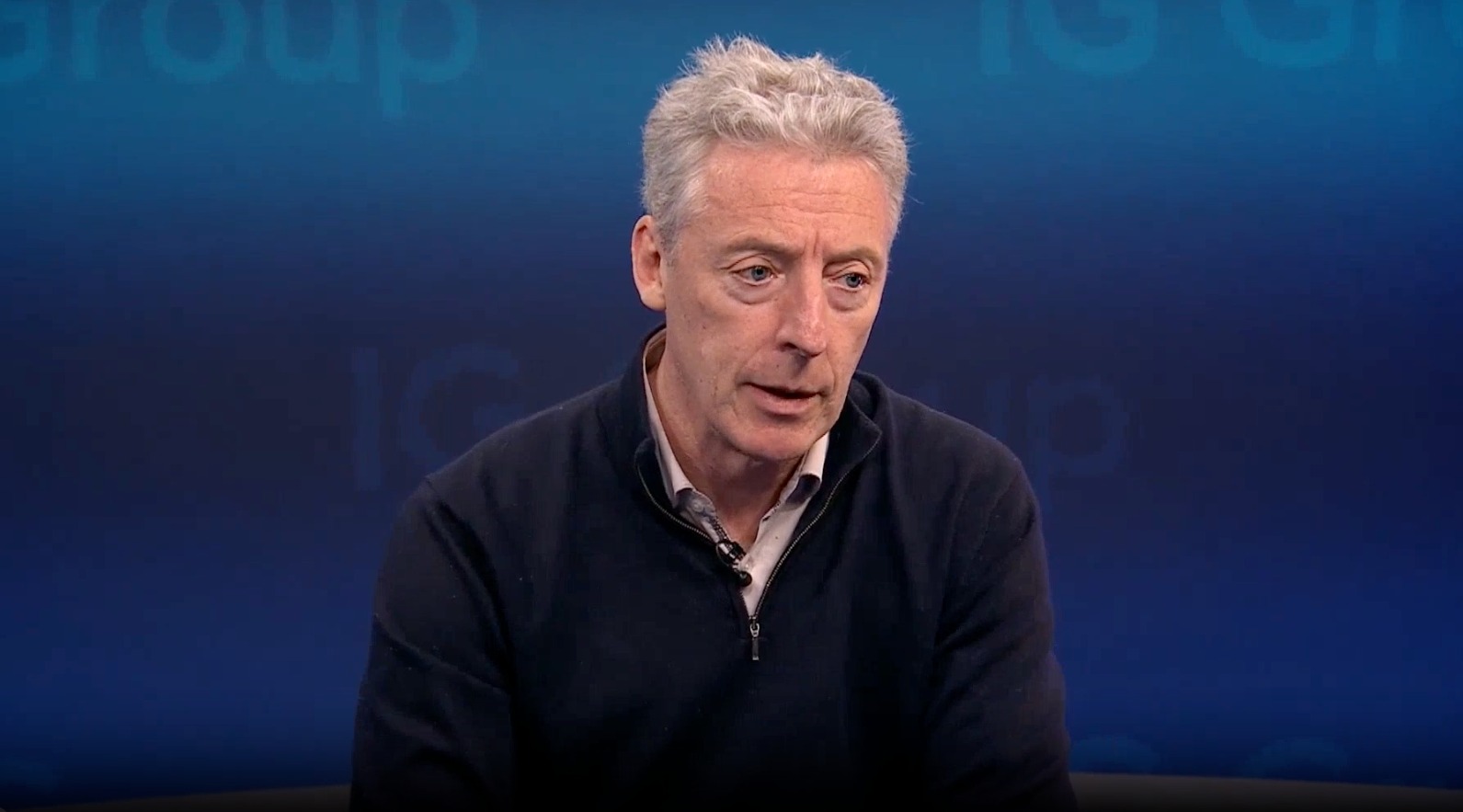
Mukid Chowdhury, the CEO of Trading 212
In response to a question about the change asked by Finance Magnates, Mukid Chowdhury, the Group's Chief Executive Officer, responded: “The removal of the clause related to the suspension of
interest payments is part of our ongoing effort to simplify and improve
transparency in our terms and conditions. We strive to ensure that our terms
are clear and beneficial to our clients, and this change reflects our
commitment to providing a more straightforward and customer-friendly
experience.”
Acquisition, New License,
and “Eaten Gains”
Trading 212
has been busy lately. Last month, the CFD company acquired FXFlat Bank GmbH as
part of its expansion into the German market. This acquisition aims to provide
German investors access to Trading 212's commission-free investment platform,
which promises to disrupt traditional brokerage models in the UK and Europe.
Earlier in
June, the company obtained a cryptocurrency license in Cyprus, becoming an
official crypto asset service provider (CASP). According to the Cyprus
Securities and Exchange Commission (CySEC) register, the CASP license was
granted to a local entity called Trading 212 Crypto Ltd on May 20, 2024. This
newly formed entity is separate from Trading 212 Markets Ltd, which holds a
Cyprus Investment Firm (CIF) license.
In May, the
London-based broker published its results for the previous year, showing that
the UK subsidiary experienced a slowdown in revenue and profit growth in 2023.
The brokerage operator reported a 3% decrease in revenue and a 28% decrease in
pre-tax profits over the year.
The
company's profits were affected by increased administrative costs, which rose
by 45% to £71.2 million due to intensified marketing efforts. The firm resumed
marketing activities in the last quarter of 2022 and spent over £7.4 million on
research and development.
Retail
trading firms and CFD brokers have recently begun offering their clients
interest on uninvested funds. London-based Trading 212 introduced a similar
offer in May, encouraging clients to engage in passive investing.
As it
turned out, the terms included a clause stating that the company reserved the
right to suspend interest payments for inactive clients. In the latest update
to the Invest terms, this unfavorable term has been removed.
Passive Investing in
Trading 212 Only for Active Clients
Record-high
interest rates have led many savers and investors to avoid risk, preferring to
keep their money in bank accounts and earning several percentage points in
interest.
To meet
this demand and retain clients, retail trading firms began offering interest on
uninvested cash. Among them was XTB, which in November 2023 offered up to 5% on
idle client deposits. BidX and Webull later joined with similar offers.
Trading 212
introduced a similar solution in May, along with a multi-currency payment card,
likely aiming to diversify revenue streams and keep clients on board. The new
product offered up to 5.2% interest on uninvested money deposited in trading
accounts.
However,
the offer had a catch. Trading 212's “Invest
Terms” reserved the right to suspend interest payments with immediate
effect. The company cited the need to ensure it operated within its regulatory
permissions.
“15.3.
To ensure that we act within the scope of our regulatory permissions, in order
to be eligible to receive Interest on Cash in accordance with this Clause 15.,
you must actively engage in trading activities through your Account or Stocks
ISA Account with us. For Accounts that are not actively trading, we reserve the
right, at our sole discretion, to suspend any interest payment to you with
immediate effect and we will notify you.”
The change
takes effect on October 4, 2024, so within the next month.
Mukid Chowdhury, the CEO of Trading 212
In response to a question about the change asked by Finance Magnates, Mukid Chowdhury, the Group's Chief Executive Officer, responded: “The removal of the clause related to the suspension of
interest payments is part of our ongoing effort to simplify and improve
transparency in our terms and conditions. We strive to ensure that our terms
are clear and beneficial to our clients, and this change reflects our
commitment to providing a more straightforward and customer-friendly
experience.”
Acquisition, New License,
and “Eaten Gains”
Trading 212
has been busy lately. Last month, the CFD company acquired FXFlat Bank GmbH as
part of its expansion into the German market. This acquisition aims to provide
German investors access to Trading 212's commission-free investment platform,
which promises to disrupt traditional brokerage models in the UK and Europe.
Earlier in
June, the company obtained a cryptocurrency license in Cyprus, becoming an
official crypto asset service provider (CASP). According to the Cyprus
Securities and Exchange Commission (CySEC) register, the CASP license was
granted to a local entity called Trading 212 Crypto Ltd on May 20, 2024. This
newly formed entity is separate from Trading 212 Markets Ltd, which holds a
Cyprus Investment Firm (CIF) license.
In May, the
London-based broker published its results for the previous year, showing that
the UK subsidiary experienced a slowdown in revenue and profit growth in 2023.
The brokerage operator reported a 3% decrease in revenue and a 28% decrease in
pre-tax profits over the year.
The
company's profits were affected by increased administrative costs, which rose
by 45% to £71.2 million due to intensified marketing efforts. The firm resumed
marketing activities in the last quarter of 2022 and spent over £7.4 million on
research and development.
Damian Chmiel is a Senior Analyst & Editor at Finance Magnates with more than 15 years of experience in the CFD and online trading industry. Active as both a trader and journalist since 2010, he focuses on broker coverage, fintech innovation, and regulatory developments across Europe, the Middle East, and Asia.
His work includes interviews with C-level leaders at major brokerages and fintech platforms, as well as co-authoring Finance Magnates’ quarterly industry benchmarking reports. Damian’s reporting is data-driven, market-aware, and grounded in direct industry engagement. His analysis and commentary have also been cited by external media outlets, including Investing.com, Binance, The Asset, Stockhead, and Dispatch.
Education:
MA in Finance and Accounting, Cracow University of Economics
Italy’s Consob Tightens Net on AI-Fueled Scams With Fresh Website Bans
FP Markets Winner Spotlight 🏆 | Global Broker of the Year 2025 #Trading #Broker #Innovation #Shorts
FP Markets Winner Spotlight 🏆 | Global Broker of the Year 2025 #Trading #Broker #Innovation #Shorts
FP Markets takes the spotlight as Global Broker of the Year 2025 at the Finance Magnates Awards.
Martin Stoilov, Head of Client Experience, shares that trust, innovation, and people played a key role in the company’s success, supported by a strong foundation of integrity and client-centricity.
Following this milestone, FP Markets continues to focus on growth, technology investment, and its core values of transparency and excellence.
👉 Be part of FM Awards 2026: https://awards.financemagnates.com/#nominate
FP Markets takes the spotlight as Global Broker of the Year 2025 at the Finance Magnates Awards.
Martin Stoilov, Head of Client Experience, shares that trust, innovation, and people played a key role in the company’s success, supported by a strong foundation of integrity and client-centricity.
Following this milestone, FP Markets continues to focus on growth, technology investment, and its core values of transparency and excellence.
👉 Be part of FM Awards 2026: https://awards.financemagnates.com/#nominate
In this video, we review @HolaPrimeMarketsOfficial, a multi-asset forex and CFDs broker offering different account types, trading platforms, and flexible trading conditions.
We cover the broker’s overall offering, including account options, trading environment, platforms like MT4 and MT5, and additional services such as managed accounts and fast withdrawals.
Watch the full video to see if Hola Prime Markets fits your trading needs.
📣 Stay up to date with the latest in finance and trading. Follow Finance Magnates for industry news, insights, and global event coverage.
Connect with us:
🔗 LinkedIn: /financemagnates
👍 Facebook: /financemagnates
📸 Instagram: https://www.instagram.com/financemagnates
🐦 X: https://x.com/financemagnates
🎥 TikTok: https://www.tiktok.com/tag/financemagnates
▶️ YouTube: /@financemagnates_official
#HolaPrime #ForexBroker #CFDTrading #FinanceMagnates #Trading #Forex #BrokerReview
In this video, we review @HolaPrimeMarketsOfficial, a multi-asset forex and CFDs broker offering different account types, trading platforms, and flexible trading conditions.
We cover the broker’s overall offering, including account options, trading environment, platforms like MT4 and MT5, and additional services such as managed accounts and fast withdrawals.
Watch the full video to see if Hola Prime Markets fits your trading needs.
📣 Stay up to date with the latest in finance and trading. Follow Finance Magnates for industry news, insights, and global event coverage.
Connect with us:
🔗 LinkedIn: /financemagnates
👍 Facebook: /financemagnates
📸 Instagram: https://www.instagram.com/financemagnates
🐦 X: https://x.com/financemagnates
🎥 TikTok: https://www.tiktok.com/tag/financemagnates
▶️ YouTube: /@financemagnates_official
#HolaPrime #ForexBroker #CFDTrading #FinanceMagnates #Trading #Forex #BrokerReview
Hola Prime Review: What You Need to Know | Full Breakdown by Finance Magnates
Hola Prime Review: What You Need to Know | Full Breakdown by Finance Magnates
In this video, we review @HolaPrime_Global, a proprietary trading firm offering evaluation programs and performance-based payouts in simulated market environments.
We cover how the challenge model works, including account types, profit splits (up to 95%), trading rules, and what it takes to reach a funded account. You’ll also learn about available platforms like MT4, MT5, cTrader, and more, along with insights into payouts, support, and trading conditions.
Watch the full video to see if Hola Prime fits your trading style.
📣 Stay up to date with the latest in finance and trading. Follow Finance Magnates for industry news, insights, and global event coverage.
Connect with us:
🔗 LinkedIn: /financemagnates
👍 Facebook: /financemagnates
📸 Instagram: https://www.instagram.com/financemagnates
🐦 X: https://x.com/financemagnates
🎥 TikTok: https://www.tiktok.com/tag/financemagnates
▶️ YouTube: /@financemagnates_official
#HolaPrime #PropFirm #Trading #FinanceMagnates #Forex #FuturesTrading #TradingReview #PropFirmReview
In this video, we review @HolaPrime_Global, a proprietary trading firm offering evaluation programs and performance-based payouts in simulated market environments.
We cover how the challenge model works, including account types, profit splits (up to 95%), trading rules, and what it takes to reach a funded account. You’ll also learn about available platforms like MT4, MT5, cTrader, and more, along with insights into payouts, support, and trading conditions.
Watch the full video to see if Hola Prime fits your trading style.
📣 Stay up to date with the latest in finance and trading. Follow Finance Magnates for industry news, insights, and global event coverage.
Connect with us:
🔗 LinkedIn: /financemagnates
👍 Facebook: /financemagnates
📸 Instagram: https://www.instagram.com/financemagnates
🐦 X: https://x.com/financemagnates
🎥 TikTok: https://www.tiktok.com/tag/financemagnates
▶️ YouTube: /@financemagnates_official
#HolaPrime #PropFirm #Trading #FinanceMagnates #Forex #FuturesTrading #TradingReview #PropFirmReview
Axi Winner Spotlight 🏆 | Global Most Innovative Broker 2025 #Innovation #Trading #Fintech #Broker
Axi Winner Spotlight 🏆 | Global Most Innovative Broker 2025 #Innovation #Trading #Fintech #Broker
Axi takes the spotlight at the Finance Magnates Awards, winning Global Most Innovative Broker 2025.
Olivia Xenofontos and Ivanna Openko share how the team will feel: proud, motivated, and ready to keep delivering.
They also describe the night as well-organized, focused, and enjoyable for all.
👉 Be part of FM Awards 2026.
Axi takes the spotlight at the Finance Magnates Awards, winning Global Most Innovative Broker 2025.
Olivia Xenofontos and Ivanna Openko share how the team will feel: proud, motivated, and ready to keep delivering.
They also describe the night as well-organized, focused, and enjoyable for all.
👉 Be part of FM Awards 2026.
Recognition that matters.
Built on transparency.
Driven by the industry.
The Finance Magnates Awards 2026.
Nominations are now open.
🔗 https://awards.financemagnates.com/?utm_source=SM&utm_medium=social&utm_campaign=recognition-matters
Recognition that matters.
Built on transparency.
Driven by the industry.
The Finance Magnates Awards 2026.
Nominations are now open.
🔗 https://awards.financemagnates.com/?utm_source=SM&utm_medium=social&utm_campaign=recognition-matters