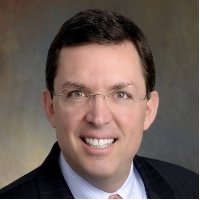
Forex Magnates discusses with GAIN Capital’s CEO, Glenn Stevens, why contrary to various media reports, the foreign exchange market isn’t much different and isn’t in anyway riskier than any other asset class.
It’s been a full two weeks of intense discussion of the foreign exchange industry, while still bracing for shocks in the aftermath of the Swiss National Bank disaster which hit the markets on January 15th.
Questions have been asked, and umbrellas opened after the rain started pouring by some regulators. Noisy reports across various mainstream media have highlighted the need for better oversight of an industry which allegedly resembles a casino. But the majority of those couldn’t have been more biased and even more misinformed.
While there have been a number of brokers who didn’t raise any alarm bells for their clients, GAIN Capital has been among the first to send a message to its clients that the Swiss franc deserves extra attention.
We asked Glenn Stevens how the company tackled the whole SNB debacle, and started from the beginning.
“For GAIN Capital, a lot of the work we had done was 6-9 months prior to the Swiss franc debacle. It all ultimately paid off in a positive fashion and now the important part is to assess how does the event impact the company moving forward,” he said.
Explaining the rationale behind the margin requirement increase, Mr. Stevens said, “Last summer when we saw more and more customers increase short CHF positions, we decided to make a move on the leverage. We didn't just chase the market and say our regulator says we can provide 1% to 2% leverage, we have been analyzing the situation in real-time and have increased it to 5%."
The above-mentioned action is contrary to what the media, pundits and regulators have been claiming all along - that no broker took action to protect its clients.
The Ten-Car Accident for the Forex Industry
Asked about the immediate reaction by press and regulators, Mr. Stevens said, “The backlash happens to sell well in the press when it becomes sensationalized and the industry deals with hundreds of millions of losses. Unfortunately, the recent collapse of a couple of companies has been a very public event, and was sizable enough for people to take notice of the situation.”
Using the perfect analogy, Mr. Stevens explained, “The reality is a ten-car accident gets more attention than a one-car accident on the highway. Nobody realizes that the one-car accident may have been way more serious, people do not look at the details.”
When you read the press stating how forex is an unsuitable product for the mass market, this is just uneducated and uninformed. Mr. Stevens clarified, “Only a few players lost the majority of their funds in many instances.”
If people speculate with such large amounts of money, then they have plenty of disposable income to take in similar investments such as real estate, stocks, etc. The subprime mortgage crisis in the U.S. proved that even the unthinkable can happen - bricks and mortar investments went south.
Speaking about the real repercussions of the SNB debacle, Mr. Stevens said, “The repercussions of the Swiss National Bank decision aren’t concentrated in the thousands of customers, but in hundreds of customers. If you read a lot of the negative press, you would think that hundreds of thousands of customers were affected by this.”
If Regulators Scrutinize Forex, They Should Scrutinize All Markets
One of the major news reports, which initially got ignored by mass media, was the fact that the majority of losses incurred by clients of Interactive Brokers were from futures trading. At the same time as the media was scrutinizing forex, dozens of bad trades went sour on the stock markets too.
The nature of any financial market is very simple - it's a zero sum game and when someone loses money, another party makes it. In the case of the retail investors who lost money in the forex market on Black Thursday, those numbers are marginal when compared to the broad market.
Mr. Stevens said, “If you took any time to look at the profile of losses at GAIN, Interactive Brokers or FXCM, you would come to the conclusion that there has been a marginal group of people who decided to put the short CHF trade and it didn’t work out.”
It was easy for a number of media outlets to get out there and say how risky or outright bad the forex market is. Some publications went as far as to say that using stop loss orders is some sort of a faulty market strategy.
Mr. Stevens best explained the issue with another analogy, “How is the EUR/CHF event any different from the following? A small group of traders on the equity market start backing up a biotech company which is supposed to get a new drug approved. The company announces that it is very likely to get this drug approved by the FDA, and in the end, a week before the regulatory decision the CEO of the firm comes out and voices his opinion that the drug is going to be approved. The market gets even longer and people start leveraging up on the trade and next week the FDA comes out and says - the drug is put on hold, due to side effects. The stock would collapse, but does this mean that people shouldn’t be trading stocks?”
Asked about the regulatory approach to the matter, Mr. Stevens added, “I’m concerned initially that there might be a reflux against the industry. We have seen it already with the U.S. regulator which came out with changes to margin requirements on a couple of currencies. That’s fine, but what would have been better is to get some input from companies and clients.”
“This shouldn't be a matter of an executive committee decision, as is the case with the NFA. There are no forex participants on the executive committee,” he added.
Conclusion
Contrary to what a recent Financial Times report suggests, in my career as a retail forex trader I have lost way more money due to not using a stop loss, than due to using one, so I reinstate that the media reports out there targeting certain brands and companies for simply running a forex broker are plain nonsense and factual misrepresentation.
The author of the article was also on the wrong side of the EUR/CHF trade in 2011, when the Swiss National Bank introduced the currency floor. Somehow I don’t feel vindicated after Black Thursday, because if there is anything that the market has taught me over the past ten years, it is that in the financial markets everything is possible.
This is the gist and the message that should be out there. Hardcore risk takers will always be rewarded with fat gains or extreme losses. The perpetuity of financial market cycles has been ongoing ever since their invention.
Instead on focusing on how to scrutinize an industry, we as a media should be focusing on how to reduce risks for traders... the subject for another article.
It’s been a full two weeks of intense discussion of the foreign exchange industry, while still bracing for shocks in the aftermath of the Swiss National Bank disaster which hit the markets on January 15th.
Questions have been asked, and umbrellas opened after the rain started pouring by some regulators. Noisy reports across various mainstream media have highlighted the need for better oversight of an industry which allegedly resembles a casino. But the majority of those couldn’t have been more biased and even more misinformed.
While there have been a number of brokers who didn’t raise any alarm bells for their clients, GAIN Capital has been among the first to send a message to its clients that the Swiss franc deserves extra attention.
We asked Glenn Stevens how the company tackled the whole SNB debacle, and started from the beginning.
“For GAIN Capital, a lot of the work we had done was 6-9 months prior to the Swiss franc debacle. It all ultimately paid off in a positive fashion and now the important part is to assess how does the event impact the company moving forward,” he said.
Explaining the rationale behind the margin requirement increase, Mr. Stevens said, “Last summer when we saw more and more customers increase short CHF positions, we decided to make a move on the leverage. We didn't just chase the market and say our regulator says we can provide 1% to 2% leverage, we have been analyzing the situation in real-time and have increased it to 5%."
The above-mentioned action is contrary to what the media, pundits and regulators have been claiming all along - that no broker took action to protect its clients.
The Ten-Car Accident for the Forex Industry
Asked about the immediate reaction by press and regulators, Mr. Stevens said, “The backlash happens to sell well in the press when it becomes sensationalized and the industry deals with hundreds of millions of losses. Unfortunately, the recent collapse of a couple of companies has been a very public event, and was sizable enough for people to take notice of the situation.”
Using the perfect analogy, Mr. Stevens explained, “The reality is a ten-car accident gets more attention than a one-car accident on the highway. Nobody realizes that the one-car accident may have been way more serious, people do not look at the details.”
When you read the press stating how forex is an unsuitable product for the mass market, this is just uneducated and uninformed. Mr. Stevens clarified, “Only a few players lost the majority of their funds in many instances.”
If people speculate with such large amounts of money, then they have plenty of disposable income to take in similar investments such as real estate, stocks, etc. The subprime mortgage crisis in the U.S. proved that even the unthinkable can happen - bricks and mortar investments went south.
Speaking about the real repercussions of the SNB debacle, Mr. Stevens said, “The repercussions of the Swiss National Bank decision aren’t concentrated in the thousands of customers, but in hundreds of customers. If you read a lot of the negative press, you would think that hundreds of thousands of customers were affected by this.”
If Regulators Scrutinize Forex, They Should Scrutinize All Markets
One of the major news reports, which initially got ignored by mass media, was the fact that the majority of losses incurred by clients of Interactive Brokers were from futures trading. At the same time as the media was scrutinizing forex, dozens of bad trades went sour on the stock markets too.
The nature of any financial market is very simple - it's a zero sum game and when someone loses money, another party makes it. In the case of the retail investors who lost money in the forex market on Black Thursday, those numbers are marginal when compared to the broad market.
Mr. Stevens said, “If you took any time to look at the profile of losses at GAIN, Interactive Brokers or FXCM, you would come to the conclusion that there has been a marginal group of people who decided to put the short CHF trade and it didn’t work out.”
It was easy for a number of media outlets to get out there and say how risky or outright bad the forex market is. Some publications went as far as to say that using stop loss orders is some sort of a faulty market strategy.
Mr. Stevens best explained the issue with another analogy, “How is the EUR/CHF event any different from the following? A small group of traders on the equity market start backing up a biotech company which is supposed to get a new drug approved. The company announces that it is very likely to get this drug approved by the FDA, and in the end, a week before the regulatory decision the CEO of the firm comes out and voices his opinion that the drug is going to be approved. The market gets even longer and people start leveraging up on the trade and next week the FDA comes out and says - the drug is put on hold, due to side effects. The stock would collapse, but does this mean that people shouldn’t be trading stocks?”
Asked about the regulatory approach to the matter, Mr. Stevens added, “I’m concerned initially that there might be a reflux against the industry. We have seen it already with the U.S. regulator which came out with changes to margin requirements on a couple of currencies. That’s fine, but what would have been better is to get some input from companies and clients.”
“This shouldn't be a matter of an executive committee decision, as is the case with the NFA. There are no forex participants on the executive committee,” he added.
Conclusion
Contrary to what a recent Financial Times report suggests, in my career as a retail forex trader I have lost way more money due to not using a stop loss, than due to using one, so I reinstate that the media reports out there targeting certain brands and companies for simply running a forex broker are plain nonsense and factual misrepresentation.
The author of the article was also on the wrong side of the EUR/CHF trade in 2011, when the Swiss National Bank introduced the currency floor. Somehow I don’t feel vindicated after Black Thursday, because if there is anything that the market has taught me over the past ten years, it is that in the financial markets everything is possible.
This is the gist and the message that should be out there. Hardcore risk takers will always be rewarded with fat gains or extreme losses. The perpetuity of financial market cycles has been ongoing ever since their invention.
Instead on focusing on how to scrutinize an industry, we as a media should be focusing on how to reduce risks for traders... the subject for another article.
Italy’s Consob Tightens Net on AI-Fueled Scams With Fresh Website Bans
Featured Videos
FP Markets Winner Spotlight 🏆 | Global Broker of the Year 2025 #Trading #Broker #Innovation #Shorts
FP Markets Winner Spotlight 🏆 | Global Broker of the Year 2025 #Trading #Broker #Innovation #Shorts
FP Markets Winner Spotlight 🏆 | Global Broker of the Year 2025 #Trading #Broker #Innovation #Shorts
FP Markets Winner Spotlight 🏆 | Global Broker of the Year 2025 #Trading #Broker #Innovation #Shorts
FP Markets takes the spotlight as Global Broker of the Year 2025 at the Finance Magnates Awards.
Martin Stoilov, Head of Client Experience, shares that trust, innovation, and people played a key role in the company’s success, supported by a strong foundation of integrity and client-centricity.
Following this milestone, FP Markets continues to focus on growth, technology investment, and its core values of transparency and excellence.
👉 Be part of FM Awards 2026: https://awards.financemagnates.com/#nominate
FP Markets takes the spotlight as Global Broker of the Year 2025 at the Finance Magnates Awards.
Martin Stoilov, Head of Client Experience, shares that trust, innovation, and people played a key role in the company’s success, supported by a strong foundation of integrity and client-centricity.
Following this milestone, FP Markets continues to focus on growth, technology investment, and its core values of transparency and excellence.
👉 Be part of FM Awards 2026: https://awards.financemagnates.com/#nominate
FP Markets takes the spotlight as Global Broker of the Year 2025 at the Finance Magnates Awards.
Martin Stoilov, Head of Client Experience, shares that trust, innovation, and people played a key role in the company’s success, supported by a strong foundation of integrity and client-centricity.
Following this milestone, FP Markets continues to focus on growth, technology investment, and its core values of transparency and excellence.
👉 Be part of FM Awards 2026: https://awards.financemagnates.com/#nominate
FP Markets takes the spotlight as Global Broker of the Year 2025 at the Finance Magnates Awards.
Martin Stoilov, Head of Client Experience, shares that trust, innovation, and people played a key role in the company’s success, supported by a strong foundation of integrity and client-centricity.
Following this milestone, FP Markets continues to focus on growth, technology investment, and its core values of transparency and excellence.
👉 Be part of FM Awards 2026: https://awards.financemagnates.com/#nominate
In this video, we review @HolaPrimeMarketsOfficial, a multi-asset forex and CFDs broker offering different account types, trading platforms, and flexible trading conditions.
We cover the broker’s overall offering, including account options, trading environment, platforms like MT4 and MT5, and additional services such as managed accounts and fast withdrawals.
Watch the full video to see if Hola Prime Markets fits your trading needs.
📣 Stay up to date with the latest in finance and trading. Follow Finance Magnates for industry news, insights, and global event coverage.
Connect with us:
🔗 LinkedIn: /financemagnates
👍 Facebook: /financemagnates
📸 Instagram: https://www.instagram.com/financemagnates
🐦 X: https://x.com/financemagnates
🎥 TikTok: https://www.tiktok.com/tag/financemagnates
▶️ YouTube: /@financemagnates_official
#HolaPrime #ForexBroker #CFDTrading #FinanceMagnates #Trading #Forex #BrokerReview
In this video, we review @HolaPrimeMarketsOfficial, a multi-asset forex and CFDs broker offering different account types, trading platforms, and flexible trading conditions.
We cover the broker’s overall offering, including account options, trading environment, platforms like MT4 and MT5, and additional services such as managed accounts and fast withdrawals.
Watch the full video to see if Hola Prime Markets fits your trading needs.
📣 Stay up to date with the latest in finance and trading. Follow Finance Magnates for industry news, insights, and global event coverage.
Connect with us:
🔗 LinkedIn: /financemagnates
👍 Facebook: /financemagnates
📸 Instagram: https://www.instagram.com/financemagnates
🐦 X: https://x.com/financemagnates
🎥 TikTok: https://www.tiktok.com/tag/financemagnates
▶️ YouTube: /@financemagnates_official
#HolaPrime #ForexBroker #CFDTrading #FinanceMagnates #Trading #Forex #BrokerReview
In this video, we review @HolaPrimeMarketsOfficial, a multi-asset forex and CFDs broker offering different account types, trading platforms, and flexible trading conditions.
We cover the broker’s overall offering, including account options, trading environment, platforms like MT4 and MT5, and additional services such as managed accounts and fast withdrawals.
Watch the full video to see if Hola Prime Markets fits your trading needs.
📣 Stay up to date with the latest in finance and trading. Follow Finance Magnates for industry news, insights, and global event coverage.
Connect with us:
🔗 LinkedIn: /financemagnates
👍 Facebook: /financemagnates
📸 Instagram: https://www.instagram.com/financemagnates
🐦 X: https://x.com/financemagnates
🎥 TikTok: https://www.tiktok.com/tag/financemagnates
▶️ YouTube: /@financemagnates_official
#HolaPrime #ForexBroker #CFDTrading #FinanceMagnates #Trading #Forex #BrokerReview
In this video, we review @HolaPrimeMarketsOfficial, a multi-asset forex and CFDs broker offering different account types, trading platforms, and flexible trading conditions.
We cover the broker’s overall offering, including account options, trading environment, platforms like MT4 and MT5, and additional services such as managed accounts and fast withdrawals.
Watch the full video to see if Hola Prime Markets fits your trading needs.
📣 Stay up to date with the latest in finance and trading. Follow Finance Magnates for industry news, insights, and global event coverage.
Connect with us:
🔗 LinkedIn: /financemagnates
👍 Facebook: /financemagnates
📸 Instagram: https://www.instagram.com/financemagnates
🐦 X: https://x.com/financemagnates
🎥 TikTok: https://www.tiktok.com/tag/financemagnates
▶️ YouTube: /@financemagnates_official
#HolaPrime #ForexBroker #CFDTrading #FinanceMagnates #Trading #Forex #BrokerReview
In this video, we review @HolaPrimeMarketsOfficial, a multi-asset forex and CFDs broker offering different account types, trading platforms, and flexible trading conditions.
We cover the broker’s overall offering, including account options, trading environment, platforms like MT4 and MT5, and additional services such as managed accounts and fast withdrawals.
Watch the full video to see if Hola Prime Markets fits your trading needs.
📣 Stay up to date with the latest in finance and trading. Follow Finance Magnates for industry news, insights, and global event coverage.
Connect with us:
🔗 LinkedIn: /financemagnates
👍 Facebook: /financemagnates
📸 Instagram: https://www.instagram.com/financemagnates
🐦 X: https://x.com/financemagnates
🎥 TikTok: https://www.tiktok.com/tag/financemagnates
▶️ YouTube: /@financemagnates_official
#HolaPrime #ForexBroker #CFDTrading #FinanceMagnates #Trading #Forex #BrokerReview
In this video, we review @HolaPrimeMarketsOfficial, a multi-asset forex and CFDs broker offering different account types, trading platforms, and flexible trading conditions.
We cover the broker’s overall offering, including account options, trading environment, platforms like MT4 and MT5, and additional services such as managed accounts and fast withdrawals.
Watch the full video to see if Hola Prime Markets fits your trading needs.
📣 Stay up to date with the latest in finance and trading. Follow Finance Magnates for industry news, insights, and global event coverage.
Connect with us:
🔗 LinkedIn: /financemagnates
👍 Facebook: /financemagnates
📸 Instagram: https://www.instagram.com/financemagnates
🐦 X: https://x.com/financemagnates
🎥 TikTok: https://www.tiktok.com/tag/financemagnates
▶️ YouTube: /@financemagnates_official
#HolaPrime #ForexBroker #CFDTrading #FinanceMagnates #Trading #Forex #BrokerReview
Hola Prime Review: What You Need to Know | Full Breakdown by Finance Magnates
Hola Prime Review: What You Need to Know | Full Breakdown by Finance Magnates
Hola Prime Review: What You Need to Know | Full Breakdown by Finance Magnates
Hola Prime Review: What You Need to Know | Full Breakdown by Finance Magnates
Hola Prime Review: What You Need to Know | Full Breakdown by Finance Magnates
Hola Prime Review: What You Need to Know | Full Breakdown by Finance Magnates
In this video, we review @HolaPrime_Global, a proprietary trading firm offering evaluation programs and performance-based payouts in simulated market environments.
We cover how the challenge model works, including account types, profit splits (up to 95%), trading rules, and what it takes to reach a funded account. You’ll also learn about available platforms like MT4, MT5, cTrader, and more, along with insights into payouts, support, and trading conditions.
Watch the full video to see if Hola Prime fits your trading style.
📣 Stay up to date with the latest in finance and trading. Follow Finance Magnates for industry news, insights, and global event coverage.
Connect with us:
🔗 LinkedIn: /financemagnates
👍 Facebook: /financemagnates
📸 Instagram: https://www.instagram.com/financemagnates
🐦 X: https://x.com/financemagnates
🎥 TikTok: https://www.tiktok.com/tag/financemagnates
▶️ YouTube: /@financemagnates_official
#HolaPrime #PropFirm #Trading #FinanceMagnates #Forex #FuturesTrading #TradingReview #PropFirmReview
In this video, we review @HolaPrime_Global, a proprietary trading firm offering evaluation programs and performance-based payouts in simulated market environments.
We cover how the challenge model works, including account types, profit splits (up to 95%), trading rules, and what it takes to reach a funded account. You’ll also learn about available platforms like MT4, MT5, cTrader, and more, along with insights into payouts, support, and trading conditions.
Watch the full video to see if Hola Prime fits your trading style.
📣 Stay up to date with the latest in finance and trading. Follow Finance Magnates for industry news, insights, and global event coverage.
Connect with us:
🔗 LinkedIn: /financemagnates
👍 Facebook: /financemagnates
📸 Instagram: https://www.instagram.com/financemagnates
🐦 X: https://x.com/financemagnates
🎥 TikTok: https://www.tiktok.com/tag/financemagnates
▶️ YouTube: /@financemagnates_official
#HolaPrime #PropFirm #Trading #FinanceMagnates #Forex #FuturesTrading #TradingReview #PropFirmReview
In this video, we review @HolaPrime_Global, a proprietary trading firm offering evaluation programs and performance-based payouts in simulated market environments.
We cover how the challenge model works, including account types, profit splits (up to 95%), trading rules, and what it takes to reach a funded account. You’ll also learn about available platforms like MT4, MT5, cTrader, and more, along with insights into payouts, support, and trading conditions.
Watch the full video to see if Hola Prime fits your trading style.
📣 Stay up to date with the latest in finance and trading. Follow Finance Magnates for industry news, insights, and global event coverage.
Connect with us:
🔗 LinkedIn: /financemagnates
👍 Facebook: /financemagnates
📸 Instagram: https://www.instagram.com/financemagnates
🐦 X: https://x.com/financemagnates
🎥 TikTok: https://www.tiktok.com/tag/financemagnates
▶️ YouTube: /@financemagnates_official
#HolaPrime #PropFirm #Trading #FinanceMagnates #Forex #FuturesTrading #TradingReview #PropFirmReview
In this video, we review @HolaPrime_Global, a proprietary trading firm offering evaluation programs and performance-based payouts in simulated market environments.
We cover how the challenge model works, including account types, profit splits (up to 95%), trading rules, and what it takes to reach a funded account. You’ll also learn about available platforms like MT4, MT5, cTrader, and more, along with insights into payouts, support, and trading conditions.
Watch the full video to see if Hola Prime fits your trading style.
📣 Stay up to date with the latest in finance and trading. Follow Finance Magnates for industry news, insights, and global event coverage.
Connect with us:
🔗 LinkedIn: /financemagnates
👍 Facebook: /financemagnates
📸 Instagram: https://www.instagram.com/financemagnates
🐦 X: https://x.com/financemagnates
🎥 TikTok: https://www.tiktok.com/tag/financemagnates
▶️ YouTube: /@financemagnates_official
#HolaPrime #PropFirm #Trading #FinanceMagnates #Forex #FuturesTrading #TradingReview #PropFirmReview
In this video, we review @HolaPrime_Global, a proprietary trading firm offering evaluation programs and performance-based payouts in simulated market environments.
We cover how the challenge model works, including account types, profit splits (up to 95%), trading rules, and what it takes to reach a funded account. You’ll also learn about available platforms like MT4, MT5, cTrader, and more, along with insights into payouts, support, and trading conditions.
Watch the full video to see if Hola Prime fits your trading style.
📣 Stay up to date with the latest in finance and trading. Follow Finance Magnates for industry news, insights, and global event coverage.
Connect with us:
🔗 LinkedIn: /financemagnates
👍 Facebook: /financemagnates
📸 Instagram: https://www.instagram.com/financemagnates
🐦 X: https://x.com/financemagnates
🎥 TikTok: https://www.tiktok.com/tag/financemagnates
▶️ YouTube: /@financemagnates_official
#HolaPrime #PropFirm #Trading #FinanceMagnates #Forex #FuturesTrading #TradingReview #PropFirmReview
In this video, we review @HolaPrime_Global, a proprietary trading firm offering evaluation programs and performance-based payouts in simulated market environments.
We cover how the challenge model works, including account types, profit splits (up to 95%), trading rules, and what it takes to reach a funded account. You’ll also learn about available platforms like MT4, MT5, cTrader, and more, along with insights into payouts, support, and trading conditions.
Watch the full video to see if Hola Prime fits your trading style.
📣 Stay up to date with the latest in finance and trading. Follow Finance Magnates for industry news, insights, and global event coverage.
Connect with us:
🔗 LinkedIn: /financemagnates
👍 Facebook: /financemagnates
📸 Instagram: https://www.instagram.com/financemagnates
🐦 X: https://x.com/financemagnates
🎥 TikTok: https://www.tiktok.com/tag/financemagnates
▶️ YouTube: /@financemagnates_official
#HolaPrime #PropFirm #Trading #FinanceMagnates #Forex #FuturesTrading #TradingReview #PropFirmReview
Axi Winner Spotlight 🏆 | Global Most Innovative Broker 2025 #Innovation #Trading #Fintech #Broker
Axi Winner Spotlight 🏆 | Global Most Innovative Broker 2025 #Innovation #Trading #Fintech #Broker
Axi Winner Spotlight 🏆 | Global Most Innovative Broker 2025 #Innovation #Trading #Fintech #Broker
Axi Winner Spotlight 🏆 | Global Most Innovative Broker 2025 #Innovation #Trading #Fintech #Broker
Axi Winner Spotlight 🏆 | Global Most Innovative Broker 2025 #Innovation #Trading #Fintech #Broker
Axi Winner Spotlight 🏆 | Global Most Innovative Broker 2025 #Innovation #Trading #Fintech #Broker
Axi takes the spotlight at the Finance Magnates Awards, winning Global Most Innovative Broker 2025.
Olivia Xenofontos and Ivanna Openko share how the team will feel: proud, motivated, and ready to keep delivering.
They also describe the night as well-organized, focused, and enjoyable for all.
👉 Be part of FM Awards 2026.
Axi takes the spotlight at the Finance Magnates Awards, winning Global Most Innovative Broker 2025.
Olivia Xenofontos and Ivanna Openko share how the team will feel: proud, motivated, and ready to keep delivering.
They also describe the night as well-organized, focused, and enjoyable for all.
👉 Be part of FM Awards 2026.
Axi takes the spotlight at the Finance Magnates Awards, winning Global Most Innovative Broker 2025.
Olivia Xenofontos and Ivanna Openko share how the team will feel: proud, motivated, and ready to keep delivering.
They also describe the night as well-organized, focused, and enjoyable for all.
👉 Be part of FM Awards 2026.
Axi takes the spotlight at the Finance Magnates Awards, winning Global Most Innovative Broker 2025.
Olivia Xenofontos and Ivanna Openko share how the team will feel: proud, motivated, and ready to keep delivering.
They also describe the night as well-organized, focused, and enjoyable for all.
👉 Be part of FM Awards 2026.
Axi takes the spotlight at the Finance Magnates Awards, winning Global Most Innovative Broker 2025.
Olivia Xenofontos and Ivanna Openko share how the team will feel: proud, motivated, and ready to keep delivering.
They also describe the night as well-organized, focused, and enjoyable for all.
👉 Be part of FM Awards 2026.
Axi takes the spotlight at the Finance Magnates Awards, winning Global Most Innovative Broker 2025.
Olivia Xenofontos and Ivanna Openko share how the team will feel: proud, motivated, and ready to keep delivering.
They also describe the night as well-organized, focused, and enjoyable for all.
👉 Be part of FM Awards 2026.
Recognition that matters.
Built on transparency.
Driven by the industry.
The Finance Magnates Awards 2026.
Nominations are now open.
🔗 https://awards.financemagnates.com/?utm_source=SM&utm_medium=social&utm_campaign=recognition-matters
Recognition that matters.
Built on transparency.
Driven by the industry.
The Finance Magnates Awards 2026.
Nominations are now open.
🔗 https://awards.financemagnates.com/?utm_source=SM&utm_medium=social&utm_campaign=recognition-matters
Recognition that matters.
Built on transparency.
Driven by the industry.
The Finance Magnates Awards 2026.
Nominations are now open.
🔗 https://awards.financemagnates.com/?utm_source=SM&utm_medium=social&utm_campaign=recognition-matters
Recognition that matters.
Built on transparency.
Driven by the industry.
The Finance Magnates Awards 2026.
Nominations are now open.
🔗 https://awards.financemagnates.com/?utm_source=SM&utm_medium=social&utm_campaign=recognition-matters
Recognition that matters.
Built on transparency.
Driven by the industry.
The Finance Magnates Awards 2026.
Nominations are now open.
🔗 https://awards.financemagnates.com/?utm_source=SM&utm_medium=social&utm_campaign=recognition-matters
Recognition that matters.
Built on transparency.
Driven by the industry.
The Finance Magnates Awards 2026.
Nominations are now open.
🔗 https://awards.financemagnates.com/?utm_source=SM&utm_medium=social&utm_campaign=recognition-matters