Catch up on the latest buzz and chatter from Hong Kong, at Asia's largest financial event.
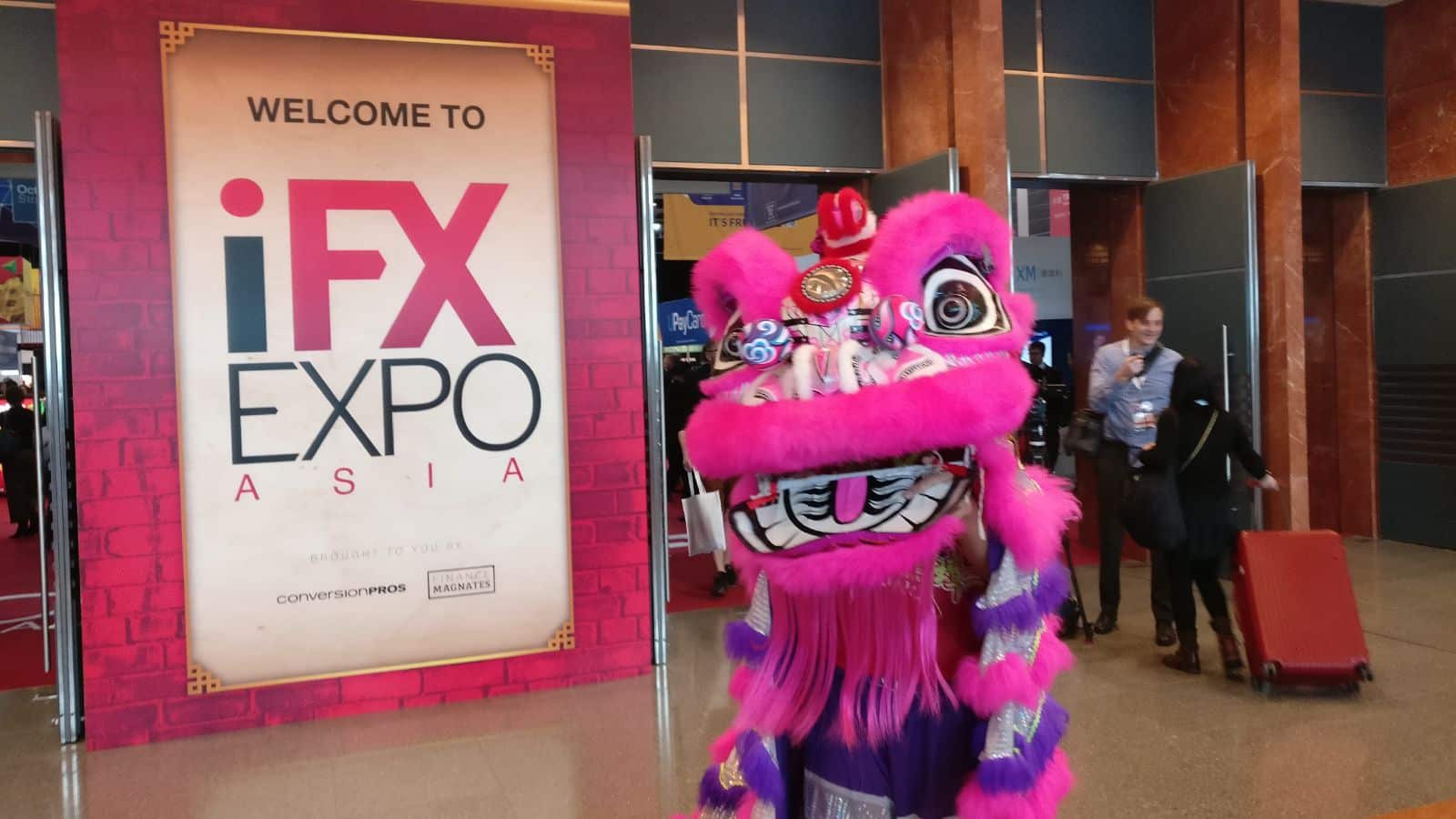
The 2018 iFX EXPO in Asia is officially underway at the iconic Hong Kong Convention & Exhibition Centre. The event is jointly organized by Finance Magnates and Conversion Pros, and is hosting over 4,000 registered attendees.
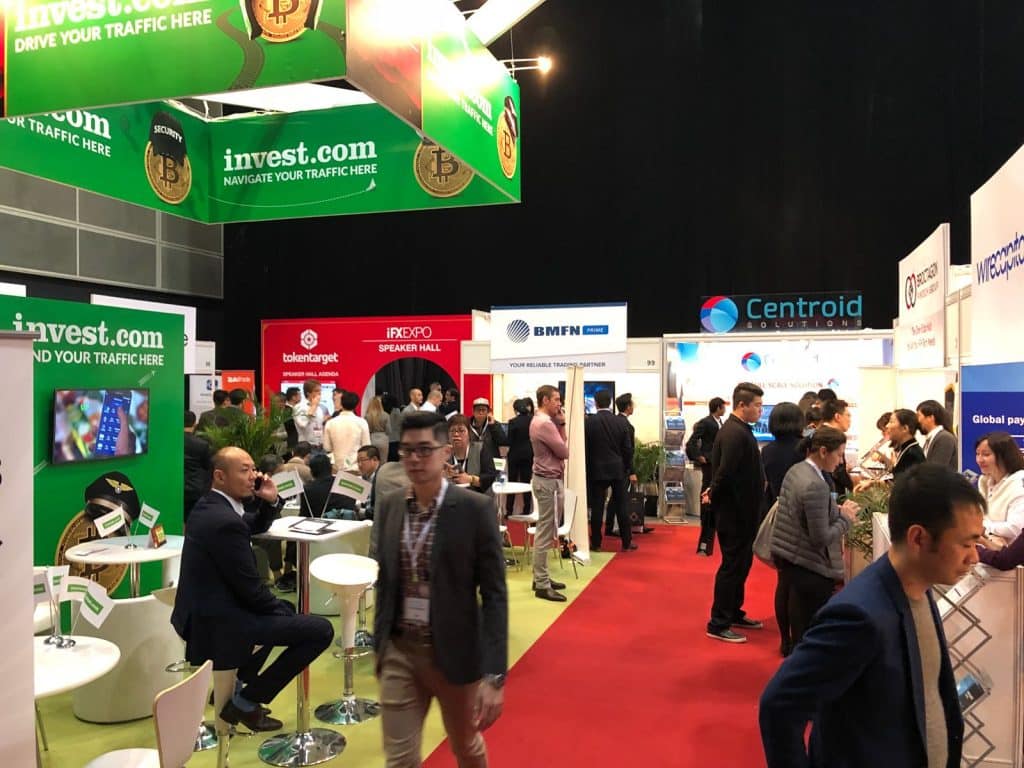
Yesterday, the early birds enjoyed drinks, food and high-quality networking at the opening party. Today they will have the chance to attend the panels and workshops, walk around the venue and visit the various booths and meet the most interesting people in the trading industry.
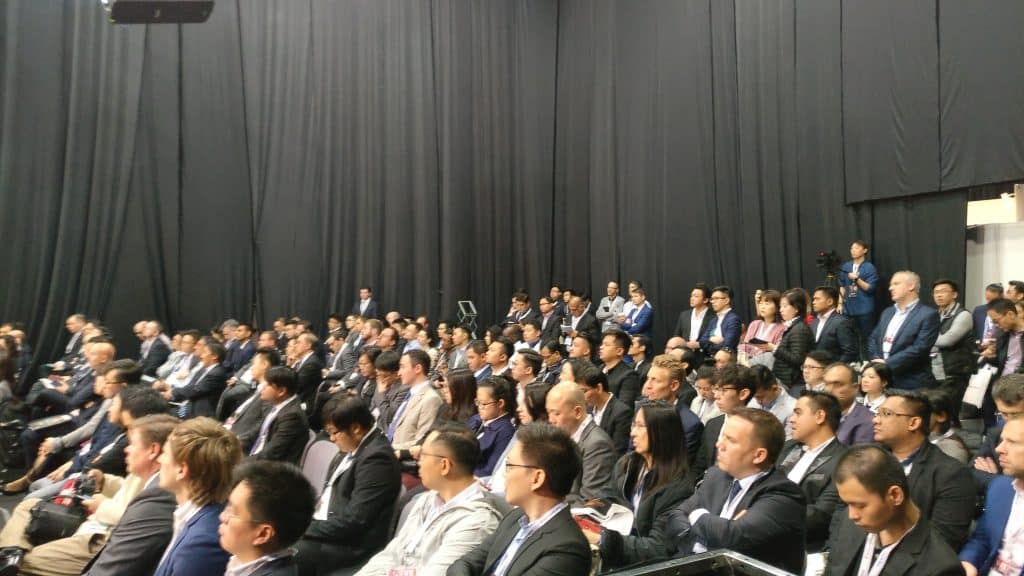
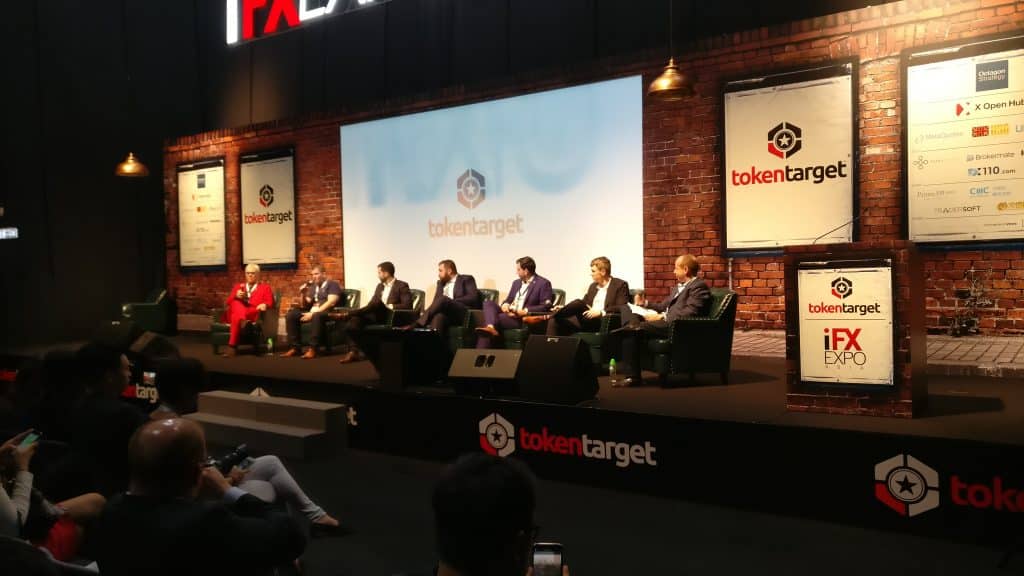
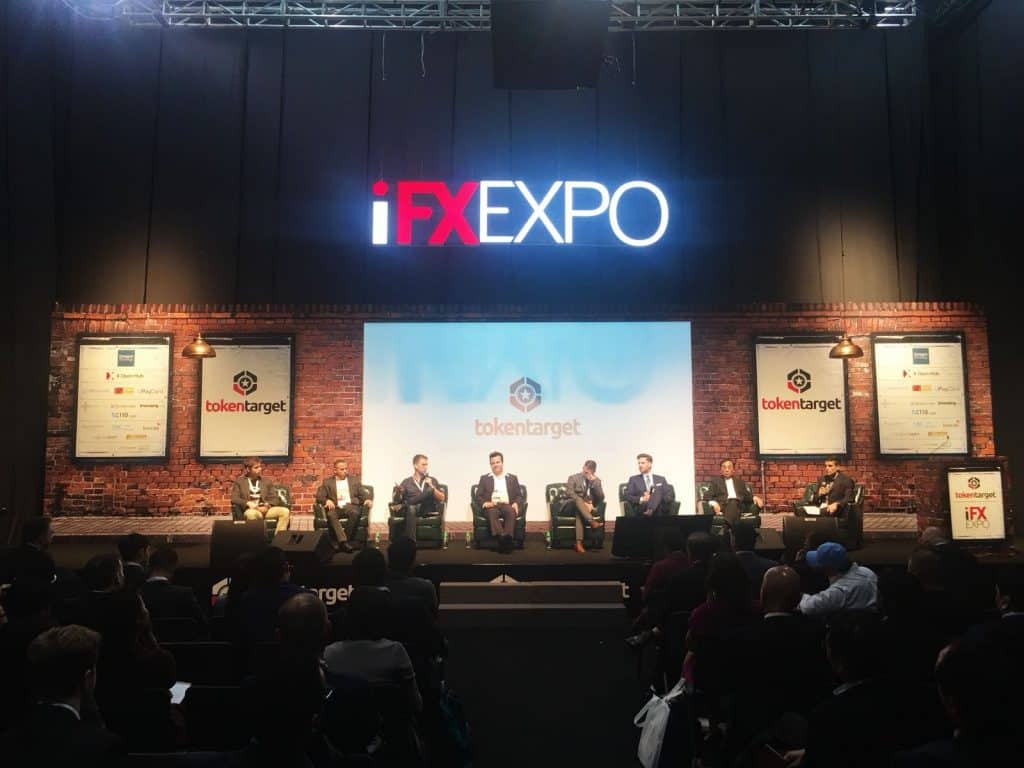
The event kicked off with an extremely interesting CEO panel, which tackled burning topics that the trading industry is facing, as seen from Asia. From technology integration to acquisition and localization in new markets - with an inevitable stop at cryptocurrency.
The second panel, named "De-crypting the cryptocurrency fever: Asian focus", addressed the hottest topic of 2017 (and probably for the year ahead) - cryptocurrency. The speakers discussed this new and vibrant market from the perspective of the trading industry and tried to predict where it is all going.
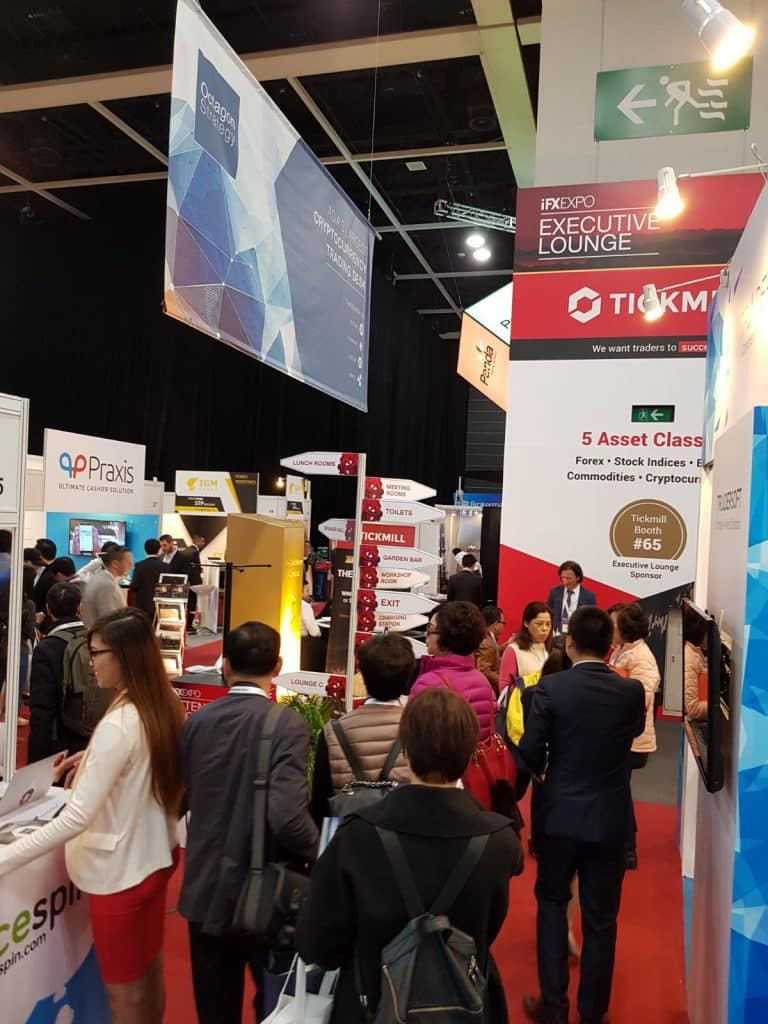
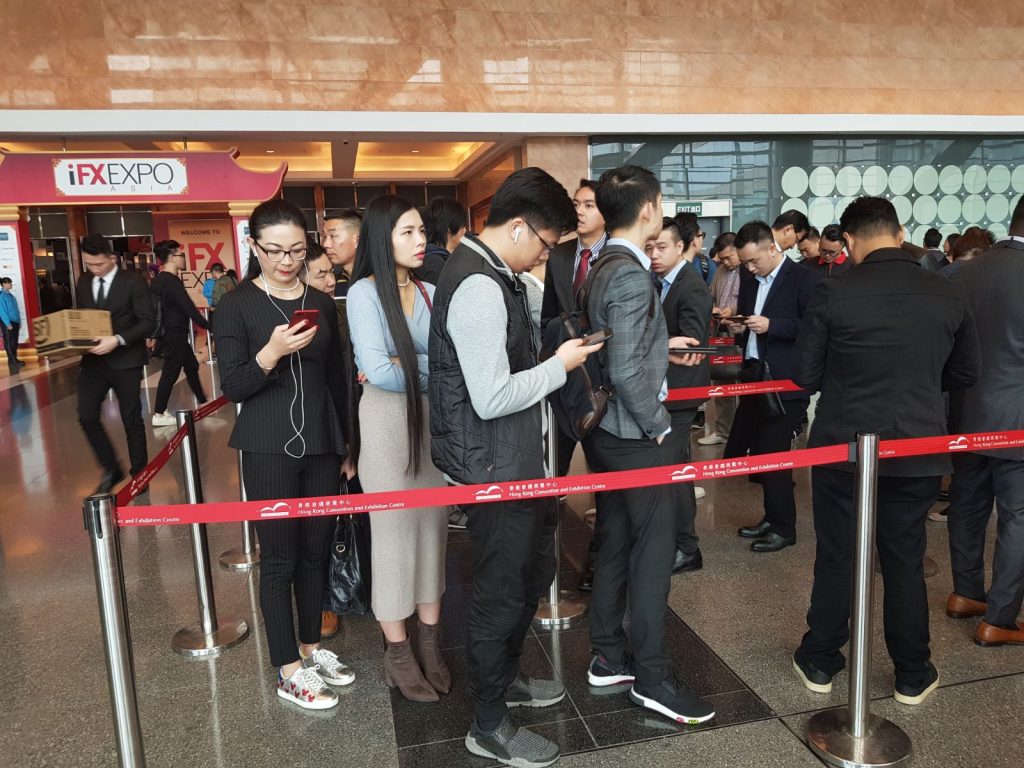
The queue at the on-site registration desk is packed, and gets longer and longer by the minute. Looks like we're going to break a record.
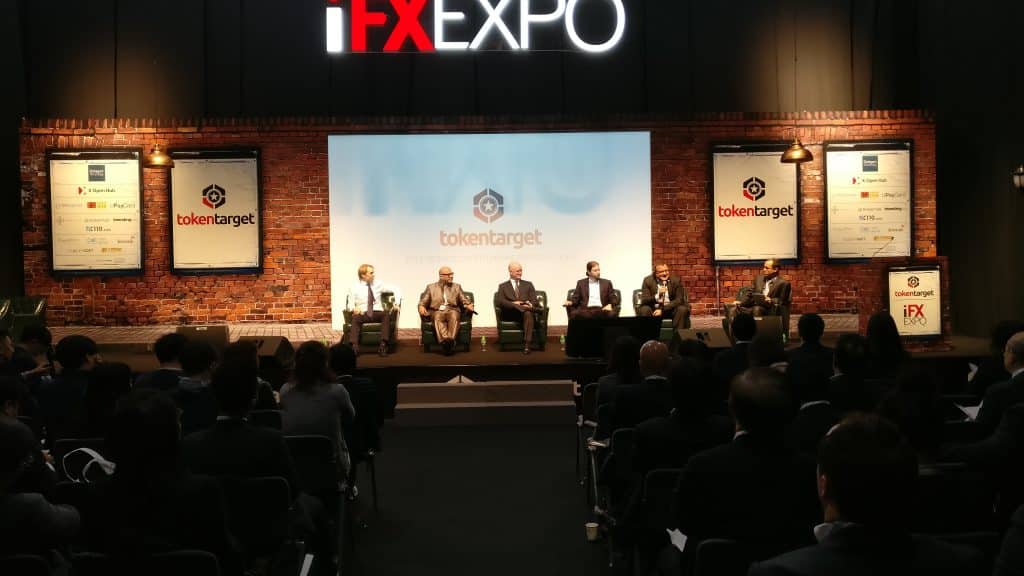
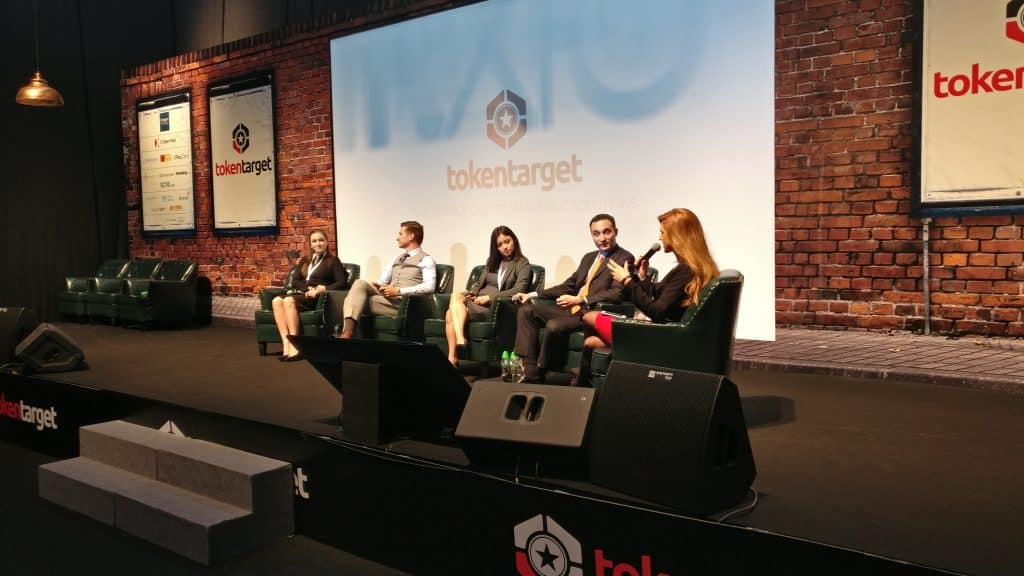
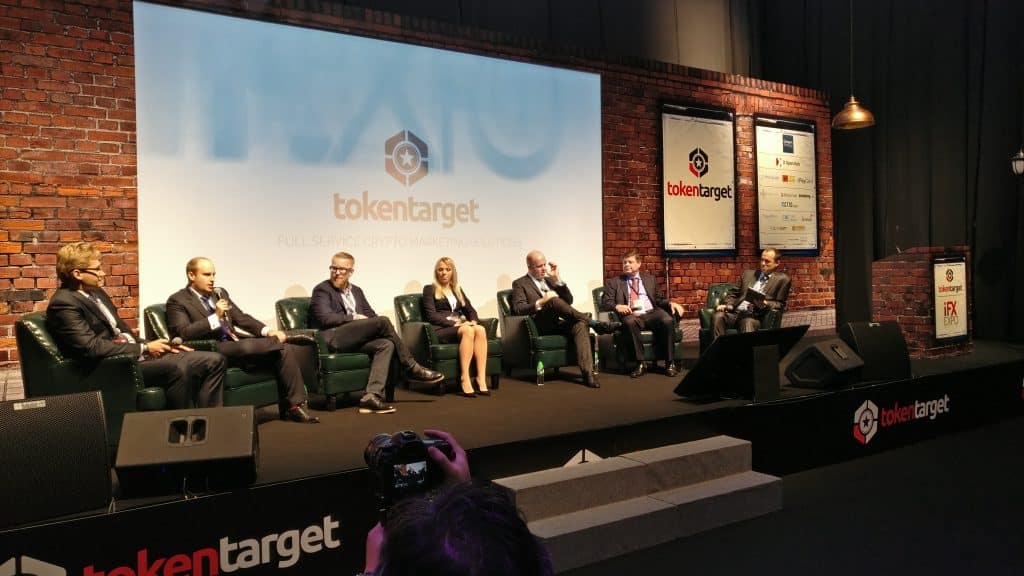
The ICO panel kicked off to discuss where this new financial mechanism is going this year, with special focus on Chinese regulation and the alleged ban of this practice. The panel featured commentary of the ongoing changes seen in the industry with experts weighing in.
By extension, "In the stock exchange market right now, at the Davos forum, China proposed taking the leading role to create a global plan on how to handle blockchain technology on the global level," he added.
Mr. Chow was not the only individual to take a more positive stance on the ICO industry. Indeed, "I’ve seen some stuff happening in the binary options industry that were wrong. The ICO industry has to make sure it’s not going in the same direction. Keep your marketing complaint and Don’t promise things you can’t deliver," explained John Lewis, CMO at Tokentarget.
Despite the optimism, regulations does remain a principal factor governing ICOs however. According to Adam Efrima Coindash,co-Founder of Coindash, "One of the first action items that one must take is not promising any type of returns. As for discounts, it’s not the same thing. It's a type of a reward to early adopters who take more risk. The problem is with tokens promising hundreds of percents in earning. Be fast to market and try to have a quick plan, and not one for 2-3 years time."
John Patrick Mullin, an Advisor to trade.io was also in support of regulation and ways to reduce risk. "There’s a problem with the decentralized venues. We’ve seen some hacks lately that put customer money in danger. Maybe it goes against the crypto ethos, but some centralization is needed," he warned.
Centralization was a key trend that was echoed throughout the ICO panel. Martin Tate, Partner at Carmen Lenhof Israelsen noted: "Cryptcocurrencies are used also for some illegal activities, like crime and terrorism. That’s why the regulators are cautious. In the US there’s a company called T-zero. They plan to have the first regulated security token exchange. So, I think that it’s quite a good way to have a centralized venue in a responsible way."
However, "The token sales originaly started to fund real startups. People often forget that. So many companies without a Blockchain technology are trying to issue an ICO and it’s a problem," he added.
Most panel experts were keenly aware of the previous pitfalls seen in the binary options industry however. Recognizing this, many saw that the future of ICOs had to pursue a different path than these instruments, which have been garnered a bad name and been repeated sources of abuse.
According to Tal Ron, Managing Partner of Tal Ron, Drihem & Co, "The industry has to regulate itself, that way there will be less need for tough regulation. We must learn from the lesson of the binary industry. If you do proper KYC and ALM and do right by your customers, you will be OK. The market might be smaller, but it will exist."
Rather, "The problem is with a specific ROI promise, not generaly promising the investors to make money. The regulatory landscape changes quickly. In 2017 Gibraltar was considered as the best place to establigh an ICO. Then, we hear now about Estonia, with a new regulatory framework, favoring ICOs," he pointed out.
Ultimately, the panel saw grounds for a more sustainable balance between ICO regulation and tokenization. "The most important thing is to find balance. There’s also a method of giving out tokens for free. I don’t think that this practice should be directed towards individual investors, but to groups of early investors or advisors," reiterated Dmitry Nazarov, CTO of Genesis Vision.
"The listing of the tokens is crucial for its value. But when it comes to decentralized exchanges, there’s a problem. You should keep in mind what volumes you need for your project. If the token is not utilized yet, you might not need to list it on all exchanges," he added.
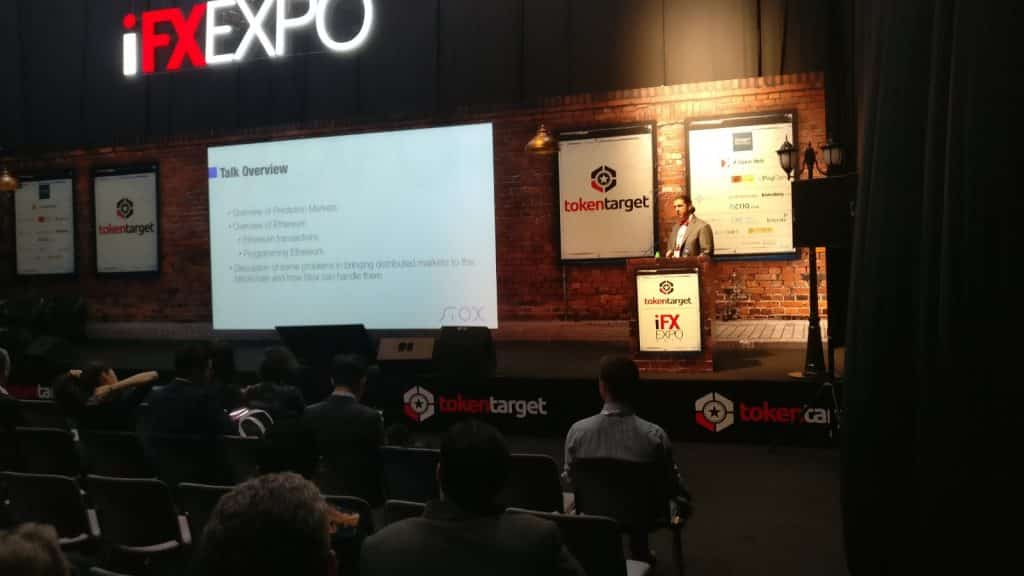
Abraham Othman, PhD - Visiting Scholar at Wharton School, University of Pennsylvania and an advisor to the Stox project - gave a keynote speech on designing prediction markets for the blockchain.
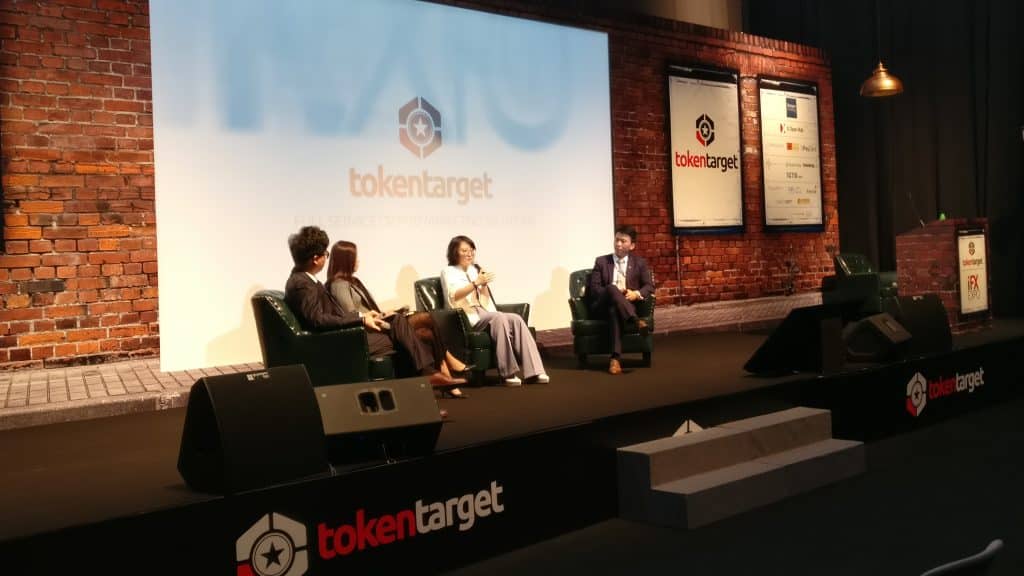
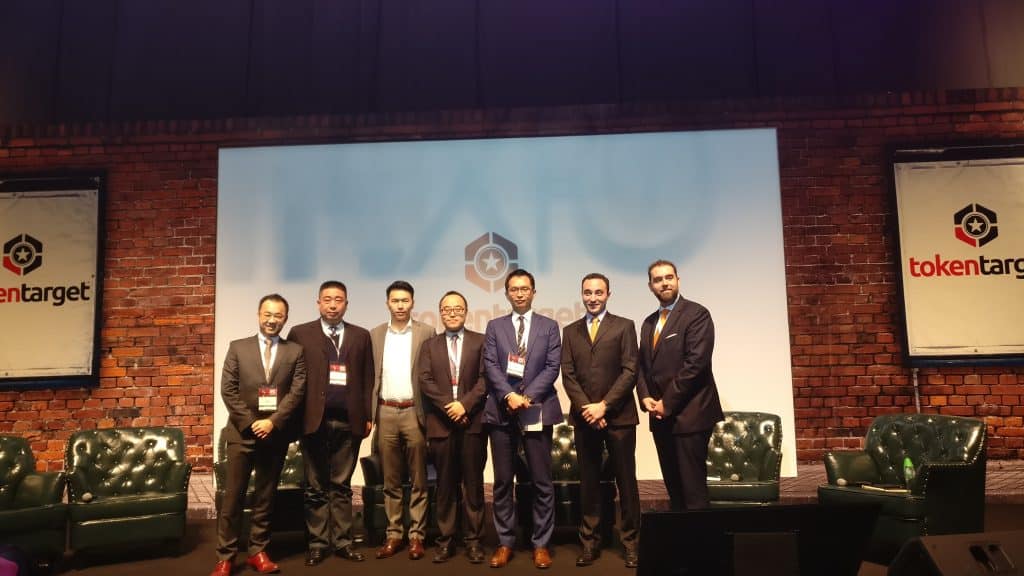
The concluding panel for today is also the only one conducted in Mandarin. The experts provided some insight from their experience about the bullion industry, technology, and the latest events in the Chinese forex market.
So, slowly but surely, everyone woke up after yesterday's amazing party. The first panel for today focuses on the practice of acquiring clients with the help of local IBs. The panelists provided a glimpse into the secrets of success, as well as tips for finding the right partners and maintaining a long lasting cooperation.
The second panel for today was all about the smaller details of penetrating in China and the AIPAC markets in general. The experts weighed in on the nitty-gritty aspects of setting up offices, regulation, and operating business across the region.
The last panel for the second day focused on forex liquidity in APAC and Asia in specific. The panel members explained the local nuances, and weighed in on the key factors that brokers, liquidity providers, and technology firms need to consider for regional growth.
The 2018 iFX EXPO in Asia is officially underway at the iconic Hong Kong Convention & Exhibition Centre. The event is jointly organized by Finance Magnates and Conversion Pros, and is hosting over 4,000 registered attendees.
Yesterday, the early birds enjoyed drinks, food and high-quality networking at the opening party. Today they will have the chance to attend the panels and workshops, walk around the venue and visit the various booths and meet the most interesting people in the trading industry.
The event kicked off with an extremely interesting CEO panel, which tackled burning topics that the trading industry is facing, as seen from Asia. From technology integration to acquisition and localization in new markets - with an inevitable stop at cryptocurrency.
The second panel, named "De-crypting the cryptocurrency fever: Asian focus", addressed the hottest topic of 2017 (and probably for the year ahead) - cryptocurrency. The speakers discussed this new and vibrant market from the perspective of the trading industry and tried to predict where it is all going.
The queue at the on-site registration desk is packed, and gets longer and longer by the minute. Looks like we're going to break a record.
The ICO panel kicked off to discuss where this new financial mechanism is going this year, with special focus on Chinese regulation and the alleged ban of this practice. The panel featured commentary of the ongoing changes seen in the industry with experts weighing in.
By extension, "In the stock exchange market right now, at the Davos forum, China proposed taking the leading role to create a global plan on how to handle blockchain technology on the global level," he added.
Mr. Chow was not the only individual to take a more positive stance on the ICO industry. Indeed, "I’ve seen some stuff happening in the binary options industry that were wrong. The ICO industry has to make sure it’s not going in the same direction. Keep your marketing complaint and Don’t promise things you can’t deliver," explained John Lewis, CMO at Tokentarget.
Despite the optimism, regulations does remain a principal factor governing ICOs however. According to Adam Efrima Coindash,co-Founder of Coindash, "One of the first action items that one must take is not promising any type of returns. As for discounts, it’s not the same thing. It's a type of a reward to early adopters who take more risk. The problem is with tokens promising hundreds of percents in earning. Be fast to market and try to have a quick plan, and not one for 2-3 years time."
John Patrick Mullin, an Advisor to trade.io was also in support of regulation and ways to reduce risk. "There’s a problem with the decentralized venues. We’ve seen some hacks lately that put customer money in danger. Maybe it goes against the crypto ethos, but some centralization is needed," he warned.
Centralization was a key trend that was echoed throughout the ICO panel. Martin Tate, Partner at Carmen Lenhof Israelsen noted: "Cryptcocurrencies are used also for some illegal activities, like crime and terrorism. That’s why the regulators are cautious. In the US there’s a company called T-zero. They plan to have the first regulated security token exchange. So, I think that it’s quite a good way to have a centralized venue in a responsible way."
However, "The token sales originaly started to fund real startups. People often forget that. So many companies without a Blockchain technology are trying to issue an ICO and it’s a problem," he added.
Most panel experts were keenly aware of the previous pitfalls seen in the binary options industry however. Recognizing this, many saw that the future of ICOs had to pursue a different path than these instruments, which have been garnered a bad name and been repeated sources of abuse.
According to Tal Ron, Managing Partner of Tal Ron, Drihem & Co, "The industry has to regulate itself, that way there will be less need for tough regulation. We must learn from the lesson of the binary industry. If you do proper KYC and ALM and do right by your customers, you will be OK. The market might be smaller, but it will exist."
Rather, "The problem is with a specific ROI promise, not generaly promising the investors to make money. The regulatory landscape changes quickly. In 2017 Gibraltar was considered as the best place to establigh an ICO. Then, we hear now about Estonia, with a new regulatory framework, favoring ICOs," he pointed out.
Ultimately, the panel saw grounds for a more sustainable balance between ICO regulation and tokenization. "The most important thing is to find balance. There’s also a method of giving out tokens for free. I don’t think that this practice should be directed towards individual investors, but to groups of early investors or advisors," reiterated Dmitry Nazarov, CTO of Genesis Vision.
"The listing of the tokens is crucial for its value. But when it comes to decentralized exchanges, there’s a problem. You should keep in mind what volumes you need for your project. If the token is not utilized yet, you might not need to list it on all exchanges," he added.
Abraham Othman, PhD - Visiting Scholar at Wharton School, University of Pennsylvania and an advisor to the Stox project - gave a keynote speech on designing prediction markets for the blockchain.
The concluding panel for today is also the only one conducted in Mandarin. The experts provided some insight from their experience about the bullion industry, technology, and the latest events in the Chinese forex market.
So, slowly but surely, everyone woke up after yesterday's amazing party. The first panel for today focuses on the practice of acquiring clients with the help of local IBs. The panelists provided a glimpse into the secrets of success, as well as tips for finding the right partners and maintaining a long lasting cooperation.
The second panel for today was all about the smaller details of penetrating in China and the AIPAC markets in general. The experts weighed in on the nitty-gritty aspects of setting up offices, regulation, and operating business across the region.
The last panel for the second day focused on forex liquidity in APAC and Asia in specific. The panel members explained the local nuances, and weighed in on the key factors that brokers, liquidity providers, and technology firms need to consider for regional growth.
Most Axi Clients Now Trade on MetaTrader 5 as Broker Rolls Out MetaQuotes' Order Engine
Featured Videos
AvaTrade to Acquire Most of FXCM; NAGA Raises $8M
AvaTrade to Acquire Most of FXCM; NAGA Raises $8M
AvaTrade to Acquire Most of FXCM; NAGA Raises $8M
AvaTrade to Acquire Most of FXCM; NAGA Raises $8M
Today’s financial news recap covers AvaTrade agrees to acquire most of FXCM, NAGA secures eight million dollars in new financing, and Wise seeks a tax settlement in the UK.
Finance Magnates Daily Recap brings you the latest news from forex and CFD brokers, fintech, payments, cryptocurrency, digital assets, trading platforms, financial regulation and global markets.
Get the key company news, executive moves, deals, regulatory updates and market developments of the day, in just a few minutes. New episodes published every weekday.
Read more: https://www.financemagnates.com
#FinanceMagnates #ForexNews #FintechNews
Today’s financial news recap covers AvaTrade agrees to acquire most of FXCM, NAGA secures eight million dollars in new financing, and Wise seeks a tax settlement in the UK.
Finance Magnates Daily Recap brings you the latest news from forex and CFD brokers, fintech, payments, cryptocurrency, digital assets, trading platforms, financial regulation and global markets.
Get the key company news, executive moves, deals, regulatory updates and market developments of the day, in just a few minutes. New episodes published every weekday.
Read more: https://www.financemagnates.com
#FinanceMagnates #ForexNews #FintechNews
Today’s financial news recap covers AvaTrade agrees to acquire most of FXCM, NAGA secures eight million dollars in new financing, and Wise seeks a tax settlement in the UK.
Finance Magnates Daily Recap brings you the latest news from forex and CFD brokers, fintech, payments, cryptocurrency, digital assets, trading platforms, financial regulation and global markets.
Get the key company news, executive moves, deals, regulatory updates and market developments of the day, in just a few minutes. New episodes published every weekday.
Read more: https://www.financemagnates.com
#FinanceMagnates #ForexNews #FintechNews
Today’s financial news recap covers AvaTrade agrees to acquire most of FXCM, NAGA secures eight million dollars in new financing, and Wise seeks a tax settlement in the UK.
Finance Magnates Daily Recap brings you the latest news from forex and CFD brokers, fintech, payments, cryptocurrency, digital assets, trading platforms, financial regulation and global markets.
Get the key company news, executive moves, deals, regulatory updates and market developments of the day, in just a few minutes. New episodes published every weekday.
Read more: https://www.financemagnates.com
#FinanceMagnates #ForexNews #FintechNews
XTB Adds Overnight US Stock Trading; Nasdaq Ventures Invests in One Trading
XTB Adds Overnight US Stock Trading; Nasdaq Ventures Invests in One Trading
XTB Adds Overnight US Stock Trading; Nasdaq Ventures Invests in One Trading
XTB Adds Overnight US Stock Trading; Nasdaq Ventures Invests in One Trading
XTB Adds Overnight US Stock Trading; Nasdaq Ventures Invests in One Trading
XTB Adds Overnight US Stock Trading; Nasdaq Ventures Invests in One Trading
Today’s financial news recap covers XTB expands overnight US stock trading, Fortrade reports higher revenue, Nasdaq backs One Trading, and Vest Labs raises 13 million dollars.
Finance Magnates Daily Recap brings you the latest news from forex and CFD brokers, fintech, payments, cryptocurrency, digital assets, trading platforms, financial regulation and global markets.
Get the key company news, executive moves, deals, regulatory updates and market developments of the day, in just a few minutes. New episodes published every weekday.
Read more: https://www.financemagnates.com
#FinanceMagnates #ForexNews #FintechNews
Today’s financial news recap covers XTB expands overnight US stock trading, Fortrade reports higher revenue, Nasdaq backs One Trading, and Vest Labs raises 13 million dollars.
Finance Magnates Daily Recap brings you the latest news from forex and CFD brokers, fintech, payments, cryptocurrency, digital assets, trading platforms, financial regulation and global markets.
Get the key company news, executive moves, deals, regulatory updates and market developments of the day, in just a few minutes. New episodes published every weekday.
Read more: https://www.financemagnates.com
#FinanceMagnates #ForexNews #FintechNews
Today’s financial news recap covers XTB expands overnight US stock trading, Fortrade reports higher revenue, Nasdaq backs One Trading, and Vest Labs raises 13 million dollars.
Finance Magnates Daily Recap brings you the latest news from forex and CFD brokers, fintech, payments, cryptocurrency, digital assets, trading platforms, financial regulation and global markets.
Get the key company news, executive moves, deals, regulatory updates and market developments of the day, in just a few minutes. New episodes published every weekday.
Read more: https://www.financemagnates.com
#FinanceMagnates #ForexNews #FintechNews
Today’s financial news recap covers XTB expands overnight US stock trading, Fortrade reports higher revenue, Nasdaq backs One Trading, and Vest Labs raises 13 million dollars.
Finance Magnates Daily Recap brings you the latest news from forex and CFD brokers, fintech, payments, cryptocurrency, digital assets, trading platforms, financial regulation and global markets.
Get the key company news, executive moves, deals, regulatory updates and market developments of the day, in just a few minutes. New episodes published every weekday.
Read more: https://www.financemagnates.com
#FinanceMagnates #ForexNews #FintechNews
Today’s financial news recap covers XTB expands overnight US stock trading, Fortrade reports higher revenue, Nasdaq backs One Trading, and Vest Labs raises 13 million dollars.
Finance Magnates Daily Recap brings you the latest news from forex and CFD brokers, fintech, payments, cryptocurrency, digital assets, trading platforms, financial regulation and global markets.
Get the key company news, executive moves, deals, regulatory updates and market developments of the day, in just a few minutes. New episodes published every weekday.
Read more: https://www.financemagnates.com
#FinanceMagnates #ForexNews #FintechNews
Today’s financial news recap covers XTB expands overnight US stock trading, Fortrade reports higher revenue, Nasdaq backs One Trading, and Vest Labs raises 13 million dollars.
Finance Magnates Daily Recap brings you the latest news from forex and CFD brokers, fintech, payments, cryptocurrency, digital assets, trading platforms, financial regulation and global markets.
Get the key company news, executive moves, deals, regulatory updates and market developments of the day, in just a few minutes. New episodes published every weekday.
Read more: https://www.financemagnates.com
#FinanceMagnates #ForexNews #FintechNews
CMC Founder Downplays Volatility Hit; Devexperts Names CEO
CMC Founder Downplays Volatility Hit; Devexperts Names CEO
CMC Founder Downplays Volatility Hit; Devexperts Names CEO
CMC Founder Downplays Volatility Hit; Devexperts Names CEO
CMC Founder Downplays Volatility Hit; Devexperts Names CEO
CMC Founder Downplays Volatility Hit; Devexperts Names CEO
Today’s financial news recap covers low volatility pressures brokers, Devexperts names a new CEO, Saxo cuts onboarding time, and OKX reaches a 25 billion dollar valuation.
Finance Magnates Daily Recap brings you the latest news from forex and CFD brokers, fintech, payments, cryptocurrency, digital assets, trading platforms, financial regulation and global markets.
Get the key company news, executive moves, deals, regulatory updates and market developments of the day, in just a few minutes. New episodes published every weekday.
Read more: https://www.financemagnates.com
#FinanceMagnates #ForexNews #FintechNews
Today’s financial news recap covers low volatility pressures brokers, Devexperts names a new CEO, Saxo cuts onboarding time, and OKX reaches a 25 billion dollar valuation.
Finance Magnates Daily Recap brings you the latest news from forex and CFD brokers, fintech, payments, cryptocurrency, digital assets, trading platforms, financial regulation and global markets.
Get the key company news, executive moves, deals, regulatory updates and market developments of the day, in just a few minutes. New episodes published every weekday.
Read more: https://www.financemagnates.com
#FinanceMagnates #ForexNews #FintechNews
Today’s financial news recap covers low volatility pressures brokers, Devexperts names a new CEO, Saxo cuts onboarding time, and OKX reaches a 25 billion dollar valuation.
Finance Magnates Daily Recap brings you the latest news from forex and CFD brokers, fintech, payments, cryptocurrency, digital assets, trading platforms, financial regulation and global markets.
Get the key company news, executive moves, deals, regulatory updates and market developments of the day, in just a few minutes. New episodes published every weekday.
Read more: https://www.financemagnates.com
#FinanceMagnates #ForexNews #FintechNews
Today’s financial news recap covers low volatility pressures brokers, Devexperts names a new CEO, Saxo cuts onboarding time, and OKX reaches a 25 billion dollar valuation.
Finance Magnates Daily Recap brings you the latest news from forex and CFD brokers, fintech, payments, cryptocurrency, digital assets, trading platforms, financial regulation and global markets.
Get the key company news, executive moves, deals, regulatory updates and market developments of the day, in just a few minutes. New episodes published every weekday.
Read more: https://www.financemagnates.com
#FinanceMagnates #ForexNews #FintechNews
Today’s financial news recap covers low volatility pressures brokers, Devexperts names a new CEO, Saxo cuts onboarding time, and OKX reaches a 25 billion dollar valuation.
Finance Magnates Daily Recap brings you the latest news from forex and CFD brokers, fintech, payments, cryptocurrency, digital assets, trading platforms, financial regulation and global markets.
Get the key company news, executive moves, deals, regulatory updates and market developments of the day, in just a few minutes. New episodes published every weekday.
Read more: https://www.financemagnates.com
#FinanceMagnates #ForexNews #FintechNews
Today’s financial news recap covers low volatility pressures brokers, Devexperts names a new CEO, Saxo cuts onboarding time, and OKX reaches a 25 billion dollar valuation.
Finance Magnates Daily Recap brings you the latest news from forex and CFD brokers, fintech, payments, cryptocurrency, digital assets, trading platforms, financial regulation and global markets.
Get the key company news, executive moves, deals, regulatory updates and market developments of the day, in just a few minutes. New episodes published every weekday.
Read more: https://www.financemagnates.com
#FinanceMagnates #ForexNews #FintechNews
Today’s financial news recap covers Trade Nation buys FXCM's UK client book, Trading 212 reports higher revenue, the CFTC's move to allow perpetual index futures.
Finance Magnates Daily Recap brings you the latest news from forex and CFD brokers, fintech, payments, cryptocurrency, digital assets, trading platforms, financial regulation and global markets.
Get the key company news, executive moves, deals, regulatory updates and market developments of the day, in just a few minutes. New episodes published every weekday.
Read more: https://www.financemagnates.com
#FinanceMagnates #ForexNews #FintechNews
Today’s financial news recap covers Trade Nation buys FXCM's UK client book, Trading 212 reports higher revenue, the CFTC's move to allow perpetual index futures.
Finance Magnates Daily Recap brings you the latest news from forex and CFD brokers, fintech, payments, cryptocurrency, digital assets, trading platforms, financial regulation and global markets.
Get the key company news, executive moves, deals, regulatory updates and market developments of the day, in just a few minutes. New episodes published every weekday.
Read more: https://www.financemagnates.com
#FinanceMagnates #ForexNews #FintechNews
Today’s financial news recap covers Trade Nation buys FXCM's UK client book, Trading 212 reports higher revenue, the CFTC's move to allow perpetual index futures.
Finance Magnates Daily Recap brings you the latest news from forex and CFD brokers, fintech, payments, cryptocurrency, digital assets, trading platforms, financial regulation and global markets.
Get the key company news, executive moves, deals, regulatory updates and market developments of the day, in just a few minutes. New episodes published every weekday.
Read more: https://www.financemagnates.com
#FinanceMagnates #ForexNews #FintechNews
Today’s financial news recap covers Trade Nation buys FXCM's UK client book, Trading 212 reports higher revenue, the CFTC's move to allow perpetual index futures.
Finance Magnates Daily Recap brings you the latest news from forex and CFD brokers, fintech, payments, cryptocurrency, digital assets, trading platforms, financial regulation and global markets.
Get the key company news, executive moves, deals, regulatory updates and market developments of the day, in just a few minutes. New episodes published every weekday.
Read more: https://www.financemagnates.com
#FinanceMagnates #ForexNews #FintechNews
Today’s financial news recap covers Trade Nation buys FXCM's UK client book, Trading 212 reports higher revenue, the CFTC's move to allow perpetual index futures.
Finance Magnates Daily Recap brings you the latest news from forex and CFD brokers, fintech, payments, cryptocurrency, digital assets, trading platforms, financial regulation and global markets.
Get the key company news, executive moves, deals, regulatory updates and market developments of the day, in just a few minutes. New episodes published every weekday.
Read more: https://www.financemagnates.com
#FinanceMagnates #ForexNews #FintechNews
Today’s financial news recap covers Trade Nation buys FXCM's UK client book, Trading 212 reports higher revenue, the CFTC's move to allow perpetual index futures.
Finance Magnates Daily Recap brings you the latest news from forex and CFD brokers, fintech, payments, cryptocurrency, digital assets, trading platforms, financial regulation and global markets.
Get the key company news, executive moves, deals, regulatory updates and market developments of the day, in just a few minutes. New episodes published every weekday.
Read more: https://www.financemagnates.com
#FinanceMagnates #ForexNews #FintechNews
Your career isn’t a linear path.
Your career isn’t a linear path.
Your career isn’t a linear path.
Your career isn’t a linear path.
Your career isn’t a linear path.
Your career isn’t a linear path.
Roles change. Career goals change. Sometimes you want a completely new challenge.
But the skills and knowledge you build along the way can stay with you and give you something to build on.
For Jeff Patterson, that continued growth is key to long-term career development.
You bring the skills. FM Academy helps you build the knowledge.
#FMAcademy #FinanceMagnates #FinanceCareers #ProfessionalDevelopment #Fintech
Roles change. Career goals change. Sometimes you want a completely new challenge.
But the skills and knowledge you build along the way can stay with you and give you something to build on.
For Jeff Patterson, that continued growth is key to long-term career development.
You bring the skills. FM Academy helps you build the knowledge.
#FMAcademy #FinanceMagnates #FinanceCareers #ProfessionalDevelopment #Fintech
Roles change. Career goals change. Sometimes you want a completely new challenge.
But the skills and knowledge you build along the way can stay with you and give you something to build on.
For Jeff Patterson, that continued growth is key to long-term career development.
You bring the skills. FM Academy helps you build the knowledge.
#FMAcademy #FinanceMagnates #FinanceCareers #ProfessionalDevelopment #Fintech
Roles change. Career goals change. Sometimes you want a completely new challenge.
But the skills and knowledge you build along the way can stay with you and give you something to build on.
For Jeff Patterson, that continued growth is key to long-term career development.
You bring the skills. FM Academy helps you build the knowledge.
#FMAcademy #FinanceMagnates #FinanceCareers #ProfessionalDevelopment #Fintech
Roles change. Career goals change. Sometimes you want a completely new challenge.
But the skills and knowledge you build along the way can stay with you and give you something to build on.
For Jeff Patterson, that continued growth is key to long-term career development.
You bring the skills. FM Academy helps you build the knowledge.
#FMAcademy #FinanceMagnates #FinanceCareers #ProfessionalDevelopment #Fintech
Roles change. Career goals change. Sometimes you want a completely new challenge.
But the skills and knowledge you build along the way can stay with you and give you something to build on.
For Jeff Patterson, that continued growth is key to long-term career development.
You bring the skills. FM Academy helps you build the knowledge.
#FMAcademy #FinanceMagnates #FinanceCareers #ProfessionalDevelopment #Fintech