>
Exclusive: The Full Story Behind Fair Trading Technology's Efforts to Restructure
Exclusive: The Full Story Behind Fair Trading Technology's Efforts to Restructure
Thursday,21/11/2013|14:05GMTby
Andrew Saks McLeod
Swedish FX technology company seems to be experiencing difficult times, centred on lack of funding, difficulties to on-board clients and a potential corporate restructure. FTT's CEO promises a bright future.
The often used description for venture backed firms is a jet on the runway set for takeoff. The venture fund cash is the runway, with firms needing to generate profits before coming to the end of the runway, or run the risk of crashing before takeoff. Alternatively, companies with bright prospects can raise additional rounds of investment to increase their runway. Within the FX industry, such descriptions apply to new technology provider and broker who often have limited durations to monetize their products in the market, or face closure.
Recently, indications have surfaced that Fair Trading Technology (FTT) may be at the end of their runway. The technology provider of services and products for brokers embarked on expansion program over the past year. During this time, FTT announced the hire of a new Chief Human Resources Officer to increase its head count, acquired mobile technology firm iPhorex, and sent large delegations to industry trade events.
Initial evidence that Fair Trading Technology had begun to stumble upon difficult times could be found in the closure of its North American operations in the summer of this year. Forex Magnates had learned from an independent source that at the time, the company cited "concentration of resources on European and Asian markets" as being the reason for this decision.
Shortly prior to the closure of the US office, Fair Trading Technology had embarked on an internal expansion program, with the appointment of Lisa Bogren as Chief Human Resources Officer, charged with bringing new talent to the company in order to take the headcount well beyond its payroll of 40 at the time and to drive the business forward.
However, according to information provided to Forex Magnates by those several independent sources, it is gradually becoming apparent that these corporate decisions did not seem to have had the expected positive effect on the business, with the number of corporate clients remaining at less than five, despite extremely high expenditure on international business development and executive appointments.
Prior to the merger, Chris Gnanakone held the position of CEO of iPhorex, and Brandon Russell was appointed Head of Sales for US and South America. According to an independent source in the legal profession, Mr. Russell's task at the time was to facilitate the transaction between iPhorex and Fair Trading Technology in terms of the legal responsibilities and transfer of intellectual property.
It had been agreed upon verbally prior to this, insofar as that Fair Trading Technology would pay a certain price for iPhorex's technology solutions, and wanted to buy the company which was a regulated NFA firm (under the name IPHENOMENA LLC) .
Agreements were drafted, and in accordance with the independent legal professional which proffered this information to Forex Magnates, Fair Trading Technology began to move slowly. By that stage the entire intellectual property of iPhorex had been handed over to Fair Trading Technology, with Mr. Gnanakone claiming to have transacted the whole thing, before the financial side of the transaction being completely ratified.
According to Forex Magnates' sources, over the course of the next 2 years and until today, Mr. Gnanakone has still not received the full payment for the deal. With the transaction having taken so long, it is arguable as to whether the technology has the same current value as its value at the time of merger, due to potential obsolescence. With the subsequent closure of the company's US operations, Mr. Russell departed and has maintained silence since.
Until today, Mr. Gnanakone remains an employee of Fair Trading Technology.
CEO of Fair Trading Technology Assures a Bright Future
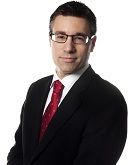
Tim Haman, CEO and co-founder, Fair Trading Technology
Tim Haman, CEO of Fair Trading Technology, has provided Forex Magnates with his extensive views on the company's current position. He began by assuring that "as at today, there are no commitments that FTT has not been able to meet. FTT B2B is not yet one year old, and as with all new companies it has aggressive growth plans, not all of which can be met within the first year. Hence, we continue and shall continue to seek funding to achieve those goals, one of these goals has recently been achieved with us signing our lead investor plus additional."
Mr. Haman continued and explained that, "there are, as with most companies, occasionally situations that arise during the delivery process where the parties do not have the same understanding as to expected delivery – we work closely with all our customers, by providing unique solutions and to many of our customers delivery times have to be managed carefully and they understand this.”
Regarding the iPhorex deal, Mr. Haman stated that, "we are acutely aware of the issues with Chris Gnanakone and iPhorex and we have been addressing them as best as possible - to be very precise this is exclusively about our strategy with respect to the US market place and nothing more. Unfortunately, Chris has drawn his own conclusions and frustrations with the reality that a number of organisations are facing".
Whether the entire situation may improve as a result of the firm's recent new investment proposal from Swedish industrialist Lars Olof Matsson is a point of interest. Currently the investment is still pending and, if it proceeds, is expected to occur within the forthcoming weeks.
The company is currently undergoing a restructuring exercise which is intending to see Mr. Matsson's investment rectify the current cash flow issues and also aim to revitalize the firm in terms of future client acquisitions, and reclassify the firm from a Panama-based enterprise to being a Swedish company under the new name of FTT Holding AB.
Upon researching this matter, Forex Magnates could glean that the new major shareholders are not happy with having the main holdings company in Panama, hence the relocation of the major operations to Sweden. The intellectual property rights are expected to remain under the ownership of the Panama entity, but the structure of the business is being rearranged and the Panama company takes its place as a wholly owned subsidiary of FTT Holding AB .
Forex Magnates attempted to contact a series of existing and former senior executives with interests in Fair Trading Technology, including those mentioned above, all of whom declined to comment.
Similar attempts to receive comments from the company were made towards a series of four financial services professionals who had formed an advisory committee within Fair Trading Technology, with whom Forex Magnates attempted to conduct further research but was met with an unwillingness to comment on the situation.
In conclusion, Mr. Haman made certain to reinforce to Forex Magnates that Fair Trading Technology is "much inline with its goals", such as the gaining of lead investor signed and secured funding, the establishment of the firm as a Swedish entity, the completion of several installations during the last quarter and what the firm considers to be state of the art technology which is relevant to today's and the future's most important fields.
With Mr. Haman’s confirmation that the company has signed contracts with new clients and will present results of the company's progress, Forex Magnates will continue to follow Fair Trading Technology, as its promised restructure takes its new form and events unfold.
The often used description for venture backed firms is a jet on the runway set for takeoff. The venture fund cash is the runway, with firms needing to generate profits before coming to the end of the runway, or run the risk of crashing before takeoff. Alternatively, companies with bright prospects can raise additional rounds of investment to increase their runway. Within the FX industry, such descriptions apply to new technology provider and broker who often have limited durations to monetize their products in the market, or face closure.
Recently, indications have surfaced that Fair Trading Technology (FTT) may be at the end of their runway. The technology provider of services and products for brokers embarked on expansion program over the past year. During this time, FTT announced the hire of a new Chief Human Resources Officer to increase its head count, acquired mobile technology firm iPhorex, and sent large delegations to industry trade events.
Initial evidence that Fair Trading Technology had begun to stumble upon difficult times could be found in the closure of its North American operations in the summer of this year. Forex Magnates had learned from an independent source that at the time, the company cited "concentration of resources on European and Asian markets" as being the reason for this decision.
Shortly prior to the closure of the US office, Fair Trading Technology had embarked on an internal expansion program, with the appointment of Lisa Bogren as Chief Human Resources Officer, charged with bringing new talent to the company in order to take the headcount well beyond its payroll of 40 at the time and to drive the business forward.
However, according to information provided to Forex Magnates by those several independent sources, it is gradually becoming apparent that these corporate decisions did not seem to have had the expected positive effect on the business, with the number of corporate clients remaining at less than five, despite extremely high expenditure on international business development and executive appointments.
Prior to the merger, Chris Gnanakone held the position of CEO of iPhorex, and Brandon Russell was appointed Head of Sales for US and South America. According to an independent source in the legal profession, Mr. Russell's task at the time was to facilitate the transaction between iPhorex and Fair Trading Technology in terms of the legal responsibilities and transfer of intellectual property.
It had been agreed upon verbally prior to this, insofar as that Fair Trading Technology would pay a certain price for iPhorex's technology solutions, and wanted to buy the company which was a regulated NFA firm (under the name IPHENOMENA LLC) .
Agreements were drafted, and in accordance with the independent legal professional which proffered this information to Forex Magnates, Fair Trading Technology began to move slowly. By that stage the entire intellectual property of iPhorex had been handed over to Fair Trading Technology, with Mr. Gnanakone claiming to have transacted the whole thing, before the financial side of the transaction being completely ratified.
According to Forex Magnates' sources, over the course of the next 2 years and until today, Mr. Gnanakone has still not received the full payment for the deal. With the transaction having taken so long, it is arguable as to whether the technology has the same current value as its value at the time of merger, due to potential obsolescence. With the subsequent closure of the company's US operations, Mr. Russell departed and has maintained silence since.
Until today, Mr. Gnanakone remains an employee of Fair Trading Technology.
CEO of Fair Trading Technology Assures a Bright Future
Tim Haman, CEO and co-founder, Fair Trading Technology
Tim Haman, CEO of Fair Trading Technology, has provided Forex Magnates with his extensive views on the company's current position. He began by assuring that "as at today, there are no commitments that FTT has not been able to meet. FTT B2B is not yet one year old, and as with all new companies it has aggressive growth plans, not all of which can be met within the first year. Hence, we continue and shall continue to seek funding to achieve those goals, one of these goals has recently been achieved with us signing our lead investor plus additional."
Mr. Haman continued and explained that, "there are, as with most companies, occasionally situations that arise during the delivery process where the parties do not have the same understanding as to expected delivery – we work closely with all our customers, by providing unique solutions and to many of our customers delivery times have to be managed carefully and they understand this.”
Regarding the iPhorex deal, Mr. Haman stated that, "we are acutely aware of the issues with Chris Gnanakone and iPhorex and we have been addressing them as best as possible - to be very precise this is exclusively about our strategy with respect to the US market place and nothing more. Unfortunately, Chris has drawn his own conclusions and frustrations with the reality that a number of organisations are facing".
Whether the entire situation may improve as a result of the firm's recent new investment proposal from Swedish industrialist Lars Olof Matsson is a point of interest. Currently the investment is still pending and, if it proceeds, is expected to occur within the forthcoming weeks.
The company is currently undergoing a restructuring exercise which is intending to see Mr. Matsson's investment rectify the current cash flow issues and also aim to revitalize the firm in terms of future client acquisitions, and reclassify the firm from a Panama-based enterprise to being a Swedish company under the new name of FTT Holding AB.
Upon researching this matter, Forex Magnates could glean that the new major shareholders are not happy with having the main holdings company in Panama, hence the relocation of the major operations to Sweden. The intellectual property rights are expected to remain under the ownership of the Panama entity, but the structure of the business is being rearranged and the Panama company takes its place as a wholly owned subsidiary of FTT Holding AB .
Forex Magnates attempted to contact a series of existing and former senior executives with interests in Fair Trading Technology, including those mentioned above, all of whom declined to comment.
Similar attempts to receive comments from the company were made towards a series of four financial services professionals who had formed an advisory committee within Fair Trading Technology, with whom Forex Magnates attempted to conduct further research but was met with an unwillingness to comment on the situation.
In conclusion, Mr. Haman made certain to reinforce to Forex Magnates that Fair Trading Technology is "much inline with its goals", such as the gaining of lead investor signed and secured funding, the establishment of the firm as a Swedish entity, the completion of several installations during the last quarter and what the firm considers to be state of the art technology which is relevant to today's and the future's most important fields.
With Mr. Haman’s confirmation that the company has signed contracts with new clients and will present results of the company's progress, Forex Magnates will continue to follow Fair Trading Technology, as its promised restructure takes its new form and events unfold.
Italy’s Consob Tightens Net on AI-Fueled Scams With Fresh Website Bans
Featured Videos
FP Markets Winner Spotlight 🏆 | Global Broker of the Year 2025 #Trading #Broker #Innovation #Shorts
FP Markets Winner Spotlight 🏆 | Global Broker of the Year 2025 #Trading #Broker #Innovation #Shorts
FP Markets Winner Spotlight 🏆 | Global Broker of the Year 2025 #Trading #Broker #Innovation #Shorts
FP Markets Winner Spotlight 🏆 | Global Broker of the Year 2025 #Trading #Broker #Innovation #Shorts
FP Markets takes the spotlight as Global Broker of the Year 2025 at the Finance Magnates Awards.
Martin Stoilov, Head of Client Experience, shares that trust, innovation, and people played a key role in the company’s success, supported by a strong foundation of integrity and client-centricity.
Following this milestone, FP Markets continues to focus on growth, technology investment, and its core values of transparency and excellence.
👉 Be part of FM Awards 2026: https://awards.financemagnates.com/#nominate
FP Markets takes the spotlight as Global Broker of the Year 2025 at the Finance Magnates Awards.
Martin Stoilov, Head of Client Experience, shares that trust, innovation, and people played a key role in the company’s success, supported by a strong foundation of integrity and client-centricity.
Following this milestone, FP Markets continues to focus on growth, technology investment, and its core values of transparency and excellence.
👉 Be part of FM Awards 2026: https://awards.financemagnates.com/#nominate
FP Markets takes the spotlight as Global Broker of the Year 2025 at the Finance Magnates Awards.
Martin Stoilov, Head of Client Experience, shares that trust, innovation, and people played a key role in the company’s success, supported by a strong foundation of integrity and client-centricity.
Following this milestone, FP Markets continues to focus on growth, technology investment, and its core values of transparency and excellence.
👉 Be part of FM Awards 2026: https://awards.financemagnates.com/#nominate
FP Markets takes the spotlight as Global Broker of the Year 2025 at the Finance Magnates Awards.
Martin Stoilov, Head of Client Experience, shares that trust, innovation, and people played a key role in the company’s success, supported by a strong foundation of integrity and client-centricity.
Following this milestone, FP Markets continues to focus on growth, technology investment, and its core values of transparency and excellence.
👉 Be part of FM Awards 2026: https://awards.financemagnates.com/#nominate
In this video, we review @HolaPrimeMarketsOfficial, a multi-asset forex and CFDs broker offering different account types, trading platforms, and flexible trading conditions.
We cover the broker’s overall offering, including account options, trading environment, platforms like MT4 and MT5, and additional services such as managed accounts and fast withdrawals.
Watch the full video to see if Hola Prime Markets fits your trading needs.
📣 Stay up to date with the latest in finance and trading. Follow Finance Magnates for industry news, insights, and global event coverage.
Connect with us:
🔗 LinkedIn: /financemagnates
👍 Facebook: /financemagnates
📸 Instagram: https://www.instagram.com/financemagnates
🐦 X: https://x.com/financemagnates
🎥 TikTok: https://www.tiktok.com/tag/financemagnates
▶️ YouTube: /@financemagnates_official
#HolaPrime #ForexBroker #CFDTrading #FinanceMagnates #Trading #Forex #BrokerReview
In this video, we review @HolaPrimeMarketsOfficial, a multi-asset forex and CFDs broker offering different account types, trading platforms, and flexible trading conditions.
We cover the broker’s overall offering, including account options, trading environment, platforms like MT4 and MT5, and additional services such as managed accounts and fast withdrawals.
Watch the full video to see if Hola Prime Markets fits your trading needs.
📣 Stay up to date with the latest in finance and trading. Follow Finance Magnates for industry news, insights, and global event coverage.
Connect with us:
🔗 LinkedIn: /financemagnates
👍 Facebook: /financemagnates
📸 Instagram: https://www.instagram.com/financemagnates
🐦 X: https://x.com/financemagnates
🎥 TikTok: https://www.tiktok.com/tag/financemagnates
▶️ YouTube: /@financemagnates_official
#HolaPrime #ForexBroker #CFDTrading #FinanceMagnates #Trading #Forex #BrokerReview
In this video, we review @HolaPrimeMarketsOfficial, a multi-asset forex and CFDs broker offering different account types, trading platforms, and flexible trading conditions.
We cover the broker’s overall offering, including account options, trading environment, platforms like MT4 and MT5, and additional services such as managed accounts and fast withdrawals.
Watch the full video to see if Hola Prime Markets fits your trading needs.
📣 Stay up to date with the latest in finance and trading. Follow Finance Magnates for industry news, insights, and global event coverage.
Connect with us:
🔗 LinkedIn: /financemagnates
👍 Facebook: /financemagnates
📸 Instagram: https://www.instagram.com/financemagnates
🐦 X: https://x.com/financemagnates
🎥 TikTok: https://www.tiktok.com/tag/financemagnates
▶️ YouTube: /@financemagnates_official
#HolaPrime #ForexBroker #CFDTrading #FinanceMagnates #Trading #Forex #BrokerReview
In this video, we review @HolaPrimeMarketsOfficial, a multi-asset forex and CFDs broker offering different account types, trading platforms, and flexible trading conditions.
We cover the broker’s overall offering, including account options, trading environment, platforms like MT4 and MT5, and additional services such as managed accounts and fast withdrawals.
Watch the full video to see if Hola Prime Markets fits your trading needs.
📣 Stay up to date with the latest in finance and trading. Follow Finance Magnates for industry news, insights, and global event coverage.
Connect with us:
🔗 LinkedIn: /financemagnates
👍 Facebook: /financemagnates
📸 Instagram: https://www.instagram.com/financemagnates
🐦 X: https://x.com/financemagnates
🎥 TikTok: https://www.tiktok.com/tag/financemagnates
▶️ YouTube: /@financemagnates_official
#HolaPrime #ForexBroker #CFDTrading #FinanceMagnates #Trading #Forex #BrokerReview
In this video, we review @HolaPrimeMarketsOfficial, a multi-asset forex and CFDs broker offering different account types, trading platforms, and flexible trading conditions.
We cover the broker’s overall offering, including account options, trading environment, platforms like MT4 and MT5, and additional services such as managed accounts and fast withdrawals.
Watch the full video to see if Hola Prime Markets fits your trading needs.
📣 Stay up to date with the latest in finance and trading. Follow Finance Magnates for industry news, insights, and global event coverage.
Connect with us:
🔗 LinkedIn: /financemagnates
👍 Facebook: /financemagnates
📸 Instagram: https://www.instagram.com/financemagnates
🐦 X: https://x.com/financemagnates
🎥 TikTok: https://www.tiktok.com/tag/financemagnates
▶️ YouTube: /@financemagnates_official
#HolaPrime #ForexBroker #CFDTrading #FinanceMagnates #Trading #Forex #BrokerReview
In this video, we review @HolaPrimeMarketsOfficial, a multi-asset forex and CFDs broker offering different account types, trading platforms, and flexible trading conditions.
We cover the broker’s overall offering, including account options, trading environment, platforms like MT4 and MT5, and additional services such as managed accounts and fast withdrawals.
Watch the full video to see if Hola Prime Markets fits your trading needs.
📣 Stay up to date with the latest in finance and trading. Follow Finance Magnates for industry news, insights, and global event coverage.
Connect with us:
🔗 LinkedIn: /financemagnates
👍 Facebook: /financemagnates
📸 Instagram: https://www.instagram.com/financemagnates
🐦 X: https://x.com/financemagnates
🎥 TikTok: https://www.tiktok.com/tag/financemagnates
▶️ YouTube: /@financemagnates_official
#HolaPrime #ForexBroker #CFDTrading #FinanceMagnates #Trading #Forex #BrokerReview
Hola Prime Review: What You Need to Know | Full Breakdown by Finance Magnates
Hola Prime Review: What You Need to Know | Full Breakdown by Finance Magnates
Hola Prime Review: What You Need to Know | Full Breakdown by Finance Magnates
Hola Prime Review: What You Need to Know | Full Breakdown by Finance Magnates
Hola Prime Review: What You Need to Know | Full Breakdown by Finance Magnates
Hola Prime Review: What You Need to Know | Full Breakdown by Finance Magnates
In this video, we review @HolaPrime_Global, a proprietary trading firm offering evaluation programs and performance-based payouts in simulated market environments.
We cover how the challenge model works, including account types, profit splits (up to 95%), trading rules, and what it takes to reach a funded account. You’ll also learn about available platforms like MT4, MT5, cTrader, and more, along with insights into payouts, support, and trading conditions.
Watch the full video to see if Hola Prime fits your trading style.
📣 Stay up to date with the latest in finance and trading. Follow Finance Magnates for industry news, insights, and global event coverage.
Connect with us:
🔗 LinkedIn: /financemagnates
👍 Facebook: /financemagnates
📸 Instagram: https://www.instagram.com/financemagnates
🐦 X: https://x.com/financemagnates
🎥 TikTok: https://www.tiktok.com/tag/financemagnates
▶️ YouTube: /@financemagnates_official
#HolaPrime #PropFirm #Trading #FinanceMagnates #Forex #FuturesTrading #TradingReview #PropFirmReview
In this video, we review @HolaPrime_Global, a proprietary trading firm offering evaluation programs and performance-based payouts in simulated market environments.
We cover how the challenge model works, including account types, profit splits (up to 95%), trading rules, and what it takes to reach a funded account. You’ll also learn about available platforms like MT4, MT5, cTrader, and more, along with insights into payouts, support, and trading conditions.
Watch the full video to see if Hola Prime fits your trading style.
📣 Stay up to date with the latest in finance and trading. Follow Finance Magnates for industry news, insights, and global event coverage.
Connect with us:
🔗 LinkedIn: /financemagnates
👍 Facebook: /financemagnates
📸 Instagram: https://www.instagram.com/financemagnates
🐦 X: https://x.com/financemagnates
🎥 TikTok: https://www.tiktok.com/tag/financemagnates
▶️ YouTube: /@financemagnates_official
#HolaPrime #PropFirm #Trading #FinanceMagnates #Forex #FuturesTrading #TradingReview #PropFirmReview
In this video, we review @HolaPrime_Global, a proprietary trading firm offering evaluation programs and performance-based payouts in simulated market environments.
We cover how the challenge model works, including account types, profit splits (up to 95%), trading rules, and what it takes to reach a funded account. You’ll also learn about available platforms like MT4, MT5, cTrader, and more, along with insights into payouts, support, and trading conditions.
Watch the full video to see if Hola Prime fits your trading style.
📣 Stay up to date with the latest in finance and trading. Follow Finance Magnates for industry news, insights, and global event coverage.
Connect with us:
🔗 LinkedIn: /financemagnates
👍 Facebook: /financemagnates
📸 Instagram: https://www.instagram.com/financemagnates
🐦 X: https://x.com/financemagnates
🎥 TikTok: https://www.tiktok.com/tag/financemagnates
▶️ YouTube: /@financemagnates_official
#HolaPrime #PropFirm #Trading #FinanceMagnates #Forex #FuturesTrading #TradingReview #PropFirmReview
In this video, we review @HolaPrime_Global, a proprietary trading firm offering evaluation programs and performance-based payouts in simulated market environments.
We cover how the challenge model works, including account types, profit splits (up to 95%), trading rules, and what it takes to reach a funded account. You’ll also learn about available platforms like MT4, MT5, cTrader, and more, along with insights into payouts, support, and trading conditions.
Watch the full video to see if Hola Prime fits your trading style.
📣 Stay up to date with the latest in finance and trading. Follow Finance Magnates for industry news, insights, and global event coverage.
Connect with us:
🔗 LinkedIn: /financemagnates
👍 Facebook: /financemagnates
📸 Instagram: https://www.instagram.com/financemagnates
🐦 X: https://x.com/financemagnates
🎥 TikTok: https://www.tiktok.com/tag/financemagnates
▶️ YouTube: /@financemagnates_official
#HolaPrime #PropFirm #Trading #FinanceMagnates #Forex #FuturesTrading #TradingReview #PropFirmReview
In this video, we review @HolaPrime_Global, a proprietary trading firm offering evaluation programs and performance-based payouts in simulated market environments.
We cover how the challenge model works, including account types, profit splits (up to 95%), trading rules, and what it takes to reach a funded account. You’ll also learn about available platforms like MT4, MT5, cTrader, and more, along with insights into payouts, support, and trading conditions.
Watch the full video to see if Hola Prime fits your trading style.
📣 Stay up to date with the latest in finance and trading. Follow Finance Magnates for industry news, insights, and global event coverage.
Connect with us:
🔗 LinkedIn: /financemagnates
👍 Facebook: /financemagnates
📸 Instagram: https://www.instagram.com/financemagnates
🐦 X: https://x.com/financemagnates
🎥 TikTok: https://www.tiktok.com/tag/financemagnates
▶️ YouTube: /@financemagnates_official
#HolaPrime #PropFirm #Trading #FinanceMagnates #Forex #FuturesTrading #TradingReview #PropFirmReview
In this video, we review @HolaPrime_Global, a proprietary trading firm offering evaluation programs and performance-based payouts in simulated market environments.
We cover how the challenge model works, including account types, profit splits (up to 95%), trading rules, and what it takes to reach a funded account. You’ll also learn about available platforms like MT4, MT5, cTrader, and more, along with insights into payouts, support, and trading conditions.
Watch the full video to see if Hola Prime fits your trading style.
📣 Stay up to date with the latest in finance and trading. Follow Finance Magnates for industry news, insights, and global event coverage.
Connect with us:
🔗 LinkedIn: /financemagnates
👍 Facebook: /financemagnates
📸 Instagram: https://www.instagram.com/financemagnates
🐦 X: https://x.com/financemagnates
🎥 TikTok: https://www.tiktok.com/tag/financemagnates
▶️ YouTube: /@financemagnates_official
#HolaPrime #PropFirm #Trading #FinanceMagnates #Forex #FuturesTrading #TradingReview #PropFirmReview
Axi Winner Spotlight 🏆 | Global Most Innovative Broker 2025 #Innovation #Trading #Fintech #Broker
Axi Winner Spotlight 🏆 | Global Most Innovative Broker 2025 #Innovation #Trading #Fintech #Broker
Axi Winner Spotlight 🏆 | Global Most Innovative Broker 2025 #Innovation #Trading #Fintech #Broker
Axi Winner Spotlight 🏆 | Global Most Innovative Broker 2025 #Innovation #Trading #Fintech #Broker
Axi Winner Spotlight 🏆 | Global Most Innovative Broker 2025 #Innovation #Trading #Fintech #Broker
Axi Winner Spotlight 🏆 | Global Most Innovative Broker 2025 #Innovation #Trading #Fintech #Broker
Axi takes the spotlight at the Finance Magnates Awards, winning Global Most Innovative Broker 2025.
Olivia Xenofontos and Ivanna Openko share how the team will feel: proud, motivated, and ready to keep delivering.
They also describe the night as well-organized, focused, and enjoyable for all.
👉 Be part of FM Awards 2026.
Axi takes the spotlight at the Finance Magnates Awards, winning Global Most Innovative Broker 2025.
Olivia Xenofontos and Ivanna Openko share how the team will feel: proud, motivated, and ready to keep delivering.
They also describe the night as well-organized, focused, and enjoyable for all.
👉 Be part of FM Awards 2026.
Axi takes the spotlight at the Finance Magnates Awards, winning Global Most Innovative Broker 2025.
Olivia Xenofontos and Ivanna Openko share how the team will feel: proud, motivated, and ready to keep delivering.
They also describe the night as well-organized, focused, and enjoyable for all.
👉 Be part of FM Awards 2026.
Axi takes the spotlight at the Finance Magnates Awards, winning Global Most Innovative Broker 2025.
Olivia Xenofontos and Ivanna Openko share how the team will feel: proud, motivated, and ready to keep delivering.
They also describe the night as well-organized, focused, and enjoyable for all.
👉 Be part of FM Awards 2026.
Axi takes the spotlight at the Finance Magnates Awards, winning Global Most Innovative Broker 2025.
Olivia Xenofontos and Ivanna Openko share how the team will feel: proud, motivated, and ready to keep delivering.
They also describe the night as well-organized, focused, and enjoyable for all.
👉 Be part of FM Awards 2026.
Axi takes the spotlight at the Finance Magnates Awards, winning Global Most Innovative Broker 2025.
Olivia Xenofontos and Ivanna Openko share how the team will feel: proud, motivated, and ready to keep delivering.
They also describe the night as well-organized, focused, and enjoyable for all.
👉 Be part of FM Awards 2026.
Recognition that matters.
Built on transparency.
Driven by the industry.
The Finance Magnates Awards 2026.
Nominations are now open.
🔗 https://awards.financemagnates.com/?utm_source=SM&utm_medium=social&utm_campaign=recognition-matters
Recognition that matters.
Built on transparency.
Driven by the industry.
The Finance Magnates Awards 2026.
Nominations are now open.
🔗 https://awards.financemagnates.com/?utm_source=SM&utm_medium=social&utm_campaign=recognition-matters
Recognition that matters.
Built on transparency.
Driven by the industry.
The Finance Magnates Awards 2026.
Nominations are now open.
🔗 https://awards.financemagnates.com/?utm_source=SM&utm_medium=social&utm_campaign=recognition-matters
Recognition that matters.
Built on transparency.
Driven by the industry.
The Finance Magnates Awards 2026.
Nominations are now open.
🔗 https://awards.financemagnates.com/?utm_source=SM&utm_medium=social&utm_campaign=recognition-matters
Recognition that matters.
Built on transparency.
Driven by the industry.
The Finance Magnates Awards 2026.
Nominations are now open.
🔗 https://awards.financemagnates.com/?utm_source=SM&utm_medium=social&utm_campaign=recognition-matters
Recognition that matters.
Built on transparency.
Driven by the industry.
The Finance Magnates Awards 2026.
Nominations are now open.
🔗 https://awards.financemagnates.com/?utm_source=SM&utm_medium=social&utm_campaign=recognition-matters