

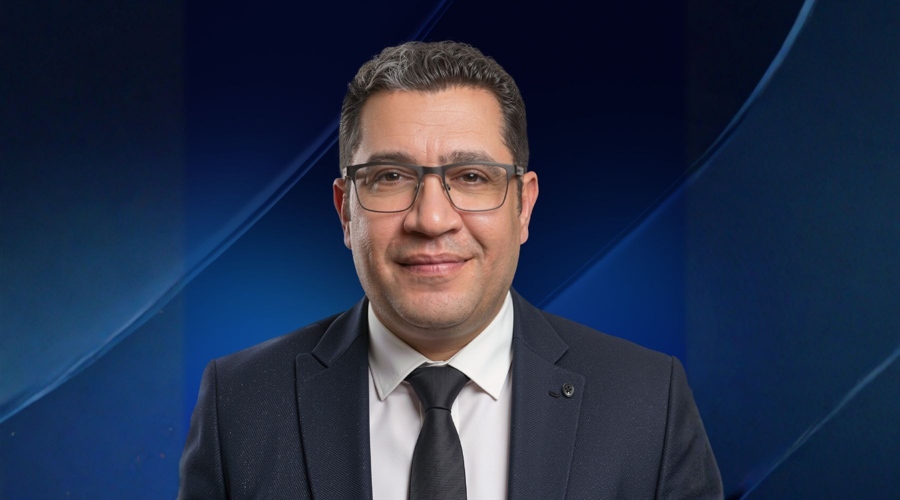
CFI Financial Group has named Amr Abdelbaky as chief executive officer of CFI Egypt, its locally regulated brokerage and bonds trading arm, as the Dubai-based firm tightens its focus on one of the region's largest retail investor pools.
Singapore Summit: Meet the largest APAC brokers you know (and those you still don't!)
Abdelbaky, who was promoted from within, will run an operation authorized by Egypt's Financial Regulatory Authority. The unit gives local clients direct access to more than 200 stocks listed on the Egyptian Exchange, including Commercial International Bank, QNB ALAHLI, and Telecom Egypt, according to the company.
CFI first entered Egypt at the end of 2022 through the acquisition of local broker El Mahrousa, a deal it described then as a cornerstone of its MENA strategy. The new appointment continues a busy stretch for the group, which opened a Bahrain office in October and reshuffled its top ranks last year after Ziad Melhem moved into the group CEO seat.
"Egypt is an important market for the Group, with solid fundamentals and growing investor participation," Melhem said in a statement.
- CFI Financial Continues to See “Record” Trading Volume, Ends Q4 with $2.07 Trillion
- CFI Opens Bahrain Office, Names Alsamerrai as Country Head
- CFI Expands in Latin America with Colombian SFC Authorization
"This appointment is about strengthening our presence on the ground and staying close to the market."
Rivals Close In on Egypt and the Gulf
CFI is not alone in treating Egypt and its neighbors as a growth priority. Warsaw-listed XTB ran a free-share promotion across its MENA operation in October, pairing the giveaway with investor-education workshops aimed at new account holders. XS.com opened a Kuwait office last summer and signed on as official sponsor of the Smart Vision Summit in Cairo in November.
Smaller names have followed similar paths. OneRoyal set up a Muscat entity in 2025 as part of what it called a deeper Gulf push, while Exness and crypto venue Bybit both secured regional licenses late last year. The Dubai Financial Services Authority said applications jumped 18% in the first nine months of 2025, prompting it to launch an automated review platform to shorten approval times.
Reported activity has climbed alongside the licensing rush. Capital.com disclosed $804 billion in MENA trading volume for the first half of 2025, a 53% jump from the previous six months, while Tickmill said its regional volumes rose 54% year-over-year over a similar window. Against that backdrop, CFI's EGX-only local unit is an unusually focused bet in a field otherwise defined by offshore CFD operators.
A Deliberately Narrow Cairo Playbook
Unlike CFI's offshore subsidiaries, which run the familiar multi-asset CFD model across forex, indices, and commodities, the Egyptian unit is built around domestic equities under FRA rules. That design puts it in a different lane from the CFD houses chasing Gulf expatriates.
The distinction matters for positioning. EGX names like CIB have drawn renewed retail interest over the past two years as Egypt's currency reforms, IMF program, and state privatization plan have reshaped the local investment story.
Abdelbaky said in the announcement that the priority was to "deliver a straightforward and dependable experience, supported by the right technology, competitive conditions, and a team that understands the market." The company did not disclose client numbers, trading volumes, or growth targets for the Egyptian business.
Sponsorship Stays Central to the Pitch
The Egyptian unit continues to lean on sports sponsorship, a channel the wider group has used heavily over the past three years. CFI is the official online trading partner of the Egyptian Basketball Federation, a deal that sits alongside group-level agreements with AC Milan, MI Cape Town cricket, and global brand ambassadors Lewis Hamilton and Maria Sharapova.
CFI reported a record $1.51 trillion in second-quarter trading volume last year, up 18% from the previous quarter, and funded accounts rose 75% year-over-year in the first quarter of 2025, according to its own disclosures. The company did not break out what share of that activity comes from the Egyptian book.


