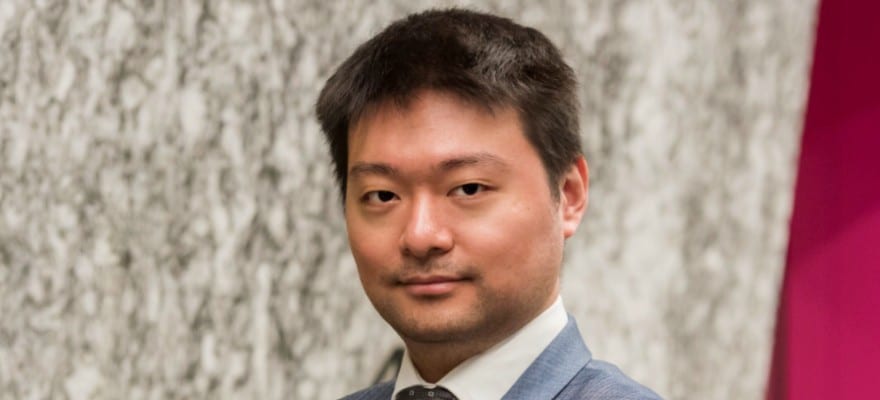
In the wake of that deal, Finance Magnates spoke to AxiCorp’s CEO, Rajesh Yohannan, to get a better insight into what the firm has been up and what its plans are for the near future.
Yohannan, who took on the role of CEO in 2016, had just touched down in Japan as we started the interview. Over the course of our discussion, we talked about AxiCorp’s acquisition strategy, emerging markets and China.
One Financial Markets
“We’ve been in acquisition mode for about 12 months,” said Yohannan as we started the interview, “but these things take time. OFM was the first deal that we’ve been able to execute.”
“ESMA is going to lead consolidation, that’s quite natural and most people in the industry agree to that.” Stated Yohannan, “But we liked OFM for multiple other reasons. They have licensing in Hong Kong and South Africa, so it improves our regulatory coverage significantly. They’re also a very well known brand in the Middle East and have been in China for 10 years.”
High praise indeed, thought this author. Does that mean, I asked Yohannan, that AxiCorp is going to be leaving things as they are? After all, if the new owners like how things are run, why change anything?
“Right,” said Yohannan, “we really like the way they work and the quality of the team that they have. Those were bigger drivers for our decision than anything else. And I believe our combined operations will boost our overall margins."
Acquisition mode
Given the sharp-eyed readership we have here at Finance Magnates, you will have noticed Yohannan’s comment that OMF was the first deal that AxiCorp has been able to make. A corollary of this is, of course, that there are other deals in the making.
No CEO would be foolish enough to provide a simple hack such as myself with all of the ins and outs of the deals they are making. So, instead of naming names, Yohannan and I discussed the thought process behind AxiCorp’s current acquisition strategy.
“There are some holes that we want to fill as far as our as business strategy is concerned.” Noted the AxiCorp CEO, “essentially, what we’re saying is, ‘can we build it ourselves or can we acquire?’”
That suggested a more measured approach than being in “acquisition mode” might imply. Rather than buying up any firm that looks interesting, AxiCorp will be buying firms that can strengthen their service offering but only if they can’t do that strengthening themselves.
“If there is a region that we can enter into ourselves, we’ll go there directly.” Said Yohannan, summarising AxiCorp’s strategy: “If there is a product or service that we can build ourselves, we’ll build it ourselves. Conversely, if there is a product we need that someone has built already, with reasonable scale, we may try to acquire them. We are looking at a number of opportunities very closely”
Into Emerging Markets
Without being too specific, those opportunities are likely to be in emerging markets. The acquisition of OMF - with its prominence in the Middle East and licensing in South Africa - is illustrative of that.
But where else will the firm be looking to expand? This author thought the answer may lay in South East Asia, a region many companies have expressed interest in, but Yohannan assured me otherwise.
“I’ve spent most of my professional life in Singapore,” said Yohannan, “so South East Asia is a region that me and my management team are very comfortable with. It is an area of growth but there are other areas that the industry can focus on.”
What are those growth areas exactly? Yohannan dropped a few hints but, being the smart man that he is, didn’t say exactly which markets AxiCorp is going to be entering into in the near future.
“There are pockets of growth in the Middle East, there are pockets of growth in Africa and in Latin America,” Yohannan noted. “Our focus is on emerging markets, whichever part of the world it may be.”
AxiCorp in China
One market that is certainly on AxiCorp’s radar is China. Brokers trying to establish a foothold in the world’s second largest economy have often found themselves facing a slew of different problems.
As reported by Finance Magnates earlier this August, brokers in China have had to deal with restrictions on advertising and problems with payment service providers. Alongside this, the government has made the occasional foray into the market, spooking many of those involved. In this context, how does AxiCorp plan to ensure it succeeds in the country?
“We feel that we have the requisite expertise to succeed,” Yohannan told Finance Magnates. “The most important thing is to do the right thing by your customers and not cheat your partners in the country. Unfortunately, some parts of our industry have been doing that, which hurts the industry as a whole.”
It is that latter group, cheating intermediary brokers and withholding client funds, that has arguably made life difficult for the retail industry in China. So, I asked, does AxiCorp not fear that there will be a crackdown on the industry that may make all their efforts futile?
“You’ve got to get into the Chinese market, regardless of any fears you may have.” Yohannan said wisely, “Look at how Citibank, HSBC, Standard Chartered, have succeeded in Asia. When they came to the region in the early 20th Century, there was no banking infrastructure and no regulation.
“Because of some early pioneers in those banks, they are now deep rooted within Asia. Now, I’m not trying to be as grandiose as that but what I’m saying is that every market has its challenges and if you run away from challenges, there’s no limit to how far you can run.”
A philosophical end to an interesting discussion. With Yohannan at the helm, and a clear business strategy in mind, AxiCorp looks set to make some interesting moves over the coming months. Watch this space.
In the wake of that deal, Finance Magnates spoke to AxiCorp’s CEO, Rajesh Yohannan, to get a better insight into what the firm has been up and what its plans are for the near future.
Yohannan, who took on the role of CEO in 2016, had just touched down in Japan as we started the interview. Over the course of our discussion, we talked about AxiCorp’s acquisition strategy, emerging markets and China.
One Financial Markets
“We’ve been in acquisition mode for about 12 months,” said Yohannan as we started the interview, “but these things take time. OFM was the first deal that we’ve been able to execute.”
“ESMA is going to lead consolidation, that’s quite natural and most people in the industry agree to that.” Stated Yohannan, “But we liked OFM for multiple other reasons. They have licensing in Hong Kong and South Africa, so it improves our regulatory coverage significantly. They’re also a very well known brand in the Middle East and have been in China for 10 years.”
High praise indeed, thought this author. Does that mean, I asked Yohannan, that AxiCorp is going to be leaving things as they are? After all, if the new owners like how things are run, why change anything?
“Right,” said Yohannan, “we really like the way they work and the quality of the team that they have. Those were bigger drivers for our decision than anything else. And I believe our combined operations will boost our overall margins."
Acquisition mode
Given the sharp-eyed readership we have here at Finance Magnates, you will have noticed Yohannan’s comment that OMF was the first deal that AxiCorp has been able to make. A corollary of this is, of course, that there are other deals in the making.
No CEO would be foolish enough to provide a simple hack such as myself with all of the ins and outs of the deals they are making. So, instead of naming names, Yohannan and I discussed the thought process behind AxiCorp’s current acquisition strategy.
“There are some holes that we want to fill as far as our as business strategy is concerned.” Noted the AxiCorp CEO, “essentially, what we’re saying is, ‘can we build it ourselves or can we acquire?’”
That suggested a more measured approach than being in “acquisition mode” might imply. Rather than buying up any firm that looks interesting, AxiCorp will be buying firms that can strengthen their service offering but only if they can’t do that strengthening themselves.
“If there is a region that we can enter into ourselves, we’ll go there directly.” Said Yohannan, summarising AxiCorp’s strategy: “If there is a product or service that we can build ourselves, we’ll build it ourselves. Conversely, if there is a product we need that someone has built already, with reasonable scale, we may try to acquire them. We are looking at a number of opportunities very closely”
Into Emerging Markets
Without being too specific, those opportunities are likely to be in emerging markets. The acquisition of OMF - with its prominence in the Middle East and licensing in South Africa - is illustrative of that.
But where else will the firm be looking to expand? This author thought the answer may lay in South East Asia, a region many companies have expressed interest in, but Yohannan assured me otherwise.
“I’ve spent most of my professional life in Singapore,” said Yohannan, “so South East Asia is a region that me and my management team are very comfortable with. It is an area of growth but there are other areas that the industry can focus on.”
What are those growth areas exactly? Yohannan dropped a few hints but, being the smart man that he is, didn’t say exactly which markets AxiCorp is going to be entering into in the near future.
“There are pockets of growth in the Middle East, there are pockets of growth in Africa and in Latin America,” Yohannan noted. “Our focus is on emerging markets, whichever part of the world it may be.”
AxiCorp in China
One market that is certainly on AxiCorp’s radar is China. Brokers trying to establish a foothold in the world’s second largest economy have often found themselves facing a slew of different problems.
As reported by Finance Magnates earlier this August, brokers in China have had to deal with restrictions on advertising and problems with payment service providers. Alongside this, the government has made the occasional foray into the market, spooking many of those involved. In this context, how does AxiCorp plan to ensure it succeeds in the country?
“We feel that we have the requisite expertise to succeed,” Yohannan told Finance Magnates. “The most important thing is to do the right thing by your customers and not cheat your partners in the country. Unfortunately, some parts of our industry have been doing that, which hurts the industry as a whole.”
It is that latter group, cheating intermediary brokers and withholding client funds, that has arguably made life difficult for the retail industry in China. So, I asked, does AxiCorp not fear that there will be a crackdown on the industry that may make all their efforts futile?
“You’ve got to get into the Chinese market, regardless of any fears you may have.” Yohannan said wisely, “Look at how Citibank, HSBC, Standard Chartered, have succeeded in Asia. When they came to the region in the early 20th Century, there was no banking infrastructure and no regulation.
“Because of some early pioneers in those banks, they are now deep rooted within Asia. Now, I’m not trying to be as grandiose as that but what I’m saying is that every market has its challenges and if you run away from challenges, there’s no limit to how far you can run.”
A philosophical end to an interesting discussion. With Yohannan at the helm, and a clear business strategy in mind, AxiCorp looks set to make some interesting moves over the coming months. Watch this space.
Italy’s Consob Tightens Net on AI-Fueled Scams With Fresh Website Bans
Featured Videos
FP Markets Winner Spotlight 🏆 | Global Broker of the Year 2025 #Trading #Broker #Innovation #Shorts
FP Markets Winner Spotlight 🏆 | Global Broker of the Year 2025 #Trading #Broker #Innovation #Shorts
FP Markets Winner Spotlight 🏆 | Global Broker of the Year 2025 #Trading #Broker #Innovation #Shorts
FP Markets Winner Spotlight 🏆 | Global Broker of the Year 2025 #Trading #Broker #Innovation #Shorts
FP Markets takes the spotlight as Global Broker of the Year 2025 at the Finance Magnates Awards.
Martin Stoilov, Head of Client Experience, shares that trust, innovation, and people played a key role in the company’s success, supported by a strong foundation of integrity and client-centricity.
Following this milestone, FP Markets continues to focus on growth, technology investment, and its core values of transparency and excellence.
👉 Be part of FM Awards 2026: https://awards.financemagnates.com/#nominate
FP Markets takes the spotlight as Global Broker of the Year 2025 at the Finance Magnates Awards.
Martin Stoilov, Head of Client Experience, shares that trust, innovation, and people played a key role in the company’s success, supported by a strong foundation of integrity and client-centricity.
Following this milestone, FP Markets continues to focus on growth, technology investment, and its core values of transparency and excellence.
👉 Be part of FM Awards 2026: https://awards.financemagnates.com/#nominate
FP Markets takes the spotlight as Global Broker of the Year 2025 at the Finance Magnates Awards.
Martin Stoilov, Head of Client Experience, shares that trust, innovation, and people played a key role in the company’s success, supported by a strong foundation of integrity and client-centricity.
Following this milestone, FP Markets continues to focus on growth, technology investment, and its core values of transparency and excellence.
👉 Be part of FM Awards 2026: https://awards.financemagnates.com/#nominate
FP Markets takes the spotlight as Global Broker of the Year 2025 at the Finance Magnates Awards.
Martin Stoilov, Head of Client Experience, shares that trust, innovation, and people played a key role in the company’s success, supported by a strong foundation of integrity and client-centricity.
Following this milestone, FP Markets continues to focus on growth, technology investment, and its core values of transparency and excellence.
👉 Be part of FM Awards 2026: https://awards.financemagnates.com/#nominate
In this video, we review @HolaPrimeMarketsOfficial, a multi-asset forex and CFDs broker offering different account types, trading platforms, and flexible trading conditions.
We cover the broker’s overall offering, including account options, trading environment, platforms like MT4 and MT5, and additional services such as managed accounts and fast withdrawals.
Watch the full video to see if Hola Prime Markets fits your trading needs.
📣 Stay up to date with the latest in finance and trading. Follow Finance Magnates for industry news, insights, and global event coverage.
Connect with us:
🔗 LinkedIn: /financemagnates
👍 Facebook: /financemagnates
📸 Instagram: https://www.instagram.com/financemagnates
🐦 X: https://x.com/financemagnates
🎥 TikTok: https://www.tiktok.com/tag/financemagnates
▶️ YouTube: /@financemagnates_official
#HolaPrime #ForexBroker #CFDTrading #FinanceMagnates #Trading #Forex #BrokerReview
In this video, we review @HolaPrimeMarketsOfficial, a multi-asset forex and CFDs broker offering different account types, trading platforms, and flexible trading conditions.
We cover the broker’s overall offering, including account options, trading environment, platforms like MT4 and MT5, and additional services such as managed accounts and fast withdrawals.
Watch the full video to see if Hola Prime Markets fits your trading needs.
📣 Stay up to date with the latest in finance and trading. Follow Finance Magnates for industry news, insights, and global event coverage.
Connect with us:
🔗 LinkedIn: /financemagnates
👍 Facebook: /financemagnates
📸 Instagram: https://www.instagram.com/financemagnates
🐦 X: https://x.com/financemagnates
🎥 TikTok: https://www.tiktok.com/tag/financemagnates
▶️ YouTube: /@financemagnates_official
#HolaPrime #ForexBroker #CFDTrading #FinanceMagnates #Trading #Forex #BrokerReview
In this video, we review @HolaPrimeMarketsOfficial, a multi-asset forex and CFDs broker offering different account types, trading platforms, and flexible trading conditions.
We cover the broker’s overall offering, including account options, trading environment, platforms like MT4 and MT5, and additional services such as managed accounts and fast withdrawals.
Watch the full video to see if Hola Prime Markets fits your trading needs.
📣 Stay up to date with the latest in finance and trading. Follow Finance Magnates for industry news, insights, and global event coverage.
Connect with us:
🔗 LinkedIn: /financemagnates
👍 Facebook: /financemagnates
📸 Instagram: https://www.instagram.com/financemagnates
🐦 X: https://x.com/financemagnates
🎥 TikTok: https://www.tiktok.com/tag/financemagnates
▶️ YouTube: /@financemagnates_official
#HolaPrime #ForexBroker #CFDTrading #FinanceMagnates #Trading #Forex #BrokerReview
In this video, we review @HolaPrimeMarketsOfficial, a multi-asset forex and CFDs broker offering different account types, trading platforms, and flexible trading conditions.
We cover the broker’s overall offering, including account options, trading environment, platforms like MT4 and MT5, and additional services such as managed accounts and fast withdrawals.
Watch the full video to see if Hola Prime Markets fits your trading needs.
📣 Stay up to date with the latest in finance and trading. Follow Finance Magnates for industry news, insights, and global event coverage.
Connect with us:
🔗 LinkedIn: /financemagnates
👍 Facebook: /financemagnates
📸 Instagram: https://www.instagram.com/financemagnates
🐦 X: https://x.com/financemagnates
🎥 TikTok: https://www.tiktok.com/tag/financemagnates
▶️ YouTube: /@financemagnates_official
#HolaPrime #ForexBroker #CFDTrading #FinanceMagnates #Trading #Forex #BrokerReview
In this video, we review @HolaPrimeMarketsOfficial, a multi-asset forex and CFDs broker offering different account types, trading platforms, and flexible trading conditions.
We cover the broker’s overall offering, including account options, trading environment, platforms like MT4 and MT5, and additional services such as managed accounts and fast withdrawals.
Watch the full video to see if Hola Prime Markets fits your trading needs.
📣 Stay up to date with the latest in finance and trading. Follow Finance Magnates for industry news, insights, and global event coverage.
Connect with us:
🔗 LinkedIn: /financemagnates
👍 Facebook: /financemagnates
📸 Instagram: https://www.instagram.com/financemagnates
🐦 X: https://x.com/financemagnates
🎥 TikTok: https://www.tiktok.com/tag/financemagnates
▶️ YouTube: /@financemagnates_official
#HolaPrime #ForexBroker #CFDTrading #FinanceMagnates #Trading #Forex #BrokerReview
In this video, we review @HolaPrimeMarketsOfficial, a multi-asset forex and CFDs broker offering different account types, trading platforms, and flexible trading conditions.
We cover the broker’s overall offering, including account options, trading environment, platforms like MT4 and MT5, and additional services such as managed accounts and fast withdrawals.
Watch the full video to see if Hola Prime Markets fits your trading needs.
📣 Stay up to date with the latest in finance and trading. Follow Finance Magnates for industry news, insights, and global event coverage.
Connect with us:
🔗 LinkedIn: /financemagnates
👍 Facebook: /financemagnates
📸 Instagram: https://www.instagram.com/financemagnates
🐦 X: https://x.com/financemagnates
🎥 TikTok: https://www.tiktok.com/tag/financemagnates
▶️ YouTube: /@financemagnates_official
#HolaPrime #ForexBroker #CFDTrading #FinanceMagnates #Trading #Forex #BrokerReview
Hola Prime Review: What You Need to Know | Full Breakdown by Finance Magnates
Hola Prime Review: What You Need to Know | Full Breakdown by Finance Magnates
Hola Prime Review: What You Need to Know | Full Breakdown by Finance Magnates
Hola Prime Review: What You Need to Know | Full Breakdown by Finance Magnates
Hola Prime Review: What You Need to Know | Full Breakdown by Finance Magnates
Hola Prime Review: What You Need to Know | Full Breakdown by Finance Magnates
In this video, we review @HolaPrime_Global, a proprietary trading firm offering evaluation programs and performance-based payouts in simulated market environments.
We cover how the challenge model works, including account types, profit splits (up to 95%), trading rules, and what it takes to reach a funded account. You’ll also learn about available platforms like MT4, MT5, cTrader, and more, along with insights into payouts, support, and trading conditions.
Watch the full video to see if Hola Prime fits your trading style.
📣 Stay up to date with the latest in finance and trading. Follow Finance Magnates for industry news, insights, and global event coverage.
Connect with us:
🔗 LinkedIn: /financemagnates
👍 Facebook: /financemagnates
📸 Instagram: https://www.instagram.com/financemagnates
🐦 X: https://x.com/financemagnates
🎥 TikTok: https://www.tiktok.com/tag/financemagnates
▶️ YouTube: /@financemagnates_official
#HolaPrime #PropFirm #Trading #FinanceMagnates #Forex #FuturesTrading #TradingReview #PropFirmReview
In this video, we review @HolaPrime_Global, a proprietary trading firm offering evaluation programs and performance-based payouts in simulated market environments.
We cover how the challenge model works, including account types, profit splits (up to 95%), trading rules, and what it takes to reach a funded account. You’ll also learn about available platforms like MT4, MT5, cTrader, and more, along with insights into payouts, support, and trading conditions.
Watch the full video to see if Hola Prime fits your trading style.
📣 Stay up to date with the latest in finance and trading. Follow Finance Magnates for industry news, insights, and global event coverage.
Connect with us:
🔗 LinkedIn: /financemagnates
👍 Facebook: /financemagnates
📸 Instagram: https://www.instagram.com/financemagnates
🐦 X: https://x.com/financemagnates
🎥 TikTok: https://www.tiktok.com/tag/financemagnates
▶️ YouTube: /@financemagnates_official
#HolaPrime #PropFirm #Trading #FinanceMagnates #Forex #FuturesTrading #TradingReview #PropFirmReview
In this video, we review @HolaPrime_Global, a proprietary trading firm offering evaluation programs and performance-based payouts in simulated market environments.
We cover how the challenge model works, including account types, profit splits (up to 95%), trading rules, and what it takes to reach a funded account. You’ll also learn about available platforms like MT4, MT5, cTrader, and more, along with insights into payouts, support, and trading conditions.
Watch the full video to see if Hola Prime fits your trading style.
📣 Stay up to date with the latest in finance and trading. Follow Finance Magnates for industry news, insights, and global event coverage.
Connect with us:
🔗 LinkedIn: /financemagnates
👍 Facebook: /financemagnates
📸 Instagram: https://www.instagram.com/financemagnates
🐦 X: https://x.com/financemagnates
🎥 TikTok: https://www.tiktok.com/tag/financemagnates
▶️ YouTube: /@financemagnates_official
#HolaPrime #PropFirm #Trading #FinanceMagnates #Forex #FuturesTrading #TradingReview #PropFirmReview
In this video, we review @HolaPrime_Global, a proprietary trading firm offering evaluation programs and performance-based payouts in simulated market environments.
We cover how the challenge model works, including account types, profit splits (up to 95%), trading rules, and what it takes to reach a funded account. You’ll also learn about available platforms like MT4, MT5, cTrader, and more, along with insights into payouts, support, and trading conditions.
Watch the full video to see if Hola Prime fits your trading style.
📣 Stay up to date with the latest in finance and trading. Follow Finance Magnates for industry news, insights, and global event coverage.
Connect with us:
🔗 LinkedIn: /financemagnates
👍 Facebook: /financemagnates
📸 Instagram: https://www.instagram.com/financemagnates
🐦 X: https://x.com/financemagnates
🎥 TikTok: https://www.tiktok.com/tag/financemagnates
▶️ YouTube: /@financemagnates_official
#HolaPrime #PropFirm #Trading #FinanceMagnates #Forex #FuturesTrading #TradingReview #PropFirmReview
In this video, we review @HolaPrime_Global, a proprietary trading firm offering evaluation programs and performance-based payouts in simulated market environments.
We cover how the challenge model works, including account types, profit splits (up to 95%), trading rules, and what it takes to reach a funded account. You’ll also learn about available platforms like MT4, MT5, cTrader, and more, along with insights into payouts, support, and trading conditions.
Watch the full video to see if Hola Prime fits your trading style.
📣 Stay up to date with the latest in finance and trading. Follow Finance Magnates for industry news, insights, and global event coverage.
Connect with us:
🔗 LinkedIn: /financemagnates
👍 Facebook: /financemagnates
📸 Instagram: https://www.instagram.com/financemagnates
🐦 X: https://x.com/financemagnates
🎥 TikTok: https://www.tiktok.com/tag/financemagnates
▶️ YouTube: /@financemagnates_official
#HolaPrime #PropFirm #Trading #FinanceMagnates #Forex #FuturesTrading #TradingReview #PropFirmReview
In this video, we review @HolaPrime_Global, a proprietary trading firm offering evaluation programs and performance-based payouts in simulated market environments.
We cover how the challenge model works, including account types, profit splits (up to 95%), trading rules, and what it takes to reach a funded account. You’ll also learn about available platforms like MT4, MT5, cTrader, and more, along with insights into payouts, support, and trading conditions.
Watch the full video to see if Hola Prime fits your trading style.
📣 Stay up to date with the latest in finance and trading. Follow Finance Magnates for industry news, insights, and global event coverage.
Connect with us:
🔗 LinkedIn: /financemagnates
👍 Facebook: /financemagnates
📸 Instagram: https://www.instagram.com/financemagnates
🐦 X: https://x.com/financemagnates
🎥 TikTok: https://www.tiktok.com/tag/financemagnates
▶️ YouTube: /@financemagnates_official
#HolaPrime #PropFirm #Trading #FinanceMagnates #Forex #FuturesTrading #TradingReview #PropFirmReview
Axi Winner Spotlight 🏆 | Global Most Innovative Broker 2025 #Innovation #Trading #Fintech #Broker
Axi Winner Spotlight 🏆 | Global Most Innovative Broker 2025 #Innovation #Trading #Fintech #Broker
Axi Winner Spotlight 🏆 | Global Most Innovative Broker 2025 #Innovation #Trading #Fintech #Broker
Axi Winner Spotlight 🏆 | Global Most Innovative Broker 2025 #Innovation #Trading #Fintech #Broker
Axi Winner Spotlight 🏆 | Global Most Innovative Broker 2025 #Innovation #Trading #Fintech #Broker
Axi Winner Spotlight 🏆 | Global Most Innovative Broker 2025 #Innovation #Trading #Fintech #Broker
Axi takes the spotlight at the Finance Magnates Awards, winning Global Most Innovative Broker 2025.
Olivia Xenofontos and Ivanna Openko share how the team will feel: proud, motivated, and ready to keep delivering.
They also describe the night as well-organized, focused, and enjoyable for all.
👉 Be part of FM Awards 2026.
Axi takes the spotlight at the Finance Magnates Awards, winning Global Most Innovative Broker 2025.
Olivia Xenofontos and Ivanna Openko share how the team will feel: proud, motivated, and ready to keep delivering.
They also describe the night as well-organized, focused, and enjoyable for all.
👉 Be part of FM Awards 2026.
Axi takes the spotlight at the Finance Magnates Awards, winning Global Most Innovative Broker 2025.
Olivia Xenofontos and Ivanna Openko share how the team will feel: proud, motivated, and ready to keep delivering.
They also describe the night as well-organized, focused, and enjoyable for all.
👉 Be part of FM Awards 2026.
Axi takes the spotlight at the Finance Magnates Awards, winning Global Most Innovative Broker 2025.
Olivia Xenofontos and Ivanna Openko share how the team will feel: proud, motivated, and ready to keep delivering.
They also describe the night as well-organized, focused, and enjoyable for all.
👉 Be part of FM Awards 2026.
Axi takes the spotlight at the Finance Magnates Awards, winning Global Most Innovative Broker 2025.
Olivia Xenofontos and Ivanna Openko share how the team will feel: proud, motivated, and ready to keep delivering.
They also describe the night as well-organized, focused, and enjoyable for all.
👉 Be part of FM Awards 2026.
Axi takes the spotlight at the Finance Magnates Awards, winning Global Most Innovative Broker 2025.
Olivia Xenofontos and Ivanna Openko share how the team will feel: proud, motivated, and ready to keep delivering.
They also describe the night as well-organized, focused, and enjoyable for all.
👉 Be part of FM Awards 2026.
Recognition that matters.
Built on transparency.
Driven by the industry.
The Finance Magnates Awards 2026.
Nominations are now open.
🔗 https://awards.financemagnates.com/?utm_source=SM&utm_medium=social&utm_campaign=recognition-matters
Recognition that matters.
Built on transparency.
Driven by the industry.
The Finance Magnates Awards 2026.
Nominations are now open.
🔗 https://awards.financemagnates.com/?utm_source=SM&utm_medium=social&utm_campaign=recognition-matters
Recognition that matters.
Built on transparency.
Driven by the industry.
The Finance Magnates Awards 2026.
Nominations are now open.
🔗 https://awards.financemagnates.com/?utm_source=SM&utm_medium=social&utm_campaign=recognition-matters
Recognition that matters.
Built on transparency.
Driven by the industry.
The Finance Magnates Awards 2026.
Nominations are now open.
🔗 https://awards.financemagnates.com/?utm_source=SM&utm_medium=social&utm_campaign=recognition-matters
Recognition that matters.
Built on transparency.
Driven by the industry.
The Finance Magnates Awards 2026.
Nominations are now open.
🔗 https://awards.financemagnates.com/?utm_source=SM&utm_medium=social&utm_campaign=recognition-matters
Recognition that matters.
Built on transparency.
Driven by the industry.
The Finance Magnates Awards 2026.
Nominations are now open.
🔗 https://awards.financemagnates.com/?utm_source=SM&utm_medium=social&utm_campaign=recognition-matters