Australia Looks to Reform FX and CFD Trading with New Capital Requirements from 31st January 2013
Australia’s financial regulator is set to introduce increased minimum capital requirements for broker dealers operating in the margin FX and CFD spectrum. The move comes after extensive research was carried out by the Australian Securities and Investments Commission (ASIC) in regards to the dynamics of the CFD (OTC derivatives) market as the market continues to grow and Australia positions itself as a financial centre for the Asia-Pacific region.
Australia has been one of the fastest growing markets for derivatives trading; according to the Reserve bank’s annual survey average daily trade volume for all OTC FX products was around $175 billion. In addition, the country's financial landscape is well equipped with the traditional fundamentals that constitute a marketplace for margin products. A well established and regulated capital markets structure with a literate investor base. Furthermore, internet usage and dealing in financial markets either in banking or securities trading (late 90’s with firms like e*trade) has been a long standing norm.
The new proposals by ASIC mean that from the 31st of January 2013 all ASIC regulated OTC derivatives brokers will need to ensure they have net tangible assets of $500,000 or 5% of revenue. In 2014, the requirement will be $1million and 10% of revenue. The regulators are following Basel 3 as a base for revenue and capital as a measure of a firm's financial stability.
Under the current regime brokers can set up under ASIC with capital adequacy of $50,000 unlike the UK where market makers require a minimum of Euros 730,000; the $50,000 is a base and brokers (CFD issuers) who act as principal (market maker) must hold adjusted surplus liquid funds of the $50,000 and/ or 5% of adjusted liabilities of $1million and $100 million.
ASIC’s new rulings come on the back of intense scrutiny of OTC derivatives brokers since 2009. Along with net capital requirements, marketing and client money ar hot topics and new measures are expected in line with the new capital requirement proposals over the next two years.
The global recession and the collapse of MF global certainly impacted ASIC’s view of the financial derivatives trading in Australia. The Australian FX & CFD market is very diverse with brokers sitting on both sides of the ‘net capital’ spectrum. The current ASIC capital requirements have meant that brokers with as little as $50,000 can set up shop and operate as a principal broker, thus giving an overall theme of under capitalised brokers offering high risk products; and thus exposing investors to counter-party risk.
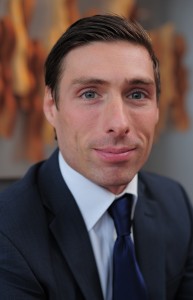
Louis Cooper, Head of CMC Markets ANZ, CMC Markets
Louis Cooper, Head of CMC Markets ANZ believes “The decision to raise capital adequacy requirements to $1 million for OTC derivatives providers in Australia is a good initiative by ASIC who have made it more difficult for those who may be underfunded or not well-governed to enter the market”.
Owen Kerr, CEO of Pepperstone also agrees with the new requirements “I think they are fair and to be honest, quite accommodating - with at least a year until they are fully enacted".
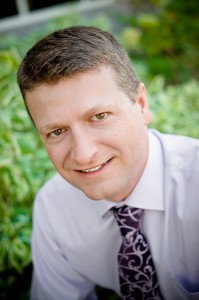
The new requirements bring Australia in line with other major financial hubs such as UK, Singapore, Japan and the United States. Interbank FX Australia (part of Monex Group) favours the change as the new regulations reduce regulatory arbitrage by brokers, Alex Douglas, Managing Director, IBFX Australia says; “While the change represents a significant jump from the current requirement to hold just A$50,000 of adjusted surplus liquid funds, the new requirement to hold A$1,000,000 (as of 31 January 2014) is seen as bringing Australia into line with other major regulators around the world (although, still well below the $20 million required in the US).”
Alex Douglas, Managing Director, IBFX Australia
Other participants haven't been so warm to the new requirements, IG Markets one of the largest CFD issuers agrees with the new requirements however believes that regulators can do more and set the bar higher, Adam Blemings, Head of Dealing at IG markets Australia says; “IG fully supports the new proposals, furthermore we believe the minimum net capital requirements should be significantly higher than the current ASIC proposals and as a founding member of the Australian CFD Forum we have committed to a Best Practice Standard of a minimum NTA (Net Tangible Assets) of $2 million, double the $1 million minimum required by ASIC.”
Owen Kerr adds; "I would have preferred a higher level that the 1 million AUD minimum requirements. The marketplace in Australia see’s far too many under capitalised new entrants who underestimate the complexity and expense of running a CFD brokerage”.
The larger players have been in a comfortable position and able to maintain requirements, the new ruling will affect the smaller players and the market will certainly see consolidation and a reduction in the number of players. Eugene Chen, Senior Associate at Hall & Wilcox a law firm specialising in financial services based in Melbourne believes “the small players will be unable to deal with the new capital requirements and we will see an impact (reduction) on the number of CFD issuers over the coming months”.
Surprisingly the forum does not include any firms whose origin are from Australia, all the six firms are foreign. CMC markets, one of the founding members sees the forum playing an important role in shaping the industry, Louis Cooper says “CMC Markets is a founding member of the Australian CFD Forum, which comprises a group of leading CFD providers seeking to raise the standards of the Australian CFD industry, and separate themselves from other providers who are not doing the right thing by their clients.”
Regulation (Dodd Frank, leverage and FIFO) has hampered the US market as seen by client numbers and trade volumes, US brokers were forced to reduce leverage and make changes to execution of orders e.g. FIFO. The Australian CFD market will be wary of regulations impacting trade volumes however Owen Kerr doesn't see any negative impact the new regulations may have on trading volumes, “Trade volumes have been consistently growing here in Australia as FX becomes a better known investment class as Australia’s investment public seek an asset to replace underperforming shares and managed funds”. This reinforces the figures reported by Investment Trends which saw an uptake in client numbers trading CFDs.
The OTC markets can expect more from ASIC as client money rules are yet to be finalised and the industry is keen to see major changes. The new capital requirements are an excellent mechanism for CFD and FX issuers to maintain confidence amongst retail traders that they are financially sound, the recent cases including MF Global, World Spreads and PFG highlighted the major weaknesses in the current regulatory framework and if the regulators continue to evolve the conditions to favour traders then the market can be served best. Australia will continue to grow and regulators, issuers and traders need to ensure they find the right balance, Adam Blemings believes “the industry is still growing in Australia, with a recent market survey showing a 7% growth in active traders in 2012”.
As FX maintains its position as the most liquid asset class and Australia is seen as a major financial centre, firms in China and Asia will view ASIC as a well governed regulator. Alex Douglas knows of “at least half a dozen off-shore providers that are in the process of establishing operations in Australia right now”.
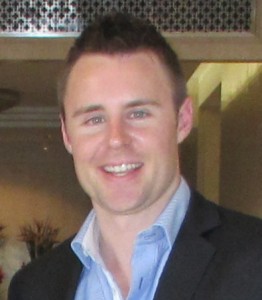
Owen Kerr, CEO of Pepperstone
Commenting on the positives of the new regulations, Owen Kerr says; “The last thing Australia wants is a reputation for lax regulation, like what happened with New Zealand, which is perceived to be the “wild west” where any person with a few thousand dollars can set up a ‘regulated’ entity”.
Australia Looks to Reform FX and CFD Trading with New Capital Requirements from 31st January 2013
Australia’s financial regulator is set to introduce increased minimum capital requirements for broker dealers operating in the margin FX and CFD spectrum. The move comes after extensive research was carried out by the Australian Securities and Investments Commission (ASIC) in regards to the dynamics of the CFD (OTC derivatives) market as the market continues to grow and Australia positions itself as a financial centre for the Asia-Pacific region.
Australia has been one of the fastest growing markets for derivatives trading; according to the Reserve bank’s annual survey average daily trade volume for all OTC FX products was around $175 billion. In addition, the country's financial landscape is well equipped with the traditional fundamentals that constitute a marketplace for margin products. A well established and regulated capital markets structure with a literate investor base. Furthermore, internet usage and dealing in financial markets either in banking or securities trading (late 90’s with firms like e*trade) has been a long standing norm.
The new proposals by ASIC mean that from the 31st of January 2013 all ASIC regulated OTC derivatives brokers will need to ensure they have net tangible assets of $500,000 or 5% of revenue. In 2014, the requirement will be $1million and 10% of revenue. The regulators are following Basel 3 as a base for revenue and capital as a measure of a firm's financial stability.
Under the current regime brokers can set up under ASIC with capital adequacy of $50,000 unlike the UK where market makers require a minimum of Euros 730,000; the $50,000 is a base and brokers (CFD issuers) who act as principal (market maker) must hold adjusted surplus liquid funds of the $50,000 and/ or 5% of adjusted liabilities of $1million and $100 million.
ASIC’s new rulings come on the back of intense scrutiny of OTC derivatives brokers since 2009. Along with net capital requirements, marketing and client money ar hot topics and new measures are expected in line with the new capital requirement proposals over the next two years.
The global recession and the collapse of MF global certainly impacted ASIC’s view of the financial derivatives trading in Australia. The Australian FX & CFD market is very diverse with brokers sitting on both sides of the ‘net capital’ spectrum. The current ASIC capital requirements have meant that brokers with as little as $50,000 can set up shop and operate as a principal broker, thus giving an overall theme of under capitalised brokers offering high risk products; and thus exposing investors to counter-party risk.
Louis Cooper, Head of CMC Markets ANZ, CMC Markets
Louis Cooper, Head of CMC Markets ANZ believes “The decision to raise capital adequacy requirements to $1 million for OTC derivatives providers in Australia is a good initiative by ASIC who have made it more difficult for those who may be underfunded or not well-governed to enter the market”.
Owen Kerr, CEO of Pepperstone also agrees with the new requirements “I think they are fair and to be honest, quite accommodating - with at least a year until they are fully enacted".
The new requirements bring Australia in line with other major financial hubs such as UK, Singapore, Japan and the United States. Interbank FX Australia (part of Monex Group) favours the change as the new regulations reduce regulatory arbitrage by brokers, Alex Douglas, Managing Director, IBFX Australia says; “While the change represents a significant jump from the current requirement to hold just A$50,000 of adjusted surplus liquid funds, the new requirement to hold A$1,000,000 (as of 31 January 2014) is seen as bringing Australia into line with other major regulators around the world (although, still well below the $20 million required in the US).”
Alex Douglas, Managing Director, IBFX Australia
Other participants haven't been so warm to the new requirements, IG Markets one of the largest CFD issuers agrees with the new requirements however believes that regulators can do more and set the bar higher, Adam Blemings, Head of Dealing at IG markets Australia says; “IG fully supports the new proposals, furthermore we believe the minimum net capital requirements should be significantly higher than the current ASIC proposals and as a founding member of the Australian CFD Forum we have committed to a Best Practice Standard of a minimum NTA (Net Tangible Assets) of $2 million, double the $1 million minimum required by ASIC.”
Owen Kerr adds; "I would have preferred a higher level that the 1 million AUD minimum requirements. The marketplace in Australia see’s far too many under capitalised new entrants who underestimate the complexity and expense of running a CFD brokerage”.
The larger players have been in a comfortable position and able to maintain requirements, the new ruling will affect the smaller players and the market will certainly see consolidation and a reduction in the number of players. Eugene Chen, Senior Associate at Hall & Wilcox a law firm specialising in financial services based in Melbourne believes “the small players will be unable to deal with the new capital requirements and we will see an impact (reduction) on the number of CFD issuers over the coming months”.
Surprisingly the forum does not include any firms whose origin are from Australia, all the six firms are foreign. CMC markets, one of the founding members sees the forum playing an important role in shaping the industry, Louis Cooper says “CMC Markets is a founding member of the Australian CFD Forum, which comprises a group of leading CFD providers seeking to raise the standards of the Australian CFD industry, and separate themselves from other providers who are not doing the right thing by their clients.”
Regulation (Dodd Frank, leverage and FIFO) has hampered the US market as seen by client numbers and trade volumes, US brokers were forced to reduce leverage and make changes to execution of orders e.g. FIFO. The Australian CFD market will be wary of regulations impacting trade volumes however Owen Kerr doesn't see any negative impact the new regulations may have on trading volumes, “Trade volumes have been consistently growing here in Australia as FX becomes a better known investment class as Australia’s investment public seek an asset to replace underperforming shares and managed funds”. This reinforces the figures reported by Investment Trends which saw an uptake in client numbers trading CFDs.
The OTC markets can expect more from ASIC as client money rules are yet to be finalised and the industry is keen to see major changes. The new capital requirements are an excellent mechanism for CFD and FX issuers to maintain confidence amongst retail traders that they are financially sound, the recent cases including MF Global, World Spreads and PFG highlighted the major weaknesses in the current regulatory framework and if the regulators continue to evolve the conditions to favour traders then the market can be served best. Australia will continue to grow and regulators, issuers and traders need to ensure they find the right balance, Adam Blemings believes “the industry is still growing in Australia, with a recent market survey showing a 7% growth in active traders in 2012”.
As FX maintains its position as the most liquid asset class and Australia is seen as a major financial centre, firms in China and Asia will view ASIC as a well governed regulator. Alex Douglas knows of “at least half a dozen off-shore providers that are in the process of establishing operations in Australia right now”.
Owen Kerr, CEO of Pepperstone
Commenting on the positives of the new regulations, Owen Kerr says; “The last thing Australia wants is a reputation for lax regulation, like what happened with New Zealand, which is perceived to be the “wild west” where any person with a few thousand dollars can set up a ‘regulated’ entity”.
CMC Markets’ Artur Delijergijevs on Metals Demand, Volatility, & Stable Execution
CMC Markets’ Artur Delijergijevs on Metals Demand, Volatility, & Stable Execution
CMC Markets’ Artur Delijergijevs on Metals Demand, Volatility, & Stable Execution
CMC Markets’ Artur Delijergijevs on Metals Demand, Volatility, & Stable Execution
In this exclusive Executive Interview, Finance Magnates speaks with Artur Delijergijevs, Head of Systematic Market Making at CMC Markets, about the current state of metals demand and market volatility.
Delijergijevs offers a desk-level view on:
- Metals Demand: Why metals are seeing the strongest demand from both retail and institutional clients right now.
- The Safe-Haven Debate: Questioning whether gold still fits the classic safe-haven definition given large daily price movements.
- Volatile Market Prep: How a market-making desk prepares its systems and pricing for stressed market conditions and high-impact economic events.
- Hybrid Execution: Why the best execution model combines electronic speed with human relationship support, especially during volatility.
- AI in Workflow: Where CMC Markets is integrating machine learning for risk management and pricing, and the limitations of AI during stressed markets.
- Dubai's Role: The strategic importance of Dubai’s location for covering global trading sessions across Asia, Europe, and the US.
Watch to understand how CMC Markets maintains stable pricing and reliable execution quality in high-volatility environments.
#CMCmarkets #forex #metals #gold #trading #volatility #MarketMaking #iFXDubai #FinanceMagnates #Finance #Fintech #Execution #AlgorithmicTrading #RiskManagement
In this exclusive Executive Interview, Finance Magnates speaks with Artur Delijergijevs, Head of Systematic Market Making at CMC Markets, about the current state of metals demand and market volatility.
Delijergijevs offers a desk-level view on:
- Metals Demand: Why metals are seeing the strongest demand from both retail and institutional clients right now.
- The Safe-Haven Debate: Questioning whether gold still fits the classic safe-haven definition given large daily price movements.
- Volatile Market Prep: How a market-making desk prepares its systems and pricing for stressed market conditions and high-impact economic events.
- Hybrid Execution: Why the best execution model combines electronic speed with human relationship support, especially during volatility.
- AI in Workflow: Where CMC Markets is integrating machine learning for risk management and pricing, and the limitations of AI during stressed markets.
- Dubai's Role: The strategic importance of Dubai’s location for covering global trading sessions across Asia, Europe, and the US.
Watch to understand how CMC Markets maintains stable pricing and reliable execution quality in high-volatility environments.
#CMCmarkets #forex #metals #gold #trading #volatility #MarketMaking #iFXDubai #FinanceMagnates #Finance #Fintech #Execution #AlgorithmicTrading #RiskManagement
In this exclusive Executive Interview, Finance Magnates speaks with Artur Delijergijevs, Head of Systematic Market Making at CMC Markets, about the current state of metals demand and market volatility.
Delijergijevs offers a desk-level view on:
- Metals Demand: Why metals are seeing the strongest demand from both retail and institutional clients right now.
- The Safe-Haven Debate: Questioning whether gold still fits the classic safe-haven definition given large daily price movements.
- Volatile Market Prep: How a market-making desk prepares its systems and pricing for stressed market conditions and high-impact economic events.
- Hybrid Execution: Why the best execution model combines electronic speed with human relationship support, especially during volatility.
- AI in Workflow: Where CMC Markets is integrating machine learning for risk management and pricing, and the limitations of AI during stressed markets.
- Dubai's Role: The strategic importance of Dubai’s location for covering global trading sessions across Asia, Europe, and the US.
Watch to understand how CMC Markets maintains stable pricing and reliable execution quality in high-volatility environments.
#CMCmarkets #forex #metals #gold #trading #volatility #MarketMaking #iFXDubai #FinanceMagnates #Finance #Fintech #Execution #AlgorithmicTrading #RiskManagement
In this exclusive Executive Interview, Finance Magnates speaks with Artur Delijergijevs, Head of Systematic Market Making at CMC Markets, about the current state of metals demand and market volatility.
Delijergijevs offers a desk-level view on:
- Metals Demand: Why metals are seeing the strongest demand from both retail and institutional clients right now.
- The Safe-Haven Debate: Questioning whether gold still fits the classic safe-haven definition given large daily price movements.
- Volatile Market Prep: How a market-making desk prepares its systems and pricing for stressed market conditions and high-impact economic events.
- Hybrid Execution: Why the best execution model combines electronic speed with human relationship support, especially during volatility.
- AI in Workflow: Where CMC Markets is integrating machine learning for risk management and pricing, and the limitations of AI during stressed markets.
- Dubai's Role: The strategic importance of Dubai’s location for covering global trading sessions across Asia, Europe, and the US.
Watch to understand how CMC Markets maintains stable pricing and reliable execution quality in high-volatility environments.
#CMCmarkets #forex #metals #gold #trading #volatility #MarketMaking #iFXDubai #FinanceMagnates #Finance #Fintech #Execution #AlgorithmicTrading #RiskManagement
Finance Magnates Awards 2026 – Nominations Now Open
Finance Magnates Awards 2026 – Nominations Now Open
Finance Magnates Awards 2026 – Nominations Now Open
Finance Magnates Awards 2026 – Nominations Now Open
Finance Magnates Awards 2026 – Nominations Now Open
Finance Magnates Awards 2026 – Nominations Now Open
The Finance Magnates Awards 2026 nominations are now open. 🏆
From fintech innovators to leading brokers, this is where the finance industry celebrates its biggest achievements.
Winners will be announced at the Cyprus Gala Dinner on November 6, 2026.
Nominate your brand now.
https://awards.financemagnates.com/?utm_source=linkedin&utm_medium=video&utm_campaign=nominations-open
#FMAwards #FinanceMagnates #FintechAwards #Fintech #FinanceIndustry
The Finance Magnates Awards 2026 nominations are now open. 🏆
From fintech innovators to leading brokers, this is where the finance industry celebrates its biggest achievements.
Winners will be announced at the Cyprus Gala Dinner on November 6, 2026.
Nominate your brand now.
https://awards.financemagnates.com/?utm_source=linkedin&utm_medium=video&utm_campaign=nominations-open
#FMAwards #FinanceMagnates #FintechAwards #Fintech #FinanceIndustry
The Finance Magnates Awards 2026 nominations are now open. 🏆
From fintech innovators to leading brokers, this is where the finance industry celebrates its biggest achievements.
Winners will be announced at the Cyprus Gala Dinner on November 6, 2026.
Nominate your brand now.
https://awards.financemagnates.com/?utm_source=linkedin&utm_medium=video&utm_campaign=nominations-open
#FMAwards #FinanceMagnates #FintechAwards #Fintech #FinanceIndustry
The Finance Magnates Awards 2026 nominations are now open. 🏆
From fintech innovators to leading brokers, this is where the finance industry celebrates its biggest achievements.
Winners will be announced at the Cyprus Gala Dinner on November 6, 2026.
Nominate your brand now.
https://awards.financemagnates.com/?utm_source=linkedin&utm_medium=video&utm_campaign=nominations-open
#FMAwards #FinanceMagnates #FintechAwards #Fintech #FinanceIndustry
The Finance Magnates Awards 2026 nominations are now open. 🏆
From fintech innovators to leading brokers, this is where the finance industry celebrates its biggest achievements.
Winners will be announced at the Cyprus Gala Dinner on November 6, 2026.
Nominate your brand now.
https://awards.financemagnates.com/?utm_source=linkedin&utm_medium=video&utm_campaign=nominations-open
#FMAwards #FinanceMagnates #FintechAwards #Fintech #FinanceIndustry
The Finance Magnates Awards 2026 nominations are now open. 🏆
From fintech innovators to leading brokers, this is where the finance industry celebrates its biggest achievements.
Winners will be announced at the Cyprus Gala Dinner on November 6, 2026.
Nominate your brand now.
https://awards.financemagnates.com/?utm_source=linkedin&utm_medium=video&utm_campaign=nominations-open
#FMAwards #FinanceMagnates #FintechAwards #Fintech #FinanceIndustry
Finance Magnates Awards 2026 | Nominations Now Open 🏆#Fintech #FMAwards #TradingIndustry
Finance Magnates Awards 2026 | Nominations Now Open 🏆#Fintech #FMAwards #TradingIndustry
Finance Magnates Awards 2026 | Nominations Now Open 🏆#Fintech #FMAwards #TradingIndustry
Finance Magnates Awards 2026 | Nominations Now Open 🏆#Fintech #FMAwards #TradingIndustry
Finance Magnates Awards 2026 | Nominations Now Open 🏆#Fintech #FMAwards #TradingIndustry
Finance Magnates Awards 2026 | Nominations Now Open 🏆#Fintech #FMAwards #TradingIndustry
Lights on. Cameras ready. 🎬
Finance Magnates Awards 2026 nominations are now open. 🏆
#FMAwards #FinanceMagnates #FintechAwards #Fintech
Lights on. Cameras ready. 🎬
Finance Magnates Awards 2026 nominations are now open. 🏆
#FMAwards #FinanceMagnates #FintechAwards #Fintech
Lights on. Cameras ready. 🎬
Finance Magnates Awards 2026 nominations are now open. 🏆
#FMAwards #FinanceMagnates #FintechAwards #Fintech
Lights on. Cameras ready. 🎬
Finance Magnates Awards 2026 nominations are now open. 🏆
#FMAwards #FinanceMagnates #FintechAwards #Fintech
Lights on. Cameras ready. 🎬
Finance Magnates Awards 2026 nominations are now open. 🏆
#FMAwards #FinanceMagnates #FintechAwards #Fintech
Lights on. Cameras ready. 🎬
Finance Magnates Awards 2026 nominations are now open. 🏆
#FMAwards #FinanceMagnates #FintechAwards #Fintech
Exness sees trust as the key theme for growth in MENA Trading Growth for 2026
Exness sees trust as the key theme for growth in MENA Trading Growth for 2026
Exness sees trust as the key theme for growth in MENA Trading Growth for 2026
Exness sees trust as the key theme for growth in MENA Trading Growth for 2026
Exness sees trust as the key theme for growth in MENA Trading Growth for 2026
Exness sees trust as the key theme for growth in MENA Trading Growth for 2026
Mohammad Amer, Regional Commercial Director at Exness, sits down to discuss the booming MENA financial trading market. Find out why Dubai is key to the company's growth strategy, how a mobile-first generation is changing expectations, and why trust will be the defining theme for traders in 2026.
In this interview, you'll learn:
* Why Dubai and the MENA region are critical growth markets for fintech and online trading.
* How Exness is addressing the demands of mobile-first, younger traders through engineering, platform stability, and transparent conditions.
* The essential role local talent plays in providing a culturally relevant and compliant user experience.
* Mohammad Amer's outlook on the future of the online trading industry and why stronger controls and systems are necessary.
* Why "trust" isn't just a brand value, but has commercial value—and why he predicts 2026 will be the "Year of Trust."
Key Takeaways:
➡️ The MENA region is rapidly shaping global financial markets.
➡️ New traders expect stability, precise execution, and transparency.
➡️ Local expertise is key to regulatory compliance and user experience.
➡️ Future success belongs to firms capable of meeting rising standards across regulation and platform consistency.
Read the full article at: https://www.financemagnates.com/thought-leadership/exness-sees-trust-as-the-key-theme-for-growth-in-mena-trading-growth-for-2026/
#Exness #MENA #Trading #FinTech #Dubai #OnlineTrading #FinanceMagnates #MohammadAmer #Trust #MobileTrading
Mohammad Amer, Regional Commercial Director at Exness, sits down to discuss the booming MENA financial trading market. Find out why Dubai is key to the company's growth strategy, how a mobile-first generation is changing expectations, and why trust will be the defining theme for traders in 2026.
In this interview, you'll learn:
* Why Dubai and the MENA region are critical growth markets for fintech and online trading.
* How Exness is addressing the demands of mobile-first, younger traders through engineering, platform stability, and transparent conditions.
* The essential role local talent plays in providing a culturally relevant and compliant user experience.
* Mohammad Amer's outlook on the future of the online trading industry and why stronger controls and systems are necessary.
* Why "trust" isn't just a brand value, but has commercial value—and why he predicts 2026 will be the "Year of Trust."
Key Takeaways:
➡️ The MENA region is rapidly shaping global financial markets.
➡️ New traders expect stability, precise execution, and transparency.
➡️ Local expertise is key to regulatory compliance and user experience.
➡️ Future success belongs to firms capable of meeting rising standards across regulation and platform consistency.
Read the full article at: https://www.financemagnates.com/thought-leadership/exness-sees-trust-as-the-key-theme-for-growth-in-mena-trading-growth-for-2026/
#Exness #MENA #Trading #FinTech #Dubai #OnlineTrading #FinanceMagnates #MohammadAmer #Trust #MobileTrading
Mohammad Amer, Regional Commercial Director at Exness, sits down to discuss the booming MENA financial trading market. Find out why Dubai is key to the company's growth strategy, how a mobile-first generation is changing expectations, and why trust will be the defining theme for traders in 2026.
In this interview, you'll learn:
* Why Dubai and the MENA region are critical growth markets for fintech and online trading.
* How Exness is addressing the demands of mobile-first, younger traders through engineering, platform stability, and transparent conditions.
* The essential role local talent plays in providing a culturally relevant and compliant user experience.
* Mohammad Amer's outlook on the future of the online trading industry and why stronger controls and systems are necessary.
* Why "trust" isn't just a brand value, but has commercial value—and why he predicts 2026 will be the "Year of Trust."
Key Takeaways:
➡️ The MENA region is rapidly shaping global financial markets.
➡️ New traders expect stability, precise execution, and transparency.
➡️ Local expertise is key to regulatory compliance and user experience.
➡️ Future success belongs to firms capable of meeting rising standards across regulation and platform consistency.
Read the full article at: https://www.financemagnates.com/thought-leadership/exness-sees-trust-as-the-key-theme-for-growth-in-mena-trading-growth-for-2026/
#Exness #MENA #Trading #FinTech #Dubai #OnlineTrading #FinanceMagnates #MohammadAmer #Trust #MobileTrading
Mohammad Amer, Regional Commercial Director at Exness, sits down to discuss the booming MENA financial trading market. Find out why Dubai is key to the company's growth strategy, how a mobile-first generation is changing expectations, and why trust will be the defining theme for traders in 2026.
In this interview, you'll learn:
* Why Dubai and the MENA region are critical growth markets for fintech and online trading.
* How Exness is addressing the demands of mobile-first, younger traders through engineering, platform stability, and transparent conditions.
* The essential role local talent plays in providing a culturally relevant and compliant user experience.
* Mohammad Amer's outlook on the future of the online trading industry and why stronger controls and systems are necessary.
* Why "trust" isn't just a brand value, but has commercial value—and why he predicts 2026 will be the "Year of Trust."
Key Takeaways:
➡️ The MENA region is rapidly shaping global financial markets.
➡️ New traders expect stability, precise execution, and transparency.
➡️ Local expertise is key to regulatory compliance and user experience.
➡️ Future success belongs to firms capable of meeting rising standards across regulation and platform consistency.
Read the full article at: https://www.financemagnates.com/thought-leadership/exness-sees-trust-as-the-key-theme-for-growth-in-mena-trading-growth-for-2026/
#Exness #MENA #Trading #FinTech #Dubai #OnlineTrading #FinanceMagnates #MohammadAmer #Trust #MobileTrading
Mohammad Amer, Regional Commercial Director at Exness, sits down to discuss the booming MENA financial trading market. Find out why Dubai is key to the company's growth strategy, how a mobile-first generation is changing expectations, and why trust will be the defining theme for traders in 2026.
In this interview, you'll learn:
* Why Dubai and the MENA region are critical growth markets for fintech and online trading.
* How Exness is addressing the demands of mobile-first, younger traders through engineering, platform stability, and transparent conditions.
* The essential role local talent plays in providing a culturally relevant and compliant user experience.
* Mohammad Amer's outlook on the future of the online trading industry and why stronger controls and systems are necessary.
* Why "trust" isn't just a brand value, but has commercial value—and why he predicts 2026 will be the "Year of Trust."
Key Takeaways:
➡️ The MENA region is rapidly shaping global financial markets.
➡️ New traders expect stability, precise execution, and transparency.
➡️ Local expertise is key to regulatory compliance and user experience.
➡️ Future success belongs to firms capable of meeting rising standards across regulation and platform consistency.
Read the full article at: https://www.financemagnates.com/thought-leadership/exness-sees-trust-as-the-key-theme-for-growth-in-mena-trading-growth-for-2026/
#Exness #MENA #Trading #FinTech #Dubai #OnlineTrading #FinanceMagnates #MohammadAmer #Trust #MobileTrading
Mohammad Amer, Regional Commercial Director at Exness, sits down to discuss the booming MENA financial trading market. Find out why Dubai is key to the company's growth strategy, how a mobile-first generation is changing expectations, and why trust will be the defining theme for traders in 2026.
In this interview, you'll learn:
* Why Dubai and the MENA region are critical growth markets for fintech and online trading.
* How Exness is addressing the demands of mobile-first, younger traders through engineering, platform stability, and transparent conditions.
* The essential role local talent plays in providing a culturally relevant and compliant user experience.
* Mohammad Amer's outlook on the future of the online trading industry and why stronger controls and systems are necessary.
* Why "trust" isn't just a brand value, but has commercial value—and why he predicts 2026 will be the "Year of Trust."
Key Takeaways:
➡️ The MENA region is rapidly shaping global financial markets.
➡️ New traders expect stability, precise execution, and transparency.
➡️ Local expertise is key to regulatory compliance and user experience.
➡️ Future success belongs to firms capable of meeting rising standards across regulation and platform consistency.
Read the full article at: https://www.financemagnates.com/thought-leadership/exness-sees-trust-as-the-key-theme-for-growth-in-mena-trading-growth-for-2026/
#Exness #MENA #Trading #FinTech #Dubai #OnlineTrading #FinanceMagnates #MohammadAmer #Trust #MobileTrading
Paytiko CEO Razi Salih on Why Payment Orchestration is a MUST-HAVE for Brokers in 2026
Paytiko CEO Razi Salih on Why Payment Orchestration is a MUST-HAVE for Brokers in 2026
Paytiko CEO Razi Salih on Why Payment Orchestration is a MUST-HAVE for Brokers in 2026
Paytiko CEO Razi Salih on Why Payment Orchestration is a MUST-HAVE for Brokers in 2026
Paytiko CEO Razi Salih on Why Payment Orchestration is a MUST-HAVE for Brokers in 2026
Paytiko CEO Razi Salih on Why Payment Orchestration is a MUST-HAVE for Brokers in 2026
At iFX Expo Dubai, Finance Magnates spoke with Razi Salih, CEO at Paytiko, about the evolution of the payments ecosystem and why payment orchestration has shifted from an option to a necessity for brokers, prop firms, and exchanges.
Mr. Salih explains how global expansion, the need for deep localisation, and the sheer number of new payment methods, from instant banking to stablecoins, are driving this critical infrastructure shift.
#PaymentOrchestration #Fintech #Brokerage #TradingPayments #RaziSalih #Paytiko #iFXExpoDubai #Stablecoins #AIinFintech
At iFX Expo Dubai, Finance Magnates spoke with Razi Salih, CEO at Paytiko, about the evolution of the payments ecosystem and why payment orchestration has shifted from an option to a necessity for brokers, prop firms, and exchanges.
Mr. Salih explains how global expansion, the need for deep localisation, and the sheer number of new payment methods, from instant banking to stablecoins, are driving this critical infrastructure shift.
#PaymentOrchestration #Fintech #Brokerage #TradingPayments #RaziSalih #Paytiko #iFXExpoDubai #Stablecoins #AIinFintech
At iFX Expo Dubai, Finance Magnates spoke with Razi Salih, CEO at Paytiko, about the evolution of the payments ecosystem and why payment orchestration has shifted from an option to a necessity for brokers, prop firms, and exchanges.
Mr. Salih explains how global expansion, the need for deep localisation, and the sheer number of new payment methods, from instant banking to stablecoins, are driving this critical infrastructure shift.
#PaymentOrchestration #Fintech #Brokerage #TradingPayments #RaziSalih #Paytiko #iFXExpoDubai #Stablecoins #AIinFintech
At iFX Expo Dubai, Finance Magnates spoke with Razi Salih, CEO at Paytiko, about the evolution of the payments ecosystem and why payment orchestration has shifted from an option to a necessity for brokers, prop firms, and exchanges.
Mr. Salih explains how global expansion, the need for deep localisation, and the sheer number of new payment methods, from instant banking to stablecoins, are driving this critical infrastructure shift.
#PaymentOrchestration #Fintech #Brokerage #TradingPayments #RaziSalih #Paytiko #iFXExpoDubai #Stablecoins #AIinFintech
At iFX Expo Dubai, Finance Magnates spoke with Razi Salih, CEO at Paytiko, about the evolution of the payments ecosystem and why payment orchestration has shifted from an option to a necessity for brokers, prop firms, and exchanges.
Mr. Salih explains how global expansion, the need for deep localisation, and the sheer number of new payment methods, from instant banking to stablecoins, are driving this critical infrastructure shift.
#PaymentOrchestration #Fintech #Brokerage #TradingPayments #RaziSalih #Paytiko #iFXExpoDubai #Stablecoins #AIinFintech
At iFX Expo Dubai, Finance Magnates spoke with Razi Salih, CEO at Paytiko, about the evolution of the payments ecosystem and why payment orchestration has shifted from an option to a necessity for brokers, prop firms, and exchanges.
Mr. Salih explains how global expansion, the need for deep localisation, and the sheer number of new payment methods, from instant banking to stablecoins, are driving this critical infrastructure shift.
#PaymentOrchestration #Fintech #Brokerage #TradingPayments #RaziSalih #Paytiko #iFXExpoDubai #Stablecoins #AIinFintech