Italian Consob, along with FSMA and CNMV, is warning against proprietary trading.
According to the institution, its growing popularity carries significant risks for investors and their capital.
Italy's securities regulator, Consob, has issued a warning to investors about the risks associated with retail prop trading activities. It describes them as online
trading simulations that promise profits but may lead to financial losses.
Consob Flags Prop Firm “Trading
Games” as Potential Investor Trap
The Italian
market watchdog describes the prop trading industry very interestingly,
completely different from how the companies operating within it do.
The
regulator said these offerings, promoted on websites and social media platforms, "simulate an online trading activity in a type of finance video game aimed at passing skill tests and making a profit." They are presented under various names, including "shadow investment game," "funding trading," and "financed trading accounts." These simulations often require users to
enroll in paid training courses before participating in online trading
challenges.
According
to Consob, the schemes typically involve users progressing from simulated
trading to purportedly real trading using capital provided by self-described
"proprietary firms" or "prop firms." To entice
participants, these firms offer to share some profits generated.
The
regulator emphasized that these simulations carry significant risks for savers and could result in the loss of
invested funds.
“Consob has
received several reports from users who have signed up for such offers. The
complaints concern both the level of difficulty of the tests, which are
allegedly contrived to push ‘players’ to try again, and the failure to share
the alleged profits.” The regulator commented.
Regulatory
interest in proprietary trading began in February, leading to the withdrawal
from part of the market by the popular trading
platform provider MetaQuotes, difficulties in access for investors from
the USA, and the suspension of operations by
some companies
Increasing Number of
European Regulators Warning Against Prop Trading
Similar
warnings have been issued by financial market supervisory authorities in
Belgium (FSMA) and Spain (CNMV), highlighting a growing trend of concern among
European regulators.
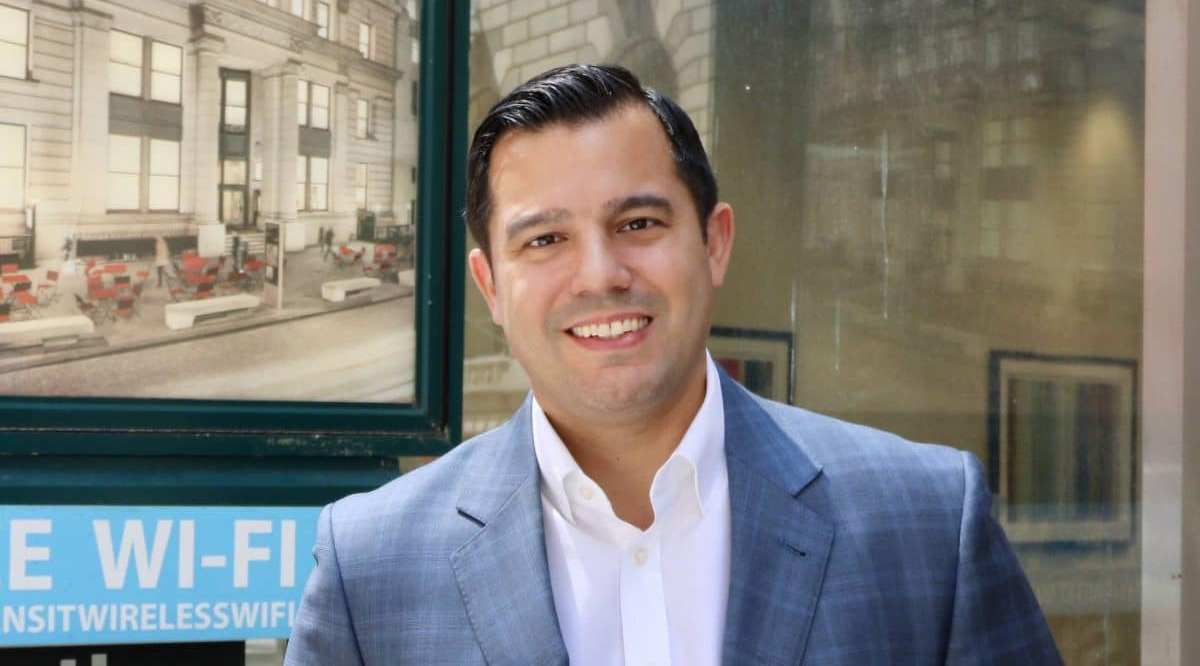
Muinmos' Founder and CEO, Remonda Kirketerp-Møller
At the end
of May, Finance Magnates reported that the European Securities and
Markets Authority (ESMA) had convened a discussion on the regulations
concerning prop trading. Remonda Kirketerp-Møller, the founder and CEO of
regulatory compliance firm Muinmos, shared that “regulators have been
conducting studies, gathering data, and engaging in consultations with industry
participants to better understand the nature and implications of prop trading.”
Currently,
prop trading firms are primarily governed by laws such as consumer protection
rules, data protection regulations, and international sanctions conditions. These companies are predominantly registered in the US, the UK, the UAE,
and Saint Vincent and the Grenadines, although many are also registered within
the EU.
In early
June, the Czech regulator indicated that prop trading firms “may be subject to
MiFID regulations.” The business models used by firms engaged in prop trading
(technically funded trader services) can take various forms, some of which may
be subject to the MiFID regulatory framework.” Notably, one of the leading prop
trading firms, FTMO, is based in the Czech Republic.
Although the industry is controversial among regulators and some investors, it attracts more clients. FX/CFD brokers are also taking advantage of this by increasingly adding proprietary trading offers to their basic services. This month, ThinkMarkets joined them by launching its own proprietary trading brand, ThinkCapital.
Italy's securities regulator, Consob, has issued a warning to investors about the risks associated with retail prop trading activities. It describes them as online
trading simulations that promise profits but may lead to financial losses.
Consob Flags Prop Firm “Trading
Games” as Potential Investor Trap
The Italian
market watchdog describes the prop trading industry very interestingly,
completely different from how the companies operating within it do.
The
regulator said these offerings, promoted on websites and social media platforms, "simulate an online trading activity in a type of finance video game aimed at passing skill tests and making a profit." They are presented under various names, including "shadow investment game," "funding trading," and "financed trading accounts." These simulations often require users to
enroll in paid training courses before participating in online trading
challenges.
According
to Consob, the schemes typically involve users progressing from simulated
trading to purportedly real trading using capital provided by self-described
"proprietary firms" or "prop firms." To entice
participants, these firms offer to share some profits generated.
The
regulator emphasized that these simulations carry significant risks for savers and could result in the loss of
invested funds.
“Consob has
received several reports from users who have signed up for such offers. The
complaints concern both the level of difficulty of the tests, which are
allegedly contrived to push ‘players’ to try again, and the failure to share
the alleged profits.” The regulator commented.
Regulatory
interest in proprietary trading began in February, leading to the withdrawal
from part of the market by the popular trading
platform provider MetaQuotes, difficulties in access for investors from
the USA, and the suspension of operations by
some companies
Increasing Number of
European Regulators Warning Against Prop Trading
Similar
warnings have been issued by financial market supervisory authorities in
Belgium (FSMA) and Spain (CNMV), highlighting a growing trend of concern among
European regulators.
Muinmos' Founder and CEO, Remonda Kirketerp-Møller
At the end
of May, Finance Magnates reported that the European Securities and
Markets Authority (ESMA) had convened a discussion on the regulations
concerning prop trading. Remonda Kirketerp-Møller, the founder and CEO of
regulatory compliance firm Muinmos, shared that “regulators have been
conducting studies, gathering data, and engaging in consultations with industry
participants to better understand the nature and implications of prop trading.”
Currently,
prop trading firms are primarily governed by laws such as consumer protection
rules, data protection regulations, and international sanctions conditions. These companies are predominantly registered in the US, the UK, the UAE,
and Saint Vincent and the Grenadines, although many are also registered within
the EU.
In early
June, the Czech regulator indicated that prop trading firms “may be subject to
MiFID regulations.” The business models used by firms engaged in prop trading
(technically funded trader services) can take various forms, some of which may
be subject to the MiFID regulatory framework.” Notably, one of the leading prop
trading firms, FTMO, is based in the Czech Republic.
Although the industry is controversial among regulators and some investors, it attracts more clients. FX/CFD brokers are also taking advantage of this by increasingly adding proprietary trading offers to their basic services. This month, ThinkMarkets joined them by launching its own proprietary trading brand, ThinkCapital.
Damian Chmiel is a Senior Analyst & Editor at Finance Magnates with more than 15 years of experience in the CFD and online trading industry. Active as both a trader and journalist since 2010, he focuses on broker coverage, fintech innovation, and regulatory developments across Europe, the Middle East, and Asia.
His work includes interviews with C-level leaders at major brokerages and fintech platforms, as well as co-authoring Finance Magnates’ quarterly industry benchmarking reports. Damian’s reporting is data-driven, market-aware, and grounded in direct industry engagement. His analysis and commentary have also been cited by external media outlets, including Investing.com, Binance, The Asset, Stockhead, and Dispatch.
Education:
MA in Finance and Accounting, Cracow University of Economics
Retail Traders Can Now Access Prediction Markets Through Binance Wallet
FP Markets Winner Spotlight 🏆 | Global Broker of the Year 2025 #Trading #Broker #Innovation #Shorts
FP Markets Winner Spotlight 🏆 | Global Broker of the Year 2025 #Trading #Broker #Innovation #Shorts
FP Markets takes the spotlight as Global Broker of the Year 2025 at the Finance Magnates Awards.
Martin Stoilov, Head of Client Experience, shares that trust, innovation, and people played a key role in the company’s success, supported by a strong foundation of integrity and client-centricity.
Following this milestone, FP Markets continues to focus on growth, technology investment, and its core values of transparency and excellence.
👉 Be part of FM Awards 2026: https://awards.financemagnates.com/#nominate
FP Markets takes the spotlight as Global Broker of the Year 2025 at the Finance Magnates Awards.
Martin Stoilov, Head of Client Experience, shares that trust, innovation, and people played a key role in the company’s success, supported by a strong foundation of integrity and client-centricity.
Following this milestone, FP Markets continues to focus on growth, technology investment, and its core values of transparency and excellence.
👉 Be part of FM Awards 2026: https://awards.financemagnates.com/#nominate
In this video, we review @HolaPrimeMarketsOfficial, a multi-asset forex and CFDs broker offering different account types, trading platforms, and flexible trading conditions.
We cover the broker’s overall offering, including account options, trading environment, platforms like MT4 and MT5, and additional services such as managed accounts and fast withdrawals.
Watch the full video to see if Hola Prime Markets fits your trading needs.
📣 Stay up to date with the latest in finance and trading. Follow Finance Magnates for industry news, insights, and global event coverage.
Connect with us:
🔗 LinkedIn: /financemagnates
👍 Facebook: /financemagnates
📸 Instagram: https://www.instagram.com/financemagnates
🐦 X: https://x.com/financemagnates
🎥 TikTok: https://www.tiktok.com/tag/financemagnates
▶️ YouTube: /@financemagnates_official
#HolaPrime #ForexBroker #CFDTrading #FinanceMagnates #Trading #Forex #BrokerReview
In this video, we review @HolaPrimeMarketsOfficial, a multi-asset forex and CFDs broker offering different account types, trading platforms, and flexible trading conditions.
We cover the broker’s overall offering, including account options, trading environment, platforms like MT4 and MT5, and additional services such as managed accounts and fast withdrawals.
Watch the full video to see if Hola Prime Markets fits your trading needs.
📣 Stay up to date with the latest in finance and trading. Follow Finance Magnates for industry news, insights, and global event coverage.
Connect with us:
🔗 LinkedIn: /financemagnates
👍 Facebook: /financemagnates
📸 Instagram: https://www.instagram.com/financemagnates
🐦 X: https://x.com/financemagnates
🎥 TikTok: https://www.tiktok.com/tag/financemagnates
▶️ YouTube: /@financemagnates_official
#HolaPrime #ForexBroker #CFDTrading #FinanceMagnates #Trading #Forex #BrokerReview
Hola Prime Review: What You Need to Know | Full Breakdown by Finance Magnates
Hola Prime Review: What You Need to Know | Full Breakdown by Finance Magnates
In this video, we review @HolaPrime_Global, a proprietary trading firm offering evaluation programs and performance-based payouts in simulated market environments.
We cover how the challenge model works, including account types, profit splits (up to 95%), trading rules, and what it takes to reach a funded account. You’ll also learn about available platforms like MT4, MT5, cTrader, and more, along with insights into payouts, support, and trading conditions.
Watch the full video to see if Hola Prime fits your trading style.
📣 Stay up to date with the latest in finance and trading. Follow Finance Magnates for industry news, insights, and global event coverage.
Connect with us:
🔗 LinkedIn: /financemagnates
👍 Facebook: /financemagnates
📸 Instagram: https://www.instagram.com/financemagnates
🐦 X: https://x.com/financemagnates
🎥 TikTok: https://www.tiktok.com/tag/financemagnates
▶️ YouTube: /@financemagnates_official
#HolaPrime #PropFirm #Trading #FinanceMagnates #Forex #FuturesTrading #TradingReview #PropFirmReview
In this video, we review @HolaPrime_Global, a proprietary trading firm offering evaluation programs and performance-based payouts in simulated market environments.
We cover how the challenge model works, including account types, profit splits (up to 95%), trading rules, and what it takes to reach a funded account. You’ll also learn about available platforms like MT4, MT5, cTrader, and more, along with insights into payouts, support, and trading conditions.
Watch the full video to see if Hola Prime fits your trading style.
📣 Stay up to date with the latest in finance and trading. Follow Finance Magnates for industry news, insights, and global event coverage.
Connect with us:
🔗 LinkedIn: /financemagnates
👍 Facebook: /financemagnates
📸 Instagram: https://www.instagram.com/financemagnates
🐦 X: https://x.com/financemagnates
🎥 TikTok: https://www.tiktok.com/tag/financemagnates
▶️ YouTube: /@financemagnates_official
#HolaPrime #PropFirm #Trading #FinanceMagnates #Forex #FuturesTrading #TradingReview #PropFirmReview
Axi Winner Spotlight 🏆 | Global Most Innovative Broker 2025 #Innovation #Trading #Fintech #Broker
Axi Winner Spotlight 🏆 | Global Most Innovative Broker 2025 #Innovation #Trading #Fintech #Broker
Axi takes the spotlight at the Finance Magnates Awards, winning Global Most Innovative Broker 2025.
Olivia Xenofontos and Ivanna Openko share how the team will feel: proud, motivated, and ready to keep delivering.
They also describe the night as well-organized, focused, and enjoyable for all.
👉 Be part of FM Awards 2026.
Axi takes the spotlight at the Finance Magnates Awards, winning Global Most Innovative Broker 2025.
Olivia Xenofontos and Ivanna Openko share how the team will feel: proud, motivated, and ready to keep delivering.
They also describe the night as well-organized, focused, and enjoyable for all.
👉 Be part of FM Awards 2026.
Recognition that matters.
Built on transparency.
Driven by the industry.
The Finance Magnates Awards 2026.
Nominations are now open.
🔗 https://awards.financemagnates.com/?utm_source=SM&utm_medium=social&utm_campaign=recognition-matters
Recognition that matters.
Built on transparency.
Driven by the industry.
The Finance Magnates Awards 2026.
Nominations are now open.
🔗 https://awards.financemagnates.com/?utm_source=SM&utm_medium=social&utm_campaign=recognition-matters