Retailers are broadly optimistic for the next six months, but wide national gaps reveal meaningful differences in risk appetite and thematic focus.
With 69% of respondents citing concerns about overvaluation, CFD brokers are facing a fragmented client base heading into mid-2026.
Retail
investors are heading into the second quarter of 2026 with cautious optimism,
but the picture underneath that headline number is more complicated, and
potentially more useful, than a simple confidence reading, according to Saxo’s Q1
2026 Investor Forecast.
Japan
emerged as the clear favorite for the coming six months. Sixty-three percent of
respondents expect the Japanese equity market to rise, more than any other
major market covered in the survey. The global equity market came second at
57%, Europe third at 51%, and local markets at 48%. The US sits at the bottom,
with only 40% expecting gains and 34% expecting a decline, the highest negative
reading of any market tested.
That gap
between Japan and the US is not just a data point, it is a signal for brokers
about where client interest is likely to concentrate over the period.
US Skepticism Cuts Across
Borders
The caution
toward US equities holds across age groups, with 41% of the 18-35 cohort
expecting an increase, 40% among the 36-60 group, and 39% among those aged 61
and above. The spread is narrow enough to suggest this is not a generational
view, but a broadly shared one.
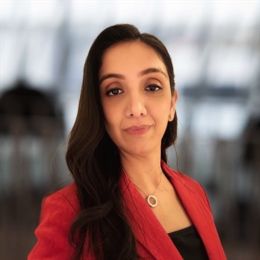
Charu Chanana, Chief Investment Strategist at Saxo
"Investors
are clearly walking a fine line between optimism and caution," said Charu
Chanana, Chief Investment Strategist at Saxo. "The standout result from
this survey is the strong confidence in Japan compared with other major
markets. While many investors remain wary of stretched valuations, particularly
in the US, Japan is increasingly seen as a market where structural reforms and
corporate improvements could continue to drive upside."
The
national breakdown adds further granularity. Japan, Singapore, and UK
respondents show relatively stronger confidence in US markets, while French,
Italian, Danish, and Dutch respondents lean more skeptical.
A Stable Core, But a
Minority Ready to Move
Most
investors are not planning dramatic changes to how they allocate capital.
Sixty-three percent say they will stay invested in the same regions, sectors,
and asset classes over the next six months. Twenty-seven percent plan to add
exposure in areas where they are not currently invested, and 10% say they may
reduce the scope of their holdings.
This split
between continuity and expansion has direct product implications for brokers.
The roughly one-in-four investors willing to move into new territory represent
a meaningful segment, and data from
Saxo's own client performance analysis published earlier this year showed that
multi-product investors outperformed single-product investors in three of the
past five years, with the gap widening most recently.
Multi-product
investors returned 15.8% in 2025 against 13.5% for those using a single product
type, according to that report.
Overvaluation Dominates
the Macro Agenda
Among six
themes that could prompt a strategy change, concern about market overvaluation
drew the strongest response by a clear margin. Sixty-nine percent of
respondents said this factor may influence how they invest, well ahead of Trump
policy impacts at 57%, AI-driven opportunities at 56%, growth optimism at 54%,
AI-related concerns at 53%, and European defence needs at 48%.
The spread
across age groups on overvaluation is notably narrow: 63% among the 18-35
cohort, 70% among the 36-60 group, and 69% among the 61-plus segment,
suggesting this concern cuts across generational lines more cleanly than most
other themes.
Chanana
added that the results should be read with one important caveat: most responses
were collected before the US and Israel attacks on Iran on February 28, 2026.
"That and the ensuing hardship is bound to have changed sentiment for many
investors," she said.
Younger and Female
Investors Lean More Bullish
Demographic
splits in the data are consistent enough to carry strategic weight. Women
expect increases more often than men across every major market tested: 62% of
women anticipate gains in the global market versus 57% of men, and 45% expect
the US to rise versus 40% of men.
Younger
investors follow a similar pattern, with 70% of the 18-35 group expecting
global equity gains compared to 59% of the 36-60 cohort and 52% of those aged
61 and above.
Other 2026
data points to a broader generational shift in retail participation. Research published in February
found Gen Z and millennial investors entering 2026 with a stronger appetite for
risk, and a separate
eToro survey from the same month found 87% of Gen Z respondents invest in markets every month,
versus 68% of baby boomers. Together, these reports suggest the retail investor
base is being reshaped by demographic inflows that tend to carry more risk
tolerance and broader market engagement.
On
diversification intent, the age gradient also runs in a clear direction.
Thirty-one percent of the 18-35 group plan to add new areas, compared with 28%
of the 36-60 segment and 23% of those aged 61 and above. The share planning to
reduce exposure rises with age from 6% to 10% to 13%. Brokers building out
product roadmaps or onboarding flows may find these cohort patterns worth
mapping against their own client demographics.
What the Data Signals for
the Industry
The
clearest signal for the CFD and retail brokerage sector may be the combination
of stability at the top level, with two-thirds of clients staying put, and real
divergence at the demographic and geographic layer.
Brokers who
treat their client base as homogeneous risk underserving the roughly
one-in-four investors actively looking to expand, the younger and female
cohorts consistently showing higher optimism, and the country-level differences
in macro sensitivities that suggest national product and communication
strategies may be worth more than a single global narrative.
Retail
investors are heading into the second quarter of 2026 with cautious optimism,
but the picture underneath that headline number is more complicated, and
potentially more useful, than a simple confidence reading, according to Saxo’s Q1
2026 Investor Forecast.
Japan
emerged as the clear favorite for the coming six months. Sixty-three percent of
respondents expect the Japanese equity market to rise, more than any other
major market covered in the survey. The global equity market came second at
57%, Europe third at 51%, and local markets at 48%. The US sits at the bottom,
with only 40% expecting gains and 34% expecting a decline, the highest negative
reading of any market tested.
That gap
between Japan and the US is not just a data point, it is a signal for brokers
about where client interest is likely to concentrate over the period.
US Skepticism Cuts Across
Borders
The caution
toward US equities holds across age groups, with 41% of the 18-35 cohort
expecting an increase, 40% among the 36-60 group, and 39% among those aged 61
and above. The spread is narrow enough to suggest this is not a generational
view, but a broadly shared one.
Charu Chanana, Chief Investment Strategist at Saxo
"Investors
are clearly walking a fine line between optimism and caution," said Charu
Chanana, Chief Investment Strategist at Saxo. "The standout result from
this survey is the strong confidence in Japan compared with other major
markets. While many investors remain wary of stretched valuations, particularly
in the US, Japan is increasingly seen as a market where structural reforms and
corporate improvements could continue to drive upside."
The
national breakdown adds further granularity. Japan, Singapore, and UK
respondents show relatively stronger confidence in US markets, while French,
Italian, Danish, and Dutch respondents lean more skeptical.
A Stable Core, But a
Minority Ready to Move
Most
investors are not planning dramatic changes to how they allocate capital.
Sixty-three percent say they will stay invested in the same regions, sectors,
and asset classes over the next six months. Twenty-seven percent plan to add
exposure in areas where they are not currently invested, and 10% say they may
reduce the scope of their holdings.
This split
between continuity and expansion has direct product implications for brokers.
The roughly one-in-four investors willing to move into new territory represent
a meaningful segment, and data from
Saxo's own client performance analysis published earlier this year showed that
multi-product investors outperformed single-product investors in three of the
past five years, with the gap widening most recently.
Multi-product
investors returned 15.8% in 2025 against 13.5% for those using a single product
type, according to that report.
Overvaluation Dominates
the Macro Agenda
Among six
themes that could prompt a strategy change, concern about market overvaluation
drew the strongest response by a clear margin. Sixty-nine percent of
respondents said this factor may influence how they invest, well ahead of Trump
policy impacts at 57%, AI-driven opportunities at 56%, growth optimism at 54%,
AI-related concerns at 53%, and European defence needs at 48%.
The spread
across age groups on overvaluation is notably narrow: 63% among the 18-35
cohort, 70% among the 36-60 group, and 69% among the 61-plus segment,
suggesting this concern cuts across generational lines more cleanly than most
other themes.
Chanana
added that the results should be read with one important caveat: most responses
were collected before the US and Israel attacks on Iran on February 28, 2026.
"That and the ensuing hardship is bound to have changed sentiment for many
investors," she said.
Younger and Female
Investors Lean More Bullish
Demographic
splits in the data are consistent enough to carry strategic weight. Women
expect increases more often than men across every major market tested: 62% of
women anticipate gains in the global market versus 57% of men, and 45% expect
the US to rise versus 40% of men.
Younger
investors follow a similar pattern, with 70% of the 18-35 group expecting
global equity gains compared to 59% of the 36-60 cohort and 52% of those aged
61 and above.
Other 2026
data points to a broader generational shift in retail participation. Research published in February
found Gen Z and millennial investors entering 2026 with a stronger appetite for
risk, and a separate
eToro survey from the same month found 87% of Gen Z respondents invest in markets every month,
versus 68% of baby boomers. Together, these reports suggest the retail investor
base is being reshaped by demographic inflows that tend to carry more risk
tolerance and broader market engagement.
On
diversification intent, the age gradient also runs in a clear direction.
Thirty-one percent of the 18-35 group plan to add new areas, compared with 28%
of the 36-60 segment and 23% of those aged 61 and above. The share planning to
reduce exposure rises with age from 6% to 10% to 13%. Brokers building out
product roadmaps or onboarding flows may find these cohort patterns worth
mapping against their own client demographics.
What the Data Signals for
the Industry
The
clearest signal for the CFD and retail brokerage sector may be the combination
of stability at the top level, with two-thirds of clients staying put, and real
divergence at the demographic and geographic layer.
Brokers who
treat their client base as homogeneous risk underserving the roughly
one-in-four investors actively looking to expand, the younger and female
cohorts consistently showing higher optimism, and the country-level differences
in macro sensitivities that suggest national product and communication
strategies may be worth more than a single global narrative.
Damian Chmiel is a Senior Analyst & Editor at Finance Magnates with more than 15 years of experience in the CFD and online trading industry. Active as both a trader and journalist since 2010, he focuses on broker coverage, fintech innovation, and regulatory developments across Europe, the Middle East, and Asia.
His work includes interviews with C-level leaders at major brokerages and fintech platforms, as well as co-authoring Finance Magnates’ quarterly industry benchmarking reports. Damian’s reporting is data-driven, market-aware, and grounded in direct industry engagement. His analysis and commentary have also been cited by external media outlets, including Investing.com, Binance, The Asset, Stockhead, and Dispatch.
Education:
MA in Finance and Accounting, Cracow University of Economics
Crypto Market Maker Wincent Opens Liquidity to CFD Platforms via Wyden Deal
Featured Videos
Tickmill Winner Spotlight | Broker of the Year 2025 (LATAM) 🏆 | Finance Magnates Awards #Trading
Tickmill Winner Spotlight | Broker of the Year 2025 (LATAM) 🏆 | Finance Magnates Awards #Trading
Tickmill Winner Spotlight | Broker of the Year 2025 (LATAM) 🏆 | Finance Magnates Awards #Trading
Tickmill Winner Spotlight | Broker of the Year 2025 (LATAM) 🏆 | Finance Magnates Awards #Trading
What helped Tickmill stand out this year?
In this Winner Spotlight, Johnny Khalil, Executive Director at Tickmill Europe, shares how listening closely to clients and delivering strong trading conditions made the difference.
A big thank you to the community whose support continues to drive progress every day.
👉 Think your brand has what it takes? Nominate for the 2026 Finance Magnates Awards: https://awards.financemagnates.com/#nominate
What helped Tickmill stand out this year?
In this Winner Spotlight, Johnny Khalil, Executive Director at Tickmill Europe, shares how listening closely to clients and delivering strong trading conditions made the difference.
A big thank you to the community whose support continues to drive progress every day.
👉 Think your brand has what it takes? Nominate for the 2026 Finance Magnates Awards: https://awards.financemagnates.com/#nominate
What helped Tickmill stand out this year?
In this Winner Spotlight, Johnny Khalil, Executive Director at Tickmill Europe, shares how listening closely to clients and delivering strong trading conditions made the difference.
A big thank you to the community whose support continues to drive progress every day.
👉 Think your brand has what it takes? Nominate for the 2026 Finance Magnates Awards: https://awards.financemagnates.com/#nominate
What helped Tickmill stand out this year?
In this Winner Spotlight, Johnny Khalil, Executive Director at Tickmill Europe, shares how listening closely to clients and delivering strong trading conditions made the difference.
A big thank you to the community whose support continues to drive progress every day.
👉 Think your brand has what it takes? Nominate for the 2026 Finance Magnates Awards: https://awards.financemagnates.com/#nominate
CMC Markets’ Artur Delijergijevs on Metals Demand, Volatility, & Stable Execution
CMC Markets’ Artur Delijergijevs on Metals Demand, Volatility, & Stable Execution
CMC Markets’ Artur Delijergijevs on Metals Demand, Volatility, & Stable Execution
CMC Markets’ Artur Delijergijevs on Metals Demand, Volatility, & Stable Execution
CMC Markets’ Artur Delijergijevs on Metals Demand, Volatility, & Stable Execution
CMC Markets’ Artur Delijergijevs on Metals Demand, Volatility, & Stable Execution
In this exclusive Executive Interview, Finance Magnates speaks with Artur Delijergijevs, Head of Systematic Market Making at CMC Markets, about the current state of metals demand and market volatility.
Delijergijevs offers a desk-level view on:
- Metals Demand: Why metals are seeing the strongest demand from both retail and institutional clients right now.
- The Safe-Haven Debate: Questioning whether gold still fits the classic safe-haven definition given large daily price movements.
- Volatile Market Prep: How a market-making desk prepares its systems and pricing for stressed market conditions and high-impact economic events.
- Hybrid Execution: Why the best execution model combines electronic speed with human relationship support, especially during volatility.
- AI in Workflow: Where CMC Markets is integrating machine learning for risk management and pricing, and the limitations of AI during stressed markets.
- Dubai's Role: The strategic importance of Dubai’s location for covering global trading sessions across Asia, Europe, and the US.
Watch to understand how CMC Markets maintains stable pricing and reliable execution quality in high-volatility environments.
#CMCmarkets #forex #metals #gold #trading #volatility #MarketMaking #iFXDubai #FinanceMagnates #Finance #Fintech #Execution #AlgorithmicTrading #RiskManagement
In this exclusive Executive Interview, Finance Magnates speaks with Artur Delijergijevs, Head of Systematic Market Making at CMC Markets, about the current state of metals demand and market volatility.
Delijergijevs offers a desk-level view on:
- Metals Demand: Why metals are seeing the strongest demand from both retail and institutional clients right now.
- The Safe-Haven Debate: Questioning whether gold still fits the classic safe-haven definition given large daily price movements.
- Volatile Market Prep: How a market-making desk prepares its systems and pricing for stressed market conditions and high-impact economic events.
- Hybrid Execution: Why the best execution model combines electronic speed with human relationship support, especially during volatility.
- AI in Workflow: Where CMC Markets is integrating machine learning for risk management and pricing, and the limitations of AI during stressed markets.
- Dubai's Role: The strategic importance of Dubai’s location for covering global trading sessions across Asia, Europe, and the US.
Watch to understand how CMC Markets maintains stable pricing and reliable execution quality in high-volatility environments.
#CMCmarkets #forex #metals #gold #trading #volatility #MarketMaking #iFXDubai #FinanceMagnates #Finance #Fintech #Execution #AlgorithmicTrading #RiskManagement
In this exclusive Executive Interview, Finance Magnates speaks with Artur Delijergijevs, Head of Systematic Market Making at CMC Markets, about the current state of metals demand and market volatility.
Delijergijevs offers a desk-level view on:
- Metals Demand: Why metals are seeing the strongest demand from both retail and institutional clients right now.
- The Safe-Haven Debate: Questioning whether gold still fits the classic safe-haven definition given large daily price movements.
- Volatile Market Prep: How a market-making desk prepares its systems and pricing for stressed market conditions and high-impact economic events.
- Hybrid Execution: Why the best execution model combines electronic speed with human relationship support, especially during volatility.
- AI in Workflow: Where CMC Markets is integrating machine learning for risk management and pricing, and the limitations of AI during stressed markets.
- Dubai's Role: The strategic importance of Dubai’s location for covering global trading sessions across Asia, Europe, and the US.
Watch to understand how CMC Markets maintains stable pricing and reliable execution quality in high-volatility environments.
#CMCmarkets #forex #metals #gold #trading #volatility #MarketMaking #iFXDubai #FinanceMagnates #Finance #Fintech #Execution #AlgorithmicTrading #RiskManagement
In this exclusive Executive Interview, Finance Magnates speaks with Artur Delijergijevs, Head of Systematic Market Making at CMC Markets, about the current state of metals demand and market volatility.
Delijergijevs offers a desk-level view on:
- Metals Demand: Why metals are seeing the strongest demand from both retail and institutional clients right now.
- The Safe-Haven Debate: Questioning whether gold still fits the classic safe-haven definition given large daily price movements.
- Volatile Market Prep: How a market-making desk prepares its systems and pricing for stressed market conditions and high-impact economic events.
- Hybrid Execution: Why the best execution model combines electronic speed with human relationship support, especially during volatility.
- AI in Workflow: Where CMC Markets is integrating machine learning for risk management and pricing, and the limitations of AI during stressed markets.
- Dubai's Role: The strategic importance of Dubai’s location for covering global trading sessions across Asia, Europe, and the US.
Watch to understand how CMC Markets maintains stable pricing and reliable execution quality in high-volatility environments.
#CMCmarkets #forex #metals #gold #trading #volatility #MarketMaking #iFXDubai #FinanceMagnates #Finance #Fintech #Execution #AlgorithmicTrading #RiskManagement
In this exclusive Executive Interview, Finance Magnates speaks with Artur Delijergijevs, Head of Systematic Market Making at CMC Markets, about the current state of metals demand and market volatility.
Delijergijevs offers a desk-level view on:
- Metals Demand: Why metals are seeing the strongest demand from both retail and institutional clients right now.
- The Safe-Haven Debate: Questioning whether gold still fits the classic safe-haven definition given large daily price movements.
- Volatile Market Prep: How a market-making desk prepares its systems and pricing for stressed market conditions and high-impact economic events.
- Hybrid Execution: Why the best execution model combines electronic speed with human relationship support, especially during volatility.
- AI in Workflow: Where CMC Markets is integrating machine learning for risk management and pricing, and the limitations of AI during stressed markets.
- Dubai's Role: The strategic importance of Dubai’s location for covering global trading sessions across Asia, Europe, and the US.
Watch to understand how CMC Markets maintains stable pricing and reliable execution quality in high-volatility environments.
#CMCmarkets #forex #metals #gold #trading #volatility #MarketMaking #iFXDubai #FinanceMagnates #Finance #Fintech #Execution #AlgorithmicTrading #RiskManagement
In this exclusive Executive Interview, Finance Magnates speaks with Artur Delijergijevs, Head of Systematic Market Making at CMC Markets, about the current state of metals demand and market volatility.
Delijergijevs offers a desk-level view on:
- Metals Demand: Why metals are seeing the strongest demand from both retail and institutional clients right now.
- The Safe-Haven Debate: Questioning whether gold still fits the classic safe-haven definition given large daily price movements.
- Volatile Market Prep: How a market-making desk prepares its systems and pricing for stressed market conditions and high-impact economic events.
- Hybrid Execution: Why the best execution model combines electronic speed with human relationship support, especially during volatility.
- AI in Workflow: Where CMC Markets is integrating machine learning for risk management and pricing, and the limitations of AI during stressed markets.
- Dubai's Role: The strategic importance of Dubai’s location for covering global trading sessions across Asia, Europe, and the US.
Watch to understand how CMC Markets maintains stable pricing and reliable execution quality in high-volatility environments.
#CMCmarkets #forex #metals #gold #trading #volatility #MarketMaking #iFXDubai #FinanceMagnates #Finance #Fintech #Execution #AlgorithmicTrading #RiskManagement
Finance Magnates Awards 2026 – Nominations Now Open
Finance Magnates Awards 2026 – Nominations Now Open
Finance Magnates Awards 2026 – Nominations Now Open
Finance Magnates Awards 2026 – Nominations Now Open
Finance Magnates Awards 2026 – Nominations Now Open
Finance Magnates Awards 2026 – Nominations Now Open
The Finance Magnates Awards 2026 nominations are now open. 🏆
From fintech innovators to leading brokers, this is where the finance industry celebrates its biggest achievements.
Winners will be announced at the Cyprus Gala Dinner on November 6, 2026.
Nominate your brand now.
https://awards.financemagnates.com/?utm_source=linkedin&utm_medium=video&utm_campaign=nominations-open
#FMAwards #FinanceMagnates #FintechAwards #Fintech #FinanceIndustry
The Finance Magnates Awards 2026 nominations are now open. 🏆
From fintech innovators to leading brokers, this is where the finance industry celebrates its biggest achievements.
Winners will be announced at the Cyprus Gala Dinner on November 6, 2026.
Nominate your brand now.
https://awards.financemagnates.com/?utm_source=linkedin&utm_medium=video&utm_campaign=nominations-open
#FMAwards #FinanceMagnates #FintechAwards #Fintech #FinanceIndustry
The Finance Magnates Awards 2026 nominations are now open. 🏆
From fintech innovators to leading brokers, this is where the finance industry celebrates its biggest achievements.
Winners will be announced at the Cyprus Gala Dinner on November 6, 2026.
Nominate your brand now.
https://awards.financemagnates.com/?utm_source=linkedin&utm_medium=video&utm_campaign=nominations-open
#FMAwards #FinanceMagnates #FintechAwards #Fintech #FinanceIndustry
The Finance Magnates Awards 2026 nominations are now open. 🏆
From fintech innovators to leading brokers, this is where the finance industry celebrates its biggest achievements.
Winners will be announced at the Cyprus Gala Dinner on November 6, 2026.
Nominate your brand now.
https://awards.financemagnates.com/?utm_source=linkedin&utm_medium=video&utm_campaign=nominations-open
#FMAwards #FinanceMagnates #FintechAwards #Fintech #FinanceIndustry
The Finance Magnates Awards 2026 nominations are now open. 🏆
From fintech innovators to leading brokers, this is where the finance industry celebrates its biggest achievements.
Winners will be announced at the Cyprus Gala Dinner on November 6, 2026.
Nominate your brand now.
https://awards.financemagnates.com/?utm_source=linkedin&utm_medium=video&utm_campaign=nominations-open
#FMAwards #FinanceMagnates #FintechAwards #Fintech #FinanceIndustry
The Finance Magnates Awards 2026 nominations are now open. 🏆
From fintech innovators to leading brokers, this is where the finance industry celebrates its biggest achievements.
Winners will be announced at the Cyprus Gala Dinner on November 6, 2026.
Nominate your brand now.
https://awards.financemagnates.com/?utm_source=linkedin&utm_medium=video&utm_campaign=nominations-open
#FMAwards #FinanceMagnates #FintechAwards #Fintech #FinanceIndustry
Finance Magnates Awards 2026 | Nominations Now Open 🏆#Fintech #FMAwards #TradingIndustry
Finance Magnates Awards 2026 | Nominations Now Open 🏆#Fintech #FMAwards #TradingIndustry
Finance Magnates Awards 2026 | Nominations Now Open 🏆#Fintech #FMAwards #TradingIndustry
Finance Magnates Awards 2026 | Nominations Now Open 🏆#Fintech #FMAwards #TradingIndustry
Finance Magnates Awards 2026 | Nominations Now Open 🏆#Fintech #FMAwards #TradingIndustry
Finance Magnates Awards 2026 | Nominations Now Open 🏆#Fintech #FMAwards #TradingIndustry
Lights on. Cameras ready. 🎬
Finance Magnates Awards 2026 nominations are now open. 🏆
#FMAwards #FinanceMagnates #FintechAwards #Fintech
Lights on. Cameras ready. 🎬
Finance Magnates Awards 2026 nominations are now open. 🏆
#FMAwards #FinanceMagnates #FintechAwards #Fintech
Lights on. Cameras ready. 🎬
Finance Magnates Awards 2026 nominations are now open. 🏆
#FMAwards #FinanceMagnates #FintechAwards #Fintech
Lights on. Cameras ready. 🎬
Finance Magnates Awards 2026 nominations are now open. 🏆
#FMAwards #FinanceMagnates #FintechAwards #Fintech
Lights on. Cameras ready. 🎬
Finance Magnates Awards 2026 nominations are now open. 🏆
#FMAwards #FinanceMagnates #FintechAwards #Fintech
Lights on. Cameras ready. 🎬
Finance Magnates Awards 2026 nominations are now open. 🏆
#FMAwards #FinanceMagnates #FintechAwards #Fintech
Exness sees trust as the key theme for growth in MENA Trading Growth for 2026
Exness sees trust as the key theme for growth in MENA Trading Growth for 2026
Exness sees trust as the key theme for growth in MENA Trading Growth for 2026
Exness sees trust as the key theme for growth in MENA Trading Growth for 2026
Exness sees trust as the key theme for growth in MENA Trading Growth for 2026
Exness sees trust as the key theme for growth in MENA Trading Growth for 2026
Mohammad Amer, Regional Commercial Director at Exness, sits down to discuss the booming MENA financial trading market. Find out why Dubai is key to the company's growth strategy, how a mobile-first generation is changing expectations, and why trust will be the defining theme for traders in 2026.
In this interview, you'll learn:
* Why Dubai and the MENA region are critical growth markets for fintech and online trading.
* How Exness is addressing the demands of mobile-first, younger traders through engineering, platform stability, and transparent conditions.
* The essential role local talent plays in providing a culturally relevant and compliant user experience.
* Mohammad Amer's outlook on the future of the online trading industry and why stronger controls and systems are necessary.
* Why "trust" isn't just a brand value, but has commercial value—and why he predicts 2026 will be the "Year of Trust."
Key Takeaways:
➡️ The MENA region is rapidly shaping global financial markets.
➡️ New traders expect stability, precise execution, and transparency.
➡️ Local expertise is key to regulatory compliance and user experience.
➡️ Future success belongs to firms capable of meeting rising standards across regulation and platform consistency.
Read the full article at: https://www.financemagnates.com/thought-leadership/exness-sees-trust-as-the-key-theme-for-growth-in-mena-trading-growth-for-2026/
#Exness #MENA #Trading #FinTech #Dubai #OnlineTrading #FinanceMagnates #MohammadAmer #Trust #MobileTrading
Mohammad Amer, Regional Commercial Director at Exness, sits down to discuss the booming MENA financial trading market. Find out why Dubai is key to the company's growth strategy, how a mobile-first generation is changing expectations, and why trust will be the defining theme for traders in 2026.
In this interview, you'll learn:
* Why Dubai and the MENA region are critical growth markets for fintech and online trading.
* How Exness is addressing the demands of mobile-first, younger traders through engineering, platform stability, and transparent conditions.
* The essential role local talent plays in providing a culturally relevant and compliant user experience.
* Mohammad Amer's outlook on the future of the online trading industry and why stronger controls and systems are necessary.
* Why "trust" isn't just a brand value, but has commercial value—and why he predicts 2026 will be the "Year of Trust."
Key Takeaways:
➡️ The MENA region is rapidly shaping global financial markets.
➡️ New traders expect stability, precise execution, and transparency.
➡️ Local expertise is key to regulatory compliance and user experience.
➡️ Future success belongs to firms capable of meeting rising standards across regulation and platform consistency.
Read the full article at: https://www.financemagnates.com/thought-leadership/exness-sees-trust-as-the-key-theme-for-growth-in-mena-trading-growth-for-2026/
#Exness #MENA #Trading #FinTech #Dubai #OnlineTrading #FinanceMagnates #MohammadAmer #Trust #MobileTrading
Mohammad Amer, Regional Commercial Director at Exness, sits down to discuss the booming MENA financial trading market. Find out why Dubai is key to the company's growth strategy, how a mobile-first generation is changing expectations, and why trust will be the defining theme for traders in 2026.
In this interview, you'll learn:
* Why Dubai and the MENA region are critical growth markets for fintech and online trading.
* How Exness is addressing the demands of mobile-first, younger traders through engineering, platform stability, and transparent conditions.
* The essential role local talent plays in providing a culturally relevant and compliant user experience.
* Mohammad Amer's outlook on the future of the online trading industry and why stronger controls and systems are necessary.
* Why "trust" isn't just a brand value, but has commercial value—and why he predicts 2026 will be the "Year of Trust."
Key Takeaways:
➡️ The MENA region is rapidly shaping global financial markets.
➡️ New traders expect stability, precise execution, and transparency.
➡️ Local expertise is key to regulatory compliance and user experience.
➡️ Future success belongs to firms capable of meeting rising standards across regulation and platform consistency.
Read the full article at: https://www.financemagnates.com/thought-leadership/exness-sees-trust-as-the-key-theme-for-growth-in-mena-trading-growth-for-2026/
#Exness #MENA #Trading #FinTech #Dubai #OnlineTrading #FinanceMagnates #MohammadAmer #Trust #MobileTrading
Mohammad Amer, Regional Commercial Director at Exness, sits down to discuss the booming MENA financial trading market. Find out why Dubai is key to the company's growth strategy, how a mobile-first generation is changing expectations, and why trust will be the defining theme for traders in 2026.
In this interview, you'll learn:
* Why Dubai and the MENA region are critical growth markets for fintech and online trading.
* How Exness is addressing the demands of mobile-first, younger traders through engineering, platform stability, and transparent conditions.
* The essential role local talent plays in providing a culturally relevant and compliant user experience.
* Mohammad Amer's outlook on the future of the online trading industry and why stronger controls and systems are necessary.
* Why "trust" isn't just a brand value, but has commercial value—and why he predicts 2026 will be the "Year of Trust."
Key Takeaways:
➡️ The MENA region is rapidly shaping global financial markets.
➡️ New traders expect stability, precise execution, and transparency.
➡️ Local expertise is key to regulatory compliance and user experience.
➡️ Future success belongs to firms capable of meeting rising standards across regulation and platform consistency.
Read the full article at: https://www.financemagnates.com/thought-leadership/exness-sees-trust-as-the-key-theme-for-growth-in-mena-trading-growth-for-2026/
#Exness #MENA #Trading #FinTech #Dubai #OnlineTrading #FinanceMagnates #MohammadAmer #Trust #MobileTrading
Mohammad Amer, Regional Commercial Director at Exness, sits down to discuss the booming MENA financial trading market. Find out why Dubai is key to the company's growth strategy, how a mobile-first generation is changing expectations, and why trust will be the defining theme for traders in 2026.
In this interview, you'll learn:
* Why Dubai and the MENA region are critical growth markets for fintech and online trading.
* How Exness is addressing the demands of mobile-first, younger traders through engineering, platform stability, and transparent conditions.
* The essential role local talent plays in providing a culturally relevant and compliant user experience.
* Mohammad Amer's outlook on the future of the online trading industry and why stronger controls and systems are necessary.
* Why "trust" isn't just a brand value, but has commercial value—and why he predicts 2026 will be the "Year of Trust."
Key Takeaways:
➡️ The MENA region is rapidly shaping global financial markets.
➡️ New traders expect stability, precise execution, and transparency.
➡️ Local expertise is key to regulatory compliance and user experience.
➡️ Future success belongs to firms capable of meeting rising standards across regulation and platform consistency.
Read the full article at: https://www.financemagnates.com/thought-leadership/exness-sees-trust-as-the-key-theme-for-growth-in-mena-trading-growth-for-2026/
#Exness #MENA #Trading #FinTech #Dubai #OnlineTrading #FinanceMagnates #MohammadAmer #Trust #MobileTrading
Mohammad Amer, Regional Commercial Director at Exness, sits down to discuss the booming MENA financial trading market. Find out why Dubai is key to the company's growth strategy, how a mobile-first generation is changing expectations, and why trust will be the defining theme for traders in 2026.
In this interview, you'll learn:
* Why Dubai and the MENA region are critical growth markets for fintech and online trading.
* How Exness is addressing the demands of mobile-first, younger traders through engineering, platform stability, and transparent conditions.
* The essential role local talent plays in providing a culturally relevant and compliant user experience.
* Mohammad Amer's outlook on the future of the online trading industry and why stronger controls and systems are necessary.
* Why "trust" isn't just a brand value, but has commercial value—and why he predicts 2026 will be the "Year of Trust."
Key Takeaways:
➡️ The MENA region is rapidly shaping global financial markets.
➡️ New traders expect stability, precise execution, and transparency.
➡️ Local expertise is key to regulatory compliance and user experience.
➡️ Future success belongs to firms capable of meeting rising standards across regulation and platform consistency.
Read the full article at: https://www.financemagnates.com/thought-leadership/exness-sees-trust-as-the-key-theme-for-growth-in-mena-trading-growth-for-2026/
#Exness #MENA #Trading #FinTech #Dubai #OnlineTrading #FinanceMagnates #MohammadAmer #Trust #MobileTrading