UK investors, at least those with big portfolios, are on the hook if their broker fails.
London underground
Recent broker failures in the UK have raised many questions about established concepts, including whether these investment platforms are adequately secured to prevent customer funds from being trapped in the event of an insolvency.
Firms fail and collapse into administration, which often brings enormous ramifications for investors, for many reasons. Some are related to unpreventable events and circumstances outside the control of the company, while others can be related to poor internal management, wrong decisions, or commercial fraud.
But whichever reason or scenario arises, the biggest risks, impacts, and loses involved threaten not only those with assets tied up in a failed broker but also the confidence in and reputation of the entire market.
Both underlying clients and creditors face a tense few months without access to their assets, while administrators re-arrange their portfolios. Worse than that, broker failures often come out of the blue, and their clients will only become aware of the debacle after their assets have been frozen.
A cumulative blow to the UK broker market
Two recent UK sector casualties represent the most significant collapses to face the CFD/FX sector, with both entering special administration procedures in August 2019. Both firms involved were undertaking dealing activities involved with securities and contract for differences, causing back-to-back shockwaves through the entire sector.
SVS Securities Plc (SVS), which was set-up in 2002, acted as a regulated financial services broker, holding significant amounts of client money and assets. The second case involved AFX Markets Ltd (AFX), which was set up in 2011 and FCA-authorized since May 2012.
Leonard Curtis revealed that they are dealing with £277 million of custody assets and £24 million of client money across 21,000 accounts at SVS Securities. Further, there are around 670 unsettled transactions, including certain bonds, the value of which remains uncertain.
Both firms entered into administration under the special administration regime on 5 August and 27 August of 2019, respectively, which makes the two brokers only the 17th and 18th companies to enter the bespoke “investment bank special administration” procedure since it was created in 2011. Furthermore, this collapse is the most significant in scale since Beaufort Securities Limited, which collapsed into the same process in 2018. Both brokers are now under the control and auspices of their respectively appointed insolvency practitioners.
What is the Special Administration Regime (SAR)?
The SAR was created by the UK government in 2011, to directly address situations where investment firms, which can hold clients’ money and/or safeguard assets under FCA regulatory ‘Client Assets’ (CASS) rules, fail. The SAR process has a number of objectives, but a critical element of these is to ensure clients’ money, and assets are quickly and safely protected before being returned to customers as soon as is reasonably practicable.
The special administrators involved in each case have now taken control of the affairs of each company, and have already made contact with consumers to progress their claims. In addition, administrators have been investigating the options for the businesses going forward, which could see them eventually wound-up or involve some sale process of the whole or part of each business.
The facts appear to be as follows:
The Financial Conduct Authority (FCA) has undertaken urgent and targeted supervision of these firms after it identified serious issues involving their operations and practices, including assets into which client money was being invested. The City watchdog duly acted to stop these firms from conducting further regulated activities and effectively restricting their abilities to dispose of its own or its clients’ assets.
Of note, it was the respective Board of SVS that resolved to place the firm into special administration, but the application for special administration of AFX was made under a direct order by the FCA itself.
Any reasonable person may, therefore, ask why and what has been allowed to happen within these firms for them to effectively fail.
FCA's responsibility
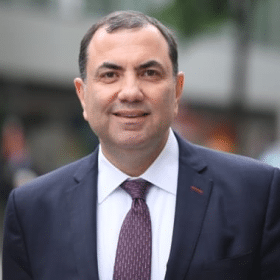
We asked David Calligan, partner at ReedSmith, how he would assess the efficacy of the UK regulator's (FCA) supervision of the CFD sector, and if he thinks it’s fair they should share any blame for the collapse of the two firms?
"The FCA’s supervision effort in relation to the CFD sector has been considerable in recent years – as a result of the concerns that are well documented in the ESMA and FCA product intervention analysis. The intervention measures were predicted to lead to lower revenues in the sector, but whether these have led to the two recent failures is currently unclear," said Calligan.
David Calligan, partner at ReedSmith
In the case of SVS, based on public information, it appears that the regulator had multiple reasons to use its powers to stop the firm from carrying out regulated activities when it acted in August. SVS had four main business lines, and retail FX was merely one of them and did not seem to be at the center of the problems that led to the FCA’s action. When a firm has so many serious allegations against it, then the FCA must be expected to take this type of action. The senior management stood accused of lacking integrity, misleading the FCA, and disregarding the best interests of customers - in this context, it is hard to see why the FCA should be blamed for the firm’s downfall.
Investor protection under the Financial Services Compensation Scheme (FSCS)
The FSCS protects and provides compensation for consumers when UK-authorized financial services firms fail. It has eligibility criteria both in respect of the people and businesses who are covered, but broadly the FSCS will cover custody assets and client money shortfalls, including the costs associated with their distribution back to clients, for eligible claimants up to £85,000 per person.
Salam Alaswad of FX&CFD.com and a member of the creditors’ committee in both SVS Securities and AFX Markets was asked whether the FSCS covers the non-segregated funds of elective professional clients?’
"The short answer is yes, the FSCS covers eligible claimants (mainly individuals and small corporate clients) and has nothing to do with the client’s classification whether they be retail or professional," Alaswad said.
As for when clients can reasonably expect to get their money back, Alaswad added that the Joint Special Administrators (JSA) of SVS Securities Plc have now contacted the firm’s customers inviting them to make claims to client money and assets via an online client portal. The deadline for submitting their claim is 17:00 (GMT) on 10 January 2020. However, the online client portal relates only to claims to the ownership of custody assets and client money.
Salam Alaswad, FX&CFD.com Director
For these nearly 500 Elective Professional Clients (EPC) in the FX side of SVS’s business and who has signed a Title Transfer of their money to SVS so now they are treated as general creditors to the company. At this stage, they do not need to do anything; they will be contacted in due course when the JSA knows more about how claims for compensation for eligible EPCs will be administered.
As for AFX Markets’ clients, the details of the procedures have not been agreed upon yet, but are expected to be finalized after the first JSA and creditors’ committee meeting on 7 January 2020.
Indeed, under the FSCS, the vast majority of clients should normally expect to receive back any client money and custody assets in full, Salam concluded.
The rippling effect across the market
The firms involved currently remain authorized by the FCA during the special administration process, and therefore remain subject to all applicable rules alongside the FCA’s continued scrutiny and supervision. But it is perhaps too early to identify and judge the likely longer-term ramifications and market consequences of these recent events.
We further asked Calligan how the collapse of these two firms might jeopardize the reputation and levels of trust and confidence felt towards the UK (FCA) regulated FX and CFD firms by local and foreign investors.
"The UK system with its well-resourced infrastructure of prudential/conduct regulator, financial ombudsman and compensation scheme will likely retain the highly regarded status that it has built over the years," Calligan added.
Will new regulation prevent those problems?
Looking further ahead, we also asked Nick Lewis, CEO of CPT Markets UK Limited, what lessons should be learned from these events in the market, and if new or stronger regulation realistically prevent similar incidents in the future?
"Unfortunately, there will always be firms who fail in the business environment, that is the nature of competition," Lewis said. "Through tougher regulations and controls, the FCA have gone a long way to ensuring the retail clients in the CFD market, in particular, are not financially harmed
Nick Lewis, CEO, CPT Markets UK Limited
by such failures."
Recent events, however distressing at the time, highlight the advantages clients have under the protective wing of the strong regulatory landscape provided by the FCA.
Investors are on the hook
For clients, the biggest question is whether they will get their money back. Overall, once all clients’ claims have been verified and adjudicated, cash distributions will be made to clients on a pro-rata basis, meaning proportionately in terms of what is owed.
In addition, there are plenty of protections in place. As mentioned above, the FSCS announced earlier this year that those hit by financial losses are eligible for recompense through the FSCS, which covers investments up to the value of £85,000.
However, there is a catch. Firstly, the lifeboat warned there might be a “small number” of clients who may face shortfalls in their funds as above that level they would get nothing more, with some of the bigger clients standing to lose badly. Also, if the appointed administrator was unable to recover their fees from the broker’s holdings, it is legally allowed to do so from client money instead.
And with minimal available funds at a failed broker, administrators then cut their slices that go towards their costs and other advisers in a complicated insolvency process.
AFX Markets could be a striking example of the plundering of the client money to pay for its transgressions, either due to assets shortfalls or to fund costly insolvency proceedings. Last week, the Cyprus regulator Cysec said its initial view suggests that there is likely to be a material deficit in the client money. In addition, special administrators of AFX’s UK arm disclosed to the FCA that the company was in terrible financial difficulty. While the company had originally held £7.8 million in client money, it has only £460,000 in its UK bank accounts.
Certainly, among private investors, at least those with a large portfolio, learning that their funds could be raided if their UK-authorized broker were to fall into insolvency would prompt anger. This is seriously worrying, and investors may now wish to seek reassurances.
Recent broker failures in the UK have raised many questions about established concepts, including whether these investment platforms are adequately secured to prevent customer funds from being trapped in the event of an insolvency.
Firms fail and collapse into administration, which often brings enormous ramifications for investors, for many reasons. Some are related to unpreventable events and circumstances outside the control of the company, while others can be related to poor internal management, wrong decisions, or commercial fraud.
But whichever reason or scenario arises, the biggest risks, impacts, and loses involved threaten not only those with assets tied up in a failed broker but also the confidence in and reputation of the entire market.
Both underlying clients and creditors face a tense few months without access to their assets, while administrators re-arrange their portfolios. Worse than that, broker failures often come out of the blue, and their clients will only become aware of the debacle after their assets have been frozen.
A cumulative blow to the UK broker market
Two recent UK sector casualties represent the most significant collapses to face the CFD/FX sector, with both entering special administration procedures in August 2019. Both firms involved were undertaking dealing activities involved with securities and contract for differences, causing back-to-back shockwaves through the entire sector.
SVS Securities Plc (SVS), which was set-up in 2002, acted as a regulated financial services broker, holding significant amounts of client money and assets. The second case involved AFX Markets Ltd (AFX), which was set up in 2011 and FCA-authorized since May 2012.
Leonard Curtis revealed that they are dealing with £277 million of custody assets and £24 million of client money across 21,000 accounts at SVS Securities. Further, there are around 670 unsettled transactions, including certain bonds, the value of which remains uncertain.
Both firms entered into administration under the special administration regime on 5 August and 27 August of 2019, respectively, which makes the two brokers only the 17th and 18th companies to enter the bespoke “investment bank special administration” procedure since it was created in 2011. Furthermore, this collapse is the most significant in scale since Beaufort Securities Limited, which collapsed into the same process in 2018. Both brokers are now under the control and auspices of their respectively appointed insolvency practitioners.
What is the Special Administration Regime (SAR)?
The SAR was created by the UK government in 2011, to directly address situations where investment firms, which can hold clients’ money and/or safeguard assets under FCA regulatory ‘Client Assets’ (CASS) rules, fail. The SAR process has a number of objectives, but a critical element of these is to ensure clients’ money, and assets are quickly and safely protected before being returned to customers as soon as is reasonably practicable.
The special administrators involved in each case have now taken control of the affairs of each company, and have already made contact with consumers to progress their claims. In addition, administrators have been investigating the options for the businesses going forward, which could see them eventually wound-up or involve some sale process of the whole or part of each business.
The facts appear to be as follows:
The Financial Conduct Authority (FCA) has undertaken urgent and targeted supervision of these firms after it identified serious issues involving their operations and practices, including assets into which client money was being invested. The City watchdog duly acted to stop these firms from conducting further regulated activities and effectively restricting their abilities to dispose of its own or its clients’ assets.
Of note, it was the respective Board of SVS that resolved to place the firm into special administration, but the application for special administration of AFX was made under a direct order by the FCA itself.
Any reasonable person may, therefore, ask why and what has been allowed to happen within these firms for them to effectively fail.
FCA's responsibility
We asked David Calligan, partner at ReedSmith, how he would assess the efficacy of the UK regulator's (FCA) supervision of the CFD sector, and if he thinks it’s fair they should share any blame for the collapse of the two firms?
"The FCA’s supervision effort in relation to the CFD sector has been considerable in recent years – as a result of the concerns that are well documented in the ESMA and FCA product intervention analysis. The intervention measures were predicted to lead to lower revenues in the sector, but whether these have led to the two recent failures is currently unclear," said Calligan.
David Calligan, partner at ReedSmith
In the case of SVS, based on public information, it appears that the regulator had multiple reasons to use its powers to stop the firm from carrying out regulated activities when it acted in August. SVS had four main business lines, and retail FX was merely one of them and did not seem to be at the center of the problems that led to the FCA’s action. When a firm has so many serious allegations against it, then the FCA must be expected to take this type of action. The senior management stood accused of lacking integrity, misleading the FCA, and disregarding the best interests of customers - in this context, it is hard to see why the FCA should be blamed for the firm’s downfall.
Investor protection under the Financial Services Compensation Scheme (FSCS)
The FSCS protects and provides compensation for consumers when UK-authorized financial services firms fail. It has eligibility criteria both in respect of the people and businesses who are covered, but broadly the FSCS will cover custody assets and client money shortfalls, including the costs associated with their distribution back to clients, for eligible claimants up to £85,000 per person.
Salam Alaswad of FX&CFD.com and a member of the creditors’ committee in both SVS Securities and AFX Markets was asked whether the FSCS covers the non-segregated funds of elective professional clients?’
"The short answer is yes, the FSCS covers eligible claimants (mainly individuals and small corporate clients) and has nothing to do with the client’s classification whether they be retail or professional," Alaswad said.
As for when clients can reasonably expect to get their money back, Alaswad added that the Joint Special Administrators (JSA) of SVS Securities Plc have now contacted the firm’s customers inviting them to make claims to client money and assets via an online client portal. The deadline for submitting their claim is 17:00 (GMT) on 10 January 2020. However, the online client portal relates only to claims to the ownership of custody assets and client money.
Salam Alaswad, FX&CFD.com Director
For these nearly 500 Elective Professional Clients (EPC) in the FX side of SVS’s business and who has signed a Title Transfer of their money to SVS so now they are treated as general creditors to the company. At this stage, they do not need to do anything; they will be contacted in due course when the JSA knows more about how claims for compensation for eligible EPCs will be administered.
As for AFX Markets’ clients, the details of the procedures have not been agreed upon yet, but are expected to be finalized after the first JSA and creditors’ committee meeting on 7 January 2020.
Indeed, under the FSCS, the vast majority of clients should normally expect to receive back any client money and custody assets in full, Salam concluded.
The rippling effect across the market
The firms involved currently remain authorized by the FCA during the special administration process, and therefore remain subject to all applicable rules alongside the FCA’s continued scrutiny and supervision. But it is perhaps too early to identify and judge the likely longer-term ramifications and market consequences of these recent events.
We further asked Calligan how the collapse of these two firms might jeopardize the reputation and levels of trust and confidence felt towards the UK (FCA) regulated FX and CFD firms by local and foreign investors.
"The UK system with its well-resourced infrastructure of prudential/conduct regulator, financial ombudsman and compensation scheme will likely retain the highly regarded status that it has built over the years," Calligan added.
Will new regulation prevent those problems?
Looking further ahead, we also asked Nick Lewis, CEO of CPT Markets UK Limited, what lessons should be learned from these events in the market, and if new or stronger regulation realistically prevent similar incidents in the future?
"Unfortunately, there will always be firms who fail in the business environment, that is the nature of competition," Lewis said. "Through tougher regulations and controls, the FCA have gone a long way to ensuring the retail clients in the CFD market, in particular, are not financially harmed
Nick Lewis, CEO, CPT Markets UK Limited
by such failures."
Recent events, however distressing at the time, highlight the advantages clients have under the protective wing of the strong regulatory landscape provided by the FCA.
Investors are on the hook
For clients, the biggest question is whether they will get their money back. Overall, once all clients’ claims have been verified and adjudicated, cash distributions will be made to clients on a pro-rata basis, meaning proportionately in terms of what is owed.
In addition, there are plenty of protections in place. As mentioned above, the FSCS announced earlier this year that those hit by financial losses are eligible for recompense through the FSCS, which covers investments up to the value of £85,000.
However, there is a catch. Firstly, the lifeboat warned there might be a “small number” of clients who may face shortfalls in their funds as above that level they would get nothing more, with some of the bigger clients standing to lose badly. Also, if the appointed administrator was unable to recover their fees from the broker’s holdings, it is legally allowed to do so from client money instead.
And with minimal available funds at a failed broker, administrators then cut their slices that go towards their costs and other advisers in a complicated insolvency process.
AFX Markets could be a striking example of the plundering of the client money to pay for its transgressions, either due to assets shortfalls or to fund costly insolvency proceedings. Last week, the Cyprus regulator Cysec said its initial view suggests that there is likely to be a material deficit in the client money. In addition, special administrators of AFX’s UK arm disclosed to the FCA that the company was in terrible financial difficulty. While the company had originally held £7.8 million in client money, it has only £460,000 in its UK bank accounts.
Certainly, among private investors, at least those with a large portfolio, learning that their funds could be raided if their UK-authorized broker were to fall into insolvency would prompt anger. This is seriously worrying, and investors may now wish to seek reassurances.
Italy’s Consob Tightens Net on AI-Fueled Scams With Fresh Website Bans
Featured Videos
FP Markets Winner Spotlight 🏆 | Global Broker of the Year 2025 #Trading #Broker #Innovation #Shorts
FP Markets Winner Spotlight 🏆 | Global Broker of the Year 2025 #Trading #Broker #Innovation #Shorts
FP Markets Winner Spotlight 🏆 | Global Broker of the Year 2025 #Trading #Broker #Innovation #Shorts
FP Markets Winner Spotlight 🏆 | Global Broker of the Year 2025 #Trading #Broker #Innovation #Shorts
FP Markets takes the spotlight as Global Broker of the Year 2025 at the Finance Magnates Awards.
Martin Stoilov, Head of Client Experience, shares that trust, innovation, and people played a key role in the company’s success, supported by a strong foundation of integrity and client-centricity.
Following this milestone, FP Markets continues to focus on growth, technology investment, and its core values of transparency and excellence.
👉 Be part of FM Awards 2026: https://awards.financemagnates.com/#nominate
FP Markets takes the spotlight as Global Broker of the Year 2025 at the Finance Magnates Awards.
Martin Stoilov, Head of Client Experience, shares that trust, innovation, and people played a key role in the company’s success, supported by a strong foundation of integrity and client-centricity.
Following this milestone, FP Markets continues to focus on growth, technology investment, and its core values of transparency and excellence.
👉 Be part of FM Awards 2026: https://awards.financemagnates.com/#nominate
FP Markets takes the spotlight as Global Broker of the Year 2025 at the Finance Magnates Awards.
Martin Stoilov, Head of Client Experience, shares that trust, innovation, and people played a key role in the company’s success, supported by a strong foundation of integrity and client-centricity.
Following this milestone, FP Markets continues to focus on growth, technology investment, and its core values of transparency and excellence.
👉 Be part of FM Awards 2026: https://awards.financemagnates.com/#nominate
FP Markets takes the spotlight as Global Broker of the Year 2025 at the Finance Magnates Awards.
Martin Stoilov, Head of Client Experience, shares that trust, innovation, and people played a key role in the company’s success, supported by a strong foundation of integrity and client-centricity.
Following this milestone, FP Markets continues to focus on growth, technology investment, and its core values of transparency and excellence.
👉 Be part of FM Awards 2026: https://awards.financemagnates.com/#nominate
In this video, we review @HolaPrimeMarketsOfficial, a multi-asset forex and CFDs broker offering different account types, trading platforms, and flexible trading conditions.
We cover the broker’s overall offering, including account options, trading environment, platforms like MT4 and MT5, and additional services such as managed accounts and fast withdrawals.
Watch the full video to see if Hola Prime Markets fits your trading needs.
📣 Stay up to date with the latest in finance and trading. Follow Finance Magnates for industry news, insights, and global event coverage.
Connect with us:
🔗 LinkedIn: /financemagnates
👍 Facebook: /financemagnates
📸 Instagram: https://www.instagram.com/financemagnates
🐦 X: https://x.com/financemagnates
🎥 TikTok: https://www.tiktok.com/tag/financemagnates
▶️ YouTube: /@financemagnates_official
#HolaPrime #ForexBroker #CFDTrading #FinanceMagnates #Trading #Forex #BrokerReview
In this video, we review @HolaPrimeMarketsOfficial, a multi-asset forex and CFDs broker offering different account types, trading platforms, and flexible trading conditions.
We cover the broker’s overall offering, including account options, trading environment, platforms like MT4 and MT5, and additional services such as managed accounts and fast withdrawals.
Watch the full video to see if Hola Prime Markets fits your trading needs.
📣 Stay up to date with the latest in finance and trading. Follow Finance Magnates for industry news, insights, and global event coverage.
Connect with us:
🔗 LinkedIn: /financemagnates
👍 Facebook: /financemagnates
📸 Instagram: https://www.instagram.com/financemagnates
🐦 X: https://x.com/financemagnates
🎥 TikTok: https://www.tiktok.com/tag/financemagnates
▶️ YouTube: /@financemagnates_official
#HolaPrime #ForexBroker #CFDTrading #FinanceMagnates #Trading #Forex #BrokerReview
In this video, we review @HolaPrimeMarketsOfficial, a multi-asset forex and CFDs broker offering different account types, trading platforms, and flexible trading conditions.
We cover the broker’s overall offering, including account options, trading environment, platforms like MT4 and MT5, and additional services such as managed accounts and fast withdrawals.
Watch the full video to see if Hola Prime Markets fits your trading needs.
📣 Stay up to date with the latest in finance and trading. Follow Finance Magnates for industry news, insights, and global event coverage.
Connect with us:
🔗 LinkedIn: /financemagnates
👍 Facebook: /financemagnates
📸 Instagram: https://www.instagram.com/financemagnates
🐦 X: https://x.com/financemagnates
🎥 TikTok: https://www.tiktok.com/tag/financemagnates
▶️ YouTube: /@financemagnates_official
#HolaPrime #ForexBroker #CFDTrading #FinanceMagnates #Trading #Forex #BrokerReview
In this video, we review @HolaPrimeMarketsOfficial, a multi-asset forex and CFDs broker offering different account types, trading platforms, and flexible trading conditions.
We cover the broker’s overall offering, including account options, trading environment, platforms like MT4 and MT5, and additional services such as managed accounts and fast withdrawals.
Watch the full video to see if Hola Prime Markets fits your trading needs.
📣 Stay up to date with the latest in finance and trading. Follow Finance Magnates for industry news, insights, and global event coverage.
Connect with us:
🔗 LinkedIn: /financemagnates
👍 Facebook: /financemagnates
📸 Instagram: https://www.instagram.com/financemagnates
🐦 X: https://x.com/financemagnates
🎥 TikTok: https://www.tiktok.com/tag/financemagnates
▶️ YouTube: /@financemagnates_official
#HolaPrime #ForexBroker #CFDTrading #FinanceMagnates #Trading #Forex #BrokerReview
In this video, we review @HolaPrimeMarketsOfficial, a multi-asset forex and CFDs broker offering different account types, trading platforms, and flexible trading conditions.
We cover the broker’s overall offering, including account options, trading environment, platforms like MT4 and MT5, and additional services such as managed accounts and fast withdrawals.
Watch the full video to see if Hola Prime Markets fits your trading needs.
📣 Stay up to date with the latest in finance and trading. Follow Finance Magnates for industry news, insights, and global event coverage.
Connect with us:
🔗 LinkedIn: /financemagnates
👍 Facebook: /financemagnates
📸 Instagram: https://www.instagram.com/financemagnates
🐦 X: https://x.com/financemagnates
🎥 TikTok: https://www.tiktok.com/tag/financemagnates
▶️ YouTube: /@financemagnates_official
#HolaPrime #ForexBroker #CFDTrading #FinanceMagnates #Trading #Forex #BrokerReview
In this video, we review @HolaPrimeMarketsOfficial, a multi-asset forex and CFDs broker offering different account types, trading platforms, and flexible trading conditions.
We cover the broker’s overall offering, including account options, trading environment, platforms like MT4 and MT5, and additional services such as managed accounts and fast withdrawals.
Watch the full video to see if Hola Prime Markets fits your trading needs.
📣 Stay up to date with the latest in finance and trading. Follow Finance Magnates for industry news, insights, and global event coverage.
Connect with us:
🔗 LinkedIn: /financemagnates
👍 Facebook: /financemagnates
📸 Instagram: https://www.instagram.com/financemagnates
🐦 X: https://x.com/financemagnates
🎥 TikTok: https://www.tiktok.com/tag/financemagnates
▶️ YouTube: /@financemagnates_official
#HolaPrime #ForexBroker #CFDTrading #FinanceMagnates #Trading #Forex #BrokerReview
Hola Prime Review: What You Need to Know | Full Breakdown by Finance Magnates
Hola Prime Review: What You Need to Know | Full Breakdown by Finance Magnates
Hola Prime Review: What You Need to Know | Full Breakdown by Finance Magnates
Hola Prime Review: What You Need to Know | Full Breakdown by Finance Magnates
Hola Prime Review: What You Need to Know | Full Breakdown by Finance Magnates
Hola Prime Review: What You Need to Know | Full Breakdown by Finance Magnates
In this video, we review @HolaPrime_Global, a proprietary trading firm offering evaluation programs and performance-based payouts in simulated market environments.
We cover how the challenge model works, including account types, profit splits (up to 95%), trading rules, and what it takes to reach a funded account. You’ll also learn about available platforms like MT4, MT5, cTrader, and more, along with insights into payouts, support, and trading conditions.
Watch the full video to see if Hola Prime fits your trading style.
📣 Stay up to date with the latest in finance and trading. Follow Finance Magnates for industry news, insights, and global event coverage.
Connect with us:
🔗 LinkedIn: /financemagnates
👍 Facebook: /financemagnates
📸 Instagram: https://www.instagram.com/financemagnates
🐦 X: https://x.com/financemagnates
🎥 TikTok: https://www.tiktok.com/tag/financemagnates
▶️ YouTube: /@financemagnates_official
#HolaPrime #PropFirm #Trading #FinanceMagnates #Forex #FuturesTrading #TradingReview #PropFirmReview
In this video, we review @HolaPrime_Global, a proprietary trading firm offering evaluation programs and performance-based payouts in simulated market environments.
We cover how the challenge model works, including account types, profit splits (up to 95%), trading rules, and what it takes to reach a funded account. You’ll also learn about available platforms like MT4, MT5, cTrader, and more, along with insights into payouts, support, and trading conditions.
Watch the full video to see if Hola Prime fits your trading style.
📣 Stay up to date with the latest in finance and trading. Follow Finance Magnates for industry news, insights, and global event coverage.
Connect with us:
🔗 LinkedIn: /financemagnates
👍 Facebook: /financemagnates
📸 Instagram: https://www.instagram.com/financemagnates
🐦 X: https://x.com/financemagnates
🎥 TikTok: https://www.tiktok.com/tag/financemagnates
▶️ YouTube: /@financemagnates_official
#HolaPrime #PropFirm #Trading #FinanceMagnates #Forex #FuturesTrading #TradingReview #PropFirmReview
In this video, we review @HolaPrime_Global, a proprietary trading firm offering evaluation programs and performance-based payouts in simulated market environments.
We cover how the challenge model works, including account types, profit splits (up to 95%), trading rules, and what it takes to reach a funded account. You’ll also learn about available platforms like MT4, MT5, cTrader, and more, along with insights into payouts, support, and trading conditions.
Watch the full video to see if Hola Prime fits your trading style.
📣 Stay up to date with the latest in finance and trading. Follow Finance Magnates for industry news, insights, and global event coverage.
Connect with us:
🔗 LinkedIn: /financemagnates
👍 Facebook: /financemagnates
📸 Instagram: https://www.instagram.com/financemagnates
🐦 X: https://x.com/financemagnates
🎥 TikTok: https://www.tiktok.com/tag/financemagnates
▶️ YouTube: /@financemagnates_official
#HolaPrime #PropFirm #Trading #FinanceMagnates #Forex #FuturesTrading #TradingReview #PropFirmReview
In this video, we review @HolaPrime_Global, a proprietary trading firm offering evaluation programs and performance-based payouts in simulated market environments.
We cover how the challenge model works, including account types, profit splits (up to 95%), trading rules, and what it takes to reach a funded account. You’ll also learn about available platforms like MT4, MT5, cTrader, and more, along with insights into payouts, support, and trading conditions.
Watch the full video to see if Hola Prime fits your trading style.
📣 Stay up to date with the latest in finance and trading. Follow Finance Magnates for industry news, insights, and global event coverage.
Connect with us:
🔗 LinkedIn: /financemagnates
👍 Facebook: /financemagnates
📸 Instagram: https://www.instagram.com/financemagnates
🐦 X: https://x.com/financemagnates
🎥 TikTok: https://www.tiktok.com/tag/financemagnates
▶️ YouTube: /@financemagnates_official
#HolaPrime #PropFirm #Trading #FinanceMagnates #Forex #FuturesTrading #TradingReview #PropFirmReview
In this video, we review @HolaPrime_Global, a proprietary trading firm offering evaluation programs and performance-based payouts in simulated market environments.
We cover how the challenge model works, including account types, profit splits (up to 95%), trading rules, and what it takes to reach a funded account. You’ll also learn about available platforms like MT4, MT5, cTrader, and more, along with insights into payouts, support, and trading conditions.
Watch the full video to see if Hola Prime fits your trading style.
📣 Stay up to date with the latest in finance and trading. Follow Finance Magnates for industry news, insights, and global event coverage.
Connect with us:
🔗 LinkedIn: /financemagnates
👍 Facebook: /financemagnates
📸 Instagram: https://www.instagram.com/financemagnates
🐦 X: https://x.com/financemagnates
🎥 TikTok: https://www.tiktok.com/tag/financemagnates
▶️ YouTube: /@financemagnates_official
#HolaPrime #PropFirm #Trading #FinanceMagnates #Forex #FuturesTrading #TradingReview #PropFirmReview
In this video, we review @HolaPrime_Global, a proprietary trading firm offering evaluation programs and performance-based payouts in simulated market environments.
We cover how the challenge model works, including account types, profit splits (up to 95%), trading rules, and what it takes to reach a funded account. You’ll also learn about available platforms like MT4, MT5, cTrader, and more, along with insights into payouts, support, and trading conditions.
Watch the full video to see if Hola Prime fits your trading style.
📣 Stay up to date with the latest in finance and trading. Follow Finance Magnates for industry news, insights, and global event coverage.
Connect with us:
🔗 LinkedIn: /financemagnates
👍 Facebook: /financemagnates
📸 Instagram: https://www.instagram.com/financemagnates
🐦 X: https://x.com/financemagnates
🎥 TikTok: https://www.tiktok.com/tag/financemagnates
▶️ YouTube: /@financemagnates_official
#HolaPrime #PropFirm #Trading #FinanceMagnates #Forex #FuturesTrading #TradingReview #PropFirmReview
Axi Winner Spotlight 🏆 | Global Most Innovative Broker 2025 #Innovation #Trading #Fintech #Broker
Axi Winner Spotlight 🏆 | Global Most Innovative Broker 2025 #Innovation #Trading #Fintech #Broker
Axi Winner Spotlight 🏆 | Global Most Innovative Broker 2025 #Innovation #Trading #Fintech #Broker
Axi Winner Spotlight 🏆 | Global Most Innovative Broker 2025 #Innovation #Trading #Fintech #Broker
Axi Winner Spotlight 🏆 | Global Most Innovative Broker 2025 #Innovation #Trading #Fintech #Broker
Axi Winner Spotlight 🏆 | Global Most Innovative Broker 2025 #Innovation #Trading #Fintech #Broker
Axi takes the spotlight at the Finance Magnates Awards, winning Global Most Innovative Broker 2025.
Olivia Xenofontos and Ivanna Openko share how the team will feel: proud, motivated, and ready to keep delivering.
They also describe the night as well-organized, focused, and enjoyable for all.
👉 Be part of FM Awards 2026.
Axi takes the spotlight at the Finance Magnates Awards, winning Global Most Innovative Broker 2025.
Olivia Xenofontos and Ivanna Openko share how the team will feel: proud, motivated, and ready to keep delivering.
They also describe the night as well-organized, focused, and enjoyable for all.
👉 Be part of FM Awards 2026.
Axi takes the spotlight at the Finance Magnates Awards, winning Global Most Innovative Broker 2025.
Olivia Xenofontos and Ivanna Openko share how the team will feel: proud, motivated, and ready to keep delivering.
They also describe the night as well-organized, focused, and enjoyable for all.
👉 Be part of FM Awards 2026.
Axi takes the spotlight at the Finance Magnates Awards, winning Global Most Innovative Broker 2025.
Olivia Xenofontos and Ivanna Openko share how the team will feel: proud, motivated, and ready to keep delivering.
They also describe the night as well-organized, focused, and enjoyable for all.
👉 Be part of FM Awards 2026.
Axi takes the spotlight at the Finance Magnates Awards, winning Global Most Innovative Broker 2025.
Olivia Xenofontos and Ivanna Openko share how the team will feel: proud, motivated, and ready to keep delivering.
They also describe the night as well-organized, focused, and enjoyable for all.
👉 Be part of FM Awards 2026.
Axi takes the spotlight at the Finance Magnates Awards, winning Global Most Innovative Broker 2025.
Olivia Xenofontos and Ivanna Openko share how the team will feel: proud, motivated, and ready to keep delivering.
They also describe the night as well-organized, focused, and enjoyable for all.
👉 Be part of FM Awards 2026.
Recognition that matters.
Built on transparency.
Driven by the industry.
The Finance Magnates Awards 2026.
Nominations are now open.
🔗 https://awards.financemagnates.com/?utm_source=SM&utm_medium=social&utm_campaign=recognition-matters
Recognition that matters.
Built on transparency.
Driven by the industry.
The Finance Magnates Awards 2026.
Nominations are now open.
🔗 https://awards.financemagnates.com/?utm_source=SM&utm_medium=social&utm_campaign=recognition-matters
Recognition that matters.
Built on transparency.
Driven by the industry.
The Finance Magnates Awards 2026.
Nominations are now open.
🔗 https://awards.financemagnates.com/?utm_source=SM&utm_medium=social&utm_campaign=recognition-matters
Recognition that matters.
Built on transparency.
Driven by the industry.
The Finance Magnates Awards 2026.
Nominations are now open.
🔗 https://awards.financemagnates.com/?utm_source=SM&utm_medium=social&utm_campaign=recognition-matters
Recognition that matters.
Built on transparency.
Driven by the industry.
The Finance Magnates Awards 2026.
Nominations are now open.
🔗 https://awards.financemagnates.com/?utm_source=SM&utm_medium=social&utm_campaign=recognition-matters
Recognition that matters.
Built on transparency.
Driven by the industry.
The Finance Magnates Awards 2026.
Nominations are now open.
🔗 https://awards.financemagnates.com/?utm_source=SM&utm_medium=social&utm_campaign=recognition-matters