This week, SoftBank purchased a 20% stake in The Hut Group, a British e-commerce company.
FM
The gray-suited anodyne world of conservatism that represents publicly listed Japanese banks may have had absolutely nothing in common with the flamboyant and disruptive world of brands, marketing and social media influencers, however, these days, there is common ground.
Yesterday, Japanese giant SoftBank, known for its high profile leadership by Founder Masayoshi Son, a technology investment enthusiast, began another important step toward increasing its ownership of fashionable entities by purchasing a 20% stake in The Hut Group, a British e-commerce company headquartered at Manchester Airport, England. It operates over 100 international websites selling Fast-moving consumer goods.
Interestingly, and perhaps unusually for both entities whose businesses are well and truly planted in the traditional corporate environment, the acquisition, worth $1.6 billion, is part of a plan to establish a new division, focusing on the new and high profile internet video trend.
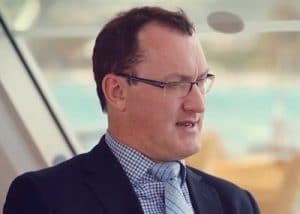
Matthew Moulding, the billionaire who founded The Hut Group, which owns beauty and nutrition brands, such as Lookfantastic, Mankind, and Myprotein as well as provides e-commerce software to many large corporations
Andrew Saks Head of Research and Analysis at ETX Capital
including Unilever, has described THG Ingenuity as a “social media influencer platform.”
THG Ingenuity has been valued at $6.3 billion, an astonishing figure to say the least, and represents a foray into this type of tech platform by SoftBank.
What has this got to do with electronic trading, you may ask? Well, quite a lot, as it shows the investor interest from large banks in diversifying their technology - and in particular - fintech products toward a retail audience.
SoftBank's shareholders certainly seem to agree, as a massive buyback took place recently, raising concerns that Masayoshi Son's stock's bull run would end if there was no intervention.
During a period of one year which finished in March 2021, SoftBank purchased $20 billion worth of its own shares which resulted in its stock price having doubled.
Some degree of hesitation has been displayed by analysts and observers who say that Son has run through almost all of the funds allocated to buy back Softbank shares, which originally stood at $23 billion.
There has been a tremendous amount of interest in SoftBank shares during the buyback period, and certainly, Son's efforts have worked.
As enigmatic as his business-related investments are, Son's opinions on FX trading are also enigmatic.
Having lost over $130 million on his Bitcoin investments in 2018, he recently stated that he "doesn't understand" Bitcoin despite having spent a good chunk of his time tracking its movement while invested in the cryptocurrency.
Thus, although keen to invest in new technology and further the "social media influencer" platform route to the tune of $1.6 billion in the aforementioned deal, Son is not following the same absolute path of advocacy as his tech enthusiast peers such as Elon Musk.
Indeed, when about the growing number of firms such as Tesla Inc. that have invested in the cryptocurrency, Son was noncommittal.
Looking back through the annuls of SoftBank's side projects relating to electronic trading, FX technology has certainly been something on the firm's list.
The purpose of the event cited the notion that in FX, the smallest changes in international affairs and economics can have a huge effect on the conditions of a financial transaction, sometimes resulting in gigantic losses without the involved parties even being aware of it.
This possibility of financial losses resulting from the variation of exchange rates between local and foreign currency is called "exchange rate risk." Because the values of foreign currencies relative to a local currency are so unstable, their exchange rates are extremely difficult even for investors and exchange markets to accurately predict.
To find a solution to this issue, SoftBank commissioned the competition in partnership with BritGrit as part of their research and development efforts. The successful submissions were intended to be utilized in an exchange position transaction and management algorithm.
It is clear that even the big banks, run by conservative but savvy leaders such as Son, are looking to put their backing behind the development of our industry, and support entities that develop the FX trading business from within.
Whilst Musk continues to invest heavily in cryptocurrency and battle it out in the new version of the Space Race with Richard Branson, Son's efforts in increasing technology and broadening the parameters of the entire financial technology industry and the scope of its future.
This approach bodes well for the fintech sector in general, and we, the electronic brokerage industry have made a massive contribution to the evolution and development of finely honed trading environments which clearly is a matter of great focus by the banks.
Andrew Saks is Head of Research and Analysis at ETX Capital
The gray-suited anodyne world of conservatism that represents publicly listed Japanese banks may have had absolutely nothing in common with the flamboyant and disruptive world of brands, marketing and social media influencers, however, these days, there is common ground.
Yesterday, Japanese giant SoftBank, known for its high profile leadership by Founder Masayoshi Son, a technology investment enthusiast, began another important step toward increasing its ownership of fashionable entities by purchasing a 20% stake in The Hut Group, a British e-commerce company headquartered at Manchester Airport, England. It operates over 100 international websites selling Fast-moving consumer goods.
Interestingly, and perhaps unusually for both entities whose businesses are well and truly planted in the traditional corporate environment, the acquisition, worth $1.6 billion, is part of a plan to establish a new division, focusing on the new and high profile internet video trend.
Matthew Moulding, the billionaire who founded The Hut Group, which owns beauty and nutrition brands, such as Lookfantastic, Mankind, and Myprotein as well as provides e-commerce software to many large corporations
Andrew Saks Head of Research and Analysis at ETX Capital
including Unilever, has described THG Ingenuity as a “social media influencer platform.”
THG Ingenuity has been valued at $6.3 billion, an astonishing figure to say the least, and represents a foray into this type of tech platform by SoftBank.
What has this got to do with electronic trading, you may ask? Well, quite a lot, as it shows the investor interest from large banks in diversifying their technology - and in particular - fintech products toward a retail audience.
SoftBank's shareholders certainly seem to agree, as a massive buyback took place recently, raising concerns that Masayoshi Son's stock's bull run would end if there was no intervention.
During a period of one year which finished in March 2021, SoftBank purchased $20 billion worth of its own shares which resulted in its stock price having doubled.
Some degree of hesitation has been displayed by analysts and observers who say that Son has run through almost all of the funds allocated to buy back Softbank shares, which originally stood at $23 billion.
There has been a tremendous amount of interest in SoftBank shares during the buyback period, and certainly, Son's efforts have worked.
As enigmatic as his business-related investments are, Son's opinions on FX trading are also enigmatic.
Having lost over $130 million on his Bitcoin investments in 2018, he recently stated that he "doesn't understand" Bitcoin despite having spent a good chunk of his time tracking its movement while invested in the cryptocurrency.
Thus, although keen to invest in new technology and further the "social media influencer" platform route to the tune of $1.6 billion in the aforementioned deal, Son is not following the same absolute path of advocacy as his tech enthusiast peers such as Elon Musk.
Indeed, when about the growing number of firms such as Tesla Inc. that have invested in the cryptocurrency, Son was noncommittal.
Looking back through the annuls of SoftBank's side projects relating to electronic trading, FX technology has certainly been something on the firm's list.
The purpose of the event cited the notion that in FX, the smallest changes in international affairs and economics can have a huge effect on the conditions of a financial transaction, sometimes resulting in gigantic losses without the involved parties even being aware of it.
This possibility of financial losses resulting from the variation of exchange rates between local and foreign currency is called "exchange rate risk." Because the values of foreign currencies relative to a local currency are so unstable, their exchange rates are extremely difficult even for investors and exchange markets to accurately predict.
To find a solution to this issue, SoftBank commissioned the competition in partnership with BritGrit as part of their research and development efforts. The successful submissions were intended to be utilized in an exchange position transaction and management algorithm.
It is clear that even the big banks, run by conservative but savvy leaders such as Son, are looking to put their backing behind the development of our industry, and support entities that develop the FX trading business from within.
Whilst Musk continues to invest heavily in cryptocurrency and battle it out in the new version of the Space Race with Richard Branson, Son's efforts in increasing technology and broadening the parameters of the entire financial technology industry and the scope of its future.
This approach bodes well for the fintech sector in general, and we, the electronic brokerage industry have made a massive contribution to the evolution and development of finely honed trading environments which clearly is a matter of great focus by the banks.
Andrew Saks is Head of Research and Analysis at ETX Capital
Experienced and prominent industry professional with 30 years of experience within the High Technology Sector, with emphasis on financial technology.
Founder of FinanceFeeds, and renowned commentator with a global understanding of the electronic trading industry.
FXCM’s UK Arm Lost $2.2 Million in 2025 Ahead of Sale to Trade Nation
Featured Videos
FXCM UK Holds $110m in Client Money; IG CEO Questions Prediction Market Volumes
FXCM UK Holds $110m in Client Money; IG CEO Questions Prediction Market Volumes
FXCM UK Holds $110m in Client Money; IG CEO Questions Prediction Market Volumes
FXCM UK Holds $110m in Client Money; IG CEO Questions Prediction Market Volumes
Today’s financial news recap covers FXCM's UK arm holds $110 million in client money ahead of its sale to Trade Nation, Citadel Securities' UK profit falls 38 per cent, and Kraken secures its final Dubai crypto licence.
Finance Magnates Daily Recap brings you the latest news from forex and CFD brokers, fintech, payments, cryptocurrency, digital assets, trading platforms, financial regulation and global markets.
Get the key company news, executive moves, deals, regulatory updates and market developments of the day, in just a few minutes. New episodes published every weekday.
Read more: https://www.financemagnates.com
#FinanceMagnates #ForexNews #FintechNews
Today’s financial news recap covers FXCM's UK arm holds $110 million in client money ahead of its sale to Trade Nation, Citadel Securities' UK profit falls 38 per cent, and Kraken secures its final Dubai crypto licence.
Finance Magnates Daily Recap brings you the latest news from forex and CFD brokers, fintech, payments, cryptocurrency, digital assets, trading platforms, financial regulation and global markets.
Get the key company news, executive moves, deals, regulatory updates and market developments of the day, in just a few minutes. New episodes published every weekday.
Read more: https://www.financemagnates.com
#FinanceMagnates #ForexNews #FintechNews
Today’s financial news recap covers FXCM's UK arm holds $110 million in client money ahead of its sale to Trade Nation, Citadel Securities' UK profit falls 38 per cent, and Kraken secures its final Dubai crypto licence.
Finance Magnates Daily Recap brings you the latest news from forex and CFD brokers, fintech, payments, cryptocurrency, digital assets, trading platforms, financial regulation and global markets.
Get the key company news, executive moves, deals, regulatory updates and market developments of the day, in just a few minutes. New episodes published every weekday.
Read more: https://www.financemagnates.com
#FinanceMagnates #ForexNews #FintechNews
Today’s financial news recap covers FXCM's UK arm holds $110 million in client money ahead of its sale to Trade Nation, Citadel Securities' UK profit falls 38 per cent, and Kraken secures its final Dubai crypto licence.
Finance Magnates Daily Recap brings you the latest news from forex and CFD brokers, fintech, payments, cryptocurrency, digital assets, trading platforms, financial regulation and global markets.
Get the key company news, executive moves, deals, regulatory updates and market developments of the day, in just a few minutes. New episodes published every weekday.
Read more: https://www.financemagnates.com
#FinanceMagnates #ForexNews #FintechNews
Today’s financial news recap covers AvaTrade agrees to acquire most of FXCM, NAGA secures eight million dollars in new financing, and Wise seeks a tax settlement in the UK.
Finance Magnates Daily Recap brings you the latest news from forex and CFD brokers, fintech, payments, cryptocurrency, digital assets, trading platforms, financial regulation and global markets.
Get the key company news, executive moves, deals, regulatory updates and market developments of the day, in just a few minutes. New episodes published every weekday.
Read more: https://www.financemagnates.com
#FinanceMagnates #ForexNews #FintechNews
Today’s financial news recap covers AvaTrade agrees to acquire most of FXCM, NAGA secures eight million dollars in new financing, and Wise seeks a tax settlement in the UK.
Finance Magnates Daily Recap brings you the latest news from forex and CFD brokers, fintech, payments, cryptocurrency, digital assets, trading platforms, financial regulation and global markets.
Get the key company news, executive moves, deals, regulatory updates and market developments of the day, in just a few minutes. New episodes published every weekday.
Read more: https://www.financemagnates.com
#FinanceMagnates #ForexNews #FintechNews
Today’s financial news recap covers AvaTrade agrees to acquire most of FXCM, NAGA secures eight million dollars in new financing, and Wise seeks a tax settlement in the UK.
Finance Magnates Daily Recap brings you the latest news from forex and CFD brokers, fintech, payments, cryptocurrency, digital assets, trading platforms, financial regulation and global markets.
Get the key company news, executive moves, deals, regulatory updates and market developments of the day, in just a few minutes. New episodes published every weekday.
Read more: https://www.financemagnates.com
#FinanceMagnates #ForexNews #FintechNews
Today’s financial news recap covers AvaTrade agrees to acquire most of FXCM, NAGA secures eight million dollars in new financing, and Wise seeks a tax settlement in the UK.
Finance Magnates Daily Recap brings you the latest news from forex and CFD brokers, fintech, payments, cryptocurrency, digital assets, trading platforms, financial regulation and global markets.
Get the key company news, executive moves, deals, regulatory updates and market developments of the day, in just a few minutes. New episodes published every weekday.
Read more: https://www.financemagnates.com
#FinanceMagnates #ForexNews #FintechNews
Today’s financial news recap covers AvaTrade agrees to acquire most of FXCM, NAGA secures eight million dollars in new financing, and Wise seeks a tax settlement in the UK.
Finance Magnates Daily Recap brings you the latest news from forex and CFD brokers, fintech, payments, cryptocurrency, digital assets, trading platforms, financial regulation and global markets.
Get the key company news, executive moves, deals, regulatory updates and market developments of the day, in just a few minutes. New episodes published every weekday.
Read more: https://www.financemagnates.com
#FinanceMagnates #ForexNews #FintechNews
Today’s financial news recap covers AvaTrade agrees to acquire most of FXCM, NAGA secures eight million dollars in new financing, and Wise seeks a tax settlement in the UK.
Finance Magnates Daily Recap brings you the latest news from forex and CFD brokers, fintech, payments, cryptocurrency, digital assets, trading platforms, financial regulation and global markets.
Get the key company news, executive moves, deals, regulatory updates and market developments of the day, in just a few minutes. New episodes published every weekday.
Read more: https://www.financemagnates.com
#FinanceMagnates #ForexNews #FintechNews
XTB Adds Overnight US Stock Trading; Nasdaq Ventures Invests in One Trading
XTB Adds Overnight US Stock Trading; Nasdaq Ventures Invests in One Trading
XTB Adds Overnight US Stock Trading; Nasdaq Ventures Invests in One Trading
XTB Adds Overnight US Stock Trading; Nasdaq Ventures Invests in One Trading
XTB Adds Overnight US Stock Trading; Nasdaq Ventures Invests in One Trading
XTB Adds Overnight US Stock Trading; Nasdaq Ventures Invests in One Trading
Today’s financial news recap covers XTB expands overnight US stock trading, Fortrade reports higher revenue, Nasdaq backs One Trading, and Vest Labs raises 13 million dollars.
Finance Magnates Daily Recap brings you the latest news from forex and CFD brokers, fintech, payments, cryptocurrency, digital assets, trading platforms, financial regulation and global markets.
Get the key company news, executive moves, deals, regulatory updates and market developments of the day, in just a few minutes. New episodes published every weekday.
Read more: https://www.financemagnates.com
#FinanceMagnates #ForexNews #FintechNews
Today’s financial news recap covers XTB expands overnight US stock trading, Fortrade reports higher revenue, Nasdaq backs One Trading, and Vest Labs raises 13 million dollars.
Finance Magnates Daily Recap brings you the latest news from forex and CFD brokers, fintech, payments, cryptocurrency, digital assets, trading platforms, financial regulation and global markets.
Get the key company news, executive moves, deals, regulatory updates and market developments of the day, in just a few minutes. New episodes published every weekday.
Read more: https://www.financemagnates.com
#FinanceMagnates #ForexNews #FintechNews
Today’s financial news recap covers XTB expands overnight US stock trading, Fortrade reports higher revenue, Nasdaq backs One Trading, and Vest Labs raises 13 million dollars.
Finance Magnates Daily Recap brings you the latest news from forex and CFD brokers, fintech, payments, cryptocurrency, digital assets, trading platforms, financial regulation and global markets.
Get the key company news, executive moves, deals, regulatory updates and market developments of the day, in just a few minutes. New episodes published every weekday.
Read more: https://www.financemagnates.com
#FinanceMagnates #ForexNews #FintechNews
Today’s financial news recap covers XTB expands overnight US stock trading, Fortrade reports higher revenue, Nasdaq backs One Trading, and Vest Labs raises 13 million dollars.
Finance Magnates Daily Recap brings you the latest news from forex and CFD brokers, fintech, payments, cryptocurrency, digital assets, trading platforms, financial regulation and global markets.
Get the key company news, executive moves, deals, regulatory updates and market developments of the day, in just a few minutes. New episodes published every weekday.
Read more: https://www.financemagnates.com
#FinanceMagnates #ForexNews #FintechNews
Today’s financial news recap covers XTB expands overnight US stock trading, Fortrade reports higher revenue, Nasdaq backs One Trading, and Vest Labs raises 13 million dollars.
Finance Magnates Daily Recap brings you the latest news from forex and CFD brokers, fintech, payments, cryptocurrency, digital assets, trading platforms, financial regulation and global markets.
Get the key company news, executive moves, deals, regulatory updates and market developments of the day, in just a few minutes. New episodes published every weekday.
Read more: https://www.financemagnates.com
#FinanceMagnates #ForexNews #FintechNews
Today’s financial news recap covers XTB expands overnight US stock trading, Fortrade reports higher revenue, Nasdaq backs One Trading, and Vest Labs raises 13 million dollars.
Finance Magnates Daily Recap brings you the latest news from forex and CFD brokers, fintech, payments, cryptocurrency, digital assets, trading platforms, financial regulation and global markets.
Get the key company news, executive moves, deals, regulatory updates and market developments of the day, in just a few minutes. New episodes published every weekday.
Read more: https://www.financemagnates.com
#FinanceMagnates #ForexNews #FintechNews
CMC Founder Downplays Volatility Hit; Devexperts Names CEO
CMC Founder Downplays Volatility Hit; Devexperts Names CEO
CMC Founder Downplays Volatility Hit; Devexperts Names CEO
CMC Founder Downplays Volatility Hit; Devexperts Names CEO
CMC Founder Downplays Volatility Hit; Devexperts Names CEO
CMC Founder Downplays Volatility Hit; Devexperts Names CEO
Today’s financial news recap covers low volatility pressures brokers, Devexperts names a new CEO, Saxo cuts onboarding time, and OKX reaches a 25 billion dollar valuation.
Finance Magnates Daily Recap brings you the latest news from forex and CFD brokers, fintech, payments, cryptocurrency, digital assets, trading platforms, financial regulation and global markets.
Get the key company news, executive moves, deals, regulatory updates and market developments of the day, in just a few minutes. New episodes published every weekday.
Read more: https://www.financemagnates.com
#FinanceMagnates #ForexNews #FintechNews
Today’s financial news recap covers low volatility pressures brokers, Devexperts names a new CEO, Saxo cuts onboarding time, and OKX reaches a 25 billion dollar valuation.
Finance Magnates Daily Recap brings you the latest news from forex and CFD brokers, fintech, payments, cryptocurrency, digital assets, trading platforms, financial regulation and global markets.
Get the key company news, executive moves, deals, regulatory updates and market developments of the day, in just a few minutes. New episodes published every weekday.
Read more: https://www.financemagnates.com
#FinanceMagnates #ForexNews #FintechNews
Today’s financial news recap covers low volatility pressures brokers, Devexperts names a new CEO, Saxo cuts onboarding time, and OKX reaches a 25 billion dollar valuation.
Finance Magnates Daily Recap brings you the latest news from forex and CFD brokers, fintech, payments, cryptocurrency, digital assets, trading platforms, financial regulation and global markets.
Get the key company news, executive moves, deals, regulatory updates and market developments of the day, in just a few minutes. New episodes published every weekday.
Read more: https://www.financemagnates.com
#FinanceMagnates #ForexNews #FintechNews
Today’s financial news recap covers low volatility pressures brokers, Devexperts names a new CEO, Saxo cuts onboarding time, and OKX reaches a 25 billion dollar valuation.
Finance Magnates Daily Recap brings you the latest news from forex and CFD brokers, fintech, payments, cryptocurrency, digital assets, trading platforms, financial regulation and global markets.
Get the key company news, executive moves, deals, regulatory updates and market developments of the day, in just a few minutes. New episodes published every weekday.
Read more: https://www.financemagnates.com
#FinanceMagnates #ForexNews #FintechNews
Today’s financial news recap covers low volatility pressures brokers, Devexperts names a new CEO, Saxo cuts onboarding time, and OKX reaches a 25 billion dollar valuation.
Finance Magnates Daily Recap brings you the latest news from forex and CFD brokers, fintech, payments, cryptocurrency, digital assets, trading platforms, financial regulation and global markets.
Get the key company news, executive moves, deals, regulatory updates and market developments of the day, in just a few minutes. New episodes published every weekday.
Read more: https://www.financemagnates.com
#FinanceMagnates #ForexNews #FintechNews
Today’s financial news recap covers low volatility pressures brokers, Devexperts names a new CEO, Saxo cuts onboarding time, and OKX reaches a 25 billion dollar valuation.
Finance Magnates Daily Recap brings you the latest news from forex and CFD brokers, fintech, payments, cryptocurrency, digital assets, trading platforms, financial regulation and global markets.
Get the key company news, executive moves, deals, regulatory updates and market developments of the day, in just a few minutes. New episodes published every weekday.
Read more: https://www.financemagnates.com
#FinanceMagnates #ForexNews #FintechNews
Today’s financial news recap covers Trade Nation buys FXCM's UK client book, Trading 212 reports higher revenue, the CFTC's move to allow perpetual index futures.
Finance Magnates Daily Recap brings you the latest news from forex and CFD brokers, fintech, payments, cryptocurrency, digital assets, trading platforms, financial regulation and global markets.
Get the key company news, executive moves, deals, regulatory updates and market developments of the day, in just a few minutes. New episodes published every weekday.
Read more: https://www.financemagnates.com
#FinanceMagnates #ForexNews #FintechNews
Today’s financial news recap covers Trade Nation buys FXCM's UK client book, Trading 212 reports higher revenue, the CFTC's move to allow perpetual index futures.
Finance Magnates Daily Recap brings you the latest news from forex and CFD brokers, fintech, payments, cryptocurrency, digital assets, trading platforms, financial regulation and global markets.
Get the key company news, executive moves, deals, regulatory updates and market developments of the day, in just a few minutes. New episodes published every weekday.
Read more: https://www.financemagnates.com
#FinanceMagnates #ForexNews #FintechNews
Today’s financial news recap covers Trade Nation buys FXCM's UK client book, Trading 212 reports higher revenue, the CFTC's move to allow perpetual index futures.
Finance Magnates Daily Recap brings you the latest news from forex and CFD brokers, fintech, payments, cryptocurrency, digital assets, trading platforms, financial regulation and global markets.
Get the key company news, executive moves, deals, regulatory updates and market developments of the day, in just a few minutes. New episodes published every weekday.
Read more: https://www.financemagnates.com
#FinanceMagnates #ForexNews #FintechNews
Today’s financial news recap covers Trade Nation buys FXCM's UK client book, Trading 212 reports higher revenue, the CFTC's move to allow perpetual index futures.
Finance Magnates Daily Recap brings you the latest news from forex and CFD brokers, fintech, payments, cryptocurrency, digital assets, trading platforms, financial regulation and global markets.
Get the key company news, executive moves, deals, regulatory updates and market developments of the day, in just a few minutes. New episodes published every weekday.
Read more: https://www.financemagnates.com
#FinanceMagnates #ForexNews #FintechNews
Today’s financial news recap covers Trade Nation buys FXCM's UK client book, Trading 212 reports higher revenue, the CFTC's move to allow perpetual index futures.
Finance Magnates Daily Recap brings you the latest news from forex and CFD brokers, fintech, payments, cryptocurrency, digital assets, trading platforms, financial regulation and global markets.
Get the key company news, executive moves, deals, regulatory updates and market developments of the day, in just a few minutes. New episodes published every weekday.
Read more: https://www.financemagnates.com
#FinanceMagnates #ForexNews #FintechNews
Today’s financial news recap covers Trade Nation buys FXCM's UK client book, Trading 212 reports higher revenue, the CFTC's move to allow perpetual index futures.
Finance Magnates Daily Recap brings you the latest news from forex and CFD brokers, fintech, payments, cryptocurrency, digital assets, trading platforms, financial regulation and global markets.
Get the key company news, executive moves, deals, regulatory updates and market developments of the day, in just a few minutes. New episodes published every weekday.
Read more: https://www.financemagnates.com
#FinanceMagnates #ForexNews #FintechNews