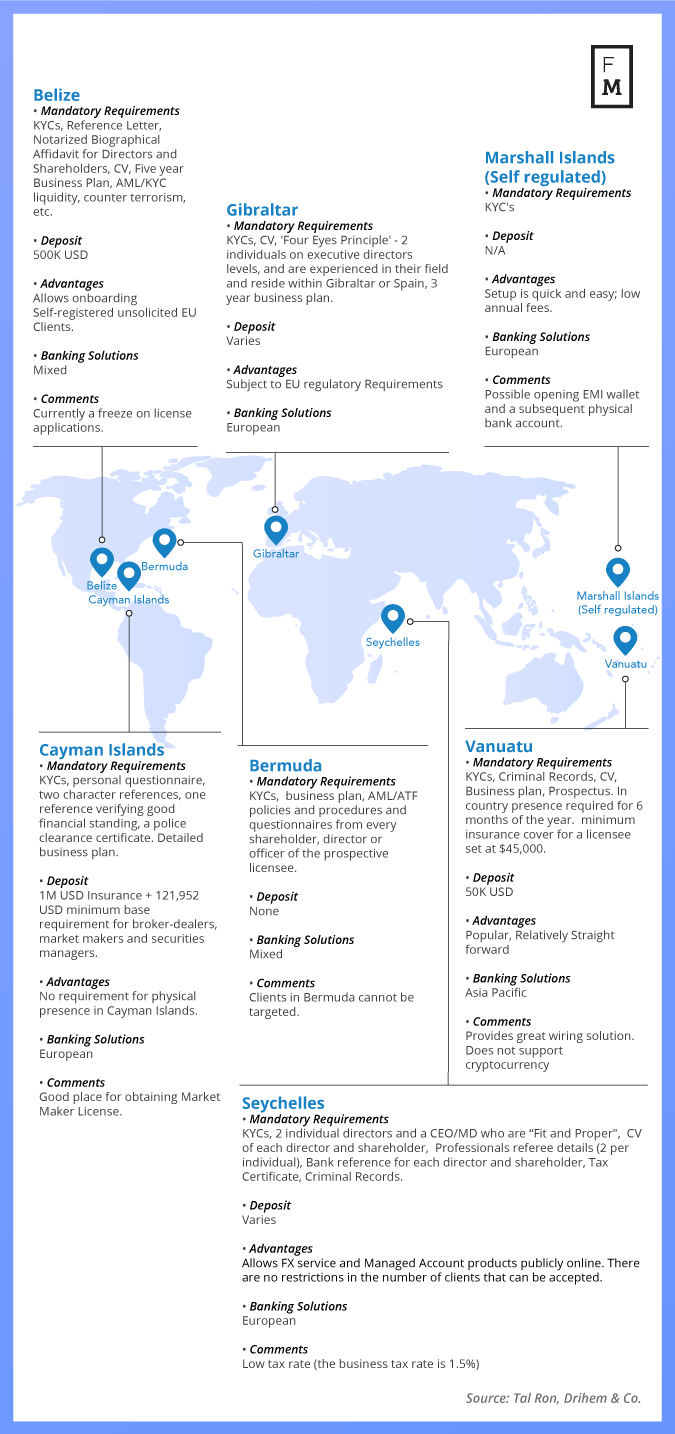
Stricter European regulation and better offshore laws are making some jurisdictions a more legitimate option for brokers
Part of the Prince Philip Movement, a man in Vanuatu holds up a portrait of the English prince (Source: The Independent)
A few years ago, heading offshore was seen - even in the often less than scrupulous retail trading industry - as an indicator of dubious business practices on the part of a broker.
But with more jurisdictions opening up to brokers and new regulations pushing them away from Europe, heading offshore is a more reasonable step for a business to take than it was two or three years ago.
Before looking at what benefits one can accrue from heading to the Bahamas or Belize, it’s worth defining what we mean by ‘offshore.’ Australia’s shores are, for instance, far away from the hawk-eyed regulators over at the European Securities and Markets Authority - but the Land Down Under is certainly not an ‘offshore’ jurisdiction.
For our purposes, the best way to define ‘offshore’ is something like, ‘a jurisdiction that is not a traditional center of financial services activity and which has far fewer regulatory strictures.’
Obviously, this is not a catch-all definition as not all offshore locations are the same. Some jurisdictions, for instance, have no regulations and minimal financial services activity. Conversely, some are small hubs for the financial services industry and have developed a solid set of laws to govern retail trading firms.
Tax benefits
A broker’s decision to head to one of these jurisdictions will be guided by a number of factors. That could include tax benefits, setup costs, regulations and access to banking facilities. Another major consideration is experience.
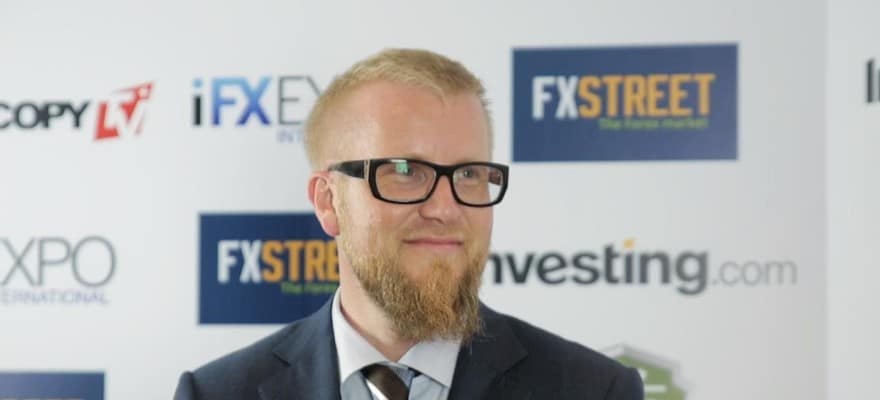
Tal Itzhak Ron, Chairman and CEO, Tal Ron, Drihem & Co
“There is no right or wrong choice when going offshore as there's no one-size-fits-all solution for brokers,” said Tal Itzhak Ron, Chairman and CEO at legal firm Tal Ron, Drihem & Co. “New brokers or high caliber brokerage dissidents who wish to rejuvenate the financial industry and embark on a journey of their own, normally possess the know-how but they lack the financial capacity of the large players. So going offshore is the only way for them to break into the industry.”
Until recently, the favorite offshore destination for brokers was Vanuatu, a small country in the south Pacific Ocean where some people worship Prince Philip, the Queen of England’s husband, as a God.
The reason for that was simple - it was incredibly cheap to set up a brokerage there. Until the summer of 2017, capital requirements for firms operating on the island were set at only $2,000.
To give some idea of how minuscule an amount this is, the equivalent number for the US is $20 million. And in the wake of ESMA’s regulatory changes, European brokerages effectively need over 730,000 euros ($827,000) to be operational.
Offshore clampdowns
Vanuatu’s rules meant that an astonishing 500 foreign exchange brokers were licensed in the south Pacific nation by 2017. But unfortunately for the often mysteriously anonymous set of companies heading to the country, in the summer of that year, local regulators clamped down on the industry.
David Woliner, Head of Financial Regulation at Nir Porat & Co. Law Firm
Porat & Co. Law Firm. “That means there is now a much more complex and highly detailed licensing process and a $50,000 capital requirement. That’s still one of the lowest requirements amongst offshore jurisdictions but far away from the previous $2,000.”
Those rules didn’t wipe out the trading industry in Vanuatu entirely, but there are now approximately 140 brokers registered in the country, a more than 70 percent reduction compared to when the capital requirements were lower.
And that number could be about to shrink further. This week, regulators in Vanuatu made further changes to laws, including stricter auditing requirements, insurance coverage and a requirement that company directors stay for six months of the year in the country.
Vanuatu is not the only offshore jurisdiction to tighten the screws on the retail trading industry. Before the small country became a hotspot for brokers, Belize was the industry’s ‘go to’ offshore jurisdiction.
Prior to 2016, the South American nation had capital requirements of $100,000 and a required annual payment to the local regulator, the International Financial Services Commission (IFSC), of $5,000.
Once again, pressure from financial authorities in different countries pushed the IFSC to make changes to its rules. Firms must now have $500,000 to get started and pay $25,000 a year to the regulator. The IFSC has also put a freeze on new license applications for over a year and seems likely to keep it in place for the foreseeable future.
More regulations, more legitimacy
The changes in Belize and Vanuatu are in many ways a reflection of the growing regulatory scrutiny that the retail trading industry is facing across the world.
In Europe, which was previously the home of most respectable brokers, regulation has pushed many of the smaller players to look for offshore licensing. In turn, growing offshore regulations, perhaps for the better, have hit the most cheaply run, and often least savory, brokers in the market.
That has left us with a situation in which going offshore is, because of European regulations, understandable and, as there are now some solid regulations in those jurisdictions, not simply evidence that your company is run by a bunch of hucksters.
Having said that, just looking at Vanuatu and Belize illustrates the differences that exist amongst offshore jurisdictions - a company that can afford to pay $500,000 is likely to be more established and more legitimate than one that only has to fork up $50,000.
Consequently, it seems plausible that in the next couple of years we might start to see a mirroring of Europe, with brokers registered in some offshore jurisdictions being seen as trustworthy and others as more likely to offer inferior service.
ESMA pushes, offshore pulls
Established firms are already opening offices in these places. For instance, in the middle of last year, ActivTrades opened an office in the Bahamas. FxPro did the same, citing regulation in Europe as its reason for getting a regulatory license in the country.
Similarly, AvaTrade has had an office in the British Virgin Islands for several years. Gain Capital has had a regulatory license from the Cayman Islands for over a decade and eToro, Alpari, ForexTime, and XM are all regulated in Belize.
But, if ASIC does clamp down on leverage as ESMA has, then we could start to see a real boom in the offshore market. In fact, if that does occur, it could make ‘onshore’ locations suitable only for big market players, such as IG Group or Plus500, and offshore locations the home for smaller firms.
A few years ago, heading offshore was seen - even in the often less than scrupulous retail trading industry - as an indicator of dubious business practices on the part of a broker.
But with more jurisdictions opening up to brokers and new regulations pushing them away from Europe, heading offshore is a more reasonable step for a business to take than it was two or three years ago.
Before looking at what benefits one can accrue from heading to the Bahamas or Belize, it’s worth defining what we mean by ‘offshore.’ Australia’s shores are, for instance, far away from the hawk-eyed regulators over at the European Securities and Markets Authority - but the Land Down Under is certainly not an ‘offshore’ jurisdiction.
For our purposes, the best way to define ‘offshore’ is something like, ‘a jurisdiction that is not a traditional center of financial services activity and which has far fewer regulatory strictures.’
Obviously, this is not a catch-all definition as not all offshore locations are the same. Some jurisdictions, for instance, have no regulations and minimal financial services activity. Conversely, some are small hubs for the financial services industry and have developed a solid set of laws to govern retail trading firms.
Tax benefits
A broker’s decision to head to one of these jurisdictions will be guided by a number of factors. That could include tax benefits, setup costs, regulations and access to banking facilities. Another major consideration is experience.
Tal Itzhak Ron, Chairman and CEO, Tal Ron, Drihem & Co
“There is no right or wrong choice when going offshore as there's no one-size-fits-all solution for brokers,” said Tal Itzhak Ron, Chairman and CEO at legal firm Tal Ron, Drihem & Co. “New brokers or high caliber brokerage dissidents who wish to rejuvenate the financial industry and embark on a journey of their own, normally possess the know-how but they lack the financial capacity of the large players. So going offshore is the only way for them to break into the industry.”
Until recently, the favorite offshore destination for brokers was Vanuatu, a small country in the south Pacific Ocean where some people worship Prince Philip, the Queen of England’s husband, as a God.
The reason for that was simple - it was incredibly cheap to set up a brokerage there. Until the summer of 2017, capital requirements for firms operating on the island were set at only $2,000.
To give some idea of how minuscule an amount this is, the equivalent number for the US is $20 million. And in the wake of ESMA’s regulatory changes, European brokerages effectively need over 730,000 euros ($827,000) to be operational.
Offshore clampdowns
Vanuatu’s rules meant that an astonishing 500 foreign exchange brokers were licensed in the south Pacific nation by 2017. But unfortunately for the often mysteriously anonymous set of companies heading to the country, in the summer of that year, local regulators clamped down on the industry.
David Woliner, Head of Financial Regulation at Nir Porat & Co. Law Firm
Porat & Co. Law Firm. “That means there is now a much more complex and highly detailed licensing process and a $50,000 capital requirement. That’s still one of the lowest requirements amongst offshore jurisdictions but far away from the previous $2,000.”
Those rules didn’t wipe out the trading industry in Vanuatu entirely, but there are now approximately 140 brokers registered in the country, a more than 70 percent reduction compared to when the capital requirements were lower.
And that number could be about to shrink further. This week, regulators in Vanuatu made further changes to laws, including stricter auditing requirements, insurance coverage and a requirement that company directors stay for six months of the year in the country.
Vanuatu is not the only offshore jurisdiction to tighten the screws on the retail trading industry. Before the small country became a hotspot for brokers, Belize was the industry’s ‘go to’ offshore jurisdiction.
Prior to 2016, the South American nation had capital requirements of $100,000 and a required annual payment to the local regulator, the International Financial Services Commission (IFSC), of $5,000.
Once again, pressure from financial authorities in different countries pushed the IFSC to make changes to its rules. Firms must now have $500,000 to get started and pay $25,000 a year to the regulator. The IFSC has also put a freeze on new license applications for over a year and seems likely to keep it in place for the foreseeable future.
More regulations, more legitimacy
The changes in Belize and Vanuatu are in many ways a reflection of the growing regulatory scrutiny that the retail trading industry is facing across the world.
In Europe, which was previously the home of most respectable brokers, regulation has pushed many of the smaller players to look for offshore licensing. In turn, growing offshore regulations, perhaps for the better, have hit the most cheaply run, and often least savory, brokers in the market.
That has left us with a situation in which going offshore is, because of European regulations, understandable and, as there are now some solid regulations in those jurisdictions, not simply evidence that your company is run by a bunch of hucksters.
Having said that, just looking at Vanuatu and Belize illustrates the differences that exist amongst offshore jurisdictions - a company that can afford to pay $500,000 is likely to be more established and more legitimate than one that only has to fork up $50,000.
Consequently, it seems plausible that in the next couple of years we might start to see a mirroring of Europe, with brokers registered in some offshore jurisdictions being seen as trustworthy and others as more likely to offer inferior service.
ESMA pushes, offshore pulls
Established firms are already opening offices in these places. For instance, in the middle of last year, ActivTrades opened an office in the Bahamas. FxPro did the same, citing regulation in Europe as its reason for getting a regulatory license in the country.
Similarly, AvaTrade has had an office in the British Virgin Islands for several years. Gain Capital has had a regulatory license from the Cayman Islands for over a decade and eToro, Alpari, ForexTime, and XM are all regulated in Belize.
But, if ASIC does clamp down on leverage as ESMA has, then we could start to see a real boom in the offshore market. In fact, if that does occur, it could make ‘onshore’ locations suitable only for big market players, such as IG Group or Plus500, and offshore locations the home for smaller firms.
42% of Swiss Financial Firms Have No Digital Fraud Policy, FINMA Finds
Featured Videos
FP Markets Winner Spotlight 🏆 | Global Broker of the Year 2025 #Trading #Broker #Innovation #Shorts
FP Markets Winner Spotlight 🏆 | Global Broker of the Year 2025 #Trading #Broker #Innovation #Shorts
FP Markets Winner Spotlight 🏆 | Global Broker of the Year 2025 #Trading #Broker #Innovation #Shorts
FP Markets Winner Spotlight 🏆 | Global Broker of the Year 2025 #Trading #Broker #Innovation #Shorts
FP Markets takes the spotlight as Global Broker of the Year 2025 at the Finance Magnates Awards.
Martin Stoilov, Head of Client Experience, shares that trust, innovation, and people played a key role in the company’s success, supported by a strong foundation of integrity and client-centricity.
Following this milestone, FP Markets continues to focus on growth, technology investment, and its core values of transparency and excellence.
👉 Be part of FM Awards 2026: https://awards.financemagnates.com/#nominate
FP Markets takes the spotlight as Global Broker of the Year 2025 at the Finance Magnates Awards.
Martin Stoilov, Head of Client Experience, shares that trust, innovation, and people played a key role in the company’s success, supported by a strong foundation of integrity and client-centricity.
Following this milestone, FP Markets continues to focus on growth, technology investment, and its core values of transparency and excellence.
👉 Be part of FM Awards 2026: https://awards.financemagnates.com/#nominate
FP Markets takes the spotlight as Global Broker of the Year 2025 at the Finance Magnates Awards.
Martin Stoilov, Head of Client Experience, shares that trust, innovation, and people played a key role in the company’s success, supported by a strong foundation of integrity and client-centricity.
Following this milestone, FP Markets continues to focus on growth, technology investment, and its core values of transparency and excellence.
👉 Be part of FM Awards 2026: https://awards.financemagnates.com/#nominate
FP Markets takes the spotlight as Global Broker of the Year 2025 at the Finance Magnates Awards.
Martin Stoilov, Head of Client Experience, shares that trust, innovation, and people played a key role in the company’s success, supported by a strong foundation of integrity and client-centricity.
Following this milestone, FP Markets continues to focus on growth, technology investment, and its core values of transparency and excellence.
👉 Be part of FM Awards 2026: https://awards.financemagnates.com/#nominate
In this video, we review @HolaPrimeMarketsOfficial, a multi-asset forex and CFDs broker offering different account types, trading platforms, and flexible trading conditions.
We cover the broker’s overall offering, including account options, trading environment, platforms like MT4 and MT5, and additional services such as managed accounts and fast withdrawals.
Watch the full video to see if Hola Prime Markets fits your trading needs.
📣 Stay up to date with the latest in finance and trading. Follow Finance Magnates for industry news, insights, and global event coverage.
Connect with us:
🔗 LinkedIn: /financemagnates
👍 Facebook: /financemagnates
📸 Instagram: https://www.instagram.com/financemagnates
🐦 X: https://x.com/financemagnates
🎥 TikTok: https://www.tiktok.com/tag/financemagnates
▶️ YouTube: /@financemagnates_official
#HolaPrime #ForexBroker #CFDTrading #FinanceMagnates #Trading #Forex #BrokerReview
In this video, we review @HolaPrimeMarketsOfficial, a multi-asset forex and CFDs broker offering different account types, trading platforms, and flexible trading conditions.
We cover the broker’s overall offering, including account options, trading environment, platforms like MT4 and MT5, and additional services such as managed accounts and fast withdrawals.
Watch the full video to see if Hola Prime Markets fits your trading needs.
📣 Stay up to date with the latest in finance and trading. Follow Finance Magnates for industry news, insights, and global event coverage.
Connect with us:
🔗 LinkedIn: /financemagnates
👍 Facebook: /financemagnates
📸 Instagram: https://www.instagram.com/financemagnates
🐦 X: https://x.com/financemagnates
🎥 TikTok: https://www.tiktok.com/tag/financemagnates
▶️ YouTube: /@financemagnates_official
#HolaPrime #ForexBroker #CFDTrading #FinanceMagnates #Trading #Forex #BrokerReview
In this video, we review @HolaPrimeMarketsOfficial, a multi-asset forex and CFDs broker offering different account types, trading platforms, and flexible trading conditions.
We cover the broker’s overall offering, including account options, trading environment, platforms like MT4 and MT5, and additional services such as managed accounts and fast withdrawals.
Watch the full video to see if Hola Prime Markets fits your trading needs.
📣 Stay up to date with the latest in finance and trading. Follow Finance Magnates for industry news, insights, and global event coverage.
Connect with us:
🔗 LinkedIn: /financemagnates
👍 Facebook: /financemagnates
📸 Instagram: https://www.instagram.com/financemagnates
🐦 X: https://x.com/financemagnates
🎥 TikTok: https://www.tiktok.com/tag/financemagnates
▶️ YouTube: /@financemagnates_official
#HolaPrime #ForexBroker #CFDTrading #FinanceMagnates #Trading #Forex #BrokerReview
In this video, we review @HolaPrimeMarketsOfficial, a multi-asset forex and CFDs broker offering different account types, trading platforms, and flexible trading conditions.
We cover the broker’s overall offering, including account options, trading environment, platforms like MT4 and MT5, and additional services such as managed accounts and fast withdrawals.
Watch the full video to see if Hola Prime Markets fits your trading needs.
📣 Stay up to date with the latest in finance and trading. Follow Finance Magnates for industry news, insights, and global event coverage.
Connect with us:
🔗 LinkedIn: /financemagnates
👍 Facebook: /financemagnates
📸 Instagram: https://www.instagram.com/financemagnates
🐦 X: https://x.com/financemagnates
🎥 TikTok: https://www.tiktok.com/tag/financemagnates
▶️ YouTube: /@financemagnates_official
#HolaPrime #ForexBroker #CFDTrading #FinanceMagnates #Trading #Forex #BrokerReview
In this video, we review @HolaPrimeMarketsOfficial, a multi-asset forex and CFDs broker offering different account types, trading platforms, and flexible trading conditions.
We cover the broker’s overall offering, including account options, trading environment, platforms like MT4 and MT5, and additional services such as managed accounts and fast withdrawals.
Watch the full video to see if Hola Prime Markets fits your trading needs.
📣 Stay up to date with the latest in finance and trading. Follow Finance Magnates for industry news, insights, and global event coverage.
Connect with us:
🔗 LinkedIn: /financemagnates
👍 Facebook: /financemagnates
📸 Instagram: https://www.instagram.com/financemagnates
🐦 X: https://x.com/financemagnates
🎥 TikTok: https://www.tiktok.com/tag/financemagnates
▶️ YouTube: /@financemagnates_official
#HolaPrime #ForexBroker #CFDTrading #FinanceMagnates #Trading #Forex #BrokerReview
In this video, we review @HolaPrimeMarketsOfficial, a multi-asset forex and CFDs broker offering different account types, trading platforms, and flexible trading conditions.
We cover the broker’s overall offering, including account options, trading environment, platforms like MT4 and MT5, and additional services such as managed accounts and fast withdrawals.
Watch the full video to see if Hola Prime Markets fits your trading needs.
📣 Stay up to date with the latest in finance and trading. Follow Finance Magnates for industry news, insights, and global event coverage.
Connect with us:
🔗 LinkedIn: /financemagnates
👍 Facebook: /financemagnates
📸 Instagram: https://www.instagram.com/financemagnates
🐦 X: https://x.com/financemagnates
🎥 TikTok: https://www.tiktok.com/tag/financemagnates
▶️ YouTube: /@financemagnates_official
#HolaPrime #ForexBroker #CFDTrading #FinanceMagnates #Trading #Forex #BrokerReview
Hola Prime Review: What You Need to Know | Full Breakdown by Finance Magnates
Hola Prime Review: What You Need to Know | Full Breakdown by Finance Magnates
Hola Prime Review: What You Need to Know | Full Breakdown by Finance Magnates
Hola Prime Review: What You Need to Know | Full Breakdown by Finance Magnates
Hola Prime Review: What You Need to Know | Full Breakdown by Finance Magnates
Hola Prime Review: What You Need to Know | Full Breakdown by Finance Magnates
In this video, we review @HolaPrime_Global, a proprietary trading firm offering evaluation programs and performance-based payouts in simulated market environments.
We cover how the challenge model works, including account types, profit splits (up to 95%), trading rules, and what it takes to reach a funded account. You’ll also learn about available platforms like MT4, MT5, cTrader, and more, along with insights into payouts, support, and trading conditions.
Watch the full video to see if Hola Prime fits your trading style.
📣 Stay up to date with the latest in finance and trading. Follow Finance Magnates for industry news, insights, and global event coverage.
Connect with us:
🔗 LinkedIn: /financemagnates
👍 Facebook: /financemagnates
📸 Instagram: https://www.instagram.com/financemagnates
🐦 X: https://x.com/financemagnates
🎥 TikTok: https://www.tiktok.com/tag/financemagnates
▶️ YouTube: /@financemagnates_official
#HolaPrime #PropFirm #Trading #FinanceMagnates #Forex #FuturesTrading #TradingReview #PropFirmReview
In this video, we review @HolaPrime_Global, a proprietary trading firm offering evaluation programs and performance-based payouts in simulated market environments.
We cover how the challenge model works, including account types, profit splits (up to 95%), trading rules, and what it takes to reach a funded account. You’ll also learn about available platforms like MT4, MT5, cTrader, and more, along with insights into payouts, support, and trading conditions.
Watch the full video to see if Hola Prime fits your trading style.
📣 Stay up to date with the latest in finance and trading. Follow Finance Magnates for industry news, insights, and global event coverage.
Connect with us:
🔗 LinkedIn: /financemagnates
👍 Facebook: /financemagnates
📸 Instagram: https://www.instagram.com/financemagnates
🐦 X: https://x.com/financemagnates
🎥 TikTok: https://www.tiktok.com/tag/financemagnates
▶️ YouTube: /@financemagnates_official
#HolaPrime #PropFirm #Trading #FinanceMagnates #Forex #FuturesTrading #TradingReview #PropFirmReview
In this video, we review @HolaPrime_Global, a proprietary trading firm offering evaluation programs and performance-based payouts in simulated market environments.
We cover how the challenge model works, including account types, profit splits (up to 95%), trading rules, and what it takes to reach a funded account. You’ll also learn about available platforms like MT4, MT5, cTrader, and more, along with insights into payouts, support, and trading conditions.
Watch the full video to see if Hola Prime fits your trading style.
📣 Stay up to date with the latest in finance and trading. Follow Finance Magnates for industry news, insights, and global event coverage.
Connect with us:
🔗 LinkedIn: /financemagnates
👍 Facebook: /financemagnates
📸 Instagram: https://www.instagram.com/financemagnates
🐦 X: https://x.com/financemagnates
🎥 TikTok: https://www.tiktok.com/tag/financemagnates
▶️ YouTube: /@financemagnates_official
#HolaPrime #PropFirm #Trading #FinanceMagnates #Forex #FuturesTrading #TradingReview #PropFirmReview
In this video, we review @HolaPrime_Global, a proprietary trading firm offering evaluation programs and performance-based payouts in simulated market environments.
We cover how the challenge model works, including account types, profit splits (up to 95%), trading rules, and what it takes to reach a funded account. You’ll also learn about available platforms like MT4, MT5, cTrader, and more, along with insights into payouts, support, and trading conditions.
Watch the full video to see if Hola Prime fits your trading style.
📣 Stay up to date with the latest in finance and trading. Follow Finance Magnates for industry news, insights, and global event coverage.
Connect with us:
🔗 LinkedIn: /financemagnates
👍 Facebook: /financemagnates
📸 Instagram: https://www.instagram.com/financemagnates
🐦 X: https://x.com/financemagnates
🎥 TikTok: https://www.tiktok.com/tag/financemagnates
▶️ YouTube: /@financemagnates_official
#HolaPrime #PropFirm #Trading #FinanceMagnates #Forex #FuturesTrading #TradingReview #PropFirmReview
In this video, we review @HolaPrime_Global, a proprietary trading firm offering evaluation programs and performance-based payouts in simulated market environments.
We cover how the challenge model works, including account types, profit splits (up to 95%), trading rules, and what it takes to reach a funded account. You’ll also learn about available platforms like MT4, MT5, cTrader, and more, along with insights into payouts, support, and trading conditions.
Watch the full video to see if Hola Prime fits your trading style.
📣 Stay up to date with the latest in finance and trading. Follow Finance Magnates for industry news, insights, and global event coverage.
Connect with us:
🔗 LinkedIn: /financemagnates
👍 Facebook: /financemagnates
📸 Instagram: https://www.instagram.com/financemagnates
🐦 X: https://x.com/financemagnates
🎥 TikTok: https://www.tiktok.com/tag/financemagnates
▶️ YouTube: /@financemagnates_official
#HolaPrime #PropFirm #Trading #FinanceMagnates #Forex #FuturesTrading #TradingReview #PropFirmReview
In this video, we review @HolaPrime_Global, a proprietary trading firm offering evaluation programs and performance-based payouts in simulated market environments.
We cover how the challenge model works, including account types, profit splits (up to 95%), trading rules, and what it takes to reach a funded account. You’ll also learn about available platforms like MT4, MT5, cTrader, and more, along with insights into payouts, support, and trading conditions.
Watch the full video to see if Hola Prime fits your trading style.
📣 Stay up to date with the latest in finance and trading. Follow Finance Magnates for industry news, insights, and global event coverage.
Connect with us:
🔗 LinkedIn: /financemagnates
👍 Facebook: /financemagnates
📸 Instagram: https://www.instagram.com/financemagnates
🐦 X: https://x.com/financemagnates
🎥 TikTok: https://www.tiktok.com/tag/financemagnates
▶️ YouTube: /@financemagnates_official
#HolaPrime #PropFirm #Trading #FinanceMagnates #Forex #FuturesTrading #TradingReview #PropFirmReview
Axi Winner Spotlight 🏆 | Global Most Innovative Broker 2025 #Innovation #Trading #Fintech #Broker
Axi Winner Spotlight 🏆 | Global Most Innovative Broker 2025 #Innovation #Trading #Fintech #Broker
Axi Winner Spotlight 🏆 | Global Most Innovative Broker 2025 #Innovation #Trading #Fintech #Broker
Axi Winner Spotlight 🏆 | Global Most Innovative Broker 2025 #Innovation #Trading #Fintech #Broker
Axi Winner Spotlight 🏆 | Global Most Innovative Broker 2025 #Innovation #Trading #Fintech #Broker
Axi Winner Spotlight 🏆 | Global Most Innovative Broker 2025 #Innovation #Trading #Fintech #Broker
Axi takes the spotlight at the Finance Magnates Awards, winning Global Most Innovative Broker 2025.
Olivia Xenofontos and Ivanna Openko share how the team will feel: proud, motivated, and ready to keep delivering.
They also describe the night as well-organized, focused, and enjoyable for all.
👉 Be part of FM Awards 2026.
Axi takes the spotlight at the Finance Magnates Awards, winning Global Most Innovative Broker 2025.
Olivia Xenofontos and Ivanna Openko share how the team will feel: proud, motivated, and ready to keep delivering.
They also describe the night as well-organized, focused, and enjoyable for all.
👉 Be part of FM Awards 2026.
Axi takes the spotlight at the Finance Magnates Awards, winning Global Most Innovative Broker 2025.
Olivia Xenofontos and Ivanna Openko share how the team will feel: proud, motivated, and ready to keep delivering.
They also describe the night as well-organized, focused, and enjoyable for all.
👉 Be part of FM Awards 2026.
Axi takes the spotlight at the Finance Magnates Awards, winning Global Most Innovative Broker 2025.
Olivia Xenofontos and Ivanna Openko share how the team will feel: proud, motivated, and ready to keep delivering.
They also describe the night as well-organized, focused, and enjoyable for all.
👉 Be part of FM Awards 2026.
Axi takes the spotlight at the Finance Magnates Awards, winning Global Most Innovative Broker 2025.
Olivia Xenofontos and Ivanna Openko share how the team will feel: proud, motivated, and ready to keep delivering.
They also describe the night as well-organized, focused, and enjoyable for all.
👉 Be part of FM Awards 2026.
Axi takes the spotlight at the Finance Magnates Awards, winning Global Most Innovative Broker 2025.
Olivia Xenofontos and Ivanna Openko share how the team will feel: proud, motivated, and ready to keep delivering.
They also describe the night as well-organized, focused, and enjoyable for all.
👉 Be part of FM Awards 2026.
Recognition that matters.
Built on transparency.
Driven by the industry.
The Finance Magnates Awards 2026.
Nominations are now open.
🔗 https://awards.financemagnates.com/?utm_source=SM&utm_medium=social&utm_campaign=recognition-matters
Recognition that matters.
Built on transparency.
Driven by the industry.
The Finance Magnates Awards 2026.
Nominations are now open.
🔗 https://awards.financemagnates.com/?utm_source=SM&utm_medium=social&utm_campaign=recognition-matters
Recognition that matters.
Built on transparency.
Driven by the industry.
The Finance Magnates Awards 2026.
Nominations are now open.
🔗 https://awards.financemagnates.com/?utm_source=SM&utm_medium=social&utm_campaign=recognition-matters
Recognition that matters.
Built on transparency.
Driven by the industry.
The Finance Magnates Awards 2026.
Nominations are now open.
🔗 https://awards.financemagnates.com/?utm_source=SM&utm_medium=social&utm_campaign=recognition-matters
Recognition that matters.
Built on transparency.
Driven by the industry.
The Finance Magnates Awards 2026.
Nominations are now open.
🔗 https://awards.financemagnates.com/?utm_source=SM&utm_medium=social&utm_campaign=recognition-matters
Recognition that matters.
Built on transparency.
Driven by the industry.
The Finance Magnates Awards 2026.
Nominations are now open.
🔗 https://awards.financemagnates.com/?utm_source=SM&utm_medium=social&utm_campaign=recognition-matters