After passing the new regulation limiting leverage and requiring brokers to acquire a licence, speaking with Forex Magnates the lawmaker behind it vows traders' protection and expects an industry shake up.
Maximum leverage on marginal trading was an issue that Israeli brokers were very concerned about, and it was finally clarified today. Currencies and gold-based trading is now considered low-risk in accordance with the law and can offer 100 to 1 leverage. Stock Market Indices of seventeen developed economies, as well as Government Bonds of Israel, U.S and countries with AA rating are considered medium-risk and CFDs based on them can carry maximum leverage of 40 to 1. All other trading instruments will automatically be considered high-risk and can only offer leverage of 20 to 1.
In 2010, the Knesset had already passed an amendment to the Israeli securities law with the aim of regulating the country's Trading Arenas (as the law refers to FX and CFD brokers). But since then and up until today the regulations that validate the law have not been ratified. Brokers in Israel have been operating completely free of regulations or licensing and the Israel Securities Authority (ISA) has repeatedly called for urgent action to be taken by lawmakers in what it considered a dangerous market following a number of high profile lawsuits against brokers.
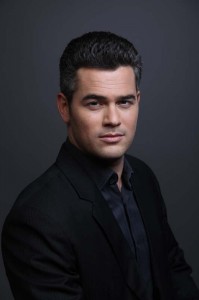
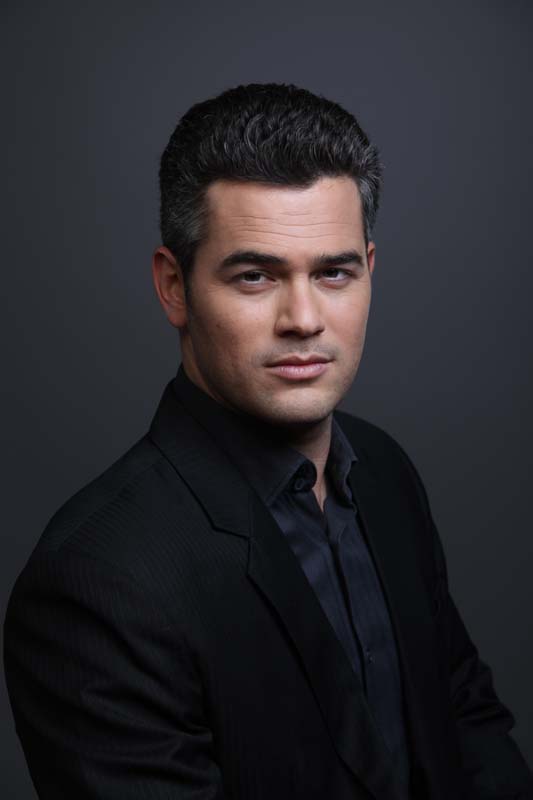
Boaz Toporovsky, Chairman of the Securities Sub Committee, Knesset
Boaz Toporovsky, Member of Knesset and Chairman of the Securities Subcommittee of the Israeli Parliament, who has been leading the legislative process until today, commented after the approval: "It is important to have regulations in this unguarded field enabling both safe investments and the continued operations of the trade arenas after years of no regulation. I am happy that we reached this day following discussions with the ISA and the trade arenas in finding the middle road to protecting citizens. Today we regulated a new and promising market in Israel, another path for investment and economic activity that is under the tight control of the ISA."
The Chairman of the ISA, Professor Samuel Houser, commented today: "I see great importance in regulating the trade arenas field they operated until today without regulatory supervision and without proper protection of the public interest. These measures of control and licensing are meant to guarantee the client funds will be safe and making sure that there will be commercial fairness in the operation and the marketing of the arenas and in protecting client funds."
Tal Itzhak Ron, Managing Partner & Chairman, Tal Ron, Drihem & Co
This law comes as no surprise to those who work or provide services to companies within the local market and had to prepare for the regulations. An Israeli lawyer who renders legal services to 130 brokers operating in the FX industry, Tal Itzhak Ron, told Forex Magnates that this bill sets a similar standard as in Europe, USA and similar developed financial markets. He said: "On the one hand it will allow Israeli clients to trade in a higher volume with their brokers, and in a more secure manner, while on the other hand it will set the standard for all brokers operating in this field, while this regulation should be more flexible and easier to implement than the European one, while the capital requirements shall be a bit more reachable."
Main New Aspects of the Regulation:
1. Licensing – Brokers will now need to apply to the ISA for a licence to operate in Israel.
2. Reporting - Brokers will now need to file reports to the ISA to insure client funds.
3. Leverage – 5% for high-risk financial product, 2.5% for medium-risk and 1% for low-risk.
4. Conflict of Interests - Brokers will now no longer be able to represent a client unless they explain their counterposition to the client. Brokers will not be able to offer advice on any product that they offer.
5. Client Funds – Customers’ money will need to be held in 3rd-party trust accounts, segregated from company funds. Brokers will not be able to use a client’s money without his/her approval.
6. Client Reports - Brokers will now need to present clients with biweekly and monthly reports about all their activity, including deposits, trades, commissions, charges and interest.
7. Client Adequacy Verification - Brokers will now need to make sure that the client is eligible and fully understands the financial mechanism they operate, and to verify that the client is not a minor and is sufficiently competent. Additionally, the firm needs to document the entire procedure.
FX Industry in Israel
In our Q2 2014 Quarterly Industry Report, Forex Magnates reviewed the state of the Israeli FX business, the country's impressive financial technology hub and the possible effects of the regulations which were finally passed today. Such country reports and many other types of high level quality analysis make the Forex Magnates' QIR essential reading to everyone involved in the FX industry. For a free preview of the report, please click here.
Maximum leverage on marginal trading was an issue that Israeli brokers were very concerned about, and it was finally clarified today. Currencies and gold-based trading is now considered low-risk in accordance with the law and can offer 100 to 1 leverage. Stock Market Indices of seventeen developed economies, as well as Government Bonds of Israel, U.S and countries with AA rating are considered medium-risk and CFDs based on them can carry maximum leverage of 40 to 1. All other trading instruments will automatically be considered high-risk and can only offer leverage of 20 to 1.
In 2010, the Knesset had already passed an amendment to the Israeli securities law with the aim of regulating the country's Trading Arenas (as the law refers to FX and CFD brokers). But since then and up until today the regulations that validate the law have not been ratified. Brokers in Israel have been operating completely free of regulations or licensing and the Israel Securities Authority (ISA) has repeatedly called for urgent action to be taken by lawmakers in what it considered a dangerous market following a number of high profile lawsuits against brokers.
Boaz Toporovsky, Chairman of the Securities Sub Committee, Knesset
Boaz Toporovsky, Member of Knesset and Chairman of the Securities Subcommittee of the Israeli Parliament, who has been leading the legislative process until today, commented after the approval: "It is important to have regulations in this unguarded field enabling both safe investments and the continued operations of the trade arenas after years of no regulation. I am happy that we reached this day following discussions with the ISA and the trade arenas in finding the middle road to protecting citizens. Today we regulated a new and promising market in Israel, another path for investment and economic activity that is under the tight control of the ISA."
The Chairman of the ISA, Professor Samuel Houser, commented today: "I see great importance in regulating the trade arenas field they operated until today without regulatory supervision and without proper protection of the public interest. These measures of control and licensing are meant to guarantee the client funds will be safe and making sure that there will be commercial fairness in the operation and the marketing of the arenas and in protecting client funds."
Tal Itzhak Ron, Managing Partner & Chairman, Tal Ron, Drihem & Co
This law comes as no surprise to those who work or provide services to companies within the local market and had to prepare for the regulations. An Israeli lawyer who renders legal services to 130 brokers operating in the FX industry, Tal Itzhak Ron, told Forex Magnates that this bill sets a similar standard as in Europe, USA and similar developed financial markets. He said: "On the one hand it will allow Israeli clients to trade in a higher volume with their brokers, and in a more secure manner, while on the other hand it will set the standard for all brokers operating in this field, while this regulation should be more flexible and easier to implement than the European one, while the capital requirements shall be a bit more reachable."
Main New Aspects of the Regulation:
1. Licensing – Brokers will now need to apply to the ISA for a licence to operate in Israel.
2. Reporting - Brokers will now need to file reports to the ISA to insure client funds.
3. Leverage – 5% for high-risk financial product, 2.5% for medium-risk and 1% for low-risk.
4. Conflict of Interests - Brokers will now no longer be able to represent a client unless they explain their counterposition to the client. Brokers will not be able to offer advice on any product that they offer.
5. Client Funds – Customers’ money will need to be held in 3rd-party trust accounts, segregated from company funds. Brokers will not be able to use a client’s money without his/her approval.
6. Client Reports - Brokers will now need to present clients with biweekly and monthly reports about all their activity, including deposits, trades, commissions, charges and interest.
7. Client Adequacy Verification - Brokers will now need to make sure that the client is eligible and fully understands the financial mechanism they operate, and to verify that the client is not a minor and is sufficiently competent. Additionally, the firm needs to document the entire procedure.
FX Industry in Israel
In our Q2 2014 Quarterly Industry Report, Forex Magnates reviewed the state of the Israeli FX business, the country's impressive financial technology hub and the possible effects of the regulations which were finally passed today. Such country reports and many other types of high level quality analysis make the Forex Magnates' QIR essential reading to everyone involved in the FX industry. For a free preview of the report, please click here.
Retail Trading & Prop Firms in 2025: Five Defining Trends - And One Prediction for 2026
Featured Videos
Executive Interview | Charlotte Bullock | Chief Product Officer, Bank of London | FMLS:25
In this interview, we sat down with Charlotte Bullock, Head of Product at The Bank of London, previously at SAP and now shaping product at one of the sector’s most ambitious new banking players.
Charlotte reflects on the Summit so far and talks about the culture inside fintech banks today. We look at the pressures that come with scaling, and how firms can hold onto the nimble approach that made them stand out early on.
We also cover the state of payments ahead of her appearance on the payments roundtable: the blockages financial firms face, the areas that still need fixing, and what a realistic solution looks like in 2026.
In this interview, we sat down with Charlotte Bullock, Head of Product at The Bank of London, previously at SAP and now shaping product at one of the sector’s most ambitious new banking players.
Charlotte reflects on the Summit so far and talks about the culture inside fintech banks today. We look at the pressures that come with scaling, and how firms can hold onto the nimble approach that made them stand out early on.
We also cover the state of payments ahead of her appearance on the payments roundtable: the blockages financial firms face, the areas that still need fixing, and what a realistic solution looks like in 2026.
In this interview, we sat down with Charlotte Bullock, Head of Product at The Bank of London, previously at SAP and now shaping product at one of the sector’s most ambitious new banking players.
Charlotte reflects on the Summit so far and talks about the culture inside fintech banks today. We look at the pressures that come with scaling, and how firms can hold onto the nimble approach that made them stand out early on.
We also cover the state of payments ahead of her appearance on the payments roundtable: the blockages financial firms face, the areas that still need fixing, and what a realistic solution looks like in 2026.
In this interview, we sat down with Charlotte Bullock, Head of Product at The Bank of London, previously at SAP and now shaping product at one of the sector’s most ambitious new banking players.
Charlotte reflects on the Summit so far and talks about the culture inside fintech banks today. We look at the pressures that come with scaling, and how firms can hold onto the nimble approach that made them stand out early on.
We also cover the state of payments ahead of her appearance on the payments roundtable: the blockages financial firms face, the areas that still need fixing, and what a realistic solution looks like in 2026.
In this conversation, we sit down with Drew Niv, CSO at ATFX Connect and one of the most influential figures in modern FX.
We speak about market structure, the institutional view on liquidity, and the sharp rise of prop trading, a sector Drew has been commenting on in recent months. Drew explains why he once dismissed prop trading, why his view changed, and what he now thinks the model means for brokers, clients and risk managers.
We explore subscription-fee dependency, the high reneging rate, and the long-term challenge: how brokers can build a more stable and honest version of the model. Drew also talks about the traffic advantage standalone prop firms have built and why brokers may still win in the long run if they take the right approach.
In this conversation, we sit down with Drew Niv, CSO at ATFX Connect and one of the most influential figures in modern FX.
We speak about market structure, the institutional view on liquidity, and the sharp rise of prop trading, a sector Drew has been commenting on in recent months. Drew explains why he once dismissed prop trading, why his view changed, and what he now thinks the model means for brokers, clients and risk managers.
We explore subscription-fee dependency, the high reneging rate, and the long-term challenge: how brokers can build a more stable and honest version of the model. Drew also talks about the traffic advantage standalone prop firms have built and why brokers may still win in the long run if they take the right approach.
In this conversation, we sit down with Drew Niv, CSO at ATFX Connect and one of the most influential figures in modern FX.
We speak about market structure, the institutional view on liquidity, and the sharp rise of prop trading, a sector Drew has been commenting on in recent months. Drew explains why he once dismissed prop trading, why his view changed, and what he now thinks the model means for brokers, clients and risk managers.
We explore subscription-fee dependency, the high reneging rate, and the long-term challenge: how brokers can build a more stable and honest version of the model. Drew also talks about the traffic advantage standalone prop firms have built and why brokers may still win in the long run if they take the right approach.
In this conversation, we sit down with Drew Niv, CSO at ATFX Connect and one of the most influential figures in modern FX.
We speak about market structure, the institutional view on liquidity, and the sharp rise of prop trading, a sector Drew has been commenting on in recent months. Drew explains why he once dismissed prop trading, why his view changed, and what he now thinks the model means for brokers, clients and risk managers.
We explore subscription-fee dependency, the high reneging rate, and the long-term challenge: how brokers can build a more stable and honest version of the model. Drew also talks about the traffic advantage standalone prop firms have built and why brokers may still win in the long run if they take the right approach.
In this conversation, we sit down with Drew Niv, CSO at ATFX Connect and one of the most influential figures in modern FX.
We speak about market structure, the institutional view on liquidity, and the sharp rise of prop trading, a sector Drew has been commenting on in recent months. Drew explains why he once dismissed prop trading, why his view changed, and what he now thinks the model means for brokers, clients and risk managers.
We explore subscription-fee dependency, the high reneging rate, and the long-term challenge: how brokers can build a more stable and honest version of the model. Drew also talks about the traffic advantage standalone prop firms have built and why brokers may still win in the long run if they take the right approach.
In this conversation, we sit down with Drew Niv, CSO at ATFX Connect and one of the most influential figures in modern FX.
We speak about market structure, the institutional view on liquidity, and the sharp rise of prop trading, a sector Drew has been commenting on in recent months. Drew explains why he once dismissed prop trading, why his view changed, and what he now thinks the model means for brokers, clients and risk managers.
We explore subscription-fee dependency, the high reneging rate, and the long-term challenge: how brokers can build a more stable and honest version of the model. Drew also talks about the traffic advantage standalone prop firms have built and why brokers may still win in the long run if they take the right approach.
Executive Interview | Remonda Z. Kirketerp Møller| CEO & Founder Muinmos | FMLS:25
In this interview, Remonda Z. Kirketerp Møller, founder of Muinmos, breaks down the state of AI in regtech and what responsible adoption really looks like for brokers. We talk about rising fragmentation, the pressures around compliance accuracy, and why most firms are still in the early stages of AI maturity.
Ramanda also shares insights on regulator sandboxes, shifting expectations around accountability, and the current reality of MiCA licensing and passporting in Europe.
A concise look at where compliance, onboarding, and AI-driven processes are heading next.
In this interview, Remonda Z. Kirketerp Møller, founder of Muinmos, breaks down the state of AI in regtech and what responsible adoption really looks like for brokers. We talk about rising fragmentation, the pressures around compliance accuracy, and why most firms are still in the early stages of AI maturity.
Ramanda also shares insights on regulator sandboxes, shifting expectations around accountability, and the current reality of MiCA licensing and passporting in Europe.
A concise look at where compliance, onboarding, and AI-driven processes are heading next.
In this interview, Remonda Z. Kirketerp Møller, founder of Muinmos, breaks down the state of AI in regtech and what responsible adoption really looks like for brokers. We talk about rising fragmentation, the pressures around compliance accuracy, and why most firms are still in the early stages of AI maturity.
Ramanda also shares insights on regulator sandboxes, shifting expectations around accountability, and the current reality of MiCA licensing and passporting in Europe.
A concise look at where compliance, onboarding, and AI-driven processes are heading next.
In this interview, Remonda Z. Kirketerp Møller, founder of Muinmos, breaks down the state of AI in regtech and what responsible adoption really looks like for brokers. We talk about rising fragmentation, the pressures around compliance accuracy, and why most firms are still in the early stages of AI maturity.
Ramanda also shares insights on regulator sandboxes, shifting expectations around accountability, and the current reality of MiCA licensing and passporting in Europe.
A concise look at where compliance, onboarding, and AI-driven processes are heading next.
In this interview, Remonda Z. Kirketerp Møller, founder of Muinmos, breaks down the state of AI in regtech and what responsible adoption really looks like for brokers. We talk about rising fragmentation, the pressures around compliance accuracy, and why most firms are still in the early stages of AI maturity.
Ramanda also shares insights on regulator sandboxes, shifting expectations around accountability, and the current reality of MiCA licensing and passporting in Europe.
A concise look at where compliance, onboarding, and AI-driven processes are heading next.
In this interview, Remonda Z. Kirketerp Møller, founder of Muinmos, breaks down the state of AI in regtech and what responsible adoption really looks like for brokers. We talk about rising fragmentation, the pressures around compliance accuracy, and why most firms are still in the early stages of AI maturity.
Ramanda also shares insights on regulator sandboxes, shifting expectations around accountability, and the current reality of MiCA licensing and passporting in Europe.
A concise look at where compliance, onboarding, and AI-driven processes are heading next.
In this conversation, we speak with Aydin Bonabi, CEO and co-founder of Surveill, a firm focused on fraud detection and AI-driven compliance tools for financial institutions.
We start with Aydin’s view of the Summit and the challenges brokers face as fraud tactics grow more complex. He explains how firms can stay ahead through real-time signals, data patterns, and early-stage detection.
We also talk about AI training and why compliance teams often struggle to keep models accurate, fair, and aligned with regulatory expectations. Aydin breaks down what “good” AI training looks like inside a financial environment, including the importance of clean data, domain expertise, and human oversight.
He closes with a clear message: fraud is scaling, and so must the tools that stop it.
In this conversation, we speak with Aydin Bonabi, CEO and co-founder of Surveill, a firm focused on fraud detection and AI-driven compliance tools for financial institutions.
We start with Aydin’s view of the Summit and the challenges brokers face as fraud tactics grow more complex. He explains how firms can stay ahead through real-time signals, data patterns, and early-stage detection.
We also talk about AI training and why compliance teams often struggle to keep models accurate, fair, and aligned with regulatory expectations. Aydin breaks down what “good” AI training looks like inside a financial environment, including the importance of clean data, domain expertise, and human oversight.
He closes with a clear message: fraud is scaling, and so must the tools that stop it.
In this conversation, we speak with Aydin Bonabi, CEO and co-founder of Surveill, a firm focused on fraud detection and AI-driven compliance tools for financial institutions.
We start with Aydin’s view of the Summit and the challenges brokers face as fraud tactics grow more complex. He explains how firms can stay ahead through real-time signals, data patterns, and early-stage detection.
We also talk about AI training and why compliance teams often struggle to keep models accurate, fair, and aligned with regulatory expectations. Aydin breaks down what “good” AI training looks like inside a financial environment, including the importance of clean data, domain expertise, and human oversight.
He closes with a clear message: fraud is scaling, and so must the tools that stop it.
In this conversation, we speak with Aydin Bonabi, CEO and co-founder of Surveill, a firm focused on fraud detection and AI-driven compliance tools for financial institutions.
We start with Aydin’s view of the Summit and the challenges brokers face as fraud tactics grow more complex. He explains how firms can stay ahead through real-time signals, data patterns, and early-stage detection.
We also talk about AI training and why compliance teams often struggle to keep models accurate, fair, and aligned with regulatory expectations. Aydin breaks down what “good” AI training looks like inside a financial environment, including the importance of clean data, domain expertise, and human oversight.
He closes with a clear message: fraud is scaling, and so must the tools that stop it.
In this conversation, we speak with Aydin Bonabi, CEO and co-founder of Surveill, a firm focused on fraud detection and AI-driven compliance tools for financial institutions.
We start with Aydin’s view of the Summit and the challenges brokers face as fraud tactics grow more complex. He explains how firms can stay ahead through real-time signals, data patterns, and early-stage detection.
We also talk about AI training and why compliance teams often struggle to keep models accurate, fair, and aligned with regulatory expectations. Aydin breaks down what “good” AI training looks like inside a financial environment, including the importance of clean data, domain expertise, and human oversight.
He closes with a clear message: fraud is scaling, and so must the tools that stop it.
In this conversation, we speak with Aydin Bonabi, CEO and co-founder of Surveill, a firm focused on fraud detection and AI-driven compliance tools for financial institutions.
We start with Aydin’s view of the Summit and the challenges brokers face as fraud tactics grow more complex. He explains how firms can stay ahead through real-time signals, data patterns, and early-stage detection.
We also talk about AI training and why compliance teams often struggle to keep models accurate, fair, and aligned with regulatory expectations. Aydin breaks down what “good” AI training looks like inside a financial environment, including the importance of clean data, domain expertise, and human oversight.
He closes with a clear message: fraud is scaling, and so must the tools that stop it.
Exness expands its presence in Africa: Inside our interview with Paul Margarites in Cape Town
Finance Magnates met with Paul Margarites, Exness regional commercial director for Sub-Saharan Africa, during a visit to the firm’s office opening in Cape Town. In this talk, led by Andrea Badiola Mateos, Co-CEO at Finance Magnates, Paul shares views on the South African trading space, local user behavior, mobile trends, regulation, team growth, and how Exness plans to grow in more markets across the region. @Exness
Read the article at: https://www.financemagnates.com/thought-leadership/exness-expands-its-presence-in-africa-inside-our-interview-with-paul-margarites/
#exness #financemagnates #exnesstrading #CFDtrading #tradeonline #africanews #capetown
Finance Magnates met with Paul Margarites, Exness regional commercial director for Sub-Saharan Africa, during a visit to the firm’s office opening in Cape Town. In this talk, led by Andrea Badiola Mateos, Co-CEO at Finance Magnates, Paul shares views on the South African trading space, local user behavior, mobile trends, regulation, team growth, and how Exness plans to grow in more markets across the region. @Exness
Read the article at: https://www.financemagnates.com/thought-leadership/exness-expands-its-presence-in-africa-inside-our-interview-with-paul-margarites/
#exness #financemagnates #exnesstrading #CFDtrading #tradeonline #africanews #capetown
Finance Magnates met with Paul Margarites, Exness regional commercial director for Sub-Saharan Africa, during a visit to the firm’s office opening in Cape Town. In this talk, led by Andrea Badiola Mateos, Co-CEO at Finance Magnates, Paul shares views on the South African trading space, local user behavior, mobile trends, regulation, team growth, and how Exness plans to grow in more markets across the region. @Exness
Read the article at: https://www.financemagnates.com/thought-leadership/exness-expands-its-presence-in-africa-inside-our-interview-with-paul-margarites/
#exness #financemagnates #exnesstrading #CFDtrading #tradeonline #africanews #capetown
Finance Magnates met with Paul Margarites, Exness regional commercial director for Sub-Saharan Africa, during a visit to the firm’s office opening in Cape Town. In this talk, led by Andrea Badiola Mateos, Co-CEO at Finance Magnates, Paul shares views on the South African trading space, local user behavior, mobile trends, regulation, team growth, and how Exness plans to grow in more markets across the region. @Exness
Read the article at: https://www.financemagnates.com/thought-leadership/exness-expands-its-presence-in-africa-inside-our-interview-with-paul-margarites/
#exness #financemagnates #exnesstrading #CFDtrading #tradeonline #africanews #capetown
Finance Magnates met with Paul Margarites, Exness regional commercial director for Sub-Saharan Africa, during a visit to the firm’s office opening in Cape Town. In this talk, led by Andrea Badiola Mateos, Co-CEO at Finance Magnates, Paul shares views on the South African trading space, local user behavior, mobile trends, regulation, team growth, and how Exness plans to grow in more markets across the region. @Exness
Read the article at: https://www.financemagnates.com/thought-leadership/exness-expands-its-presence-in-africa-inside-our-interview-with-paul-margarites/
#exness #financemagnates #exnesstrading #CFDtrading #tradeonline #africanews #capetown
Finance Magnates met with Paul Margarites, Exness regional commercial director for Sub-Saharan Africa, during a visit to the firm’s office opening in Cape Town. In this talk, led by Andrea Badiola Mateos, Co-CEO at Finance Magnates, Paul shares views on the South African trading space, local user behavior, mobile trends, regulation, team growth, and how Exness plans to grow in more markets across the region. @Exness
Read the article at: https://www.financemagnates.com/thought-leadership/exness-expands-its-presence-in-africa-inside-our-interview-with-paul-margarites/
#exness #financemagnates #exnesstrading #CFDtrading #tradeonline #africanews #capetown