Data from Glyde reveals how Forex companies quietly pocket millions from European football transfers.
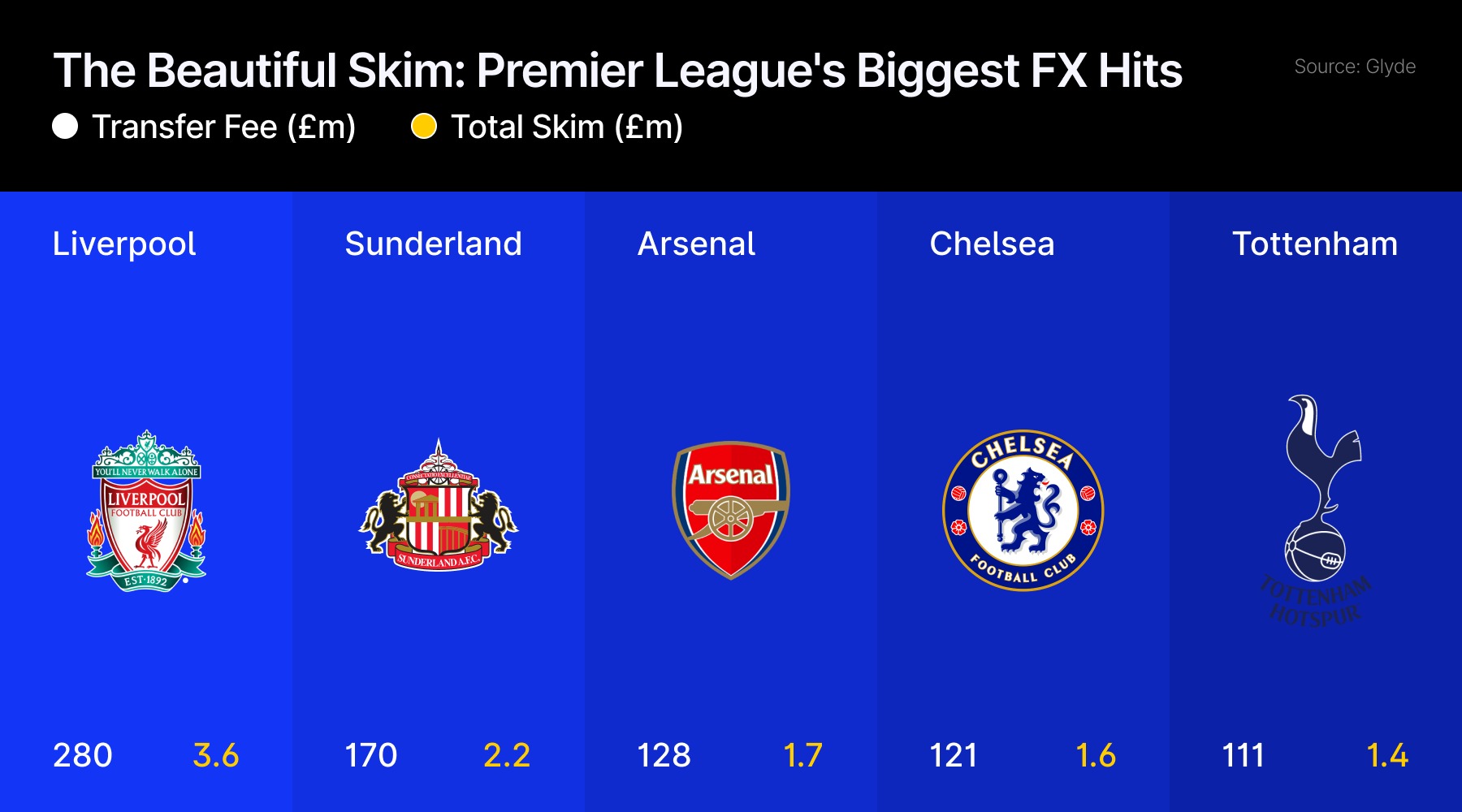
Liverpool hit hardest with £3.6m in hidden currency costs despite record spending spree.
Premier
League clubs got stung for more than £22 million in hidden foreign exchange
(FX) fees during this summer's transfer window, according to new analysis that
exposes how currency brokers quietly skim millions from European player
deals.
The data
from financial platform Glyde tracked 71 permanent transfers between June 16
and September 1, focusing on moves where English clubs had to convert pounds to
euros to sign players from leagues like the Bundesliga, La Liga and Serie
A. What they found was a systematic pattern of brokers adding hidden
markups that clubs likely never noticed.
Liverpool Leads Premier
League in Hidden FX Transfer Costs
Liverpool
took the biggest hit, losing over £3.6 million to inflated exchange rates after
spending nearly £280 million on players from Germany, Italy and Spain. But
it wasn't just the traditional big six getting burned. Sunderland,
fresh off promotion, ranked second with more than £2.2 million in hidden
costs – a significant chunk for a club without the financial muscle of
Manchester City or Chelsea.
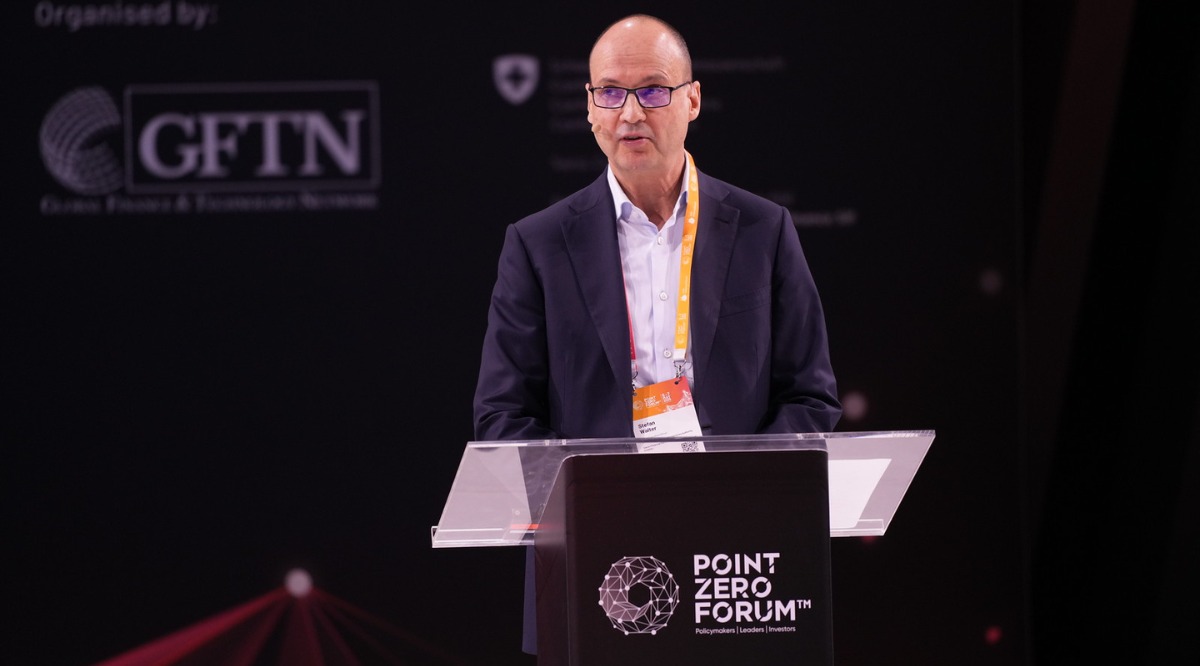
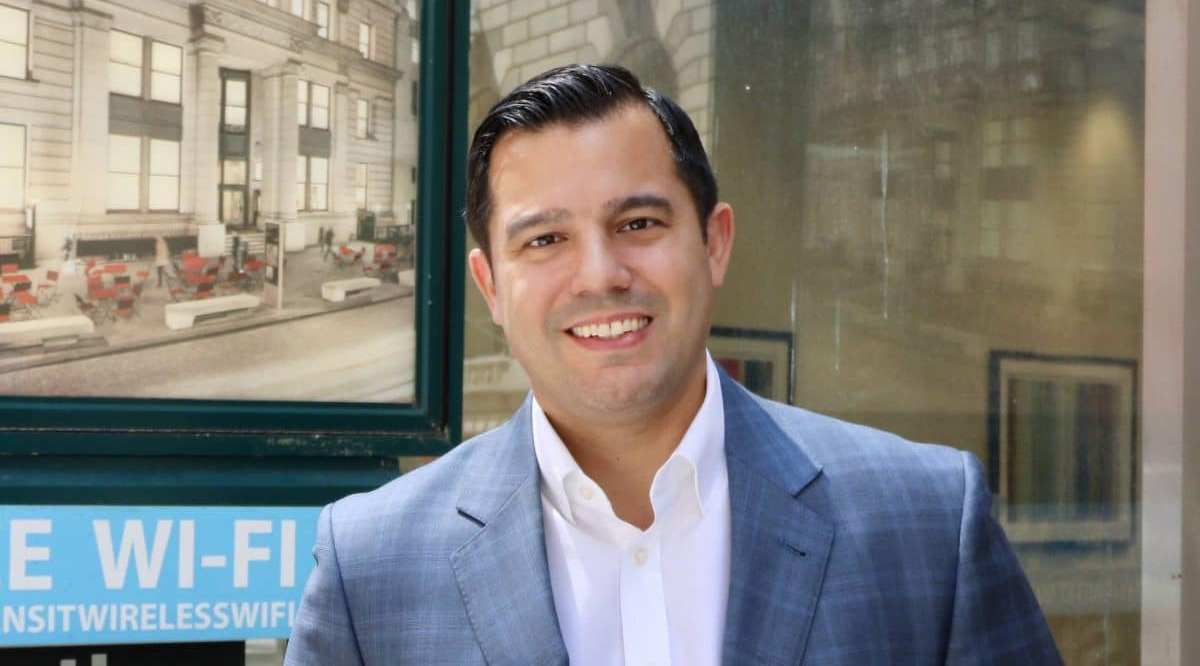
Ellis Taylor, CEO and Co-Founder of Glyde
“Football
transfers are negotiated down to the last detail, but what clubs don't see is
the hidden cost eating away at their budgets when they move money across
borders,” said Ellis Taylor, CEO and Co-Founder of Glyde. “That
is money that should be going into performance on the pitch, not lining
the pockets of brokers.”
The worst
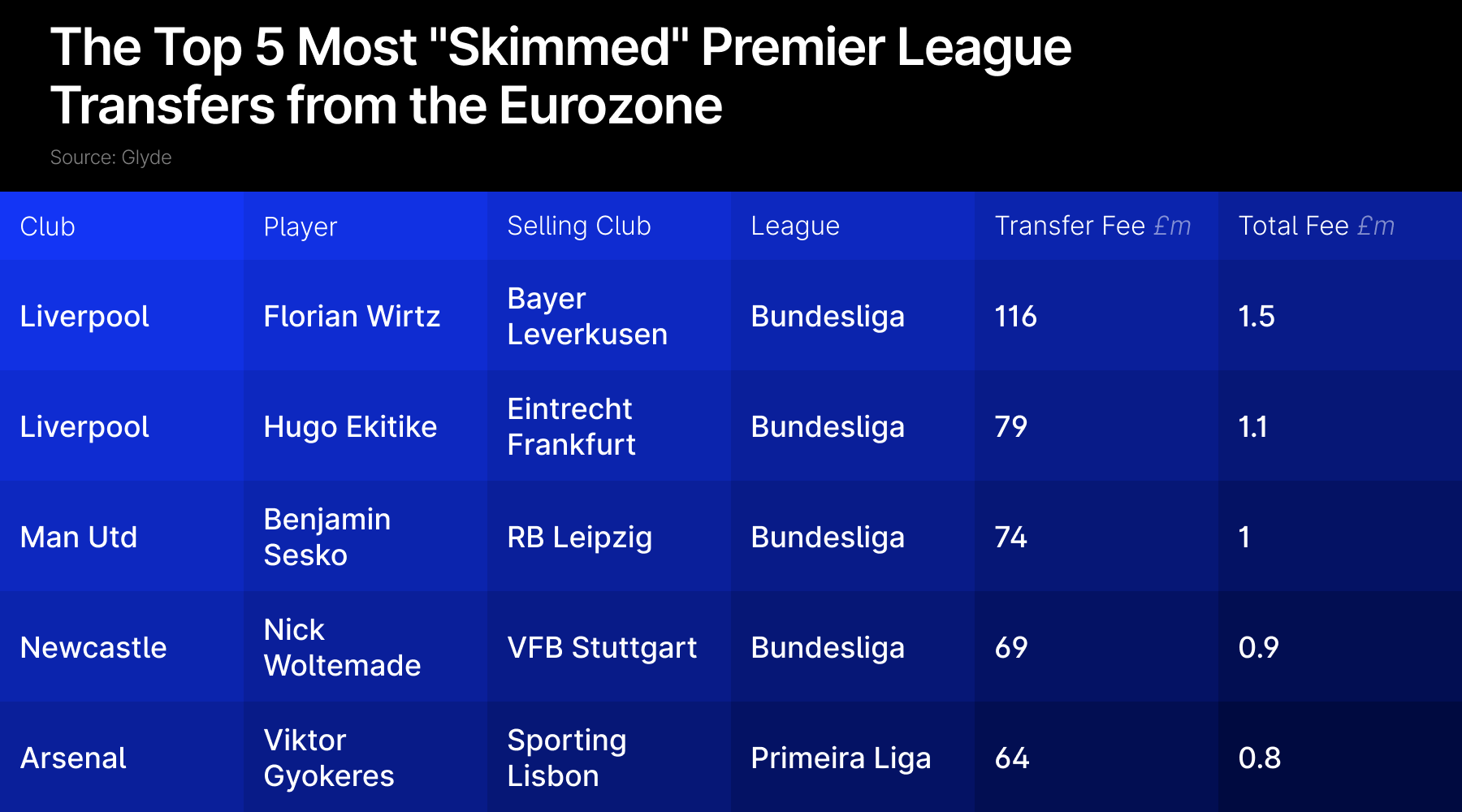
individual transfer for hidden fees was Liverpool's £116 million capture of
Florian Wirtz from Bayer Leverkusen, which cost an extra £1.5 million in FX
markups. Hugo Ekitike's £79 million move from Eintracht Frankfurt to
Liverpool added another £1 million in hidden costs.
The
practice, known as “skimming” in financial circles, works by
brokers adding small percentage markups to exchange rates. A 1.3% fee
might sound trivial, but when applied to a £100 million transfer, it quickly
becomes serious money. The analysis shows brokers consistently added these
hidden costs across deals involving British pounds, which got hit harder
than euro-based transactions.
The top 10
worst-affected clubs collectively lost nearly £17 million, with Arsenal (£1.7
million), Chelsea (£1.6 million) and Tottenham (£1.4 million) all taking
substantial hits. Even smaller spenders like Nottingham Forest and Wolves
lost over £1 million each to currency markups they probably didn't know they
were paying.
Manchester
United's £73.7 million signing of Benjamin Šeško from RB Leipzig generated
£958,000 in hidden fees, while Newcastle's capture of Nick Woltemade from VfB
Stuttgart cost an extra £897,000. These amounts represent money that could have
been invested in squad development or infrastructure instead of disappearing
into broker profits.
The
analysis used Glyde's exchange rate calculator, which has examined
over 3,400 global transactions over three years to identify how brokers
add undisclosed markups. The tool reveals costs that often exceed what
organizations expect to pay for currency conversion services.
Forex Industry Practices
Under Scrutiny
The
Financial Conduct Authority (FCA) has
previously criticized hidden FX markups by traditional brokers as poor
practice, yet the analysis shows the problem persists across different
industries and transaction sizes. Transfers involving British pounds face
average hidden costs of 1.3% compared to 0.9% for euro-based deals, despite the
euro being Europe's most actively traded currency.
With
Premier League spending significantly outpacing other European leagues,
English clubs face particular exposure to these practices. Currency
fluctuations and opaque broker methods compound costs without clubs necessarily
understanding the full impact. For example, the summer 2024 transfer window saw
record Premier League spending exceed £1.7 billion on European players alone.
Premier
League clubs got stung for more than £22 million in hidden foreign exchange
(FX) fees during this summer's transfer window, according to new analysis that
exposes how currency brokers quietly skim millions from European player
deals.
The data
from financial platform Glyde tracked 71 permanent transfers between June 16
and September 1, focusing on moves where English clubs had to convert pounds to
euros to sign players from leagues like the Bundesliga, La Liga and Serie
A. What they found was a systematic pattern of brokers adding hidden
markups that clubs likely never noticed.
Liverpool Leads Premier
League in Hidden FX Transfer Costs
Liverpool
took the biggest hit, losing over £3.6 million to inflated exchange rates after
spending nearly £280 million on players from Germany, Italy and Spain. But
it wasn't just the traditional big six getting burned. Sunderland,
fresh off promotion, ranked second with more than £2.2 million in hidden
costs – a significant chunk for a club without the financial muscle of
Manchester City or Chelsea.
Ellis Taylor, CEO and Co-Founder of Glyde
“Football
transfers are negotiated down to the last detail, but what clubs don't see is
the hidden cost eating away at their budgets when they move money across
borders,” said Ellis Taylor, CEO and Co-Founder of Glyde. “That
is money that should be going into performance on the pitch, not lining
the pockets of brokers.”
The worst
individual transfer for hidden fees was Liverpool's £116 million capture of
Florian Wirtz from Bayer Leverkusen, which cost an extra £1.5 million in FX
markups. Hugo Ekitike's £79 million move from Eintracht Frankfurt to
Liverpool added another £1 million in hidden costs.
The
practice, known as “skimming” in financial circles, works by
brokers adding small percentage markups to exchange rates. A 1.3% fee
might sound trivial, but when applied to a £100 million transfer, it quickly
becomes serious money. The analysis shows brokers consistently added these
hidden costs across deals involving British pounds, which got hit harder
than euro-based transactions.
The top 10
worst-affected clubs collectively lost nearly £17 million, with Arsenal (£1.7
million), Chelsea (£1.6 million) and Tottenham (£1.4 million) all taking
substantial hits. Even smaller spenders like Nottingham Forest and Wolves
lost over £1 million each to currency markups they probably didn't know they
were paying.
Manchester
United's £73.7 million signing of Benjamin Šeško from RB Leipzig generated
£958,000 in hidden fees, while Newcastle's capture of Nick Woltemade from VfB
Stuttgart cost an extra £897,000. These amounts represent money that could have
been invested in squad development or infrastructure instead of disappearing
into broker profits.
The
analysis used Glyde's exchange rate calculator, which has examined
over 3,400 global transactions over three years to identify how brokers
add undisclosed markups. The tool reveals costs that often exceed what
organizations expect to pay for currency conversion services.
Forex Industry Practices
Under Scrutiny
The
Financial Conduct Authority (FCA) has
previously criticized hidden FX markups by traditional brokers as poor
practice, yet the analysis shows the problem persists across different
industries and transaction sizes. Transfers involving British pounds face
average hidden costs of 1.3% compared to 0.9% for euro-based deals, despite the
euro being Europe's most actively traded currency.
With
Premier League spending significantly outpacing other European leagues,
English clubs face particular exposure to these practices. Currency
fluctuations and opaque broker methods compound costs without clubs necessarily
understanding the full impact. For example, the summer 2024 transfer window saw
record Premier League spending exceed £1.7 billion on European players alone.
Damian Chmiel is a Senior Analyst & Editor at Finance Magnates with more than 15 years of experience in the CFD and online trading industry. Active as both a trader and journalist since 2010, he focuses on broker coverage, fintech innovation, and regulatory developments across Europe, the Middle East, and Asia.
His work includes interviews with C-level leaders at major brokerages and fintech platforms, as well as co-authoring Finance Magnates’ quarterly industry benchmarking reports. Damian’s reporting is data-driven, market-aware, and grounded in direct industry engagement. His analysis and commentary have also been cited by external media outlets, including Investing.com, Binance, The Asset, Stockhead, and Dispatch.
Education:
MA in Finance and Accounting, Cracow University of Economics
Italy’s Consob Tightens Net on AI-Fueled Scams With Fresh Website Bans
FP Markets Winner Spotlight 🏆 | Global Broker of the Year 2025 #Trading #Broker #Innovation #Shorts
FP Markets Winner Spotlight 🏆 | Global Broker of the Year 2025 #Trading #Broker #Innovation #Shorts
FP Markets takes the spotlight as Global Broker of the Year 2025 at the Finance Magnates Awards.
Martin Stoilov, Head of Client Experience, shares that trust, innovation, and people played a key role in the company’s success, supported by a strong foundation of integrity and client-centricity.
Following this milestone, FP Markets continues to focus on growth, technology investment, and its core values of transparency and excellence.
👉 Be part of FM Awards 2026: https://awards.financemagnates.com/#nominate
FP Markets takes the spotlight as Global Broker of the Year 2025 at the Finance Magnates Awards.
Martin Stoilov, Head of Client Experience, shares that trust, innovation, and people played a key role in the company’s success, supported by a strong foundation of integrity and client-centricity.
Following this milestone, FP Markets continues to focus on growth, technology investment, and its core values of transparency and excellence.
👉 Be part of FM Awards 2026: https://awards.financemagnates.com/#nominate
In this video, we review @HolaPrimeMarketsOfficial, a multi-asset forex and CFDs broker offering different account types, trading platforms, and flexible trading conditions.
We cover the broker’s overall offering, including account options, trading environment, platforms like MT4 and MT5, and additional services such as managed accounts and fast withdrawals.
Watch the full video to see if Hola Prime Markets fits your trading needs.
📣 Stay up to date with the latest in finance and trading. Follow Finance Magnates for industry news, insights, and global event coverage.
Connect with us:
🔗 LinkedIn: /financemagnates
👍 Facebook: /financemagnates
📸 Instagram: https://www.instagram.com/financemagnates
🐦 X: https://x.com/financemagnates
🎥 TikTok: https://www.tiktok.com/tag/financemagnates
▶️ YouTube: /@financemagnates_official
#HolaPrime #ForexBroker #CFDTrading #FinanceMagnates #Trading #Forex #BrokerReview
In this video, we review @HolaPrimeMarketsOfficial, a multi-asset forex and CFDs broker offering different account types, trading platforms, and flexible trading conditions.
We cover the broker’s overall offering, including account options, trading environment, platforms like MT4 and MT5, and additional services such as managed accounts and fast withdrawals.
Watch the full video to see if Hola Prime Markets fits your trading needs.
📣 Stay up to date with the latest in finance and trading. Follow Finance Magnates for industry news, insights, and global event coverage.
Connect with us:
🔗 LinkedIn: /financemagnates
👍 Facebook: /financemagnates
📸 Instagram: https://www.instagram.com/financemagnates
🐦 X: https://x.com/financemagnates
🎥 TikTok: https://www.tiktok.com/tag/financemagnates
▶️ YouTube: /@financemagnates_official
#HolaPrime #ForexBroker #CFDTrading #FinanceMagnates #Trading #Forex #BrokerReview
Hola Prime Review: What You Need to Know | Full Breakdown by Finance Magnates
Hola Prime Review: What You Need to Know | Full Breakdown by Finance Magnates
In this video, we review @HolaPrime_Global, a proprietary trading firm offering evaluation programs and performance-based payouts in simulated market environments.
We cover how the challenge model works, including account types, profit splits (up to 95%), trading rules, and what it takes to reach a funded account. You’ll also learn about available platforms like MT4, MT5, cTrader, and more, along with insights into payouts, support, and trading conditions.
Watch the full video to see if Hola Prime fits your trading style.
📣 Stay up to date with the latest in finance and trading. Follow Finance Magnates for industry news, insights, and global event coverage.
Connect with us:
🔗 LinkedIn: /financemagnates
👍 Facebook: /financemagnates
📸 Instagram: https://www.instagram.com/financemagnates
🐦 X: https://x.com/financemagnates
🎥 TikTok: https://www.tiktok.com/tag/financemagnates
▶️ YouTube: /@financemagnates_official
#HolaPrime #PropFirm #Trading #FinanceMagnates #Forex #FuturesTrading #TradingReview #PropFirmReview
In this video, we review @HolaPrime_Global, a proprietary trading firm offering evaluation programs and performance-based payouts in simulated market environments.
We cover how the challenge model works, including account types, profit splits (up to 95%), trading rules, and what it takes to reach a funded account. You’ll also learn about available platforms like MT4, MT5, cTrader, and more, along with insights into payouts, support, and trading conditions.
Watch the full video to see if Hola Prime fits your trading style.
📣 Stay up to date with the latest in finance and trading. Follow Finance Magnates for industry news, insights, and global event coverage.
Connect with us:
🔗 LinkedIn: /financemagnates
👍 Facebook: /financemagnates
📸 Instagram: https://www.instagram.com/financemagnates
🐦 X: https://x.com/financemagnates
🎥 TikTok: https://www.tiktok.com/tag/financemagnates
▶️ YouTube: /@financemagnates_official
#HolaPrime #PropFirm #Trading #FinanceMagnates #Forex #FuturesTrading #TradingReview #PropFirmReview
Axi Winner Spotlight 🏆 | Global Most Innovative Broker 2025 #Innovation #Trading #Fintech #Broker
Axi Winner Spotlight 🏆 | Global Most Innovative Broker 2025 #Innovation #Trading #Fintech #Broker
Axi takes the spotlight at the Finance Magnates Awards, winning Global Most Innovative Broker 2025.
Olivia Xenofontos and Ivanna Openko share how the team will feel: proud, motivated, and ready to keep delivering.
They also describe the night as well-organized, focused, and enjoyable for all.
👉 Be part of FM Awards 2026.
Axi takes the spotlight at the Finance Magnates Awards, winning Global Most Innovative Broker 2025.
Olivia Xenofontos and Ivanna Openko share how the team will feel: proud, motivated, and ready to keep delivering.
They also describe the night as well-organized, focused, and enjoyable for all.
👉 Be part of FM Awards 2026.
Recognition that matters.
Built on transparency.
Driven by the industry.
The Finance Magnates Awards 2026.
Nominations are now open.
🔗 https://awards.financemagnates.com/?utm_source=SM&utm_medium=social&utm_campaign=recognition-matters
Recognition that matters.
Built on transparency.
Driven by the industry.
The Finance Magnates Awards 2026.
Nominations are now open.
🔗 https://awards.financemagnates.com/?utm_source=SM&utm_medium=social&utm_campaign=recognition-matters