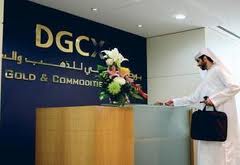
In 2005, the Dubai Multi Commodities Center (DMCC) entered into a joint venture initiative alongside Financial Technologies (India) Limited and the Multi Commodity Exchange of India Limited (MCX) to create the Dubai Gold and Commodities Exchange (DGCX).
It was established as a major commodity and currency derivatives exchange in the Middle East, with electronic trading accessible from anywhere in the world. It has adopted the DGR system for effecting the physical settlements of gold and silver against a futures contract position.
Steering the Dubai Multi Commodities Exchange is Ahmed Sultan Bin Sulayem, in the capacity of Executive Chairman. His career and leadership of the exchange began in 2001, as Director, Pre-Implementation DMCC Authority in readiness for the official opening of the exchange. In May 2002, when the DMCC commenced operations, Ahmed Sultan Bin Sulayem assumed the position of COO.
During his 11 year leadership of the DMCC, he was instrumental in establishing the DGCX and has held the position of Chairman since November 2007.
DGCX is licensed by the Dubai Multi Commodities Center and has its operations based outside the Jumeirah Lakes Towers area at present, with plans to move to the zone in the near future. Jumeirah Lakes Towers is part of the Jumeirah Lakes Free Zone, a designated area established in 2002 as a strategic initiative of the government of Dubai to provide the correct infrastructure required to launch and sustain a commodities marketplace in the Emerati nation.
Dubai has become synonymous with the trading of gold over recent years. This attracted further interest within the area and led to the need for a dedicated means of trading such instruments, and subsequently expansion to further commodity derivatives accomplished by the creation of the DGCX.
The exchange has offered a sophisticated means of hedging price risk exposure producers, manufacturers and end-users alike, which was previously unavailable in the Middle East. In addition to this, DGCX offers trading opportunities to financial communities and investment houses in both the Middle East and further afield who wish to access the commodity and currency derivative asset class.
In April 2012, Gary Anderson was appointed CEO of DGCX, his most recent senior appointment within a career spanning more than 30 years in the financial services industry.
Mr Anderson joined DGCX subsequent to having served as the Chief Operating Officer (COO) of Deutsche Bank’s Global Exchange Services (GES) business. Previously, as an Executive Director for Goldman Sachs International, he had responsibility for all aspects of its trading activities on the London International Financial Futures and Options Exchange (LIFFE) floor. He has also served as a member of the Boards of LIFFE, the Futures and Options Association and the London Clearing House.
Before joining DGCX, Anderson was a Founding Partner in Triniti Financial Group, which provides professional trading environments and financial backing for day traders.
Forex Magnates spoke to Mr Anderson with regard to his view on DGCX's vision and direction for the coming year.
What will DGCX do in 2013. Are there any new launches, different corporate strategies?
DGCX’s international profile has taken a leap in 2012 with many of its products emerging as important hedging, investment and price-reference tools for business communities across the world. Our Gold Futures contract, for example, has become particularly valuable to gold markets in Asian hubs like Singapore, which have substantial gold trading links with Dubai. DGCX’s Copper Futures launched in April 2012, which was designed to be the most liquid metal contracts in the world, has become the third-most actively traded copper contract in Asia.
DGCX will be seeking to build on its global reach in 2013. We are exploring the introduction of new commodity and currency derivatives products that will widen the range of investment and hedging instruments we offer not only to the region but also the broader global market. We will be looking to launch new products after studying demand. Among currencies, we are particularly exploring new Emerging Market currency contracts.
Among commodities, precious metals are a key part of our product strategy, given Dubai’s growing relevance in global precious metals trading. DGCX is constantly studying the evolving needs of the marketplace including the benefit of a spot gold contract. We are in close discussions with the industry through bodies to understand their needs for products and services.
Superior transaction speed and a wider range of trading and clearing functionalities will allow us to offer enhanced trading flexibility to Members. Furthermore, it will help us reduce overall operational costs and improve efficiencies, allowing us to focus even more on delivering greater value to our Members.
How will the DGCX expand their currency trading away from primarily just the Rupee?
The objective is to offer a platform for offshore trading of Emerging Market (EM) currency contracts. DGCX offers a safe and regulated environment for international investors to hedge their exposures in emerging market currencies offshore.
Considering the imminent launch of Rupee contracts by rival exchanges such as ICE and CME, how will the DGCX counteract this and maintain market share?
We welcome the introduction of new offshore Indian Rupee futures contracts, which will widen the global pool of liquidity for offshore trading in Indian Rupee futures. The DGCX Indian Rupee futures is primarily targeted at investors in the Middle East, who account for 80% of trading in the contract. Increasing trade between India and the Middle East has created a corresponding requirement to hedge risk and a wide number of participants in the region including traders, speculators, importers, exporters, hedgers and local businesses have benefited from trading in the contract. We believe the rising importance of the Indian economy and steadily expanding trading between the two regions will continue to increase interest in trading and volumes in the DGCX Indian Rupee Futures contract.
Is the Middle East a region for big developments in 2013?
The Middle East derivatives market has considerable scope for growth. We believe vast sections of the trading community in the region can raise their business profitability and better manage risk from market volatility by using derivatives products as investment and hedging tools. We launched the DGCX Academy last year with the objective of raising awareness and understanding of the benefits of derivatives trading to a wider audience in the region.
Furthermore, investors in the Middle East are withdrawing from traditionally favored asset classes like equity and real estate that have declined substantially in value, and we believe more and more investors are looking at derivatives products to widen their portfolios. This presents significant opportunities for DGCX to widen its market in the Middle East.
The derivatives industry will be very important to the Middle East economy’s growth. Countries across the GCC have launched many major energy, utility and social infrastructure projects and mega real estate projects. These projects will involve massive project financing, capital expenditure, expenses, loans and revenues in multiple currencies, as well as use of base and industrial metals exposing them to potential losses due to currency and commodity fluctuations.
In an environment that is seeing huge volatility in currency and commodity values, the projects and its participants need to effectively manage their exposure to currency risk to protect themselves against significant losses. To do so, they need to have easy access to a range of hedging tools and a platform that allows them to trade them with security and efficiency. Currency and commodity contracts like the ones offered by DGCX and a regulated trading platform and clearing house will be critical for these businesses to fulfill these vital needs.
The world has seen an overall downturn in trading volumes. Does the DGCX buck this trend?
Trading over the past year has seen DGCX bucking the overall trend for a downturn in trading volumes. 2012 annual trading volumes on the Dubai Gold and Commodities Exchange (DGCX) registered a substantial growth of 137% from 2011 to reach 9,601,553 contracts.
These were the Exchange’s highest ever annual volumes since inception. 2012 also saw the Exchange setting many other records including the highest ever quarterly volume of 2,877,392 contracts in the fourth quarter and the highest ever monthly volume of 1,057,508 contracts in October. DGCX recorded an average daily volume of 37,506 contracts in 2012, an increase of 138% against 2011.
In 2005, the Dubai Multi Commodities Center (DMCC) entered into a joint venture initiative alongside Financial Technologies (India) Limited and the Multi Commodity Exchange of India Limited (MCX) to create the Dubai Gold and Commodities Exchange (DGCX).
It was established as a major commodity and currency derivatives exchange in the Middle East, with electronic trading accessible from anywhere in the world. It has adopted the DGR system for effecting the physical settlements of gold and silver against a futures contract position.
Steering the Dubai Multi Commodities Exchange is Ahmed Sultan Bin Sulayem, in the capacity of Executive Chairman. His career and leadership of the exchange began in 2001, as Director, Pre-Implementation DMCC Authority in readiness for the official opening of the exchange. In May 2002, when the DMCC commenced operations, Ahmed Sultan Bin Sulayem assumed the position of COO.
During his 11 year leadership of the DMCC, he was instrumental in establishing the DGCX and has held the position of Chairman since November 2007.
DGCX is licensed by the Dubai Multi Commodities Center and has its operations based outside the Jumeirah Lakes Towers area at present, with plans to move to the zone in the near future. Jumeirah Lakes Towers is part of the Jumeirah Lakes Free Zone, a designated area established in 2002 as a strategic initiative of the government of Dubai to provide the correct infrastructure required to launch and sustain a commodities marketplace in the Emerati nation.
Dubai has become synonymous with the trading of gold over recent years. This attracted further interest within the area and led to the need for a dedicated means of trading such instruments, and subsequently expansion to further commodity derivatives accomplished by the creation of the DGCX.
The exchange has offered a sophisticated means of hedging price risk exposure producers, manufacturers and end-users alike, which was previously unavailable in the Middle East. In addition to this, DGCX offers trading opportunities to financial communities and investment houses in both the Middle East and further afield who wish to access the commodity and currency derivative asset class.
In April 2012, Gary Anderson was appointed CEO of DGCX, his most recent senior appointment within a career spanning more than 30 years in the financial services industry.
Mr Anderson joined DGCX subsequent to having served as the Chief Operating Officer (COO) of Deutsche Bank’s Global Exchange Services (GES) business. Previously, as an Executive Director for Goldman Sachs International, he had responsibility for all aspects of its trading activities on the London International Financial Futures and Options Exchange (LIFFE) floor. He has also served as a member of the Boards of LIFFE, the Futures and Options Association and the London Clearing House.
Before joining DGCX, Anderson was a Founding Partner in Triniti Financial Group, which provides professional trading environments and financial backing for day traders.
Forex Magnates spoke to Mr Anderson with regard to his view on DGCX's vision and direction for the coming year.
What will DGCX do in 2013. Are there any new launches, different corporate strategies?
DGCX’s international profile has taken a leap in 2012 with many of its products emerging as important hedging, investment and price-reference tools for business communities across the world. Our Gold Futures contract, for example, has become particularly valuable to gold markets in Asian hubs like Singapore, which have substantial gold trading links with Dubai. DGCX’s Copper Futures launched in April 2012, which was designed to be the most liquid metal contracts in the world, has become the third-most actively traded copper contract in Asia.
DGCX will be seeking to build on its global reach in 2013. We are exploring the introduction of new commodity and currency derivatives products that will widen the range of investment and hedging instruments we offer not only to the region but also the broader global market. We will be looking to launch new products after studying demand. Among currencies, we are particularly exploring new Emerging Market currency contracts.
Among commodities, precious metals are a key part of our product strategy, given Dubai’s growing relevance in global precious metals trading. DGCX is constantly studying the evolving needs of the marketplace including the benefit of a spot gold contract. We are in close discussions with the industry through bodies to understand their needs for products and services.
Superior transaction speed and a wider range of trading and clearing functionalities will allow us to offer enhanced trading flexibility to Members. Furthermore, it will help us reduce overall operational costs and improve efficiencies, allowing us to focus even more on delivering greater value to our Members.
How will the DGCX expand their currency trading away from primarily just the Rupee?
The objective is to offer a platform for offshore trading of Emerging Market (EM) currency contracts. DGCX offers a safe and regulated environment for international investors to hedge their exposures in emerging market currencies offshore.
Considering the imminent launch of Rupee contracts by rival exchanges such as ICE and CME, how will the DGCX counteract this and maintain market share?
We welcome the introduction of new offshore Indian Rupee futures contracts, which will widen the global pool of liquidity for offshore trading in Indian Rupee futures. The DGCX Indian Rupee futures is primarily targeted at investors in the Middle East, who account for 80% of trading in the contract. Increasing trade between India and the Middle East has created a corresponding requirement to hedge risk and a wide number of participants in the region including traders, speculators, importers, exporters, hedgers and local businesses have benefited from trading in the contract. We believe the rising importance of the Indian economy and steadily expanding trading between the two regions will continue to increase interest in trading and volumes in the DGCX Indian Rupee Futures contract.
Is the Middle East a region for big developments in 2013?
The Middle East derivatives market has considerable scope for growth. We believe vast sections of the trading community in the region can raise their business profitability and better manage risk from market volatility by using derivatives products as investment and hedging tools. We launched the DGCX Academy last year with the objective of raising awareness and understanding of the benefits of derivatives trading to a wider audience in the region.
Furthermore, investors in the Middle East are withdrawing from traditionally favored asset classes like equity and real estate that have declined substantially in value, and we believe more and more investors are looking at derivatives products to widen their portfolios. This presents significant opportunities for DGCX to widen its market in the Middle East.
The derivatives industry will be very important to the Middle East economy’s growth. Countries across the GCC have launched many major energy, utility and social infrastructure projects and mega real estate projects. These projects will involve massive project financing, capital expenditure, expenses, loans and revenues in multiple currencies, as well as use of base and industrial metals exposing them to potential losses due to currency and commodity fluctuations.
In an environment that is seeing huge volatility in currency and commodity values, the projects and its participants need to effectively manage their exposure to currency risk to protect themselves against significant losses. To do so, they need to have easy access to a range of hedging tools and a platform that allows them to trade them with security and efficiency. Currency and commodity contracts like the ones offered by DGCX and a regulated trading platform and clearing house will be critical for these businesses to fulfill these vital needs.
The world has seen an overall downturn in trading volumes. Does the DGCX buck this trend?
Trading over the past year has seen DGCX bucking the overall trend for a downturn in trading volumes. 2012 annual trading volumes on the Dubai Gold and Commodities Exchange (DGCX) registered a substantial growth of 137% from 2011 to reach 9,601,553 contracts.
These were the Exchange’s highest ever annual volumes since inception. 2012 also saw the Exchange setting many other records including the highest ever quarterly volume of 2,877,392 contracts in the fourth quarter and the highest ever monthly volume of 1,057,508 contracts in October. DGCX recorded an average daily volume of 37,506 contracts in 2012, an increase of 138% against 2011.
FTMO Says Monthly Rewards Near $15 Million in September
Featured Videos
AvaTrade to Acquire Most of FXCM; NAGA Raises $8M
AvaTrade to Acquire Most of FXCM; NAGA Raises $8M
AvaTrade to Acquire Most of FXCM; NAGA Raises $8M
AvaTrade to Acquire Most of FXCM; NAGA Raises $8M
Today’s financial news recap covers AvaTrade agrees to acquire most of FXCM, NAGA secures eight million dollars in new financing, and Wise seeks a tax settlement in the UK.
Finance Magnates Daily Recap brings you the latest news from forex and CFD brokers, fintech, payments, cryptocurrency, digital assets, trading platforms, financial regulation and global markets.
Get the key company news, executive moves, deals, regulatory updates and market developments of the day, in just a few minutes. New episodes published every weekday.
Read more: https://www.financemagnates.com
#FinanceMagnates #ForexNews #FintechNews
Today’s financial news recap covers AvaTrade agrees to acquire most of FXCM, NAGA secures eight million dollars in new financing, and Wise seeks a tax settlement in the UK.
Finance Magnates Daily Recap brings you the latest news from forex and CFD brokers, fintech, payments, cryptocurrency, digital assets, trading platforms, financial regulation and global markets.
Get the key company news, executive moves, deals, regulatory updates and market developments of the day, in just a few minutes. New episodes published every weekday.
Read more: https://www.financemagnates.com
#FinanceMagnates #ForexNews #FintechNews
Today’s financial news recap covers AvaTrade agrees to acquire most of FXCM, NAGA secures eight million dollars in new financing, and Wise seeks a tax settlement in the UK.
Finance Magnates Daily Recap brings you the latest news from forex and CFD brokers, fintech, payments, cryptocurrency, digital assets, trading platforms, financial regulation and global markets.
Get the key company news, executive moves, deals, regulatory updates and market developments of the day, in just a few minutes. New episodes published every weekday.
Read more: https://www.financemagnates.com
#FinanceMagnates #ForexNews #FintechNews
Today’s financial news recap covers AvaTrade agrees to acquire most of FXCM, NAGA secures eight million dollars in new financing, and Wise seeks a tax settlement in the UK.
Finance Magnates Daily Recap brings you the latest news from forex and CFD brokers, fintech, payments, cryptocurrency, digital assets, trading platforms, financial regulation and global markets.
Get the key company news, executive moves, deals, regulatory updates and market developments of the day, in just a few minutes. New episodes published every weekday.
Read more: https://www.financemagnates.com
#FinanceMagnates #ForexNews #FintechNews
XTB Adds Overnight US Stock Trading; Nasdaq Ventures Invests in One Trading
XTB Adds Overnight US Stock Trading; Nasdaq Ventures Invests in One Trading
XTB Adds Overnight US Stock Trading; Nasdaq Ventures Invests in One Trading
XTB Adds Overnight US Stock Trading; Nasdaq Ventures Invests in One Trading
XTB Adds Overnight US Stock Trading; Nasdaq Ventures Invests in One Trading
XTB Adds Overnight US Stock Trading; Nasdaq Ventures Invests in One Trading
Today’s financial news recap covers XTB expands overnight US stock trading, Fortrade reports higher revenue, Nasdaq backs One Trading, and Vest Labs raises 13 million dollars.
Finance Magnates Daily Recap brings you the latest news from forex and CFD brokers, fintech, payments, cryptocurrency, digital assets, trading platforms, financial regulation and global markets.
Get the key company news, executive moves, deals, regulatory updates and market developments of the day, in just a few minutes. New episodes published every weekday.
Read more: https://www.financemagnates.com
#FinanceMagnates #ForexNews #FintechNews
Today’s financial news recap covers XTB expands overnight US stock trading, Fortrade reports higher revenue, Nasdaq backs One Trading, and Vest Labs raises 13 million dollars.
Finance Magnates Daily Recap brings you the latest news from forex and CFD brokers, fintech, payments, cryptocurrency, digital assets, trading platforms, financial regulation and global markets.
Get the key company news, executive moves, deals, regulatory updates and market developments of the day, in just a few minutes. New episodes published every weekday.
Read more: https://www.financemagnates.com
#FinanceMagnates #ForexNews #FintechNews
Today’s financial news recap covers XTB expands overnight US stock trading, Fortrade reports higher revenue, Nasdaq backs One Trading, and Vest Labs raises 13 million dollars.
Finance Magnates Daily Recap brings you the latest news from forex and CFD brokers, fintech, payments, cryptocurrency, digital assets, trading platforms, financial regulation and global markets.
Get the key company news, executive moves, deals, regulatory updates and market developments of the day, in just a few minutes. New episodes published every weekday.
Read more: https://www.financemagnates.com
#FinanceMagnates #ForexNews #FintechNews
Today’s financial news recap covers XTB expands overnight US stock trading, Fortrade reports higher revenue, Nasdaq backs One Trading, and Vest Labs raises 13 million dollars.
Finance Magnates Daily Recap brings you the latest news from forex and CFD brokers, fintech, payments, cryptocurrency, digital assets, trading platforms, financial regulation and global markets.
Get the key company news, executive moves, deals, regulatory updates and market developments of the day, in just a few minutes. New episodes published every weekday.
Read more: https://www.financemagnates.com
#FinanceMagnates #ForexNews #FintechNews
Today’s financial news recap covers XTB expands overnight US stock trading, Fortrade reports higher revenue, Nasdaq backs One Trading, and Vest Labs raises 13 million dollars.
Finance Magnates Daily Recap brings you the latest news from forex and CFD brokers, fintech, payments, cryptocurrency, digital assets, trading platforms, financial regulation and global markets.
Get the key company news, executive moves, deals, regulatory updates and market developments of the day, in just a few minutes. New episodes published every weekday.
Read more: https://www.financemagnates.com
#FinanceMagnates #ForexNews #FintechNews
Today’s financial news recap covers XTB expands overnight US stock trading, Fortrade reports higher revenue, Nasdaq backs One Trading, and Vest Labs raises 13 million dollars.
Finance Magnates Daily Recap brings you the latest news from forex and CFD brokers, fintech, payments, cryptocurrency, digital assets, trading platforms, financial regulation and global markets.
Get the key company news, executive moves, deals, regulatory updates and market developments of the day, in just a few minutes. New episodes published every weekday.
Read more: https://www.financemagnates.com
#FinanceMagnates #ForexNews #FintechNews
CMC Founder Downplays Volatility Hit; Devexperts Names CEO
CMC Founder Downplays Volatility Hit; Devexperts Names CEO
CMC Founder Downplays Volatility Hit; Devexperts Names CEO
CMC Founder Downplays Volatility Hit; Devexperts Names CEO
CMC Founder Downplays Volatility Hit; Devexperts Names CEO
CMC Founder Downplays Volatility Hit; Devexperts Names CEO
Today’s financial news recap covers low volatility pressures brokers, Devexperts names a new CEO, Saxo cuts onboarding time, and OKX reaches a 25 billion dollar valuation.
Finance Magnates Daily Recap brings you the latest news from forex and CFD brokers, fintech, payments, cryptocurrency, digital assets, trading platforms, financial regulation and global markets.
Get the key company news, executive moves, deals, regulatory updates and market developments of the day, in just a few minutes. New episodes published every weekday.
Read more: https://www.financemagnates.com
#FinanceMagnates #ForexNews #FintechNews
Today’s financial news recap covers low volatility pressures brokers, Devexperts names a new CEO, Saxo cuts onboarding time, and OKX reaches a 25 billion dollar valuation.
Finance Magnates Daily Recap brings you the latest news from forex and CFD brokers, fintech, payments, cryptocurrency, digital assets, trading platforms, financial regulation and global markets.
Get the key company news, executive moves, deals, regulatory updates and market developments of the day, in just a few minutes. New episodes published every weekday.
Read more: https://www.financemagnates.com
#FinanceMagnates #ForexNews #FintechNews
Today’s financial news recap covers low volatility pressures brokers, Devexperts names a new CEO, Saxo cuts onboarding time, and OKX reaches a 25 billion dollar valuation.
Finance Magnates Daily Recap brings you the latest news from forex and CFD brokers, fintech, payments, cryptocurrency, digital assets, trading platforms, financial regulation and global markets.
Get the key company news, executive moves, deals, regulatory updates and market developments of the day, in just a few minutes. New episodes published every weekday.
Read more: https://www.financemagnates.com
#FinanceMagnates #ForexNews #FintechNews
Today’s financial news recap covers low volatility pressures brokers, Devexperts names a new CEO, Saxo cuts onboarding time, and OKX reaches a 25 billion dollar valuation.
Finance Magnates Daily Recap brings you the latest news from forex and CFD brokers, fintech, payments, cryptocurrency, digital assets, trading platforms, financial regulation and global markets.
Get the key company news, executive moves, deals, regulatory updates and market developments of the day, in just a few minutes. New episodes published every weekday.
Read more: https://www.financemagnates.com
#FinanceMagnates #ForexNews #FintechNews
Today’s financial news recap covers low volatility pressures brokers, Devexperts names a new CEO, Saxo cuts onboarding time, and OKX reaches a 25 billion dollar valuation.
Finance Magnates Daily Recap brings you the latest news from forex and CFD brokers, fintech, payments, cryptocurrency, digital assets, trading platforms, financial regulation and global markets.
Get the key company news, executive moves, deals, regulatory updates and market developments of the day, in just a few minutes. New episodes published every weekday.
Read more: https://www.financemagnates.com
#FinanceMagnates #ForexNews #FintechNews
Today’s financial news recap covers low volatility pressures brokers, Devexperts names a new CEO, Saxo cuts onboarding time, and OKX reaches a 25 billion dollar valuation.
Finance Magnates Daily Recap brings you the latest news from forex and CFD brokers, fintech, payments, cryptocurrency, digital assets, trading platforms, financial regulation and global markets.
Get the key company news, executive moves, deals, regulatory updates and market developments of the day, in just a few minutes. New episodes published every weekday.
Read more: https://www.financemagnates.com
#FinanceMagnates #ForexNews #FintechNews
Today’s financial news recap covers Trade Nation buys FXCM's UK client book, Trading 212 reports higher revenue, the CFTC's move to allow perpetual index futures.
Finance Magnates Daily Recap brings you the latest news from forex and CFD brokers, fintech, payments, cryptocurrency, digital assets, trading platforms, financial regulation and global markets.
Get the key company news, executive moves, deals, regulatory updates and market developments of the day, in just a few minutes. New episodes published every weekday.
Read more: https://www.financemagnates.com
#FinanceMagnates #ForexNews #FintechNews
Today’s financial news recap covers Trade Nation buys FXCM's UK client book, Trading 212 reports higher revenue, the CFTC's move to allow perpetual index futures.
Finance Magnates Daily Recap brings you the latest news from forex and CFD brokers, fintech, payments, cryptocurrency, digital assets, trading platforms, financial regulation and global markets.
Get the key company news, executive moves, deals, regulatory updates and market developments of the day, in just a few minutes. New episodes published every weekday.
Read more: https://www.financemagnates.com
#FinanceMagnates #ForexNews #FintechNews
Today’s financial news recap covers Trade Nation buys FXCM's UK client book, Trading 212 reports higher revenue, the CFTC's move to allow perpetual index futures.
Finance Magnates Daily Recap brings you the latest news from forex and CFD brokers, fintech, payments, cryptocurrency, digital assets, trading platforms, financial regulation and global markets.
Get the key company news, executive moves, deals, regulatory updates and market developments of the day, in just a few minutes. New episodes published every weekday.
Read more: https://www.financemagnates.com
#FinanceMagnates #ForexNews #FintechNews
Today’s financial news recap covers Trade Nation buys FXCM's UK client book, Trading 212 reports higher revenue, the CFTC's move to allow perpetual index futures.
Finance Magnates Daily Recap brings you the latest news from forex and CFD brokers, fintech, payments, cryptocurrency, digital assets, trading platforms, financial regulation and global markets.
Get the key company news, executive moves, deals, regulatory updates and market developments of the day, in just a few minutes. New episodes published every weekday.
Read more: https://www.financemagnates.com
#FinanceMagnates #ForexNews #FintechNews
Today’s financial news recap covers Trade Nation buys FXCM's UK client book, Trading 212 reports higher revenue, the CFTC's move to allow perpetual index futures.
Finance Magnates Daily Recap brings you the latest news from forex and CFD brokers, fintech, payments, cryptocurrency, digital assets, trading platforms, financial regulation and global markets.
Get the key company news, executive moves, deals, regulatory updates and market developments of the day, in just a few minutes. New episodes published every weekday.
Read more: https://www.financemagnates.com
#FinanceMagnates #ForexNews #FintechNews
Today’s financial news recap covers Trade Nation buys FXCM's UK client book, Trading 212 reports higher revenue, the CFTC's move to allow perpetual index futures.
Finance Magnates Daily Recap brings you the latest news from forex and CFD brokers, fintech, payments, cryptocurrency, digital assets, trading platforms, financial regulation and global markets.
Get the key company news, executive moves, deals, regulatory updates and market developments of the day, in just a few minutes. New episodes published every weekday.
Read more: https://www.financemagnates.com
#FinanceMagnates #ForexNews #FintechNews
Your career isn’t a linear path.
Your career isn’t a linear path.
Your career isn’t a linear path.
Your career isn’t a linear path.
Your career isn’t a linear path.
Your career isn’t a linear path.
Roles change. Career goals change. Sometimes you want a completely new challenge.
But the skills and knowledge you build along the way can stay with you and give you something to build on.
For Jeff Patterson, that continued growth is key to long-term career development.
You bring the skills. FM Academy helps you build the knowledge.
#FMAcademy #FinanceMagnates #FinanceCareers #ProfessionalDevelopment #Fintech
Roles change. Career goals change. Sometimes you want a completely new challenge.
But the skills and knowledge you build along the way can stay with you and give you something to build on.
For Jeff Patterson, that continued growth is key to long-term career development.
You bring the skills. FM Academy helps you build the knowledge.
#FMAcademy #FinanceMagnates #FinanceCareers #ProfessionalDevelopment #Fintech
Roles change. Career goals change. Sometimes you want a completely new challenge.
But the skills and knowledge you build along the way can stay with you and give you something to build on.
For Jeff Patterson, that continued growth is key to long-term career development.
You bring the skills. FM Academy helps you build the knowledge.
#FMAcademy #FinanceMagnates #FinanceCareers #ProfessionalDevelopment #Fintech
Roles change. Career goals change. Sometimes you want a completely new challenge.
But the skills and knowledge you build along the way can stay with you and give you something to build on.
For Jeff Patterson, that continued growth is key to long-term career development.
You bring the skills. FM Academy helps you build the knowledge.
#FMAcademy #FinanceMagnates #FinanceCareers #ProfessionalDevelopment #Fintech
Roles change. Career goals change. Sometimes you want a completely new challenge.
But the skills and knowledge you build along the way can stay with you and give you something to build on.
For Jeff Patterson, that continued growth is key to long-term career development.
You bring the skills. FM Academy helps you build the knowledge.
#FMAcademy #FinanceMagnates #FinanceCareers #ProfessionalDevelopment #Fintech
Roles change. Career goals change. Sometimes you want a completely new challenge.
But the skills and knowledge you build along the way can stay with you and give you something to build on.
For Jeff Patterson, that continued growth is key to long-term career development.
You bring the skills. FM Academy helps you build the knowledge.
#FMAcademy #FinanceMagnates #FinanceCareers #ProfessionalDevelopment #Fintech