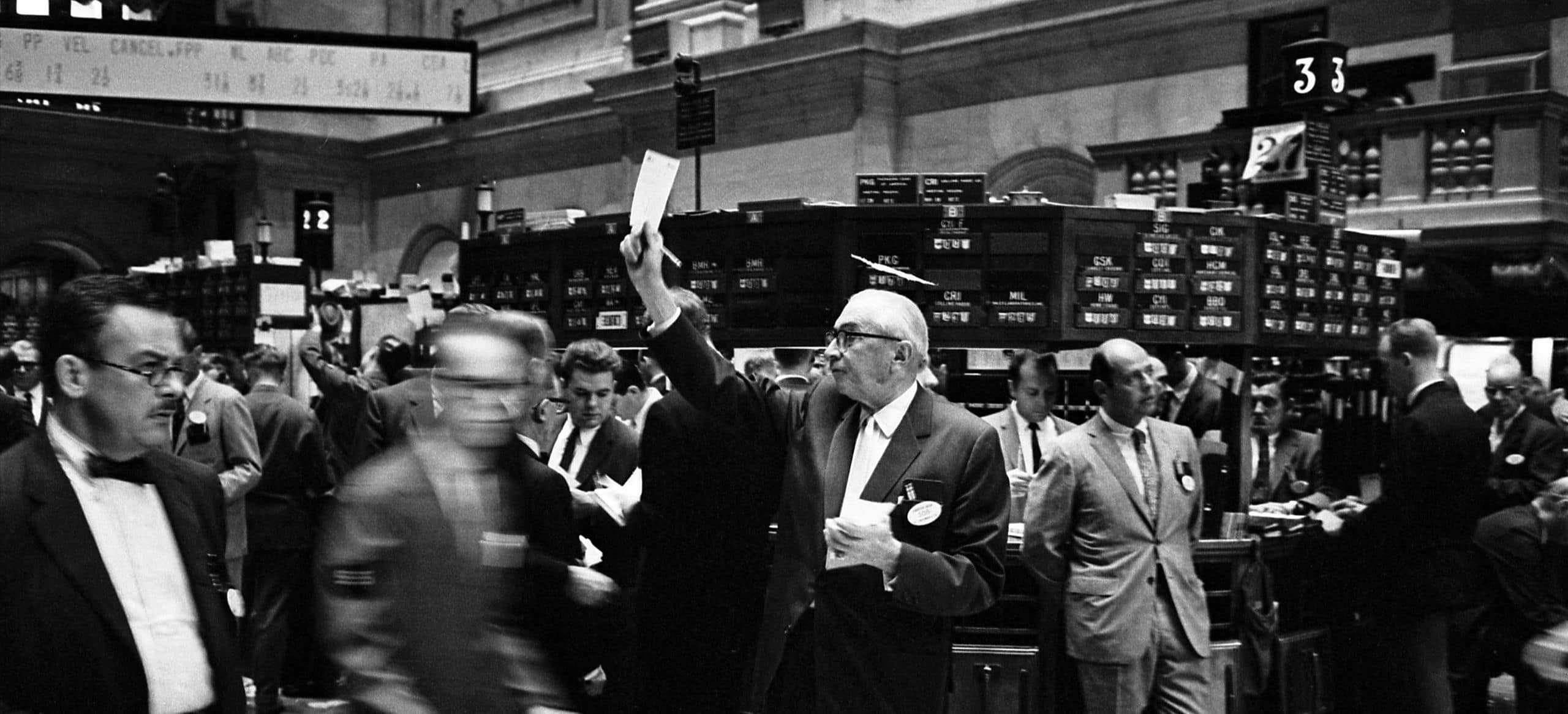

While everyone looks to the regulators to resolve and prevent financial crises, recent history shows that the industry itself has its fair share to contribute in reducing risk. Tradition's Dan Marcus weighs in.
Dan Marcus
ABOUT THE AUTHOR: Dan Marcus is responsible for the development and implementation of strategic initiatives on a global basis, including regulatory strategy as Global Head of Strategy and Business Development at Tradition, one of the world’s largest and most diverse interdealer brokers. He is based in London.
In recent years, much of the focus of international regulators has been on introducing new legislation in an attempt to increase oversight in financial markets – a mammoth task that spans multiple sectors, asset classes and jurisdictions.
While it may be fair to question the regulators’ methods, and the lack of consistent regulatory change, the industry should also be asking what it could do to assist them in their task.
The reality is that, while financial markets are global in nature, regulators by necessity are regional or national. This leaves a gap in the market for individual firms that are globally operational to take the initiative to shape a new market structure and trading mentality underscored by best practice and technological innovation.
In particular, globally operational interdealer brokers have a central role to play; they already play a critical role in facilitating market liquidity and execution across borders, and are often best placed to understand the market’s requirements and deliver unique solutions.
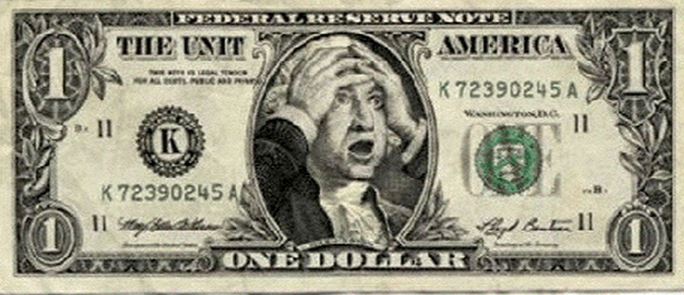
Courtesy of Flickr
Take the 2008 financial crisis, which prompted a global upheaval of OTC derivatives – a market traditionally voice-traded and somewhat opaque, and often involving complex transactions with varying degrees of liquidity and participation. New regulations compelled most traders to move onto regulated electronic venues, in order to bring more transparency, efficiency and fairness to this market.
Uniquely at the time, Trad-X offered a reference page based solely on irrefutable and executable prices from a populated central limit order book (CLOB) streamed by at least 12 of the largest banks in the world. Having a reference page based entirely on prices submitted to the electronic platform, which were tradable and displayed real-time best bid and offer prices, offered a far superior and transparent form of liquidity, market data, price verification and discovery to what had been possible.
More recently, ISDA, the owner of ISDAfix, saw that provision of the benchmark could regain credibility and trust by basing it on firm, irrefutable electronic pricing. Such a move validates the efforts of the industry, and is a reminder of what interdealer brokers can achieve by drawing on their intelligence, technology, global presence, networks and resources.
This cooperative model has since been adopted in the spot foreign exchange market and led to the creation of ParFX, a trading platform backed by 14 of the world’s largest trading institutions, addressing the inefficiencies in relation to asymmetry of cost, information provision and latency-dependent misbehaviour that had become prevalent.
When it comes to international regulation, the objectives of regulators are similar; however, it is the approach that tends to differ. Interdealer brokers remain central to financial markets and have much to offer; given that the recommendations from a recent Financial Stability Board report included a call for solutions to key market issues to come from the industry itself, rather than regulators, the time is now ripe for regulators to embrace and endorse such industry innovation.
ABOUT THE AUTHOR: Dan Marcus is responsible for the development and implementation of strategic initiatives on a global basis, including regulatory strategy as Global Head of Strategy and Business Development at Tradition, one of the world’s largest and most diverse interdealer brokers. He is based in London.
In recent years, much of the focus of international regulators has been on introducing new legislation in an attempt to increase oversight in financial markets – a mammoth task that spans multiple sectors, asset classes and jurisdictions.
While it may be fair to question the regulators’ methods, and the lack of consistent regulatory change, the industry should also be asking what it could do to assist them in their task.
The reality is that, while financial markets are global in nature, regulators by necessity are regional or national. This leaves a gap in the market for individual firms that are globally operational to take the initiative to shape a new market structure and trading mentality underscored by best practice and technological innovation.
In particular, globally operational interdealer brokers have a central role to play; they already play a critical role in facilitating market liquidity and execution across borders, and are often best placed to understand the market’s requirements and deliver unique solutions.
Courtesy of Flickr
Take the 2008 financial crisis, which prompted a global upheaval of OTC derivatives – a market traditionally voice-traded and somewhat opaque, and often involving complex transactions with varying degrees of liquidity and participation. New regulations compelled most traders to move onto regulated electronic venues, in order to bring more transparency, efficiency and fairness to this market.
Uniquely at the time, Trad-X offered a reference page based solely on irrefutable and executable prices from a populated central limit order book (CLOB) streamed by at least 12 of the largest banks in the world. Having a reference page based entirely on prices submitted to the electronic platform, which were tradable and displayed real-time best bid and offer prices, offered a far superior and transparent form of liquidity, market data, price verification and discovery to what had been possible.
More recently, ISDA, the owner of ISDAfix, saw that provision of the benchmark could regain credibility and trust by basing it on firm, irrefutable electronic pricing. Such a move validates the efforts of the industry, and is a reminder of what interdealer brokers can achieve by drawing on their intelligence, technology, global presence, networks and resources.
This cooperative model has since been adopted in the spot foreign exchange market and led to the creation of ParFX, a trading platform backed by 14 of the world’s largest trading institutions, addressing the inefficiencies in relation to asymmetry of cost, information provision and latency-dependent misbehaviour that had become prevalent.
When it comes to international regulation, the objectives of regulators are similar; however, it is the approach that tends to differ. Interdealer brokers remain central to financial markets and have much to offer; given that the recommendations from a recent Financial Stability Board report included a call for solutions to key market issues to come from the industry itself, rather than regulators, the time is now ripe for regulators to embrace and endorse such industry innovation.
iForex posts its first annual results as a listed broker. Also ahead: CFI Financial secures a Brazil license, and prediction markets have a big week, with new ETF launches and fresh Polymarket loss data. It's Thursday, the thirtieth of April 2026. You're listening to the Finance Magnates Daily Brief.
FM Daily Brief - 29 April 2026
XTB and Robinhood both post first-quarter earnings. But the numbers point in very different directions. Also ahead: Capital.com pushes into three new markets and signals a move into payments.
It's Wednesday, the 29th of April 2026. You're listening to the Finance Magnates Daily Brief.
XTB and Robinhood both post first-quarter earnings. But the numbers point in very different directions. Also ahead: Capital.com pushes into three new markets and signals a move into payments.
It's Wednesday, the 29th of April 2026. You're listening to the Finance Magnates Daily Brief.
XTB and Robinhood both post first-quarter earnings. But the numbers point in very different directions. Also ahead: Capital.com pushes into three new markets and signals a move into payments.
It's Wednesday, the 29th of April 2026. You're listening to the Finance Magnates Daily Brief.
XTB and Robinhood both post first-quarter earnings. But the numbers point in very different directions. Also ahead: Capital.com pushes into three new markets and signals a move into payments.
It's Wednesday, the 29th of April 2026. You're listening to the Finance Magnates Daily Brief.
XTB and Robinhood both post first-quarter earnings. But the numbers point in very different directions. Also ahead: Capital.com pushes into three new markets and signals a move into payments.
It's Wednesday, the 29th of April 2026. You're listening to the Finance Magnates Daily Brief.
XTB and Robinhood both post first-quarter earnings. But the numbers point in very different directions. Also ahead: Capital.com pushes into three new markets and signals a move into payments.
It's Wednesday, the 29th of April 2026. You're listening to the Finance Magnates Daily Brief.
FM Daily Brief - 28 April 2026
Startrader posts three-point-one trillion dollars in first-quarter volume — up three hundred and forty percent from a year ago. Also ahead: Fintokei claims sub-second trader payouts, and eToro opens its premium subscription tier to all investors.
FM Daily Brief - 27 April 2026
Finance Magnates spoke with IG Group's MENA CEO. Also ahead: EC Markets posts a record five-point-one-three trillion dollar first quarter. Plus Hola Prime brings in Deloitte to audit prop firm payouts.