The historic event caught everyone off guard, so how did brokers try to protect themselves and clients?
FM
This week history was made in the trading markets for oil prices, and not in a good way, with WTI futures (West Texas Intermediate) for May dropping into the negative territory. So how did brokers respond to this market first?
As Finance Magnates reported, WTI futures (West Texas Intermediate) for May, which expired on Tuesday, settled at USD -37.63 on Monday this week, falling USD 55.90, and even sinking as low as USD -40.32. The following day WTI futures fell back below zero.
Negative oil prices cause big losses for brokers
As can be expected, this caught many traders off guard, which in turn, has left brokers out of pocket. US brokerage firm Interactive Brokers, in particular, revealed that it had suffered an aggregate provisionary loss of approximately $88 million after it fulfilled its required variation margin settlements with the respective clearinghouses on behalf of its customers.
However, as pointed out by the company’s founder and chairman, in an interview with CNBC, Interactive Brokers had around 15 per cent of the open interest in the May oil contract. This indicates that other brokers have suffered even more dramatic losses than Interactive Brokers, as the rest of the open interest faces losses.
When asked by CNBC whether there is going to be some serious pain across the industry regarding the oil futures, Peterffy replied: “There is about another half a billion dollars of losses that somebody is sitting on… and I do not know who those folks are.”
GAIN Capital has also temporarily paused withdrawals for some of its clients, the company confirmed to Finance Magnates, as the unprecedented price action on Oil on Monday has led to the broker reviewing some positions held by clients.
Furthermore, it is worth highlighting that a lot of brokers have upgraded to the full-scope IFPRU €730k firm status granted by the Financial Conduct Authority (FCA), in order to provide balance protection to clients.
In reaction to the falling price of oil, a lot of brokers decided to close positions on behalf of their clients or take other measures to try and limit the losses. On Monday brokerage platform Trading212 suspended the Oil-21Apr futures contract.
Another broker, which Finance Magnates is unable to disclose the identity of, disabled the opening of new trades on XTIUSD until further notice (only allowing the closure of trades opened beforehand).
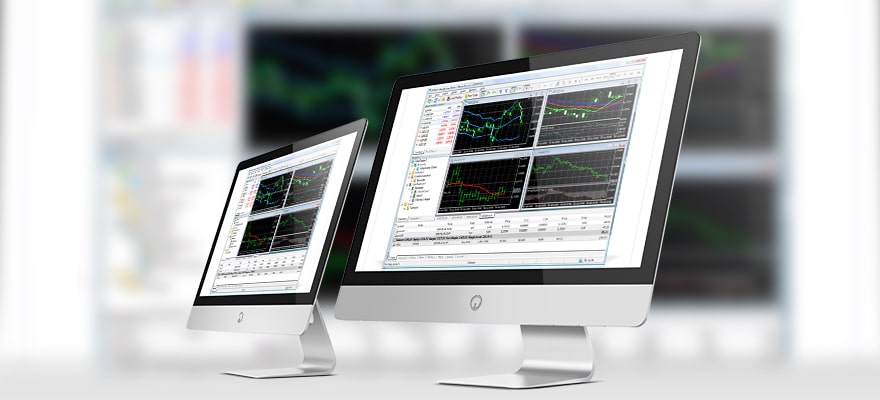
According to information provided to Finance Magnates, the main reasons behind this move was MetaTrader's infrastructure not being designed to support negative pricing and the fact that it is not safe to offer margin trading on an asset with such high volatility.
Vantage FX: knowledge is key
In an email sent out to its clients today, Australian FX broker Vantage FX said that it has set its USOUSD (Cash/ Spot US Oil) instrument to ‘close only’ status, which will be in place until further notice. This means, the existing trades can be closed but new trades cannot currently be opened on this symbol.
Chris Nelson-Smith, Head of Risk at Vantage FX
Speaking to Finance Magnates earlier in the week, Chris Nelson-Smith, Head of Risk at Vantage FX said: "At Vantage FX we are going to great lengths to educate our clients about the current disruption in the oil markets, the spreads between future contracts and the reasons for the disparity of cash prices between brokers.
“Financing charges on the cash product are also higher as a result of the large gaps between futures contracts, it is important clients have a full understanding of the markets they are trading.
“We also strongly recommend that they trade cautiously, continue to monitor their positions and maintain a sufficient account surplus throughout these turbulent times."
Admiral Markets details emergency plan
Earlier today, Admiral Markets, a multi-regulated broker, detailed its emergency plan amid the historical price movements in the US oil market. Specifically, the company outlined to its customers that should any crude oil CFDs fall below US$5 then it will enable ‘Close Only’ mode and stop accepting new orders for the product.
Furthermore, should the price of any crude oil CFDs fall down to $0 then the broker will stop pricing these CFDs and close all positions at the current market prices, alongside cancelling all pending orders, the firm said.
Dukascopy, an FX Bank, also introduced temporary measures. Namely, the company constrained trading on LIGHT.CMD/USD, by preventing investors from being able to increase their exposure.
InstaForex closes client positions
Another broker to take steps to protect its clients was InstaForex, which offers its clients the #CL trade, a futures contract without an expiry date based on the front-month WTI futures. In particular, the broker said in a company statement that it decided to stop CL trade and close all of its clients’ positions for this contract, as most of them were long.
“As a gesture of goodwill, the company also closed clients' short deals at 0.07, the last available quote on the trading platforms. All long positions will be closed at a higher quote 2.00. It means that we closed short deals on oil at 1.93 USD lower than buy positions. We hope that these measures will help those who have incurred big losses due to the collapse of oil futures quotes. #CL trade will be resumed on April 22 with the June contract,” the broker said.
LiteForex on Tuesday announced to its clients that due to the difficult situations, swaps on UKBrent and USCrude increased dramatically.
“Please note that oil trading is fully restored and works in a normal mode,” the broker said in a statement on its website. “However, we would like to recommend you to refrain from entering the oil market right now. The market is currently unstable and entering it now may have a negative impact on your trades.”
This week history was made in the trading markets for oil prices, and not in a good way, with WTI futures (West Texas Intermediate) for May dropping into the negative territory. So how did brokers respond to this market first?
As Finance Magnates reported, WTI futures (West Texas Intermediate) for May, which expired on Tuesday, settled at USD -37.63 on Monday this week, falling USD 55.90, and even sinking as low as USD -40.32. The following day WTI futures fell back below zero.
Negative oil prices cause big losses for brokers
As can be expected, this caught many traders off guard, which in turn, has left brokers out of pocket. US brokerage firm Interactive Brokers, in particular, revealed that it had suffered an aggregate provisionary loss of approximately $88 million after it fulfilled its required variation margin settlements with the respective clearinghouses on behalf of its customers.
However, as pointed out by the company’s founder and chairman, in an interview with CNBC, Interactive Brokers had around 15 per cent of the open interest in the May oil contract. This indicates that other brokers have suffered even more dramatic losses than Interactive Brokers, as the rest of the open interest faces losses.
When asked by CNBC whether there is going to be some serious pain across the industry regarding the oil futures, Peterffy replied: “There is about another half a billion dollars of losses that somebody is sitting on… and I do not know who those folks are.”
GAIN Capital has also temporarily paused withdrawals for some of its clients, the company confirmed to Finance Magnates, as the unprecedented price action on Oil on Monday has led to the broker reviewing some positions held by clients.
Furthermore, it is worth highlighting that a lot of brokers have upgraded to the full-scope IFPRU €730k firm status granted by the Financial Conduct Authority (FCA), in order to provide balance protection to clients.
In reaction to the falling price of oil, a lot of brokers decided to close positions on behalf of their clients or take other measures to try and limit the losses. On Monday brokerage platform Trading212 suspended the Oil-21Apr futures contract.
Another broker, which Finance Magnates is unable to disclose the identity of, disabled the opening of new trades on XTIUSD until further notice (only allowing the closure of trades opened beforehand).
According to information provided to Finance Magnates, the main reasons behind this move was MetaTrader's infrastructure not being designed to support negative pricing and the fact that it is not safe to offer margin trading on an asset with such high volatility.
Vantage FX: knowledge is key
In an email sent out to its clients today, Australian FX broker Vantage FX said that it has set its USOUSD (Cash/ Spot US Oil) instrument to ‘close only’ status, which will be in place until further notice. This means, the existing trades can be closed but new trades cannot currently be opened on this symbol.
Chris Nelson-Smith, Head of Risk at Vantage FX
Speaking to Finance Magnates earlier in the week, Chris Nelson-Smith, Head of Risk at Vantage FX said: "At Vantage FX we are going to great lengths to educate our clients about the current disruption in the oil markets, the spreads between future contracts and the reasons for the disparity of cash prices between brokers.
“Financing charges on the cash product are also higher as a result of the large gaps between futures contracts, it is important clients have a full understanding of the markets they are trading.
“We also strongly recommend that they trade cautiously, continue to monitor their positions and maintain a sufficient account surplus throughout these turbulent times."
Admiral Markets details emergency plan
Earlier today, Admiral Markets, a multi-regulated broker, detailed its emergency plan amid the historical price movements in the US oil market. Specifically, the company outlined to its customers that should any crude oil CFDs fall below US$5 then it will enable ‘Close Only’ mode and stop accepting new orders for the product.
Furthermore, should the price of any crude oil CFDs fall down to $0 then the broker will stop pricing these CFDs and close all positions at the current market prices, alongside cancelling all pending orders, the firm said.
Dukascopy, an FX Bank, also introduced temporary measures. Namely, the company constrained trading on LIGHT.CMD/USD, by preventing investors from being able to increase their exposure.
InstaForex closes client positions
Another broker to take steps to protect its clients was InstaForex, which offers its clients the #CL trade, a futures contract without an expiry date based on the front-month WTI futures. In particular, the broker said in a company statement that it decided to stop CL trade and close all of its clients’ positions for this contract, as most of them were long.
“As a gesture of goodwill, the company also closed clients' short deals at 0.07, the last available quote on the trading platforms. All long positions will be closed at a higher quote 2.00. It means that we closed short deals on oil at 1.93 USD lower than buy positions. We hope that these measures will help those who have incurred big losses due to the collapse of oil futures quotes. #CL trade will be resumed on April 22 with the June contract,” the broker said.
LiteForex on Tuesday announced to its clients that due to the difficult situations, swaps on UKBrent and USCrude increased dramatically.
“Please note that oil trading is fully restored and works in a normal mode,” the broker said in a statement on its website. “However, we would like to recommend you to refrain from entering the oil market right now. The market is currently unstable and entering it now may have a negative impact on your trades.”
Italy’s Consob Tightens Net on AI-Fueled Scams With Fresh Website Bans
Featured Videos
FP Markets Winner Spotlight 🏆 | Global Broker of the Year 2025 #Trading #Broker #Innovation #Shorts
FP Markets Winner Spotlight 🏆 | Global Broker of the Year 2025 #Trading #Broker #Innovation #Shorts
FP Markets Winner Spotlight 🏆 | Global Broker of the Year 2025 #Trading #Broker #Innovation #Shorts
FP Markets Winner Spotlight 🏆 | Global Broker of the Year 2025 #Trading #Broker #Innovation #Shorts
FP Markets takes the spotlight as Global Broker of the Year 2025 at the Finance Magnates Awards.
Martin Stoilov, Head of Client Experience, shares that trust, innovation, and people played a key role in the company’s success, supported by a strong foundation of integrity and client-centricity.
Following this milestone, FP Markets continues to focus on growth, technology investment, and its core values of transparency and excellence.
👉 Be part of FM Awards 2026: https://awards.financemagnates.com/#nominate
FP Markets takes the spotlight as Global Broker of the Year 2025 at the Finance Magnates Awards.
Martin Stoilov, Head of Client Experience, shares that trust, innovation, and people played a key role in the company’s success, supported by a strong foundation of integrity and client-centricity.
Following this milestone, FP Markets continues to focus on growth, technology investment, and its core values of transparency and excellence.
👉 Be part of FM Awards 2026: https://awards.financemagnates.com/#nominate
FP Markets takes the spotlight as Global Broker of the Year 2025 at the Finance Magnates Awards.
Martin Stoilov, Head of Client Experience, shares that trust, innovation, and people played a key role in the company’s success, supported by a strong foundation of integrity and client-centricity.
Following this milestone, FP Markets continues to focus on growth, technology investment, and its core values of transparency and excellence.
👉 Be part of FM Awards 2026: https://awards.financemagnates.com/#nominate
FP Markets takes the spotlight as Global Broker of the Year 2025 at the Finance Magnates Awards.
Martin Stoilov, Head of Client Experience, shares that trust, innovation, and people played a key role in the company’s success, supported by a strong foundation of integrity and client-centricity.
Following this milestone, FP Markets continues to focus on growth, technology investment, and its core values of transparency and excellence.
👉 Be part of FM Awards 2026: https://awards.financemagnates.com/#nominate
In this video, we review @HolaPrimeMarketsOfficial, a multi-asset forex and CFDs broker offering different account types, trading platforms, and flexible trading conditions.
We cover the broker’s overall offering, including account options, trading environment, platforms like MT4 and MT5, and additional services such as managed accounts and fast withdrawals.
Watch the full video to see if Hola Prime Markets fits your trading needs.
📣 Stay up to date with the latest in finance and trading. Follow Finance Magnates for industry news, insights, and global event coverage.
Connect with us:
🔗 LinkedIn: /financemagnates
👍 Facebook: /financemagnates
📸 Instagram: https://www.instagram.com/financemagnates
🐦 X: https://x.com/financemagnates
🎥 TikTok: https://www.tiktok.com/tag/financemagnates
▶️ YouTube: /@financemagnates_official
#HolaPrime #ForexBroker #CFDTrading #FinanceMagnates #Trading #Forex #BrokerReview
In this video, we review @HolaPrimeMarketsOfficial, a multi-asset forex and CFDs broker offering different account types, trading platforms, and flexible trading conditions.
We cover the broker’s overall offering, including account options, trading environment, platforms like MT4 and MT5, and additional services such as managed accounts and fast withdrawals.
Watch the full video to see if Hola Prime Markets fits your trading needs.
📣 Stay up to date with the latest in finance and trading. Follow Finance Magnates for industry news, insights, and global event coverage.
Connect with us:
🔗 LinkedIn: /financemagnates
👍 Facebook: /financemagnates
📸 Instagram: https://www.instagram.com/financemagnates
🐦 X: https://x.com/financemagnates
🎥 TikTok: https://www.tiktok.com/tag/financemagnates
▶️ YouTube: /@financemagnates_official
#HolaPrime #ForexBroker #CFDTrading #FinanceMagnates #Trading #Forex #BrokerReview
In this video, we review @HolaPrimeMarketsOfficial, a multi-asset forex and CFDs broker offering different account types, trading platforms, and flexible trading conditions.
We cover the broker’s overall offering, including account options, trading environment, platforms like MT4 and MT5, and additional services such as managed accounts and fast withdrawals.
Watch the full video to see if Hola Prime Markets fits your trading needs.
📣 Stay up to date with the latest in finance and trading. Follow Finance Magnates for industry news, insights, and global event coverage.
Connect with us:
🔗 LinkedIn: /financemagnates
👍 Facebook: /financemagnates
📸 Instagram: https://www.instagram.com/financemagnates
🐦 X: https://x.com/financemagnates
🎥 TikTok: https://www.tiktok.com/tag/financemagnates
▶️ YouTube: /@financemagnates_official
#HolaPrime #ForexBroker #CFDTrading #FinanceMagnates #Trading #Forex #BrokerReview
In this video, we review @HolaPrimeMarketsOfficial, a multi-asset forex and CFDs broker offering different account types, trading platforms, and flexible trading conditions.
We cover the broker’s overall offering, including account options, trading environment, platforms like MT4 and MT5, and additional services such as managed accounts and fast withdrawals.
Watch the full video to see if Hola Prime Markets fits your trading needs.
📣 Stay up to date with the latest in finance and trading. Follow Finance Magnates for industry news, insights, and global event coverage.
Connect with us:
🔗 LinkedIn: /financemagnates
👍 Facebook: /financemagnates
📸 Instagram: https://www.instagram.com/financemagnates
🐦 X: https://x.com/financemagnates
🎥 TikTok: https://www.tiktok.com/tag/financemagnates
▶️ YouTube: /@financemagnates_official
#HolaPrime #ForexBroker #CFDTrading #FinanceMagnates #Trading #Forex #BrokerReview
In this video, we review @HolaPrimeMarketsOfficial, a multi-asset forex and CFDs broker offering different account types, trading platforms, and flexible trading conditions.
We cover the broker’s overall offering, including account options, trading environment, platforms like MT4 and MT5, and additional services such as managed accounts and fast withdrawals.
Watch the full video to see if Hola Prime Markets fits your trading needs.
📣 Stay up to date with the latest in finance and trading. Follow Finance Magnates for industry news, insights, and global event coverage.
Connect with us:
🔗 LinkedIn: /financemagnates
👍 Facebook: /financemagnates
📸 Instagram: https://www.instagram.com/financemagnates
🐦 X: https://x.com/financemagnates
🎥 TikTok: https://www.tiktok.com/tag/financemagnates
▶️ YouTube: /@financemagnates_official
#HolaPrime #ForexBroker #CFDTrading #FinanceMagnates #Trading #Forex #BrokerReview
In this video, we review @HolaPrimeMarketsOfficial, a multi-asset forex and CFDs broker offering different account types, trading platforms, and flexible trading conditions.
We cover the broker’s overall offering, including account options, trading environment, platforms like MT4 and MT5, and additional services such as managed accounts and fast withdrawals.
Watch the full video to see if Hola Prime Markets fits your trading needs.
📣 Stay up to date with the latest in finance and trading. Follow Finance Magnates for industry news, insights, and global event coverage.
Connect with us:
🔗 LinkedIn: /financemagnates
👍 Facebook: /financemagnates
📸 Instagram: https://www.instagram.com/financemagnates
🐦 X: https://x.com/financemagnates
🎥 TikTok: https://www.tiktok.com/tag/financemagnates
▶️ YouTube: /@financemagnates_official
#HolaPrime #ForexBroker #CFDTrading #FinanceMagnates #Trading #Forex #BrokerReview
Hola Prime Review: What You Need to Know | Full Breakdown by Finance Magnates
Hola Prime Review: What You Need to Know | Full Breakdown by Finance Magnates
Hola Prime Review: What You Need to Know | Full Breakdown by Finance Magnates
Hola Prime Review: What You Need to Know | Full Breakdown by Finance Magnates
Hola Prime Review: What You Need to Know | Full Breakdown by Finance Magnates
Hola Prime Review: What You Need to Know | Full Breakdown by Finance Magnates
In this video, we review @HolaPrime_Global, a proprietary trading firm offering evaluation programs and performance-based payouts in simulated market environments.
We cover how the challenge model works, including account types, profit splits (up to 95%), trading rules, and what it takes to reach a funded account. You’ll also learn about available platforms like MT4, MT5, cTrader, and more, along with insights into payouts, support, and trading conditions.
Watch the full video to see if Hola Prime fits your trading style.
📣 Stay up to date with the latest in finance and trading. Follow Finance Magnates for industry news, insights, and global event coverage.
Connect with us:
🔗 LinkedIn: /financemagnates
👍 Facebook: /financemagnates
📸 Instagram: https://www.instagram.com/financemagnates
🐦 X: https://x.com/financemagnates
🎥 TikTok: https://www.tiktok.com/tag/financemagnates
▶️ YouTube: /@financemagnates_official
#HolaPrime #PropFirm #Trading #FinanceMagnates #Forex #FuturesTrading #TradingReview #PropFirmReview
In this video, we review @HolaPrime_Global, a proprietary trading firm offering evaluation programs and performance-based payouts in simulated market environments.
We cover how the challenge model works, including account types, profit splits (up to 95%), trading rules, and what it takes to reach a funded account. You’ll also learn about available platforms like MT4, MT5, cTrader, and more, along with insights into payouts, support, and trading conditions.
Watch the full video to see if Hola Prime fits your trading style.
📣 Stay up to date with the latest in finance and trading. Follow Finance Magnates for industry news, insights, and global event coverage.
Connect with us:
🔗 LinkedIn: /financemagnates
👍 Facebook: /financemagnates
📸 Instagram: https://www.instagram.com/financemagnates
🐦 X: https://x.com/financemagnates
🎥 TikTok: https://www.tiktok.com/tag/financemagnates
▶️ YouTube: /@financemagnates_official
#HolaPrime #PropFirm #Trading #FinanceMagnates #Forex #FuturesTrading #TradingReview #PropFirmReview
In this video, we review @HolaPrime_Global, a proprietary trading firm offering evaluation programs and performance-based payouts in simulated market environments.
We cover how the challenge model works, including account types, profit splits (up to 95%), trading rules, and what it takes to reach a funded account. You’ll also learn about available platforms like MT4, MT5, cTrader, and more, along with insights into payouts, support, and trading conditions.
Watch the full video to see if Hola Prime fits your trading style.
📣 Stay up to date with the latest in finance and trading. Follow Finance Magnates for industry news, insights, and global event coverage.
Connect with us:
🔗 LinkedIn: /financemagnates
👍 Facebook: /financemagnates
📸 Instagram: https://www.instagram.com/financemagnates
🐦 X: https://x.com/financemagnates
🎥 TikTok: https://www.tiktok.com/tag/financemagnates
▶️ YouTube: /@financemagnates_official
#HolaPrime #PropFirm #Trading #FinanceMagnates #Forex #FuturesTrading #TradingReview #PropFirmReview
In this video, we review @HolaPrime_Global, a proprietary trading firm offering evaluation programs and performance-based payouts in simulated market environments.
We cover how the challenge model works, including account types, profit splits (up to 95%), trading rules, and what it takes to reach a funded account. You’ll also learn about available platforms like MT4, MT5, cTrader, and more, along with insights into payouts, support, and trading conditions.
Watch the full video to see if Hola Prime fits your trading style.
📣 Stay up to date with the latest in finance and trading. Follow Finance Magnates for industry news, insights, and global event coverage.
Connect with us:
🔗 LinkedIn: /financemagnates
👍 Facebook: /financemagnates
📸 Instagram: https://www.instagram.com/financemagnates
🐦 X: https://x.com/financemagnates
🎥 TikTok: https://www.tiktok.com/tag/financemagnates
▶️ YouTube: /@financemagnates_official
#HolaPrime #PropFirm #Trading #FinanceMagnates #Forex #FuturesTrading #TradingReview #PropFirmReview
In this video, we review @HolaPrime_Global, a proprietary trading firm offering evaluation programs and performance-based payouts in simulated market environments.
We cover how the challenge model works, including account types, profit splits (up to 95%), trading rules, and what it takes to reach a funded account. You’ll also learn about available platforms like MT4, MT5, cTrader, and more, along with insights into payouts, support, and trading conditions.
Watch the full video to see if Hola Prime fits your trading style.
📣 Stay up to date with the latest in finance and trading. Follow Finance Magnates for industry news, insights, and global event coverage.
Connect with us:
🔗 LinkedIn: /financemagnates
👍 Facebook: /financemagnates
📸 Instagram: https://www.instagram.com/financemagnates
🐦 X: https://x.com/financemagnates
🎥 TikTok: https://www.tiktok.com/tag/financemagnates
▶️ YouTube: /@financemagnates_official
#HolaPrime #PropFirm #Trading #FinanceMagnates #Forex #FuturesTrading #TradingReview #PropFirmReview
In this video, we review @HolaPrime_Global, a proprietary trading firm offering evaluation programs and performance-based payouts in simulated market environments.
We cover how the challenge model works, including account types, profit splits (up to 95%), trading rules, and what it takes to reach a funded account. You’ll also learn about available platforms like MT4, MT5, cTrader, and more, along with insights into payouts, support, and trading conditions.
Watch the full video to see if Hola Prime fits your trading style.
📣 Stay up to date with the latest in finance and trading. Follow Finance Magnates for industry news, insights, and global event coverage.
Connect with us:
🔗 LinkedIn: /financemagnates
👍 Facebook: /financemagnates
📸 Instagram: https://www.instagram.com/financemagnates
🐦 X: https://x.com/financemagnates
🎥 TikTok: https://www.tiktok.com/tag/financemagnates
▶️ YouTube: /@financemagnates_official
#HolaPrime #PropFirm #Trading #FinanceMagnates #Forex #FuturesTrading #TradingReview #PropFirmReview
Axi Winner Spotlight 🏆 | Global Most Innovative Broker 2025 #Innovation #Trading #Fintech #Broker
Axi Winner Spotlight 🏆 | Global Most Innovative Broker 2025 #Innovation #Trading #Fintech #Broker
Axi Winner Spotlight 🏆 | Global Most Innovative Broker 2025 #Innovation #Trading #Fintech #Broker
Axi Winner Spotlight 🏆 | Global Most Innovative Broker 2025 #Innovation #Trading #Fintech #Broker
Axi Winner Spotlight 🏆 | Global Most Innovative Broker 2025 #Innovation #Trading #Fintech #Broker
Axi Winner Spotlight 🏆 | Global Most Innovative Broker 2025 #Innovation #Trading #Fintech #Broker
Axi takes the spotlight at the Finance Magnates Awards, winning Global Most Innovative Broker 2025.
Olivia Xenofontos and Ivanna Openko share how the team will feel: proud, motivated, and ready to keep delivering.
They also describe the night as well-organized, focused, and enjoyable for all.
👉 Be part of FM Awards 2026.
Axi takes the spotlight at the Finance Magnates Awards, winning Global Most Innovative Broker 2025.
Olivia Xenofontos and Ivanna Openko share how the team will feel: proud, motivated, and ready to keep delivering.
They also describe the night as well-organized, focused, and enjoyable for all.
👉 Be part of FM Awards 2026.
Axi takes the spotlight at the Finance Magnates Awards, winning Global Most Innovative Broker 2025.
Olivia Xenofontos and Ivanna Openko share how the team will feel: proud, motivated, and ready to keep delivering.
They also describe the night as well-organized, focused, and enjoyable for all.
👉 Be part of FM Awards 2026.
Axi takes the spotlight at the Finance Magnates Awards, winning Global Most Innovative Broker 2025.
Olivia Xenofontos and Ivanna Openko share how the team will feel: proud, motivated, and ready to keep delivering.
They also describe the night as well-organized, focused, and enjoyable for all.
👉 Be part of FM Awards 2026.
Axi takes the spotlight at the Finance Magnates Awards, winning Global Most Innovative Broker 2025.
Olivia Xenofontos and Ivanna Openko share how the team will feel: proud, motivated, and ready to keep delivering.
They also describe the night as well-organized, focused, and enjoyable for all.
👉 Be part of FM Awards 2026.
Axi takes the spotlight at the Finance Magnates Awards, winning Global Most Innovative Broker 2025.
Olivia Xenofontos and Ivanna Openko share how the team will feel: proud, motivated, and ready to keep delivering.
They also describe the night as well-organized, focused, and enjoyable for all.
👉 Be part of FM Awards 2026.
Recognition that matters.
Built on transparency.
Driven by the industry.
The Finance Magnates Awards 2026.
Nominations are now open.
🔗 https://awards.financemagnates.com/?utm_source=SM&utm_medium=social&utm_campaign=recognition-matters
Recognition that matters.
Built on transparency.
Driven by the industry.
The Finance Magnates Awards 2026.
Nominations are now open.
🔗 https://awards.financemagnates.com/?utm_source=SM&utm_medium=social&utm_campaign=recognition-matters
Recognition that matters.
Built on transparency.
Driven by the industry.
The Finance Magnates Awards 2026.
Nominations are now open.
🔗 https://awards.financemagnates.com/?utm_source=SM&utm_medium=social&utm_campaign=recognition-matters
Recognition that matters.
Built on transparency.
Driven by the industry.
The Finance Magnates Awards 2026.
Nominations are now open.
🔗 https://awards.financemagnates.com/?utm_source=SM&utm_medium=social&utm_campaign=recognition-matters
Recognition that matters.
Built on transparency.
Driven by the industry.
The Finance Magnates Awards 2026.
Nominations are now open.
🔗 https://awards.financemagnates.com/?utm_source=SM&utm_medium=social&utm_campaign=recognition-matters
Recognition that matters.
Built on transparency.
Driven by the industry.
The Finance Magnates Awards 2026.
Nominations are now open.
🔗 https://awards.financemagnates.com/?utm_source=SM&utm_medium=social&utm_campaign=recognition-matters