Last year saw fewer offerings and lower capital compared to 2022.
Despite market challenges, 2024 could see improved IPO prospects.
Global initial
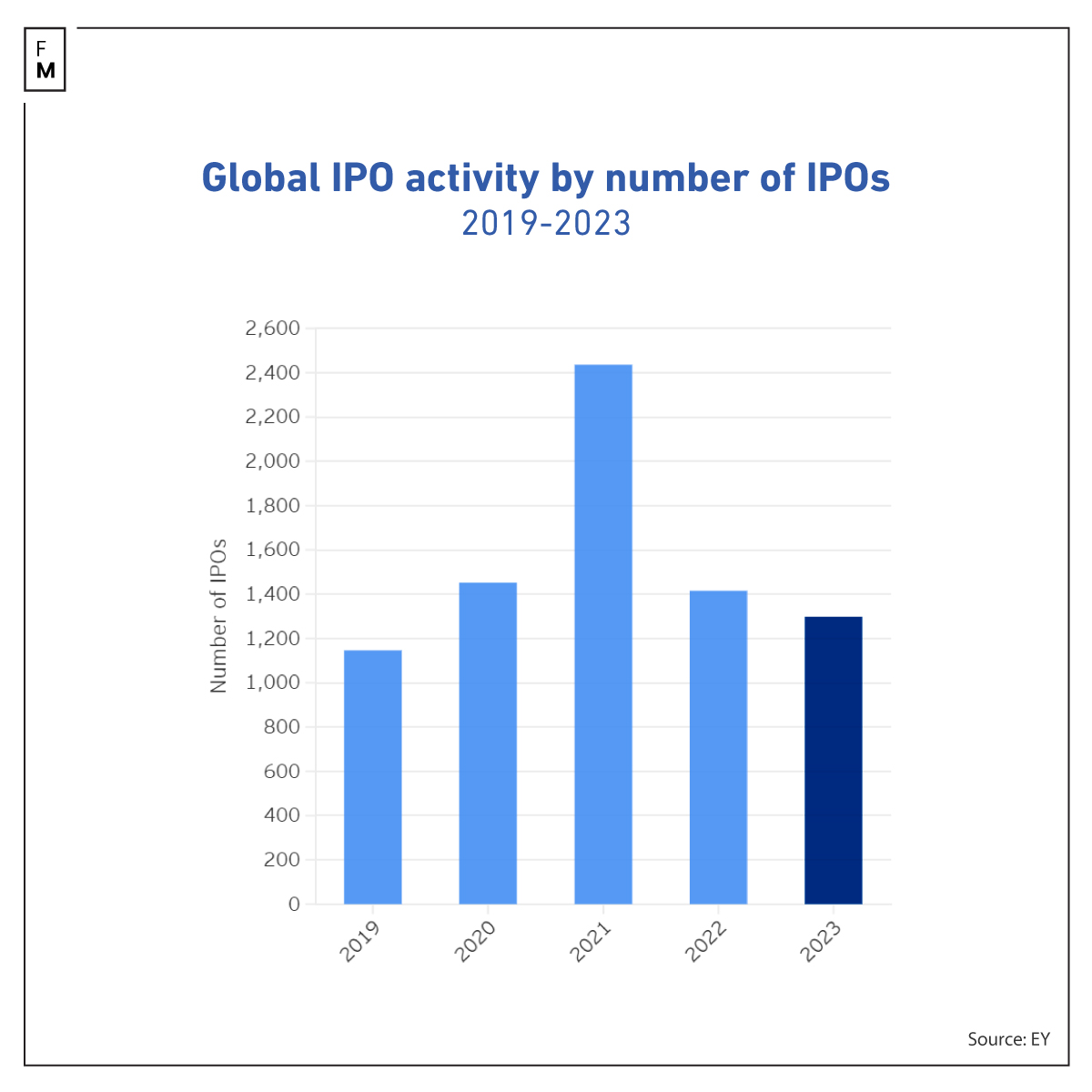
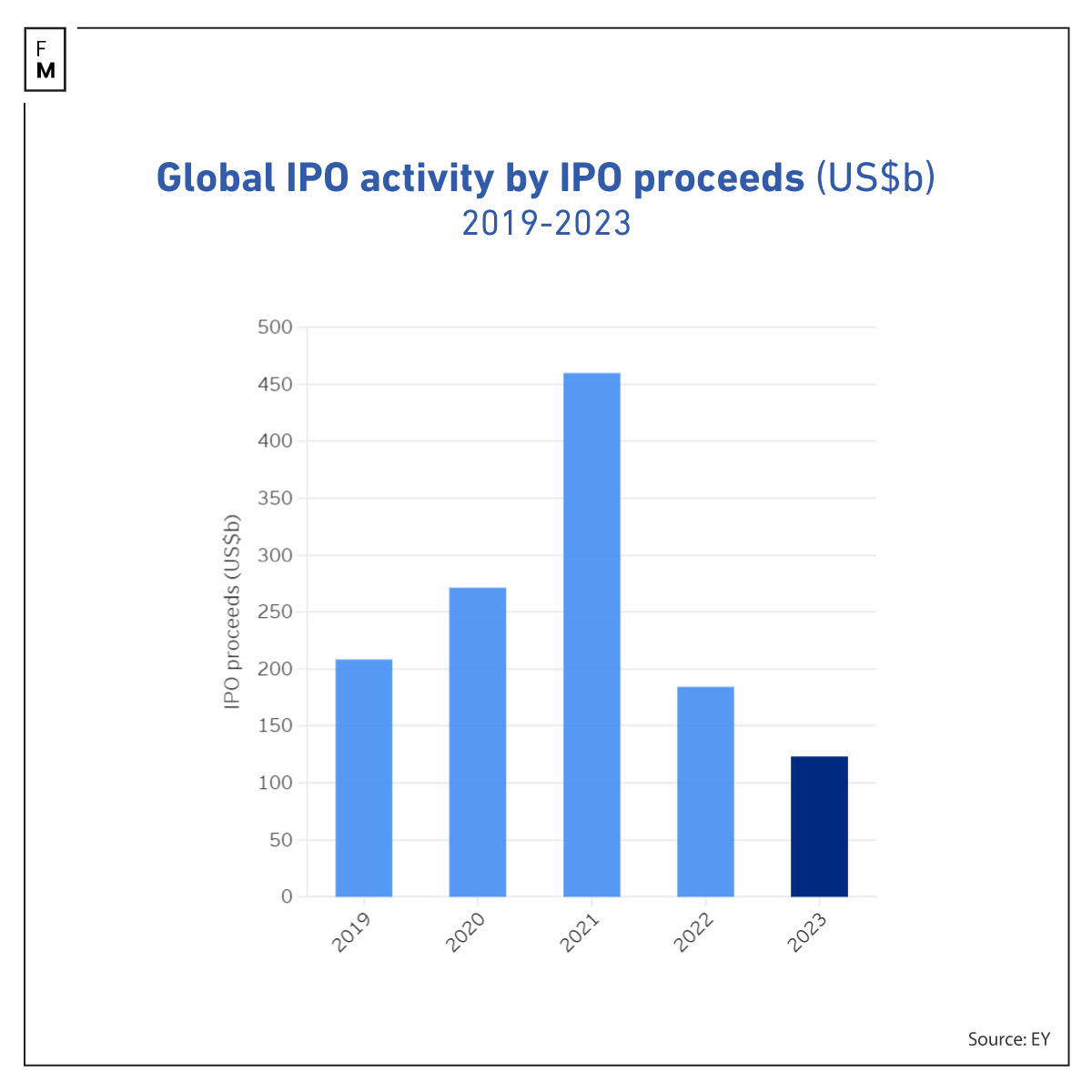
public offering (IPO) volumes fell 8% in 2023, while proceeds declined 33%
compared to 2022, according to EY's Global IPO Trends 2023 report. A total of
1,298 IPOs raised $123.2 billion last year, compared to 1,415 offerings and
$184.3 billion in capital in 2022.
Finance
Magnates discussed
the condition of the IPO market in the USA, Europe, and other parts of the
world with George Chan, the Global IPO Leader at EY. Together, we sought
answers to what companies planning to debut on the stock market in 2024 should
do to achieve success.
Global IPO Activity Slows
in 2023 despite Select Pockets of Growth
The US and
Europe have experienced numerous rate hikes since 2022, leading to a decrease
in IPO volumes in these mature markets. However, as global inflation shows
signs of easing this year, there's an anticipation that interest rate
reductions might renew investor confidence. This could lead to more stable
returns on IPO investments, potentially increasing market activity.
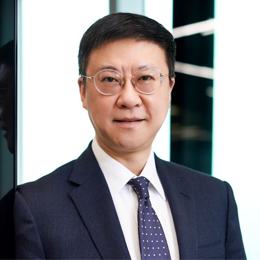
George Chan, the Global IPO Leader at EY
“In 2023,
both the Americas and European markets grappled with stubborn inflation and
aggressive monetary tightening, which drowned listings appetite,” Chan
commented. “Geopolitical unrest and regional conflicts further compounded IPO
market sentiment, diminishing risk tolerance essential for buoyant IPO
environments.”
The wave of
significant IPOs that emerged in September 2023 demonstrated lackluster
performance after their launch. This reflected a persistent disparity in
valuation expectations between issuers and investors, causing some companies to
reconsider their public offering timelines.
Regional Perspective
The
Americas saw improved activity, with IPO volumes up 15% and proceeds more than
doubling from 2022. The US accounted for over 85% of the 153 deals that raised
$22.7 billion. Larger deals, including seven that topped $500 million, drove
the increase in proceeds.
“However,
when comparing with 5-year average levels, the US market is still 36% behind by
number and 66% by proceeds. The market has obviously seen some glimmers of
momentum surface this year, especially with the debut of high-profile
technology firms in late September,” added Chan.
Asia-Pacific
dealt with economic and geopolitical headwinds as volumes fell 18% and proceeds
44% versus 2022. Mainland China and Hong Kong IPO markets continued declining
amid slower economic growth.
“ASEAN saw
upticks in IPO volume, although proceeds are modest with activity highly
concentrated in Indonesia, Thailand and Malaysia. Japan IPOs gained momentum as
supportive policies and booming stocks offered ideal listing conditions,” Chan continued.
Europe,
Middle East, India and Africa (EMEIA) showed signs of recovery with a rise of 7% in deal volume, albeit proceeds dropped 39% with fewer large deals. The total
number of EMEIA IPOs was 413, raising $31.1 billion.
“Many parts
of EMEIA had better IPO returns, showing further signs of recovery. Many regional companies are ready to execute IPOs, while previously postponed
deals may also re-emerge,” EY’s Global IPO Leader explained.
IPO Perspectives for 2024
As monetary
policies potentially ease in 2024, IPO markets could attract more investors. However,
sustained global tensions may curb confidence. IPO-bound companies should focus
on strong fundamentals and reasonable pricing expectations to capitalize on any
openings, advises EY.
“Overall, the global IPO market could improve over this year’s levels on the back of moderate inflation and potential interest rate cuts while hoping for a faster recovery of the Chinese economy and a soft landing of the US economy. However, lingering geopolitical instability may undermine confidence,” Chan
added.
IPO
activity in Asia-Pacific is expected to increase in the 2nd half of 2024. Given an unpredictable market environment, the 1H 2024 outlook in EMEIA is optimistic but cautious.
“In various countries, governments and regulators are taking steps to stimulate capital markets, which is a tailwind to the IPO activity,” EY’s expert added.
IPO May Not Be Enough
Companies
aspiring to launch their initial public offerings in 2024 must be thoroughly
prepared, taking into account several crucial factors. These include the
current state and future trends of inflation and interest rates, the impact of
government policies and regulations, the pace and nature of economic recovery,
ongoing geopolitical tensions and conflicts, the significance of environmental,
social, and governance criteria, and the dynamics of the global supply chain.
Moreover, they should “prepare high-quality equity stories with strong working
capital management and a clear path to profitability to show confidence in
revenue growth and favorable post-listing prices,” explained Chan.
Additionally,
they should evaluate all available avenues, ranging from alternative IPO
methods such as direct listings or dual and secondary listings to other
financing strategies like private capital, debt financing, or trade sales.
“Consider a
dual- or multitrack approach, including IPO and other financing methods
(private capital, debt or trade sale),” the Global IPO Leader at EY concluded.
An IPO is still a good way for a company to raise capital, but the conditions we observed in 2021 may not repeat quickly. And, if you're wondering what an IPO looks like from a broker's perspective, check out our article "Why FX Brokers Do not Go Public."
Global initial
public offering (IPO) volumes fell 8% in 2023, while proceeds declined 33%
compared to 2022, according to EY's Global IPO Trends 2023 report. A total of
1,298 IPOs raised $123.2 billion last year, compared to 1,415 offerings and
$184.3 billion in capital in 2022.
Finance
Magnates discussed
the condition of the IPO market in the USA, Europe, and other parts of the
world with George Chan, the Global IPO Leader at EY. Together, we sought
answers to what companies planning to debut on the stock market in 2024 should
do to achieve success.
Global IPO Activity Slows
in 2023 despite Select Pockets of Growth
The US and
Europe have experienced numerous rate hikes since 2022, leading to a decrease
in IPO volumes in these mature markets. However, as global inflation shows
signs of easing this year, there's an anticipation that interest rate
reductions might renew investor confidence. This could lead to more stable
returns on IPO investments, potentially increasing market activity.
George Chan, the Global IPO Leader at EY
“In 2023,
both the Americas and European markets grappled with stubborn inflation and
aggressive monetary tightening, which drowned listings appetite,” Chan
commented. “Geopolitical unrest and regional conflicts further compounded IPO
market sentiment, diminishing risk tolerance essential for buoyant IPO
environments.”
The wave of
significant IPOs that emerged in September 2023 demonstrated lackluster
performance after their launch. This reflected a persistent disparity in
valuation expectations between issuers and investors, causing some companies to
reconsider their public offering timelines.
Regional Perspective
The
Americas saw improved activity, with IPO volumes up 15% and proceeds more than
doubling from 2022. The US accounted for over 85% of the 153 deals that raised
$22.7 billion. Larger deals, including seven that topped $500 million, drove
the increase in proceeds.
“However,
when comparing with 5-year average levels, the US market is still 36% behind by
number and 66% by proceeds. The market has obviously seen some glimmers of
momentum surface this year, especially with the debut of high-profile
technology firms in late September,” added Chan.
Asia-Pacific
dealt with economic and geopolitical headwinds as volumes fell 18% and proceeds
44% versus 2022. Mainland China and Hong Kong IPO markets continued declining
amid slower economic growth.
“ASEAN saw
upticks in IPO volume, although proceeds are modest with activity highly
concentrated in Indonesia, Thailand and Malaysia. Japan IPOs gained momentum as
supportive policies and booming stocks offered ideal listing conditions,” Chan continued.
Europe,
Middle East, India and Africa (EMEIA) showed signs of recovery with a rise of 7% in deal volume, albeit proceeds dropped 39% with fewer large deals. The total
number of EMEIA IPOs was 413, raising $31.1 billion.
“Many parts
of EMEIA had better IPO returns, showing further signs of recovery. Many regional companies are ready to execute IPOs, while previously postponed
deals may also re-emerge,” EY’s Global IPO Leader explained.
IPO Perspectives for 2024
As monetary
policies potentially ease in 2024, IPO markets could attract more investors. However,
sustained global tensions may curb confidence. IPO-bound companies should focus
on strong fundamentals and reasonable pricing expectations to capitalize on any
openings, advises EY.
“Overall, the global IPO market could improve over this year’s levels on the back of moderate inflation and potential interest rate cuts while hoping for a faster recovery of the Chinese economy and a soft landing of the US economy. However, lingering geopolitical instability may undermine confidence,” Chan
added.
IPO
activity in Asia-Pacific is expected to increase in the 2nd half of 2024. Given an unpredictable market environment, the 1H 2024 outlook in EMEIA is optimistic but cautious.
“In various countries, governments and regulators are taking steps to stimulate capital markets, which is a tailwind to the IPO activity,” EY’s expert added.
IPO May Not Be Enough
Companies
aspiring to launch their initial public offerings in 2024 must be thoroughly
prepared, taking into account several crucial factors. These include the
current state and future trends of inflation and interest rates, the impact of
government policies and regulations, the pace and nature of economic recovery,
ongoing geopolitical tensions and conflicts, the significance of environmental,
social, and governance criteria, and the dynamics of the global supply chain.
Moreover, they should “prepare high-quality equity stories with strong working
capital management and a clear path to profitability to show confidence in
revenue growth and favorable post-listing prices,” explained Chan.
Additionally,
they should evaluate all available avenues, ranging from alternative IPO
methods such as direct listings or dual and secondary listings to other
financing strategies like private capital, debt financing, or trade sales.
“Consider a
dual- or multitrack approach, including IPO and other financing methods
(private capital, debt or trade sale),” the Global IPO Leader at EY concluded.
An IPO is still a good way for a company to raise capital, but the conditions we observed in 2021 may not repeat quickly. And, if you're wondering what an IPO looks like from a broker's perspective, check out our article "Why FX Brokers Do not Go Public."
Damian Chmiel is a Senior Analyst & Editor at Finance Magnates with more than 15 years of experience in the CFD and online trading industry. Active as both a trader and journalist since 2010, he focuses on broker coverage, fintech innovation, and regulatory developments across Europe, the Middle East, and Asia.
His work includes interviews with C-level leaders at major brokerages and fintech platforms, as well as co-authoring Finance Magnates’ quarterly industry benchmarking reports. Damian’s reporting is data-driven, market-aware, and grounded in direct industry engagement. His analysis and commentary have also been cited by external media outlets, including Investing.com, Binance, The Asset, Stockhead, and Dispatch.
Education:
MA in Finance and Accounting, Cracow University of Economics
Today’s financial news recap covers AvaTrade agrees to acquire most of FXCM, NAGA secures eight million dollars in new financing, and Wise seeks a tax settlement in the UK.
Finance Magnates Daily Recap brings you the latest news from forex and CFD brokers, fintech, payments, cryptocurrency, digital assets, trading platforms, financial regulation and global markets.
Get the key company news, executive moves, deals, regulatory updates and market developments of the day, in just a few minutes. New episodes published every weekday.
Read more: https://www.financemagnates.com
#FinanceMagnates #ForexNews #FintechNews
Today’s financial news recap covers AvaTrade agrees to acquire most of FXCM, NAGA secures eight million dollars in new financing, and Wise seeks a tax settlement in the UK.
Finance Magnates Daily Recap brings you the latest news from forex and CFD brokers, fintech, payments, cryptocurrency, digital assets, trading platforms, financial regulation and global markets.
Get the key company news, executive moves, deals, regulatory updates and market developments of the day, in just a few minutes. New episodes published every weekday.
Read more: https://www.financemagnates.com
#FinanceMagnates #ForexNews #FintechNews
Today’s financial news recap covers AvaTrade agrees to acquire most of FXCM, NAGA secures eight million dollars in new financing, and Wise seeks a tax settlement in the UK.
Finance Magnates Daily Recap brings you the latest news from forex and CFD brokers, fintech, payments, cryptocurrency, digital assets, trading platforms, financial regulation and global markets.
Get the key company news, executive moves, deals, regulatory updates and market developments of the day, in just a few minutes. New episodes published every weekday.
Read more: https://www.financemagnates.com
#FinanceMagnates #ForexNews #FintechNews
Today’s financial news recap covers AvaTrade agrees to acquire most of FXCM, NAGA secures eight million dollars in new financing, and Wise seeks a tax settlement in the UK.
Finance Magnates Daily Recap brings you the latest news from forex and CFD brokers, fintech, payments, cryptocurrency, digital assets, trading platforms, financial regulation and global markets.
Get the key company news, executive moves, deals, regulatory updates and market developments of the day, in just a few minutes. New episodes published every weekday.
Read more: https://www.financemagnates.com
#FinanceMagnates #ForexNews #FintechNews
XTB Adds Overnight US Stock Trading; Nasdaq Ventures Invests in One Trading
XTB Adds Overnight US Stock Trading; Nasdaq Ventures Invests in One Trading
XTB Adds Overnight US Stock Trading; Nasdaq Ventures Invests in One Trading
XTB Adds Overnight US Stock Trading; Nasdaq Ventures Invests in One Trading
XTB Adds Overnight US Stock Trading; Nasdaq Ventures Invests in One Trading
XTB Adds Overnight US Stock Trading; Nasdaq Ventures Invests in One Trading
Today’s financial news recap covers XTB expands overnight US stock trading, Fortrade reports higher revenue, Nasdaq backs One Trading, and Vest Labs raises 13 million dollars.
Finance Magnates Daily Recap brings you the latest news from forex and CFD brokers, fintech, payments, cryptocurrency, digital assets, trading platforms, financial regulation and global markets.
Get the key company news, executive moves, deals, regulatory updates and market developments of the day, in just a few minutes. New episodes published every weekday.
Read more: https://www.financemagnates.com
#FinanceMagnates #ForexNews #FintechNews
Today’s financial news recap covers XTB expands overnight US stock trading, Fortrade reports higher revenue, Nasdaq backs One Trading, and Vest Labs raises 13 million dollars.
Finance Magnates Daily Recap brings you the latest news from forex and CFD brokers, fintech, payments, cryptocurrency, digital assets, trading platforms, financial regulation and global markets.
Get the key company news, executive moves, deals, regulatory updates and market developments of the day, in just a few minutes. New episodes published every weekday.
Read more: https://www.financemagnates.com
#FinanceMagnates #ForexNews #FintechNews
Today’s financial news recap covers XTB expands overnight US stock trading, Fortrade reports higher revenue, Nasdaq backs One Trading, and Vest Labs raises 13 million dollars.
Finance Magnates Daily Recap brings you the latest news from forex and CFD brokers, fintech, payments, cryptocurrency, digital assets, trading platforms, financial regulation and global markets.
Get the key company news, executive moves, deals, regulatory updates and market developments of the day, in just a few minutes. New episodes published every weekday.
Read more: https://www.financemagnates.com
#FinanceMagnates #ForexNews #FintechNews
Today’s financial news recap covers XTB expands overnight US stock trading, Fortrade reports higher revenue, Nasdaq backs One Trading, and Vest Labs raises 13 million dollars.
Finance Magnates Daily Recap brings you the latest news from forex and CFD brokers, fintech, payments, cryptocurrency, digital assets, trading platforms, financial regulation and global markets.
Get the key company news, executive moves, deals, regulatory updates and market developments of the day, in just a few minutes. New episodes published every weekday.
Read more: https://www.financemagnates.com
#FinanceMagnates #ForexNews #FintechNews
Today’s financial news recap covers XTB expands overnight US stock trading, Fortrade reports higher revenue, Nasdaq backs One Trading, and Vest Labs raises 13 million dollars.
Finance Magnates Daily Recap brings you the latest news from forex and CFD brokers, fintech, payments, cryptocurrency, digital assets, trading platforms, financial regulation and global markets.
Get the key company news, executive moves, deals, regulatory updates and market developments of the day, in just a few minutes. New episodes published every weekday.
Read more: https://www.financemagnates.com
#FinanceMagnates #ForexNews #FintechNews
Today’s financial news recap covers XTB expands overnight US stock trading, Fortrade reports higher revenue, Nasdaq backs One Trading, and Vest Labs raises 13 million dollars.
Finance Magnates Daily Recap brings you the latest news from forex and CFD brokers, fintech, payments, cryptocurrency, digital assets, trading platforms, financial regulation and global markets.
Get the key company news, executive moves, deals, regulatory updates and market developments of the day, in just a few minutes. New episodes published every weekday.
Read more: https://www.financemagnates.com
#FinanceMagnates #ForexNews #FintechNews
CMC Founder Downplays Volatility Hit; Devexperts Names CEO
CMC Founder Downplays Volatility Hit; Devexperts Names CEO
CMC Founder Downplays Volatility Hit; Devexperts Names CEO
CMC Founder Downplays Volatility Hit; Devexperts Names CEO
CMC Founder Downplays Volatility Hit; Devexperts Names CEO
CMC Founder Downplays Volatility Hit; Devexperts Names CEO
Today’s financial news recap covers low volatility pressures brokers, Devexperts names a new CEO, Saxo cuts onboarding time, and OKX reaches a 25 billion dollar valuation.
Finance Magnates Daily Recap brings you the latest news from forex and CFD brokers, fintech, payments, cryptocurrency, digital assets, trading platforms, financial regulation and global markets.
Get the key company news, executive moves, deals, regulatory updates and market developments of the day, in just a few minutes. New episodes published every weekday.
Read more: https://www.financemagnates.com
#FinanceMagnates #ForexNews #FintechNews
Today’s financial news recap covers low volatility pressures brokers, Devexperts names a new CEO, Saxo cuts onboarding time, and OKX reaches a 25 billion dollar valuation.
Finance Magnates Daily Recap brings you the latest news from forex and CFD brokers, fintech, payments, cryptocurrency, digital assets, trading platforms, financial regulation and global markets.
Get the key company news, executive moves, deals, regulatory updates and market developments of the day, in just a few minutes. New episodes published every weekday.
Read more: https://www.financemagnates.com
#FinanceMagnates #ForexNews #FintechNews
Today’s financial news recap covers low volatility pressures brokers, Devexperts names a new CEO, Saxo cuts onboarding time, and OKX reaches a 25 billion dollar valuation.
Finance Magnates Daily Recap brings you the latest news from forex and CFD brokers, fintech, payments, cryptocurrency, digital assets, trading platforms, financial regulation and global markets.
Get the key company news, executive moves, deals, regulatory updates and market developments of the day, in just a few minutes. New episodes published every weekday.
Read more: https://www.financemagnates.com
#FinanceMagnates #ForexNews #FintechNews
Today’s financial news recap covers low volatility pressures brokers, Devexperts names a new CEO, Saxo cuts onboarding time, and OKX reaches a 25 billion dollar valuation.
Finance Magnates Daily Recap brings you the latest news from forex and CFD brokers, fintech, payments, cryptocurrency, digital assets, trading platforms, financial regulation and global markets.
Get the key company news, executive moves, deals, regulatory updates and market developments of the day, in just a few minutes. New episodes published every weekday.
Read more: https://www.financemagnates.com
#FinanceMagnates #ForexNews #FintechNews
Today’s financial news recap covers low volatility pressures brokers, Devexperts names a new CEO, Saxo cuts onboarding time, and OKX reaches a 25 billion dollar valuation.
Finance Magnates Daily Recap brings you the latest news from forex and CFD brokers, fintech, payments, cryptocurrency, digital assets, trading platforms, financial regulation and global markets.
Get the key company news, executive moves, deals, regulatory updates and market developments of the day, in just a few minutes. New episodes published every weekday.
Read more: https://www.financemagnates.com
#FinanceMagnates #ForexNews #FintechNews
Today’s financial news recap covers low volatility pressures brokers, Devexperts names a new CEO, Saxo cuts onboarding time, and OKX reaches a 25 billion dollar valuation.
Finance Magnates Daily Recap brings you the latest news from forex and CFD brokers, fintech, payments, cryptocurrency, digital assets, trading platforms, financial regulation and global markets.
Get the key company news, executive moves, deals, regulatory updates and market developments of the day, in just a few minutes. New episodes published every weekday.
Read more: https://www.financemagnates.com
#FinanceMagnates #ForexNews #FintechNews
Today’s financial news recap covers Trade Nation buys FXCM's UK client book, Trading 212 reports higher revenue, the CFTC's move to allow perpetual index futures.
Finance Magnates Daily Recap brings you the latest news from forex and CFD brokers, fintech, payments, cryptocurrency, digital assets, trading platforms, financial regulation and global markets.
Get the key company news, executive moves, deals, regulatory updates and market developments of the day, in just a few minutes. New episodes published every weekday.
Read more: https://www.financemagnates.com
#FinanceMagnates #ForexNews #FintechNews
Today’s financial news recap covers Trade Nation buys FXCM's UK client book, Trading 212 reports higher revenue, the CFTC's move to allow perpetual index futures.
Finance Magnates Daily Recap brings you the latest news from forex and CFD brokers, fintech, payments, cryptocurrency, digital assets, trading platforms, financial regulation and global markets.
Get the key company news, executive moves, deals, regulatory updates and market developments of the day, in just a few minutes. New episodes published every weekday.
Read more: https://www.financemagnates.com
#FinanceMagnates #ForexNews #FintechNews
Today’s financial news recap covers Trade Nation buys FXCM's UK client book, Trading 212 reports higher revenue, the CFTC's move to allow perpetual index futures.
Finance Magnates Daily Recap brings you the latest news from forex and CFD brokers, fintech, payments, cryptocurrency, digital assets, trading platforms, financial regulation and global markets.
Get the key company news, executive moves, deals, regulatory updates and market developments of the day, in just a few minutes. New episodes published every weekday.
Read more: https://www.financemagnates.com
#FinanceMagnates #ForexNews #FintechNews
Today’s financial news recap covers Trade Nation buys FXCM's UK client book, Trading 212 reports higher revenue, the CFTC's move to allow perpetual index futures.
Finance Magnates Daily Recap brings you the latest news from forex and CFD brokers, fintech, payments, cryptocurrency, digital assets, trading platforms, financial regulation and global markets.
Get the key company news, executive moves, deals, regulatory updates and market developments of the day, in just a few minutes. New episodes published every weekday.
Read more: https://www.financemagnates.com
#FinanceMagnates #ForexNews #FintechNews
Today’s financial news recap covers Trade Nation buys FXCM's UK client book, Trading 212 reports higher revenue, the CFTC's move to allow perpetual index futures.
Finance Magnates Daily Recap brings you the latest news from forex and CFD brokers, fintech, payments, cryptocurrency, digital assets, trading platforms, financial regulation and global markets.
Get the key company news, executive moves, deals, regulatory updates and market developments of the day, in just a few minutes. New episodes published every weekday.
Read more: https://www.financemagnates.com
#FinanceMagnates #ForexNews #FintechNews
Today’s financial news recap covers Trade Nation buys FXCM's UK client book, Trading 212 reports higher revenue, the CFTC's move to allow perpetual index futures.
Finance Magnates Daily Recap brings you the latest news from forex and CFD brokers, fintech, payments, cryptocurrency, digital assets, trading platforms, financial regulation and global markets.
Get the key company news, executive moves, deals, regulatory updates and market developments of the day, in just a few minutes. New episodes published every weekday.
Read more: https://www.financemagnates.com
#FinanceMagnates #ForexNews #FintechNews
Your career isn’t a linear path.
Your career isn’t a linear path.
Your career isn’t a linear path.
Your career isn’t a linear path.
Your career isn’t a linear path.
Your career isn’t a linear path.
Roles change. Career goals change. Sometimes you want a completely new challenge.
But the skills and knowledge you build along the way can stay with you and give you something to build on.
For Jeff Patterson, that continued growth is key to long-term career development.
You bring the skills. FM Academy helps you build the knowledge.
#FMAcademy #FinanceMagnates #FinanceCareers #ProfessionalDevelopment #Fintech
Roles change. Career goals change. Sometimes you want a completely new challenge.
But the skills and knowledge you build along the way can stay with you and give you something to build on.
For Jeff Patterson, that continued growth is key to long-term career development.
You bring the skills. FM Academy helps you build the knowledge.
#FMAcademy #FinanceMagnates #FinanceCareers #ProfessionalDevelopment #Fintech
Roles change. Career goals change. Sometimes you want a completely new challenge.
But the skills and knowledge you build along the way can stay with you and give you something to build on.
For Jeff Patterson, that continued growth is key to long-term career development.
You bring the skills. FM Academy helps you build the knowledge.
#FMAcademy #FinanceMagnates #FinanceCareers #ProfessionalDevelopment #Fintech
Roles change. Career goals change. Sometimes you want a completely new challenge.
But the skills and knowledge you build along the way can stay with you and give you something to build on.
For Jeff Patterson, that continued growth is key to long-term career development.
You bring the skills. FM Academy helps you build the knowledge.
#FMAcademy #FinanceMagnates #FinanceCareers #ProfessionalDevelopment #Fintech
Roles change. Career goals change. Sometimes you want a completely new challenge.
But the skills and knowledge you build along the way can stay with you and give you something to build on.
For Jeff Patterson, that continued growth is key to long-term career development.
You bring the skills. FM Academy helps you build the knowledge.
#FMAcademy #FinanceMagnates #FinanceCareers #ProfessionalDevelopment #Fintech
Roles change. Career goals change. Sometimes you want a completely new challenge.
But the skills and knowledge you build along the way can stay with you and give you something to build on.
For Jeff Patterson, that continued growth is key to long-term career development.
You bring the skills. FM Academy helps you build the knowledge.
#FMAcademy #FinanceMagnates #FinanceCareers #ProfessionalDevelopment #Fintech