eToro and Alpaca Get SEC Staff Relief for Brokerage Accounts That Hold No Cash

Saturday, 19/09/2026 | 08:01 GMT by Damian Chmiel
  • Client money stays at a bank or money transmitter, moving in to pay for trades and back out after sales.
  • The introducing broker may run on $5,000 of capital, and sale proceeds must go back out by the next business day.
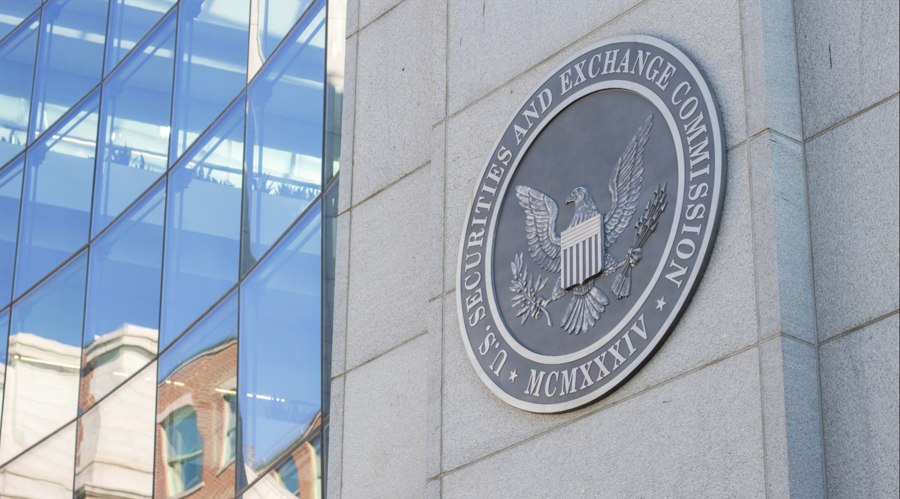
the seal of the United States SEC seen at its headquarters in Washington, DC
The seal of the United States SEC seen at its headquarters in Washington, DC

eToro USA Securities and Alpaca Securities won no-action relief from US Securities and Exchange Commission (SEC) staff this week for accounts that hold no customer cash. The money sits at a bank or a money transmitter instead.

The two letters set how much capital each firm needs and how customer money may move. eToro's US broker-dealer, which introduces accounts to a clearing firm, may run the model with minimum net capital of $5,000.

Alpaca, which carries and clears accounts itself, keeps a minimum of $250,000 or 2% of aggregate debit items, whichever is greater.

Both firms are expanding in the US. eToro agreed in August to buy US equities and options broker TradeZero for up to $231 million in cash, a deal it expects to close in the first half of 2027.

Funding From Bank, Crypto and Remittance Accounts

Lowenstein Sandler, the law firm that filed both requests, said the accounts can draw on customer bank, crypto or remittance accounts held with affiliated or third-party providers. It said the structure can ease foreign exchange conversion and help foreign customers reach US markets.

Alpaca already sells US market access to brokers abroad. Indonesian broker Valbury began routing its clients' US stock orders to Alpaca in January.

Dutch neobank bunq, which holds customer money under an EU banking license, filed for US broker-dealer registration in April 2025 with plans to add stock trading.

How the Money Moves

The outside account can be held at a bank or at a state-licensed money services business registered with the Financial Crimes Enforcement Network (FinCEN). Customers must open one as a condition of getting the brokerage account.

In the example set out in eToro's request, a customer buying one $100 share also instructs the money transmitter to send $100 to the carrying firm. The share is credited when the trade settles one business day later.

After a sale, the proceeds go back to the external account under a standing authorization the customer signs. Alpaca said it would send them before the close of the next business day.

It also agreed to exchange reconciliation reports with the money transmitter daily. Alpaca, which raised $435 million in July, including debt from Kraken parent Payward and BMO, clears trades for its own customers and for brokers it serves.

Raymond Lombardo, acting associate director in the SEC's Division of Trading and Markets

Raymond Lombardo, acting associate director in the SEC's Division of Trading and Markets, signed both letters.

He wrote that the staff position was "based strictly on the facts and circumstances stated in your Letter."

Customer agreements must say that money sent to the external account is not held in the brokerage account. It is therefore not protected by the Securities Investor Protection Corporation (SIPC).

Funds at the money transmitter may not be mixed with its own money. eToro and Alpaca must also check periodically that the bank or money transmitter keeps its licenses.

What the Letters Leave Open

The relief is a staff position, not a Commission rule. It covers the net capital rule in eToro's case and, for Alpaca, the customer protection rule's limits on moving credit balances out of an account.

Alpaca's request leans on a 2014 staff FAQ, updated in 2020, which says a customer can authorize continuing transfers to an outside account with a single instruction.

The staff said it took no view on other federal, state or foreign laws or on self-regulatory organization rules, and that the position can be modified or revoked.

eToro's letter refers to an unnamed carrying firm, while its US disclosures name Apex Clearing as its clearing broker. Both firms will keep offering traditional accounts, according to the requests. Neither gives a launch date.

eToro USA Securities began offering commission-free US stock trading in July 2020, after the Financial Industry Regulatory Authority (FINRA) approved its membership.

eToro USA Securities and Alpaca Securities won no-action relief from US Securities and Exchange Commission (SEC) staff this week for accounts that hold no customer cash. The money sits at a bank or a money transmitter instead.

The two letters set how much capital each firm needs and how customer money may move. eToro's US broker-dealer, which introduces accounts to a clearing firm, may run the model with minimum net capital of $5,000.

Alpaca, which carries and clears accounts itself, keeps a minimum of $250,000 or 2% of aggregate debit items, whichever is greater.

Both firms are expanding in the US. eToro agreed in August to buy US equities and options broker TradeZero for up to $231 million in cash, a deal it expects to close in the first half of 2027.

Funding From Bank, Crypto and Remittance Accounts

Lowenstein Sandler, the law firm that filed both requests, said the accounts can draw on customer bank, crypto or remittance accounts held with affiliated or third-party providers. It said the structure can ease foreign exchange conversion and help foreign customers reach US markets.

Alpaca already sells US market access to brokers abroad. Indonesian broker Valbury began routing its clients' US stock orders to Alpaca in January.

Dutch neobank bunq, which holds customer money under an EU banking license, filed for US broker-dealer registration in April 2025 with plans to add stock trading.

How the Money Moves

The outside account can be held at a bank or at a state-licensed money services business registered with the Financial Crimes Enforcement Network (FinCEN). Customers must open one as a condition of getting the brokerage account.

In the example set out in eToro's request, a customer buying one $100 share also instructs the money transmitter to send $100 to the carrying firm. The share is credited when the trade settles one business day later.

After a sale, the proceeds go back to the external account under a standing authorization the customer signs. Alpaca said it would send them before the close of the next business day.

It also agreed to exchange reconciliation reports with the money transmitter daily. Alpaca, which raised $435 million in July, including debt from Kraken parent Payward and BMO, clears trades for its own customers and for brokers it serves.

Raymond Lombardo, acting associate director in the SEC's Division of Trading and Markets

Raymond Lombardo, acting associate director in the SEC's Division of Trading and Markets, signed both letters.

He wrote that the staff position was "based strictly on the facts and circumstances stated in your Letter."

Customer agreements must say that money sent to the external account is not held in the brokerage account. It is therefore not protected by the Securities Investor Protection Corporation (SIPC).

Funds at the money transmitter may not be mixed with its own money. eToro and Alpaca must also check periodically that the bank or money transmitter keeps its licenses.

What the Letters Leave Open

The relief is a staff position, not a Commission rule. It covers the net capital rule in eToro's case and, for Alpaca, the customer protection rule's limits on moving credit balances out of an account.

Alpaca's request leans on a 2014 staff FAQ, updated in 2020, which says a customer can authorize continuing transfers to an outside account with a single instruction.

The staff said it took no view on other federal, state or foreign laws or on self-regulatory organization rules, and that the position can be modified or revoked.

eToro's letter refers to an unnamed carrying firm, while its US disclosures name Apex Clearing as its clearing broker. Both firms will keep offering traditional accounts, according to the requests. Neither gives a launch date.

eToro USA Securities began offering commission-free US stock trading in July 2020, after the Financial Industry Regulatory Authority (FINRA) approved its membership.

About the Author: Damian Chmiel
Damian Chmiel
  • 3971 Articles
  • 117 Followers
About the Author: Damian Chmiel
Damian Chmiel is a Senior Analyst & Editor at Finance Magnates with more than 15 years of experience in the CFD and online trading industry. Active as both a trader and journalist since 2010, he focuses on broker coverage, fintech innovation, and regulatory developments across Europe, the Middle East, and Asia. His work includes interviews with C-level leaders at major brokerages and fintech platforms, as well as co-authoring Finance Magnates’ quarterly industry benchmarking reports. Damian’s reporting is data-driven, market-aware, and grounded in direct industry engagement. His analysis and commentary have also been cited by external media outlets, including Investing.com, Binance, The Asset, Stockhead, and Dispatch. Education: MA in Finance and Accounting, Cracow University of Economics
  • 3971 Articles
  • 117 Followers

More from the Author

FinTech

!"#$%&'()*+,-./0123456789:;<=>?@ABCDEFGHIJKLMNOPQRSTUVWXYZ[\]^_`abcdefghijklmnopqrstuvwxyz{|} !"#$%&'()*+,-./0123456789:;<=>?@ABCDEFGHIJKLMNOPQRSTUVWXYZ[\]^_`abcdefghijklmnopqrstuvwxyz{|}