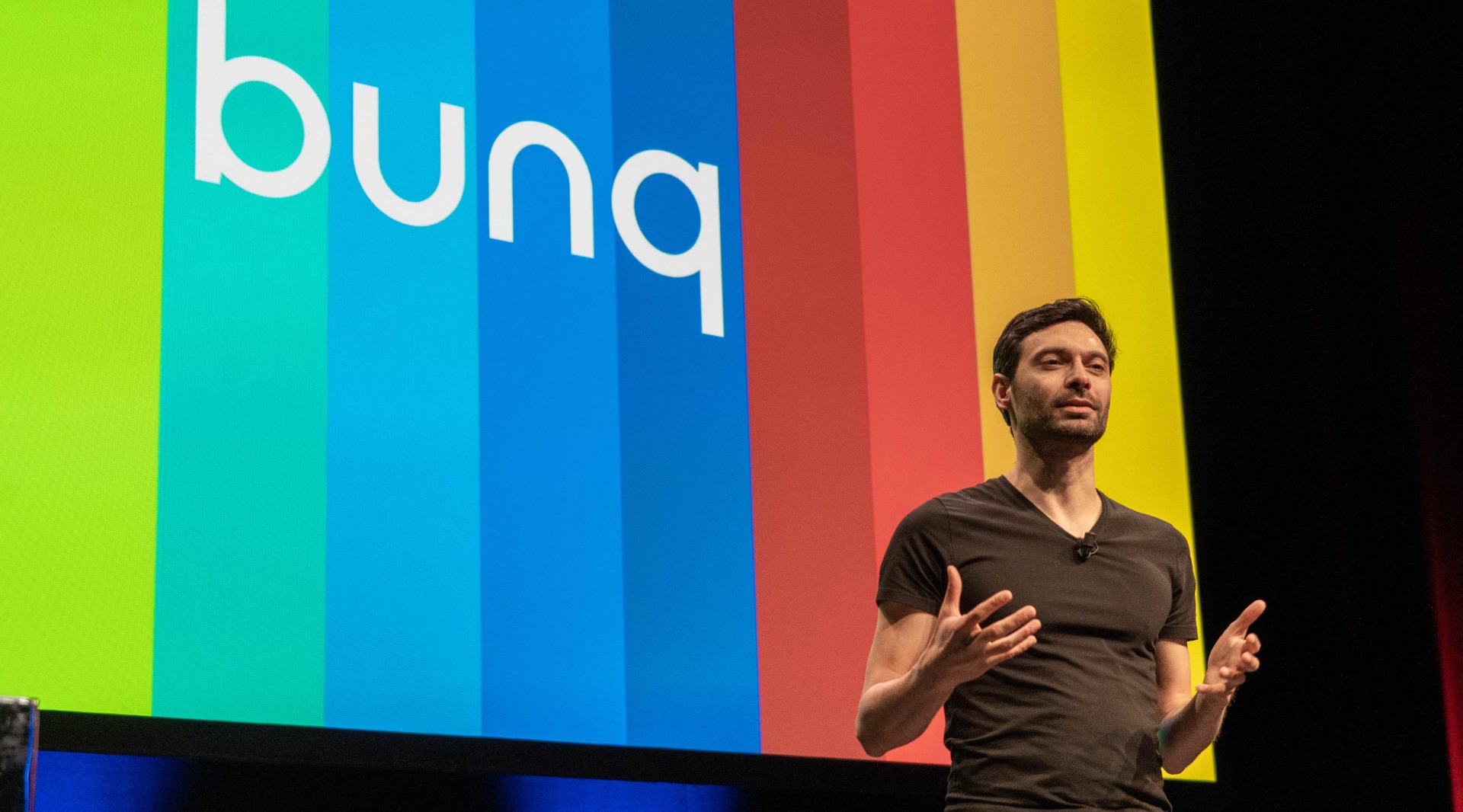
bunq has submitted a fresh application for a US national bank charter with the Office of the Comptroller of the Currency, the Dutch neobank announced today (Wednesday). The move comes roughly two years after the company withdrew its initial attempt to enter the American banking market.
Ali Niknam, the company's Founder and CEO, said the timing reflects what he sees as a favorable regulatory environment. “We believe that this is a unique opportunity for us,” Niknam said in an interview.
The company is betting on a market it knows well: professionals who split their time between the US and Europe but struggle to maintain banking relationships on both sides of the Atlantic. bunq's core audience includes digital nomads and expats who often hit roadblocks when trying to open accounts abroad, partly because of US tax reporting requirements that make foreign banks wary of American clients.
- After 10 Years, Bunq Reaches 20 Million Users But Remains Far Behind Revolut
- Dutch Neobank Bunq Takes on Revolut With Crypto Trading Launch in Six EU Countries
- bunq Jumps into Stock Trading: Targets Digital Nomads
“We believe there's far more people out there that would benefit from this global bank account,” Niknam said, pointing to millions of Europeans living in the US and Americans living in Europe who face banking access issues.
Second Attempt Follows Broker-Dealer Win
bunq isn't starting from scratch this time. The company secured a broker-dealer license from FINRA in October, which allows it to offer stocks, ETFs, and mutual funds to US customers.
The firm wasn't alone in obtaining broker-dealer approval last year. Crypto platform Archax bought US broker-dealer Globacap Private Markets, while Hidden Road Partners secured FINRA approval shortly before Ripple's $1.25 billion acquisition of the company.
The broker-dealer license was part of bunq's phased entry strategy. Now with the banking application filed, the company can move toward offering full deposit accounts and payment services if approved.
bunq first applied for a US banking license in 2023 but withdrew the application in January 2024. Niknam acknowledged the firm wasn't ready to answer regulators' questions quickly enough. “We are doing our utmost best to make sure that we satisfy and fulfill each of the regulations,” he said this time around.
The company plans to launch in US cities with large expat populations first. One selling point: helping newly arrived expats build US credit scores by accessing their European financial records, something traditional American banks typically can't do.
Growing User Base Amid European Dominance
bunq hit 20 million users last year, making it Europe's second-largest neobank behind Revolut, which has more than 50 million customers. The milestone came a decade after bunq became the first company to receive a European banking permit in 35 years.
The firm has built its business around features that appeal to mobile professionals, including support for 38 languages and AI-powered fraud detection. Last September, it became the first European neobank to offer flexible crypto staking through a partnership with Kraken, offering yields up to 10% annually without lock-up periods.
bunq's US ambitions align with a broader push by fintech firms to secure American banking charters under the Trump administration. More than 30 companies have applied to become US banks since the administration took office, according to consulting firm Klaros Group. The OCC conditionally approved national trust bank charters for several crypto firms late last year, including Circle Internet Group and Fidelity's digital assets arm.
The company also has its sights set on a UK electronic money institution license as it continues expanding beyond its European base.