Cinkciarz.pl Loses Dispute with KNF, Accuses Court of Protecting “Civil Service Caste” in Poland

Thursday, 06/03/2025 | 08:38 GMT by Damian Chmiel
  • Conotoxia (Cinkciarz.pl) strongly criticizes a court decision upholding the revocation of its payment license.
  • The company highlights concerns about the state of Poland's legal system and regulatory practices in the fintech sector.
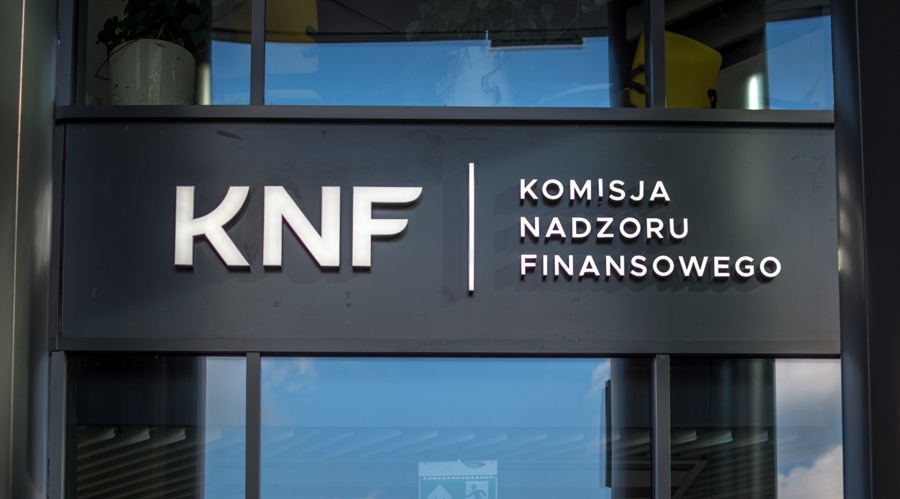
KNF

The Warsaw Administrative Court (WSA) has dismissed Conotoxia sp. z o.o.'s (one of Cinkciarz.pl subsidiaries) appeal against the Polish Financial Supervision Authority's (KNF) decision to revoke the company's payment services license, marking another development in the ongoing regulatory saga.

The fintech, in its characteristic style, responds sharply: “The state protects the civil service caste,” and announces another appeal, this time to the Supreme Court.

Warsaw Court Backs KNF Decision in Conotoxia Payment Services Case

In a ruling delivered on March 5, the court affirmed the KNF's October 2, 2024 decision to withdraw Conotoxia's authorization to operate as a domestic payment institution. The court found that the KNF had conducted its administrative proceedings correctly and properly established the facts of the case.

“According to the WSA, the Commission exhaustively analyzed the grounds for revoking the permit, and comprehensively addressed the arguments raised by the Company,” KNF commented in the official statement published this week.

The KNF's investigation reportedly revealed that Conotoxia had ceased to meet one of the essential requirements for holding a payment services license and failed to fulfill statutory obligations related to protecting funds received from payment service users. This situation, according to the regulator, posed a real threat to the interests of the company's clients.

Conotoxia, however, strongly disagrees with the court's decision. In a statement, the company criticized the ruling as confirming “a deep crisis of the legal system in Poland” and accused the court of superficially addressing the arguments presented in their appeal.

“The State Protect the Civil Service Caste”

In a scathing statement, a Cinkciarz.pl spokesperson said, “We are again faced with bureaucrats who feel they can act above the law with impunity and beyond real state control.”

The company alleges that the court only superficially addressed the charges outlined in their complaint, particularly ignoring what they claim to be procedural violations by the KNF.

Central to Conotoxia's grievances is the assertion that the KNF failed to notify the company of collected evidence and denied them the opportunity to respond before issuing its decision.

The fintech firm also accuses the KNF of overstepping its authority by imposing obligations not stipulated in the law, describing it as “‘law-making’ activities, for which it has no competence.”

Conotoxia argues that the court's reliance on the “stereotype of a professional entity” regarding the KNF is misplaced, citing past controversies involving the regulator.

“We have repeatedly indicated the phenomenon of mutual protection and avoidance of responsibility by the state authorities,” the Conotoxia representative stated. The company claims that “the state protects the civil service caste.”

The company has announced its intention to file a complaint with the Supreme Administrative Court, signaling that this legal saga is far from over.

Cinkciarz.pl Wants the Money, 1,200 Alleged Victims and… Toilet Paper

The history of the currency exchanger's dispute with the regulator and banks is starting to resemble a soap opera. Initially, the fintech threatened several Polish banks with lawsuits for billions of zlotys (though none of them have likely made it to court yet), then claimed that the prosecutor's office had initiated investigations against the KNF (although in reality, the request to start it was rejected).

Meanwhile, the number of dissatisfied customers claiming they want to recover their money is growing. A significant group has gathered around a case being pursued by the prosecutor's office since last year, which mentions allegedly 1,200 victims and 328 blocked business accounts.

At the same time, Cinkciarz.pl, which currently cannot exchange currencies as transfer attempts are blocked by banks, allegedly continues to demand payment from customers for failed transactions, sending payment reminders.

The fintech doesn't hide this and claims that clients accepted the transaction terms, and it's not their fault that it cannot be executed.

“The blocking of funds by banks at the request of the prosecutor's office is not a result of our actions but rather a decision made by state authorities, which prevents clients from executing their agreements,” Cinkciarz.pl explained in a statement. “In such cases, we expect clients to settle their obligations.”

The case has become so bizarre that Conotoxia announced that instead of currency exchange, it would start... producing toilet paper, as this doesn't require additional permits. The paper was supposed to be adorned with large golden letters “KNF.”

And although the fintech claimed it was an acronym for the Polish “I love finance,” anyone with average intelligence can see that it's a typical mocking of the regulator.

The Warsaw Administrative Court (WSA) has dismissed Conotoxia sp. z o.o.'s (one of Cinkciarz.pl subsidiaries) appeal against the Polish Financial Supervision Authority's (KNF) decision to revoke the company's payment services license, marking another development in the ongoing regulatory saga.

The fintech, in its characteristic style, responds sharply: “The state protects the civil service caste,” and announces another appeal, this time to the Supreme Court.

Warsaw Court Backs KNF Decision in Conotoxia Payment Services Case

In a ruling delivered on March 5, the court affirmed the KNF's October 2, 2024 decision to withdraw Conotoxia's authorization to operate as a domestic payment institution. The court found that the KNF had conducted its administrative proceedings correctly and properly established the facts of the case.

“According to the WSA, the Commission exhaustively analyzed the grounds for revoking the permit, and comprehensively addressed the arguments raised by the Company,” KNF commented in the official statement published this week.

The KNF's investigation reportedly revealed that Conotoxia had ceased to meet one of the essential requirements for holding a payment services license and failed to fulfill statutory obligations related to protecting funds received from payment service users. This situation, according to the regulator, posed a real threat to the interests of the company's clients.

Conotoxia, however, strongly disagrees with the court's decision. In a statement, the company criticized the ruling as confirming “a deep crisis of the legal system in Poland” and accused the court of superficially addressing the arguments presented in their appeal.

“The State Protect the Civil Service Caste”

In a scathing statement, a Cinkciarz.pl spokesperson said, “We are again faced with bureaucrats who feel they can act above the law with impunity and beyond real state control.”

The company alleges that the court only superficially addressed the charges outlined in their complaint, particularly ignoring what they claim to be procedural violations by the KNF.

Central to Conotoxia's grievances is the assertion that the KNF failed to notify the company of collected evidence and denied them the opportunity to respond before issuing its decision.

The fintech firm also accuses the KNF of overstepping its authority by imposing obligations not stipulated in the law, describing it as “‘law-making’ activities, for which it has no competence.”

Conotoxia argues that the court's reliance on the “stereotype of a professional entity” regarding the KNF is misplaced, citing past controversies involving the regulator.

“We have repeatedly indicated the phenomenon of mutual protection and avoidance of responsibility by the state authorities,” the Conotoxia representative stated. The company claims that “the state protects the civil service caste.”

The company has announced its intention to file a complaint with the Supreme Administrative Court, signaling that this legal saga is far from over.

Cinkciarz.pl Wants the Money, 1,200 Alleged Victims and… Toilet Paper

The history of the currency exchanger's dispute with the regulator and banks is starting to resemble a soap opera. Initially, the fintech threatened several Polish banks with lawsuits for billions of zlotys (though none of them have likely made it to court yet), then claimed that the prosecutor's office had initiated investigations against the KNF (although in reality, the request to start it was rejected).

Meanwhile, the number of dissatisfied customers claiming they want to recover their money is growing. A significant group has gathered around a case being pursued by the prosecutor's office since last year, which mentions allegedly 1,200 victims and 328 blocked business accounts.

At the same time, Cinkciarz.pl, which currently cannot exchange currencies as transfer attempts are blocked by banks, allegedly continues to demand payment from customers for failed transactions, sending payment reminders.

The fintech doesn't hide this and claims that clients accepted the transaction terms, and it's not their fault that it cannot be executed.

“The blocking of funds by banks at the request of the prosecutor's office is not a result of our actions but rather a decision made by state authorities, which prevents clients from executing their agreements,” Cinkciarz.pl explained in a statement. “In such cases, we expect clients to settle their obligations.”

The case has become so bizarre that Conotoxia announced that instead of currency exchange, it would start... producing toilet paper, as this doesn't require additional permits. The paper was supposed to be adorned with large golden letters “KNF.”

And although the fintech claimed it was an acronym for the Polish “I love finance,” anyone with average intelligence can see that it's a typical mocking of the regulator.

About the Author: Damian Chmiel
Damian Chmiel
  • 3356 Articles
  • 105 Followers
About the Author: Damian Chmiel
Damian Chmiel is a Senior Analyst & Editor at Finance Magnates with more than 15 years of experience in the CFD and online trading industry. Active as both a trader and journalist since 2010, he focuses on broker coverage, fintech innovation, and regulatory developments across Europe, the Middle East, and Asia. His work includes interviews with C-level leaders at major brokerages and fintech platforms, as well as co-authoring Finance Magnates’ quarterly industry benchmarking reports. Damian’s reporting is data-driven, market-aware, and grounded in direct industry engagement. His analysis and commentary have also been cited by external media outlets, including Investing.com, Binance, The Asset, Stockhead, and Dispatch. Education: MA in Finance and Accounting, Cracow University of Economics
  • 3356 Articles
  • 105 Followers

More from the Author

FinTech

!"#$%&'()*+,-./0123456789:;<=>?@ABCDEFGHIJKLMNOPQRSTUVWXYZ[\]^_`abcdefghijklmnopqrstuvwxyz{|} !"#$%&'()*+,-./0123456789:;<=>?@ABCDEFGHIJKLMNOPQRSTUVWXYZ[\]^_`abcdefghijklmnopqrstuvwxyz{|}