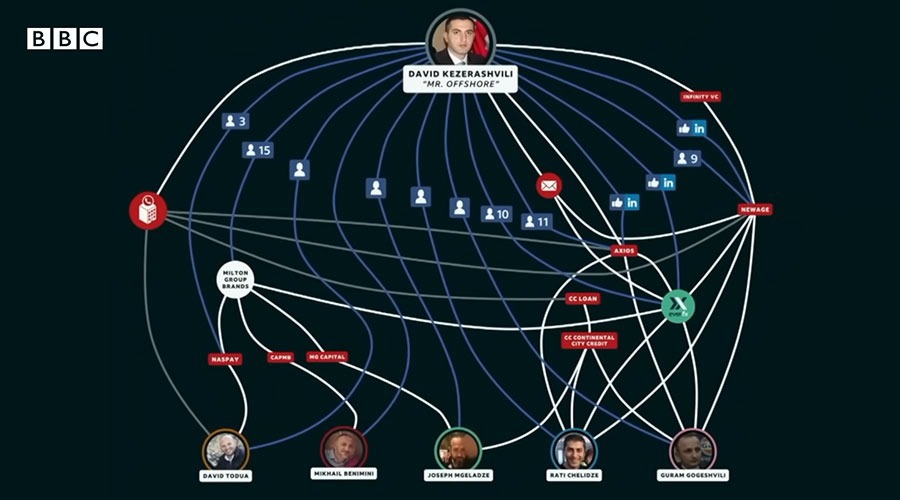
The Milton network has allegedly robbed elderly people via boiler rooms, cryptos and FIAT.
Using AI can prevent the recurrence of such incidents, but regulators are hesitant to involve private companies' technology.
Op-ed
Screenshot from a BBC documentary
The recent BBC expose on the ripples of the Milton
Group Scandal, which involve mass fraud of trading scams especially of the
elderly, has set the UK media into a frenzy. The scamming network has allegedly
robbed elderly people, not just, via boiler room scams, but via cryptocurrencies and FIAT currencies, in a worldwide attempt for unjust enrichment.
Yet, this is not the first time that fraud has popped up in
the EU, UK or other states such as Israel. The Milton scandal surfaced in
2020, and since then the same operatives have continued with their daily
illegal business as if nothing has changed.
Screenshot from the BBC documentary
This has led many consumers and international regulators to scrutinize the Member State regulators to see
whether the liability of non-detection falls upon the central banks. This also
leads to the question, who are the central banks accountable to? The public or their own respective regulators?
Last week, we witnessed the approval of MiCA, the
Markets in Crypto Assets Regulation of the EU by the European Parliament,
which means that finally, some of the uncertainty when it comes to crypto
assets will be resolved on a pan-European level.
With that said, the majority of crypto fraud that has taken place during the past few years has stemmed from unregulated CFD trading
platforms that have evolved from binary options schemes. A significant
watchful eye and criticism have been placed upon regulators worldwide
that have not sufficiently tackled these issues.
Central banks and financial intelligence units (FIUs),
which are in charge of licensing trading platforms and crypto
exchanges, have been scrutinized not just by the European Securities and Markets
Agency (ESMA) but by consumers that were targeted by CFD boiler rooms and
other crypto-forex fraud. This leads to the question of accountability and traceability
by regulators.
The compliance teams that form the licensing and
inspection of the licenses are caught in a severe case of Catch-22. On the
one hand, the compliance teams need to examine an infinite amount of data
submitted to the regulator, without an option to screen or detect unusual
or suspicious transactions due to the high volume of material submitted.
This issue was raised by the Estonian FIU back in
August 2020 when the amount of fraudulent crypto exchanges surpassed the amount
of legitimate financial institutions, and, as such, the Estonian FIU decided to
cancel the majority of licenses and increased the regulatory threshold to an
alarming degree.
Yet, this is not the
response many have wished for. The
consumers of the platforms and the international regulators (not on a
Member State level) are under the impression that sufficient safeguards were not
taken. Hence, the issue of digitalization
of the AML process has become a much-needed resource of FIUs.
In cases where the FIU were stuck with the detection of
anomalies in the AML quarterly reports by the financial institutions, it was
presumed that the FIUs will at least try and find a solution, and not a
post-mortem one, that will enable any sort of detection of fraudulent activity
from FIAT currency to cryptocurrency and vice versa.
This is the same case for liquidity providers and for market makers, who have been highlighted for money laundering and terrorist financing cases.
A similar argument was raised by the Egmont Group
in their last meeting and in the FATF Recommendations and has been highlighted
by the recent updates to the EBA Recommendations.
Thus, the recent scandals, the recommendations
of the international organizations and the market conditions all lead to the
inescapable conclusion that there is an inherent need for AML AI technologies
to solve the overload on the regulators and their respective compliance teams
as well as to minimize the amount of duress on the regulators.
Just as much as the binary options schemes have evolved
into CFD frauds, which in turn evolved into crypto liquidity frauds, the criticism
pouring over the regulators' heads may be solved by implementing the correct AML
AI technology that should detect the problematic transactions, prior to the
approval of the quarterly or yearly license, and not in retrospect.
Technologies are now
available in the market, yet regulators are hesitant to involve private
companies' technology, white-labeled or not. This approach should change, mainly
because it is not humanly possible to assess the amount of regulatory material
received.
Regulators may be of the impression that they are
accountable to their respective states only. Yet, in today’s market, regulators
are accountable to their respective end-clients, the financial
institution’s clients who are left at the mercy of the financial institution.
The recent BBC expose on the ripples of the Milton
Group Scandal, which involve mass fraud of trading scams especially of the
elderly, has set the UK media into a frenzy. The scamming network has allegedly
robbed elderly people, not just, via boiler room scams, but via cryptocurrencies and FIAT currencies, in a worldwide attempt for unjust enrichment.
Yet, this is not the first time that fraud has popped up in
the EU, UK or other states such as Israel. The Milton scandal surfaced in
2020, and since then the same operatives have continued with their daily
illegal business as if nothing has changed.
Screenshot from the BBC documentary
This has led many consumers and international regulators to scrutinize the Member State regulators to see
whether the liability of non-detection falls upon the central banks. This also
leads to the question, who are the central banks accountable to? The public or their own respective regulators?
Last week, we witnessed the approval of MiCA, the
Markets in Crypto Assets Regulation of the EU by the European Parliament,
which means that finally, some of the uncertainty when it comes to crypto
assets will be resolved on a pan-European level.
With that said, the majority of crypto fraud that has taken place during the past few years has stemmed from unregulated CFD trading
platforms that have evolved from binary options schemes. A significant
watchful eye and criticism have been placed upon regulators worldwide
that have not sufficiently tackled these issues.
Central banks and financial intelligence units (FIUs),
which are in charge of licensing trading platforms and crypto
exchanges, have been scrutinized not just by the European Securities and Markets
Agency (ESMA) but by consumers that were targeted by CFD boiler rooms and
other crypto-forex fraud. This leads to the question of accountability and traceability
by regulators.
The compliance teams that form the licensing and
inspection of the licenses are caught in a severe case of Catch-22. On the
one hand, the compliance teams need to examine an infinite amount of data
submitted to the regulator, without an option to screen or detect unusual
or suspicious transactions due to the high volume of material submitted.
This issue was raised by the Estonian FIU back in
August 2020 when the amount of fraudulent crypto exchanges surpassed the amount
of legitimate financial institutions, and, as such, the Estonian FIU decided to
cancel the majority of licenses and increased the regulatory threshold to an
alarming degree.
Yet, this is not the
response many have wished for. The
consumers of the platforms and the international regulators (not on a
Member State level) are under the impression that sufficient safeguards were not
taken. Hence, the issue of digitalization
of the AML process has become a much-needed resource of FIUs.
In cases where the FIU were stuck with the detection of
anomalies in the AML quarterly reports by the financial institutions, it was
presumed that the FIUs will at least try and find a solution, and not a
post-mortem one, that will enable any sort of detection of fraudulent activity
from FIAT currency to cryptocurrency and vice versa.
This is the same case for liquidity providers and for market makers, who have been highlighted for money laundering and terrorist financing cases.
A similar argument was raised by the Egmont Group
in their last meeting and in the FATF Recommendations and has been highlighted
by the recent updates to the EBA Recommendations.
Thus, the recent scandals, the recommendations
of the international organizations and the market conditions all lead to the
inescapable conclusion that there is an inherent need for AML AI technologies
to solve the overload on the regulators and their respective compliance teams
as well as to minimize the amount of duress on the regulators.
Just as much as the binary options schemes have evolved
into CFD frauds, which in turn evolved into crypto liquidity frauds, the criticism
pouring over the regulators' heads may be solved by implementing the correct AML
AI technology that should detect the problematic transactions, prior to the
approval of the quarterly or yearly license, and not in retrospect.
Technologies are now
available in the market, yet regulators are hesitant to involve private
companies' technology, white-labeled or not. This approach should change, mainly
because it is not humanly possible to assess the amount of regulatory material
received.
Regulators may be of the impression that they are
accountable to their respective states only. Yet, in today’s market, regulators
are accountable to their respective end-clients, the financial
institution’s clients who are left at the mercy of the financial institution.
Ms. Rosenberg focuses on EU Law and regulation within the financial, defence, art, and maritime sectors. She has broad experience in digital banking and crypto licensing, implementation of AML/CTF regulatory frameworks for defence companies and art galleries, anti human trafficking, regtech software, tokenization of maritime logistics, formation of compliance teams, AML and Privacy for publicly listed companies. She serves as the leading of contact of EU Law in the Middle East, and has published at defence and financial magazines, consulted governmental entities on CTF and AML and has worked directly with FIUs in the EU and the GCC. Holds an LLB in EU Law from the European Law School, Maastricht University and an LLM in Company and Commercial Law from Erasmus School of Law, Erasmus University Rotterdam; is the head of the Eramus University Alumni Network in Israel, and is a board member of the Israel Security Business Union.
Polymarket Adds Self-Exclusion and Deposit Limits for Prediction Traders
Featured Videos
AvaTrade to Acquire Most of FXCM; NAGA Raises $8M
AvaTrade to Acquire Most of FXCM; NAGA Raises $8M
AvaTrade to Acquire Most of FXCM; NAGA Raises $8M
AvaTrade to Acquire Most of FXCM; NAGA Raises $8M
Today’s financial news recap covers AvaTrade agrees to acquire most of FXCM, NAGA secures eight million dollars in new financing, and Wise seeks a tax settlement in the UK.
Finance Magnates Daily Recap brings you the latest news from forex and CFD brokers, fintech, payments, cryptocurrency, digital assets, trading platforms, financial regulation and global markets.
Get the key company news, executive moves, deals, regulatory updates and market developments of the day, in just a few minutes. New episodes published every weekday.
Read more: https://www.financemagnates.com
#FinanceMagnates #ForexNews #FintechNews
Today’s financial news recap covers AvaTrade agrees to acquire most of FXCM, NAGA secures eight million dollars in new financing, and Wise seeks a tax settlement in the UK.
Finance Magnates Daily Recap brings you the latest news from forex and CFD brokers, fintech, payments, cryptocurrency, digital assets, trading platforms, financial regulation and global markets.
Get the key company news, executive moves, deals, regulatory updates and market developments of the day, in just a few minutes. New episodes published every weekday.
Read more: https://www.financemagnates.com
#FinanceMagnates #ForexNews #FintechNews
Today’s financial news recap covers AvaTrade agrees to acquire most of FXCM, NAGA secures eight million dollars in new financing, and Wise seeks a tax settlement in the UK.
Finance Magnates Daily Recap brings you the latest news from forex and CFD brokers, fintech, payments, cryptocurrency, digital assets, trading platforms, financial regulation and global markets.
Get the key company news, executive moves, deals, regulatory updates and market developments of the day, in just a few minutes. New episodes published every weekday.
Read more: https://www.financemagnates.com
#FinanceMagnates #ForexNews #FintechNews
Today’s financial news recap covers AvaTrade agrees to acquire most of FXCM, NAGA secures eight million dollars in new financing, and Wise seeks a tax settlement in the UK.
Finance Magnates Daily Recap brings you the latest news from forex and CFD brokers, fintech, payments, cryptocurrency, digital assets, trading platforms, financial regulation and global markets.
Get the key company news, executive moves, deals, regulatory updates and market developments of the day, in just a few minutes. New episodes published every weekday.
Read more: https://www.financemagnates.com
#FinanceMagnates #ForexNews #FintechNews
XTB Adds Overnight US Stock Trading; Nasdaq Ventures Invests in One Trading
XTB Adds Overnight US Stock Trading; Nasdaq Ventures Invests in One Trading
XTB Adds Overnight US Stock Trading; Nasdaq Ventures Invests in One Trading
XTB Adds Overnight US Stock Trading; Nasdaq Ventures Invests in One Trading
XTB Adds Overnight US Stock Trading; Nasdaq Ventures Invests in One Trading
XTB Adds Overnight US Stock Trading; Nasdaq Ventures Invests in One Trading
Today’s financial news recap covers XTB expands overnight US stock trading, Fortrade reports higher revenue, Nasdaq backs One Trading, and Vest Labs raises 13 million dollars.
Finance Magnates Daily Recap brings you the latest news from forex and CFD brokers, fintech, payments, cryptocurrency, digital assets, trading platforms, financial regulation and global markets.
Get the key company news, executive moves, deals, regulatory updates and market developments of the day, in just a few minutes. New episodes published every weekday.
Read more: https://www.financemagnates.com
#FinanceMagnates #ForexNews #FintechNews
Today’s financial news recap covers XTB expands overnight US stock trading, Fortrade reports higher revenue, Nasdaq backs One Trading, and Vest Labs raises 13 million dollars.
Finance Magnates Daily Recap brings you the latest news from forex and CFD brokers, fintech, payments, cryptocurrency, digital assets, trading platforms, financial regulation and global markets.
Get the key company news, executive moves, deals, regulatory updates and market developments of the day, in just a few minutes. New episodes published every weekday.
Read more: https://www.financemagnates.com
#FinanceMagnates #ForexNews #FintechNews
Today’s financial news recap covers XTB expands overnight US stock trading, Fortrade reports higher revenue, Nasdaq backs One Trading, and Vest Labs raises 13 million dollars.
Finance Magnates Daily Recap brings you the latest news from forex and CFD brokers, fintech, payments, cryptocurrency, digital assets, trading platforms, financial regulation and global markets.
Get the key company news, executive moves, deals, regulatory updates and market developments of the day, in just a few minutes. New episodes published every weekday.
Read more: https://www.financemagnates.com
#FinanceMagnates #ForexNews #FintechNews
Today’s financial news recap covers XTB expands overnight US stock trading, Fortrade reports higher revenue, Nasdaq backs One Trading, and Vest Labs raises 13 million dollars.
Finance Magnates Daily Recap brings you the latest news from forex and CFD brokers, fintech, payments, cryptocurrency, digital assets, trading platforms, financial regulation and global markets.
Get the key company news, executive moves, deals, regulatory updates and market developments of the day, in just a few minutes. New episodes published every weekday.
Read more: https://www.financemagnates.com
#FinanceMagnates #ForexNews #FintechNews
Today’s financial news recap covers XTB expands overnight US stock trading, Fortrade reports higher revenue, Nasdaq backs One Trading, and Vest Labs raises 13 million dollars.
Finance Magnates Daily Recap brings you the latest news from forex and CFD brokers, fintech, payments, cryptocurrency, digital assets, trading platforms, financial regulation and global markets.
Get the key company news, executive moves, deals, regulatory updates and market developments of the day, in just a few minutes. New episodes published every weekday.
Read more: https://www.financemagnates.com
#FinanceMagnates #ForexNews #FintechNews
Today’s financial news recap covers XTB expands overnight US stock trading, Fortrade reports higher revenue, Nasdaq backs One Trading, and Vest Labs raises 13 million dollars.
Finance Magnates Daily Recap brings you the latest news from forex and CFD brokers, fintech, payments, cryptocurrency, digital assets, trading platforms, financial regulation and global markets.
Get the key company news, executive moves, deals, regulatory updates and market developments of the day, in just a few minutes. New episodes published every weekday.
Read more: https://www.financemagnates.com
#FinanceMagnates #ForexNews #FintechNews
CMC Founder Downplays Volatility Hit; Devexperts Names CEO
CMC Founder Downplays Volatility Hit; Devexperts Names CEO
CMC Founder Downplays Volatility Hit; Devexperts Names CEO
CMC Founder Downplays Volatility Hit; Devexperts Names CEO
CMC Founder Downplays Volatility Hit; Devexperts Names CEO
CMC Founder Downplays Volatility Hit; Devexperts Names CEO
Today’s financial news recap covers low volatility pressures brokers, Devexperts names a new CEO, Saxo cuts onboarding time, and OKX reaches a 25 billion dollar valuation.
Finance Magnates Daily Recap brings you the latest news from forex and CFD brokers, fintech, payments, cryptocurrency, digital assets, trading platforms, financial regulation and global markets.
Get the key company news, executive moves, deals, regulatory updates and market developments of the day, in just a few minutes. New episodes published every weekday.
Read more: https://www.financemagnates.com
#FinanceMagnates #ForexNews #FintechNews
Today’s financial news recap covers low volatility pressures brokers, Devexperts names a new CEO, Saxo cuts onboarding time, and OKX reaches a 25 billion dollar valuation.
Finance Magnates Daily Recap brings you the latest news from forex and CFD brokers, fintech, payments, cryptocurrency, digital assets, trading platforms, financial regulation and global markets.
Get the key company news, executive moves, deals, regulatory updates and market developments of the day, in just a few minutes. New episodes published every weekday.
Read more: https://www.financemagnates.com
#FinanceMagnates #ForexNews #FintechNews
Today’s financial news recap covers low volatility pressures brokers, Devexperts names a new CEO, Saxo cuts onboarding time, and OKX reaches a 25 billion dollar valuation.
Finance Magnates Daily Recap brings you the latest news from forex and CFD brokers, fintech, payments, cryptocurrency, digital assets, trading platforms, financial regulation and global markets.
Get the key company news, executive moves, deals, regulatory updates and market developments of the day, in just a few minutes. New episodes published every weekday.
Read more: https://www.financemagnates.com
#FinanceMagnates #ForexNews #FintechNews
Today’s financial news recap covers low volatility pressures brokers, Devexperts names a new CEO, Saxo cuts onboarding time, and OKX reaches a 25 billion dollar valuation.
Finance Magnates Daily Recap brings you the latest news from forex and CFD brokers, fintech, payments, cryptocurrency, digital assets, trading platforms, financial regulation and global markets.
Get the key company news, executive moves, deals, regulatory updates and market developments of the day, in just a few minutes. New episodes published every weekday.
Read more: https://www.financemagnates.com
#FinanceMagnates #ForexNews #FintechNews
Today’s financial news recap covers low volatility pressures brokers, Devexperts names a new CEO, Saxo cuts onboarding time, and OKX reaches a 25 billion dollar valuation.
Finance Magnates Daily Recap brings you the latest news from forex and CFD brokers, fintech, payments, cryptocurrency, digital assets, trading platforms, financial regulation and global markets.
Get the key company news, executive moves, deals, regulatory updates and market developments of the day, in just a few minutes. New episodes published every weekday.
Read more: https://www.financemagnates.com
#FinanceMagnates #ForexNews #FintechNews
Today’s financial news recap covers low volatility pressures brokers, Devexperts names a new CEO, Saxo cuts onboarding time, and OKX reaches a 25 billion dollar valuation.
Finance Magnates Daily Recap brings you the latest news from forex and CFD brokers, fintech, payments, cryptocurrency, digital assets, trading platforms, financial regulation and global markets.
Get the key company news, executive moves, deals, regulatory updates and market developments of the day, in just a few minutes. New episodes published every weekday.
Read more: https://www.financemagnates.com
#FinanceMagnates #ForexNews #FintechNews
Today’s financial news recap covers Trade Nation buys FXCM's UK client book, Trading 212 reports higher revenue, the CFTC's move to allow perpetual index futures.
Finance Magnates Daily Recap brings you the latest news from forex and CFD brokers, fintech, payments, cryptocurrency, digital assets, trading platforms, financial regulation and global markets.
Get the key company news, executive moves, deals, regulatory updates and market developments of the day, in just a few minutes. New episodes published every weekday.
Read more: https://www.financemagnates.com
#FinanceMagnates #ForexNews #FintechNews
Today’s financial news recap covers Trade Nation buys FXCM's UK client book, Trading 212 reports higher revenue, the CFTC's move to allow perpetual index futures.
Finance Magnates Daily Recap brings you the latest news from forex and CFD brokers, fintech, payments, cryptocurrency, digital assets, trading platforms, financial regulation and global markets.
Get the key company news, executive moves, deals, regulatory updates and market developments of the day, in just a few minutes. New episodes published every weekday.
Read more: https://www.financemagnates.com
#FinanceMagnates #ForexNews #FintechNews
Today’s financial news recap covers Trade Nation buys FXCM's UK client book, Trading 212 reports higher revenue, the CFTC's move to allow perpetual index futures.
Finance Magnates Daily Recap brings you the latest news from forex and CFD brokers, fintech, payments, cryptocurrency, digital assets, trading platforms, financial regulation and global markets.
Get the key company news, executive moves, deals, regulatory updates and market developments of the day, in just a few minutes. New episodes published every weekday.
Read more: https://www.financemagnates.com
#FinanceMagnates #ForexNews #FintechNews
Today’s financial news recap covers Trade Nation buys FXCM's UK client book, Trading 212 reports higher revenue, the CFTC's move to allow perpetual index futures.
Finance Magnates Daily Recap brings you the latest news from forex and CFD brokers, fintech, payments, cryptocurrency, digital assets, trading platforms, financial regulation and global markets.
Get the key company news, executive moves, deals, regulatory updates and market developments of the day, in just a few minutes. New episodes published every weekday.
Read more: https://www.financemagnates.com
#FinanceMagnates #ForexNews #FintechNews
Today’s financial news recap covers Trade Nation buys FXCM's UK client book, Trading 212 reports higher revenue, the CFTC's move to allow perpetual index futures.
Finance Magnates Daily Recap brings you the latest news from forex and CFD brokers, fintech, payments, cryptocurrency, digital assets, trading platforms, financial regulation and global markets.
Get the key company news, executive moves, deals, regulatory updates and market developments of the day, in just a few minutes. New episodes published every weekday.
Read more: https://www.financemagnates.com
#FinanceMagnates #ForexNews #FintechNews
Today’s financial news recap covers Trade Nation buys FXCM's UK client book, Trading 212 reports higher revenue, the CFTC's move to allow perpetual index futures.
Finance Magnates Daily Recap brings you the latest news from forex and CFD brokers, fintech, payments, cryptocurrency, digital assets, trading platforms, financial regulation and global markets.
Get the key company news, executive moves, deals, regulatory updates and market developments of the day, in just a few minutes. New episodes published every weekday.
Read more: https://www.financemagnates.com
#FinanceMagnates #ForexNews #FintechNews
Your career isn’t a linear path.
Your career isn’t a linear path.
Your career isn’t a linear path.
Your career isn’t a linear path.
Your career isn’t a linear path.
Your career isn’t a linear path.
Roles change. Career goals change. Sometimes you want a completely new challenge.
But the skills and knowledge you build along the way can stay with you and give you something to build on.
For Jeff Patterson, that continued growth is key to long-term career development.
You bring the skills. FM Academy helps you build the knowledge.
#FMAcademy #FinanceMagnates #FinanceCareers #ProfessionalDevelopment #Fintech
Roles change. Career goals change. Sometimes you want a completely new challenge.
But the skills and knowledge you build along the way can stay with you and give you something to build on.
For Jeff Patterson, that continued growth is key to long-term career development.
You bring the skills. FM Academy helps you build the knowledge.
#FMAcademy #FinanceMagnates #FinanceCareers #ProfessionalDevelopment #Fintech
Roles change. Career goals change. Sometimes you want a completely new challenge.
But the skills and knowledge you build along the way can stay with you and give you something to build on.
For Jeff Patterson, that continued growth is key to long-term career development.
You bring the skills. FM Academy helps you build the knowledge.
#FMAcademy #FinanceMagnates #FinanceCareers #ProfessionalDevelopment #Fintech
Roles change. Career goals change. Sometimes you want a completely new challenge.
But the skills and knowledge you build along the way can stay with you and give you something to build on.
For Jeff Patterson, that continued growth is key to long-term career development.
You bring the skills. FM Academy helps you build the knowledge.
#FMAcademy #FinanceMagnates #FinanceCareers #ProfessionalDevelopment #Fintech
Roles change. Career goals change. Sometimes you want a completely new challenge.
But the skills and knowledge you build along the way can stay with you and give you something to build on.
For Jeff Patterson, that continued growth is key to long-term career development.
You bring the skills. FM Academy helps you build the knowledge.
#FMAcademy #FinanceMagnates #FinanceCareers #ProfessionalDevelopment #Fintech
Roles change. Career goals change. Sometimes you want a completely new challenge.
But the skills and knowledge you build along the way can stay with you and give you something to build on.
For Jeff Patterson, that continued growth is key to long-term career development.
You bring the skills. FM Academy helps you build the knowledge.
#FMAcademy #FinanceMagnates #FinanceCareers #ProfessionalDevelopment #Fintech