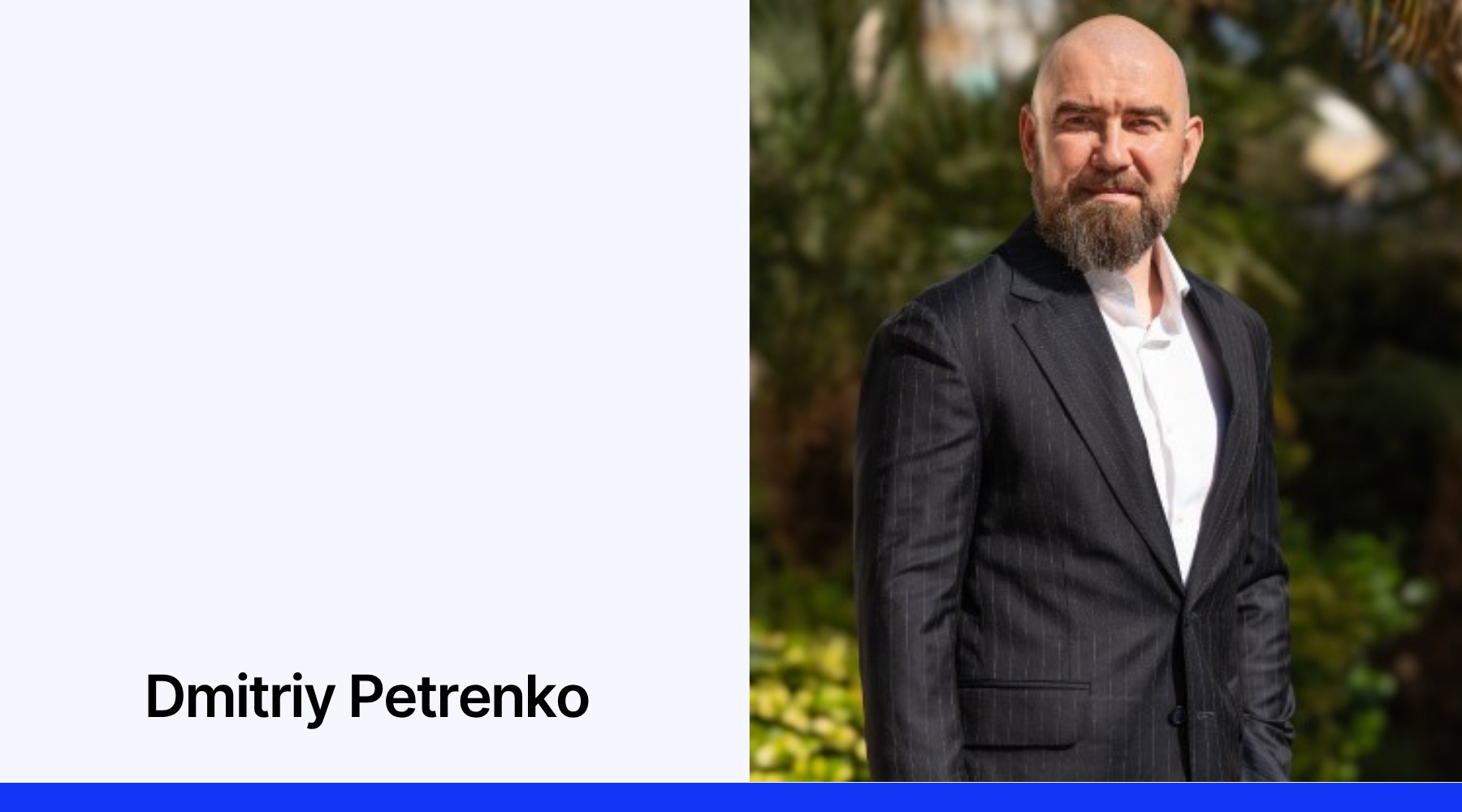
The prediction markets platform Kalshi has recruited Andy Ross, the former head of prime brokerage at Standard Chartered, to lead its institutional business.
Ross is set to officially begin the role in late March after a period of gardening leave following his departure from StanChart late last year. The hire comes as Kalshi pushes to move beyond its retail roots and carve out a meaningful position with hedge funds, asset managers, and other large financial institutions.
Ross Brings Deep Derivatives Pedigree
Ross spent over 25 years in London's financial markets. Before Standard Chartered, where he served as global head of prime brokerage from 2022 until late 2025, he was CEO of CurveGlobal, the interest rate derivatives platform backed by London Stock Exchange Group and a consortium of banks including Goldman Sachs, J.P. Morgan, and Barclays.
Prior to that, he spent 16 years at Morgan Stanley, finishing as European head of over-the-counter clearing .
- Kalshi CEO Draws Battle Lines Over Insider Trading, Highlighting Deep Industry Divide
- Kalshi Eyes Brazil Expansion, Testing the Line Between Betting and Finance
- Kalshi Prediction Market and TRON Integration Bridges Traditional Finance with Crypto
Writing on LinkedIn, Ross framed the move as a conviction bet on prediction markets as a superior risk management tool.
He pointed to a stark example: "In 2016, Wall Street told clients to short the S&P as a Trump hedge. Trump won. The S&P went up. Ouch. The hedges didn't work." He described Kalshi as having built "a regulated US platform with real liquidity, masses of interesting data, serious ambition, and a rapidly growing institutional client base," adding that he believes prediction markets represent "the single most important disruptive force in financial markets since the development of the eurodollar future."
Tradeweb Deal Signals a Broader Shift
The appointment builds on Kalshi's deal with Tradeweb Markets, announced last week, in which the bond-trading giant made a minority investment in Kalshi and agreed to integrate its prediction market data into Tradeweb's platform, which serves over 3,000 institutional clients globally.
Tradeweb CEO Billy Hult said that "prediction markets are increasingly becoming a key part of the trading landscape, and have the potential to become an indicator for institutions to dynamically assess macro risk and allocate capital more effectively."
The two companies also plan to build an institutional-focused portal for trading event contracts tied to macroeconomic releases, Federal Reserve decisions, and major policy outcomes - with Tradeweb serving as the front-end interface.
Growing Fast, but Not Without Friction
Kalshi's institutional ambitions come as the broader prediction markets sector is experiencing explosive growth. The platform processed roughly $23.8 billion in trading volume in 2025, up more than 1,100% year-over-year, according to industry data. Earlier this year, prediction markets hit a record $702 million in daily trading volume, even as state regulators across the US continued challenging the legality of certain event contracts.
That regulatory environment remains unsettled. A Massachusetts court ruling earlier this year threatened to block Kalshi's sports contracts, even as the platform set an all-time revenue record of $2.7 million in fees in a single week. Kalshi has also faced lawsuits alongside Robinhood over contracts critics argue resemble sports betting.
Institutional Moment "Already Here"
Ross isn't the only recent hire signaling Kalshi's direction. Last year, the company brought on a 23-year-old crypto influencer to head its digital asset expansion, reflecting a strategy of building different audience bases in parallel. The Ross appointment, however, targets a very different constituency - one that moves larger sums and demands regulated, auditable infrastructure.
Tarek Mansour, Kalshi's co-founder and CEO, has argued that institutional adoption now has the building blocks it needs. As FinanceMagnates.com reported in January, Mansour believes prediction markets could ultimately create a new professional category for traders, not unlike the gig economy jobs created by Uber and Instagram.
Meanwhile, industry observers have noted that so-called "pro-tail traders" are already pushing prediction market infrastructure toward execution tools that look increasingly like traditional trading screens, a shift that makes a seasoned derivatives executive like Ross a natural fit for Kalshi's next chapter.