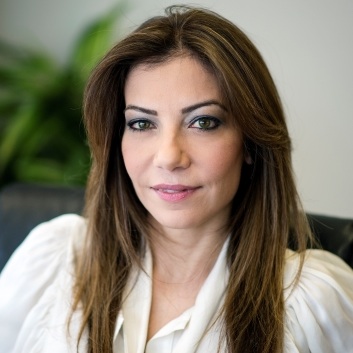
1.) Financial regulators around the world differ in attitudes toward the markets they oversee. Some think consumer protection is the most important aspect of regulation and even take a paternalistic view that it is their job to prevent people from engaging in activities they deem too complicated. Other regulators around the world try to protect the local business over foreign competition and develop the local industry. How do you view the role of a regulator and how is that exemplified by the actions of CySEC under your leadership?
At CySEC, we consider that investor protection is the ultimate objective and it is the key determinant, our “compass” if you will, for all of our actions and decisions. Investor protection can be achieved primarily through a combination of vigilant supervision and a comprehensive and regularly reviewed legislative framework. Furthermore, ensuring enhanced transparency and investor education initiatives are also key components of the equation.
In addition to these, the latest legislative measures currently being discussed at EU level, e.g. the Commission proposal on European long-term investment funds (ELTIF), show that Europe contemplates on the role of national regulators with regard, not only to investor protection, but also to growth through financing and the creation of new jobs. Therefore, it is maybe more suitable to consider the role of national financial regulators in a more “holistic” manner in which multiple objectives are pursued simultaneously and various policies and tools are being developed in view of that.
2.) Cyprus suffered a great blow to its credibility as a financial hub following the banking crisis and the bail-in that followed. What has the Commission done and what further steps are planned to restore credibility?
One year after the events of March 2013 in Cyprus, although our hardships are far from over, the signs of recovery are becoming more and more visible. The Government has embarked on a comprehensive macro-economic adjustment program for restructure and reform. So far the island has passed all program reviews, exceeding expectations.
In many respects the Cypriot economy has turned out to be more resilient than many had expected. Apart from the upgrades of the country’s sovereign credit rating and the long-term foreign currency Issuer Default Rating by the international rating agencies, Cyprus has recently returned to the international markets through a bond public issue that raised €750 million, but most importantly showed a clear signal of trust in the country.
The CySEC has taken various steps and initiatives to contribute to the goal of restoring the smooth operation of the investment services market and reinstating investor trust. On the international front, the CySEC has communicated with its counterparties abroad to provide information on the true state of the Cyprus economy and provide clarifications on topics that were misrepresented on the international media.
On the national front, the CySEC has made great efforts to speed up the procedures as to the handling of the Cyprus Investment Firms (CIFs) client money bank deposits, to ensure the protection of the CIF’s clients’ money as well as the CIF's own funds and to minimize the impact of the bail-in on the deposits of the Investor Compensation Fund. Further, the CySEC constantly monitors the effect of the 2013 developments on the market in order to identify all challenges faced by the supervised entities and find ways to address them. This was done, amongst other things, through targeted questionnaires to the supervised entities.
Overall, the feedback we receive is encouraging. The vast majority of the entities supervised by the CySEC have expressed that they do not wish to withdraw their business from Cyprus, and further, they have voiced a willingness to work together with the authorities in alleviating any challenges affecting the operation of the market. These findings are very important because they reconfirm the long-term trust and confidence bestowed on the Cyprus capital market and infrastructure.
3.) Binary Options are regulated in Cyprus as a financial Investment instrument while in other jurisdictions around the world they are considered a form of gambling and require a gaming license. How do you see the best way to understand and regulate binary options and can there be changes in the way Cyprus regulates binary options in the future?
The increasing proliferation of the financial binary options was a trend strongly observed in the securities markets in the previous years and particularly in the mid-2012. That is why the CySEC, following consultation with the European Commission, decided to proceed with accommodating them under Financial Instruments pursuant to the European Markets in Financial Instruments Directive, known as MiFID. As a result of this decision, trading in binary options can only be offered by authorised investment firms.
Thus, firms that prior to this decision were freely offering trading in financial binary options, were obliged to become authorised and supervised by the CySEC in order to be allowed to continue. This development was widely received with very positive comments since it has effectively transferred a previously unregulated part of the financial markets into regulatory focus.
4.) Some FX lawyers and consultants are recommending prospective clients to base their new Forex brokerages and binary options businesses in the UK, warning that vigilant regulators in other European markets may block CySEC registered firms from operating in their countries despite the license and that it is less likely to happen with an FCA license. Do you see a danger that the passporting of CySEC to Europe will not be respected and what is the commission doing about this?
MiFID clearly sets out the principles for single authorisation for firms which allow them to provide the services or perform the activities for which they are authorised in one EU member state, throughout the entire EU territory. This is in line with the aspiration for the creation of a single European financial market for the enhanced protection of investors and market integrity and any unilateral deviation would potentially constitute breach of EU legislation.
5.) Social and copy trading are very popular in FX and a growing trend in binary option. Some argue that these forms of trading are actually a sort of investment advice or even portfolio management and therefore should be regulated. How do you view copy and social trading?
The focus of regulatory attention in terms of social and copy trading is whether they constitute portfolio management service and investment advice and thus whether they should be considered a regulated investment service. If they should, they could be offered to the investing public only by investment firms authorised to offer the investment services of portfolio management and investment advice.
The CySEC is monitoring the issue and has asked the investment firms that offer a form of copy trading to submit more information. In practice, copy trading differs significantly from company to company. In cases where clients hand over control of their investments to a manager who makes all the buying and selling decisions, then it is considered portfolio management, while in other cases. the clients while copying traders may retain the ability to choose whether to accept copied trades and may disconnect and manage them themselves, in which case it is less likely to be considered portfolio management.
We will continue to monitor practice and collect information on social and copy trading, which is necessary before market policies are formulated. Our primary goal would be to ensure protection of the investors and adherence to the securities regulations.
1.) Financial regulators around the world differ in attitudes toward the markets they oversee. Some think consumer protection is the most important aspect of regulation and even take a paternalistic view that it is their job to prevent people from engaging in activities they deem too complicated. Other regulators around the world try to protect the local business over foreign competition and develop the local industry. How do you view the role of a regulator and how is that exemplified by the actions of CySEC under your leadership?
At CySEC, we consider that investor protection is the ultimate objective and it is the key determinant, our “compass” if you will, for all of our actions and decisions. Investor protection can be achieved primarily through a combination of vigilant supervision and a comprehensive and regularly reviewed legislative framework. Furthermore, ensuring enhanced transparency and investor education initiatives are also key components of the equation.
In addition to these, the latest legislative measures currently being discussed at EU level, e.g. the Commission proposal on European long-term investment funds (ELTIF), show that Europe contemplates on the role of national regulators with regard, not only to investor protection, but also to growth through financing and the creation of new jobs. Therefore, it is maybe more suitable to consider the role of national financial regulators in a more “holistic” manner in which multiple objectives are pursued simultaneously and various policies and tools are being developed in view of that.
2.) Cyprus suffered a great blow to its credibility as a financial hub following the banking crisis and the bail-in that followed. What has the Commission done and what further steps are planned to restore credibility?
One year after the events of March 2013 in Cyprus, although our hardships are far from over, the signs of recovery are becoming more and more visible. The Government has embarked on a comprehensive macro-economic adjustment program for restructure and reform. So far the island has passed all program reviews, exceeding expectations.
In many respects the Cypriot economy has turned out to be more resilient than many had expected. Apart from the upgrades of the country’s sovereign credit rating and the long-term foreign currency Issuer Default Rating by the international rating agencies, Cyprus has recently returned to the international markets through a bond public issue that raised €750 million, but most importantly showed a clear signal of trust in the country.
The CySEC has taken various steps and initiatives to contribute to the goal of restoring the smooth operation of the investment services market and reinstating investor trust. On the international front, the CySEC has communicated with its counterparties abroad to provide information on the true state of the Cyprus economy and provide clarifications on topics that were misrepresented on the international media.
On the national front, the CySEC has made great efforts to speed up the procedures as to the handling of the Cyprus Investment Firms (CIFs) client money bank deposits, to ensure the protection of the CIF’s clients’ money as well as the CIF's own funds and to minimize the impact of the bail-in on the deposits of the Investor Compensation Fund. Further, the CySEC constantly monitors the effect of the 2013 developments on the market in order to identify all challenges faced by the supervised entities and find ways to address them. This was done, amongst other things, through targeted questionnaires to the supervised entities.
Overall, the feedback we receive is encouraging. The vast majority of the entities supervised by the CySEC have expressed that they do not wish to withdraw their business from Cyprus, and further, they have voiced a willingness to work together with the authorities in alleviating any challenges affecting the operation of the market. These findings are very important because they reconfirm the long-term trust and confidence bestowed on the Cyprus capital market and infrastructure.
3.) Binary Options are regulated in Cyprus as a financial Investment instrument while in other jurisdictions around the world they are considered a form of gambling and require a gaming license. How do you see the best way to understand and regulate binary options and can there be changes in the way Cyprus regulates binary options in the future?
The increasing proliferation of the financial binary options was a trend strongly observed in the securities markets in the previous years and particularly in the mid-2012. That is why the CySEC, following consultation with the European Commission, decided to proceed with accommodating them under Financial Instruments pursuant to the European Markets in Financial Instruments Directive, known as MiFID. As a result of this decision, trading in binary options can only be offered by authorised investment firms.
Thus, firms that prior to this decision were freely offering trading in financial binary options, were obliged to become authorised and supervised by the CySEC in order to be allowed to continue. This development was widely received with very positive comments since it has effectively transferred a previously unregulated part of the financial markets into regulatory focus.
4.) Some FX lawyers and consultants are recommending prospective clients to base their new Forex brokerages and binary options businesses in the UK, warning that vigilant regulators in other European markets may block CySEC registered firms from operating in their countries despite the license and that it is less likely to happen with an FCA license. Do you see a danger that the passporting of CySEC to Europe will not be respected and what is the commission doing about this?
MiFID clearly sets out the principles for single authorisation for firms which allow them to provide the services or perform the activities for which they are authorised in one EU member state, throughout the entire EU territory. This is in line with the aspiration for the creation of a single European financial market for the enhanced protection of investors and market integrity and any unilateral deviation would potentially constitute breach of EU legislation.
5.) Social and copy trading are very popular in FX and a growing trend in binary option. Some argue that these forms of trading are actually a sort of investment advice or even portfolio management and therefore should be regulated. How do you view copy and social trading?
The focus of regulatory attention in terms of social and copy trading is whether they constitute portfolio management service and investment advice and thus whether they should be considered a regulated investment service. If they should, they could be offered to the investing public only by investment firms authorised to offer the investment services of portfolio management and investment advice.
The CySEC is monitoring the issue and has asked the investment firms that offer a form of copy trading to submit more information. In practice, copy trading differs significantly from company to company. In cases where clients hand over control of their investments to a manager who makes all the buying and selling decisions, then it is considered portfolio management, while in other cases. the clients while copying traders may retain the ability to choose whether to accept copied trades and may disconnect and manage them themselves, in which case it is less likely to be considered portfolio management.
We will continue to monitor practice and collect information on social and copy trading, which is necessary before market policies are formulated. Our primary goal would be to ensure protection of the investors and adherence to the securities regulations.
Former Finalto Trading CEO Andrew Biggs Joins IG to Lead Trading Operations
Featured Videos
FP Markets Winner Spotlight 🏆 | Global Broker of the Year 2025 #Trading #Broker #Innovation #Shorts
FP Markets Winner Spotlight 🏆 | Global Broker of the Year 2025 #Trading #Broker #Innovation #Shorts
FP Markets Winner Spotlight 🏆 | Global Broker of the Year 2025 #Trading #Broker #Innovation #Shorts
FP Markets Winner Spotlight 🏆 | Global Broker of the Year 2025 #Trading #Broker #Innovation #Shorts
FP Markets takes the spotlight as Global Broker of the Year 2025 at the Finance Magnates Awards.
Martin Stoilov, Head of Client Experience, shares that trust, innovation, and people played a key role in the company’s success, supported by a strong foundation of integrity and client-centricity.
Following this milestone, FP Markets continues to focus on growth, technology investment, and its core values of transparency and excellence.
👉 Be part of FM Awards 2026: https://awards.financemagnates.com/#nominate
FP Markets takes the spotlight as Global Broker of the Year 2025 at the Finance Magnates Awards.
Martin Stoilov, Head of Client Experience, shares that trust, innovation, and people played a key role in the company’s success, supported by a strong foundation of integrity and client-centricity.
Following this milestone, FP Markets continues to focus on growth, technology investment, and its core values of transparency and excellence.
👉 Be part of FM Awards 2026: https://awards.financemagnates.com/#nominate
FP Markets takes the spotlight as Global Broker of the Year 2025 at the Finance Magnates Awards.
Martin Stoilov, Head of Client Experience, shares that trust, innovation, and people played a key role in the company’s success, supported by a strong foundation of integrity and client-centricity.
Following this milestone, FP Markets continues to focus on growth, technology investment, and its core values of transparency and excellence.
👉 Be part of FM Awards 2026: https://awards.financemagnates.com/#nominate
FP Markets takes the spotlight as Global Broker of the Year 2025 at the Finance Magnates Awards.
Martin Stoilov, Head of Client Experience, shares that trust, innovation, and people played a key role in the company’s success, supported by a strong foundation of integrity and client-centricity.
Following this milestone, FP Markets continues to focus on growth, technology investment, and its core values of transparency and excellence.
👉 Be part of FM Awards 2026: https://awards.financemagnates.com/#nominate
In this video, we review @HolaPrimeMarketsOfficial, a multi-asset forex and CFDs broker offering different account types, trading platforms, and flexible trading conditions.
We cover the broker’s overall offering, including account options, trading environment, platforms like MT4 and MT5, and additional services such as managed accounts and fast withdrawals.
Watch the full video to see if Hola Prime Markets fits your trading needs.
📣 Stay up to date with the latest in finance and trading. Follow Finance Magnates for industry news, insights, and global event coverage.
Connect with us:
🔗 LinkedIn: /financemagnates
👍 Facebook: /financemagnates
📸 Instagram: https://www.instagram.com/financemagnates
🐦 X: https://x.com/financemagnates
🎥 TikTok: https://www.tiktok.com/tag/financemagnates
▶️ YouTube: /@financemagnates_official
#HolaPrime #ForexBroker #CFDTrading #FinanceMagnates #Trading #Forex #BrokerReview
In this video, we review @HolaPrimeMarketsOfficial, a multi-asset forex and CFDs broker offering different account types, trading platforms, and flexible trading conditions.
We cover the broker’s overall offering, including account options, trading environment, platforms like MT4 and MT5, and additional services such as managed accounts and fast withdrawals.
Watch the full video to see if Hola Prime Markets fits your trading needs.
📣 Stay up to date with the latest in finance and trading. Follow Finance Magnates for industry news, insights, and global event coverage.
Connect with us:
🔗 LinkedIn: /financemagnates
👍 Facebook: /financemagnates
📸 Instagram: https://www.instagram.com/financemagnates
🐦 X: https://x.com/financemagnates
🎥 TikTok: https://www.tiktok.com/tag/financemagnates
▶️ YouTube: /@financemagnates_official
#HolaPrime #ForexBroker #CFDTrading #FinanceMagnates #Trading #Forex #BrokerReview
In this video, we review @HolaPrimeMarketsOfficial, a multi-asset forex and CFDs broker offering different account types, trading platforms, and flexible trading conditions.
We cover the broker’s overall offering, including account options, trading environment, platforms like MT4 and MT5, and additional services such as managed accounts and fast withdrawals.
Watch the full video to see if Hola Prime Markets fits your trading needs.
📣 Stay up to date with the latest in finance and trading. Follow Finance Magnates for industry news, insights, and global event coverage.
Connect with us:
🔗 LinkedIn: /financemagnates
👍 Facebook: /financemagnates
📸 Instagram: https://www.instagram.com/financemagnates
🐦 X: https://x.com/financemagnates
🎥 TikTok: https://www.tiktok.com/tag/financemagnates
▶️ YouTube: /@financemagnates_official
#HolaPrime #ForexBroker #CFDTrading #FinanceMagnates #Trading #Forex #BrokerReview
In this video, we review @HolaPrimeMarketsOfficial, a multi-asset forex and CFDs broker offering different account types, trading platforms, and flexible trading conditions.
We cover the broker’s overall offering, including account options, trading environment, platforms like MT4 and MT5, and additional services such as managed accounts and fast withdrawals.
Watch the full video to see if Hola Prime Markets fits your trading needs.
📣 Stay up to date with the latest in finance and trading. Follow Finance Magnates for industry news, insights, and global event coverage.
Connect with us:
🔗 LinkedIn: /financemagnates
👍 Facebook: /financemagnates
📸 Instagram: https://www.instagram.com/financemagnates
🐦 X: https://x.com/financemagnates
🎥 TikTok: https://www.tiktok.com/tag/financemagnates
▶️ YouTube: /@financemagnates_official
#HolaPrime #ForexBroker #CFDTrading #FinanceMagnates #Trading #Forex #BrokerReview
In this video, we review @HolaPrimeMarketsOfficial, a multi-asset forex and CFDs broker offering different account types, trading platforms, and flexible trading conditions.
We cover the broker’s overall offering, including account options, trading environment, platforms like MT4 and MT5, and additional services such as managed accounts and fast withdrawals.
Watch the full video to see if Hola Prime Markets fits your trading needs.
📣 Stay up to date with the latest in finance and trading. Follow Finance Magnates for industry news, insights, and global event coverage.
Connect with us:
🔗 LinkedIn: /financemagnates
👍 Facebook: /financemagnates
📸 Instagram: https://www.instagram.com/financemagnates
🐦 X: https://x.com/financemagnates
🎥 TikTok: https://www.tiktok.com/tag/financemagnates
▶️ YouTube: /@financemagnates_official
#HolaPrime #ForexBroker #CFDTrading #FinanceMagnates #Trading #Forex #BrokerReview
In this video, we review @HolaPrimeMarketsOfficial, a multi-asset forex and CFDs broker offering different account types, trading platforms, and flexible trading conditions.
We cover the broker’s overall offering, including account options, trading environment, platforms like MT4 and MT5, and additional services such as managed accounts and fast withdrawals.
Watch the full video to see if Hola Prime Markets fits your trading needs.
📣 Stay up to date with the latest in finance and trading. Follow Finance Magnates for industry news, insights, and global event coverage.
Connect with us:
🔗 LinkedIn: /financemagnates
👍 Facebook: /financemagnates
📸 Instagram: https://www.instagram.com/financemagnates
🐦 X: https://x.com/financemagnates
🎥 TikTok: https://www.tiktok.com/tag/financemagnates
▶️ YouTube: /@financemagnates_official
#HolaPrime #ForexBroker #CFDTrading #FinanceMagnates #Trading #Forex #BrokerReview
Hola Prime Review: What You Need to Know | Full Breakdown by Finance Magnates
Hola Prime Review: What You Need to Know | Full Breakdown by Finance Magnates
Hola Prime Review: What You Need to Know | Full Breakdown by Finance Magnates
Hola Prime Review: What You Need to Know | Full Breakdown by Finance Magnates
Hola Prime Review: What You Need to Know | Full Breakdown by Finance Magnates
Hola Prime Review: What You Need to Know | Full Breakdown by Finance Magnates
In this video, we review @HolaPrime_Global, a proprietary trading firm offering evaluation programs and performance-based payouts in simulated market environments.
We cover how the challenge model works, including account types, profit splits (up to 95%), trading rules, and what it takes to reach a funded account. You’ll also learn about available platforms like MT4, MT5, cTrader, and more, along with insights into payouts, support, and trading conditions.
Watch the full video to see if Hola Prime fits your trading style.
📣 Stay up to date with the latest in finance and trading. Follow Finance Magnates for industry news, insights, and global event coverage.
Connect with us:
🔗 LinkedIn: /financemagnates
👍 Facebook: /financemagnates
📸 Instagram: https://www.instagram.com/financemagnates
🐦 X: https://x.com/financemagnates
🎥 TikTok: https://www.tiktok.com/tag/financemagnates
▶️ YouTube: /@financemagnates_official
#HolaPrime #PropFirm #Trading #FinanceMagnates #Forex #FuturesTrading #TradingReview #PropFirmReview
In this video, we review @HolaPrime_Global, a proprietary trading firm offering evaluation programs and performance-based payouts in simulated market environments.
We cover how the challenge model works, including account types, profit splits (up to 95%), trading rules, and what it takes to reach a funded account. You’ll also learn about available platforms like MT4, MT5, cTrader, and more, along with insights into payouts, support, and trading conditions.
Watch the full video to see if Hola Prime fits your trading style.
📣 Stay up to date with the latest in finance and trading. Follow Finance Magnates for industry news, insights, and global event coverage.
Connect with us:
🔗 LinkedIn: /financemagnates
👍 Facebook: /financemagnates
📸 Instagram: https://www.instagram.com/financemagnates
🐦 X: https://x.com/financemagnates
🎥 TikTok: https://www.tiktok.com/tag/financemagnates
▶️ YouTube: /@financemagnates_official
#HolaPrime #PropFirm #Trading #FinanceMagnates #Forex #FuturesTrading #TradingReview #PropFirmReview
In this video, we review @HolaPrime_Global, a proprietary trading firm offering evaluation programs and performance-based payouts in simulated market environments.
We cover how the challenge model works, including account types, profit splits (up to 95%), trading rules, and what it takes to reach a funded account. You’ll also learn about available platforms like MT4, MT5, cTrader, and more, along with insights into payouts, support, and trading conditions.
Watch the full video to see if Hola Prime fits your trading style.
📣 Stay up to date with the latest in finance and trading. Follow Finance Magnates for industry news, insights, and global event coverage.
Connect with us:
🔗 LinkedIn: /financemagnates
👍 Facebook: /financemagnates
📸 Instagram: https://www.instagram.com/financemagnates
🐦 X: https://x.com/financemagnates
🎥 TikTok: https://www.tiktok.com/tag/financemagnates
▶️ YouTube: /@financemagnates_official
#HolaPrime #PropFirm #Trading #FinanceMagnates #Forex #FuturesTrading #TradingReview #PropFirmReview
In this video, we review @HolaPrime_Global, a proprietary trading firm offering evaluation programs and performance-based payouts in simulated market environments.
We cover how the challenge model works, including account types, profit splits (up to 95%), trading rules, and what it takes to reach a funded account. You’ll also learn about available platforms like MT4, MT5, cTrader, and more, along with insights into payouts, support, and trading conditions.
Watch the full video to see if Hola Prime fits your trading style.
📣 Stay up to date with the latest in finance and trading. Follow Finance Magnates for industry news, insights, and global event coverage.
Connect with us:
🔗 LinkedIn: /financemagnates
👍 Facebook: /financemagnates
📸 Instagram: https://www.instagram.com/financemagnates
🐦 X: https://x.com/financemagnates
🎥 TikTok: https://www.tiktok.com/tag/financemagnates
▶️ YouTube: /@financemagnates_official
#HolaPrime #PropFirm #Trading #FinanceMagnates #Forex #FuturesTrading #TradingReview #PropFirmReview
In this video, we review @HolaPrime_Global, a proprietary trading firm offering evaluation programs and performance-based payouts in simulated market environments.
We cover how the challenge model works, including account types, profit splits (up to 95%), trading rules, and what it takes to reach a funded account. You’ll also learn about available platforms like MT4, MT5, cTrader, and more, along with insights into payouts, support, and trading conditions.
Watch the full video to see if Hola Prime fits your trading style.
📣 Stay up to date with the latest in finance and trading. Follow Finance Magnates for industry news, insights, and global event coverage.
Connect with us:
🔗 LinkedIn: /financemagnates
👍 Facebook: /financemagnates
📸 Instagram: https://www.instagram.com/financemagnates
🐦 X: https://x.com/financemagnates
🎥 TikTok: https://www.tiktok.com/tag/financemagnates
▶️ YouTube: /@financemagnates_official
#HolaPrime #PropFirm #Trading #FinanceMagnates #Forex #FuturesTrading #TradingReview #PropFirmReview
In this video, we review @HolaPrime_Global, a proprietary trading firm offering evaluation programs and performance-based payouts in simulated market environments.
We cover how the challenge model works, including account types, profit splits (up to 95%), trading rules, and what it takes to reach a funded account. You’ll also learn about available platforms like MT4, MT5, cTrader, and more, along with insights into payouts, support, and trading conditions.
Watch the full video to see if Hola Prime fits your trading style.
📣 Stay up to date with the latest in finance and trading. Follow Finance Magnates for industry news, insights, and global event coverage.
Connect with us:
🔗 LinkedIn: /financemagnates
👍 Facebook: /financemagnates
📸 Instagram: https://www.instagram.com/financemagnates
🐦 X: https://x.com/financemagnates
🎥 TikTok: https://www.tiktok.com/tag/financemagnates
▶️ YouTube: /@financemagnates_official
#HolaPrime #PropFirm #Trading #FinanceMagnates #Forex #FuturesTrading #TradingReview #PropFirmReview
Axi Winner Spotlight 🏆 | Global Most Innovative Broker 2025 #Innovation #Trading #Fintech #Broker
Axi Winner Spotlight 🏆 | Global Most Innovative Broker 2025 #Innovation #Trading #Fintech #Broker
Axi Winner Spotlight 🏆 | Global Most Innovative Broker 2025 #Innovation #Trading #Fintech #Broker
Axi Winner Spotlight 🏆 | Global Most Innovative Broker 2025 #Innovation #Trading #Fintech #Broker
Axi Winner Spotlight 🏆 | Global Most Innovative Broker 2025 #Innovation #Trading #Fintech #Broker
Axi Winner Spotlight 🏆 | Global Most Innovative Broker 2025 #Innovation #Trading #Fintech #Broker
Axi takes the spotlight at the Finance Magnates Awards, winning Global Most Innovative Broker 2025.
Olivia Xenofontos and Ivanna Openko share how the team will feel: proud, motivated, and ready to keep delivering.
They also describe the night as well-organized, focused, and enjoyable for all.
👉 Be part of FM Awards 2026.
Axi takes the spotlight at the Finance Magnates Awards, winning Global Most Innovative Broker 2025.
Olivia Xenofontos and Ivanna Openko share how the team will feel: proud, motivated, and ready to keep delivering.
They also describe the night as well-organized, focused, and enjoyable for all.
👉 Be part of FM Awards 2026.
Axi takes the spotlight at the Finance Magnates Awards, winning Global Most Innovative Broker 2025.
Olivia Xenofontos and Ivanna Openko share how the team will feel: proud, motivated, and ready to keep delivering.
They also describe the night as well-organized, focused, and enjoyable for all.
👉 Be part of FM Awards 2026.
Axi takes the spotlight at the Finance Magnates Awards, winning Global Most Innovative Broker 2025.
Olivia Xenofontos and Ivanna Openko share how the team will feel: proud, motivated, and ready to keep delivering.
They also describe the night as well-organized, focused, and enjoyable for all.
👉 Be part of FM Awards 2026.
Axi takes the spotlight at the Finance Magnates Awards, winning Global Most Innovative Broker 2025.
Olivia Xenofontos and Ivanna Openko share how the team will feel: proud, motivated, and ready to keep delivering.
They also describe the night as well-organized, focused, and enjoyable for all.
👉 Be part of FM Awards 2026.
Axi takes the spotlight at the Finance Magnates Awards, winning Global Most Innovative Broker 2025.
Olivia Xenofontos and Ivanna Openko share how the team will feel: proud, motivated, and ready to keep delivering.
They also describe the night as well-organized, focused, and enjoyable for all.
👉 Be part of FM Awards 2026.
Recognition that matters.
Built on transparency.
Driven by the industry.
The Finance Magnates Awards 2026.
Nominations are now open.
🔗 https://awards.financemagnates.com/?utm_source=SM&utm_medium=social&utm_campaign=recognition-matters
Recognition that matters.
Built on transparency.
Driven by the industry.
The Finance Magnates Awards 2026.
Nominations are now open.
🔗 https://awards.financemagnates.com/?utm_source=SM&utm_medium=social&utm_campaign=recognition-matters
Recognition that matters.
Built on transparency.
Driven by the industry.
The Finance Magnates Awards 2026.
Nominations are now open.
🔗 https://awards.financemagnates.com/?utm_source=SM&utm_medium=social&utm_campaign=recognition-matters
Recognition that matters.
Built on transparency.
Driven by the industry.
The Finance Magnates Awards 2026.
Nominations are now open.
🔗 https://awards.financemagnates.com/?utm_source=SM&utm_medium=social&utm_campaign=recognition-matters
Recognition that matters.
Built on transparency.
Driven by the industry.
The Finance Magnates Awards 2026.
Nominations are now open.
🔗 https://awards.financemagnates.com/?utm_source=SM&utm_medium=social&utm_campaign=recognition-matters
Recognition that matters.
Built on transparency.
Driven by the industry.
The Finance Magnates Awards 2026.
Nominations are now open.
🔗 https://awards.financemagnates.com/?utm_source=SM&utm_medium=social&utm_campaign=recognition-matters