Bitfarms mined 2,914 BTC last year, increasing its revenue by $50 million.
The company also doubled its hashrate to 12.8 EH/s in 2024 while improving efficiency by 40%.
Publicly
listed Wall Street Bitcoin (BTC) miner Bitfarms (NASDAQ: BITF) ended 2024 with
increased mining hashrate and USD revenues, despite a 41% drop in production
compared to the previous year.
Bitfarms Doubles Hashrate,
Signals Major U.S. Market Push
The Bitcoin
mining operator reported a 97% year-over-year increase in hashrate to 12.8 EH/s
and a 40% improvement in efficiency to 21 watts per terahash. Despite these
gains, the company mined 211 Bitcoin in December, down from 446 in the same
month last year, reflecting increased network difficulty and competitive
pressures in the mining sector.
The
result was among the weaker ones throughout the year, with total production
in 2024 amounting to 2,914 BTC, compared to 4,928 BTC in 2023. However, the
average Bitcoin price in 2024, at nearly $66,000, significantly increased the
value of mined Bitcoins compared to 2023, when the average price was just under
$29,000. As a result, revenue from last year's mining reached $192 million, up
by $50 million.
However,
the company is exploring ways to diversify, recognizing that cryptocurrency
mining is becoming increasingly challenging.
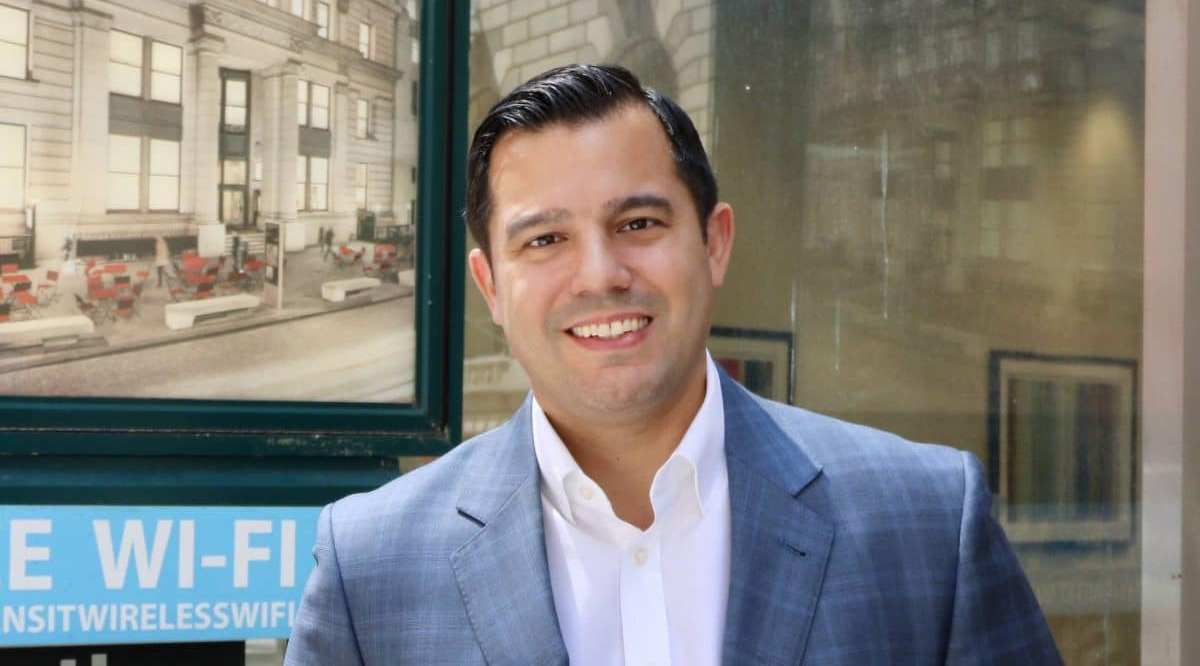
Ben Gagnon, Source: Bitfarms' website
“We're
executing a strategic pivot from an international Bitcoin miner to a North
American energy and compute company,” said CEO Ben Gagnon. “While we
didn't hit all our original growth targets, 2024 was transformative for our
operations and positioning.”
The
company's pending acquisition of Stronghold Digital Mining, expected to
close in Q1 2025, represents the largest merger between public Bitcoin mining
companies to date. This deal will significantly expand Bitfarms' presence in
the U.S. PJM power market and increase its potential capacity to 1.6 gigawatts,
with approximately 66% located in the United States.
Chief
Financial Officer Jeff Lucas highlighted the company's strong liquidity
position of $145 million at year-end, including $60 million in cash. The firm's
Synthetic HODL program, launched in October 2023, generated approximately $18
million in trading profits with a 135% return in U.S. dollar terms before being
closed out in December.
Bitfarms
maintains a healthy Bitcoin treasury of 934 BTC, valued at $87.8 million based
on the December 31 price of $94,000. The company sold 147 BTC in December as
part of its regular treasury management, generating $14.3 million in proceeds.
Publicly
listed Wall Street Bitcoin (BTC) miner Bitfarms (NASDAQ: BITF) ended 2024 with
increased mining hashrate and USD revenues, despite a 41% drop in production
compared to the previous year.
Bitfarms Doubles Hashrate,
Signals Major U.S. Market Push
The Bitcoin
mining operator reported a 97% year-over-year increase in hashrate to 12.8 EH/s
and a 40% improvement in efficiency to 21 watts per terahash. Despite these
gains, the company mined 211 Bitcoin in December, down from 446 in the same
month last year, reflecting increased network difficulty and competitive
pressures in the mining sector.
The
result was among the weaker ones throughout the year, with total production
in 2024 amounting to 2,914 BTC, compared to 4,928 BTC in 2023. However, the
average Bitcoin price in 2024, at nearly $66,000, significantly increased the
value of mined Bitcoins compared to 2023, when the average price was just under
$29,000. As a result, revenue from last year's mining reached $192 million, up
by $50 million.
However,
the company is exploring ways to diversify, recognizing that cryptocurrency
mining is becoming increasingly challenging.
Ben Gagnon, Source: Bitfarms' website
“We're
executing a strategic pivot from an international Bitcoin miner to a North
American energy and compute company,” said CEO Ben Gagnon. “While we
didn't hit all our original growth targets, 2024 was transformative for our
operations and positioning.”
The
company's pending acquisition of Stronghold Digital Mining, expected to
close in Q1 2025, represents the largest merger between public Bitcoin mining
companies to date. This deal will significantly expand Bitfarms' presence in
the U.S. PJM power market and increase its potential capacity to 1.6 gigawatts,
with approximately 66% located in the United States.
Chief
Financial Officer Jeff Lucas highlighted the company's strong liquidity
position of $145 million at year-end, including $60 million in cash. The firm's
Synthetic HODL program, launched in October 2023, generated approximately $18
million in trading profits with a 135% return in U.S. dollar terms before being
closed out in December.
Bitfarms
maintains a healthy Bitcoin treasury of 934 BTC, valued at $87.8 million based
on the December 31 price of $94,000. The company sold 147 BTC in December as
part of its regular treasury management, generating $14.3 million in proceeds.
Damian Chmiel is a Senior Analyst & Editor at Finance Magnates with more than 15 years of experience in the CFD and online trading industry. Active as both a trader and journalist since 2010, he focuses on broker coverage, fintech innovation, and regulatory developments across Europe, the Middle East, and Asia.
His work includes interviews with C-level leaders at major brokerages and fintech platforms, as well as co-authoring Finance Magnates’ quarterly industry benchmarking reports. Damian’s reporting is data-driven, market-aware, and grounded in direct industry engagement. His analysis and commentary have also been cited by external media outlets, including Investing.com, Binance, The Asset, Stockhead, and Dispatch.
Education:
MA in Finance and Accounting, Cracow University of Economics
Kraken Steps Up Speed Race with New Equinix Colocation Service for Crypto Traders
FP Markets Winner Spotlight 🏆 | Global Broker of the Year 2025 #Trading #Broker #Innovation #Shorts
FP Markets Winner Spotlight 🏆 | Global Broker of the Year 2025 #Trading #Broker #Innovation #Shorts
FP Markets takes the spotlight as Global Broker of the Year 2025 at the Finance Magnates Awards.
Martin Stoilov, Head of Client Experience, shares that trust, innovation, and people played a key role in the company’s success, supported by a strong foundation of integrity and client-centricity.
Following this milestone, FP Markets continues to focus on growth, technology investment, and its core values of transparency and excellence.
👉 Be part of FM Awards 2026: https://awards.financemagnates.com/#nominate
FP Markets takes the spotlight as Global Broker of the Year 2025 at the Finance Magnates Awards.
Martin Stoilov, Head of Client Experience, shares that trust, innovation, and people played a key role in the company’s success, supported by a strong foundation of integrity and client-centricity.
Following this milestone, FP Markets continues to focus on growth, technology investment, and its core values of transparency and excellence.
👉 Be part of FM Awards 2026: https://awards.financemagnates.com/#nominate
In this video, we review @HolaPrimeMarketsOfficial, a multi-asset forex and CFDs broker offering different account types, trading platforms, and flexible trading conditions.
We cover the broker’s overall offering, including account options, trading environment, platforms like MT4 and MT5, and additional services such as managed accounts and fast withdrawals.
Watch the full video to see if Hola Prime Markets fits your trading needs.
📣 Stay up to date with the latest in finance and trading. Follow Finance Magnates for industry news, insights, and global event coverage.
Connect with us:
🔗 LinkedIn: /financemagnates
👍 Facebook: /financemagnates
📸 Instagram: https://www.instagram.com/financemagnates
🐦 X: https://x.com/financemagnates
🎥 TikTok: https://www.tiktok.com/tag/financemagnates
▶️ YouTube: /@financemagnates_official
#HolaPrime #ForexBroker #CFDTrading #FinanceMagnates #Trading #Forex #BrokerReview
In this video, we review @HolaPrimeMarketsOfficial, a multi-asset forex and CFDs broker offering different account types, trading platforms, and flexible trading conditions.
We cover the broker’s overall offering, including account options, trading environment, platforms like MT4 and MT5, and additional services such as managed accounts and fast withdrawals.
Watch the full video to see if Hola Prime Markets fits your trading needs.
📣 Stay up to date with the latest in finance and trading. Follow Finance Magnates for industry news, insights, and global event coverage.
Connect with us:
🔗 LinkedIn: /financemagnates
👍 Facebook: /financemagnates
📸 Instagram: https://www.instagram.com/financemagnates
🐦 X: https://x.com/financemagnates
🎥 TikTok: https://www.tiktok.com/tag/financemagnates
▶️ YouTube: /@financemagnates_official
#HolaPrime #ForexBroker #CFDTrading #FinanceMagnates #Trading #Forex #BrokerReview
Hola Prime Review: What You Need to Know | Full Breakdown by Finance Magnates
Hola Prime Review: What You Need to Know | Full Breakdown by Finance Magnates
In this video, we review @HolaPrime_Global, a proprietary trading firm offering evaluation programs and performance-based payouts in simulated market environments.
We cover how the challenge model works, including account types, profit splits (up to 95%), trading rules, and what it takes to reach a funded account. You’ll also learn about available platforms like MT4, MT5, cTrader, and more, along with insights into payouts, support, and trading conditions.
Watch the full video to see if Hola Prime fits your trading style.
📣 Stay up to date with the latest in finance and trading. Follow Finance Magnates for industry news, insights, and global event coverage.
Connect with us:
🔗 LinkedIn: /financemagnates
👍 Facebook: /financemagnates
📸 Instagram: https://www.instagram.com/financemagnates
🐦 X: https://x.com/financemagnates
🎥 TikTok: https://www.tiktok.com/tag/financemagnates
▶️ YouTube: /@financemagnates_official
#HolaPrime #PropFirm #Trading #FinanceMagnates #Forex #FuturesTrading #TradingReview #PropFirmReview
In this video, we review @HolaPrime_Global, a proprietary trading firm offering evaluation programs and performance-based payouts in simulated market environments.
We cover how the challenge model works, including account types, profit splits (up to 95%), trading rules, and what it takes to reach a funded account. You’ll also learn about available platforms like MT4, MT5, cTrader, and more, along with insights into payouts, support, and trading conditions.
Watch the full video to see if Hola Prime fits your trading style.
📣 Stay up to date with the latest in finance and trading. Follow Finance Magnates for industry news, insights, and global event coverage.
Connect with us:
🔗 LinkedIn: /financemagnates
👍 Facebook: /financemagnates
📸 Instagram: https://www.instagram.com/financemagnates
🐦 X: https://x.com/financemagnates
🎥 TikTok: https://www.tiktok.com/tag/financemagnates
▶️ YouTube: /@financemagnates_official
#HolaPrime #PropFirm #Trading #FinanceMagnates #Forex #FuturesTrading #TradingReview #PropFirmReview
Axi Winner Spotlight 🏆 | Global Most Innovative Broker 2025 #Innovation #Trading #Fintech #Broker
Axi Winner Spotlight 🏆 | Global Most Innovative Broker 2025 #Innovation #Trading #Fintech #Broker
Axi takes the spotlight at the Finance Magnates Awards, winning Global Most Innovative Broker 2025.
Olivia Xenofontos and Ivanna Openko share how the team will feel: proud, motivated, and ready to keep delivering.
They also describe the night as well-organized, focused, and enjoyable for all.
👉 Be part of FM Awards 2026.
Axi takes the spotlight at the Finance Magnates Awards, winning Global Most Innovative Broker 2025.
Olivia Xenofontos and Ivanna Openko share how the team will feel: proud, motivated, and ready to keep delivering.
They also describe the night as well-organized, focused, and enjoyable for all.
👉 Be part of FM Awards 2026.
Recognition that matters.
Built on transparency.
Driven by the industry.
The Finance Magnates Awards 2026.
Nominations are now open.
🔗 https://awards.financemagnates.com/?utm_source=SM&utm_medium=social&utm_campaign=recognition-matters
Recognition that matters.
Built on transparency.
Driven by the industry.
The Finance Magnates Awards 2026.
Nominations are now open.
🔗 https://awards.financemagnates.com/?utm_source=SM&utm_medium=social&utm_campaign=recognition-matters