Former BIT Mining CEO faces federal charges for orchestrating a $1.9 million bribery scheme targeting Japanese officials.
The BTC mining company has agreed to pay $14 million in penalties and entered a three-year deferred prosecution agreement.
US
authorities have charged the former CEO of Bitcoin (BTC) mining company from
Wall Street, BIT Mining Ltd (NYSE: BTCM), with orchestrating a
multimillion-dollar bribery scheme targeting Japanese officials. The company
agreed to pay $14 million in combined penalties to resolve related
investigations.
Former CEO of Wall Street
Bitcoin Miner Indicted
Zhengming
Pan, a Chinese national who led the company when it was known as 500.com, faces
multiple counts of violating the Foreign Corrupt Practices Act (FCPA). A
federal grand jury in New Jersey returned an indictment charging Pan with
conspiracy to violate anti-bribery provisions and books and records violations,
stemming from his alleged direction of approximately $1.9 million in bribes to
Japanese government officials between 2017 and 2019.
The
elaborate scheme, which ultimately failed to secure the desired casino rights,
involved a complex web of third-party consultants who helped facilitate
payments in the form of cash, entertainment, and lavish trips. These
consultants were allegedly engaged by Pan to both execute and conceal the
bribes through fraudulent contracts and false expense recordings.

Principal Deputy Assistant Attorney General Nicole M. Argentieri
Principal
Deputy Assistant Attorney General Nicole M. Argentieri emphasized the
significance of the case, stating that the charges demonstrate the department's
commitment to holding both corporate entities and individual wrongdoers
accountable for their actions. The investigation revealed that the corruption
extended to the highest levels of the company's leadership.
“BIT
Mining, under the alleged direction of then-CEO Zhengming Pan, agreed to pay
nearly $2 million in bribes to Japanese government officials to win a contract
to open a lucrative resort and casino in Japan,” commented Argentieri.
The
settlement includes a three-year deferred prosecution agreement (DPA) with the Department
of Justice (DoJ), under which BIT Mining will pay a $10 million criminal
penalty. While the US Sentencing Guidelines initially calculated a penalty of
$54 million, authorities significantly reduced the amount after considering the
company's financial condition and inability to pay the full amount.
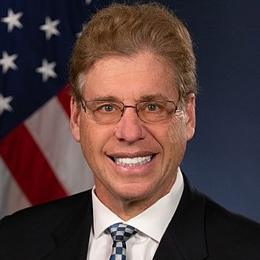
US Attorney Philip R. Sellinger for the District of New Jersey
“Paying
bribes to foreign government officials is a serious crime,” added US Attorney
Philip R. Sellinger for the District of New Jersey. “The top leadership of BIT
Mining, then known as 500.com, directed consultants to pay bribes to Japanese
government officials to win a bid to open a large resort in Japan.”
Last year,
the Department of Justice imprisoned another crypto kingpin who was sentenced
to 12 years behind bars for a $100 million Ponzi scheme.
Separate Fine from SEC
In a
parallel action, the Securities and Exchange Commission (SEC) imposed a $4
million civil penalty, which will be credited against the Justice
Department's criminal fine. The SEC's investigation
uncovered that the total value of illicit payments and benefits provided to
Japanese officials reached approximately $2.5 million.
The
company's cooperation with investigators, though described as “reactive
and limited” by authorities, included the voluntary production of
documents from foreign countries and assistance with translations. The Wall Street Bitcoin
miner has since undertaken substantial remedial measures to prevent future
violations.
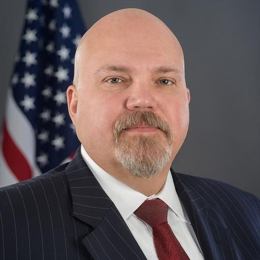
Charles E. Cain, Chief of the SEC Enforcement Division's FCPA Unit
“Investors
must have confidence that the operations and performance of public companies
reflect merit and legitimate considerations,” Charles E. Cain, Chief of the SEC
Enforcement Division's FCPA Unit, highlighted the broader implications of the
case. “Bribery and corruption turn that dynamic on its head, distorting the
orderly operation of the markets and undermining investor confidence.”
As part of
its corporate reformation, BIT Mining has implemented changes to its governance
structure. The company has strengthened its board oversight of compliance
risks, established new anti-corruption policies, and incorporated compliance
criteria into senior management performance evaluations. Perhaps most significantly,
the company has shifted its business model toward lower-risk industries and
reduced its presence in high-risk regions.
US
authorities have charged the former CEO of Bitcoin (BTC) mining company from
Wall Street, BIT Mining Ltd (NYSE: BTCM), with orchestrating a
multimillion-dollar bribery scheme targeting Japanese officials. The company
agreed to pay $14 million in combined penalties to resolve related
investigations.
Former CEO of Wall Street
Bitcoin Miner Indicted
Zhengming
Pan, a Chinese national who led the company when it was known as 500.com, faces
multiple counts of violating the Foreign Corrupt Practices Act (FCPA). A
federal grand jury in New Jersey returned an indictment charging Pan with
conspiracy to violate anti-bribery provisions and books and records violations,
stemming from his alleged direction of approximately $1.9 million in bribes to
Japanese government officials between 2017 and 2019.
The
elaborate scheme, which ultimately failed to secure the desired casino rights,
involved a complex web of third-party consultants who helped facilitate
payments in the form of cash, entertainment, and lavish trips. These
consultants were allegedly engaged by Pan to both execute and conceal the
bribes through fraudulent contracts and false expense recordings.
Principal Deputy Assistant Attorney General Nicole M. Argentieri
Principal
Deputy Assistant Attorney General Nicole M. Argentieri emphasized the
significance of the case, stating that the charges demonstrate the department's
commitment to holding both corporate entities and individual wrongdoers
accountable for their actions. The investigation revealed that the corruption
extended to the highest levels of the company's leadership.
“BIT
Mining, under the alleged direction of then-CEO Zhengming Pan, agreed to pay
nearly $2 million in bribes to Japanese government officials to win a contract
to open a lucrative resort and casino in Japan,” commented Argentieri.
The
settlement includes a three-year deferred prosecution agreement (DPA) with the Department
of Justice (DoJ), under which BIT Mining will pay a $10 million criminal
penalty. While the US Sentencing Guidelines initially calculated a penalty of
$54 million, authorities significantly reduced the amount after considering the
company's financial condition and inability to pay the full amount.
US Attorney Philip R. Sellinger for the District of New Jersey
“Paying
bribes to foreign government officials is a serious crime,” added US Attorney
Philip R. Sellinger for the District of New Jersey. “The top leadership of BIT
Mining, then known as 500.com, directed consultants to pay bribes to Japanese
government officials to win a bid to open a large resort in Japan.”
Last year,
the Department of Justice imprisoned another crypto kingpin who was sentenced
to 12 years behind bars for a $100 million Ponzi scheme.
Separate Fine from SEC
In a
parallel action, the Securities and Exchange Commission (SEC) imposed a $4
million civil penalty, which will be credited against the Justice
Department's criminal fine. The SEC's investigation
uncovered that the total value of illicit payments and benefits provided to
Japanese officials reached approximately $2.5 million.
The
company's cooperation with investigators, though described as “reactive
and limited” by authorities, included the voluntary production of
documents from foreign countries and assistance with translations. The Wall Street Bitcoin
miner has since undertaken substantial remedial measures to prevent future
violations.
Charles E. Cain, Chief of the SEC Enforcement Division's FCPA Unit
“Investors
must have confidence that the operations and performance of public companies
reflect merit and legitimate considerations,” Charles E. Cain, Chief of the SEC
Enforcement Division's FCPA Unit, highlighted the broader implications of the
case. “Bribery and corruption turn that dynamic on its head, distorting the
orderly operation of the markets and undermining investor confidence.”
As part of
its corporate reformation, BIT Mining has implemented changes to its governance
structure. The company has strengthened its board oversight of compliance
risks, established new anti-corruption policies, and incorporated compliance
criteria into senior management performance evaluations. Perhaps most significantly,
the company has shifted its business model toward lower-risk industries and
reduced its presence in high-risk regions.
Damian's adventure with financial markets began at the Cracow University of Economics, where he obtained his MA in finance and accounting. Starting from the retail trader perspective, he collaborated with brokerage houses and financial portals in Poland as an independent editor and content manager. His adventure with Finance Magnates began in 2016, where he is working as a business intelligence analyst.
Kalshi Prediction Market and TRON Integration Bridges Traditional Finance with Crypto
Featured Videos
Executive Interview | Charlotte Bullock | Chief Product Officer, Bank of London | FMLS:25
In this interview, we sat down with Charlotte Bullock, Head of Product at The Bank of London, previously at SAP and now shaping product at one of the sector’s most ambitious new banking players.
Charlotte reflects on the Summit so far and talks about the culture inside fintech banks today. We look at the pressures that come with scaling, and how firms can hold onto the nimble approach that made them stand out early on.
We also cover the state of payments ahead of her appearance on the payments roundtable: the blockages financial firms face, the areas that still need fixing, and what a realistic solution looks like in 2026.
In this interview, we sat down with Charlotte Bullock, Head of Product at The Bank of London, previously at SAP and now shaping product at one of the sector’s most ambitious new banking players.
Charlotte reflects on the Summit so far and talks about the culture inside fintech banks today. We look at the pressures that come with scaling, and how firms can hold onto the nimble approach that made them stand out early on.
We also cover the state of payments ahead of her appearance on the payments roundtable: the blockages financial firms face, the areas that still need fixing, and what a realistic solution looks like in 2026.
In this interview, we sat down with Charlotte Bullock, Head of Product at The Bank of London, previously at SAP and now shaping product at one of the sector’s most ambitious new banking players.
Charlotte reflects on the Summit so far and talks about the culture inside fintech banks today. We look at the pressures that come with scaling, and how firms can hold onto the nimble approach that made them stand out early on.
We also cover the state of payments ahead of her appearance on the payments roundtable: the blockages financial firms face, the areas that still need fixing, and what a realistic solution looks like in 2026.
In this interview, we sat down with Charlotte Bullock, Head of Product at The Bank of London, previously at SAP and now shaping product at one of the sector’s most ambitious new banking players.
Charlotte reflects on the Summit so far and talks about the culture inside fintech banks today. We look at the pressures that come with scaling, and how firms can hold onto the nimble approach that made them stand out early on.
We also cover the state of payments ahead of her appearance on the payments roundtable: the blockages financial firms face, the areas that still need fixing, and what a realistic solution looks like in 2026.
In this conversation, we sit down with Drew Niv, CSO at ATFX Connect and one of the most influential figures in modern FX.
We speak about market structure, the institutional view on liquidity, and the sharp rise of prop trading, a sector Drew has been commenting on in recent months. Drew explains why he once dismissed prop trading, why his view changed, and what he now thinks the model means for brokers, clients and risk managers.
We explore subscription-fee dependency, the high reneging rate, and the long-term challenge: how brokers can build a more stable and honest version of the model. Drew also talks about the traffic advantage standalone prop firms have built and why brokers may still win in the long run if they take the right approach.
In this conversation, we sit down with Drew Niv, CSO at ATFX Connect and one of the most influential figures in modern FX.
We speak about market structure, the institutional view on liquidity, and the sharp rise of prop trading, a sector Drew has been commenting on in recent months. Drew explains why he once dismissed prop trading, why his view changed, and what he now thinks the model means for brokers, clients and risk managers.
We explore subscription-fee dependency, the high reneging rate, and the long-term challenge: how brokers can build a more stable and honest version of the model. Drew also talks about the traffic advantage standalone prop firms have built and why brokers may still win in the long run if they take the right approach.
In this conversation, we sit down with Drew Niv, CSO at ATFX Connect and one of the most influential figures in modern FX.
We speak about market structure, the institutional view on liquidity, and the sharp rise of prop trading, a sector Drew has been commenting on in recent months. Drew explains why he once dismissed prop trading, why his view changed, and what he now thinks the model means for brokers, clients and risk managers.
We explore subscription-fee dependency, the high reneging rate, and the long-term challenge: how brokers can build a more stable and honest version of the model. Drew also talks about the traffic advantage standalone prop firms have built and why brokers may still win in the long run if they take the right approach.
In this conversation, we sit down with Drew Niv, CSO at ATFX Connect and one of the most influential figures in modern FX.
We speak about market structure, the institutional view on liquidity, and the sharp rise of prop trading, a sector Drew has been commenting on in recent months. Drew explains why he once dismissed prop trading, why his view changed, and what he now thinks the model means for brokers, clients and risk managers.
We explore subscription-fee dependency, the high reneging rate, and the long-term challenge: how brokers can build a more stable and honest version of the model. Drew also talks about the traffic advantage standalone prop firms have built and why brokers may still win in the long run if they take the right approach.
In this conversation, we sit down with Drew Niv, CSO at ATFX Connect and one of the most influential figures in modern FX.
We speak about market structure, the institutional view on liquidity, and the sharp rise of prop trading, a sector Drew has been commenting on in recent months. Drew explains why he once dismissed prop trading, why his view changed, and what he now thinks the model means for brokers, clients and risk managers.
We explore subscription-fee dependency, the high reneging rate, and the long-term challenge: how brokers can build a more stable and honest version of the model. Drew also talks about the traffic advantage standalone prop firms have built and why brokers may still win in the long run if they take the right approach.
In this conversation, we sit down with Drew Niv, CSO at ATFX Connect and one of the most influential figures in modern FX.
We speak about market structure, the institutional view on liquidity, and the sharp rise of prop trading, a sector Drew has been commenting on in recent months. Drew explains why he once dismissed prop trading, why his view changed, and what he now thinks the model means for brokers, clients and risk managers.
We explore subscription-fee dependency, the high reneging rate, and the long-term challenge: how brokers can build a more stable and honest version of the model. Drew also talks about the traffic advantage standalone prop firms have built and why brokers may still win in the long run if they take the right approach.
Executive Interview | Remonda Z. Kirketerp Møller| CEO & Founder Muinmos | FMLS:25
In this interview, Remonda Z. Kirketerp Møller, founder of Muinmos, breaks down the state of AI in regtech and what responsible adoption really looks like for brokers. We talk about rising fragmentation, the pressures around compliance accuracy, and why most firms are still in the early stages of AI maturity.
Ramanda also shares insights on regulator sandboxes, shifting expectations around accountability, and the current reality of MiCA licensing and passporting in Europe.
A concise look at where compliance, onboarding, and AI-driven processes are heading next.
In this interview, Remonda Z. Kirketerp Møller, founder of Muinmos, breaks down the state of AI in regtech and what responsible adoption really looks like for brokers. We talk about rising fragmentation, the pressures around compliance accuracy, and why most firms are still in the early stages of AI maturity.
Ramanda also shares insights on regulator sandboxes, shifting expectations around accountability, and the current reality of MiCA licensing and passporting in Europe.
A concise look at where compliance, onboarding, and AI-driven processes are heading next.
In this interview, Remonda Z. Kirketerp Møller, founder of Muinmos, breaks down the state of AI in regtech and what responsible adoption really looks like for brokers. We talk about rising fragmentation, the pressures around compliance accuracy, and why most firms are still in the early stages of AI maturity.
Ramanda also shares insights on regulator sandboxes, shifting expectations around accountability, and the current reality of MiCA licensing and passporting in Europe.
A concise look at where compliance, onboarding, and AI-driven processes are heading next.
In this interview, Remonda Z. Kirketerp Møller, founder of Muinmos, breaks down the state of AI in regtech and what responsible adoption really looks like for brokers. We talk about rising fragmentation, the pressures around compliance accuracy, and why most firms are still in the early stages of AI maturity.
Ramanda also shares insights on regulator sandboxes, shifting expectations around accountability, and the current reality of MiCA licensing and passporting in Europe.
A concise look at where compliance, onboarding, and AI-driven processes are heading next.
In this interview, Remonda Z. Kirketerp Møller, founder of Muinmos, breaks down the state of AI in regtech and what responsible adoption really looks like for brokers. We talk about rising fragmentation, the pressures around compliance accuracy, and why most firms are still in the early stages of AI maturity.
Ramanda also shares insights on regulator sandboxes, shifting expectations around accountability, and the current reality of MiCA licensing and passporting in Europe.
A concise look at where compliance, onboarding, and AI-driven processes are heading next.
In this interview, Remonda Z. Kirketerp Møller, founder of Muinmos, breaks down the state of AI in regtech and what responsible adoption really looks like for brokers. We talk about rising fragmentation, the pressures around compliance accuracy, and why most firms are still in the early stages of AI maturity.
Ramanda also shares insights on regulator sandboxes, shifting expectations around accountability, and the current reality of MiCA licensing and passporting in Europe.
A concise look at where compliance, onboarding, and AI-driven processes are heading next.
In this conversation, we speak with Aydin Bonabi, CEO and co-founder of Surveill, a firm focused on fraud detection and AI-driven compliance tools for financial institutions.
We start with Aydin’s view of the Summit and the challenges brokers face as fraud tactics grow more complex. He explains how firms can stay ahead through real-time signals, data patterns, and early-stage detection.
We also talk about AI training and why compliance teams often struggle to keep models accurate, fair, and aligned with regulatory expectations. Aydin breaks down what “good” AI training looks like inside a financial environment, including the importance of clean data, domain expertise, and human oversight.
He closes with a clear message: fraud is scaling, and so must the tools that stop it.
In this conversation, we speak with Aydin Bonabi, CEO and co-founder of Surveill, a firm focused on fraud detection and AI-driven compliance tools for financial institutions.
We start with Aydin’s view of the Summit and the challenges brokers face as fraud tactics grow more complex. He explains how firms can stay ahead through real-time signals, data patterns, and early-stage detection.
We also talk about AI training and why compliance teams often struggle to keep models accurate, fair, and aligned with regulatory expectations. Aydin breaks down what “good” AI training looks like inside a financial environment, including the importance of clean data, domain expertise, and human oversight.
He closes with a clear message: fraud is scaling, and so must the tools that stop it.
In this conversation, we speak with Aydin Bonabi, CEO and co-founder of Surveill, a firm focused on fraud detection and AI-driven compliance tools for financial institutions.
We start with Aydin’s view of the Summit and the challenges brokers face as fraud tactics grow more complex. He explains how firms can stay ahead through real-time signals, data patterns, and early-stage detection.
We also talk about AI training and why compliance teams often struggle to keep models accurate, fair, and aligned with regulatory expectations. Aydin breaks down what “good” AI training looks like inside a financial environment, including the importance of clean data, domain expertise, and human oversight.
He closes with a clear message: fraud is scaling, and so must the tools that stop it.
In this conversation, we speak with Aydin Bonabi, CEO and co-founder of Surveill, a firm focused on fraud detection and AI-driven compliance tools for financial institutions.
We start with Aydin’s view of the Summit and the challenges brokers face as fraud tactics grow more complex. He explains how firms can stay ahead through real-time signals, data patterns, and early-stage detection.
We also talk about AI training and why compliance teams often struggle to keep models accurate, fair, and aligned with regulatory expectations. Aydin breaks down what “good” AI training looks like inside a financial environment, including the importance of clean data, domain expertise, and human oversight.
He closes with a clear message: fraud is scaling, and so must the tools that stop it.
In this conversation, we speak with Aydin Bonabi, CEO and co-founder of Surveill, a firm focused on fraud detection and AI-driven compliance tools for financial institutions.
We start with Aydin’s view of the Summit and the challenges brokers face as fraud tactics grow more complex. He explains how firms can stay ahead through real-time signals, data patterns, and early-stage detection.
We also talk about AI training and why compliance teams often struggle to keep models accurate, fair, and aligned with regulatory expectations. Aydin breaks down what “good” AI training looks like inside a financial environment, including the importance of clean data, domain expertise, and human oversight.
He closes with a clear message: fraud is scaling, and so must the tools that stop it.
In this conversation, we speak with Aydin Bonabi, CEO and co-founder of Surveill, a firm focused on fraud detection and AI-driven compliance tools for financial institutions.
We start with Aydin’s view of the Summit and the challenges brokers face as fraud tactics grow more complex. He explains how firms can stay ahead through real-time signals, data patterns, and early-stage detection.
We also talk about AI training and why compliance teams often struggle to keep models accurate, fair, and aligned with regulatory expectations. Aydin breaks down what “good” AI training looks like inside a financial environment, including the importance of clean data, domain expertise, and human oversight.
He closes with a clear message: fraud is scaling, and so must the tools that stop it.
Exness expands its presence in Africa: Inside our interview with Paul Margarites in Cape Town
Finance Magnates met with Paul Margarites, Exness regional commercial director for Sub-Saharan Africa, during a visit to the firm’s office opening in Cape Town. In this talk, led by Andrea Badiola Mateos, Co-CEO at Finance Magnates, Paul shares views on the South African trading space, local user behavior, mobile trends, regulation, team growth, and how Exness plans to grow in more markets across the region. @Exness
Read the article at: https://www.financemagnates.com/thought-leadership/exness-expands-its-presence-in-africa-inside-our-interview-with-paul-margarites/
#exness #financemagnates #exnesstrading #CFDtrading #tradeonline #africanews #capetown
Finance Magnates met with Paul Margarites, Exness regional commercial director for Sub-Saharan Africa, during a visit to the firm’s office opening in Cape Town. In this talk, led by Andrea Badiola Mateos, Co-CEO at Finance Magnates, Paul shares views on the South African trading space, local user behavior, mobile trends, regulation, team growth, and how Exness plans to grow in more markets across the region. @Exness
Read the article at: https://www.financemagnates.com/thought-leadership/exness-expands-its-presence-in-africa-inside-our-interview-with-paul-margarites/
#exness #financemagnates #exnesstrading #CFDtrading #tradeonline #africanews #capetown
Finance Magnates met with Paul Margarites, Exness regional commercial director for Sub-Saharan Africa, during a visit to the firm’s office opening in Cape Town. In this talk, led by Andrea Badiola Mateos, Co-CEO at Finance Magnates, Paul shares views on the South African trading space, local user behavior, mobile trends, regulation, team growth, and how Exness plans to grow in more markets across the region. @Exness
Read the article at: https://www.financemagnates.com/thought-leadership/exness-expands-its-presence-in-africa-inside-our-interview-with-paul-margarites/
#exness #financemagnates #exnesstrading #CFDtrading #tradeonline #africanews #capetown
Finance Magnates met with Paul Margarites, Exness regional commercial director for Sub-Saharan Africa, during a visit to the firm’s office opening in Cape Town. In this talk, led by Andrea Badiola Mateos, Co-CEO at Finance Magnates, Paul shares views on the South African trading space, local user behavior, mobile trends, regulation, team growth, and how Exness plans to grow in more markets across the region. @Exness
Read the article at: https://www.financemagnates.com/thought-leadership/exness-expands-its-presence-in-africa-inside-our-interview-with-paul-margarites/
#exness #financemagnates #exnesstrading #CFDtrading #tradeonline #africanews #capetown
Finance Magnates met with Paul Margarites, Exness regional commercial director for Sub-Saharan Africa, during a visit to the firm’s office opening in Cape Town. In this talk, led by Andrea Badiola Mateos, Co-CEO at Finance Magnates, Paul shares views on the South African trading space, local user behavior, mobile trends, regulation, team growth, and how Exness plans to grow in more markets across the region. @Exness
Read the article at: https://www.financemagnates.com/thought-leadership/exness-expands-its-presence-in-africa-inside-our-interview-with-paul-margarites/
#exness #financemagnates #exnesstrading #CFDtrading #tradeonline #africanews #capetown
Finance Magnates met with Paul Margarites, Exness regional commercial director for Sub-Saharan Africa, during a visit to the firm’s office opening in Cape Town. In this talk, led by Andrea Badiola Mateos, Co-CEO at Finance Magnates, Paul shares views on the South African trading space, local user behavior, mobile trends, regulation, team growth, and how Exness plans to grow in more markets across the region. @Exness
Read the article at: https://www.financemagnates.com/thought-leadership/exness-expands-its-presence-in-africa-inside-our-interview-with-paul-margarites/
#exness #financemagnates #exnesstrading #CFDtrading #tradeonline #africanews #capetown