As the cryptocurrency industry matures, crypto companies must consider the communities they serve.
The world is changing fast--so fast, in fact, that various aspects of global society are not able to keep up with one another. As technology continues to develop with lightning speed, legal systems created in a pre-internet and pre-computing world struggle to keep up with the pace of development in a number of different fields.
As a result, cryptocurrency companies have had to forge their own paths. Unfortunately, some companies have taken advantage of the unregulated markets for all they’re worth, creating malicious platforms and products that have ruined lives. But for those that have chosen to take the “high road”, standards of technical safety and ethical behavior have had to be decided independently--with mixed results.
Indeed, the issue of ethical standards for cryptocurrency companies came up recently when cryptocurrency wallet and exchange company Coinbase purchased blockchain analytics firm Neutrino. Some of the executive members of the firm had previously served as executives for Hacking Team, a software firm that collaborated with oppressive governmental regimes to create tools that were used to harm activists and track citizens’ behaviors.
The incident resulted in the creation of the #DeleteCoinbase movement, a hashtag that encouraged users to cancel their Coinbase accounts and delete the app from their devices. Coinbase responded by firing the executives who had worked at Hacking Team.
Coinbase’ Neutrino acquisition wasn’t just a PR nightmare for the company--it also stirred up some important questions for ethics in the cryptocurrency industry.
What kind of behavior should the cryptocurrency community expect from the products and services it uses? What responsibilities do cryptocurrency companies hold to the communities they serve and the communities they establish themselves in? And what are the social responsibilities of cryptocurrency companies?
What is Social Responsibility?
Indeed, as such a new industry, the cryptocurrency sector is facing some unique ethical challenges. While some of these challenges are parallel to those faced by some other parts of the tech world, the crypto community is in the process of establishing its own ethical code.
But in order to know what crypto companies should be aiming for, we must first understand what their ethical requirements should be.
Social compliance auditor and owner of Social Compliance Solutions Vita Alyason told Finance Magnates that "social responsibility is an ethical theory, In which we as individuals are accountable for our own actions. As such, we should make sure that our actions and decisions will benefit both society and the environment."
For corporations and businesses, this means that they "are expected to make the welfare of society a priority when they make decisions, rather than focus exclusively on profits." In other words, "in their daily operations, businesses should be concerned about the welfare of society and mindful of how its actions could affect society as a whole."
Vita Alyason, Social Compliance Auditor.
And these companies shouldn't just act in a socially responsible way to contribute to the "greater good"--consumers are starting to expect that corporations find ways to contribute to society. Alyason explained that "nowadays, we can see that consumers around the world, holding corporations accountable for effecting social change with their business beliefs, practices and profits."
"In some cases, consumers even turn their back on their favorite companies if they believe they're not taking a stand for social and environmental issues," Alyason added.
In a practical sense, this means that companies will have "fair labor practices within their own companies and within the supply chain around the world (mainly if production activities, conducted in developing countries)"; that they will "[incorporate] ethical standards (mainly going above and beyond the legal requirements)' and "[implement] environmentally sustainable practices."
Applying Centralized Standards to a Decentralized Technology
Bitcoin’s decentralization offered several attractive features. It was a currency that wasn’t attached to any government, meaning that its value was based on the fact that people used it rather than having an external value assigned to it. It was also the most anonymous form of digital money available, meaning that it could be used and stored without being tracked by the tax man (or any other agency, for that matter).
"So what qualifies as “unethical” in the #marketing world? #Ethics are obviously open to debate; they’re a matter of philosophy, rather than science, so there’s no coherent intrinsic ethical stance that is proven to be the right one."#crypto
— Crypto Coffee ☕ [Espresso Maximalist] (@Kristen_Colwell) February 9, 2019
However, the culture around the way that Bitcoin and other cryptocurrencies are used and thought of has changed considerably. Now, it is bought and sold by institutional investors; it is accepted by legitimate online retailers, airlines, and even some government agencies as a form of payment.
As such, individual corporations often have an uncomfortable amount of control over the supposedly “decentralized” networks that they are associated with. The implications of this are twofold: first, that these corporations have an ethical responsibility to ensure that their centralized power over BTC doesn't compromise the security of the network.
The second part of it is that we can't look at something like Bitcoin and say, "well, it runs itself"--there are companies that are responsible for much of the Bitcoin network.
In the case of Bitcoin in particular, we should expect that companies who are working in mining should be making every effort to make their practices as sustainable as possible. By some estimates, the Bitcoin network uses as much energy as a small country every year--a huge environmental impact.
"According to a 2011 study by the MIT Sloan Management Review, sustainability has become a permanent component of 70 percent of business agendas," Alyason wrote. This is something that crypto users can--and should--expect from mining companies and other platforms.
Crypto Companies Who Headquarter Themselves in Remote Locations May Alienate Users
This can be especially problematic when the fact that it’s very easy for a cryptocurrency company to be out of touch with its users. Cryptocurrencies and their associated platforms are used on global scales--however, the companies that are ostensibly responsible for them are often based in remote locations.
“As the Americans say, a company must be community-like, that is, ‘involved’ in the life of the area, the city where its headquarters are located or where its activities take place,” wrote Vladislav Ginko, an Analyst working in the Presidential Putin Academy, in a post for DeCenter.org.
The cryptocurrency industry is unique is that its activities take place in the global community. A company based in Malta may have customers all over the world. Therefore, when we think about 'community' as it relates to cryptocurrency, we must consider the fact that cryptocurrency companies operate both in the local sense (where they are physically located) and the global sense (the worldwide userbase that they serve.)
For the global community, the remote locations of many crypto company headquarters--including Seychelles, Cagayan, and “even Malta...gives the impression that the activities of these companies have been enclosed in an island state.”
Ginko went onto say that although modern methods of communication possible with the touch of a button, “ these methods of interaction cannot replace the personal communication of representatives of the cryptocurrency business.”
And indeed, communication between cryptocurrency platforms and their customers has been one of the industry’s main pain points. A simple google search on nearly any company--even those with the best reputations--will reveal cases of customers feeling desperate, helpless, and unheard.
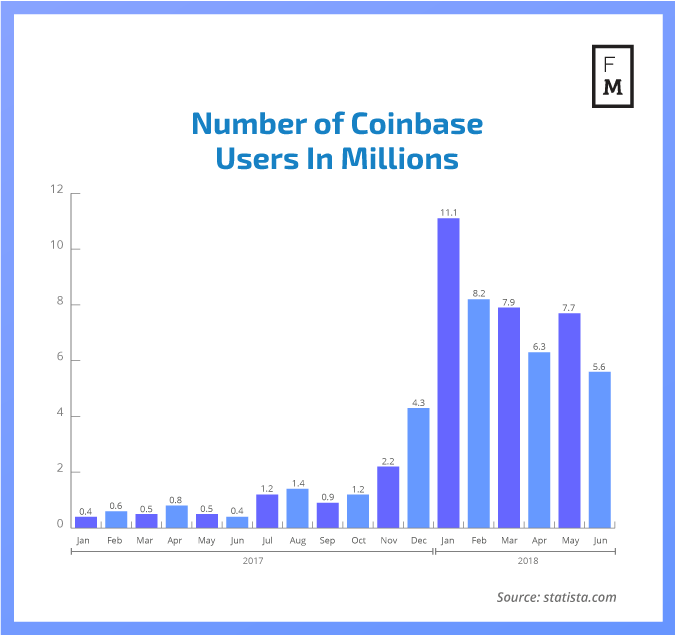
At one point, reports of terrible customer service even plagued Coinbase. However, the company explained that their poor service was due to a sudden explosion in new users.
In the worst cases, this lack of communication is outright negligence--companies can use their remote status as a way to remain blameless when customers can't get the help they need.
This culture of a lack of communication isn’t just bad for customers--it’s also bad for businesses. “Widely cited market surveys, such as Oracle’s suite of customer experience (CX) studies, indicate consumers are likely to abandon a business because of a poor experience,” reads a post from Telus International. “In fact, a majority of customers are even willing to pay more for a similar product to get the service they want.”
And indeed, the lack of regulations in the cryptocurrency industry often means that when companies have made a mistake, its the users--not the law--that decides the consequences. And people tend to “vote with their feet”; in other words, if they don’t like a platform or its decisions, they’re likely to abandon it.
With a wider variety of cryptocurrency platforms than ever before, platforms which show the most personal care for their customers are likely to win out over those who skimp on customer service. Simultaneously--and whether or not they realize it--these companies are contributing to a new ethical culture on how users can and should be treated.
Crypto Companies Must Take Care of the Communities Where They Have Established Themselves
Related to the issue of globalism in cryptocurrency is also the contributions that cryptocurrency companies make to local economies, Ginko writes.
For example, “the share of Bitcoin in the Russian economy at the beginning of the year [2018] was estimated at no less than five percent of the GDP, according to Citigroup,” he explained. Meanwhile, “the GDP growth rate, which, according to the IMF is estimated at 1.7 percent this year.
“[This] means that Russia's cryptocurrency sector is key to its development. It creates jobs, and also supports the energy sector of the economy by creating additional demand for its products,” he said, adding that the development of the cryptocurrency industry in Russia “is launching modernization processes in many sectors.”
Indeed, cryptocurrency companies often plant themselves in jurisdictions with developing economies, often due to the fact that these jurisdictions are usually the most ‘hands-off’ when it comes to regulations. This is why so many cryptocurrency companies are established in areas of the Carribean, parts of Africa, and developing regions of Asia; costs are low and regulations are loose.
Additionally, these jurisdictions are often very happy to have the business that crypto companies bring, and will work with them to make their conditions as comfortable as possible.
"Wherever there is potentially money, markets, and power, there is corruption and fraudulent behavior." @Crypto_Strong
However, companies who choose to establish themselves in developing jurisdictions must treat those jurisdictions--and the individuals who live in them--with respect. This means that companies should attempt to hire locally as often as possible, and should work with the communities they inhabit to provide them with products and services that they need.
Some companies have even launched charitable and educational initiatives in the jurisdictions that they operate in. One of these is Paxful, an Estonian-based cryptocurrency exchange that conducts much of its business in various parts of Africa.
In addition to #BuiltWithBitcoin, Ray pointed out that Bitcoin and the cryptocurrency industry have the power to help people who previously did not have access to the capital needed to start businesses. “There are many young entrepreneurs who have the means, have the resources, have ambition, and are very well-educated and want to build businesses, want to help the world,” he told FM.
“When you help them help themselves to build their own businesses and create their own wealth–and get Bitcoin in to the hands of people around them–you’re making ‘nodes of prosperity.’ They will hire their friends and family, and then bring in other people. That’s how it starts.”
User Data is a Long-Standing Pain Point for the Crypto Industry
Another huge issue related to customer experience on cryptocurrency platforms is data security and usage. While cryptocurrency networks themselves are decentralized, most platforms are not. Centralized cryptocurrency exchanges know who their users are, and are increasingly more often required to monitor their activity for “suspicious” behavior.
It was the issue of data security that caused Coinbase to purchase Neutrino. Coinbase expressed the need to bring blockchain analytics services “in-house” as previous companies were supposedly selling Coinbase user data.
So Cocaine, Brown sugar, Tobacco, LSD, tranquilizers also have large user base and fat margins.
And indeed, user data has been another pain point for the cryptocurrency industry. While most cryptocurrency exchanges have focused their security efforts on securing users’ funds, personal data has (in some cases) fallen to the wayside.
Take, for example, the incident in which Bittrex accidentally leaked users’ passport images in late 2017. Another round of reports circulated in January of this year when a deep-web vendor began selling KYC documents from users of a number of large exchanges, including Bittrex, Poloniex, Bitfinex, and Binance.
In an age when data is the most valuable asset that we have, it’s clear that exchanges need to do a better job of keeping their users’ information safe from harm.
Indeed, the cryptocurrency industry must improve its ethical standards in a number of areas. Luckily, there are many ways to do this--"there are a variety of actions that corporations may implement in order to achieve a culture of social responsibility," Alyason said.
"However, in my own point of view, the first and most important thing will be establishing a state of mind within the business which focuses on the Social Responsibility and not only profits (and this starts with the top management)," she continued.
"When the top management is committed and driven to incorporate ethics and transparency as the basic stones of the company, then the whole company will adhere to create a culture of social responsibility. I believe that transparency by corporations and suppliers is the main tool for promoting, in practice, awareness and public debate on social issues."
And remember--what's good for the goose is good for the gander. "There are lots of studies which show that the more the company acts responsibly and ethically, the more profits she gains."
The world is changing fast--so fast, in fact, that various aspects of global society are not able to keep up with one another. As technology continues to develop with lightning speed, legal systems created in a pre-internet and pre-computing world struggle to keep up with the pace of development in a number of different fields.
As a result, cryptocurrency companies have had to forge their own paths. Unfortunately, some companies have taken advantage of the unregulated markets for all they’re worth, creating malicious platforms and products that have ruined lives. But for those that have chosen to take the “high road”, standards of technical safety and ethical behavior have had to be decided independently--with mixed results.
Indeed, the issue of ethical standards for cryptocurrency companies came up recently when cryptocurrency wallet and exchange company Coinbase purchased blockchain analytics firm Neutrino. Some of the executive members of the firm had previously served as executives for Hacking Team, a software firm that collaborated with oppressive governmental regimes to create tools that were used to harm activists and track citizens’ behaviors.
The incident resulted in the creation of the #DeleteCoinbase movement, a hashtag that encouraged users to cancel their Coinbase accounts and delete the app from their devices. Coinbase responded by firing the executives who had worked at Hacking Team.
Coinbase’ Neutrino acquisition wasn’t just a PR nightmare for the company--it also stirred up some important questions for ethics in the cryptocurrency industry.
What kind of behavior should the cryptocurrency community expect from the products and services it uses? What responsibilities do cryptocurrency companies hold to the communities they serve and the communities they establish themselves in? And what are the social responsibilities of cryptocurrency companies?
What is Social Responsibility?
Indeed, as such a new industry, the cryptocurrency sector is facing some unique ethical challenges. While some of these challenges are parallel to those faced by some other parts of the tech world, the crypto community is in the process of establishing its own ethical code.
But in order to know what crypto companies should be aiming for, we must first understand what their ethical requirements should be.
Social compliance auditor and owner of Social Compliance Solutions Vita Alyason told Finance Magnates that "social responsibility is an ethical theory, In which we as individuals are accountable for our own actions. As such, we should make sure that our actions and decisions will benefit both society and the environment."
For corporations and businesses, this means that they "are expected to make the welfare of society a priority when they make decisions, rather than focus exclusively on profits." In other words, "in their daily operations, businesses should be concerned about the welfare of society and mindful of how its actions could affect society as a whole."
Vita Alyason, Social Compliance Auditor.
And these companies shouldn't just act in a socially responsible way to contribute to the "greater good"--consumers are starting to expect that corporations find ways to contribute to society. Alyason explained that "nowadays, we can see that consumers around the world, holding corporations accountable for effecting social change with their business beliefs, practices and profits."
"In some cases, consumers even turn their back on their favorite companies if they believe they're not taking a stand for social and environmental issues," Alyason added.
In a practical sense, this means that companies will have "fair labor practices within their own companies and within the supply chain around the world (mainly if production activities, conducted in developing countries)"; that they will "[incorporate] ethical standards (mainly going above and beyond the legal requirements)' and "[implement] environmentally sustainable practices."
Applying Centralized Standards to a Decentralized Technology
Bitcoin’s decentralization offered several attractive features. It was a currency that wasn’t attached to any government, meaning that its value was based on the fact that people used it rather than having an external value assigned to it. It was also the most anonymous form of digital money available, meaning that it could be used and stored without being tracked by the tax man (or any other agency, for that matter).
"So what qualifies as “unethical” in the #marketing world? #Ethics are obviously open to debate; they’re a matter of philosophy, rather than science, so there’s no coherent intrinsic ethical stance that is proven to be the right one."#crypto
— Crypto Coffee ☕ [Espresso Maximalist] (@Kristen_Colwell) February 9, 2019
However, the culture around the way that Bitcoin and other cryptocurrencies are used and thought of has changed considerably. Now, it is bought and sold by institutional investors; it is accepted by legitimate online retailers, airlines, and even some government agencies as a form of payment.
As such, individual corporations often have an uncomfortable amount of control over the supposedly “decentralized” networks that they are associated with. The implications of this are twofold: first, that these corporations have an ethical responsibility to ensure that their centralized power over BTC doesn't compromise the security of the network.
The second part of it is that we can't look at something like Bitcoin and say, "well, it runs itself"--there are companies that are responsible for much of the Bitcoin network.
In the case of Bitcoin in particular, we should expect that companies who are working in mining should be making every effort to make their practices as sustainable as possible. By some estimates, the Bitcoin network uses as much energy as a small country every year--a huge environmental impact.
"According to a 2011 study by the MIT Sloan Management Review, sustainability has become a permanent component of 70 percent of business agendas," Alyason wrote. This is something that crypto users can--and should--expect from mining companies and other platforms.
Crypto Companies Who Headquarter Themselves in Remote Locations May Alienate Users
This can be especially problematic when the fact that it’s very easy for a cryptocurrency company to be out of touch with its users. Cryptocurrencies and their associated platforms are used on global scales--however, the companies that are ostensibly responsible for them are often based in remote locations.
“As the Americans say, a company must be community-like, that is, ‘involved’ in the life of the area, the city where its headquarters are located or where its activities take place,” wrote Vladislav Ginko, an Analyst working in the Presidential Putin Academy, in a post for DeCenter.org.
The cryptocurrency industry is unique is that its activities take place in the global community. A company based in Malta may have customers all over the world. Therefore, when we think about 'community' as it relates to cryptocurrency, we must consider the fact that cryptocurrency companies operate both in the local sense (where they are physically located) and the global sense (the worldwide userbase that they serve.)
For the global community, the remote locations of many crypto company headquarters--including Seychelles, Cagayan, and “even Malta...gives the impression that the activities of these companies have been enclosed in an island state.”
Ginko went onto say that although modern methods of communication possible with the touch of a button, “ these methods of interaction cannot replace the personal communication of representatives of the cryptocurrency business.”
And indeed, communication between cryptocurrency platforms and their customers has been one of the industry’s main pain points. A simple google search on nearly any company--even those with the best reputations--will reveal cases of customers feeling desperate, helpless, and unheard.
At one point, reports of terrible customer service even plagued Coinbase. However, the company explained that their poor service was due to a sudden explosion in new users.
In the worst cases, this lack of communication is outright negligence--companies can use their remote status as a way to remain blameless when customers can't get the help they need.
This culture of a lack of communication isn’t just bad for customers--it’s also bad for businesses. “Widely cited market surveys, such as Oracle’s suite of customer experience (CX) studies, indicate consumers are likely to abandon a business because of a poor experience,” reads a post from Telus International. “In fact, a majority of customers are even willing to pay more for a similar product to get the service they want.”
And indeed, the lack of regulations in the cryptocurrency industry often means that when companies have made a mistake, its the users--not the law--that decides the consequences. And people tend to “vote with their feet”; in other words, if they don’t like a platform or its decisions, they’re likely to abandon it.
With a wider variety of cryptocurrency platforms than ever before, platforms which show the most personal care for their customers are likely to win out over those who skimp on customer service. Simultaneously--and whether or not they realize it--these companies are contributing to a new ethical culture on how users can and should be treated.
Crypto Companies Must Take Care of the Communities Where They Have Established Themselves
Related to the issue of globalism in cryptocurrency is also the contributions that cryptocurrency companies make to local economies, Ginko writes.
For example, “the share of Bitcoin in the Russian economy at the beginning of the year [2018] was estimated at no less than five percent of the GDP, according to Citigroup,” he explained. Meanwhile, “the GDP growth rate, which, according to the IMF is estimated at 1.7 percent this year.
“[This] means that Russia's cryptocurrency sector is key to its development. It creates jobs, and also supports the energy sector of the economy by creating additional demand for its products,” he said, adding that the development of the cryptocurrency industry in Russia “is launching modernization processes in many sectors.”
Indeed, cryptocurrency companies often plant themselves in jurisdictions with developing economies, often due to the fact that these jurisdictions are usually the most ‘hands-off’ when it comes to regulations. This is why so many cryptocurrency companies are established in areas of the Carribean, parts of Africa, and developing regions of Asia; costs are low and regulations are loose.
Additionally, these jurisdictions are often very happy to have the business that crypto companies bring, and will work with them to make their conditions as comfortable as possible.
"Wherever there is potentially money, markets, and power, there is corruption and fraudulent behavior." @Crypto_Strong
However, companies who choose to establish themselves in developing jurisdictions must treat those jurisdictions--and the individuals who live in them--with respect. This means that companies should attempt to hire locally as often as possible, and should work with the communities they inhabit to provide them with products and services that they need.
Some companies have even launched charitable and educational initiatives in the jurisdictions that they operate in. One of these is Paxful, an Estonian-based cryptocurrency exchange that conducts much of its business in various parts of Africa.
In addition to #BuiltWithBitcoin, Ray pointed out that Bitcoin and the cryptocurrency industry have the power to help people who previously did not have access to the capital needed to start businesses. “There are many young entrepreneurs who have the means, have the resources, have ambition, and are very well-educated and want to build businesses, want to help the world,” he told FM.
“When you help them help themselves to build their own businesses and create their own wealth–and get Bitcoin in to the hands of people around them–you’re making ‘nodes of prosperity.’ They will hire their friends and family, and then bring in other people. That’s how it starts.”
User Data is a Long-Standing Pain Point for the Crypto Industry
Another huge issue related to customer experience on cryptocurrency platforms is data security and usage. While cryptocurrency networks themselves are decentralized, most platforms are not. Centralized cryptocurrency exchanges know who their users are, and are increasingly more often required to monitor their activity for “suspicious” behavior.
It was the issue of data security that caused Coinbase to purchase Neutrino. Coinbase expressed the need to bring blockchain analytics services “in-house” as previous companies were supposedly selling Coinbase user data.
So Cocaine, Brown sugar, Tobacco, LSD, tranquilizers also have large user base and fat margins.
And indeed, user data has been another pain point for the cryptocurrency industry. While most cryptocurrency exchanges have focused their security efforts on securing users’ funds, personal data has (in some cases) fallen to the wayside.
Take, for example, the incident in which Bittrex accidentally leaked users’ passport images in late 2017. Another round of reports circulated in January of this year when a deep-web vendor began selling KYC documents from users of a number of large exchanges, including Bittrex, Poloniex, Bitfinex, and Binance.
In an age when data is the most valuable asset that we have, it’s clear that exchanges need to do a better job of keeping their users’ information safe from harm.
Indeed, the cryptocurrency industry must improve its ethical standards in a number of areas. Luckily, there are many ways to do this--"there are a variety of actions that corporations may implement in order to achieve a culture of social responsibility," Alyason said.
"However, in my own point of view, the first and most important thing will be establishing a state of mind within the business which focuses on the Social Responsibility and not only profits (and this starts with the top management)," she continued.
"When the top management is committed and driven to incorporate ethics and transparency as the basic stones of the company, then the whole company will adhere to create a culture of social responsibility. I believe that transparency by corporations and suppliers is the main tool for promoting, in practice, awareness and public debate on social issues."
And remember--what's good for the goose is good for the gander. "There are lots of studies which show that the more the company acts responsibly and ethically, the more profits she gains."
Rachel is a self-taught crypto geek and a passionate writer. She believes in the power that the written word has to educate, connect and empower individuals to make positive and powerful financial choices. She is the Podcast Host and a Cryptocurrency Editor at Finance Magnates.
Crypto Built More Rails, but the Next Battle Is Over How Much Work a Dollar Can Do
Featured Videos
FP Markets Winner Spotlight 🏆 | Global Broker of the Year 2025 #Trading #Broker #Innovation #Shorts
FP Markets Winner Spotlight 🏆 | Global Broker of the Year 2025 #Trading #Broker #Innovation #Shorts
FP Markets Winner Spotlight 🏆 | Global Broker of the Year 2025 #Trading #Broker #Innovation #Shorts
FP Markets Winner Spotlight 🏆 | Global Broker of the Year 2025 #Trading #Broker #Innovation #Shorts
FP Markets takes the spotlight as Global Broker of the Year 2025 at the Finance Magnates Awards.
Martin Stoilov, Head of Client Experience, shares that trust, innovation, and people played a key role in the company’s success, supported by a strong foundation of integrity and client-centricity.
Following this milestone, FP Markets continues to focus on growth, technology investment, and its core values of transparency and excellence.
👉 Be part of FM Awards 2026: https://awards.financemagnates.com/#nominate
FP Markets takes the spotlight as Global Broker of the Year 2025 at the Finance Magnates Awards.
Martin Stoilov, Head of Client Experience, shares that trust, innovation, and people played a key role in the company’s success, supported by a strong foundation of integrity and client-centricity.
Following this milestone, FP Markets continues to focus on growth, technology investment, and its core values of transparency and excellence.
👉 Be part of FM Awards 2026: https://awards.financemagnates.com/#nominate
FP Markets takes the spotlight as Global Broker of the Year 2025 at the Finance Magnates Awards.
Martin Stoilov, Head of Client Experience, shares that trust, innovation, and people played a key role in the company’s success, supported by a strong foundation of integrity and client-centricity.
Following this milestone, FP Markets continues to focus on growth, technology investment, and its core values of transparency and excellence.
👉 Be part of FM Awards 2026: https://awards.financemagnates.com/#nominate
FP Markets takes the spotlight as Global Broker of the Year 2025 at the Finance Magnates Awards.
Martin Stoilov, Head of Client Experience, shares that trust, innovation, and people played a key role in the company’s success, supported by a strong foundation of integrity and client-centricity.
Following this milestone, FP Markets continues to focus on growth, technology investment, and its core values of transparency and excellence.
👉 Be part of FM Awards 2026: https://awards.financemagnates.com/#nominate
In this video, we review @HolaPrimeMarketsOfficial, a multi-asset forex and CFDs broker offering different account types, trading platforms, and flexible trading conditions.
We cover the broker’s overall offering, including account options, trading environment, platforms like MT4 and MT5, and additional services such as managed accounts and fast withdrawals.
Watch the full video to see if Hola Prime Markets fits your trading needs.
📣 Stay up to date with the latest in finance and trading. Follow Finance Magnates for industry news, insights, and global event coverage.
Connect with us:
🔗 LinkedIn: /financemagnates
👍 Facebook: /financemagnates
📸 Instagram: https://www.instagram.com/financemagnates
🐦 X: https://x.com/financemagnates
🎥 TikTok: https://www.tiktok.com/tag/financemagnates
▶️ YouTube: /@financemagnates_official
#HolaPrime #ForexBroker #CFDTrading #FinanceMagnates #Trading #Forex #BrokerReview
In this video, we review @HolaPrimeMarketsOfficial, a multi-asset forex and CFDs broker offering different account types, trading platforms, and flexible trading conditions.
We cover the broker’s overall offering, including account options, trading environment, platforms like MT4 and MT5, and additional services such as managed accounts and fast withdrawals.
Watch the full video to see if Hola Prime Markets fits your trading needs.
📣 Stay up to date with the latest in finance and trading. Follow Finance Magnates for industry news, insights, and global event coverage.
Connect with us:
🔗 LinkedIn: /financemagnates
👍 Facebook: /financemagnates
📸 Instagram: https://www.instagram.com/financemagnates
🐦 X: https://x.com/financemagnates
🎥 TikTok: https://www.tiktok.com/tag/financemagnates
▶️ YouTube: /@financemagnates_official
#HolaPrime #ForexBroker #CFDTrading #FinanceMagnates #Trading #Forex #BrokerReview
In this video, we review @HolaPrimeMarketsOfficial, a multi-asset forex and CFDs broker offering different account types, trading platforms, and flexible trading conditions.
We cover the broker’s overall offering, including account options, trading environment, platforms like MT4 and MT5, and additional services such as managed accounts and fast withdrawals.
Watch the full video to see if Hola Prime Markets fits your trading needs.
📣 Stay up to date with the latest in finance and trading. Follow Finance Magnates for industry news, insights, and global event coverage.
Connect with us:
🔗 LinkedIn: /financemagnates
👍 Facebook: /financemagnates
📸 Instagram: https://www.instagram.com/financemagnates
🐦 X: https://x.com/financemagnates
🎥 TikTok: https://www.tiktok.com/tag/financemagnates
▶️ YouTube: /@financemagnates_official
#HolaPrime #ForexBroker #CFDTrading #FinanceMagnates #Trading #Forex #BrokerReview
In this video, we review @HolaPrimeMarketsOfficial, a multi-asset forex and CFDs broker offering different account types, trading platforms, and flexible trading conditions.
We cover the broker’s overall offering, including account options, trading environment, platforms like MT4 and MT5, and additional services such as managed accounts and fast withdrawals.
Watch the full video to see if Hola Prime Markets fits your trading needs.
📣 Stay up to date with the latest in finance and trading. Follow Finance Magnates for industry news, insights, and global event coverage.
Connect with us:
🔗 LinkedIn: /financemagnates
👍 Facebook: /financemagnates
📸 Instagram: https://www.instagram.com/financemagnates
🐦 X: https://x.com/financemagnates
🎥 TikTok: https://www.tiktok.com/tag/financemagnates
▶️ YouTube: /@financemagnates_official
#HolaPrime #ForexBroker #CFDTrading #FinanceMagnates #Trading #Forex #BrokerReview
In this video, we review @HolaPrimeMarketsOfficial, a multi-asset forex and CFDs broker offering different account types, trading platforms, and flexible trading conditions.
We cover the broker’s overall offering, including account options, trading environment, platforms like MT4 and MT5, and additional services such as managed accounts and fast withdrawals.
Watch the full video to see if Hola Prime Markets fits your trading needs.
📣 Stay up to date with the latest in finance and trading. Follow Finance Magnates for industry news, insights, and global event coverage.
Connect with us:
🔗 LinkedIn: /financemagnates
👍 Facebook: /financemagnates
📸 Instagram: https://www.instagram.com/financemagnates
🐦 X: https://x.com/financemagnates
🎥 TikTok: https://www.tiktok.com/tag/financemagnates
▶️ YouTube: /@financemagnates_official
#HolaPrime #ForexBroker #CFDTrading #FinanceMagnates #Trading #Forex #BrokerReview
In this video, we review @HolaPrimeMarketsOfficial, a multi-asset forex and CFDs broker offering different account types, trading platforms, and flexible trading conditions.
We cover the broker’s overall offering, including account options, trading environment, platforms like MT4 and MT5, and additional services such as managed accounts and fast withdrawals.
Watch the full video to see if Hola Prime Markets fits your trading needs.
📣 Stay up to date with the latest in finance and trading. Follow Finance Magnates for industry news, insights, and global event coverage.
Connect with us:
🔗 LinkedIn: /financemagnates
👍 Facebook: /financemagnates
📸 Instagram: https://www.instagram.com/financemagnates
🐦 X: https://x.com/financemagnates
🎥 TikTok: https://www.tiktok.com/tag/financemagnates
▶️ YouTube: /@financemagnates_official
#HolaPrime #ForexBroker #CFDTrading #FinanceMagnates #Trading #Forex #BrokerReview
Hola Prime Review: What You Need to Know | Full Breakdown by Finance Magnates
Hola Prime Review: What You Need to Know | Full Breakdown by Finance Magnates
Hola Prime Review: What You Need to Know | Full Breakdown by Finance Magnates
Hola Prime Review: What You Need to Know | Full Breakdown by Finance Magnates
Hola Prime Review: What You Need to Know | Full Breakdown by Finance Magnates
Hola Prime Review: What You Need to Know | Full Breakdown by Finance Magnates
In this video, we review @HolaPrime_Global, a proprietary trading firm offering evaluation programs and performance-based payouts in simulated market environments.
We cover how the challenge model works, including account types, profit splits (up to 95%), trading rules, and what it takes to reach a funded account. You’ll also learn about available platforms like MT4, MT5, cTrader, and more, along with insights into payouts, support, and trading conditions.
Watch the full video to see if Hola Prime fits your trading style.
📣 Stay up to date with the latest in finance and trading. Follow Finance Magnates for industry news, insights, and global event coverage.
Connect with us:
🔗 LinkedIn: /financemagnates
👍 Facebook: /financemagnates
📸 Instagram: https://www.instagram.com/financemagnates
🐦 X: https://x.com/financemagnates
🎥 TikTok: https://www.tiktok.com/tag/financemagnates
▶️ YouTube: /@financemagnates_official
#HolaPrime #PropFirm #Trading #FinanceMagnates #Forex #FuturesTrading #TradingReview #PropFirmReview
In this video, we review @HolaPrime_Global, a proprietary trading firm offering evaluation programs and performance-based payouts in simulated market environments.
We cover how the challenge model works, including account types, profit splits (up to 95%), trading rules, and what it takes to reach a funded account. You’ll also learn about available platforms like MT4, MT5, cTrader, and more, along with insights into payouts, support, and trading conditions.
Watch the full video to see if Hola Prime fits your trading style.
📣 Stay up to date with the latest in finance and trading. Follow Finance Magnates for industry news, insights, and global event coverage.
Connect with us:
🔗 LinkedIn: /financemagnates
👍 Facebook: /financemagnates
📸 Instagram: https://www.instagram.com/financemagnates
🐦 X: https://x.com/financemagnates
🎥 TikTok: https://www.tiktok.com/tag/financemagnates
▶️ YouTube: /@financemagnates_official
#HolaPrime #PropFirm #Trading #FinanceMagnates #Forex #FuturesTrading #TradingReview #PropFirmReview
In this video, we review @HolaPrime_Global, a proprietary trading firm offering evaluation programs and performance-based payouts in simulated market environments.
We cover how the challenge model works, including account types, profit splits (up to 95%), trading rules, and what it takes to reach a funded account. You’ll also learn about available platforms like MT4, MT5, cTrader, and more, along with insights into payouts, support, and trading conditions.
Watch the full video to see if Hola Prime fits your trading style.
📣 Stay up to date with the latest in finance and trading. Follow Finance Magnates for industry news, insights, and global event coverage.
Connect with us:
🔗 LinkedIn: /financemagnates
👍 Facebook: /financemagnates
📸 Instagram: https://www.instagram.com/financemagnates
🐦 X: https://x.com/financemagnates
🎥 TikTok: https://www.tiktok.com/tag/financemagnates
▶️ YouTube: /@financemagnates_official
#HolaPrime #PropFirm #Trading #FinanceMagnates #Forex #FuturesTrading #TradingReview #PropFirmReview
In this video, we review @HolaPrime_Global, a proprietary trading firm offering evaluation programs and performance-based payouts in simulated market environments.
We cover how the challenge model works, including account types, profit splits (up to 95%), trading rules, and what it takes to reach a funded account. You’ll also learn about available platforms like MT4, MT5, cTrader, and more, along with insights into payouts, support, and trading conditions.
Watch the full video to see if Hola Prime fits your trading style.
📣 Stay up to date with the latest in finance and trading. Follow Finance Magnates for industry news, insights, and global event coverage.
Connect with us:
🔗 LinkedIn: /financemagnates
👍 Facebook: /financemagnates
📸 Instagram: https://www.instagram.com/financemagnates
🐦 X: https://x.com/financemagnates
🎥 TikTok: https://www.tiktok.com/tag/financemagnates
▶️ YouTube: /@financemagnates_official
#HolaPrime #PropFirm #Trading #FinanceMagnates #Forex #FuturesTrading #TradingReview #PropFirmReview
In this video, we review @HolaPrime_Global, a proprietary trading firm offering evaluation programs and performance-based payouts in simulated market environments.
We cover how the challenge model works, including account types, profit splits (up to 95%), trading rules, and what it takes to reach a funded account. You’ll also learn about available platforms like MT4, MT5, cTrader, and more, along with insights into payouts, support, and trading conditions.
Watch the full video to see if Hola Prime fits your trading style.
📣 Stay up to date with the latest in finance and trading. Follow Finance Magnates for industry news, insights, and global event coverage.
Connect with us:
🔗 LinkedIn: /financemagnates
👍 Facebook: /financemagnates
📸 Instagram: https://www.instagram.com/financemagnates
🐦 X: https://x.com/financemagnates
🎥 TikTok: https://www.tiktok.com/tag/financemagnates
▶️ YouTube: /@financemagnates_official
#HolaPrime #PropFirm #Trading #FinanceMagnates #Forex #FuturesTrading #TradingReview #PropFirmReview
In this video, we review @HolaPrime_Global, a proprietary trading firm offering evaluation programs and performance-based payouts in simulated market environments.
We cover how the challenge model works, including account types, profit splits (up to 95%), trading rules, and what it takes to reach a funded account. You’ll also learn about available platforms like MT4, MT5, cTrader, and more, along with insights into payouts, support, and trading conditions.
Watch the full video to see if Hola Prime fits your trading style.
📣 Stay up to date with the latest in finance and trading. Follow Finance Magnates for industry news, insights, and global event coverage.
Connect with us:
🔗 LinkedIn: /financemagnates
👍 Facebook: /financemagnates
📸 Instagram: https://www.instagram.com/financemagnates
🐦 X: https://x.com/financemagnates
🎥 TikTok: https://www.tiktok.com/tag/financemagnates
▶️ YouTube: /@financemagnates_official
#HolaPrime #PropFirm #Trading #FinanceMagnates #Forex #FuturesTrading #TradingReview #PropFirmReview
Axi Winner Spotlight 🏆 | Global Most Innovative Broker 2025 #Innovation #Trading #Fintech #Broker
Axi Winner Spotlight 🏆 | Global Most Innovative Broker 2025 #Innovation #Trading #Fintech #Broker
Axi Winner Spotlight 🏆 | Global Most Innovative Broker 2025 #Innovation #Trading #Fintech #Broker
Axi Winner Spotlight 🏆 | Global Most Innovative Broker 2025 #Innovation #Trading #Fintech #Broker
Axi Winner Spotlight 🏆 | Global Most Innovative Broker 2025 #Innovation #Trading #Fintech #Broker
Axi Winner Spotlight 🏆 | Global Most Innovative Broker 2025 #Innovation #Trading #Fintech #Broker
Axi takes the spotlight at the Finance Magnates Awards, winning Global Most Innovative Broker 2025.
Olivia Xenofontos and Ivanna Openko share how the team will feel: proud, motivated, and ready to keep delivering.
They also describe the night as well-organized, focused, and enjoyable for all.
👉 Be part of FM Awards 2026.
Axi takes the spotlight at the Finance Magnates Awards, winning Global Most Innovative Broker 2025.
Olivia Xenofontos and Ivanna Openko share how the team will feel: proud, motivated, and ready to keep delivering.
They also describe the night as well-organized, focused, and enjoyable for all.
👉 Be part of FM Awards 2026.
Axi takes the spotlight at the Finance Magnates Awards, winning Global Most Innovative Broker 2025.
Olivia Xenofontos and Ivanna Openko share how the team will feel: proud, motivated, and ready to keep delivering.
They also describe the night as well-organized, focused, and enjoyable for all.
👉 Be part of FM Awards 2026.
Axi takes the spotlight at the Finance Magnates Awards, winning Global Most Innovative Broker 2025.
Olivia Xenofontos and Ivanna Openko share how the team will feel: proud, motivated, and ready to keep delivering.
They also describe the night as well-organized, focused, and enjoyable for all.
👉 Be part of FM Awards 2026.
Axi takes the spotlight at the Finance Magnates Awards, winning Global Most Innovative Broker 2025.
Olivia Xenofontos and Ivanna Openko share how the team will feel: proud, motivated, and ready to keep delivering.
They also describe the night as well-organized, focused, and enjoyable for all.
👉 Be part of FM Awards 2026.
Axi takes the spotlight at the Finance Magnates Awards, winning Global Most Innovative Broker 2025.
Olivia Xenofontos and Ivanna Openko share how the team will feel: proud, motivated, and ready to keep delivering.
They also describe the night as well-organized, focused, and enjoyable for all.
👉 Be part of FM Awards 2026.
Recognition that matters.
Built on transparency.
Driven by the industry.
The Finance Magnates Awards 2026.
Nominations are now open.
🔗 https://awards.financemagnates.com/?utm_source=SM&utm_medium=social&utm_campaign=recognition-matters
Recognition that matters.
Built on transparency.
Driven by the industry.
The Finance Magnates Awards 2026.
Nominations are now open.
🔗 https://awards.financemagnates.com/?utm_source=SM&utm_medium=social&utm_campaign=recognition-matters
Recognition that matters.
Built on transparency.
Driven by the industry.
The Finance Magnates Awards 2026.
Nominations are now open.
🔗 https://awards.financemagnates.com/?utm_source=SM&utm_medium=social&utm_campaign=recognition-matters
Recognition that matters.
Built on transparency.
Driven by the industry.
The Finance Magnates Awards 2026.
Nominations are now open.
🔗 https://awards.financemagnates.com/?utm_source=SM&utm_medium=social&utm_campaign=recognition-matters
Recognition that matters.
Built on transparency.
Driven by the industry.
The Finance Magnates Awards 2026.
Nominations are now open.
🔗 https://awards.financemagnates.com/?utm_source=SM&utm_medium=social&utm_campaign=recognition-matters
Recognition that matters.
Built on transparency.
Driven by the industry.
The Finance Magnates Awards 2026.
Nominations are now open.
🔗 https://awards.financemagnates.com/?utm_source=SM&utm_medium=social&utm_campaign=recognition-matters