Neutrino's associations with human rights abuses are too egregious for the crypto community to ignore.
FM
The cryptocurrency industry is still so new that there aren’t very many companies that have had the chance to grow “too big to fail.” In fact, startups and exchanges fail all the time; if their absence isn’t completely unnoticed, it’s rare that the collapse of a company deeply affects the infrastructure of the cryptocurrency world.
If there’s one company whose failure could have a significant impact on the cryptocurrency world, however, it’s probably Coinbase.
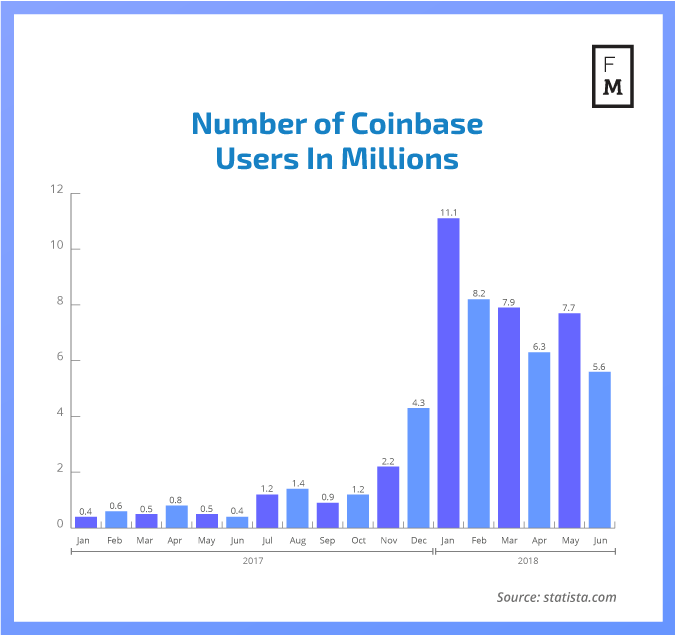
The US-based exchange has millions of users--at its height, more than 11.1 million people were registered on Coinbase; currently, that number sits closer to six million. Coinbase has worked as a political advocate for cryptocurrency, an educational tool for new users, and has made every effort to be the most secure and most compliant cryptocurrency exchange in the world. It is seen as the gold standard by many within and without the industry.
How serious is this PR disaster for Coinbase? And what are the implications of Coinbase’s response?
Here’s What We Know
The controversy started on February 15th when Coinbase purchased Italian blockchain analytics firm Neutrino.
Coinbase apparently hoped that gaining a greater foothold in blockchain intelligence would contribute to the company’s ability to create a secure, open-source financial system--more specifically, Coinbase believed that Neutrino would help prevent theft, investigate ransomware attacks and hacks, and to detect suspicious transactional activity.
Today we're announcing Coinbase has acquired Neutrino, a blockchain intelligence platform. Neutrino's technology is the best we've encountered, and will play an important role in legitimizing crypto, making it safer and more accessible for everyone. https://t.co/6gXcRvpEBM
All told, Coinbase paid $13.5 million for Neutrino. The sum of the payment was unknown until March 6th, when Bitcoin Magazine managed to obtain a copy of the acquisition contract. According to the terms of the document, Coinbase obtained “the units of the respective total ownership representing the entire share capital of the Company [Neutrino].” Neutrino CTO Alberto Ornaghi and CEO Giancarlo Russo each receive $2.9 million in exchange for their shares in the company.
However, Coinbase quickly came under heavy fire shortly after the acquisition went public due to Neutrino’s past associations with egregious human rights violations--a factor that Coinbase apparently failed to take into account when the acquisition was made.
The Dirty Details
Before they became the founders of Neutrino, CRO Marco Valleri and CTO Alberto Ornaghi were executive members of “Hacking Team,” an intelligence firm that built and sold spyware tools to various government agencies around the world. Additionally, Neutrino’s current CEO, Giancarlo Russo, was the COO of Hacking Team.
As the details about the company’s rather unsavory past spread like wildfire, so did the crypto community’s criticism of Coinbase: “#DeleteCoinbase” appeared across Twitter, and other social media sites as members of the crypto community encouraged each other to delete the Coinbase app and close their accounts.
— Exceptionally Brilliant (@davidzmorris) March 11, 2019
Another hashtag, #DeleteCoinbaseTrustChain, emerged as users attempting to withdraw all of their funds (which is required before accounts can be deleted) found difficulty in emptying tiny amounts of BTC and other cryptocurrencies. Instead, users sent residual amounts of Bitcoin to one another so that their accounts could be closed.
Indeed, the acquisition was an absolute PR disaster for Coinbase. And indeed, it should have been.
The fact that Coinbase made this mistake is particularly significant “precisely because it acts as a steward and custodian of a very large amount of people’s funds and assets, Coinbase’s business model depends on it building up and maintaining trust with its customers,” wrote Michael J. Casey, chairman of CoinDesk’s advisory board and senior advisor for MIT’s Digital Currency Initiative.
Coinbase, apparently realizing its mistake, was quick to respond. The company’s CEO, Brian Armstrong, explained in a blog post that Coinbase’s intentions were good when it made the decision to require Neutrino. “Until recently, we worked with several outside vendors that provide blockchain analytics,” he wrote. “...We knew at some point that we would need to bring this capability in house.”
“[We] found that Neutrino had some of the best technology in this area, and decided to acquire them,” he continued.
As a result of the drama, Armstrong said that “together with the Neutrino team, [we] have come to an agreement: those who previously worked at Hacking Team (despite the fact that they have no current affiliation with Hacking Team), will transition out of Coinbase.”
Ignorance or Negligence?
Armstrong explained that Coinbase’ decision was made because of ignorance rather than ill-intent. “We had a gap in our diligence process,” he said. “We did not properly evaluate everything from the perspective of our mission and values as a crypto company.”
I sent @coinbase some questions regarding their controversial acquisition of blockchain analytics firm Neutrino. They didn't answer any of the specific questions, but they sent over this official statement. pic.twitter.com/DFUxWgkvwm
"Trust isn’t as easily maintained as Coinbase seems to think it is."
But, as Casey wrote for CoinDesk, “the company’s argument – that this is best-of-class tech and that by bringing it ‘in-house’ the company can be sure that it will ‘fully control and protect our customer’s data’ – depends entirely on the presumption that users can trust Coinbase to act in their interests.”
“And trust isn’t as easily maintained as Coinbase seems to think it is,” Casey continued. “Hiring people who worked on such unsavory projects as the Hacking Team is a good way to lose it.”
Indeed, users have to wonder that if Coinbase is so eager to work with a firm that has such egregious ties to human rights abuses, what kind of user rights is Coinbase willing to violate itself?
Further, Jesse Powell, CEO of US-based cryptocurrency exchange Kraken, said that Neutrino had come in “last place” on its own evaluation of possible in-house data firms.
I asked our Compliance team what they thought of Neutrino. Fortunately, they'd just completed an evaluation. Neutrino came in last place on product (out of the 5) but was disqualified anyway due to the risks. However, other factors are important in M&A: cost, culture fit. pic.twitter.com/kiYh11GEBc
"How can you claim that Neutrino doesn't tacitly endorse [Hacking Team's] behaviors, or that the overall culture of the organization isn't similar?”
Was Coinbase's decision to phase out the Neutrino executives who were associated with Hacking Team enough?
For many, the answer is a resounding “no.” Alan Dubla, Co-founder & CEO of Waves mining pool and crypto marketplace Waves World explained to Finance Magnates that at the end of the day, “Neutrino hired members of Hacking Team, which has links to oppressive regimes.”
Alan Dubla
“How can you then claim that Neutrino doesn't tacitly endorse those behaviours, or that the overall culture of the organisation isn't similar? Removing a few individuals most closely associated with the problem doesn't change that fact.”
“We need a further statement on this,” Dubla continued. “Not just from Coinbase, but from Neutrino.”
“Coinbase rightly pointed out that Hacking Team's activity was against their core values. We need to know that Neutrino isn't tainted by that - and it's hard to see how they couldn't be.”
Would Coinbase Have Taken Action to Eliminate the Hacking Team from Neutrino if Users Hadn’t Protested?
Further, an argument could be made that Coinbase would have happily continued its work with all of Neutrino--including the executives who were formerly associated with the Hacking Team--had its user base not protested so vehemently.
Before Armstrong’s statement was posted on Coinbase’s blog, Coinbase said in a statement to crypto news publication The Block that it was “aware that Neutrino’s co-founders previously worked at Hacking Team, which we reviewed as part of our security, technical and hiring diligence,” and that “Coinbase does not condone nor will it defend the actions of Hacking Team.”
All the same, however, “it was important for Coinbase to bring this function in-house to fully control and protect our customers’ data and Neutrino’s technology was the best we encountered in the space to achieve this goal.”
Coinbase Supporters Are Being Struck Down, Too
For some, however, Coinbase’ actions weren’t so offensive. Among these supportive voices was Roger Ver, formerly known as “Bitcoin Jesus”. He argued that Coinbase’s track record as a political advocate for the cryptocurrency world and a user-friendly gateway into the cryptosphere for first-time buyers ought to earn the company a bit of leeway.
Coinbase has done more to drive crypto currency adoption than just about any other company. We should be grateful despite a few poor decisions along the way.
Don’t #DeleteCoinbase
However, Ver’s advocacy for the exchange quickly backfired. The Twittersphere lit up with recollections of the time that Ver claimed that scandalized Bitcoin exchange Mt Gox was solvent months before its disgraceful collapse.
Indeed, those who have their hearts set against Coinbase are unlikely to listen to Ver or anyone else. After all, trust has been broken, and it’s going to be extremely difficult--if not impossible--for Coinbase to earn it back.
The cryptocurrency industry is still so new that there aren’t very many companies that have had the chance to grow “too big to fail.” In fact, startups and exchanges fail all the time; if their absence isn’t completely unnoticed, it’s rare that the collapse of a company deeply affects the infrastructure of the cryptocurrency world.
If there’s one company whose failure could have a significant impact on the cryptocurrency world, however, it’s probably Coinbase.
The US-based exchange has millions of users--at its height, more than 11.1 million people were registered on Coinbase; currently, that number sits closer to six million. Coinbase has worked as a political advocate for cryptocurrency, an educational tool for new users, and has made every effort to be the most secure and most compliant cryptocurrency exchange in the world. It is seen as the gold standard by many within and without the industry.
How serious is this PR disaster for Coinbase? And what are the implications of Coinbase’s response?
Here’s What We Know
The controversy started on February 15th when Coinbase purchased Italian blockchain analytics firm Neutrino.
Coinbase apparently hoped that gaining a greater foothold in blockchain intelligence would contribute to the company’s ability to create a secure, open-source financial system--more specifically, Coinbase believed that Neutrino would help prevent theft, investigate ransomware attacks and hacks, and to detect suspicious transactional activity.
Today we're announcing Coinbase has acquired Neutrino, a blockchain intelligence platform. Neutrino's technology is the best we've encountered, and will play an important role in legitimizing crypto, making it safer and more accessible for everyone. https://t.co/6gXcRvpEBM
All told, Coinbase paid $13.5 million for Neutrino. The sum of the payment was unknown until March 6th, when Bitcoin Magazine managed to obtain a copy of the acquisition contract. According to the terms of the document, Coinbase obtained “the units of the respective total ownership representing the entire share capital of the Company [Neutrino].” Neutrino CTO Alberto Ornaghi and CEO Giancarlo Russo each receive $2.9 million in exchange for their shares in the company.
However, Coinbase quickly came under heavy fire shortly after the acquisition went public due to Neutrino’s past associations with egregious human rights violations--a factor that Coinbase apparently failed to take into account when the acquisition was made.
The Dirty Details
Before they became the founders of Neutrino, CRO Marco Valleri and CTO Alberto Ornaghi were executive members of “Hacking Team,” an intelligence firm that built and sold spyware tools to various government agencies around the world. Additionally, Neutrino’s current CEO, Giancarlo Russo, was the COO of Hacking Team.
As the details about the company’s rather unsavory past spread like wildfire, so did the crypto community’s criticism of Coinbase: “#DeleteCoinbase” appeared across Twitter, and other social media sites as members of the crypto community encouraged each other to delete the Coinbase app and close their accounts.
— Exceptionally Brilliant (@davidzmorris) March 11, 2019
Another hashtag, #DeleteCoinbaseTrustChain, emerged as users attempting to withdraw all of their funds (which is required before accounts can be deleted) found difficulty in emptying tiny amounts of BTC and other cryptocurrencies. Instead, users sent residual amounts of Bitcoin to one another so that their accounts could be closed.
Indeed, the acquisition was an absolute PR disaster for Coinbase. And indeed, it should have been.
The fact that Coinbase made this mistake is particularly significant “precisely because it acts as a steward and custodian of a very large amount of people’s funds and assets, Coinbase’s business model depends on it building up and maintaining trust with its customers,” wrote Michael J. Casey, chairman of CoinDesk’s advisory board and senior advisor for MIT’s Digital Currency Initiative.
Coinbase, apparently realizing its mistake, was quick to respond. The company’s CEO, Brian Armstrong, explained in a blog post that Coinbase’s intentions were good when it made the decision to require Neutrino. “Until recently, we worked with several outside vendors that provide blockchain analytics,” he wrote. “...We knew at some point that we would need to bring this capability in house.”
“[We] found that Neutrino had some of the best technology in this area, and decided to acquire them,” he continued.
As a result of the drama, Armstrong said that “together with the Neutrino team, [we] have come to an agreement: those who previously worked at Hacking Team (despite the fact that they have no current affiliation with Hacking Team), will transition out of Coinbase.”
Ignorance or Negligence?
Armstrong explained that Coinbase’ decision was made because of ignorance rather than ill-intent. “We had a gap in our diligence process,” he said. “We did not properly evaluate everything from the perspective of our mission and values as a crypto company.”
I sent @coinbase some questions regarding their controversial acquisition of blockchain analytics firm Neutrino. They didn't answer any of the specific questions, but they sent over this official statement. pic.twitter.com/DFUxWgkvwm
"Trust isn’t as easily maintained as Coinbase seems to think it is."
But, as Casey wrote for CoinDesk, “the company’s argument – that this is best-of-class tech and that by bringing it ‘in-house’ the company can be sure that it will ‘fully control and protect our customer’s data’ – depends entirely on the presumption that users can trust Coinbase to act in their interests.”
“And trust isn’t as easily maintained as Coinbase seems to think it is,” Casey continued. “Hiring people who worked on such unsavory projects as the Hacking Team is a good way to lose it.”
Indeed, users have to wonder that if Coinbase is so eager to work with a firm that has such egregious ties to human rights abuses, what kind of user rights is Coinbase willing to violate itself?
Further, Jesse Powell, CEO of US-based cryptocurrency exchange Kraken, said that Neutrino had come in “last place” on its own evaluation of possible in-house data firms.
I asked our Compliance team what they thought of Neutrino. Fortunately, they'd just completed an evaluation. Neutrino came in last place on product (out of the 5) but was disqualified anyway due to the risks. However, other factors are important in M&A: cost, culture fit. pic.twitter.com/kiYh11GEBc
"How can you claim that Neutrino doesn't tacitly endorse [Hacking Team's] behaviors, or that the overall culture of the organization isn't similar?”
Was Coinbase's decision to phase out the Neutrino executives who were associated with Hacking Team enough?
For many, the answer is a resounding “no.” Alan Dubla, Co-founder & CEO of Waves mining pool and crypto marketplace Waves World explained to Finance Magnates that at the end of the day, “Neutrino hired members of Hacking Team, which has links to oppressive regimes.”
Alan Dubla
“How can you then claim that Neutrino doesn't tacitly endorse those behaviours, or that the overall culture of the organisation isn't similar? Removing a few individuals most closely associated with the problem doesn't change that fact.”
“We need a further statement on this,” Dubla continued. “Not just from Coinbase, but from Neutrino.”
“Coinbase rightly pointed out that Hacking Team's activity was against their core values. We need to know that Neutrino isn't tainted by that - and it's hard to see how they couldn't be.”
Would Coinbase Have Taken Action to Eliminate the Hacking Team from Neutrino if Users Hadn’t Protested?
Further, an argument could be made that Coinbase would have happily continued its work with all of Neutrino--including the executives who were formerly associated with the Hacking Team--had its user base not protested so vehemently.
Before Armstrong’s statement was posted on Coinbase’s blog, Coinbase said in a statement to crypto news publication The Block that it was “aware that Neutrino’s co-founders previously worked at Hacking Team, which we reviewed as part of our security, technical and hiring diligence,” and that “Coinbase does not condone nor will it defend the actions of Hacking Team.”
All the same, however, “it was important for Coinbase to bring this function in-house to fully control and protect our customers’ data and Neutrino’s technology was the best we encountered in the space to achieve this goal.”
Coinbase Supporters Are Being Struck Down, Too
For some, however, Coinbase’ actions weren’t so offensive. Among these supportive voices was Roger Ver, formerly known as “Bitcoin Jesus”. He argued that Coinbase’s track record as a political advocate for the cryptocurrency world and a user-friendly gateway into the cryptosphere for first-time buyers ought to earn the company a bit of leeway.
Coinbase has done more to drive crypto currency adoption than just about any other company. We should be grateful despite a few poor decisions along the way.
Don’t #DeleteCoinbase
However, Ver’s advocacy for the exchange quickly backfired. The Twittersphere lit up with recollections of the time that Ver claimed that scandalized Bitcoin exchange Mt Gox was solvent months before its disgraceful collapse.
Indeed, those who have their hearts set against Coinbase are unlikely to listen to Ver or anyone else. After all, trust has been broken, and it’s going to be extremely difficult--if not impossible--for Coinbase to earn it back.
Rachel is a self-taught crypto geek and a passionate writer. She believes in the power that the written word has to educate, connect and empower individuals to make positive and powerful financial choices. She is the Podcast Host and a Cryptocurrency Editor at Finance Magnates.
Moomoo Adds Crossover’s Crypto Execution Network for US Retail Traders
Featured Videos
AvaTrade to Acquire Most of FXCM; NAGA Raises $8M
AvaTrade to Acquire Most of FXCM; NAGA Raises $8M
AvaTrade to Acquire Most of FXCM; NAGA Raises $8M
AvaTrade to Acquire Most of FXCM; NAGA Raises $8M
Today’s financial news recap covers AvaTrade agrees to acquire most of FXCM, NAGA secures eight million dollars in new financing, and Wise seeks a tax settlement in the UK.
Finance Magnates Daily Recap brings you the latest news from forex and CFD brokers, fintech, payments, cryptocurrency, digital assets, trading platforms, financial regulation and global markets.
Get the key company news, executive moves, deals, regulatory updates and market developments of the day, in just a few minutes. New episodes published every weekday.
Read more: https://www.financemagnates.com
#FinanceMagnates #ForexNews #FintechNews
Today’s financial news recap covers AvaTrade agrees to acquire most of FXCM, NAGA secures eight million dollars in new financing, and Wise seeks a tax settlement in the UK.
Finance Magnates Daily Recap brings you the latest news from forex and CFD brokers, fintech, payments, cryptocurrency, digital assets, trading platforms, financial regulation and global markets.
Get the key company news, executive moves, deals, regulatory updates and market developments of the day, in just a few minutes. New episodes published every weekday.
Read more: https://www.financemagnates.com
#FinanceMagnates #ForexNews #FintechNews
Today’s financial news recap covers AvaTrade agrees to acquire most of FXCM, NAGA secures eight million dollars in new financing, and Wise seeks a tax settlement in the UK.
Finance Magnates Daily Recap brings you the latest news from forex and CFD brokers, fintech, payments, cryptocurrency, digital assets, trading platforms, financial regulation and global markets.
Get the key company news, executive moves, deals, regulatory updates and market developments of the day, in just a few minutes. New episodes published every weekday.
Read more: https://www.financemagnates.com
#FinanceMagnates #ForexNews #FintechNews
Today’s financial news recap covers AvaTrade agrees to acquire most of FXCM, NAGA secures eight million dollars in new financing, and Wise seeks a tax settlement in the UK.
Finance Magnates Daily Recap brings you the latest news from forex and CFD brokers, fintech, payments, cryptocurrency, digital assets, trading platforms, financial regulation and global markets.
Get the key company news, executive moves, deals, regulatory updates and market developments of the day, in just a few minutes. New episodes published every weekday.
Read more: https://www.financemagnates.com
#FinanceMagnates #ForexNews #FintechNews
XTB Adds Overnight US Stock Trading; Nasdaq Ventures Invests in One Trading
XTB Adds Overnight US Stock Trading; Nasdaq Ventures Invests in One Trading
XTB Adds Overnight US Stock Trading; Nasdaq Ventures Invests in One Trading
XTB Adds Overnight US Stock Trading; Nasdaq Ventures Invests in One Trading
XTB Adds Overnight US Stock Trading; Nasdaq Ventures Invests in One Trading
XTB Adds Overnight US Stock Trading; Nasdaq Ventures Invests in One Trading
Today’s financial news recap covers XTB expands overnight US stock trading, Fortrade reports higher revenue, Nasdaq backs One Trading, and Vest Labs raises 13 million dollars.
Finance Magnates Daily Recap brings you the latest news from forex and CFD brokers, fintech, payments, cryptocurrency, digital assets, trading platforms, financial regulation and global markets.
Get the key company news, executive moves, deals, regulatory updates and market developments of the day, in just a few minutes. New episodes published every weekday.
Read more: https://www.financemagnates.com
#FinanceMagnates #ForexNews #FintechNews
Today’s financial news recap covers XTB expands overnight US stock trading, Fortrade reports higher revenue, Nasdaq backs One Trading, and Vest Labs raises 13 million dollars.
Finance Magnates Daily Recap brings you the latest news from forex and CFD brokers, fintech, payments, cryptocurrency, digital assets, trading platforms, financial regulation and global markets.
Get the key company news, executive moves, deals, regulatory updates and market developments of the day, in just a few minutes. New episodes published every weekday.
Read more: https://www.financemagnates.com
#FinanceMagnates #ForexNews #FintechNews
Today’s financial news recap covers XTB expands overnight US stock trading, Fortrade reports higher revenue, Nasdaq backs One Trading, and Vest Labs raises 13 million dollars.
Finance Magnates Daily Recap brings you the latest news from forex and CFD brokers, fintech, payments, cryptocurrency, digital assets, trading platforms, financial regulation and global markets.
Get the key company news, executive moves, deals, regulatory updates and market developments of the day, in just a few minutes. New episodes published every weekday.
Read more: https://www.financemagnates.com
#FinanceMagnates #ForexNews #FintechNews
Today’s financial news recap covers XTB expands overnight US stock trading, Fortrade reports higher revenue, Nasdaq backs One Trading, and Vest Labs raises 13 million dollars.
Finance Magnates Daily Recap brings you the latest news from forex and CFD brokers, fintech, payments, cryptocurrency, digital assets, trading platforms, financial regulation and global markets.
Get the key company news, executive moves, deals, regulatory updates and market developments of the day, in just a few minutes. New episodes published every weekday.
Read more: https://www.financemagnates.com
#FinanceMagnates #ForexNews #FintechNews
Today’s financial news recap covers XTB expands overnight US stock trading, Fortrade reports higher revenue, Nasdaq backs One Trading, and Vest Labs raises 13 million dollars.
Finance Magnates Daily Recap brings you the latest news from forex and CFD brokers, fintech, payments, cryptocurrency, digital assets, trading platforms, financial regulation and global markets.
Get the key company news, executive moves, deals, regulatory updates and market developments of the day, in just a few minutes. New episodes published every weekday.
Read more: https://www.financemagnates.com
#FinanceMagnates #ForexNews #FintechNews
Today’s financial news recap covers XTB expands overnight US stock trading, Fortrade reports higher revenue, Nasdaq backs One Trading, and Vest Labs raises 13 million dollars.
Finance Magnates Daily Recap brings you the latest news from forex and CFD brokers, fintech, payments, cryptocurrency, digital assets, trading platforms, financial regulation and global markets.
Get the key company news, executive moves, deals, regulatory updates and market developments of the day, in just a few minutes. New episodes published every weekday.
Read more: https://www.financemagnates.com
#FinanceMagnates #ForexNews #FintechNews
CMC Founder Downplays Volatility Hit; Devexperts Names CEO
CMC Founder Downplays Volatility Hit; Devexperts Names CEO
CMC Founder Downplays Volatility Hit; Devexperts Names CEO
CMC Founder Downplays Volatility Hit; Devexperts Names CEO
CMC Founder Downplays Volatility Hit; Devexperts Names CEO
CMC Founder Downplays Volatility Hit; Devexperts Names CEO
Today’s financial news recap covers low volatility pressures brokers, Devexperts names a new CEO, Saxo cuts onboarding time, and OKX reaches a 25 billion dollar valuation.
Finance Magnates Daily Recap brings you the latest news from forex and CFD brokers, fintech, payments, cryptocurrency, digital assets, trading platforms, financial regulation and global markets.
Get the key company news, executive moves, deals, regulatory updates and market developments of the day, in just a few minutes. New episodes published every weekday.
Read more: https://www.financemagnates.com
#FinanceMagnates #ForexNews #FintechNews
Today’s financial news recap covers low volatility pressures brokers, Devexperts names a new CEO, Saxo cuts onboarding time, and OKX reaches a 25 billion dollar valuation.
Finance Magnates Daily Recap brings you the latest news from forex and CFD brokers, fintech, payments, cryptocurrency, digital assets, trading platforms, financial regulation and global markets.
Get the key company news, executive moves, deals, regulatory updates and market developments of the day, in just a few minutes. New episodes published every weekday.
Read more: https://www.financemagnates.com
#FinanceMagnates #ForexNews #FintechNews
Today’s financial news recap covers low volatility pressures brokers, Devexperts names a new CEO, Saxo cuts onboarding time, and OKX reaches a 25 billion dollar valuation.
Finance Magnates Daily Recap brings you the latest news from forex and CFD brokers, fintech, payments, cryptocurrency, digital assets, trading platforms, financial regulation and global markets.
Get the key company news, executive moves, deals, regulatory updates and market developments of the day, in just a few minutes. New episodes published every weekday.
Read more: https://www.financemagnates.com
#FinanceMagnates #ForexNews #FintechNews
Today’s financial news recap covers low volatility pressures brokers, Devexperts names a new CEO, Saxo cuts onboarding time, and OKX reaches a 25 billion dollar valuation.
Finance Magnates Daily Recap brings you the latest news from forex and CFD brokers, fintech, payments, cryptocurrency, digital assets, trading platforms, financial regulation and global markets.
Get the key company news, executive moves, deals, regulatory updates and market developments of the day, in just a few minutes. New episodes published every weekday.
Read more: https://www.financemagnates.com
#FinanceMagnates #ForexNews #FintechNews
Today’s financial news recap covers low volatility pressures brokers, Devexperts names a new CEO, Saxo cuts onboarding time, and OKX reaches a 25 billion dollar valuation.
Finance Magnates Daily Recap brings you the latest news from forex and CFD brokers, fintech, payments, cryptocurrency, digital assets, trading platforms, financial regulation and global markets.
Get the key company news, executive moves, deals, regulatory updates and market developments of the day, in just a few minutes. New episodes published every weekday.
Read more: https://www.financemagnates.com
#FinanceMagnates #ForexNews #FintechNews
Today’s financial news recap covers low volatility pressures brokers, Devexperts names a new CEO, Saxo cuts onboarding time, and OKX reaches a 25 billion dollar valuation.
Finance Magnates Daily Recap brings you the latest news from forex and CFD brokers, fintech, payments, cryptocurrency, digital assets, trading platforms, financial regulation and global markets.
Get the key company news, executive moves, deals, regulatory updates and market developments of the day, in just a few minutes. New episodes published every weekday.
Read more: https://www.financemagnates.com
#FinanceMagnates #ForexNews #FintechNews
Today’s financial news recap covers Trade Nation buys FXCM's UK client book, Trading 212 reports higher revenue, the CFTC's move to allow perpetual index futures.
Finance Magnates Daily Recap brings you the latest news from forex and CFD brokers, fintech, payments, cryptocurrency, digital assets, trading platforms, financial regulation and global markets.
Get the key company news, executive moves, deals, regulatory updates and market developments of the day, in just a few minutes. New episodes published every weekday.
Read more: https://www.financemagnates.com
#FinanceMagnates #ForexNews #FintechNews
Today’s financial news recap covers Trade Nation buys FXCM's UK client book, Trading 212 reports higher revenue, the CFTC's move to allow perpetual index futures.
Finance Magnates Daily Recap brings you the latest news from forex and CFD brokers, fintech, payments, cryptocurrency, digital assets, trading platforms, financial regulation and global markets.
Get the key company news, executive moves, deals, regulatory updates and market developments of the day, in just a few minutes. New episodes published every weekday.
Read more: https://www.financemagnates.com
#FinanceMagnates #ForexNews #FintechNews
Today’s financial news recap covers Trade Nation buys FXCM's UK client book, Trading 212 reports higher revenue, the CFTC's move to allow perpetual index futures.
Finance Magnates Daily Recap brings you the latest news from forex and CFD brokers, fintech, payments, cryptocurrency, digital assets, trading platforms, financial regulation and global markets.
Get the key company news, executive moves, deals, regulatory updates and market developments of the day, in just a few minutes. New episodes published every weekday.
Read more: https://www.financemagnates.com
#FinanceMagnates #ForexNews #FintechNews
Today’s financial news recap covers Trade Nation buys FXCM's UK client book, Trading 212 reports higher revenue, the CFTC's move to allow perpetual index futures.
Finance Magnates Daily Recap brings you the latest news from forex and CFD brokers, fintech, payments, cryptocurrency, digital assets, trading platforms, financial regulation and global markets.
Get the key company news, executive moves, deals, regulatory updates and market developments of the day, in just a few minutes. New episodes published every weekday.
Read more: https://www.financemagnates.com
#FinanceMagnates #ForexNews #FintechNews
Today’s financial news recap covers Trade Nation buys FXCM's UK client book, Trading 212 reports higher revenue, the CFTC's move to allow perpetual index futures.
Finance Magnates Daily Recap brings you the latest news from forex and CFD brokers, fintech, payments, cryptocurrency, digital assets, trading platforms, financial regulation and global markets.
Get the key company news, executive moves, deals, regulatory updates and market developments of the day, in just a few minutes. New episodes published every weekday.
Read more: https://www.financemagnates.com
#FinanceMagnates #ForexNews #FintechNews
Today’s financial news recap covers Trade Nation buys FXCM's UK client book, Trading 212 reports higher revenue, the CFTC's move to allow perpetual index futures.
Finance Magnates Daily Recap brings you the latest news from forex and CFD brokers, fintech, payments, cryptocurrency, digital assets, trading platforms, financial regulation and global markets.
Get the key company news, executive moves, deals, regulatory updates and market developments of the day, in just a few minutes. New episodes published every weekday.
Read more: https://www.financemagnates.com
#FinanceMagnates #ForexNews #FintechNews
Your career isn’t a linear path.
Your career isn’t a linear path.
Your career isn’t a linear path.
Your career isn’t a linear path.
Your career isn’t a linear path.
Your career isn’t a linear path.
Roles change. Career goals change. Sometimes you want a completely new challenge.
But the skills and knowledge you build along the way can stay with you and give you something to build on.
For Jeff Patterson, that continued growth is key to long-term career development.
You bring the skills. FM Academy helps you build the knowledge.
#FMAcademy #FinanceMagnates #FinanceCareers #ProfessionalDevelopment #Fintech
Roles change. Career goals change. Sometimes you want a completely new challenge.
But the skills and knowledge you build along the way can stay with you and give you something to build on.
For Jeff Patterson, that continued growth is key to long-term career development.
You bring the skills. FM Academy helps you build the knowledge.
#FMAcademy #FinanceMagnates #FinanceCareers #ProfessionalDevelopment #Fintech
Roles change. Career goals change. Sometimes you want a completely new challenge.
But the skills and knowledge you build along the way can stay with you and give you something to build on.
For Jeff Patterson, that continued growth is key to long-term career development.
You bring the skills. FM Academy helps you build the knowledge.
#FMAcademy #FinanceMagnates #FinanceCareers #ProfessionalDevelopment #Fintech
Roles change. Career goals change. Sometimes you want a completely new challenge.
But the skills and knowledge you build along the way can stay with you and give you something to build on.
For Jeff Patterson, that continued growth is key to long-term career development.
You bring the skills. FM Academy helps you build the knowledge.
#FMAcademy #FinanceMagnates #FinanceCareers #ProfessionalDevelopment #Fintech
Roles change. Career goals change. Sometimes you want a completely new challenge.
But the skills and knowledge you build along the way can stay with you and give you something to build on.
For Jeff Patterson, that continued growth is key to long-term career development.
You bring the skills. FM Academy helps you build the knowledge.
#FMAcademy #FinanceMagnates #FinanceCareers #ProfessionalDevelopment #Fintech
Roles change. Career goals change. Sometimes you want a completely new challenge.
But the skills and knowledge you build along the way can stay with you and give you something to build on.
For Jeff Patterson, that continued growth is key to long-term career development.
You bring the skills. FM Academy helps you build the knowledge.
#FMAcademy #FinanceMagnates #FinanceCareers #ProfessionalDevelopment #Fintech