As political drama continues in the US, institutional investors eye BTC; G20 plans for a CBDC-filled future.
Plus500 continues to redistribute its profits to shareholders
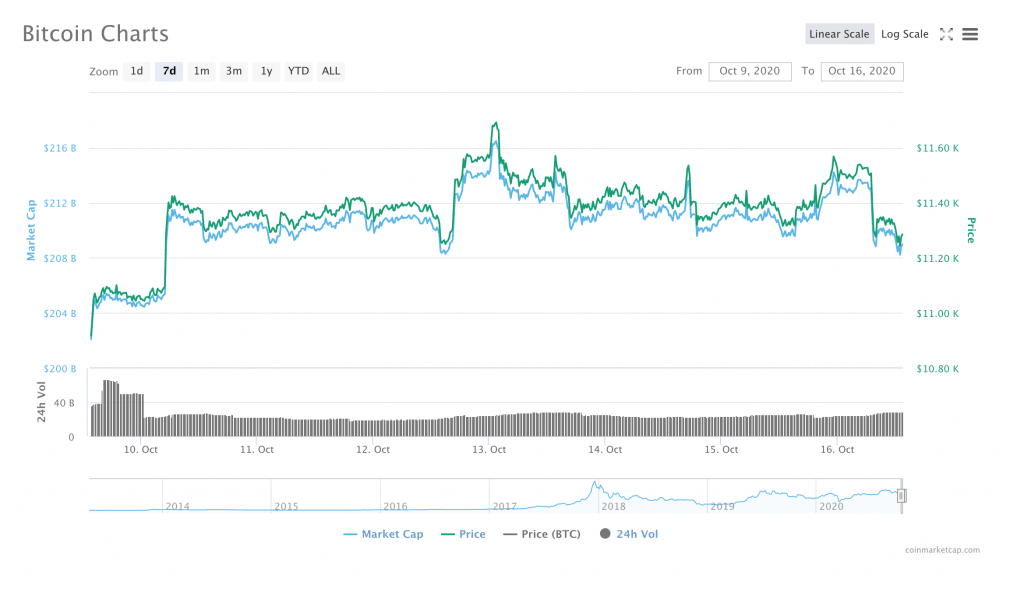
As the week draws to a close, Bitcoin seems to be continuing to strengthen its position over the $10k mark; in fact, BTC has spent most of this week sitting comfortably over $11k, and seems to be holding strong.
While Bitcoin’s upward climb could primarily be the continuation of the bullish wave that began to unfurl during Q3, there have been several high-profile investments that may have called a bit of extra positive attention to Bitcoin.
“I think institutional investment is what's keeping bitcoin about the $10,000 mark,” Choros told Finance Magnates. “In fact, I don’t know if we will ever go below $10,000 again, especially if more institutional investors come out of the woodwork in the next couple of months.”
Ian Kane, chief operating officer of blockchain-based fintech platform Ternio.
Combined with the news about Square, Stone Ridge, and Microstrategy, “things are lining up nicely for a big BTC bull run, but no one knows exactly when that will take place,” Kane said.
”[G20’s] Announcement Itself Is a Further Boost to the Credibility of Distributed Ledger Technology.”
Beyond the investment news, this week has also brought some policy-related developments that have shone a little extra light onto cryptocurrency on a global scale.
The announcement may represent the first time that G20 has made meaningful movement toward creating any kind of international or supranational framework that would be relevant to the cryptocurrency and blockchain space. The group has previously stated that cryptocurrencies do not present a threat to monetary stability and urged cryptocurrency exchanges to collect appropriate data from their users.
While this may have brought some extra attention to the cryptocurrency space (which may have slightly boosted prices in the short term), the long-term effects of the news are unclear.
Indeed, Maurizio Raffone, Chief Financial Officer at Credify, told Finance Magnates that “the announcement itself is a further boost to the credibility of distributed ledger technology.”
Maurizio Raffone, Chief Financial Officer at Credify.
”The Crypto Markets Will Surely Benefit from a Positive Spillover Effect”
Therefore, “the crypto markets will surely benefit from a positive spillover effect” related to CDBC activity, Raffone explained. “This positive momentum will further support financial institutions’ investments in this technology, as Central Banks will have to work with banks in order to manage their CBDCs effectively.”
At the same time, though, “with regards to retail participation in crypto, underlying instruments like Bitcoin or Ether have very little in common both technically and economically with a CBDC that I don’t see particularly strong support from this news.”
Meltem Demirors, chief strategy officer at CoinShares, told Finance Magnates that in fact, over the long-term, “the proliferation of regulated CBDCs further highlights the fundamental difference between national currencies and cryptocurrencies, and their very different uses.”
Meltem Demirors, chief strategy officer of CoinShares.
William Noble, Chief Technical Analyst at Token Metrics, believes that ultimately, the CBDC announcement simply “makes for interesting discussion among crypto researchers and intellectuals.
“In terms of market impact, there wasn't any,” he said.
“Bigger picture, the CBDC announcement is just another signal that governments are concerned that criminal elements can move from fiat directly to private sector stablecoins to launder money. If there are coins representing fiat currencies, governments would naturally prefer to be the issuer of those coins.”
”When It Comes to Risk Assets, It's All about the Fed, and It Always Will Be So.”
However, the most significant piece of news this week in terms of crypto markets may have had no explicit association with the crypto space at all.
Indeed, Token Metrics’ William Noble told Finance Magnates that “the most important news of the week for crypto markets was an MNI Exclusive Market News update circulated among institutional players entitled ‘MNI Exclusive: Fed May Extend Facilities as Fiscal Talks Stall’.
“The article implies that the Fed will inject money to kickstart the financial system because fiscal talks have stalled,” Mr. Noble explained. “This news is likely what helped hold up crypto and possibly get a rally going. When it comes to risk assets, it's all about the Fed, and it always will be so.”
William Noble, Chief Technical Analyst at Token Metrics.
Indeed, while United States President Donald Trump’s COVID-19 recovery seems to have calmed down traditional financial markets, all eyes are on the United States presidential election to determine what is next for the financial world, including crypto.
Does a 'Dollar Devastation' Lie Ahead?
Thomas Perfumo, head of intelligence at US-based cryptocurrency exchange Kraken, told Finance Magnates that regardless of who is elected on November 3rd, “markets are anticipating further fiscal stimulus following the election, which could weaken the dollar and lead to assets that are traded in USD, including bitcoin, to increase in price.”
Thomas Perfumo, head of intelligence at US-based cryptocurrency exchange Kraken.
The next round of economic stimulus payments could be positive for Bitcoin: “Bitcoin has displayed a negative correlation to the USD,” Perfumo told Finance Magnates. “It fell 5% when the greenback strengthened back in August. A dollar devaluation in the wake of the election could, therefore, take bitcoin past key price resistance points and lead to further bullish momentum.”
Indeed, “as both parties plan to deliver massive stimulus packages following the election, I don’t believe it will do much to change the long-term narrative for digital assets,” Perfumo said.
“That said, and without speculating on the outcome, a Biden victory and a Democrat-controlled Congress would likely result in much higher stimulus and a shift towards greater taxation on corporations and wealthier individuals. This could lead to choppier markets and potentially closer correlations between cryptocurrencies and other asset-classes, such as equities, at least in the short-term.”
”Due to Bipartisan Support of Unprecedented Government Spending and Stimulus, It Does Not Matter If Trump or Biden Wins This Years’ Election.”
“A Trump presidency would mean more tax cuts and bigger deficits, while Biden will bring more healthcare and social spending and bigger deficits,” he said.
“Combine either with the Fed continuing to do whatever it takes to keep the safety net under the US economy and you can see how a mountain of debt, greater than all the debt anyone had in history, will come bearing down on the US dollar.”
Over the long term, this could seriously degrade the Dollar’s position as the world’s most popular currency: “we may be able to hold back the debt for a while, but each passing day we deplete the trust the entire world has in the dollar and soon enough we will be left holding the bag with all these worthless dollars,” Mashinsky explained.
Alex Mashinsky, founder and CEO of Celsius.
“While this may be good for Bitcoin and crypto, it is not good for democracy and for the world order as we know it.”
Marc Grens, President & Co-Founder at DigitalMint, echoed Mashinky’s sentiments: “since the beginning of the Covid-19 shutdowns in March 2020, the government has increased the federal debt to unprecedented levels never seen before since the creation of US fiat monetary policy.
“As a result, the US dollar has been diluted significantly, affecting inflation and prices. As a scarce digital asset, deemed the reserve currency of the internet worldwide, Bitcoin acts as a hedge against inflation.
“Due to bipartisan support of unprecedented government spending and stimulus, it does not matter if Trump or Biden wins this years’ election as both parties have proven to leverage the United States’ future for short-term gain and recognition. As a result, Bitcoin will continue to strengthen against sovereign currencies, including the US dollar during this pandemic and beyond.”
“The DeFi Space Had a Party in August, the Party Broke up in September, and October Is the Hangover.”
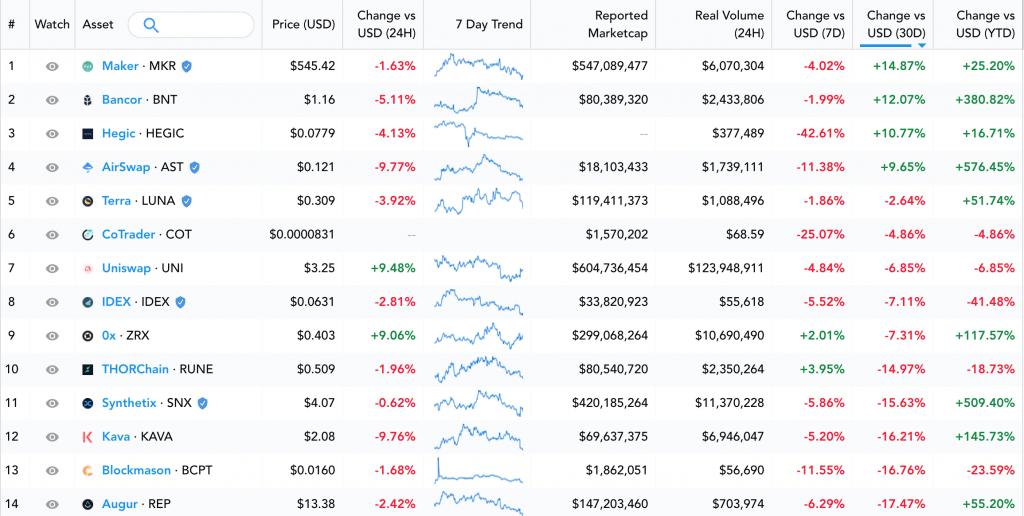
While Bitcoin seems to be continuing on an upward trajectory, most of the DeFi assets that performed highly over the summer have and are continuing to sink as Q4 begins.
Marc Grens, President & Co-Founder at DigitalMint.
“The DeFi space had a party in August, the party broke up in September, and October is the hangover,” Token Metrics’ William Noble said.
“Mr. Market is currently sorting out which DeFi coins will survive and which ones won't. It's a healthy process that will preclude the next up move in crypto.”
What are your thoughts about where BTC, DeFi tokens, or other crypto assets are headed next? Let us know in the comments below.
As the week draws to a close, Bitcoin seems to be continuing to strengthen its position over the $10k mark; in fact, BTC has spent most of this week sitting comfortably over $11k, and seems to be holding strong.
While Bitcoin’s upward climb could primarily be the continuation of the bullish wave that began to unfurl during Q3, there have been several high-profile investments that may have called a bit of extra positive attention to Bitcoin.
“I think institutional investment is what's keeping bitcoin about the $10,000 mark,” Choros told Finance Magnates. “In fact, I don’t know if we will ever go below $10,000 again, especially if more institutional investors come out of the woodwork in the next couple of months.”
Ian Kane, chief operating officer of blockchain-based fintech platform Ternio.
Combined with the news about Square, Stone Ridge, and Microstrategy, “things are lining up nicely for a big BTC bull run, but no one knows exactly when that will take place,” Kane said.
”[G20’s] Announcement Itself Is a Further Boost to the Credibility of Distributed Ledger Technology.”
Beyond the investment news, this week has also brought some policy-related developments that have shone a little extra light onto cryptocurrency on a global scale.
The announcement may represent the first time that G20 has made meaningful movement toward creating any kind of international or supranational framework that would be relevant to the cryptocurrency and blockchain space. The group has previously stated that cryptocurrencies do not present a threat to monetary stability and urged cryptocurrency exchanges to collect appropriate data from their users.
While this may have brought some extra attention to the cryptocurrency space (which may have slightly boosted prices in the short term), the long-term effects of the news are unclear.
Indeed, Maurizio Raffone, Chief Financial Officer at Credify, told Finance Magnates that “the announcement itself is a further boost to the credibility of distributed ledger technology.”
Maurizio Raffone, Chief Financial Officer at Credify.
”The Crypto Markets Will Surely Benefit from a Positive Spillover Effect”
Therefore, “the crypto markets will surely benefit from a positive spillover effect” related to CDBC activity, Raffone explained. “This positive momentum will further support financial institutions’ investments in this technology, as Central Banks will have to work with banks in order to manage their CBDCs effectively.”
At the same time, though, “with regards to retail participation in crypto, underlying instruments like Bitcoin or Ether have very little in common both technically and economically with a CBDC that I don’t see particularly strong support from this news.”
Meltem Demirors, chief strategy officer at CoinShares, told Finance Magnates that in fact, over the long-term, “the proliferation of regulated CBDCs further highlights the fundamental difference between national currencies and cryptocurrencies, and their very different uses.”
Meltem Demirors, chief strategy officer of CoinShares.
William Noble, Chief Technical Analyst at Token Metrics, believes that ultimately, the CBDC announcement simply “makes for interesting discussion among crypto researchers and intellectuals.
“In terms of market impact, there wasn't any,” he said.
“Bigger picture, the CBDC announcement is just another signal that governments are concerned that criminal elements can move from fiat directly to private sector stablecoins to launder money. If there are coins representing fiat currencies, governments would naturally prefer to be the issuer of those coins.”
”When It Comes to Risk Assets, It's All about the Fed, and It Always Will Be So.”
However, the most significant piece of news this week in terms of crypto markets may have had no explicit association with the crypto space at all.
Indeed, Token Metrics’ William Noble told Finance Magnates that “the most important news of the week for crypto markets was an MNI Exclusive Market News update circulated among institutional players entitled ‘MNI Exclusive: Fed May Extend Facilities as Fiscal Talks Stall’.
“The article implies that the Fed will inject money to kickstart the financial system because fiscal talks have stalled,” Mr. Noble explained. “This news is likely what helped hold up crypto and possibly get a rally going. When it comes to risk assets, it's all about the Fed, and it always will be so.”
William Noble, Chief Technical Analyst at Token Metrics.
Indeed, while United States President Donald Trump’s COVID-19 recovery seems to have calmed down traditional financial markets, all eyes are on the United States presidential election to determine what is next for the financial world, including crypto.
Does a 'Dollar Devastation' Lie Ahead?
Thomas Perfumo, head of intelligence at US-based cryptocurrency exchange Kraken, told Finance Magnates that regardless of who is elected on November 3rd, “markets are anticipating further fiscal stimulus following the election, which could weaken the dollar and lead to assets that are traded in USD, including bitcoin, to increase in price.”
Thomas Perfumo, head of intelligence at US-based cryptocurrency exchange Kraken.
The next round of economic stimulus payments could be positive for Bitcoin: “Bitcoin has displayed a negative correlation to the USD,” Perfumo told Finance Magnates. “It fell 5% when the greenback strengthened back in August. A dollar devaluation in the wake of the election could, therefore, take bitcoin past key price resistance points and lead to further bullish momentum.”
Indeed, “as both parties plan to deliver massive stimulus packages following the election, I don’t believe it will do much to change the long-term narrative for digital assets,” Perfumo said.
“That said, and without speculating on the outcome, a Biden victory and a Democrat-controlled Congress would likely result in much higher stimulus and a shift towards greater taxation on corporations and wealthier individuals. This could lead to choppier markets and potentially closer correlations between cryptocurrencies and other asset-classes, such as equities, at least in the short-term.”
”Due to Bipartisan Support of Unprecedented Government Spending and Stimulus, It Does Not Matter If Trump or Biden Wins This Years’ Election.”
“A Trump presidency would mean more tax cuts and bigger deficits, while Biden will bring more healthcare and social spending and bigger deficits,” he said.
“Combine either with the Fed continuing to do whatever it takes to keep the safety net under the US economy and you can see how a mountain of debt, greater than all the debt anyone had in history, will come bearing down on the US dollar.”
Over the long term, this could seriously degrade the Dollar’s position as the world’s most popular currency: “we may be able to hold back the debt for a while, but each passing day we deplete the trust the entire world has in the dollar and soon enough we will be left holding the bag with all these worthless dollars,” Mashinsky explained.
Alex Mashinsky, founder and CEO of Celsius.
“While this may be good for Bitcoin and crypto, it is not good for democracy and for the world order as we know it.”
Marc Grens, President & Co-Founder at DigitalMint, echoed Mashinky’s sentiments: “since the beginning of the Covid-19 shutdowns in March 2020, the government has increased the federal debt to unprecedented levels never seen before since the creation of US fiat monetary policy.
“As a result, the US dollar has been diluted significantly, affecting inflation and prices. As a scarce digital asset, deemed the reserve currency of the internet worldwide, Bitcoin acts as a hedge against inflation.
“Due to bipartisan support of unprecedented government spending and stimulus, it does not matter if Trump or Biden wins this years’ election as both parties have proven to leverage the United States’ future for short-term gain and recognition. As a result, Bitcoin will continue to strengthen against sovereign currencies, including the US dollar during this pandemic and beyond.”
“The DeFi Space Had a Party in August, the Party Broke up in September, and October Is the Hangover.”
While Bitcoin seems to be continuing on an upward trajectory, most of the DeFi assets that performed highly over the summer have and are continuing to sink as Q4 begins.
Marc Grens, President & Co-Founder at DigitalMint.
“The DeFi space had a party in August, the party broke up in September, and October is the hangover,” Token Metrics’ William Noble said.
“Mr. Market is currently sorting out which DeFi coins will survive and which ones won't. It's a healthy process that will preclude the next up move in crypto.”
What are your thoughts about where BTC, DeFi tokens, or other crypto assets are headed next? Let us know in the comments below.
Rachel is a self-taught crypto geek and a passionate writer. She believes in the power that the written word has to educate, connect and empower individuals to make positive and powerful financial choices. She is the Podcast Host and a Cryptocurrency Editor at Finance Magnates.
Moomoo Adds Crossover’s Crypto Execution Network for US Retail Traders
Featured Videos
AvaTrade to Acquire Most of FXCM; NAGA Raises $8M
AvaTrade to Acquire Most of FXCM; NAGA Raises $8M
AvaTrade to Acquire Most of FXCM; NAGA Raises $8M
AvaTrade to Acquire Most of FXCM; NAGA Raises $8M
Today’s financial news recap covers AvaTrade agrees to acquire most of FXCM, NAGA secures eight million dollars in new financing, and Wise seeks a tax settlement in the UK.
Finance Magnates Daily Recap brings you the latest news from forex and CFD brokers, fintech, payments, cryptocurrency, digital assets, trading platforms, financial regulation and global markets.
Get the key company news, executive moves, deals, regulatory updates and market developments of the day, in just a few minutes. New episodes published every weekday.
Read more: https://www.financemagnates.com
#FinanceMagnates #ForexNews #FintechNews
Today’s financial news recap covers AvaTrade agrees to acquire most of FXCM, NAGA secures eight million dollars in new financing, and Wise seeks a tax settlement in the UK.
Finance Magnates Daily Recap brings you the latest news from forex and CFD brokers, fintech, payments, cryptocurrency, digital assets, trading platforms, financial regulation and global markets.
Get the key company news, executive moves, deals, regulatory updates and market developments of the day, in just a few minutes. New episodes published every weekday.
Read more: https://www.financemagnates.com
#FinanceMagnates #ForexNews #FintechNews
Today’s financial news recap covers AvaTrade agrees to acquire most of FXCM, NAGA secures eight million dollars in new financing, and Wise seeks a tax settlement in the UK.
Finance Magnates Daily Recap brings you the latest news from forex and CFD brokers, fintech, payments, cryptocurrency, digital assets, trading platforms, financial regulation and global markets.
Get the key company news, executive moves, deals, regulatory updates and market developments of the day, in just a few minutes. New episodes published every weekday.
Read more: https://www.financemagnates.com
#FinanceMagnates #ForexNews #FintechNews
Today’s financial news recap covers AvaTrade agrees to acquire most of FXCM, NAGA secures eight million dollars in new financing, and Wise seeks a tax settlement in the UK.
Finance Magnates Daily Recap brings you the latest news from forex and CFD brokers, fintech, payments, cryptocurrency, digital assets, trading platforms, financial regulation and global markets.
Get the key company news, executive moves, deals, regulatory updates and market developments of the day, in just a few minutes. New episodes published every weekday.
Read more: https://www.financemagnates.com
#FinanceMagnates #ForexNews #FintechNews
XTB Adds Overnight US Stock Trading; Nasdaq Ventures Invests in One Trading
XTB Adds Overnight US Stock Trading; Nasdaq Ventures Invests in One Trading
XTB Adds Overnight US Stock Trading; Nasdaq Ventures Invests in One Trading
XTB Adds Overnight US Stock Trading; Nasdaq Ventures Invests in One Trading
XTB Adds Overnight US Stock Trading; Nasdaq Ventures Invests in One Trading
XTB Adds Overnight US Stock Trading; Nasdaq Ventures Invests in One Trading
Today’s financial news recap covers XTB expands overnight US stock trading, Fortrade reports higher revenue, Nasdaq backs One Trading, and Vest Labs raises 13 million dollars.
Finance Magnates Daily Recap brings you the latest news from forex and CFD brokers, fintech, payments, cryptocurrency, digital assets, trading platforms, financial regulation and global markets.
Get the key company news, executive moves, deals, regulatory updates and market developments of the day, in just a few minutes. New episodes published every weekday.
Read more: https://www.financemagnates.com
#FinanceMagnates #ForexNews #FintechNews
Today’s financial news recap covers XTB expands overnight US stock trading, Fortrade reports higher revenue, Nasdaq backs One Trading, and Vest Labs raises 13 million dollars.
Finance Magnates Daily Recap brings you the latest news from forex and CFD brokers, fintech, payments, cryptocurrency, digital assets, trading platforms, financial regulation and global markets.
Get the key company news, executive moves, deals, regulatory updates and market developments of the day, in just a few minutes. New episodes published every weekday.
Read more: https://www.financemagnates.com
#FinanceMagnates #ForexNews #FintechNews
Today’s financial news recap covers XTB expands overnight US stock trading, Fortrade reports higher revenue, Nasdaq backs One Trading, and Vest Labs raises 13 million dollars.
Finance Magnates Daily Recap brings you the latest news from forex and CFD brokers, fintech, payments, cryptocurrency, digital assets, trading platforms, financial regulation and global markets.
Get the key company news, executive moves, deals, regulatory updates and market developments of the day, in just a few minutes. New episodes published every weekday.
Read more: https://www.financemagnates.com
#FinanceMagnates #ForexNews #FintechNews
Today’s financial news recap covers XTB expands overnight US stock trading, Fortrade reports higher revenue, Nasdaq backs One Trading, and Vest Labs raises 13 million dollars.
Finance Magnates Daily Recap brings you the latest news from forex and CFD brokers, fintech, payments, cryptocurrency, digital assets, trading platforms, financial regulation and global markets.
Get the key company news, executive moves, deals, regulatory updates and market developments of the day, in just a few minutes. New episodes published every weekday.
Read more: https://www.financemagnates.com
#FinanceMagnates #ForexNews #FintechNews
Today’s financial news recap covers XTB expands overnight US stock trading, Fortrade reports higher revenue, Nasdaq backs One Trading, and Vest Labs raises 13 million dollars.
Finance Magnates Daily Recap brings you the latest news from forex and CFD brokers, fintech, payments, cryptocurrency, digital assets, trading platforms, financial regulation and global markets.
Get the key company news, executive moves, deals, regulatory updates and market developments of the day, in just a few minutes. New episodes published every weekday.
Read more: https://www.financemagnates.com
#FinanceMagnates #ForexNews #FintechNews
Today’s financial news recap covers XTB expands overnight US stock trading, Fortrade reports higher revenue, Nasdaq backs One Trading, and Vest Labs raises 13 million dollars.
Finance Magnates Daily Recap brings you the latest news from forex and CFD brokers, fintech, payments, cryptocurrency, digital assets, trading platforms, financial regulation and global markets.
Get the key company news, executive moves, deals, regulatory updates and market developments of the day, in just a few minutes. New episodes published every weekday.
Read more: https://www.financemagnates.com
#FinanceMagnates #ForexNews #FintechNews
CMC Founder Downplays Volatility Hit; Devexperts Names CEO
CMC Founder Downplays Volatility Hit; Devexperts Names CEO
CMC Founder Downplays Volatility Hit; Devexperts Names CEO
CMC Founder Downplays Volatility Hit; Devexperts Names CEO
CMC Founder Downplays Volatility Hit; Devexperts Names CEO
CMC Founder Downplays Volatility Hit; Devexperts Names CEO
Today’s financial news recap covers low volatility pressures brokers, Devexperts names a new CEO, Saxo cuts onboarding time, and OKX reaches a 25 billion dollar valuation.
Finance Magnates Daily Recap brings you the latest news from forex and CFD brokers, fintech, payments, cryptocurrency, digital assets, trading platforms, financial regulation and global markets.
Get the key company news, executive moves, deals, regulatory updates and market developments of the day, in just a few minutes. New episodes published every weekday.
Read more: https://www.financemagnates.com
#FinanceMagnates #ForexNews #FintechNews
Today’s financial news recap covers low volatility pressures brokers, Devexperts names a new CEO, Saxo cuts onboarding time, and OKX reaches a 25 billion dollar valuation.
Finance Magnates Daily Recap brings you the latest news from forex and CFD brokers, fintech, payments, cryptocurrency, digital assets, trading platforms, financial regulation and global markets.
Get the key company news, executive moves, deals, regulatory updates and market developments of the day, in just a few minutes. New episodes published every weekday.
Read more: https://www.financemagnates.com
#FinanceMagnates #ForexNews #FintechNews
Today’s financial news recap covers low volatility pressures brokers, Devexperts names a new CEO, Saxo cuts onboarding time, and OKX reaches a 25 billion dollar valuation.
Finance Magnates Daily Recap brings you the latest news from forex and CFD brokers, fintech, payments, cryptocurrency, digital assets, trading platforms, financial regulation and global markets.
Get the key company news, executive moves, deals, regulatory updates and market developments of the day, in just a few minutes. New episodes published every weekday.
Read more: https://www.financemagnates.com
#FinanceMagnates #ForexNews #FintechNews
Today’s financial news recap covers low volatility pressures brokers, Devexperts names a new CEO, Saxo cuts onboarding time, and OKX reaches a 25 billion dollar valuation.
Finance Magnates Daily Recap brings you the latest news from forex and CFD brokers, fintech, payments, cryptocurrency, digital assets, trading platforms, financial regulation and global markets.
Get the key company news, executive moves, deals, regulatory updates and market developments of the day, in just a few minutes. New episodes published every weekday.
Read more: https://www.financemagnates.com
#FinanceMagnates #ForexNews #FintechNews
Today’s financial news recap covers low volatility pressures brokers, Devexperts names a new CEO, Saxo cuts onboarding time, and OKX reaches a 25 billion dollar valuation.
Finance Magnates Daily Recap brings you the latest news from forex and CFD brokers, fintech, payments, cryptocurrency, digital assets, trading platforms, financial regulation and global markets.
Get the key company news, executive moves, deals, regulatory updates and market developments of the day, in just a few minutes. New episodes published every weekday.
Read more: https://www.financemagnates.com
#FinanceMagnates #ForexNews #FintechNews
Today’s financial news recap covers low volatility pressures brokers, Devexperts names a new CEO, Saxo cuts onboarding time, and OKX reaches a 25 billion dollar valuation.
Finance Magnates Daily Recap brings you the latest news from forex and CFD brokers, fintech, payments, cryptocurrency, digital assets, trading platforms, financial regulation and global markets.
Get the key company news, executive moves, deals, regulatory updates and market developments of the day, in just a few minutes. New episodes published every weekday.
Read more: https://www.financemagnates.com
#FinanceMagnates #ForexNews #FintechNews
Today’s financial news recap covers Trade Nation buys FXCM's UK client book, Trading 212 reports higher revenue, the CFTC's move to allow perpetual index futures.
Finance Magnates Daily Recap brings you the latest news from forex and CFD brokers, fintech, payments, cryptocurrency, digital assets, trading platforms, financial regulation and global markets.
Get the key company news, executive moves, deals, regulatory updates and market developments of the day, in just a few minutes. New episodes published every weekday.
Read more: https://www.financemagnates.com
#FinanceMagnates #ForexNews #FintechNews
Today’s financial news recap covers Trade Nation buys FXCM's UK client book, Trading 212 reports higher revenue, the CFTC's move to allow perpetual index futures.
Finance Magnates Daily Recap brings you the latest news from forex and CFD brokers, fintech, payments, cryptocurrency, digital assets, trading platforms, financial regulation and global markets.
Get the key company news, executive moves, deals, regulatory updates and market developments of the day, in just a few minutes. New episodes published every weekday.
Read more: https://www.financemagnates.com
#FinanceMagnates #ForexNews #FintechNews
Today’s financial news recap covers Trade Nation buys FXCM's UK client book, Trading 212 reports higher revenue, the CFTC's move to allow perpetual index futures.
Finance Magnates Daily Recap brings you the latest news from forex and CFD brokers, fintech, payments, cryptocurrency, digital assets, trading platforms, financial regulation and global markets.
Get the key company news, executive moves, deals, regulatory updates and market developments of the day, in just a few minutes. New episodes published every weekday.
Read more: https://www.financemagnates.com
#FinanceMagnates #ForexNews #FintechNews
Today’s financial news recap covers Trade Nation buys FXCM's UK client book, Trading 212 reports higher revenue, the CFTC's move to allow perpetual index futures.
Finance Magnates Daily Recap brings you the latest news from forex and CFD brokers, fintech, payments, cryptocurrency, digital assets, trading platforms, financial regulation and global markets.
Get the key company news, executive moves, deals, regulatory updates and market developments of the day, in just a few minutes. New episodes published every weekday.
Read more: https://www.financemagnates.com
#FinanceMagnates #ForexNews #FintechNews
Today’s financial news recap covers Trade Nation buys FXCM's UK client book, Trading 212 reports higher revenue, the CFTC's move to allow perpetual index futures.
Finance Magnates Daily Recap brings you the latest news from forex and CFD brokers, fintech, payments, cryptocurrency, digital assets, trading platforms, financial regulation and global markets.
Get the key company news, executive moves, deals, regulatory updates and market developments of the day, in just a few minutes. New episodes published every weekday.
Read more: https://www.financemagnates.com
#FinanceMagnates #ForexNews #FintechNews
Today’s financial news recap covers Trade Nation buys FXCM's UK client book, Trading 212 reports higher revenue, the CFTC's move to allow perpetual index futures.
Finance Magnates Daily Recap brings you the latest news from forex and CFD brokers, fintech, payments, cryptocurrency, digital assets, trading platforms, financial regulation and global markets.
Get the key company news, executive moves, deals, regulatory updates and market developments of the day, in just a few minutes. New episodes published every weekday.
Read more: https://www.financemagnates.com
#FinanceMagnates #ForexNews #FintechNews
Your career isn’t a linear path.
Your career isn’t a linear path.
Your career isn’t a linear path.
Your career isn’t a linear path.
Your career isn’t a linear path.
Your career isn’t a linear path.
Roles change. Career goals change. Sometimes you want a completely new challenge.
But the skills and knowledge you build along the way can stay with you and give you something to build on.
For Jeff Patterson, that continued growth is key to long-term career development.
You bring the skills. FM Academy helps you build the knowledge.
#FMAcademy #FinanceMagnates #FinanceCareers #ProfessionalDevelopment #Fintech
Roles change. Career goals change. Sometimes you want a completely new challenge.
But the skills and knowledge you build along the way can stay with you and give you something to build on.
For Jeff Patterson, that continued growth is key to long-term career development.
You bring the skills. FM Academy helps you build the knowledge.
#FMAcademy #FinanceMagnates #FinanceCareers #ProfessionalDevelopment #Fintech
Roles change. Career goals change. Sometimes you want a completely new challenge.
But the skills and knowledge you build along the way can stay with you and give you something to build on.
For Jeff Patterson, that continued growth is key to long-term career development.
You bring the skills. FM Academy helps you build the knowledge.
#FMAcademy #FinanceMagnates #FinanceCareers #ProfessionalDevelopment #Fintech
Roles change. Career goals change. Sometimes you want a completely new challenge.
But the skills and knowledge you build along the way can stay with you and give you something to build on.
For Jeff Patterson, that continued growth is key to long-term career development.
You bring the skills. FM Academy helps you build the knowledge.
#FMAcademy #FinanceMagnates #FinanceCareers #ProfessionalDevelopment #Fintech
Roles change. Career goals change. Sometimes you want a completely new challenge.
But the skills and knowledge you build along the way can stay with you and give you something to build on.
For Jeff Patterson, that continued growth is key to long-term career development.
You bring the skills. FM Academy helps you build the knowledge.
#FMAcademy #FinanceMagnates #FinanceCareers #ProfessionalDevelopment #Fintech
Roles change. Career goals change. Sometimes you want a completely new challenge.
But the skills and knowledge you build along the way can stay with you and give you something to build on.
For Jeff Patterson, that continued growth is key to long-term career development.
You bring the skills. FM Academy helps you build the knowledge.
#FMAcademy #FinanceMagnates #FinanceCareers #ProfessionalDevelopment #Fintech