Millennials are going to have to be more self-reliant than older generations when it comes to retirement.
FM
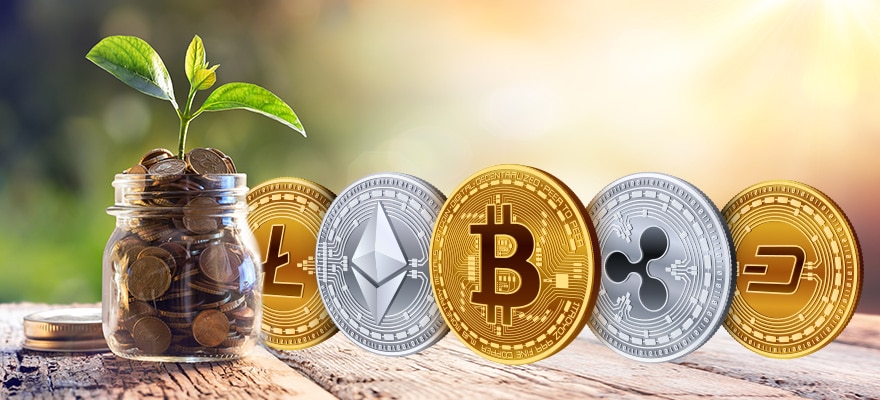
It’s been said that Bitcoin is the currency of the millennial generation. The relationship between the millennial generation and Bitcoin is so positive, in fact, that a survey conducted by Bankrate in July of last year revealed that millennial adults are five times more likely to say that Bitcoin is the best way to save for the future than adults of older generations.
Although it’s true that most millennials have never interacted with Bitcoin directly, it does make sense that a generation that is largely distrustful of governments and other kinds of large institutions would be interested in a financial instrument that is so far out of governmental reach.
After all, it was just last week that CNBC reported that the United States government’s social security system is headed for insolvency by 2035--in other words, US citizens who have been paying into the country’s pension system won’t be able to receive the benefits they’ve been promised in just 16 years (unless something serious changes.)
Additionally, the very concept of “retirement” for most millennials is quite different from what Gen Xers and Baby Boomers may perceive it to be. “According to some reports, many people under 40 believe they will never retire,” said. Morgan Steckler, cryptocurrency retirement fund expert and CSO of iTrust Capital, in an email to Finance Magnates.
“If these assets have the [same potential for profits that] they have shown over the past number of years--the fall in prices included--it could still lead to life-changing returns and give those people that option to retire if they so choose.”
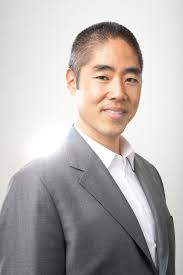
The answer is yes--and according to Evercoin exchange founder Miko Matsumura, crypto-based assets are strongly appealing to older individuals in certain parts of the world. “Japan, as the first country to legalize bitcoin, is a great example of how the aging population is diversifying into cryptographic assets to hedge against currency devaluation and trade imbalances,” he told Finance Magnates in an email.
Miko Matsumura.
Matsumura added that indeed, cryptographic assets could be an excellent solution for anyone who has a ‘checkbook IRA’ because of their “potential to increase (and decrease) in value so dramatically.”
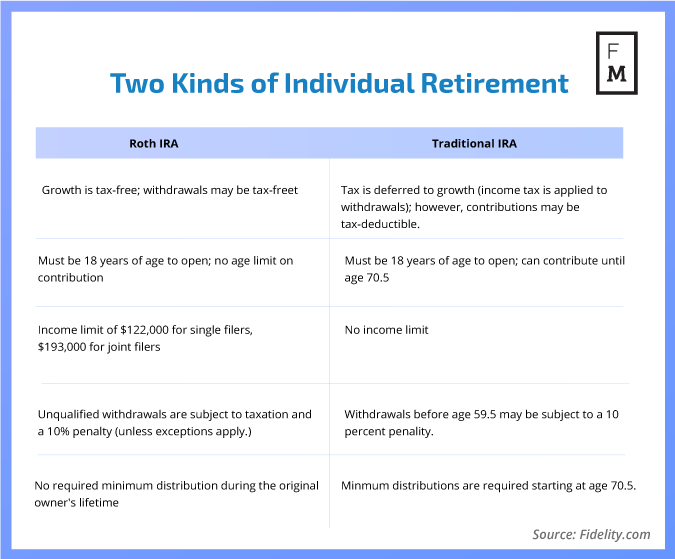
(TL;DR: an IRA, or Individual Retirement Account, is defined as “a form of ‘individual retirement plan,’ provided by many financial institutions, that provides tax advantages for retirement savings in the United States. A "checkbook IRA" is an account that holds a single asset: an LLC. Who is the manager of this LLC? You. The LLC can then own assets as its owner sees fit. Consult with an expert before attempting this yourself.)
“So if you have an asset [that] you believe in long-term that is very cheap today, you can park a small amount into a self-directed IRA vehicle and when you retire, take out the large sum without tax penalties,” he explained. “This solution would best benefit from a diversified basket of assets that were all fundamentally sound in terms of their long-term value.”
In other words, crypto assets could be a great addition for anyone who regularly cashes in and out of some of their retirement assets--hodlers could buy their crypto assets low and sell them high, which could potentially add some serious cash to one’s retirement fund.
However, the flip side of this is also true--storing retirement funds in cryptocurrency also means that they could lose their value. Therefore, it might be wise to only keep a small portion of one’s retirement funds in cryptocurrency.
“It does, however, play a part and is worthy of being in an overall strategy of someone's retirement account. Think of it as a pie. These are all pieces of your nest egg pie. There should be room for a small piece of this pie for blockchain/crypto, as long as it's balanced with the more conservative pieces one probably already has exposure too.”
Not Only is It Legal--Crypto Traders Could Save Big on Taxes By Contributing to an IRA
Is this really legal? Steckler told Finance Magnates that although the IRS’ guidelines are somewhat unclear, using cryptocurrency to contribute to a retirement fund is perfectly within the law.
Morgan Steckler.
Steckler explained to Finance Magnates that “the IRS states on their site what one cannot invest in” when it comes to retirement funds, and that cryptocurrency is not included on the list.” Additionally, cryptocurrency is legally treated as property by the IRS. When it comes to Bitcoin in particular, the fact that it can be legally traded for USD, Euros, and other fiat currencies “means it can also be used in place of dollars or other currencies in order to make investments and to fund an IRA.”
“The benefits are without question monumental,” Steckler said. “When one is buying/selling/trading within a retirement account, there are NO taxation events.”
Steckler said that outside of the context of an IRA, trading crypto could be a rather tax-heavy event--and a logistical nightmare. “On the cash side, every time one buys or sells, or buys another alt using BTC or ETC for instance, there has to be tracking of where you purchased the coin, where you sold it, and converting it to the other alt (knowing the profit/loss).”
“There is no escaping taxes; it may not be today, tomorrow, or even next year, but at some point you will get a bill for these. Any buy or sell within 1 year is also considered short term capital gains, and can change your income bracket, and cause even more taxation. This can be up to 50% depending on what state you are in.”
None of This Matters With an IRA”
However, “None of this matters within an IRA. All trades are exempt from taxation as these are all done within the IRA arena.”
Therefore, “there is no bigger benefit to people are who active within the crypto communities,” Steckler said.” By investing a portion of your IRA or 401k in a crypto-based IRA, individuals can leverage tax-free personal property status thanks to IRS Notice 2014-21.”
However, individuals who contribute crypto into their retirement accounts will eventually be liable for taxes. “It is possible to retain the gains that are accrued tax-free until the individual chooses to take a distribution,” Steckler said.
The Practical Side of Things
How would any of this work on a logistical level?
There are a growing number of accountants and accounting services seeking to capitalize off of the desire to contribute to one’s retirement fund in crypto. However, echoing Matsumura's words, a report by Brave New Coin explained that the most affordable way to contribute crypto to a retirement fund is to open up a so-called "checkbook IRA.”
As the manager of the LLC owned by the IRA, "you control how those funds are invested,” the report explains. “This includes the ability to invest in cryptocurrency.”
“No approval from the custodian is required, as the investment is legally held by the LLC, not the IRA. The IRS does issue some ‘prohibited transaction rules.’ These rules outright prohibit IRAs (and LLCs owned by IRAs) from investing in certain assets.” (However, as mentioned above, cryptocurrency is not on these lists--although it may still be best to consult with an expert directly before attempting this yourself.)
If you are contributing to an IRA or another retirement fund in crypto, it’s important to consider the kinds of assets that you believe will perform well in the long-term sense. Steckler said that at his own company, “we look for projects and coins that have proven their worth within the space.”
The key is to try and discern which projects will continue to fill a necessary role in a longer-term sense. Steckler is keen on the belief that at least some crypto projects will flourish with time: “in the next 3-5 years blockchain will be part of every person's life; we are in the early '90s when email came out. Now look where and how we use email daily.”
It’s been said that Bitcoin is the currency of the millennial generation. The relationship between the millennial generation and Bitcoin is so positive, in fact, that a survey conducted by Bankrate in July of last year revealed that millennial adults are five times more likely to say that Bitcoin is the best way to save for the future than adults of older generations.
Although it’s true that most millennials have never interacted with Bitcoin directly, it does make sense that a generation that is largely distrustful of governments and other kinds of large institutions would be interested in a financial instrument that is so far out of governmental reach.
After all, it was just last week that CNBC reported that the United States government’s social security system is headed for insolvency by 2035--in other words, US citizens who have been paying into the country’s pension system won’t be able to receive the benefits they’ve been promised in just 16 years (unless something serious changes.)
Additionally, the very concept of “retirement” for most millennials is quite different from what Gen Xers and Baby Boomers may perceive it to be. “According to some reports, many people under 40 believe they will never retire,” said. Morgan Steckler, cryptocurrency retirement fund expert and CSO of iTrust Capital, in an email to Finance Magnates.
“If these assets have the [same potential for profits that] they have shown over the past number of years--the fall in prices included--it could still lead to life-changing returns and give those people that option to retire if they so choose.”
The answer is yes--and according to Evercoin exchange founder Miko Matsumura, crypto-based assets are strongly appealing to older individuals in certain parts of the world. “Japan, as the first country to legalize bitcoin, is a great example of how the aging population is diversifying into cryptographic assets to hedge against currency devaluation and trade imbalances,” he told Finance Magnates in an email.
Miko Matsumura.
Matsumura added that indeed, cryptographic assets could be an excellent solution for anyone who has a ‘checkbook IRA’ because of their “potential to increase (and decrease) in value so dramatically.”
(TL;DR: an IRA, or Individual Retirement Account, is defined as “a form of ‘individual retirement plan,’ provided by many financial institutions, that provides tax advantages for retirement savings in the United States. A "checkbook IRA" is an account that holds a single asset: an LLC. Who is the manager of this LLC? You. The LLC can then own assets as its owner sees fit. Consult with an expert before attempting this yourself.)
“So if you have an asset [that] you believe in long-term that is very cheap today, you can park a small amount into a self-directed IRA vehicle and when you retire, take out the large sum without tax penalties,” he explained. “This solution would best benefit from a diversified basket of assets that were all fundamentally sound in terms of their long-term value.”
In other words, crypto assets could be a great addition for anyone who regularly cashes in and out of some of their retirement assets--hodlers could buy their crypto assets low and sell them high, which could potentially add some serious cash to one’s retirement fund.
However, the flip side of this is also true--storing retirement funds in cryptocurrency also means that they could lose their value. Therefore, it might be wise to only keep a small portion of one’s retirement funds in cryptocurrency.
“It does, however, play a part and is worthy of being in an overall strategy of someone's retirement account. Think of it as a pie. These are all pieces of your nest egg pie. There should be room for a small piece of this pie for blockchain/crypto, as long as it's balanced with the more conservative pieces one probably already has exposure too.”
Not Only is It Legal--Crypto Traders Could Save Big on Taxes By Contributing to an IRA
Is this really legal? Steckler told Finance Magnates that although the IRS’ guidelines are somewhat unclear, using cryptocurrency to contribute to a retirement fund is perfectly within the law.
Morgan Steckler.
Steckler explained to Finance Magnates that “the IRS states on their site what one cannot invest in” when it comes to retirement funds, and that cryptocurrency is not included on the list.” Additionally, cryptocurrency is legally treated as property by the IRS. When it comes to Bitcoin in particular, the fact that it can be legally traded for USD, Euros, and other fiat currencies “means it can also be used in place of dollars or other currencies in order to make investments and to fund an IRA.”
“The benefits are without question monumental,” Steckler said. “When one is buying/selling/trading within a retirement account, there are NO taxation events.”
Steckler said that outside of the context of an IRA, trading crypto could be a rather tax-heavy event--and a logistical nightmare. “On the cash side, every time one buys or sells, or buys another alt using BTC or ETC for instance, there has to be tracking of where you purchased the coin, where you sold it, and converting it to the other alt (knowing the profit/loss).”
“There is no escaping taxes; it may not be today, tomorrow, or even next year, but at some point you will get a bill for these. Any buy or sell within 1 year is also considered short term capital gains, and can change your income bracket, and cause even more taxation. This can be up to 50% depending on what state you are in.”
None of This Matters With an IRA”
However, “None of this matters within an IRA. All trades are exempt from taxation as these are all done within the IRA arena.”
Therefore, “there is no bigger benefit to people are who active within the crypto communities,” Steckler said.” By investing a portion of your IRA or 401k in a crypto-based IRA, individuals can leverage tax-free personal property status thanks to IRS Notice 2014-21.”
However, individuals who contribute crypto into their retirement accounts will eventually be liable for taxes. “It is possible to retain the gains that are accrued tax-free until the individual chooses to take a distribution,” Steckler said.
The Practical Side of Things
How would any of this work on a logistical level?
There are a growing number of accountants and accounting services seeking to capitalize off of the desire to contribute to one’s retirement fund in crypto. However, echoing Matsumura's words, a report by Brave New Coin explained that the most affordable way to contribute crypto to a retirement fund is to open up a so-called "checkbook IRA.”
As the manager of the LLC owned by the IRA, "you control how those funds are invested,” the report explains. “This includes the ability to invest in cryptocurrency.”
“No approval from the custodian is required, as the investment is legally held by the LLC, not the IRA. The IRS does issue some ‘prohibited transaction rules.’ These rules outright prohibit IRAs (and LLCs owned by IRAs) from investing in certain assets.” (However, as mentioned above, cryptocurrency is not on these lists--although it may still be best to consult with an expert directly before attempting this yourself.)
If you are contributing to an IRA or another retirement fund in crypto, it’s important to consider the kinds of assets that you believe will perform well in the long-term sense. Steckler said that at his own company, “we look for projects and coins that have proven their worth within the space.”
The key is to try and discern which projects will continue to fill a necessary role in a longer-term sense. Steckler is keen on the belief that at least some crypto projects will flourish with time: “in the next 3-5 years blockchain will be part of every person's life; we are in the early '90s when email came out. Now look where and how we use email daily.”
Rachel is a self-taught crypto geek and a passionate writer. She believes in the power that the written word has to educate, connect and empower individuals to make positive and powerful financial choices. She is the Podcast Host and a Cryptocurrency Editor at Finance Magnates.
Polymarket Curbs Insider Bets: No Stolen Info, No Illegal Tips, No Outcome Influencers
Featured Videos
CMC Markets’ Artur Delijergijevs on Metals Demand, Volatility, & Stable Execution
CMC Markets’ Artur Delijergijevs on Metals Demand, Volatility, & Stable Execution
CMC Markets’ Artur Delijergijevs on Metals Demand, Volatility, & Stable Execution
CMC Markets’ Artur Delijergijevs on Metals Demand, Volatility, & Stable Execution
In this exclusive Executive Interview, Finance Magnates speaks with Artur Delijergijevs, Head of Systematic Market Making at CMC Markets, about the current state of metals demand and market volatility.
Delijergijevs offers a desk-level view on:
- Metals Demand: Why metals are seeing the strongest demand from both retail and institutional clients right now.
- The Safe-Haven Debate: Questioning whether gold still fits the classic safe-haven definition given large daily price movements.
- Volatile Market Prep: How a market-making desk prepares its systems and pricing for stressed market conditions and high-impact economic events.
- Hybrid Execution: Why the best execution model combines electronic speed with human relationship support, especially during volatility.
- AI in Workflow: Where CMC Markets is integrating machine learning for risk management and pricing, and the limitations of AI during stressed markets.
- Dubai's Role: The strategic importance of Dubai’s location for covering global trading sessions across Asia, Europe, and the US.
Watch to understand how CMC Markets maintains stable pricing and reliable execution quality in high-volatility environments.
#CMCmarkets #forex #metals #gold #trading #volatility #MarketMaking #iFXDubai #FinanceMagnates #Finance #Fintech #Execution #AlgorithmicTrading #RiskManagement
In this exclusive Executive Interview, Finance Magnates speaks with Artur Delijergijevs, Head of Systematic Market Making at CMC Markets, about the current state of metals demand and market volatility.
Delijergijevs offers a desk-level view on:
- Metals Demand: Why metals are seeing the strongest demand from both retail and institutional clients right now.
- The Safe-Haven Debate: Questioning whether gold still fits the classic safe-haven definition given large daily price movements.
- Volatile Market Prep: How a market-making desk prepares its systems and pricing for stressed market conditions and high-impact economic events.
- Hybrid Execution: Why the best execution model combines electronic speed with human relationship support, especially during volatility.
- AI in Workflow: Where CMC Markets is integrating machine learning for risk management and pricing, and the limitations of AI during stressed markets.
- Dubai's Role: The strategic importance of Dubai’s location for covering global trading sessions across Asia, Europe, and the US.
Watch to understand how CMC Markets maintains stable pricing and reliable execution quality in high-volatility environments.
#CMCmarkets #forex #metals #gold #trading #volatility #MarketMaking #iFXDubai #FinanceMagnates #Finance #Fintech #Execution #AlgorithmicTrading #RiskManagement
In this exclusive Executive Interview, Finance Magnates speaks with Artur Delijergijevs, Head of Systematic Market Making at CMC Markets, about the current state of metals demand and market volatility.
Delijergijevs offers a desk-level view on:
- Metals Demand: Why metals are seeing the strongest demand from both retail and institutional clients right now.
- The Safe-Haven Debate: Questioning whether gold still fits the classic safe-haven definition given large daily price movements.
- Volatile Market Prep: How a market-making desk prepares its systems and pricing for stressed market conditions and high-impact economic events.
- Hybrid Execution: Why the best execution model combines electronic speed with human relationship support, especially during volatility.
- AI in Workflow: Where CMC Markets is integrating machine learning for risk management and pricing, and the limitations of AI during stressed markets.
- Dubai's Role: The strategic importance of Dubai’s location for covering global trading sessions across Asia, Europe, and the US.
Watch to understand how CMC Markets maintains stable pricing and reliable execution quality in high-volatility environments.
#CMCmarkets #forex #metals #gold #trading #volatility #MarketMaking #iFXDubai #FinanceMagnates #Finance #Fintech #Execution #AlgorithmicTrading #RiskManagement
In this exclusive Executive Interview, Finance Magnates speaks with Artur Delijergijevs, Head of Systematic Market Making at CMC Markets, about the current state of metals demand and market volatility.
Delijergijevs offers a desk-level view on:
- Metals Demand: Why metals are seeing the strongest demand from both retail and institutional clients right now.
- The Safe-Haven Debate: Questioning whether gold still fits the classic safe-haven definition given large daily price movements.
- Volatile Market Prep: How a market-making desk prepares its systems and pricing for stressed market conditions and high-impact economic events.
- Hybrid Execution: Why the best execution model combines electronic speed with human relationship support, especially during volatility.
- AI in Workflow: Where CMC Markets is integrating machine learning for risk management and pricing, and the limitations of AI during stressed markets.
- Dubai's Role: The strategic importance of Dubai’s location for covering global trading sessions across Asia, Europe, and the US.
Watch to understand how CMC Markets maintains stable pricing and reliable execution quality in high-volatility environments.
#CMCmarkets #forex #metals #gold #trading #volatility #MarketMaking #iFXDubai #FinanceMagnates #Finance #Fintech #Execution #AlgorithmicTrading #RiskManagement
Finance Magnates Awards 2026 – Nominations Now Open
Finance Magnates Awards 2026 – Nominations Now Open
Finance Magnates Awards 2026 – Nominations Now Open
Finance Magnates Awards 2026 – Nominations Now Open
Finance Magnates Awards 2026 – Nominations Now Open
Finance Magnates Awards 2026 – Nominations Now Open
The Finance Magnates Awards 2026 nominations are now open. 🏆
From fintech innovators to leading brokers, this is where the finance industry celebrates its biggest achievements.
Winners will be announced at the Cyprus Gala Dinner on November 6, 2026.
Nominate your brand now.
https://awards.financemagnates.com/?utm_source=linkedin&utm_medium=video&utm_campaign=nominations-open
#FMAwards #FinanceMagnates #FintechAwards #Fintech #FinanceIndustry
The Finance Magnates Awards 2026 nominations are now open. 🏆
From fintech innovators to leading brokers, this is where the finance industry celebrates its biggest achievements.
Winners will be announced at the Cyprus Gala Dinner on November 6, 2026.
Nominate your brand now.
https://awards.financemagnates.com/?utm_source=linkedin&utm_medium=video&utm_campaign=nominations-open
#FMAwards #FinanceMagnates #FintechAwards #Fintech #FinanceIndustry
The Finance Magnates Awards 2026 nominations are now open. 🏆
From fintech innovators to leading brokers, this is where the finance industry celebrates its biggest achievements.
Winners will be announced at the Cyprus Gala Dinner on November 6, 2026.
Nominate your brand now.
https://awards.financemagnates.com/?utm_source=linkedin&utm_medium=video&utm_campaign=nominations-open
#FMAwards #FinanceMagnates #FintechAwards #Fintech #FinanceIndustry
The Finance Magnates Awards 2026 nominations are now open. 🏆
From fintech innovators to leading brokers, this is where the finance industry celebrates its biggest achievements.
Winners will be announced at the Cyprus Gala Dinner on November 6, 2026.
Nominate your brand now.
https://awards.financemagnates.com/?utm_source=linkedin&utm_medium=video&utm_campaign=nominations-open
#FMAwards #FinanceMagnates #FintechAwards #Fintech #FinanceIndustry
The Finance Magnates Awards 2026 nominations are now open. 🏆
From fintech innovators to leading brokers, this is where the finance industry celebrates its biggest achievements.
Winners will be announced at the Cyprus Gala Dinner on November 6, 2026.
Nominate your brand now.
https://awards.financemagnates.com/?utm_source=linkedin&utm_medium=video&utm_campaign=nominations-open
#FMAwards #FinanceMagnates #FintechAwards #Fintech #FinanceIndustry
The Finance Magnates Awards 2026 nominations are now open. 🏆
From fintech innovators to leading brokers, this is where the finance industry celebrates its biggest achievements.
Winners will be announced at the Cyprus Gala Dinner on November 6, 2026.
Nominate your brand now.
https://awards.financemagnates.com/?utm_source=linkedin&utm_medium=video&utm_campaign=nominations-open
#FMAwards #FinanceMagnates #FintechAwards #Fintech #FinanceIndustry
Finance Magnates Awards 2026 | Nominations Now Open 🏆#Fintech #FMAwards #TradingIndustry
Finance Magnates Awards 2026 | Nominations Now Open 🏆#Fintech #FMAwards #TradingIndustry
Finance Magnates Awards 2026 | Nominations Now Open 🏆#Fintech #FMAwards #TradingIndustry
Finance Magnates Awards 2026 | Nominations Now Open 🏆#Fintech #FMAwards #TradingIndustry
Finance Magnates Awards 2026 | Nominations Now Open 🏆#Fintech #FMAwards #TradingIndustry
Finance Magnates Awards 2026 | Nominations Now Open 🏆#Fintech #FMAwards #TradingIndustry
Lights on. Cameras ready. 🎬
Finance Magnates Awards 2026 nominations are now open. 🏆
#FMAwards #FinanceMagnates #FintechAwards #Fintech
Lights on. Cameras ready. 🎬
Finance Magnates Awards 2026 nominations are now open. 🏆
#FMAwards #FinanceMagnates #FintechAwards #Fintech
Lights on. Cameras ready. 🎬
Finance Magnates Awards 2026 nominations are now open. 🏆
#FMAwards #FinanceMagnates #FintechAwards #Fintech
Lights on. Cameras ready. 🎬
Finance Magnates Awards 2026 nominations are now open. 🏆
#FMAwards #FinanceMagnates #FintechAwards #Fintech
Lights on. Cameras ready. 🎬
Finance Magnates Awards 2026 nominations are now open. 🏆
#FMAwards #FinanceMagnates #FintechAwards #Fintech
Lights on. Cameras ready. 🎬
Finance Magnates Awards 2026 nominations are now open. 🏆
#FMAwards #FinanceMagnates #FintechAwards #Fintech
Exness sees trust as the key theme for growth in MENA Trading Growth for 2026
Exness sees trust as the key theme for growth in MENA Trading Growth for 2026
Exness sees trust as the key theme for growth in MENA Trading Growth for 2026
Exness sees trust as the key theme for growth in MENA Trading Growth for 2026
Exness sees trust as the key theme for growth in MENA Trading Growth for 2026
Exness sees trust as the key theme for growth in MENA Trading Growth for 2026
Mohammad Amer, Regional Commercial Director at Exness, sits down to discuss the booming MENA financial trading market. Find out why Dubai is key to the company's growth strategy, how a mobile-first generation is changing expectations, and why trust will be the defining theme for traders in 2026.
In this interview, you'll learn:
* Why Dubai and the MENA region are critical growth markets for fintech and online trading.
* How Exness is addressing the demands of mobile-first, younger traders through engineering, platform stability, and transparent conditions.
* The essential role local talent plays in providing a culturally relevant and compliant user experience.
* Mohammad Amer's outlook on the future of the online trading industry and why stronger controls and systems are necessary.
* Why "trust" isn't just a brand value, but has commercial value—and why he predicts 2026 will be the "Year of Trust."
Key Takeaways:
➡️ The MENA region is rapidly shaping global financial markets.
➡️ New traders expect stability, precise execution, and transparency.
➡️ Local expertise is key to regulatory compliance and user experience.
➡️ Future success belongs to firms capable of meeting rising standards across regulation and platform consistency.
Read the full article at: https://www.financemagnates.com/thought-leadership/exness-sees-trust-as-the-key-theme-for-growth-in-mena-trading-growth-for-2026/
#Exness #MENA #Trading #FinTech #Dubai #OnlineTrading #FinanceMagnates #MohammadAmer #Trust #MobileTrading
Mohammad Amer, Regional Commercial Director at Exness, sits down to discuss the booming MENA financial trading market. Find out why Dubai is key to the company's growth strategy, how a mobile-first generation is changing expectations, and why trust will be the defining theme for traders in 2026.
In this interview, you'll learn:
* Why Dubai and the MENA region are critical growth markets for fintech and online trading.
* How Exness is addressing the demands of mobile-first, younger traders through engineering, platform stability, and transparent conditions.
* The essential role local talent plays in providing a culturally relevant and compliant user experience.
* Mohammad Amer's outlook on the future of the online trading industry and why stronger controls and systems are necessary.
* Why "trust" isn't just a brand value, but has commercial value—and why he predicts 2026 will be the "Year of Trust."
Key Takeaways:
➡️ The MENA region is rapidly shaping global financial markets.
➡️ New traders expect stability, precise execution, and transparency.
➡️ Local expertise is key to regulatory compliance and user experience.
➡️ Future success belongs to firms capable of meeting rising standards across regulation and platform consistency.
Read the full article at: https://www.financemagnates.com/thought-leadership/exness-sees-trust-as-the-key-theme-for-growth-in-mena-trading-growth-for-2026/
#Exness #MENA #Trading #FinTech #Dubai #OnlineTrading #FinanceMagnates #MohammadAmer #Trust #MobileTrading
Mohammad Amer, Regional Commercial Director at Exness, sits down to discuss the booming MENA financial trading market. Find out why Dubai is key to the company's growth strategy, how a mobile-first generation is changing expectations, and why trust will be the defining theme for traders in 2026.
In this interview, you'll learn:
* Why Dubai and the MENA region are critical growth markets for fintech and online trading.
* How Exness is addressing the demands of mobile-first, younger traders through engineering, platform stability, and transparent conditions.
* The essential role local talent plays in providing a culturally relevant and compliant user experience.
* Mohammad Amer's outlook on the future of the online trading industry and why stronger controls and systems are necessary.
* Why "trust" isn't just a brand value, but has commercial value—and why he predicts 2026 will be the "Year of Trust."
Key Takeaways:
➡️ The MENA region is rapidly shaping global financial markets.
➡️ New traders expect stability, precise execution, and transparency.
➡️ Local expertise is key to regulatory compliance and user experience.
➡️ Future success belongs to firms capable of meeting rising standards across regulation and platform consistency.
Read the full article at: https://www.financemagnates.com/thought-leadership/exness-sees-trust-as-the-key-theme-for-growth-in-mena-trading-growth-for-2026/
#Exness #MENA #Trading #FinTech #Dubai #OnlineTrading #FinanceMagnates #MohammadAmer #Trust #MobileTrading
Mohammad Amer, Regional Commercial Director at Exness, sits down to discuss the booming MENA financial trading market. Find out why Dubai is key to the company's growth strategy, how a mobile-first generation is changing expectations, and why trust will be the defining theme for traders in 2026.
In this interview, you'll learn:
* Why Dubai and the MENA region are critical growth markets for fintech and online trading.
* How Exness is addressing the demands of mobile-first, younger traders through engineering, platform stability, and transparent conditions.
* The essential role local talent plays in providing a culturally relevant and compliant user experience.
* Mohammad Amer's outlook on the future of the online trading industry and why stronger controls and systems are necessary.
* Why "trust" isn't just a brand value, but has commercial value—and why he predicts 2026 will be the "Year of Trust."
Key Takeaways:
➡️ The MENA region is rapidly shaping global financial markets.
➡️ New traders expect stability, precise execution, and transparency.
➡️ Local expertise is key to regulatory compliance and user experience.
➡️ Future success belongs to firms capable of meeting rising standards across regulation and platform consistency.
Read the full article at: https://www.financemagnates.com/thought-leadership/exness-sees-trust-as-the-key-theme-for-growth-in-mena-trading-growth-for-2026/
#Exness #MENA #Trading #FinTech #Dubai #OnlineTrading #FinanceMagnates #MohammadAmer #Trust #MobileTrading
Mohammad Amer, Regional Commercial Director at Exness, sits down to discuss the booming MENA financial trading market. Find out why Dubai is key to the company's growth strategy, how a mobile-first generation is changing expectations, and why trust will be the defining theme for traders in 2026.
In this interview, you'll learn:
* Why Dubai and the MENA region are critical growth markets for fintech and online trading.
* How Exness is addressing the demands of mobile-first, younger traders through engineering, platform stability, and transparent conditions.
* The essential role local talent plays in providing a culturally relevant and compliant user experience.
* Mohammad Amer's outlook on the future of the online trading industry and why stronger controls and systems are necessary.
* Why "trust" isn't just a brand value, but has commercial value—and why he predicts 2026 will be the "Year of Trust."
Key Takeaways:
➡️ The MENA region is rapidly shaping global financial markets.
➡️ New traders expect stability, precise execution, and transparency.
➡️ Local expertise is key to regulatory compliance and user experience.
➡️ Future success belongs to firms capable of meeting rising standards across regulation and platform consistency.
Read the full article at: https://www.financemagnates.com/thought-leadership/exness-sees-trust-as-the-key-theme-for-growth-in-mena-trading-growth-for-2026/
#Exness #MENA #Trading #FinTech #Dubai #OnlineTrading #FinanceMagnates #MohammadAmer #Trust #MobileTrading
Mohammad Amer, Regional Commercial Director at Exness, sits down to discuss the booming MENA financial trading market. Find out why Dubai is key to the company's growth strategy, how a mobile-first generation is changing expectations, and why trust will be the defining theme for traders in 2026.
In this interview, you'll learn:
* Why Dubai and the MENA region are critical growth markets for fintech and online trading.
* How Exness is addressing the demands of mobile-first, younger traders through engineering, platform stability, and transparent conditions.
* The essential role local talent plays in providing a culturally relevant and compliant user experience.
* Mohammad Amer's outlook on the future of the online trading industry and why stronger controls and systems are necessary.
* Why "trust" isn't just a brand value, but has commercial value—and why he predicts 2026 will be the "Year of Trust."
Key Takeaways:
➡️ The MENA region is rapidly shaping global financial markets.
➡️ New traders expect stability, precise execution, and transparency.
➡️ Local expertise is key to regulatory compliance and user experience.
➡️ Future success belongs to firms capable of meeting rising standards across regulation and platform consistency.
Read the full article at: https://www.financemagnates.com/thought-leadership/exness-sees-trust-as-the-key-theme-for-growth-in-mena-trading-growth-for-2026/
#Exness #MENA #Trading #FinTech #Dubai #OnlineTrading #FinanceMagnates #MohammadAmer #Trust #MobileTrading
Paytiko CEO Razi Salih on Why Payment Orchestration is a MUST-HAVE for Brokers in 2026
Paytiko CEO Razi Salih on Why Payment Orchestration is a MUST-HAVE for Brokers in 2026
Paytiko CEO Razi Salih on Why Payment Orchestration is a MUST-HAVE for Brokers in 2026
Paytiko CEO Razi Salih on Why Payment Orchestration is a MUST-HAVE for Brokers in 2026
Paytiko CEO Razi Salih on Why Payment Orchestration is a MUST-HAVE for Brokers in 2026
Paytiko CEO Razi Salih on Why Payment Orchestration is a MUST-HAVE for Brokers in 2026
At iFX Expo Dubai, Finance Magnates spoke with Razi Salih, CEO at Paytiko, about the evolution of the payments ecosystem and why payment orchestration has shifted from an option to a necessity for brokers, prop firms, and exchanges.
Mr. Salih explains how global expansion, the need for deep localisation, and the sheer number of new payment methods, from instant banking to stablecoins, are driving this critical infrastructure shift.
#PaymentOrchestration #Fintech #Brokerage #TradingPayments #RaziSalih #Paytiko #iFXExpoDubai #Stablecoins #AIinFintech
At iFX Expo Dubai, Finance Magnates spoke with Razi Salih, CEO at Paytiko, about the evolution of the payments ecosystem and why payment orchestration has shifted from an option to a necessity for brokers, prop firms, and exchanges.
Mr. Salih explains how global expansion, the need for deep localisation, and the sheer number of new payment methods, from instant banking to stablecoins, are driving this critical infrastructure shift.
#PaymentOrchestration #Fintech #Brokerage #TradingPayments #RaziSalih #Paytiko #iFXExpoDubai #Stablecoins #AIinFintech
At iFX Expo Dubai, Finance Magnates spoke with Razi Salih, CEO at Paytiko, about the evolution of the payments ecosystem and why payment orchestration has shifted from an option to a necessity for brokers, prop firms, and exchanges.
Mr. Salih explains how global expansion, the need for deep localisation, and the sheer number of new payment methods, from instant banking to stablecoins, are driving this critical infrastructure shift.
#PaymentOrchestration #Fintech #Brokerage #TradingPayments #RaziSalih #Paytiko #iFXExpoDubai #Stablecoins #AIinFintech
At iFX Expo Dubai, Finance Magnates spoke with Razi Salih, CEO at Paytiko, about the evolution of the payments ecosystem and why payment orchestration has shifted from an option to a necessity for brokers, prop firms, and exchanges.
Mr. Salih explains how global expansion, the need for deep localisation, and the sheer number of new payment methods, from instant banking to stablecoins, are driving this critical infrastructure shift.
#PaymentOrchestration #Fintech #Brokerage #TradingPayments #RaziSalih #Paytiko #iFXExpoDubai #Stablecoins #AIinFintech
At iFX Expo Dubai, Finance Magnates spoke with Razi Salih, CEO at Paytiko, about the evolution of the payments ecosystem and why payment orchestration has shifted from an option to a necessity for brokers, prop firms, and exchanges.
Mr. Salih explains how global expansion, the need for deep localisation, and the sheer number of new payment methods, from instant banking to stablecoins, are driving this critical infrastructure shift.
#PaymentOrchestration #Fintech #Brokerage #TradingPayments #RaziSalih #Paytiko #iFXExpoDubai #Stablecoins #AIinFintech
At iFX Expo Dubai, Finance Magnates spoke with Razi Salih, CEO at Paytiko, about the evolution of the payments ecosystem and why payment orchestration has shifted from an option to a necessity for brokers, prop firms, and exchanges.
Mr. Salih explains how global expansion, the need for deep localisation, and the sheer number of new payment methods, from instant banking to stablecoins, are driving this critical infrastructure shift.
#PaymentOrchestration #Fintech #Brokerage #TradingPayments #RaziSalih #Paytiko #iFXExpoDubai #Stablecoins #AIinFintech