“CureCoin is a yet to be discovered gem is the general consensus. It feels good to know how much advancement to medical research we bring to the table.”
Bloomberg
Joshua Smith is the founder of CureCoin, a cryptocurrency harnessing the power of the mining process as a massive distributed medical research tool. The self-taught programmer is based in Bay City, Michigan where he works remotely with collaborators around the world, like Dr. Pande, the founder of Stanford’s Folding@home, on an unofficial level.
We spoke with Smith about his initial motivation and inspiration for the project, getting support from businesses and charities, the fate of the network after the creation of a disease free world, his team’s groundbreaking innovations and much much more. The full interview follows below.
There were already platforms such as Folding@home that use the power of the crowd to do scientific research. What do you see as the main innovation that CureCoin brings?
It brings a new incentive, and not just incentive, but a means to make participating in what used to be a donation system into a system that can actually make profit for people to host machines that help advance science.
Before CureCoin, people were just spending their own money to fold proteins on the computers, now they have a chance to recover those costs, enabling them to contribute even more. End goal is similar to any coin, to have enough competition that the price goes into the green (profitable area) to do this research.
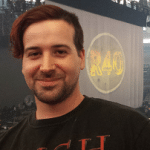
Joshua Smith, Founder, CureCoin
Basically I view it as Folding@home was an engine sitting around already functioning, CureCoin in essence is a bolt on turbo charger to make it run faster.
In the first months that we launched, we broke every last world record in computational research speed, and other records not even involving medical research but raw flops. We were at about 19 petaflops (on the Stanford outdated calculator) which set our team faster than the IBM Titan super Computer, something never achieved by any DCN team in history.
It also solves the growing concern of the power hungry ASIC farms, as it is widely agreed that there is no ASIC for protein folding. If such a device could be invented, it would be a great leap for medical science, however the folding computations require extensive physics engines... as the calculations change with every work unit.
So in a sense it is more likely to remain distributed than what happened with bitcoin, where a few miners control the network?
very much so, currently there is one folder who is very philanthropic, he has the highest output of work by a good margin. He has decided to become a deeper part of the system though by donating all of his earnings.
Even with that said, his donated wallet is still in a tight mix for the highest "bag holders." That’s another interesting concept that was laid out in the initial plans of CureCoin, to be a self-sustaining system that can fund the folding@home project
There is a 3% development fund of the coins minted, these are meant to drive the CureCoin system to further limits, which will eventually include upgrades needed at the folding@home servers to reach the exaflop goal Dr Pande has set.
So not only does CureCoin bring more power to the system in terms of computational power, it also can fund the core servers at Pande Labs, and even fund new projects to help solve diseases that are not being looked at yet.
What's the relationship between Folding@home and CureCoin?
There was never an official endorsement from Dr Pande, since he did not know how the Curecoin project would work out, as it has never been attempted before. I did get an unofficial go ahead though, with word from his staff that he said "tell team Curecoin to just keep doing what they are doing." He already has quite the reputation, and there was no need for him to put it on the line.
How did you think of CureCoin in the first place?
Well, when I first started to mine BTC, I had an NVidia GPU, which obviously back then was not as good as AMD for bitcoin mining. So I became interested in what else the CUDA arch could do better than AMD.
I started folding with that card, and had the idea of folding in exchange for cryptocurrency. That idea never came to full light until I built my cloud folding service.
Now AMD and NVidia are very close in folding performance.
One day cancer will be cured and all the proteins will be folded. What will happen to the network / coins then?
Well, cancer is only the tip of the iceberg. There are countless applications inside the use of protein structures, ranging from biofuels to exobiology. There will likely always be a new project that protein folding can advance. The idea of all proteins being completely understood is actually quite impossible, as the field grows, more and more applications will arise, and more protein structures will be researched. Proteins are much like elements, we are always finding new ones, or new ways to put them together, and as of recently mankind has broken some of the previous "laws of chemistry" in a few different ways. This is all applies to proteins as well.
That is where a very futurist point of view comes in, but that is something you would ask someone like David Brin about possibly...
Curecoin was designed to mint for 100 years, just like bitcoin, with a similar total coins. It’s very possible that within that 100 years that the bulk of the major concerns that started the folding@home project will be solved, IE cures for different cancers, Alzheimer’s, Huntington’s, Parkinson’s, AIDs, etc.
After the minting period, the coins will still be usable just like with bitcoin, hopefully in an illness free society.
That is probably wishful thinking though, since new viruses and diseases are coming out of the wild all the time, but with a better understanding of proteopathy, cures for new diseases may come much quicker after they are discovered.
In any scenario though, to answer the question more directly, the coins will still exist and be tradable.
The hope is that by then they will have an epistemic value, as they will represent all of the work that was put into the research.
Cancer funds are among the biggest charities in the world. Do you receive any donations or support from them?
Unfortunately, no, so far CureCoin has been funded by myself and my team.
There are a lot of big names looking at us. We have made contact with some people in Amazon, and my team mate Jake even attended an Overstock.com meeting and handed off some material for the CEO to look at. The response we usually get is that it sounds interesting, but people in the crypto crowd are never also experts in bio informatics.
This brings us constant responses of "Can you please explain this so we can understand it". I think basically it will just take time for people to decide to put the research in for themselves to make an educated decision on the matter of Curecoin.
When the project started, altcoins were all the rage, but by now they have mostly faded in popularity. Did you ever think about somehow merging CureCoin with Ethereum or another larger system?
This was mainly a great next step for the future, until recent leaps have been made in quantum computing. Now this new technology could be more a requirement. The moment quantum computing is in action, Sha256 will be highly outdated, and pretty much useless.
Curecoin is full of surprises.
I have to start by saying its nothing short of amazing that Max ended up on my team. He is truly the definition of a young prodigy. As far as details, that’s something I can really only scratch the surface on in a short talk. Basically, he has mixed lamport signatures with a whole new way of using merkel trees.
He joined team Curecoin with he was about 16. If you search the bitcointalk forums, you can find what I think is solid evidence that cryptocoins might have ended with bitcoin if it was not for Max understanding litecoin so well at the age of about 15, and posting step by step how to mine guides that last I checked had around 400k views in a single post. Hence urging in the era of altcoins which he was around for and spent countless hours posting guides.
This is just my speculation though... although he definitely single handedly gave the alt coin era a push without even realizing it. He thinks I’m highly speculative in this stance, but I’ve read the forums enough to be convinced he played a larger role that what many know at the moment.
His knowledge of cryptography is something out of this world.
I digress a bit there, sorry ... I’m just very impressed with my team.
Joshua Smith is the founder of CureCoin, a cryptocurrency harnessing the power of the mining process as a massive distributed medical research tool. The self-taught programmer is based in Bay City, Michigan where he works remotely with collaborators around the world, like Dr. Pande, the founder of Stanford’s Folding@home, on an unofficial level.
We spoke with Smith about his initial motivation and inspiration for the project, getting support from businesses and charities, the fate of the network after the creation of a disease free world, his team’s groundbreaking innovations and much much more. The full interview follows below.
There were already platforms such as Folding@home that use the power of the crowd to do scientific research. What do you see as the main innovation that CureCoin brings?
It brings a new incentive, and not just incentive, but a means to make participating in what used to be a donation system into a system that can actually make profit for people to host machines that help advance science.
Before CureCoin, people were just spending their own money to fold proteins on the computers, now they have a chance to recover those costs, enabling them to contribute even more. End goal is similar to any coin, to have enough competition that the price goes into the green (profitable area) to do this research.
Joshua Smith, Founder, CureCoin
Basically I view it as Folding@home was an engine sitting around already functioning, CureCoin in essence is a bolt on turbo charger to make it run faster.
In the first months that we launched, we broke every last world record in computational research speed, and other records not even involving medical research but raw flops. We were at about 19 petaflops (on the Stanford outdated calculator) which set our team faster than the IBM Titan super Computer, something never achieved by any DCN team in history.
It also solves the growing concern of the power hungry ASIC farms, as it is widely agreed that there is no ASIC for protein folding. If such a device could be invented, it would be a great leap for medical science, however the folding computations require extensive physics engines... as the calculations change with every work unit.
So in a sense it is more likely to remain distributed than what happened with bitcoin, where a few miners control the network?
very much so, currently there is one folder who is very philanthropic, he has the highest output of work by a good margin. He has decided to become a deeper part of the system though by donating all of his earnings.
Even with that said, his donated wallet is still in a tight mix for the highest "bag holders." That’s another interesting concept that was laid out in the initial plans of CureCoin, to be a self-sustaining system that can fund the folding@home project
There is a 3% development fund of the coins minted, these are meant to drive the CureCoin system to further limits, which will eventually include upgrades needed at the folding@home servers to reach the exaflop goal Dr Pande has set.
So not only does CureCoin bring more power to the system in terms of computational power, it also can fund the core servers at Pande Labs, and even fund new projects to help solve diseases that are not being looked at yet.
What's the relationship between Folding@home and CureCoin?
There was never an official endorsement from Dr Pande, since he did not know how the Curecoin project would work out, as it has never been attempted before. I did get an unofficial go ahead though, with word from his staff that he said "tell team Curecoin to just keep doing what they are doing." He already has quite the reputation, and there was no need for him to put it on the line.
How did you think of CureCoin in the first place?
Well, when I first started to mine BTC, I had an NVidia GPU, which obviously back then was not as good as AMD for bitcoin mining. So I became interested in what else the CUDA arch could do better than AMD.
I started folding with that card, and had the idea of folding in exchange for cryptocurrency. That idea never came to full light until I built my cloud folding service.
Now AMD and NVidia are very close in folding performance.
One day cancer will be cured and all the proteins will be folded. What will happen to the network / coins then?
Well, cancer is only the tip of the iceberg. There are countless applications inside the use of protein structures, ranging from biofuels to exobiology. There will likely always be a new project that protein folding can advance. The idea of all proteins being completely understood is actually quite impossible, as the field grows, more and more applications will arise, and more protein structures will be researched. Proteins are much like elements, we are always finding new ones, or new ways to put them together, and as of recently mankind has broken some of the previous "laws of chemistry" in a few different ways. This is all applies to proteins as well.
That is where a very futurist point of view comes in, but that is something you would ask someone like David Brin about possibly...
Curecoin was designed to mint for 100 years, just like bitcoin, with a similar total coins. It’s very possible that within that 100 years that the bulk of the major concerns that started the folding@home project will be solved, IE cures for different cancers, Alzheimer’s, Huntington’s, Parkinson’s, AIDs, etc.
After the minting period, the coins will still be usable just like with bitcoin, hopefully in an illness free society.
That is probably wishful thinking though, since new viruses and diseases are coming out of the wild all the time, but with a better understanding of proteopathy, cures for new diseases may come much quicker after they are discovered.
In any scenario though, to answer the question more directly, the coins will still exist and be tradable.
The hope is that by then they will have an epistemic value, as they will represent all of the work that was put into the research.
Cancer funds are among the biggest charities in the world. Do you receive any donations or support from them?
Unfortunately, no, so far CureCoin has been funded by myself and my team.
There are a lot of big names looking at us. We have made contact with some people in Amazon, and my team mate Jake even attended an Overstock.com meeting and handed off some material for the CEO to look at. The response we usually get is that it sounds interesting, but people in the crypto crowd are never also experts in bio informatics.
This brings us constant responses of "Can you please explain this so we can understand it". I think basically it will just take time for people to decide to put the research in for themselves to make an educated decision on the matter of Curecoin.
When the project started, altcoins were all the rage, but by now they have mostly faded in popularity. Did you ever think about somehow merging CureCoin with Ethereum or another larger system?
This was mainly a great next step for the future, until recent leaps have been made in quantum computing. Now this new technology could be more a requirement. The moment quantum computing is in action, Sha256 will be highly outdated, and pretty much useless.
Curecoin is full of surprises.
I have to start by saying its nothing short of amazing that Max ended up on my team. He is truly the definition of a young prodigy. As far as details, that’s something I can really only scratch the surface on in a short talk. Basically, he has mixed lamport signatures with a whole new way of using merkel trees.
He joined team Curecoin with he was about 16. If you search the bitcointalk forums, you can find what I think is solid evidence that cryptocoins might have ended with bitcoin if it was not for Max understanding litecoin so well at the age of about 15, and posting step by step how to mine guides that last I checked had around 400k views in a single post. Hence urging in the era of altcoins which he was around for and spent countless hours posting guides.
This is just my speculation though... although he definitely single handedly gave the alt coin era a push without even realizing it. He thinks I’m highly speculative in this stance, but I’ve read the forums enough to be convinced he played a larger role that what many know at the moment.
His knowledge of cryptography is something out of this world.
I digress a bit there, sorry ... I’m just very impressed with my team.
In this conversation, we sit down with Drew Niv, CSO at ATFX Connect and one of the most influential figures in modern FX.
We speak about market structure, the institutional view on liquidity, and the sharp rise of prop trading, a sector Drew has been commenting on in recent months. Drew explains why he once dismissed prop trading, why his view changed, and what he now thinks the model means for brokers, clients and risk managers.
We explore subscription-fee dependency, the high reneging rate, and the long-term challenge: how brokers can build a more stable and honest version of the model. Drew also talks about the traffic advantage standalone prop firms have built and why brokers may still win in the long run if they take the right approach.
In this conversation, we sit down with Drew Niv, CSO at ATFX Connect and one of the most influential figures in modern FX.
We speak about market structure, the institutional view on liquidity, and the sharp rise of prop trading, a sector Drew has been commenting on in recent months. Drew explains why he once dismissed prop trading, why his view changed, and what he now thinks the model means for brokers, clients and risk managers.
We explore subscription-fee dependency, the high reneging rate, and the long-term challenge: how brokers can build a more stable and honest version of the model. Drew also talks about the traffic advantage standalone prop firms have built and why brokers may still win in the long run if they take the right approach.
In this conversation, we sit down with Drew Niv, CSO at ATFX Connect and one of the most influential figures in modern FX.
We speak about market structure, the institutional view on liquidity, and the sharp rise of prop trading, a sector Drew has been commenting on in recent months. Drew explains why he once dismissed prop trading, why his view changed, and what he now thinks the model means for brokers, clients and risk managers.
We explore subscription-fee dependency, the high reneging rate, and the long-term challenge: how brokers can build a more stable and honest version of the model. Drew also talks about the traffic advantage standalone prop firms have built and why brokers may still win in the long run if they take the right approach.
In this conversation, we sit down with Drew Niv, CSO at ATFX Connect and one of the most influential figures in modern FX.
We speak about market structure, the institutional view on liquidity, and the sharp rise of prop trading, a sector Drew has been commenting on in recent months. Drew explains why he once dismissed prop trading, why his view changed, and what he now thinks the model means for brokers, clients and risk managers.
We explore subscription-fee dependency, the high reneging rate, and the long-term challenge: how brokers can build a more stable and honest version of the model. Drew also talks about the traffic advantage standalone prop firms have built and why brokers may still win in the long run if they take the right approach.
Executive Interview | Remonda Z. Kirketerp Møller| CEO & Founder Muinmos | FMLS:25
In this interview, Remonda Z. Kirketerp Møller, founder of Muinmos, breaks down the state of AI in regtech and what responsible adoption really looks like for brokers. We talk about rising fragmentation, the pressures around compliance accuracy, and why most firms are still in the early stages of AI maturity.
Ramanda also shares insights on regulator sandboxes, shifting expectations around accountability, and the current reality of MiCA licensing and passporting in Europe.
A concise look at where compliance, onboarding, and AI-driven processes are heading next.
In this interview, Remonda Z. Kirketerp Møller, founder of Muinmos, breaks down the state of AI in regtech and what responsible adoption really looks like for brokers. We talk about rising fragmentation, the pressures around compliance accuracy, and why most firms are still in the early stages of AI maturity.
Ramanda also shares insights on regulator sandboxes, shifting expectations around accountability, and the current reality of MiCA licensing and passporting in Europe.
A concise look at where compliance, onboarding, and AI-driven processes are heading next.
In this interview, Remonda Z. Kirketerp Møller, founder of Muinmos, breaks down the state of AI in regtech and what responsible adoption really looks like for brokers. We talk about rising fragmentation, the pressures around compliance accuracy, and why most firms are still in the early stages of AI maturity.
Ramanda also shares insights on regulator sandboxes, shifting expectations around accountability, and the current reality of MiCA licensing and passporting in Europe.
A concise look at where compliance, onboarding, and AI-driven processes are heading next.
In this interview, Remonda Z. Kirketerp Møller, founder of Muinmos, breaks down the state of AI in regtech and what responsible adoption really looks like for brokers. We talk about rising fragmentation, the pressures around compliance accuracy, and why most firms are still in the early stages of AI maturity.
Ramanda also shares insights on regulator sandboxes, shifting expectations around accountability, and the current reality of MiCA licensing and passporting in Europe.
A concise look at where compliance, onboarding, and AI-driven processes are heading next.
In this interview, Remonda Z. Kirketerp Møller, founder of Muinmos, breaks down the state of AI in regtech and what responsible adoption really looks like for brokers. We talk about rising fragmentation, the pressures around compliance accuracy, and why most firms are still in the early stages of AI maturity.
Ramanda also shares insights on regulator sandboxes, shifting expectations around accountability, and the current reality of MiCA licensing and passporting in Europe.
A concise look at where compliance, onboarding, and AI-driven processes are heading next.
In this interview, Remonda Z. Kirketerp Møller, founder of Muinmos, breaks down the state of AI in regtech and what responsible adoption really looks like for brokers. We talk about rising fragmentation, the pressures around compliance accuracy, and why most firms are still in the early stages of AI maturity.
Ramanda also shares insights on regulator sandboxes, shifting expectations around accountability, and the current reality of MiCA licensing and passporting in Europe.
A concise look at where compliance, onboarding, and AI-driven processes are heading next.
In this conversation, we speak with Aydin Bonabi, CEO and co-founder of Surveill, a firm focused on fraud detection and AI-driven compliance tools for financial institutions.
We start with Aydin’s view of the Summit and the challenges brokers face as fraud tactics grow more complex. He explains how firms can stay ahead through real-time signals, data patterns, and early-stage detection.
We also talk about AI training and why compliance teams often struggle to keep models accurate, fair, and aligned with regulatory expectations. Aydin breaks down what “good” AI training looks like inside a financial environment, including the importance of clean data, domain expertise, and human oversight.
He closes with a clear message: fraud is scaling, and so must the tools that stop it.
In this conversation, we speak with Aydin Bonabi, CEO and co-founder of Surveill, a firm focused on fraud detection and AI-driven compliance tools for financial institutions.
We start with Aydin’s view of the Summit and the challenges brokers face as fraud tactics grow more complex. He explains how firms can stay ahead through real-time signals, data patterns, and early-stage detection.
We also talk about AI training and why compliance teams often struggle to keep models accurate, fair, and aligned with regulatory expectations. Aydin breaks down what “good” AI training looks like inside a financial environment, including the importance of clean data, domain expertise, and human oversight.
He closes with a clear message: fraud is scaling, and so must the tools that stop it.
In this conversation, we speak with Aydin Bonabi, CEO and co-founder of Surveill, a firm focused on fraud detection and AI-driven compliance tools for financial institutions.
We start with Aydin’s view of the Summit and the challenges brokers face as fraud tactics grow more complex. He explains how firms can stay ahead through real-time signals, data patterns, and early-stage detection.
We also talk about AI training and why compliance teams often struggle to keep models accurate, fair, and aligned with regulatory expectations. Aydin breaks down what “good” AI training looks like inside a financial environment, including the importance of clean data, domain expertise, and human oversight.
He closes with a clear message: fraud is scaling, and so must the tools that stop it.
In this conversation, we speak with Aydin Bonabi, CEO and co-founder of Surveill, a firm focused on fraud detection and AI-driven compliance tools for financial institutions.
We start with Aydin’s view of the Summit and the challenges brokers face as fraud tactics grow more complex. He explains how firms can stay ahead through real-time signals, data patterns, and early-stage detection.
We also talk about AI training and why compliance teams often struggle to keep models accurate, fair, and aligned with regulatory expectations. Aydin breaks down what “good” AI training looks like inside a financial environment, including the importance of clean data, domain expertise, and human oversight.
He closes with a clear message: fraud is scaling, and so must the tools that stop it.
In this conversation, we speak with Aydin Bonabi, CEO and co-founder of Surveill, a firm focused on fraud detection and AI-driven compliance tools for financial institutions.
We start with Aydin’s view of the Summit and the challenges brokers face as fraud tactics grow more complex. He explains how firms can stay ahead through real-time signals, data patterns, and early-stage detection.
We also talk about AI training and why compliance teams often struggle to keep models accurate, fair, and aligned with regulatory expectations. Aydin breaks down what “good” AI training looks like inside a financial environment, including the importance of clean data, domain expertise, and human oversight.
He closes with a clear message: fraud is scaling, and so must the tools that stop it.
In this conversation, we speak with Aydin Bonabi, CEO and co-founder of Surveill, a firm focused on fraud detection and AI-driven compliance tools for financial institutions.
We start with Aydin’s view of the Summit and the challenges brokers face as fraud tactics grow more complex. He explains how firms can stay ahead through real-time signals, data patterns, and early-stage detection.
We also talk about AI training and why compliance teams often struggle to keep models accurate, fair, and aligned with regulatory expectations. Aydin breaks down what “good” AI training looks like inside a financial environment, including the importance of clean data, domain expertise, and human oversight.
He closes with a clear message: fraud is scaling, and so must the tools that stop it.
Exness expands its presence in Africa: Inside our interview with Paul Margarites in Cape Town
Finance Magnates met with Paul Margarites, Exness regional commercial director for Sub-Saharan Africa, during a visit to the firm’s office opening in Cape Town. In this talk, led by Andrea Badiola Mateos, Co-CEO at Finance Magnates, Paul shares views on the South African trading space, local user behavior, mobile trends, regulation, team growth, and how Exness plans to grow in more markets across the region. @Exness
Read the article at: https://www.financemagnates.com/thought-leadership/exness-expands-its-presence-in-africa-inside-our-interview-with-paul-margarites/
#exness #financemagnates #exnesstrading #CFDtrading #tradeonline #africanews #capetown
Finance Magnates met with Paul Margarites, Exness regional commercial director for Sub-Saharan Africa, during a visit to the firm’s office opening in Cape Town. In this talk, led by Andrea Badiola Mateos, Co-CEO at Finance Magnates, Paul shares views on the South African trading space, local user behavior, mobile trends, regulation, team growth, and how Exness plans to grow in more markets across the region. @Exness
Read the article at: https://www.financemagnates.com/thought-leadership/exness-expands-its-presence-in-africa-inside-our-interview-with-paul-margarites/
#exness #financemagnates #exnesstrading #CFDtrading #tradeonline #africanews #capetown
Finance Magnates met with Paul Margarites, Exness regional commercial director for Sub-Saharan Africa, during a visit to the firm’s office opening in Cape Town. In this talk, led by Andrea Badiola Mateos, Co-CEO at Finance Magnates, Paul shares views on the South African trading space, local user behavior, mobile trends, regulation, team growth, and how Exness plans to grow in more markets across the region. @Exness
Read the article at: https://www.financemagnates.com/thought-leadership/exness-expands-its-presence-in-africa-inside-our-interview-with-paul-margarites/
#exness #financemagnates #exnesstrading #CFDtrading #tradeonline #africanews #capetown
Finance Magnates met with Paul Margarites, Exness regional commercial director for Sub-Saharan Africa, during a visit to the firm’s office opening in Cape Town. In this talk, led by Andrea Badiola Mateos, Co-CEO at Finance Magnates, Paul shares views on the South African trading space, local user behavior, mobile trends, regulation, team growth, and how Exness plans to grow in more markets across the region. @Exness
Read the article at: https://www.financemagnates.com/thought-leadership/exness-expands-its-presence-in-africa-inside-our-interview-with-paul-margarites/
#exness #financemagnates #exnesstrading #CFDtrading #tradeonline #africanews #capetown
Finance Magnates met with Paul Margarites, Exness regional commercial director for Sub-Saharan Africa, during a visit to the firm’s office opening in Cape Town. In this talk, led by Andrea Badiola Mateos, Co-CEO at Finance Magnates, Paul shares views on the South African trading space, local user behavior, mobile trends, regulation, team growth, and how Exness plans to grow in more markets across the region. @Exness
Read the article at: https://www.financemagnates.com/thought-leadership/exness-expands-its-presence-in-africa-inside-our-interview-with-paul-margarites/
#exness #financemagnates #exnesstrading #CFDtrading #tradeonline #africanews #capetown
Finance Magnates met with Paul Margarites, Exness regional commercial director for Sub-Saharan Africa, during a visit to the firm’s office opening in Cape Town. In this talk, led by Andrea Badiola Mateos, Co-CEO at Finance Magnates, Paul shares views on the South African trading space, local user behavior, mobile trends, regulation, team growth, and how Exness plans to grow in more markets across the region. @Exness
Read the article at: https://www.financemagnates.com/thought-leadership/exness-expands-its-presence-in-africa-inside-our-interview-with-paul-margarites/
#exness #financemagnates #exnesstrading #CFDtrading #tradeonline #africanews #capetown
Executive Interview | Jas Shah | FMLS:25
Interview with Jas Shah
Builder | Adviser | Fintech Writer | Product Strategist
In this episode, Jonathan Fine sat down with Jas Shah, one of the most thoughtful voices in global fintech. Known for his work across advisory, product, stablecoins, and his widely read writing, Jas brings a rare combination of industry insight and plain-spoken clarity.
We talk about his first impression of the Summit, the projects that keep him busy today, and how they connect to the stablecoin panel he joined. Jas shares his view on the link between fintech, wealthtech and retail brokers, especially as firms like Revolut, eToro and Trading212 blur long-standing lines in the market.
We also explore what stablecoin adoption might look like for retail investment platforms, including a few product and UX angles that are not obvious at first glance.
To close, Jas explains how he thinks about writing, and how he approaches “shipping” pieces that spark debate across the industry.
Interview with Jas Shah
Builder | Adviser | Fintech Writer | Product Strategist
In this episode, Jonathan Fine sat down with Jas Shah, one of the most thoughtful voices in global fintech. Known for his work across advisory, product, stablecoins, and his widely read writing, Jas brings a rare combination of industry insight and plain-spoken clarity.
We talk about his first impression of the Summit, the projects that keep him busy today, and how they connect to the stablecoin panel he joined. Jas shares his view on the link between fintech, wealthtech and retail brokers, especially as firms like Revolut, eToro and Trading212 blur long-standing lines in the market.
We also explore what stablecoin adoption might look like for retail investment platforms, including a few product and UX angles that are not obvious at first glance.
To close, Jas explains how he thinks about writing, and how he approaches “shipping” pieces that spark debate across the industry.
Interview with Jas Shah
Builder | Adviser | Fintech Writer | Product Strategist
In this episode, Jonathan Fine sat down with Jas Shah, one of the most thoughtful voices in global fintech. Known for his work across advisory, product, stablecoins, and his widely read writing, Jas brings a rare combination of industry insight and plain-spoken clarity.
We talk about his first impression of the Summit, the projects that keep him busy today, and how they connect to the stablecoin panel he joined. Jas shares his view on the link between fintech, wealthtech and retail brokers, especially as firms like Revolut, eToro and Trading212 blur long-standing lines in the market.
We also explore what stablecoin adoption might look like for retail investment platforms, including a few product and UX angles that are not obvious at first glance.
To close, Jas explains how he thinks about writing, and how he approaches “shipping” pieces that spark debate across the industry.
Interview with Jas Shah
Builder | Adviser | Fintech Writer | Product Strategist
In this episode, Jonathan Fine sat down with Jas Shah, one of the most thoughtful voices in global fintech. Known for his work across advisory, product, stablecoins, and his widely read writing, Jas brings a rare combination of industry insight and plain-spoken clarity.
We talk about his first impression of the Summit, the projects that keep him busy today, and how they connect to the stablecoin panel he joined. Jas shares his view on the link between fintech, wealthtech and retail brokers, especially as firms like Revolut, eToro and Trading212 blur long-standing lines in the market.
We also explore what stablecoin adoption might look like for retail investment platforms, including a few product and UX angles that are not obvious at first glance.
To close, Jas explains how he thinks about writing, and how he approaches “shipping” pieces that spark debate across the industry.
Interview with Jas Shah
Builder | Adviser | Fintech Writer | Product Strategist
In this episode, Jonathan Fine sat down with Jas Shah, one of the most thoughtful voices in global fintech. Known for his work across advisory, product, stablecoins, and his widely read writing, Jas brings a rare combination of industry insight and plain-spoken clarity.
We talk about his first impression of the Summit, the projects that keep him busy today, and how they connect to the stablecoin panel he joined. Jas shares his view on the link between fintech, wealthtech and retail brokers, especially as firms like Revolut, eToro and Trading212 blur long-standing lines in the market.
We also explore what stablecoin adoption might look like for retail investment platforms, including a few product and UX angles that are not obvious at first glance.
To close, Jas explains how he thinks about writing, and how he approaches “shipping” pieces that spark debate across the industry.
Interview with Jas Shah
Builder | Adviser | Fintech Writer | Product Strategist
In this episode, Jonathan Fine sat down with Jas Shah, one of the most thoughtful voices in global fintech. Known for his work across advisory, product, stablecoins, and his widely read writing, Jas brings a rare combination of industry insight and plain-spoken clarity.
We talk about his first impression of the Summit, the projects that keep him busy today, and how they connect to the stablecoin panel he joined. Jas shares his view on the link between fintech, wealthtech and retail brokers, especially as firms like Revolut, eToro and Trading212 blur long-standing lines in the market.
We also explore what stablecoin adoption might look like for retail investment platforms, including a few product and UX angles that are not obvious at first glance.
To close, Jas explains how he thinks about writing, and how he approaches “shipping” pieces that spark debate across the industry.